Squash Bugs Identification Guide
Anasa tristis
Squash bugs are shield-shaped garden pests that damage squash, pumpkins, and other cucurbits by piercing plant tissue and sucking out sap, causing leaves to wilt and turn brown.
Taxonomy
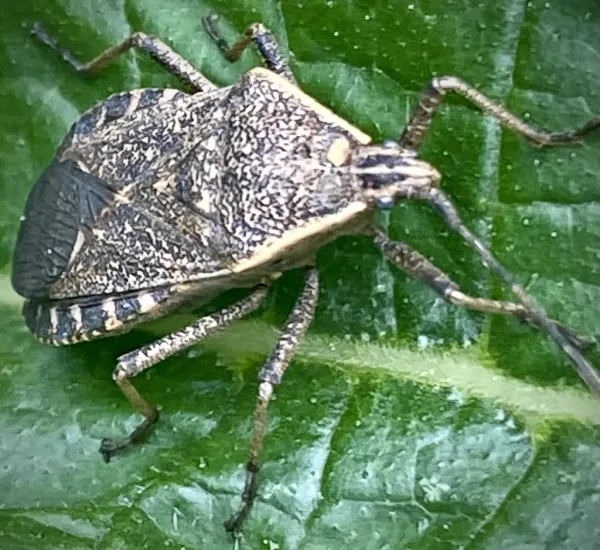
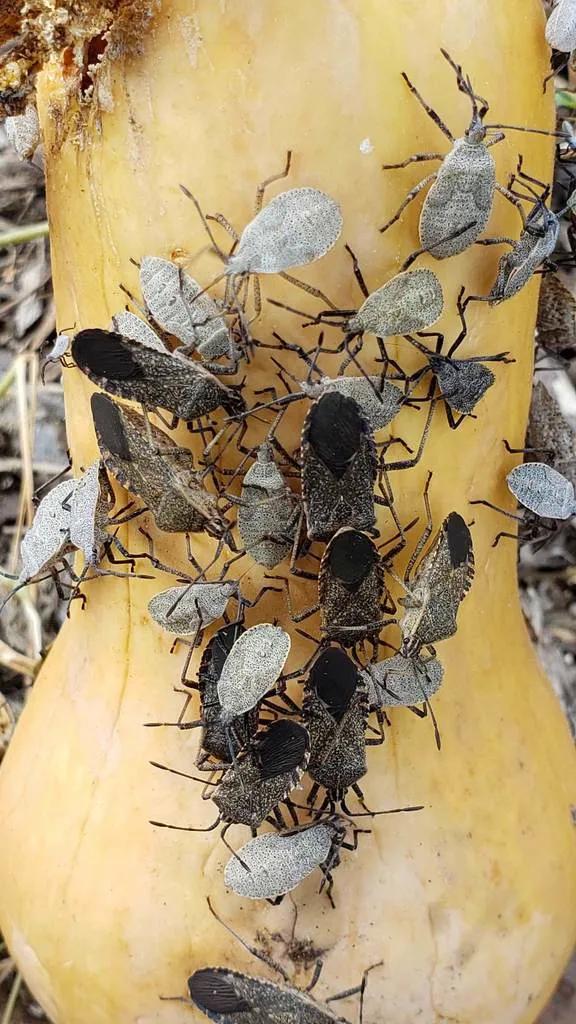
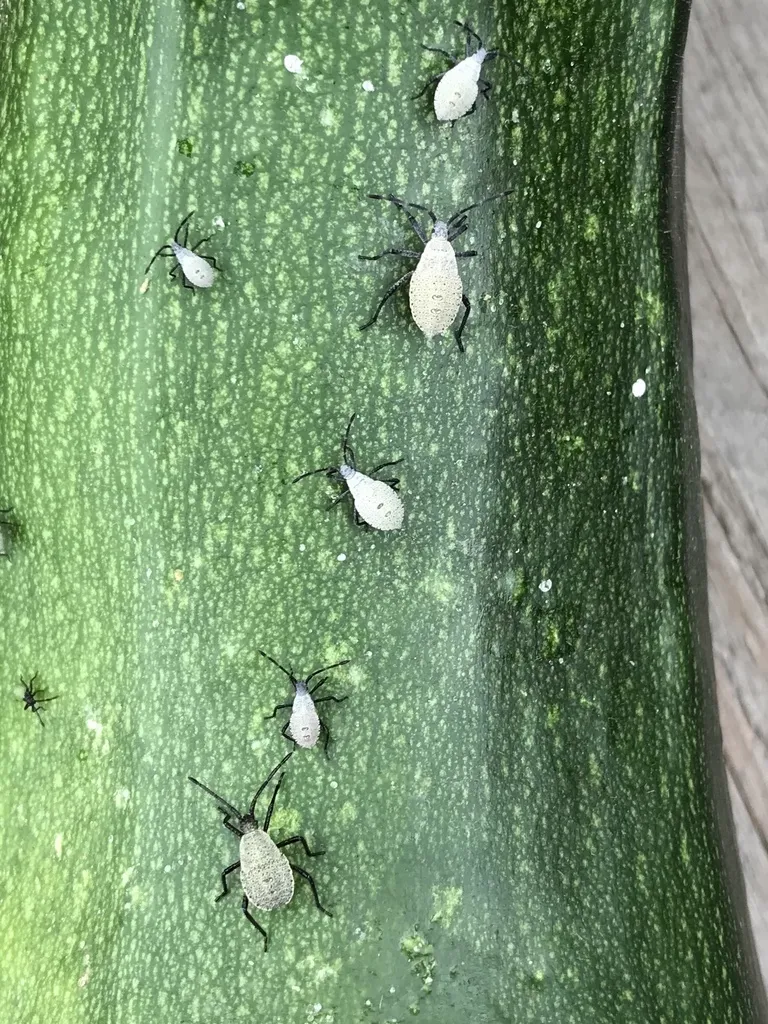
Squash Bugs Coloration
Common color patterns to help identify squash bugs
Squash Bugs
Seasonal Activity
When squash bugs are most active throughout the year

Where Squash Bugs Are Found
Hover over states to see their names. Green regions indicate where squash bugs have been reported.
Squash Bug Identification Guide
Physical Characteristics
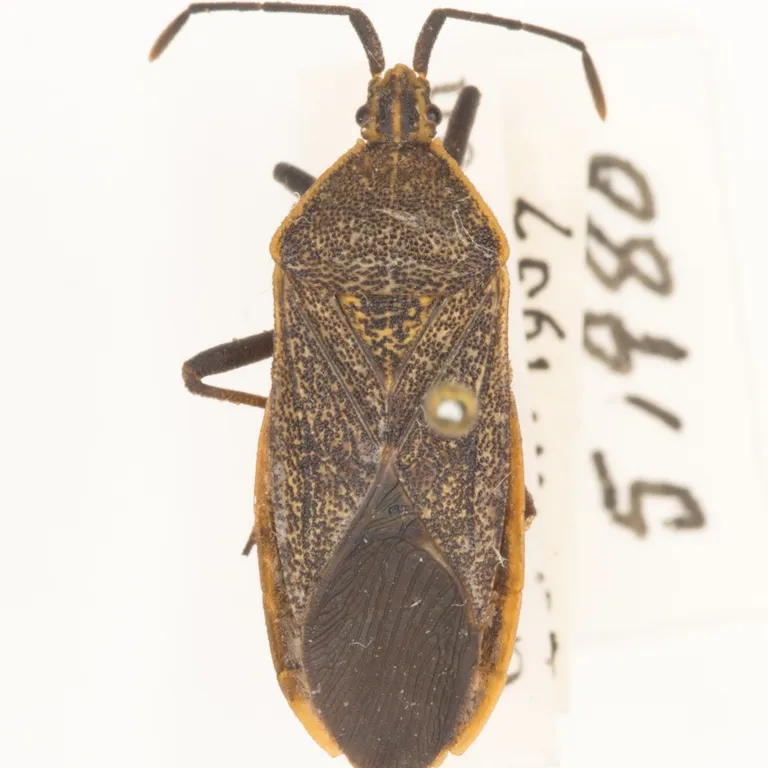
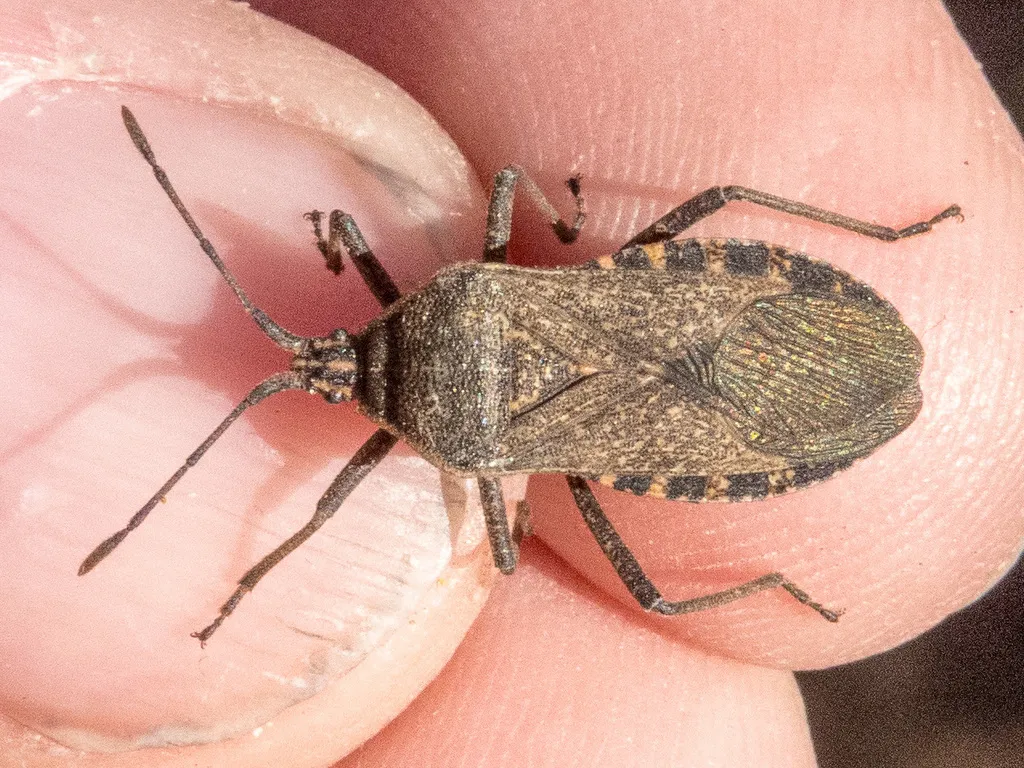
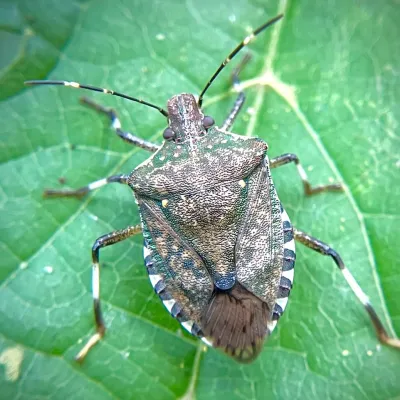
Squash bugs are fairly large insects, measuring about 5/8 inch (13-18 mm) long. Their bodies are flat and shield-shaped. They look similar to stink bugs but have a longer body shape. Adults are mottled grayish-brown with orange and brown stripes along the edges of their abdomen. From above, their wings form an X-pattern across their back.
The head is small and triangular with mouthparts made for piercing plants and sucking out fluids. Their antennae are dark with segments, and all six legs are black. When disturbed or crushed, squash bugs give off a strong, bad smell from glands on their body.
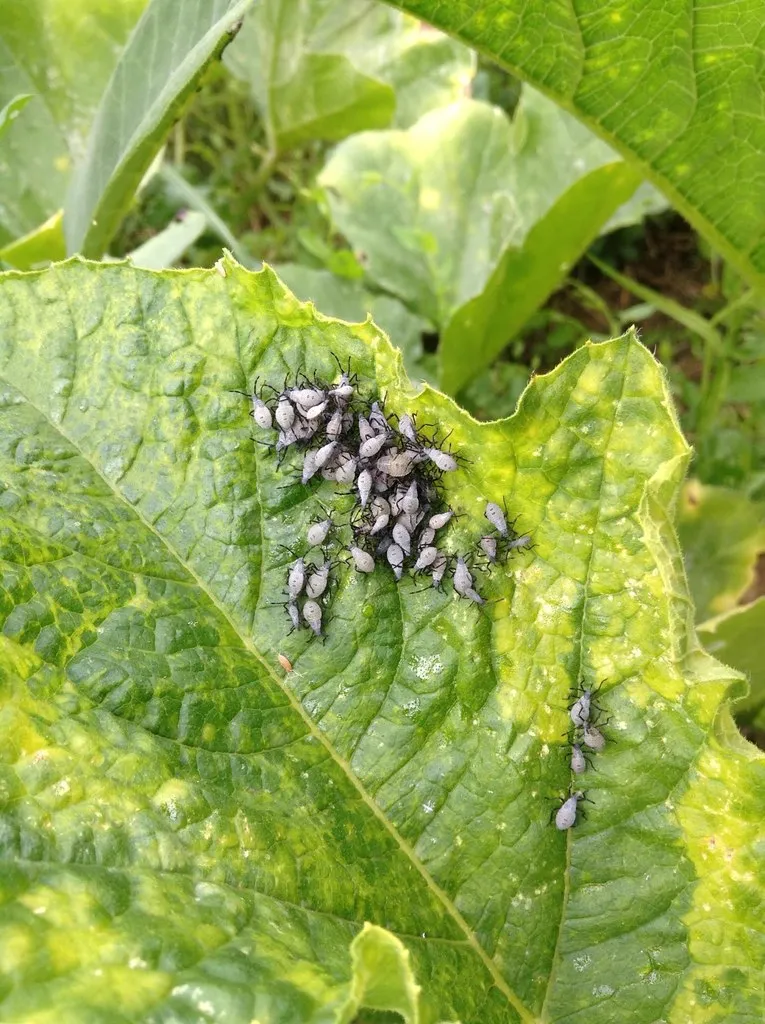
Squash bug eggs are bronze to brick-red, about 1/16 inch long. Females lay them in clusters of 15 to 40 on the undersides of leaves. These egg groups often form triangular or V-shaped patterns along leaf veins. Nymphs go through five growth stages and look very different from adults. Young nymphs have bright green abdomens with red heads. As they grow, they turn grayish-black. Young nymphs often have a whitish powdery coating and lack wings until they become adults.
Common Species
-
Squash Bug (Anasa tristis): The main pest species affecting squash and pumpkins across North America.
-
Helmeted Squash Bug (Euthochtha galeator): Looks similar but is less common and causes less damage.
-
Horned Squash Bug (Anasa armigera): Found in similar habitats. Has small horn-like bumps on its body.
Squash Bug Behavior and Biology
Squash bugs belong to the order Hemiptera and family Coreidae, often called leaf-footed bugs. Both adults and nymphs damage plants by feeding on them. They pierce plant tissue with their mouthparts and suck out sap. At the same time, they inject toxic saliva that blocks the plant’s ability to move water and nutrients.
Adults spend winter in protected spots like garden debris, under rocks, in wood piles, or near building foundations. They come out in late spring when it warms up and squash plants start growing. Females lay eggs on plants from late spring through mid-summer. A single female can lay up to 250 eggs in her lifetime. A related species, Boxelder Bug Nymphs, shares similar characteristics.
Eggs hatch in 10 to 14 days. Nymphs take about 25 to 48 days to grow through five stages before becoming adults. They grow faster in warmer weather. During the growing season, you may see eggs, nymphs at different stages, and adults all on the same plant at once. A related species, Stilt Bugs, shares similar characteristics.
Squash bugs like to gather in groups. They often cluster on plants, especially on fruit as the weather cools in fall. They are most active in the morning and evening. During hot parts of the day, they hide under leaves, plant debris, or in soil cracks. A related species, Birch Catkin Bugs, shares similar characteristics.
Plant Damage and Symptoms A related species, Red-Shouldered Bugs, shares similar characteristics.
Squash bug feeding shows up as small yellow spots on leaves. These spots grow and merge over time, turning entire leaves brown and crispy. This symptom is called “Anasa wilt.” It happens when the bug’s toxic saliva stops the plant from moving water and nutrients. Plants with heavy infestations may wilt and die, especially young seedlings. A related species, Four-Lined Plant Bug, shares similar characteristics.
Squash bugs can also spread cucurbit yellow vine disease (CYVD), a bacterial infection. Symptoms include yellowing leaves, wilting even with enough water, and plant death. The bacteria live inside adult squash bugs over winter and spread when the bugs feed on healthy plants in spring. A related species, Tarnished Plant Bug, shares similar characteristics.
Treatment Methods for Squash Bugs
Managing squash bug populations requires a combined approach using cultural practices, physical removal, and targeted applications. Since these pests attack garden plants rather than invading homes, control strategies focus on protecting vegetable crops during the growing season.
Cultural Control Methods
-
Garden sanitation: Clean up plant debris, fallen leaves, and crop waste at the end of the season. Squash bugs hide and overwinter in this material. Removing it reduces next year’s population.
-
Crop rotation: Don’t plant squash in the same spot year after year. Moving crops around disrupts the pest’s life cycle and prevents numbers from building up.
-
Resistant varieties: Some squash types handle squash bug damage better than others. Butternut squash and certain summer squash varieties show greater tolerance.
-
Trap cropping: Plant a preferred variety like Blue Hubbard squash along garden borders. This draws squash bugs away from your main crops. Remove eggs or treat the trap crop to control the overall population.
Mechanical Control
-
Egg destruction: Check the undersides of leaves often and crush or scrape off egg masses before they hatch. Do this two to three times per week during peak egg-laying season. It greatly reduces nymph numbers.
-
Hand picking: Collect adult bugs and nymphs by hand and drop them into a bucket of soapy water. This works best in early morning when bugs move slowly.
-
Board traps: Put flat boards or cardboard pieces near affected plants in the evening. Squash bugs gather under these shelters at night. Collect and destroy them each morning.
Biological Control
Some natural enemies help reduce squash bug numbers. The tachinid fly Trichopoda pennipes attacks adult squash bugs by laying eggs on their bodies. The fly larvae grow inside the bug and eventually kill it. Small wasps in the genus Eumicrosoma also attack squash bug eggs. Planting flowers like dill, fennel, and wild carrot near your garden can attract these predators.
Chemical Control Options
When squash bug numbers get too high, insecticide treatments may be needed. Chemical control works best on young nymphs right after eggs hatch. Adults are much harder to kill and can become resistant to many products.
Organic options include insecticidal soaps, horticultural oils, and pyrethrin products. These kill on contact and need to cover all plant surfaces, including leaf undersides where bugs hide. Products with carbaryl, permethrin, or other pyrethroids last longer on plants.
Apply treatments in early morning or evening when bugs are feeding. Focus on the base of plants where adults tend to gather. Always follow label directions and wait the required time before harvesting treated crops.
References
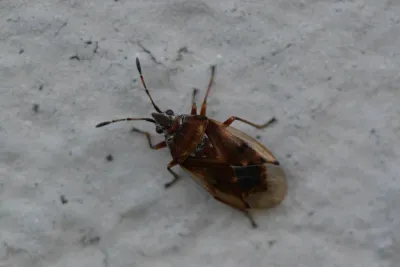
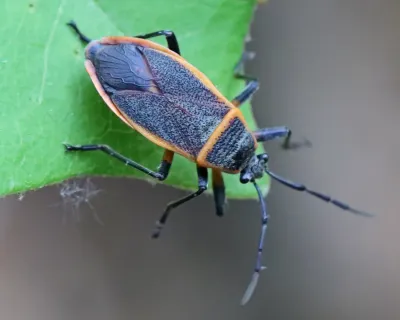
Other Plant Bugs
Explore other species in the plant bugs family
Where Squash Bugs Are Found
Hover over states to see their names. Green regions indicate where squash bugs have been reported.
Common Questions about Squash Bugs
What do squash bugs look like?
+
Adult squash bugs are about 5/8 inch long with a shield-shaped, flattened body. They are grayish-brown with orange and brown stripes along the edges of their abdomen. Nymphs are smaller with light green bodies and red heads when young, turning grayish as they mature.
What plants do squash bugs attack?
+
Squash bugs primarily feed on squash and pumpkins but will also attack other cucurbits including cucumbers, melons, and gourds. They prefer winter squash and pumpkins over summer squash varieties.
How do I know if I have a squash bug infestation?
+
Signs include wilting leaves that turn yellow then brown and crispy (called Anasa wilt), bronze or brick-red egg clusters on leaf undersides, and the presence of grayish nymphs or adults on plants. You may also notice a distinctive unpleasant odor when the bugs are disturbed.
Are squash bugs the same as stink bugs?
+
No, though they are often confused. Both are shield-shaped and release unpleasant odors when disturbed. However, squash bugs are larger, more elongated, and primarily attack garden plants, while stink bugs have a rounder shape and commonly invade homes in fall.
When are squash bugs most active?
+
Squash bugs are most active from late spring through early fall. Adults emerge in late spring to feed and lay eggs, with peak activity during the summer months. They overwinter as adults in garden debris and sheltered areas.
Do squash bugs bite humans?
+
Squash bugs do not bite humans. Their piercing-sucking mouthparts are designed for feeding on plant tissue only. However, they can release a foul-smelling defensive chemical when handled or crushed.
How long do squash bugs live?
+
Adult squash bugs can live for several months. They have one generation per year in northern climates and two to three generations in warmer southern regions. The complete life cycle from egg to adult takes six to eight weeks.
Can squash bugs transmit plant diseases?
+
Yes, squash bugs can transmit cucurbit yellow vine disease, a bacterial infection that causes rapid wilting and yellowing of cucurbit plants. The bacteria overwinter in adult squash bugs and spread when they feed.

With five years of hands-on experience in the pest control industry, George Schulz is a registered technician with the Virginia Pest Management Association and a proud third-generation professional in a family business that's been protecting homes for over 57 years. He manages and trains a team of service pros while also leading internal research efforts—recently spearheading a deep-dive review of thousands of documents on pest control materials to hand-pick the most kid and pet friendly, most effective solutions tailored specifically for homes in the DC metro area.