Red-Shouldered Bugs Identification Guide
Jadera haematoloma
Red-shouldered bugs are black insects with distinctive red shoulder markings that congregate in large numbers around goldenrain trees and other host plants, often invading homes in fall to overwinter.
Taxonomy
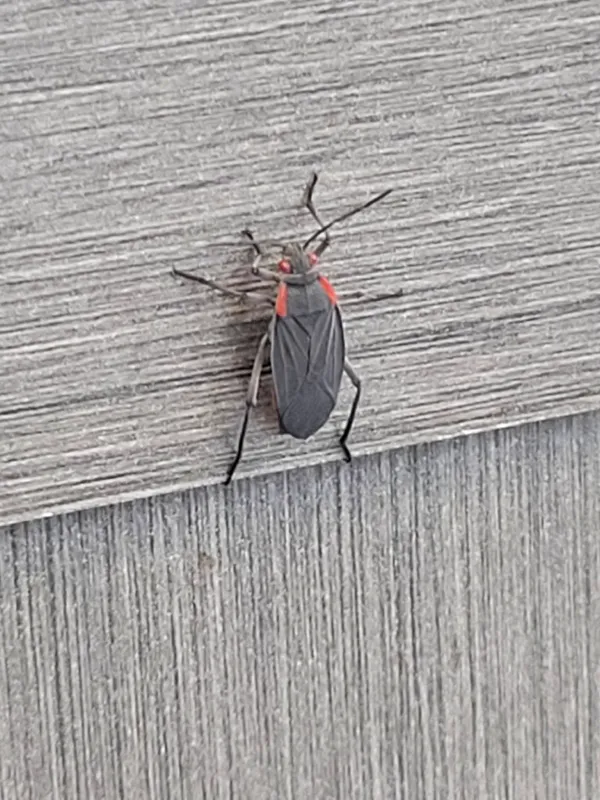
Red-Shouldered Bugs Coloration
Common color patterns to help identify red-shouldered bugs
Red-Shouldered Bugs
Seasonal Activity
When red-shouldered bugs are most active throughout the year

Where Red-Shouldered Bugs Are Found
Hover over states to see their names. Green regions indicate where red-shouldered bugs have been reported.
Red-Shouldered Bug Identification Guide
Physical Characteristics
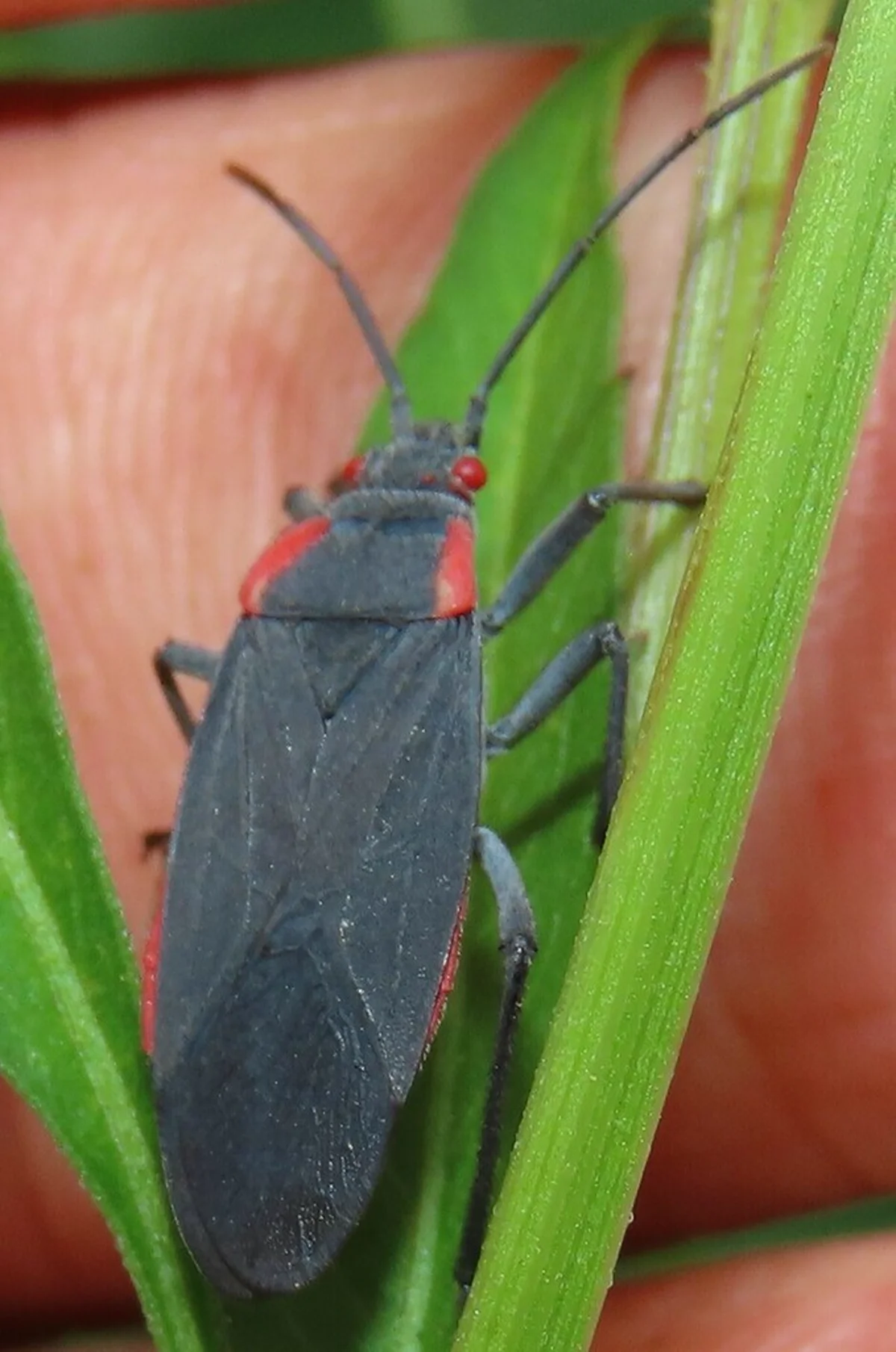
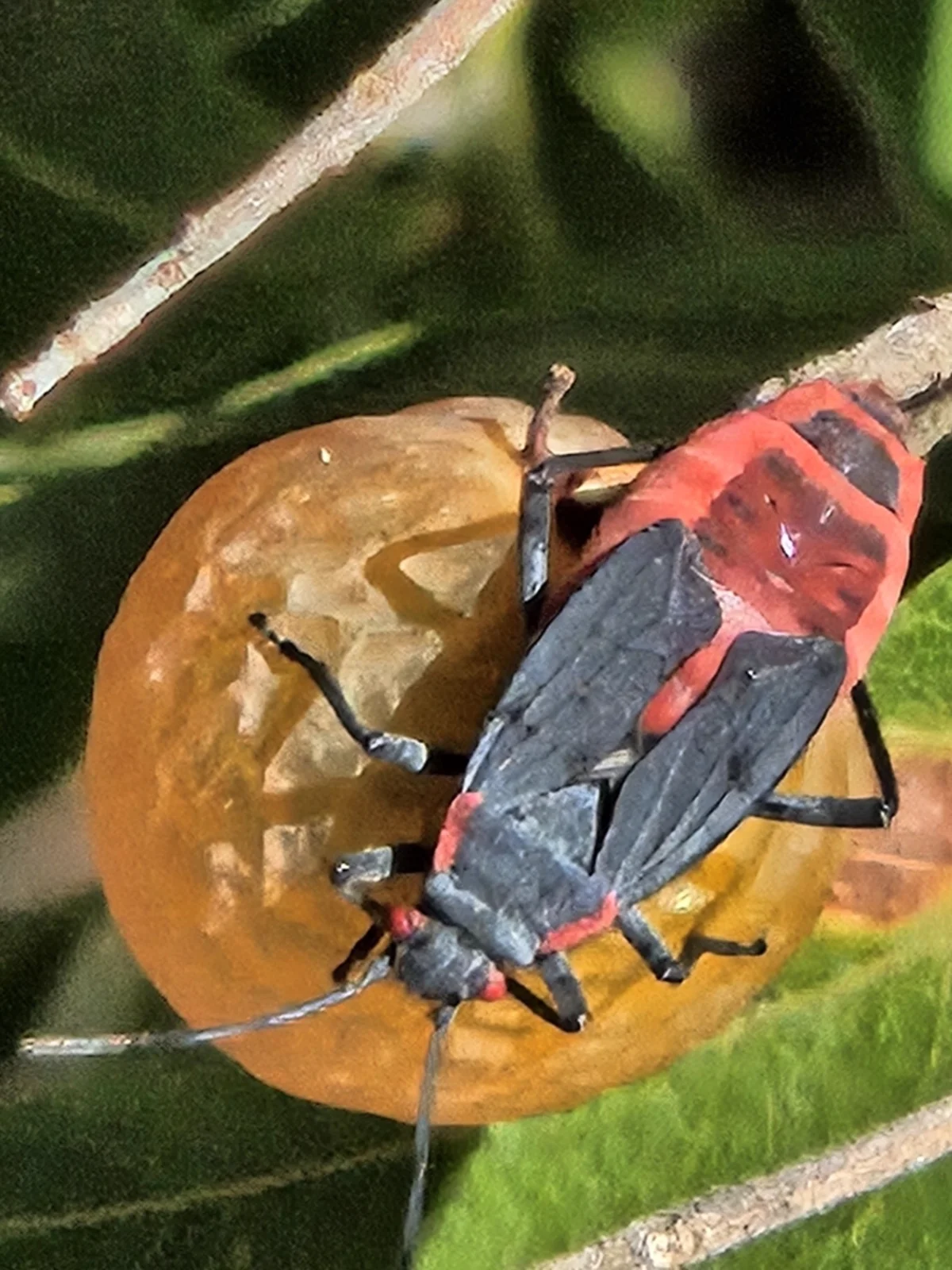
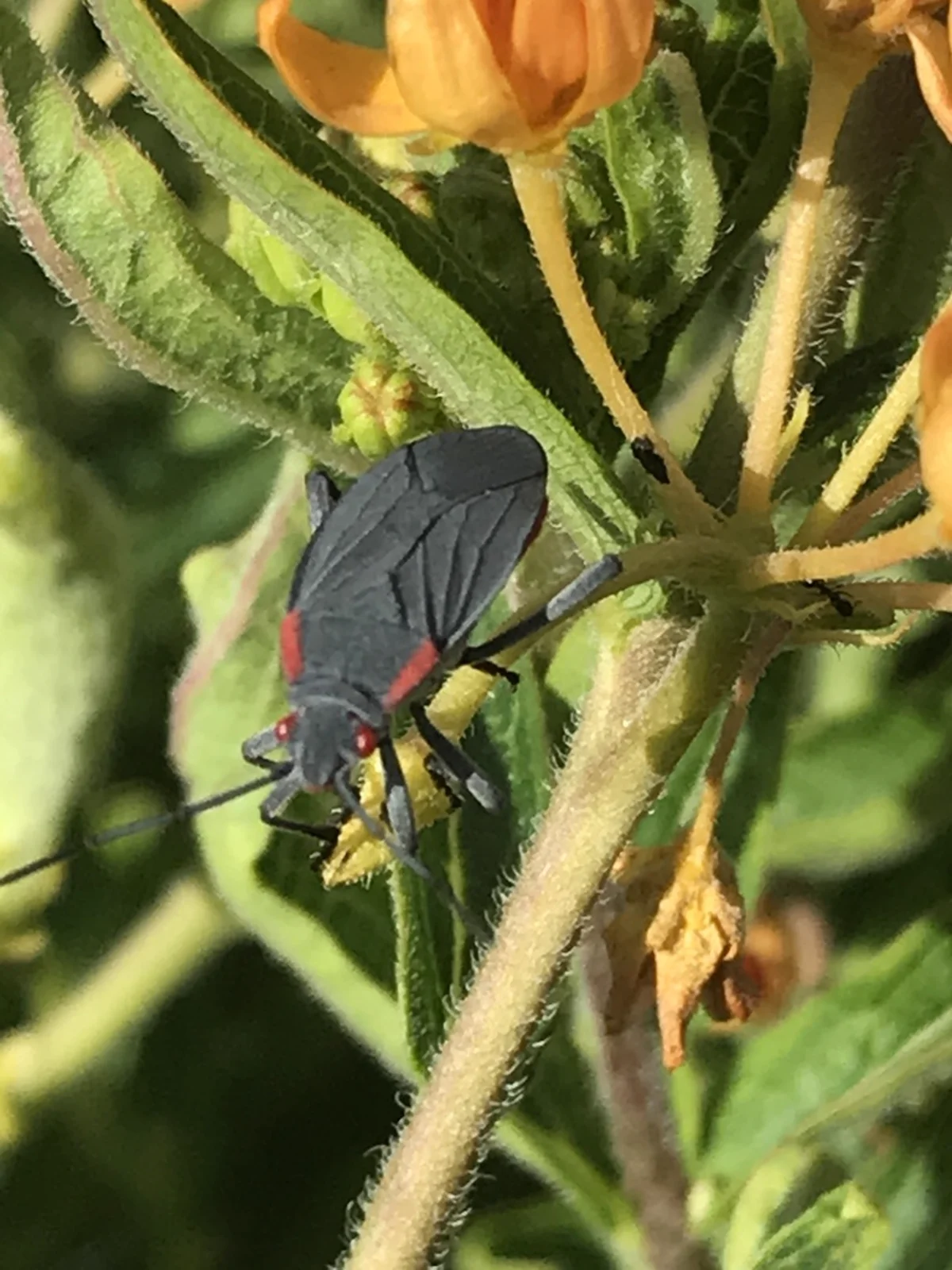
Red-shouldered bugs are flat, oval insects about 10 to 14 millimeters long. Adults are mostly black or dark gray. They have two red stripes on the outer edges of the thorax, which is how they got their name. Under their wings, the abdomen is often bright red. You can see this color when they fly. They have red eyes, six black legs, and two antennae.
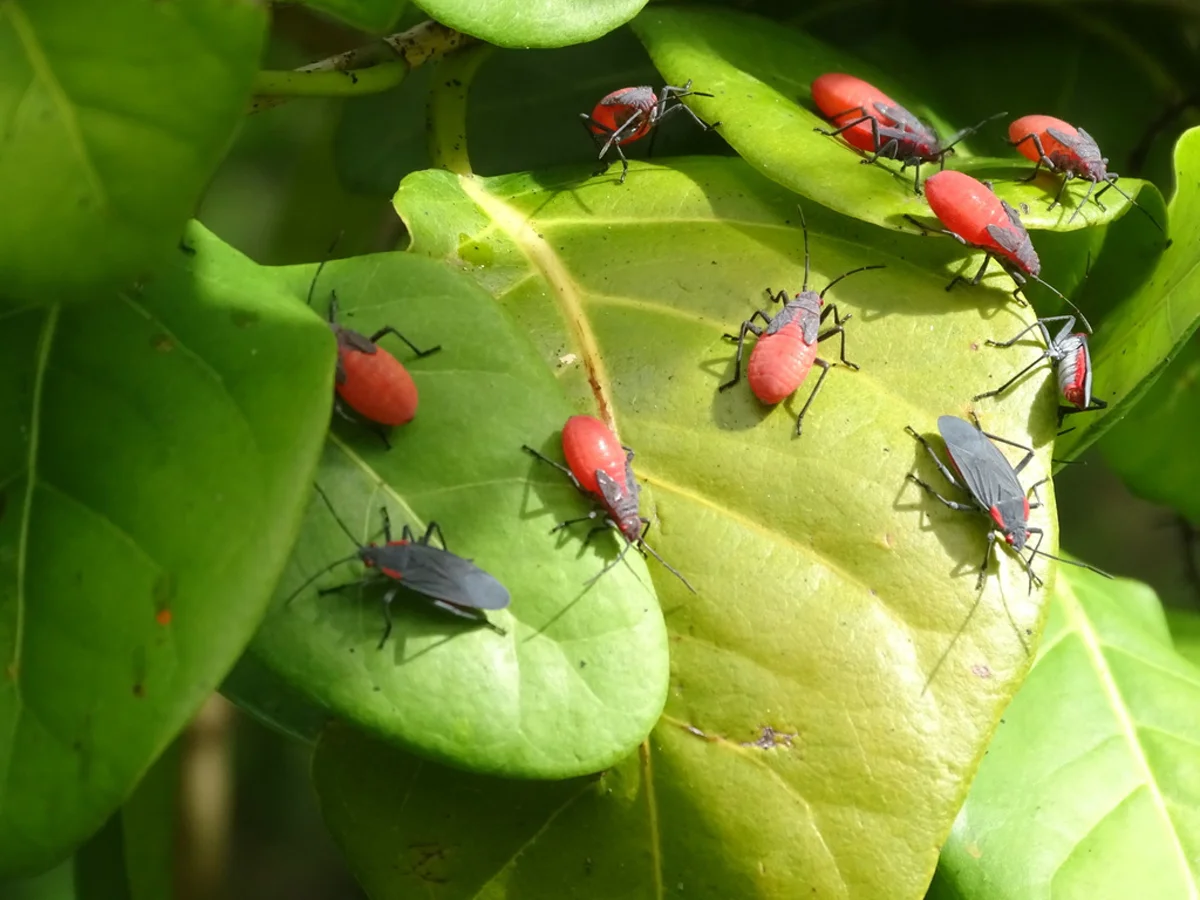
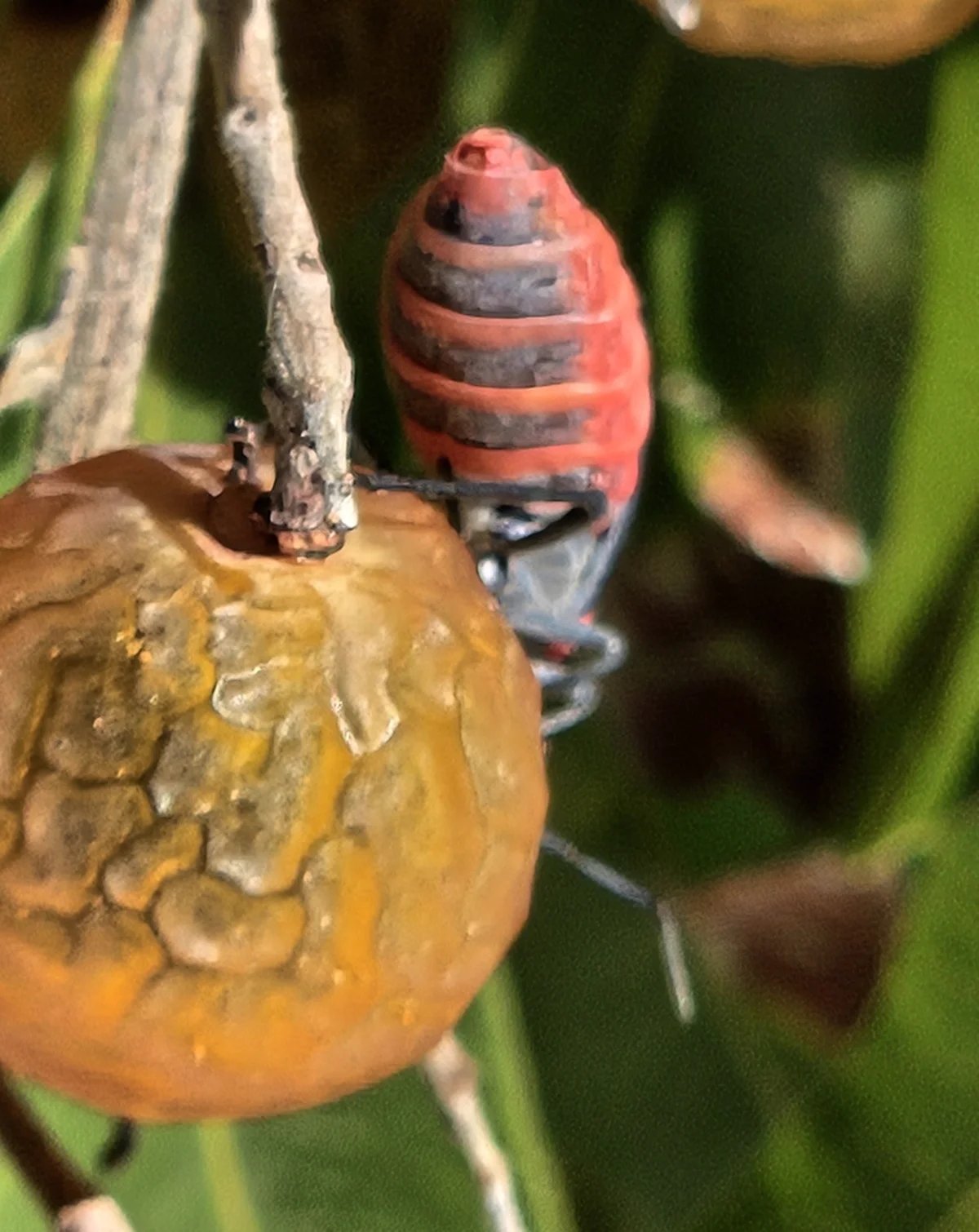
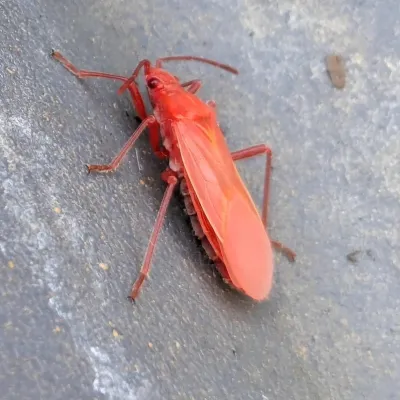
Young bugs, called nymphs, look very different from adults. They are bright red or orange with a black plate behind their head. They have small wing pads instead of full wings. As they grow and shed their skin over two months, they get darker. Adults that have just molted may look bright red or purple. Their outer shell darkens as it hardens.
Common Names
Red-shouldered bugs go by several names based on where they live and what they eat:
- Goldenrain Tree Bug: Used in areas where goldenrain trees grow
- Soapberry Bug: Named for their favorite food plants in the soapberry family
- Jadera Bug: Named after their scientific genus Jadera
Similar-Looking Insects
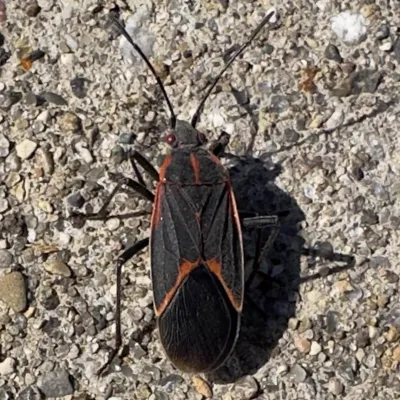
Red-shouldered bugs look a lot like boxelder bugs. Both belong to the same insect family. Here is how to tell them apart:
- Red-shouldered bugs have only two red lines on the thorax. They have no red on the wings.
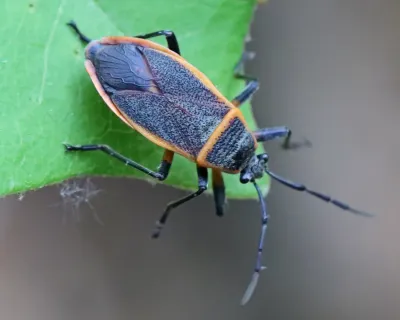
- Boxelder bugs have three red lines behind the head. They also have red marks along their wing edges.
Red-shouldered bugs have red eyes. Boxelder bugs have dark eyes. If you see bugs feeding on goldenrain tree seeds, they are most likely red-shouldered bugs.
Red-Shouldered Bug Behavior and Biology A related species, Boxelder Bug Nymphs, shares similar characteristics.
Feeding Habits A related species, Stilt Bugs, shares similar characteristics.
Red-shouldered bugs have needle-like mouthparts. They use these to pierce seeds and suck out the juices. They prefer seeds from plants in the soapberry family: A related species, Birch Catkin Bugs, shares similar characteristics.
- Goldenrain tree (Koelreuteria paniculata)
- Chinaberry tree (Melia azedarach)
- Balloon vine (Cardiospermum halicacabum)
- Western soapberry (Sapindus saponaria var. drummondii) A related species, Four-Lined Plant Bug, shares similar characteristics.
The bugs gather in large groups under host trees to eat fallen seeds. They also feed on seed pods still on the tree. Sometimes they eat leaves, flowers, and soft fruit. You may also find them on ash, maple, and some fruit trees. A related species, Tarnished Plant Bug, shares similar characteristics.
Life Cycle A related species, Kudzu Bugs, shares similar characteristics.
Red-shouldered bugs can have two or more generations per year. In warm southern states, they may have even more. Females that live through winter start laying eggs in spring. They place eggs in bark cracks, leaf litter, and other hidden spots near food plants. A related species, Milkweed Bugs, shares similar characteristics.
Eggs hatch in about two weeks. The bright red nymphs start feeding right away. They go through five growth stages before becoming adults. This takes about 50 to 60 days. Warmer weather speeds up their growth.
In Florida, Texas, and California, these bugs stay active all year. Further north, the fall generation looks for shelter to spend the winter.
Aggregation Behavior
Red-shouldered bugs love to gather in large groups. Hundreds or even thousands may cluster on tree trunks, fences, walls, and other surfaces near their food. This grouping helps protect them from predators. When disturbed, the bugs release a bad smell that drives enemies away.
Bugs that live in crowded groups often grow shorter wings. Bugs that live alone usually have full-length wings. Their wing size seems to depend on how many other bugs are nearby.
Overwintering Behavior
In cooler areas, adult red-shouldered bugs look for shelter in fall when it gets cold. Like boxelder bugs, they are among the common fall invading pests that gather on south and west-facing walls that get a lot of sun. They squeeze through gaps around windows, doors, vents, and siding to get inside.
Once inside wall voids, they go dormant. They do not eat or lay eggs until spring. On warm winter days, some may wake up and wander into your living space. This can make it seem like a new invasion, but these bugs have been hiding in your walls for months.
Treatment Methods for Red-Shouldered Bugs
Red-shouldered bugs respond to the same control methods used for boxelder bugs. The key is to stop them before they get inside.
-
Exterior Barrier Treatments: Applying treatments around the foundation, windows, doors, and other entry points before fall creates a barrier. The bugs cannot get past it. Treat in September or early October, before the first frost, for best results.
-
Dust Applications: Treating voids like weep holes, spaces behind siding, and gaps around windows with dust products reaches hidden areas. This stops bugs where they try to enter and hide.
-
Entry Point Sealing: Caulk gaps around windows and doors. Repair damaged screens. Install door sweeps. Seal cracks in the foundation. These steps block entry points and give lasting protection.
-
Interior Treatment: If bugs are already inside, treat around windows, door frames, and baseboards. For small numbers, vacuuming works better than sprays.
-
Host Tree Management: Red-shouldered bugs need certain trees to survive. Removing goldenrain or chinaberry trees from your yard can reduce local bug numbers. Keep in mind that these bugs can fly long distances. Trees on nearby properties may still attract them.
Be patient if you see large groups. Red-shouldered bugs leave buildings on their own in spring. They return to their host trees to feed and breed.
References
- Scentless Plant Bugs, Jadera sp. - University of Florida IFAS Extension
- Red Shouldered Bug or Goldenraintree Bug - NC State Extension
- Redshouldered Bug - Texas A&M Field Guide to Common Texas Insects
- Boxelder Bug, Redshouldered Bug - Oklahoma State University Extension
- Jadera haematoloma - Wikipedia
Other Plant Bugs
Explore other species in the plant bugs family
Commonly Confused With
Red-Shouldered Bugs are often mistaken for these similar pests
Where Red-Shouldered Bugs Are Found
Hover over states to see their names. Green regions indicate where red-shouldered bugs have been reported.
Common Questions about Red-Shouldered Bugs
What are red-shouldered bugs?
+
Red-shouldered bugs are also called goldenrain tree bugs or soapberry bugs. They are true bugs in the Rhopalidae family that feed on seeds from trees in the soapberry family, including goldenrain trees, chinaberry, and balloon vine. They are closely related to boxelder bugs.
Why are red-shouldered bugs on my property?
+
Red-shouldered bugs gather near their host trees, especially goldenrain trees and chinaberry trees. If you have one of these trees nearby, or if fallen seeds accumulate on the ground, you will likely see large numbers of these bugs congregating in the area.
Do red-shouldered bugs bite or sting?
+
Red-shouldered bugs do not bite or sting people. They are harmless and pose no health risks. Their only defense is releasing an unpleasant odor when disturbed or crushed.
Why are red-shouldered bugs coming into my house?
+
Like boxelder bugs, red-shouldered bugs seek shelter inside homes in fall to survive the winter. They are drawn to warm, sunny walls and squeeze through gaps around windows, doors, and siding to get indoors.
Are red-shouldered bugs harmful?
+
Red-shouldered bugs do not cause structural damage, bite, or infest food. They are considered nuisance pests. However, their droppings can stain light fabrics, and they release an odor when crushed.
How do I tell red-shouldered bugs apart from boxelder bugs?
+
Red-shouldered bugs are mostly black or dark gray with only two red lines on the thorax (shoulders). Boxelder bugs have three red lines behind the head and additional red markings along their wing edges. Red-shouldered bugs also have red eyes, while boxelder bugs have dark eyes.
How do I get rid of red-shouldered bugs?
+
Vacuum up indoor bugs rather than crushing them to avoid releasing their odor. Prevent future invasions by sealing entry points before fall. Professional exterior treatments applied around your home's perimeter can create a barrier that keeps them out.

With five years of hands-on experience in the pest control industry, George Schulz is a registered technician with the Virginia Pest Management Association and a proud third-generation professional in a family business that's been protecting homes for over 57 years. He manages and trains a team of service pros while also leading internal research efforts—recently spearheading a deep-dive review of thousands of documents on pest control materials to hand-pick the most kid and pet friendly, most effective solutions tailored specifically for homes in the DC metro area.