Milkweed Bugs Identification Guide
Oncopeltus fasciatus
Milkweed bugs are striking orange and black insects that feed primarily on milkweed seeds. While occasionally entering homes in fall, they are generally harmless and do not bite, sting, or cause structural damage.
Taxonomy
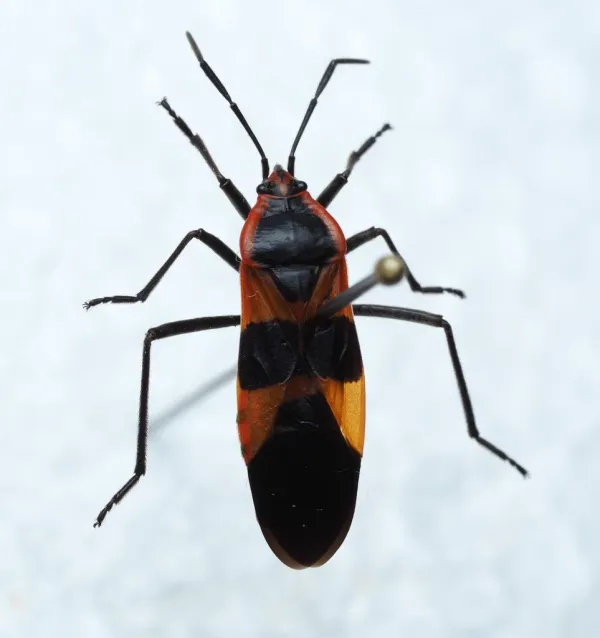
Milkweed Bugs Coloration
Common color patterns to help identify milkweed bugs
Milkweed Bugs
Seasonal Activity
When milkweed bugs are most active throughout the year
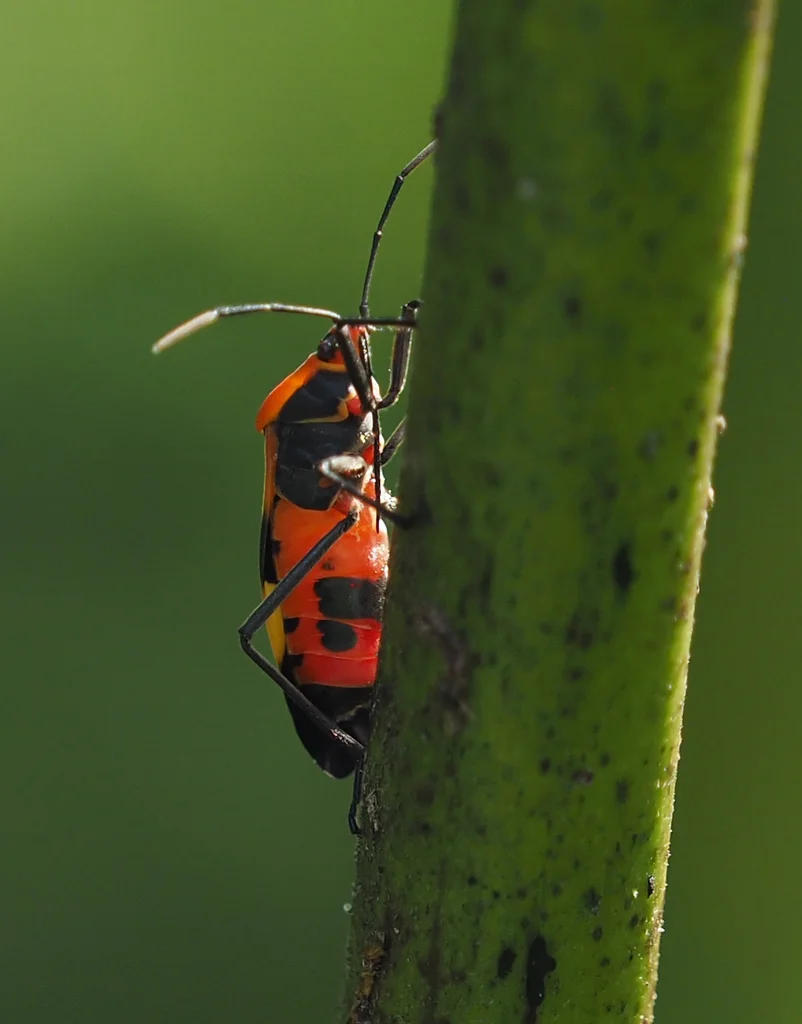
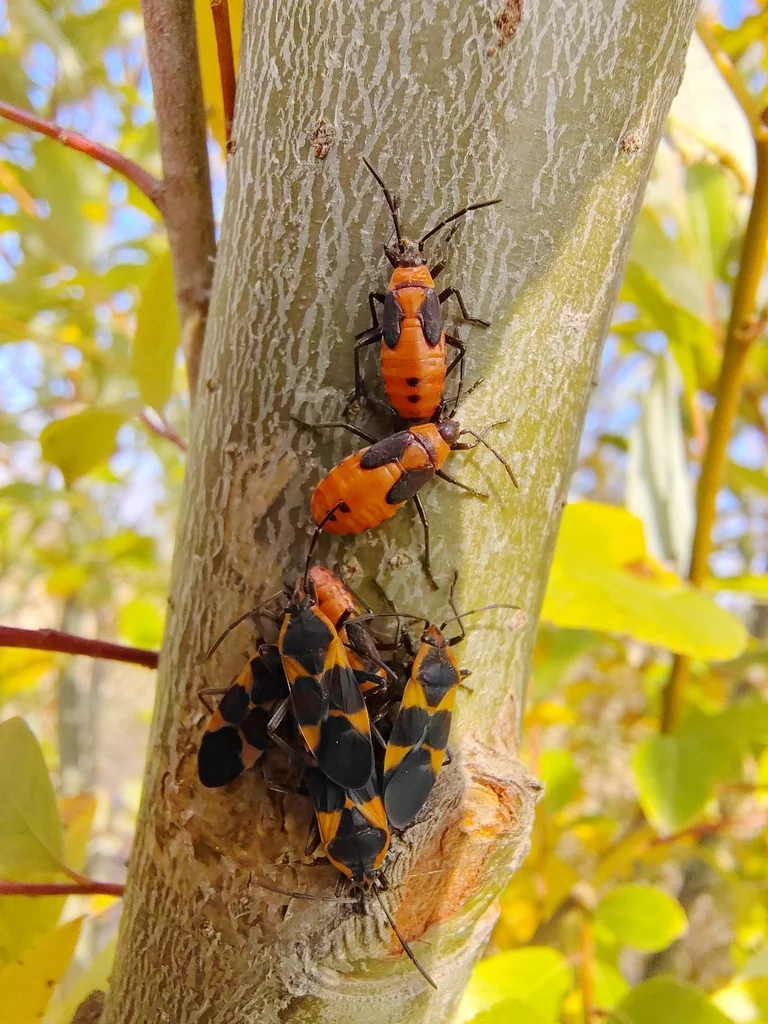
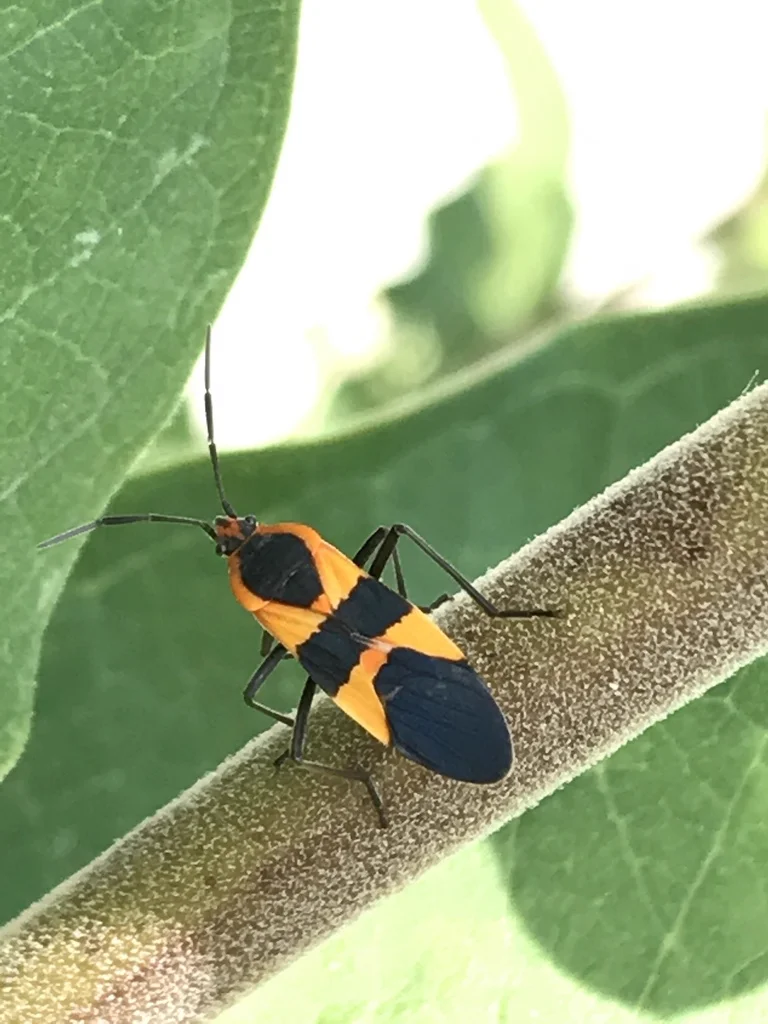

Where Milkweed Bugs Are Found
Hover over states to see their names. Green regions indicate where milkweed bugs have been reported.
Milkweed Bug Identification Guide
Physical Characteristics
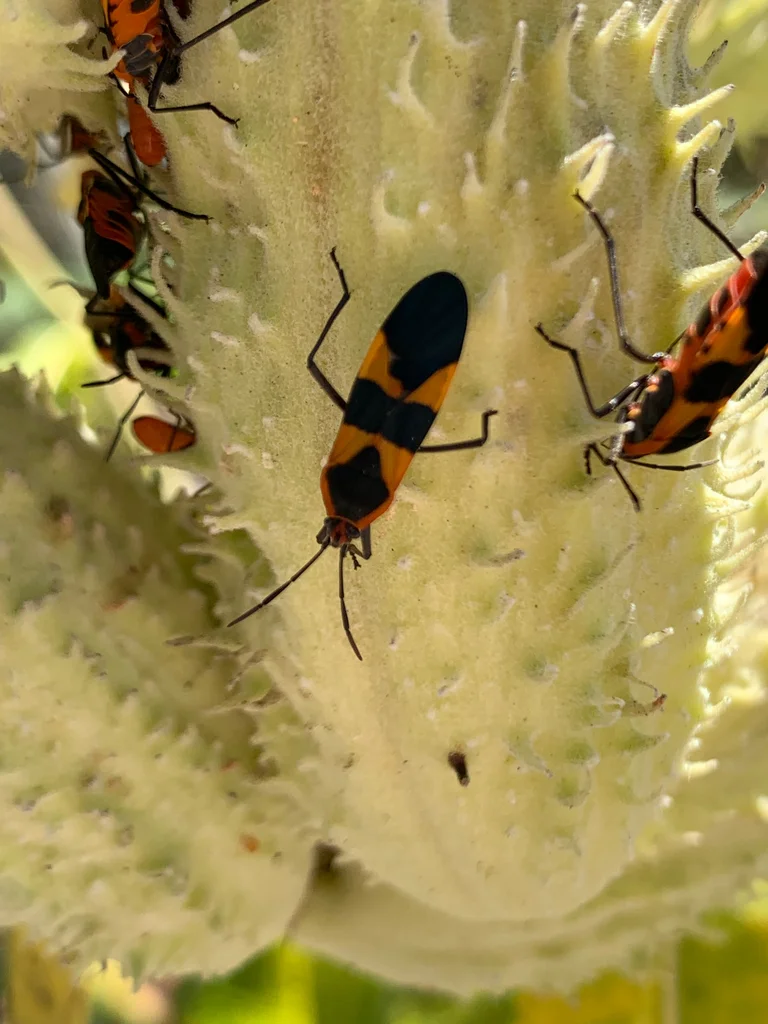
Milkweed bugs are easily recognized by their bold orange and black coloring, a pattern that warns predators of their unpalatability. These true bugs (Order Hemiptera) in the plant bug group have elongated, oval-shaped bodies with long antennae and piercing-sucking mouthparts. Adults range from 1/2 to 3/4 inch in length depending on the species.
The large milkweed bug (Oncopeltus fasciatus) features a distinctive pattern: two black triangular patches at the front and back of the wings, separated by a prominent black band across the middle. The rest of the body is bright orange-red. Males can be distinguished from females by examining the underside of the abdomen: males have a solid black band on the fourth segment, while females have two black spots.
Nymphs (immature milkweed bugs) are primarily orange with black legs and antennae. As they develop through five growth stages, they gradually develop wing pads and the characteristic black markings become more pronounced.
Common Species in North America
Large Milkweed Bug (Oncopeltus fasciatus) - The most commonly encountered species, measuring up to 3/4 inch. Found throughout North America, these bugs are migratory in northern regions and cannot survive harsh winters. They travel south in fall and gradually move northward again as temperatures warm in spring.
Small Milkweed Bug (Lygaeus kalmii) - Smaller at about 1/2 inch, these bugs have a distinctive red X-shape on their backs with a black heart-shaped marking in the center. Unlike their larger relatives, small milkweed bugs can overwinter as adults in northern climates and are permanent residents rather than migrants.
False Milkweed Bug (Lygaeus turcicus) - Closely resembles the small milkweed bug but prefers feeding on false sunflower (ox-eye) seeds rather than milkweed. The black pattern is slightly different from true milkweed bugs.
Milkweed Bug Behavior and Biology
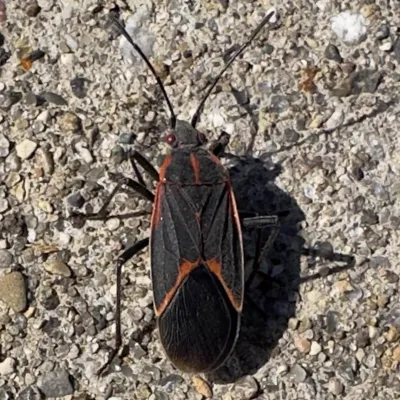
Habitat and Diet A related species, Boxelder Bug Nymphs, shares similar characteristics.
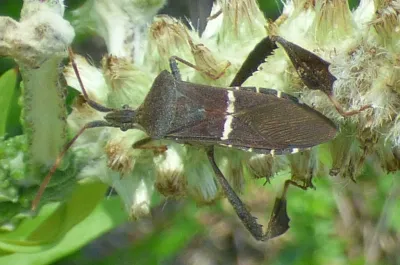
Milkweed bugs are most commonly found wherever milkweed plants grow: open fields, roadsides, prairies, pastures, and native wildflower gardens. They use their long, strawlike mouthparts to pierce milkweed seeds, stems, and leaves to extract plant juices. Common milkweed (Asclepias syriaca) is their preferred food source, though they will also feed on other plants in the milkweed family, including dogbane. A related species, Stilt Bugs, shares similar characteristics.
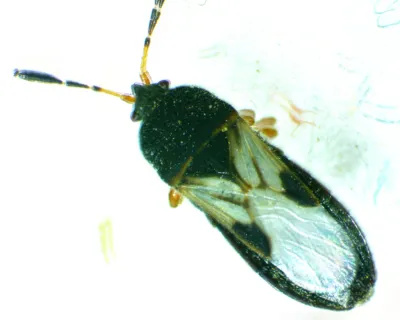
The toxic compounds (cardiac glycosides) in milkweed accumulate in the bugs’ bodies, making them distasteful to most predators. Their bright orange and black warning coloration, called aposematism, advertises this toxicity. When milkweed becomes scarce, these bugs may turn to alternative food sources, occasionally feeding on other insects or even nectar from flowers. A related species, Birch Catkin Bugs, shares similar characteristics.
Life Cycle and Reproduction A related species, Red-Shouldered Bugs, shares similar characteristics.
Milkweed bugs undergo incomplete metamorphosis, developing through egg, nymph, and adult stages without a pupal phase. Females lay clusters of 20 to 50 eggs on milkweed plants, often tucking them into seed pods or leaf crevices. The eggs are pale orange and oval-shaped. A related species, Four-Lined Plant Bug, shares similar characteristics.
After hatching, nymphs pass through five instars over approximately 28 to 30 days, molting between each stage. With each molt, they grow larger and develop more prominent wing pads. Newly molted adults have whitish wings that darken to black as they harden. Adults typically live one to two months, and depending on climate and location, milkweed bugs can produce one to three generations per year. A related species, Tarnished Plant Bug, shares similar characteristics.
Seasonal Patterns
In northern regions, large milkweed bugs are most abundant from late summer through fall when milkweed seed pods mature. As temperatures drop and daylight shortens, adult bugs begin migrating southward to overwinter in warmer southern states along the Atlantic and Gulf coasts. In spring and early summer, new generations gradually recolonize northern areas.
Small milkweed bugs follow a different pattern, overwintering as adults in protected locations and emerging in spring to resume feeding and reproduction. This species does not undertake long-distance migrations.
Treatment Methods for Milkweed Bugs
Milkweed bugs are generally considered beneficial or neutral insects. They help control milkweed, which can be invasive in some areas, while not causing significant harm to gardens or homes. In most cases, control measures are unnecessary. However, when large numbers enter homes or become a nuisance, several management approaches can be effective.
Prevention Strategies
-
Seal Entry Points: Inspect and seal gaps around windows, doors, foundation vents, and utility penetrations before fall. Weather stripping and door sweeps prevent bugs from squeezing inside.
-
Remove Attractants: If milkweed grows near your home, consider relocating plants away from the foundation. Milkweed bugs congregate where their food source is abundant.
-
Reduce Overwintering Sites: Clear leaf litter, brush piles, and other debris near your home’s foundation where bugs might shelter.
Physical Removal
-
Vacuuming: The most effective and chemical-free method for removing milkweed bugs indoors. Use a shop vacuum or handheld vacuum to collect bugs, then release them outdoors or dispose of them in a sealed bag.
-
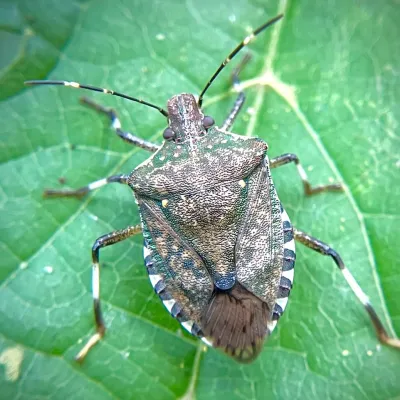
Manual Collection: Gently sweep bugs into a container and release them outside. Unlike stink bugs, milkweed bugs do not release a strong odor when handled.
-
Soapy Water: For outdoor populations, knock bugs into a bucket of soapy water. This method works well for managing large aggregations on plants.
Chemical Considerations
Since milkweed bugs share habitat with monarch butterflies and other pollinators, insecticide use is generally discouraged. Chemical treatments can harm beneficial insects, including the monarch caterpillars that depend on milkweed for survival. If pest management becomes necessary, focus on exclusion and physical removal rather than chemical applications.
References
Other Plant Bugs
Explore other species in the plant bugs family
Commonly Confused With
Milkweed Bugs are often mistaken for these similar pests
Where Milkweed Bugs Are Found
Hover over states to see their names. Green regions indicate where milkweed bugs have been reported.
Common Questions about Milkweed Bugs
Are milkweed bugs harmful to humans?
+
No, milkweed bugs are completely harmless to humans. They do not bite, sting, or carry diseases. While they may occasionally enter homes in fall seeking shelter, they pose no health risks to people or pets.
Do milkweed bugs damage homes or gardens?
+
Milkweed bugs cause no structural damage to homes. In gardens, they feed primarily on milkweed seeds and occasionally other plants in the milkweed family. They rarely cause significant plant damage and are generally considered a nuisance rather than a destructive pest.
Why are milkweed bugs in my house?
+
Milkweed bugs may enter homes in fall as they seek shelter from cooling temperatures. Like other [overwintering insects](/fall-bugs/), they are attracted to warm, sunny sides of buildings and can slip through small gaps around windows and doors.
How do I get rid of milkweed bugs?
+
The easiest removal method is vacuuming them up or gently collecting them and releasing them outdoors. Sealing entry points around windows, doors, and foundations can prevent them from entering. Since they are harmless, many people simply tolerate their presence.
What is the difference between large and small milkweed bugs?
+
Large milkweed bugs (Oncopeltus fasciatus) grow up to 3/4 inch long and have a black band across their backs separating two orange triangles. Small milkweed bugs (Lygaeus kalmii) are about 1/2 inch long and have a red X-shape pattern on their backs with a heart-shaped black marking.
Do milkweed bugs harm monarch butterflies?
+
Milkweed bugs and monarch butterflies both depend on milkweed plants but typically coexist without major conflict. While large populations of milkweed bugs can compete for milkweed resources, they generally do not harm monarch caterpillars or significantly impact milkweed plants.

With five years of hands-on experience in the pest control industry, George Schulz is a registered technician with the Virginia Pest Management Association and a proud third-generation professional in a family business that's been protecting homes for over 57 years. He manages and trains a team of service pros while also leading internal research efforts—recently spearheading a deep-dive review of thousands of documents on pest control materials to hand-pick the most kid and pet friendly, most effective solutions tailored specifically for homes in the DC metro area.