Kudzu Bugs Identification Guide
Megacopta cribraria
Kudzu bugs are small, round invasive pests that invade homes in fall to overwinter and emit a foul odor when disturbed.
Taxonomy
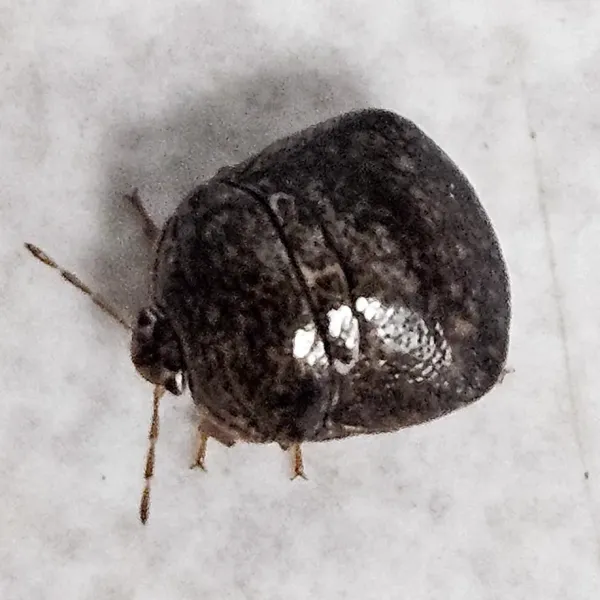
Kudzu Bugs Coloration
Common color patterns to help identify kudzu bugs
Kudzu Bugs
Seasonal Activity
When kudzu bugs are most active throughout the year


Where Kudzu Bugs Are Found
Hover over states to see their names. Green regions indicate where kudzu bugs have been reported.
Kudzu Bug Identification Guide
Physical Characteristics
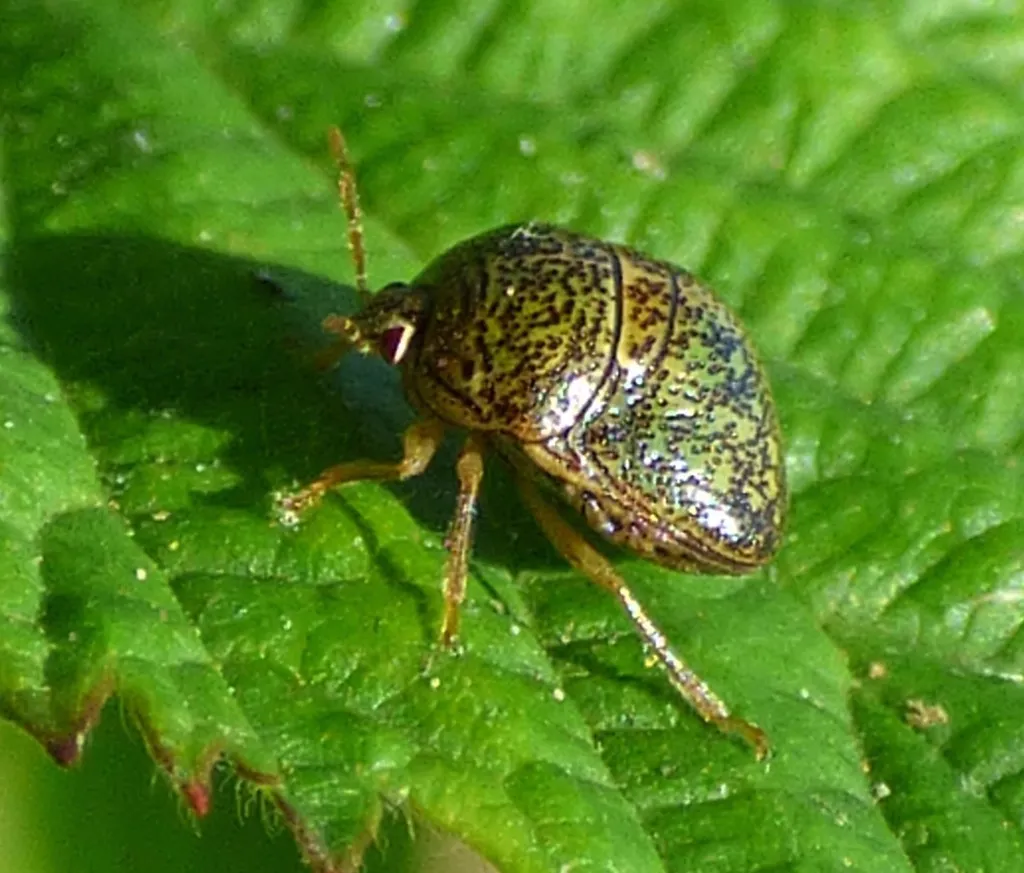
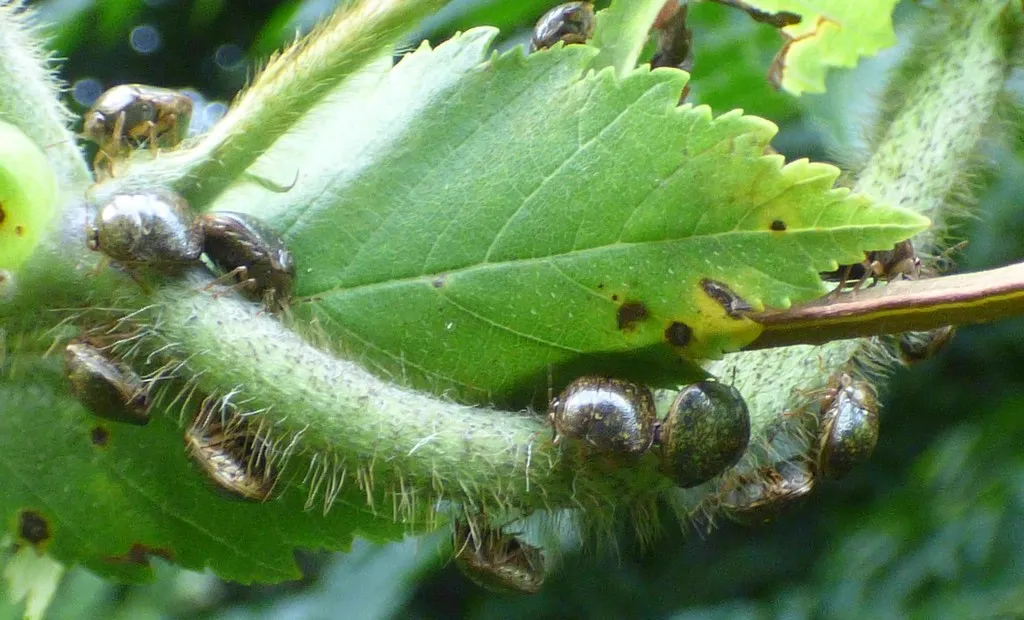
Kudzu bugs are small, round insects about 4 to 6 millimeters long, roughly the size of a pea. Their body shape is round or oval, which sets them apart from the shield-shaped stink bugs they are often confused with. Adults are olive-green to brown with darker brown spots across their backs.
The most notable feature is the large plate on their back called the scutellum. This covers the wings and abdomen when the insect is at rest. The back edge of this plate is blunt, which helps tell kudzu bugs apart from similar insects. From above, you can see a faint line running down the center of the back.
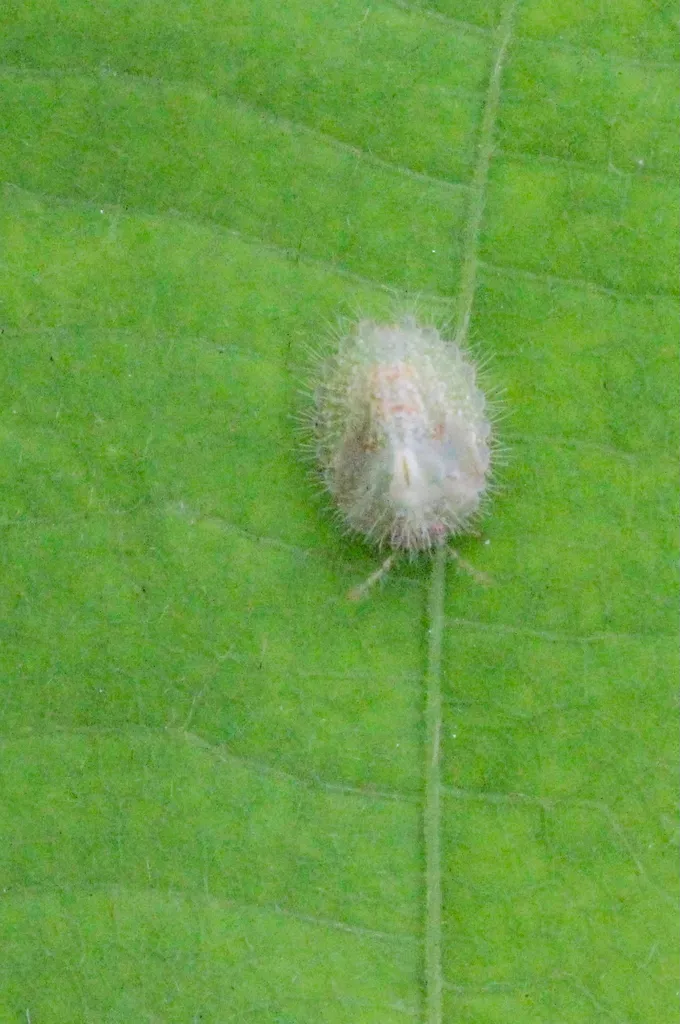
Young kudzu bugs (nymphs) look like adults but lack fully grown wings. Early stage nymphs are covered in fine hairs that give them a fuzzy look. As they grow through five stages, they lose this hairy covering and develop the smooth, shiny shell seen in adults.
Common Species
Only one species of kudzu bug has been established in North America:
- Kudzu Bug (Megacopta cribraria) - Also known as the bean plataspid, lablab bug, or globular stink bug. This is the sole species found invading homes and agricultural areas in the southeastern United States.
Some researchers have proposed that the species currently identified as M. cribraria in the U.S. may actually be Megacopta punctatissima, though this remains under scientific investigation.
Kudzu Bug Behavior and Biology
Habitat and Host Plants
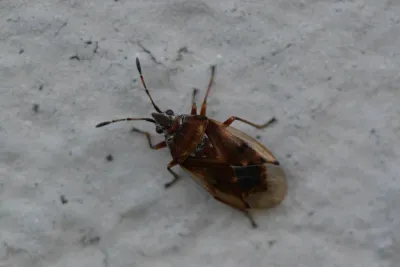
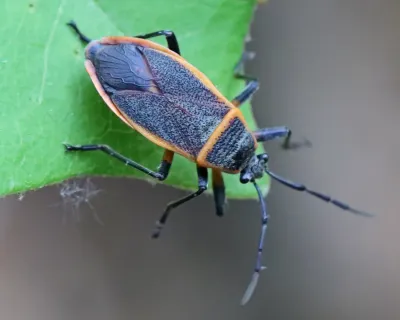
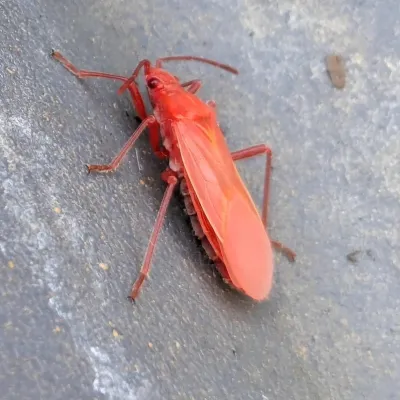
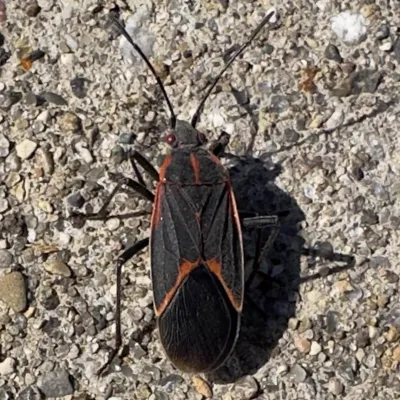
Kudzu bugs are closely tied to kudzu vines (Pueraria montana), the fast-growing invasive plant found along roadsides and in forests across the Southeast. The large amount of kudzu in this region has helped these insects spread quickly since they arrived. They also feed on soybeans and other legumes like wisteria, green beans, and vetches. A related species, Boxelder Bug Nymphs, shares similar characteristics.
Feeding Habits A related species, Stilt Bugs, shares similar characteristics.
Kudzu bugs feed by piercing plant stems and sucking out nutrients. They use needle-like mouthparts to tap into the plant’s vascular system. They feed mainly on stems and joints rather than leaves or fruit. This feeding can weaken plants over time. In soybean fields, large numbers of kudzu bugs can hurt crop yields. A related species, Birch Catkin Bugs, shares similar characteristics.
Life Cycle and Reproduction A related species, Red-Shouldered Bugs, shares similar characteristics.
Kudzu bugs have two generations per year in North America. Adults come out of their winter hiding spots in early spring, usually between March and May. The timing depends on location and weather. After feeding and mating, females lay rows of barrel-shaped eggs on the undersides of leaves. A related species, Four-Lined Plant Bug, shares similar characteristics.
A unique part of kudzu bug life involves helpful bacteria. When a female lays eggs, she also leaves small capsules filled with special bacteria. Newly hatched nymphs must eat these bacterial packets to survive and grow normally. Without these bacteria, the young bugs cannot digest plant material properly. A related species, Tarnished Plant Bug, shares similar characteristics.
Overwintering Behavior
When temperatures drop in fall, kudzu bugs look for protected spots to spend the winter. They are drawn to light-colored surfaces, especially white or light gray buildings. Large groups often gather on sunny exterior walls of homes. From there, they find entry points through cracks, gaps around windows and doors, or openings around pipes and wires.
Inside homes, kudzu bugs typically hide in wall voids and other undisturbed spaces. They do not reproduce or feed indoors. When spring arrives, survivors try to exit the structure. They often appear inside living spaces as they look for ways out.
Defense Mechanisms
When disturbed or crushed, kudzu bugs release a foul-smelling chemical from scent glands. This odor works as both a defense against predators and a signal that attracts other kudzu bugs to gather. The secretion can also cause a burning feeling on bare skin and may leave temporary red welts. It can stain surfaces and fabrics as well.
Treatment Methods for Kudzu Bugs
Like other overwintering pests, kudzu bugs respond best to preventative measures taken before they enter buildings in fall.
Preventative Approaches
-
Exterior Treatments: Applying dust products to exterior voids, weep holes, behind siding, and around windows and doors before October creates a barrier that keeps them out. Perimeter treatments with long-lasting insecticides can add extra protection.
-
Exclusion: Sealing cracks and gaps around the building is key for long-term control. Focus on areas around windows, doors, siding joints, pipes, wires, and where the foundation meets the wall. Fix or replace damaged window screens and door sweeps.
-
Habitat Awareness: Homes near kudzu patches or soybean fields face more invasion pressure. While removing nearby kudzu may not be practical, knowing that closeness to these plants raises risk can help guide treatment timing.
Interior Management
Once kudzu bugs are inside a building, removal options are more limited. Vacuuming visible insects is often the easiest approach. Empty the vacuum right away to prevent odor buildup. Do not crush the insects, as this releases their bad-smelling secretion.
If large numbers show up inside, targeted treatments around window seals, door frames, and baseboards may be needed. In severe cases, treating wall voids can help reduce numbers. This type of work usually needs professional help.
Natural Control
Some natural enemies prey on or attack kudzu bugs. A parasitic wasp in the genus Ooencyrtus was found attacking kudzu bug eggs in Virginia. While biological control shows promise for farms, it usually does not provide enough control to stop home invasions.
References
- Kudzu Bug - University of Maryland Extension
- Kudzu Bugs - A Nuisance and Agricultural Pest - NC State Extension
- Kudzu Bug, Megacopta cribraria - Virginia Tech Extension
- Bean Plataspid: Megacopta cribraria - University of Florida IFAS
- Biology, Pest Status, Microbiome and Control of Kudzu Bug - PubMed
Other Plant Bugs
Explore other species in the plant bugs family
Where Kudzu Bugs Are Found
Hover over states to see their names. Green regions indicate where kudzu bugs have been reported.
Common Questions about Kudzu Bugs
What are kudzu bugs?
+
Kudzu bugs are small, invasive insects native to Asia that arrived in the United States in 2009. They feed primarily on kudzu vines and soybeans but become household nuisances when they enter homes to overwinter in fall.
Are kudzu bugs dangerous to humans?
+
Kudzu bugs do not bite or sting, but they can cause skin irritation. When crushed or disturbed, they release a foul-smelling liquid that may cause a burning sensation and sometimes leave red welts on bare skin.
Why do kudzu bugs invade homes?
+
Like stink bugs, kudzu bugs seek warm shelter to survive the winter. They are attracted to light-colored surfaces and often gather on sunny exterior walls before finding entry points into homes through cracks and gaps.
How do I know if I have kudzu bugs?
+
Kudzu bugs are small (about the size of a pea), olive-green to brown with darker mottling, and have a distinctive round, flattened body shape. They often appear in large numbers on exterior walls in fall.
What is the difference between kudzu bugs and stink bugs?
+
Kudzu bugs are smaller and rounder than stink bugs. Stink bugs have a shield or triangular shape and are about 1/2 inch long, while kudzu bugs are only 1/6 to 1/4 inch long with a more globular body.
How can I prevent kudzu bugs from entering my home?
+
Seal cracks around windows, doors, siding, and utility openings. Repair damaged screens and weatherstripping. Preventative treatments applied before fall can create a barrier to deter entry.
Do kudzu bugs cause property damage?
+
Kudzu bugs do not cause structural damage to homes. However, their waste can stain surfaces, and large infestations can be a significant nuisance requiring professional treatment.

With five years of hands-on experience in the pest control industry, George Schulz is a registered technician with the Virginia Pest Management Association and a proud third-generation professional in a family business that's been protecting homes for over 57 years. He manages and trains a team of service pros while also leading internal research efforts—recently spearheading a deep-dive review of thousands of documents on pest control materials to hand-pick the most kid and pet friendly, most effective solutions tailored specifically for homes in the DC metro area.