Elm Seed Bugs Identification Guide
Arocatus melanocephalus
Elm seed bugs are small, reddish-brown invasive insects that invade homes in large numbers seeking shelter from extreme temperatures, similar to boxelder bugs.
Taxonomy
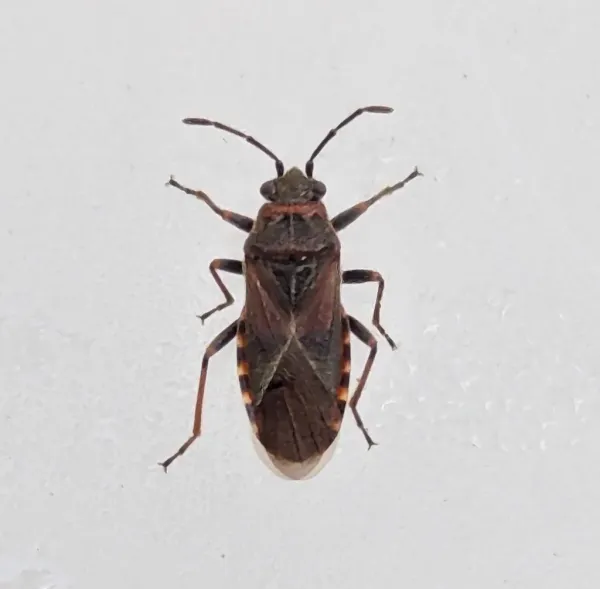
Elm Seed Bugs Coloration
Common color patterns to help identify elm seed bugs
Elm Seed Bugs
Seasonal Activity
When elm seed bugs are most active throughout the year

Where Elm Seed Bugs Are Found
Hover over states to see their names. Green regions indicate where elm seed bugs have been reported.
Elm Seed Bug Identification Guide
Physical Characteristics
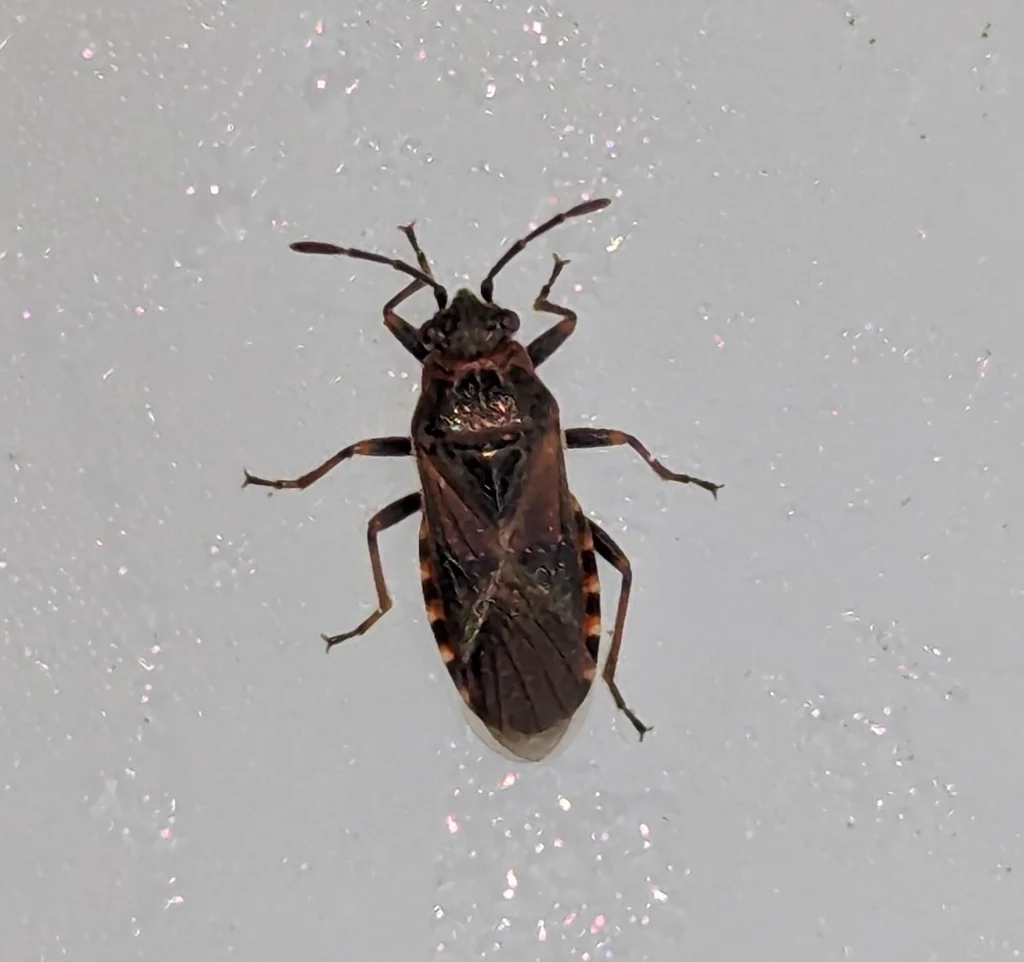
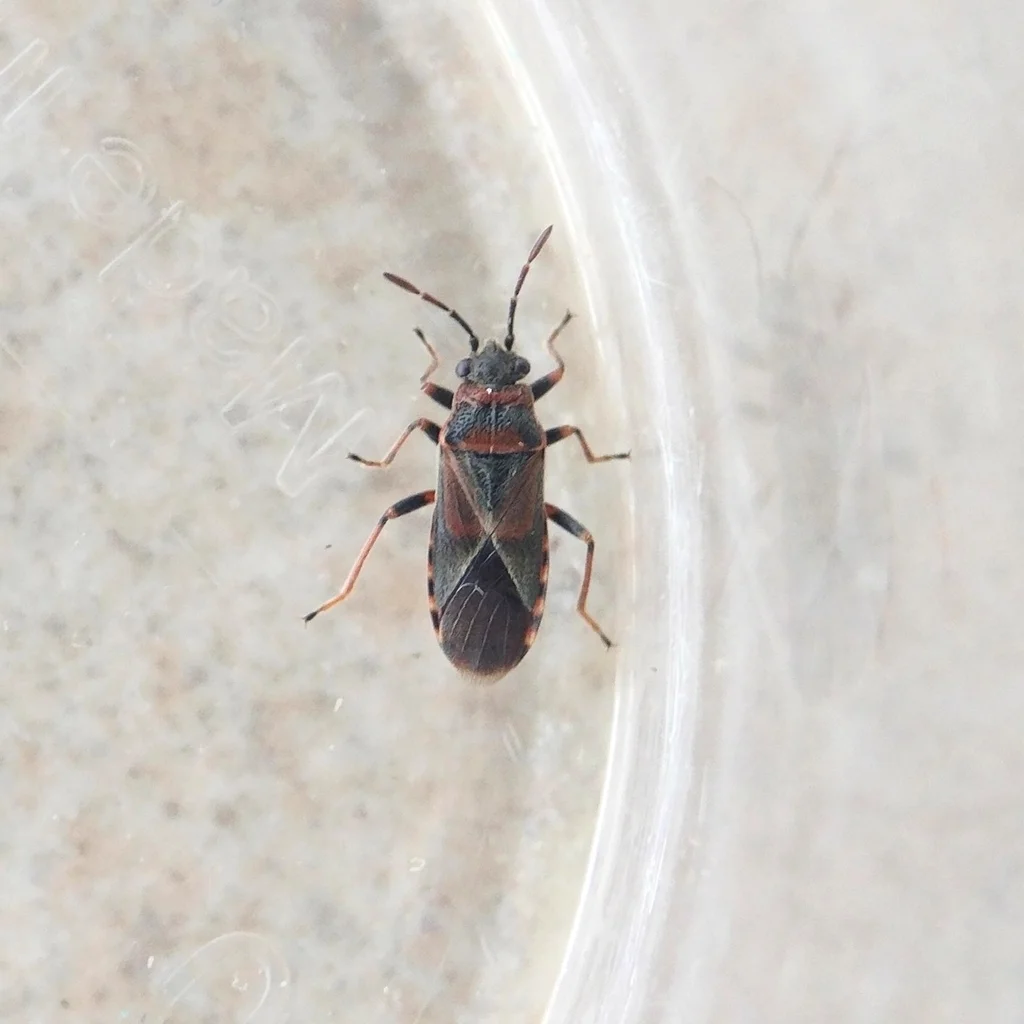
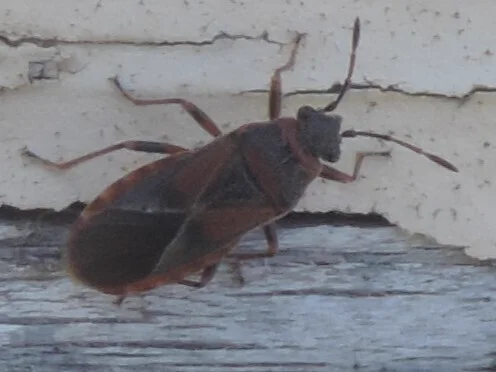
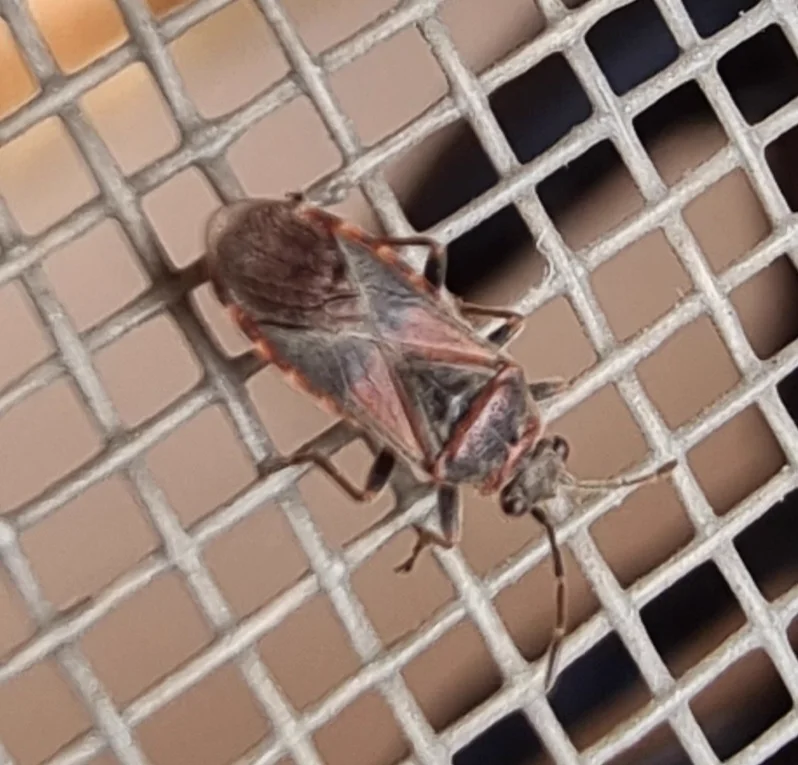
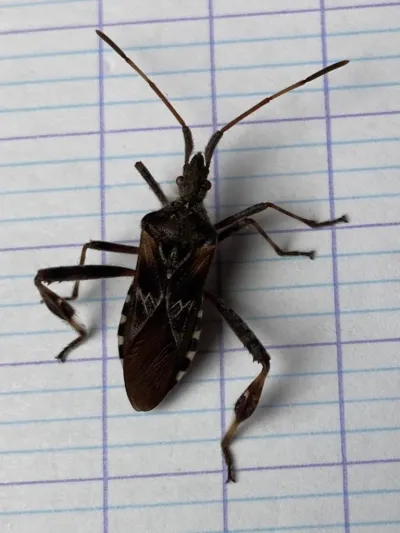
Elm seed bugs are small insects measuring about one-third of an inch long, roughly the size of an apple seed. They have an oval, somewhat flattened body covered in fine hairs. Their coloring is distinctive: a dark reddish-brown to black body with rusty red or orange markings on the thorax, wings, and legs.
Looking at an elm seed bug from above, you will notice a black triangle bordered by two reddish-brown triangles on the back. The wings have two distinct halves. The front portion is leathery with red and black coloring, while the back portion is a translucent black membrane. Along the edge of the abdomen, alternating white and reddish-brown spots create a banded pattern.
The head is black with mostly black antennae, though sometimes the third and fourth segments show some red coloring. Their underside is orange. When you look closely, you can see the piercing-sucking mouthparts typical of true bugs.
Nymph Identification
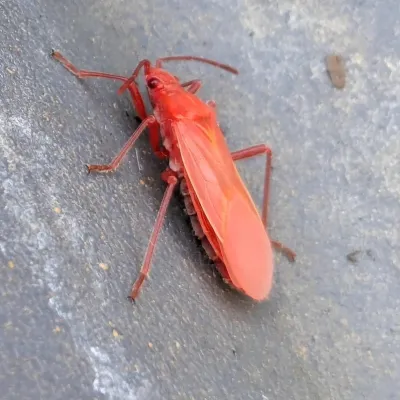
Young elm seed bugs look quite different from adults. Nymphs are bright red with a black head, similar in appearance to young boxelder bugs. They lack fully developed wings, showing only small wing pads that grow larger with each molt. Nymphs go through five stages over four to six weeks before reaching adulthood.
Distinguishing Features
The elm seed bug belongs to the seed bug family (Lygaeidae) and shares the general body shape of related species. What sets them apart is the combination of their small size, the distinctive X-shaped pattern on their back when wings are folded, and the alternating spots along the abdomen margin.
Elm Seed Bug Behavior and Biology
Feeding Habits A related species, Stilt Bugs, shares similar characteristics.
Elm seed bugs feed primarily on the seeds of elm trees (Ulmus species). Using their piercing-sucking mouthparts, they extract nutrients from developing and fallen elm seeds. While elm trees are their preferred host, they have also been found feeding on seeds from sycamore, poplar, oak, alder, and linden trees in their native European range. A related species, Birch Catkin Bugs, shares similar characteristics.
Despite their feeding habits, elm seed bugs cause minimal damage to host trees. The trees themselves remain healthy even when large populations of bugs are present. This makes them purely a nuisance pest from the homeowner’s perspective rather than a threat to landscape plants. A related species, Red-Shouldered Bugs, shares similar characteristics.
Life Cycle A related species, Four-Lined Plant Bug, shares similar characteristics.
Elm seed bugs undergo incomplete metamorphosis with three life stages: egg, nymph, and adult. Adults that survived winter emerge from their overwintering sites in March when temperatures warm. After mating in March or April, females lay eggs inside elm fruits and on elm leaves. A related species, Tarnished Plant Bug, shares similar characteristics.
Eggs hatch soon after being laid. The bright red nymphs begin feeding immediately, molting five times as they grow. This development process takes about four to six weeks depending on temperature. By late May, most elm seed bugs have reached adulthood. The population remains active through summer, feeding and preparing for the coming winter. A related species, Kudzu Bugs, shares similar characteristics.
Unlike some pest species, elm seed bugs produce only one generation per year. Adults can live for several years, overwintering each winter and reproducing each spring.
Overwintering and Invasion Behavior
Elm seed bugs are notorious for their mass invasions of homes and buildings. They seek shelter to escape temperature extremes. During the hottest summer days, they move toward buildings to find cooler conditions. As fall approaches and temperatures drop, they search for warm places to survive winter.
These small insects can fit through remarkably tiny gaps. Window screens, door sweeps, cracks in siding, and gaps around utility penetrations all provide entry points. Once inside wall voids and other protected spaces, they become dormant for the winter months. On warm days, some may wake up and wander into living spaces, creating the impression of a new invasion even in mid-winter.
The invasion numbers can be staggering. In heavily infested areas, thousands of elm seed bugs may enter a single home. They congregate on sunny walls, particularly south and west-facing surfaces that absorb the most heat, behaving much like stink bugs and other fall invaders.
Chemical Defenses
When disturbed or crushed, elm seed bugs release a strong, unpleasant odor often described as smelling like bitter almonds. The scent glands are located on the underside of the thorax between the second and third pairs of legs. This defensive chemical deters predators and allows them to gather in large, visible groups without being eaten.
Treatment Approaches for Elm Seed Bugs
Elm seed bugs are primarily controlled through exclusion and preventative exterior treatments. As an invasive species that has only recently arrived in North America, management strategies continue to develop.
-
Exclusion: The most effective long-term solution is preventing entry. Seal gaps around windows, doors, and utility penetrations. Install or repair door sweeps and ensure window screens fit tightly. Pay special attention to the sunny sides of your home where bugs congregate.
-
Exterior Treatments: Applying barrier treatments to exterior walls, around windows, and at entry points can reduce the number of bugs that successfully enter. Treatments are most effective when applied before invasion season begins in late spring or early summer.
-
Interior Management: For bugs that get inside, vacuuming is the preferred removal method. Crushing them releases their unpleasant odor and can stain surfaces. Dispose of vacuum contents promptly in a sealed bag.
-
Habitat Modification: Remove fallen elm seeds and debris from around your foundation. While this will not eliminate the problem entirely, it reduces the food source that attracts large populations to your immediate area.
-
Timing Considerations: Because elm seed bugs invade during both summer heat and fall cooling, properties may need attention during multiple seasons. Unlike some overwintering pests that only invade in fall, elm seed bugs create problems throughout the warmer months.
References
Other Plant Bugs
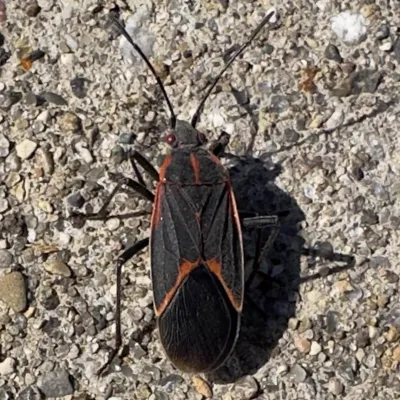
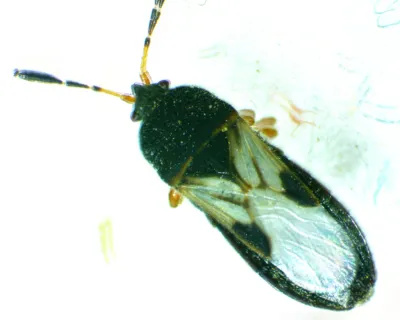
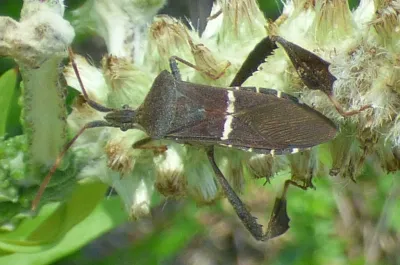
Explore other species in the plant bugs family
Commonly Confused With
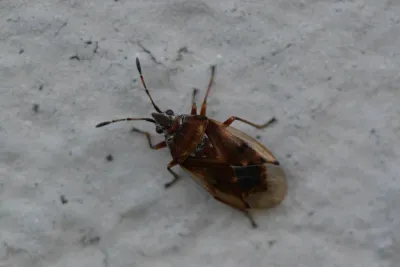
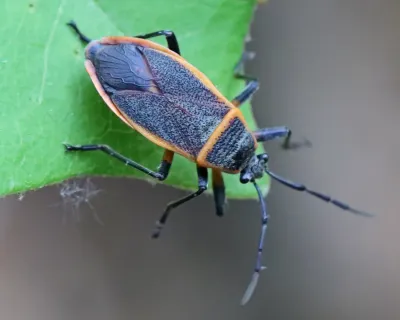
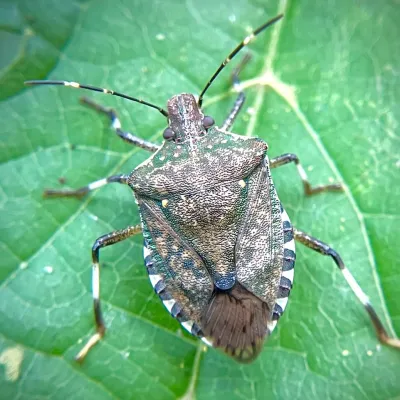
Elm Seed Bugs are often mistaken for these similar pests
Where Elm Seed Bugs Are Found
Hover over states to see their names. Green regions indicate where elm seed bugs have been reported.
Common Questions about Elm Seed Bugs
What are elm seed bugs and where did they come from?
+
Elm seed bugs are invasive insects native to Europe and the Mediterranean region. They were first detected in the United States in Idaho in 2012 and have since spread throughout the western states. They get their name from their primary food source, the seeds of elm trees.
Do elm seed bugs bite or sting?
+
No, elm seed bugs do not bite or sting. They are completely harmless to people and pets. Their only defense mechanism is releasing a foul-smelling odor similar to bitter almonds when disturbed or crushed.
Why are there so many elm seed bugs in my house?
+
Elm seed bugs invade homes in large numbers to escape extreme temperatures. They enter during hot summer days to cool off and again in fall to find shelter for winter. Small gaps around windows, doors, and siding provide easy entry points for these tiny insects.
Do elm seed bugs cause damage to homes or trees?
+
Elm seed bugs do not cause structural damage to homes or significant harm to trees. However, they leave unsightly fecal spots on surfaces when present in large numbers and produce an unpleasant odor when crushed.
How do I get rid of elm seed bugs?
+
Vacuum up elm seed bugs that get inside rather than crushing them to avoid the bitter almond odor. For long-term control, seal all entry points before the invasion season and consider professional exterior treatments. Removing elm seeds and debris from around your home also helps reduce their numbers.
When are elm seed bugs most active?
+
Elm seed bugs are most active from late May through October. They mate in spring, feed on elm seeds through early summer, and start seeking shelter in homes during the hottest parts of summer and again in fall before winter.
Will elm seed bugs spread to my area?
+
Elm seed bugs continue to expand their range in North America. Researchers expect them to establish anywhere elm trees grow. Currently, they are primarily found in the western United States but could potentially spread eastward over time.

With five years of hands-on experience in the pest control industry, George Schulz is a registered technician with the Virginia Pest Management Association and a proud third-generation professional in a family business that's been protecting homes for over 57 years. He manages and trains a team of service pros while also leading internal research efforts—recently spearheading a deep-dive review of thousands of documents on pest control materials to hand-pick the most kid and pet friendly, most effective solutions tailored specifically for homes in the DC metro area.