Birch Catkin Bugs Identification Guide
Kleidocerys resedae
Birch catkin bugs are small, rust-colored seed bugs that feed on birch trees and occasionally enter homes during fall seeking shelter for winter.
Taxonomy
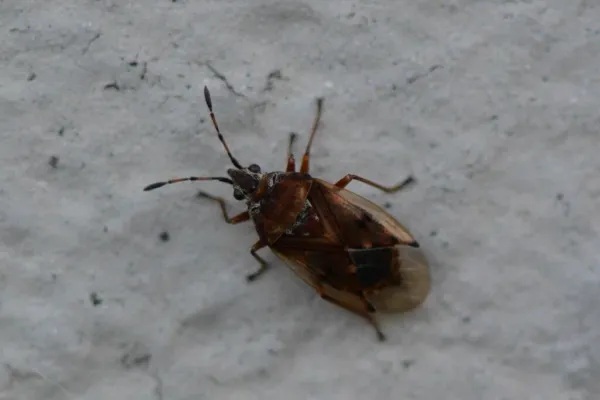
Birch Catkin Bugs Coloration
Common color patterns to help identify birch catkin bugs
Birch Catkin Bugs
Seasonal Activity
When birch catkin bugs are most active throughout the year

Where Birch Catkin Bugs Are Found
Hover over states to see their names. Green regions indicate where birch catkin bugs have been reported.
Birch Catkin Bug Identification Guide
Physical Characteristics
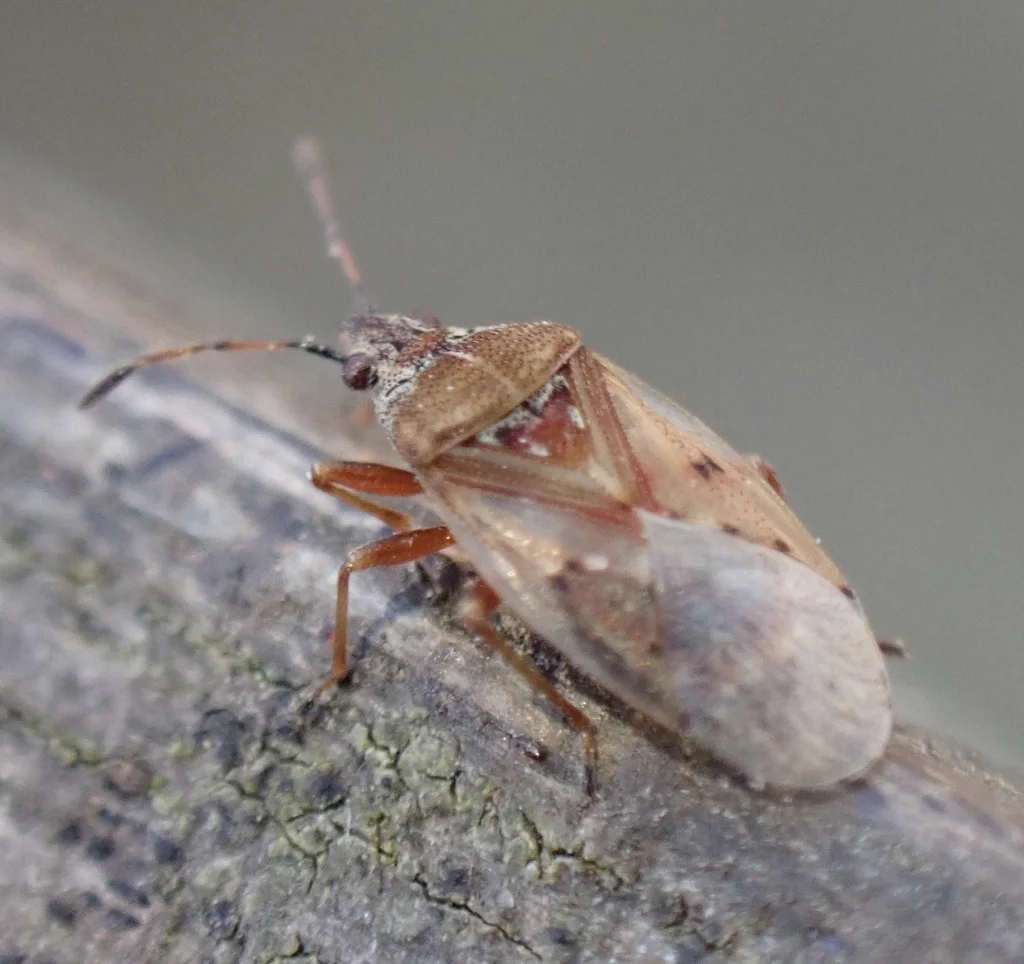
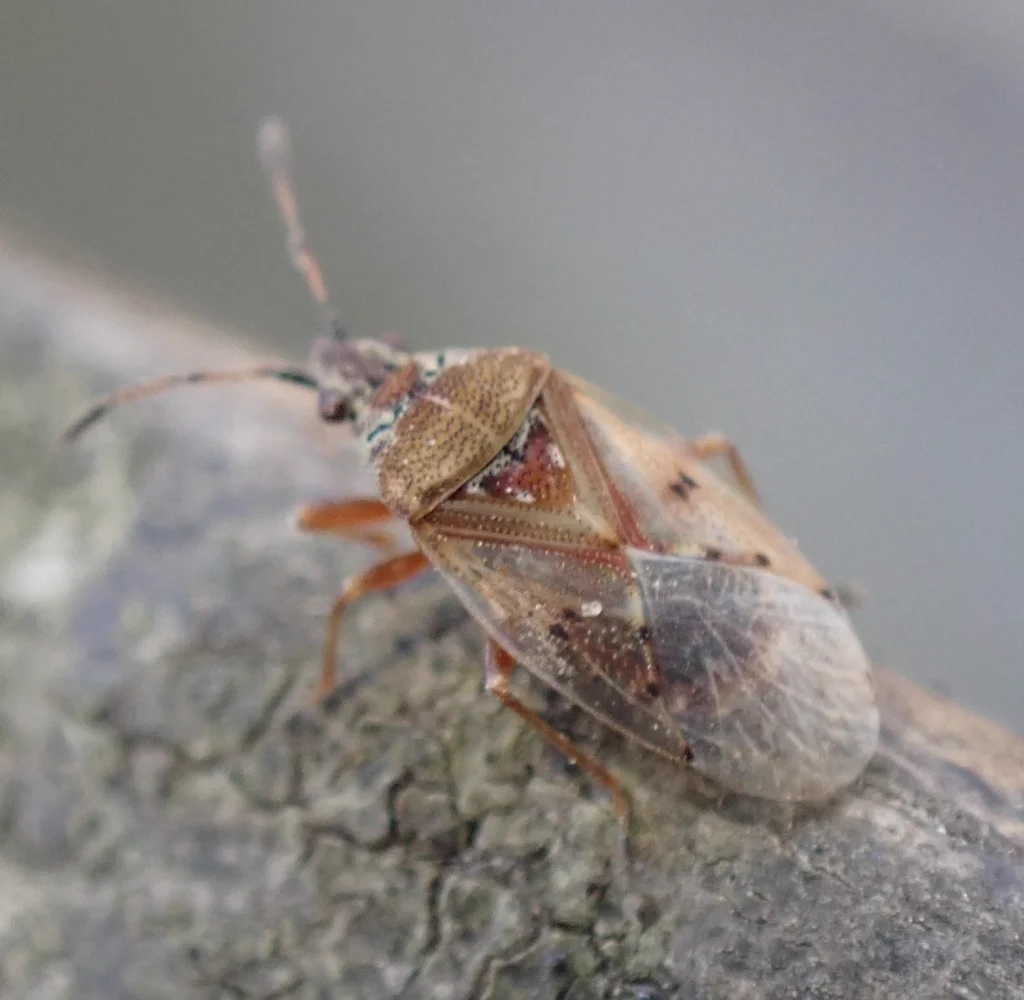
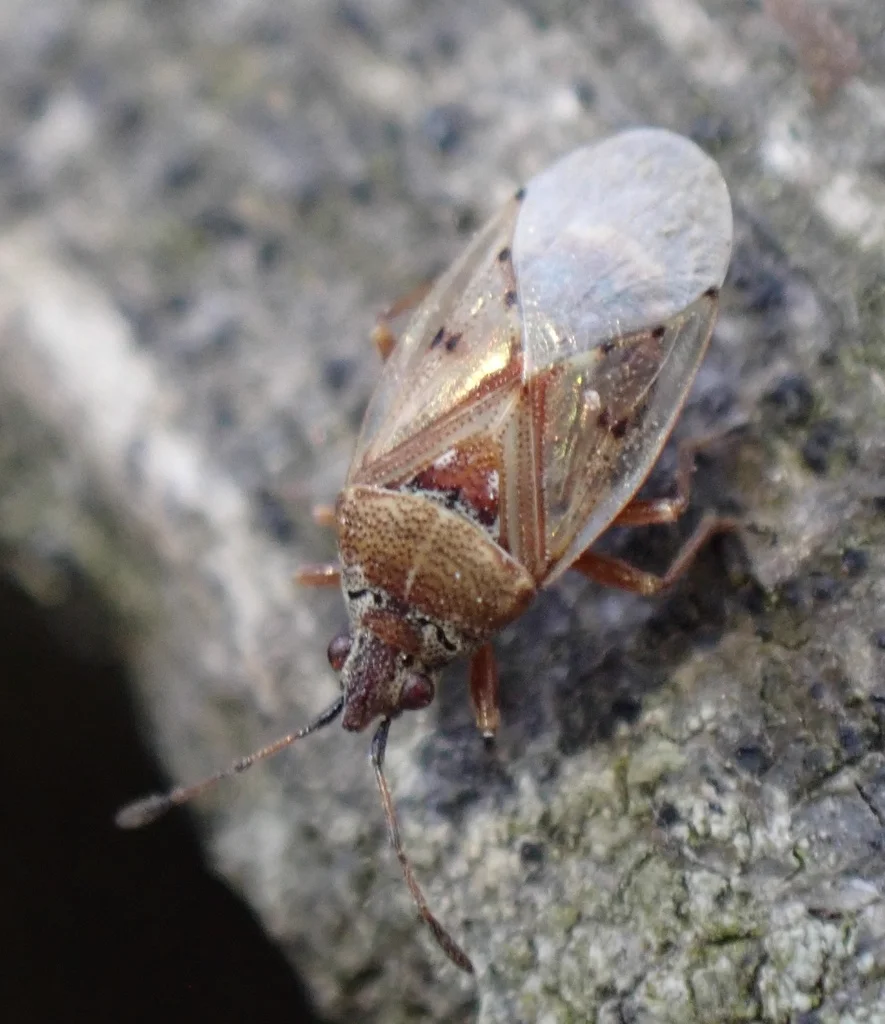
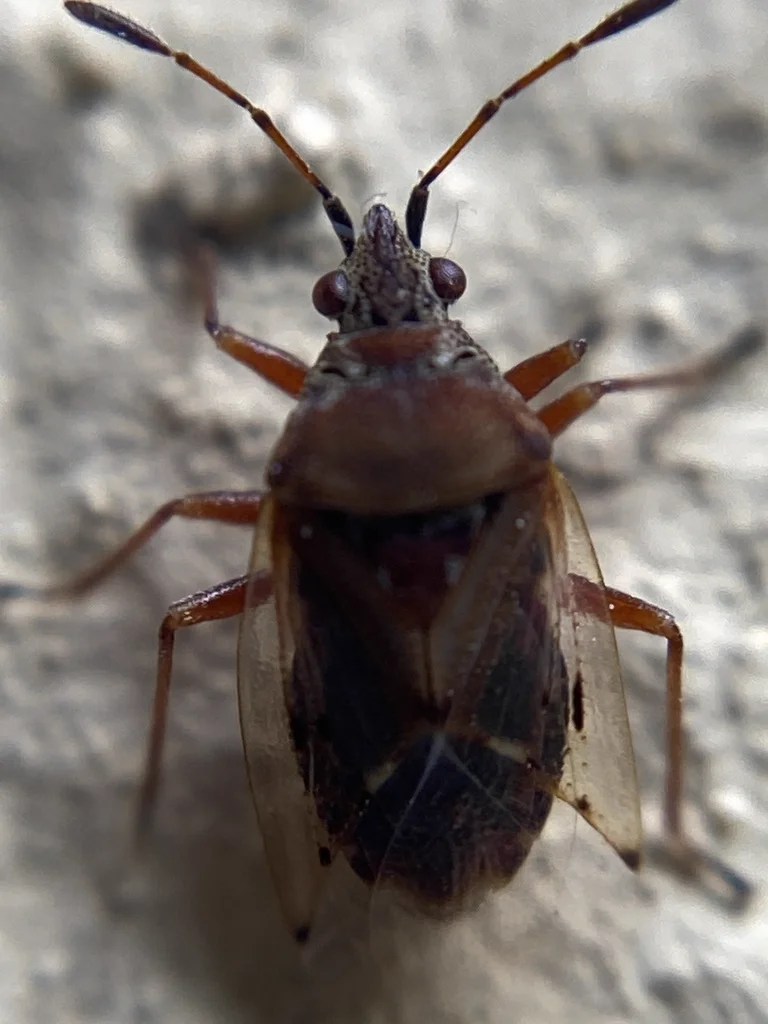
Birch catkin bugs are small insects about 4 to 6 millimeters long. That is roughly the size of a grain of rice. They have an oval body covered with tiny pits or punctures. This pitted surface is one way to tell them apart from similar bugs.
The overall color is rusty brown to tan. The wings have two parts. The front is leathery with rust and brown coloring. The back is thin and almost clear. When the wings fold, they create a pattern on the back.
The antennae are clubbed. This means they are thicker at the tips than at the base. This shape helps tell them apart from lookalike bugs. Along the outer edge of the belly, you may see light and dark bands. These bands can be hard to spot on such small insects.
Nymph Appearance
Young birch catkin bugs look like adults but lack full wings. Nymphs have small wing pads that grow larger as they molt. They go through several stages before becoming adults. During this time, they stay close to birch trees.
Distinguishing Features
Birch catkin bugs belong to the seed bug family Lygaeidae. Elm seed bugs and milkweed bugs are in this same family. Their small size, rust coloring, clubbed antennae, and pitted body help identify them. Their tiny size means people often miss them.
Birch Catkin Bug Behavior and Biology
Host Plants and Feeding
Birch catkin bugs feed almost only on birch trees (Betula species). They use their mouthparts to extract nutrients from birch catkins and seeds. Catkins are the long, hanging flower clusters that birch trees produce. Female catkins turn into seeds that become the bugs’ main food. A related species, Boxelder Bug Nymphs, shares similar characteristics.
Nymphs stay close to birch trees. Adults can be found on other plants like alder, heathers, blueberries, and rhododendrons. But birch is still their favorite host. You will find these bugs wherever birch trees grow. A related species, Stilt Bugs, shares similar characteristics.
Even though they feed on seeds, birch catkin bugs do not hurt the trees. Trees stay healthy even with large bug populations. For your yard, these insects are harmless. A related species, Red-Shouldered Bugs, shares similar characteristics.
Life Cycle A related species, Four-Lined Plant Bug, shares similar characteristics.
Birch catkin bugs can have one to several generations per year. This depends on the climate. Adults spend winter in soil, leaf litter, and bark cracks. When spring arrives around March, they come out and mate. A related species, Tarnished Plant Bug, shares similar characteristics.
Females lay eggs on old birch catkins and cones. Eggs hatch into nymphs that start feeding right away. You can find larvae from March through September. Warmer weather speeds up their growth.
In fall, adults look for protected spots to spend winter. This is when they most often become pests in homes. They enter through small gaps and cracks.
Sound Production
Male birch catkin bugs make mating calls while flying. They create sound by rubbing a rough part on the wing against the body. These sounds help males attract females in spring.
Overwintering Behavior
As fall temperatures drop, birch catkin bugs look for places to spend winter. In nature, they hide in fallen catkins, leaf litter, and bark cracks. When homes are nearby, they may enter through gaps around windows, doors, and siding.
Once inside walls or other protected spots, they go dormant for winter. On warm winter days, some may wake up and wander into your living space. They cannot eat or breed indoors without birch seeds, so they will die off. But their presence can still be annoying, especially in large numbers.
Chemical Defense
Like many seed bugs, birch catkin bugs release a bad smell when disturbed or crushed. The smell is not as strong as stink bugs, but you will notice it. This defense keeps predators away and lets the bugs gather in groups on trees.
Treatment Approaches for Birch Catkin Bugs
Birch catkin bugs are nuisance pests. They do not hurt people, pets, or property. Control efforts focus on keeping them out and removing any that get inside.
-
Exclusion: The best fix is sealing entry points before fall. Check for gaps around windows, doors, pipes, and foundation cracks. Install or fix door sweeps. Make sure window screens fit tight. Focus on walls that face south and west where bugs like to gather.
-
Exterior Treatments: Barrier treatments on outside walls and around windows can cut down how many bugs get in. These work best when applied in early fall before the bugs start looking for shelter.
-
Vacuuming: For bugs already inside, use a vacuum. This keeps you from crushing them and releasing their bad smell. Empty the vacuum right away so the odor does not linger.
-
Habitat Awareness: If birch trees grow near your home, you may see more of these bugs. You do not need to remove the trees for this minor pest. But knowing the link helps explain why some homes have more issues.
-
Patience: Birch catkin bugs cannot live long indoors without food. Those that get in will die off on their own. Sealing entry points stops new bugs from taking their place.
References
Other Plant Bugs
Explore other species in the plant bugs family
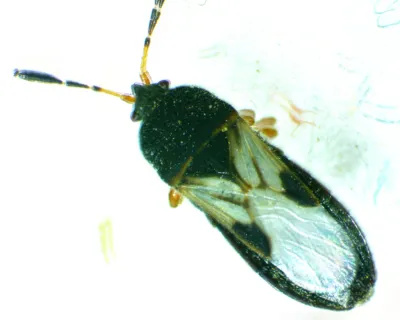
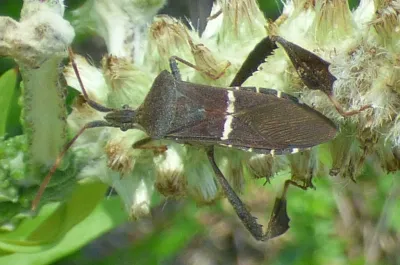
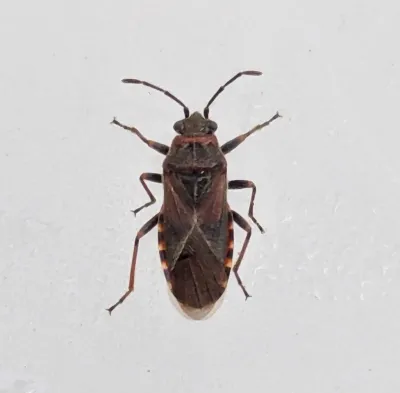
Commonly Confused With
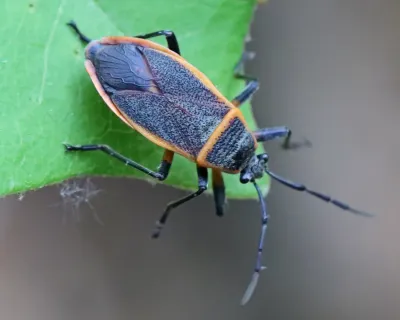
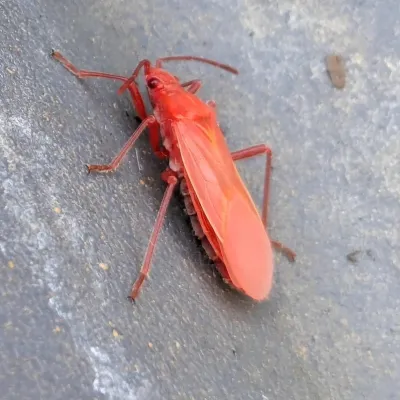
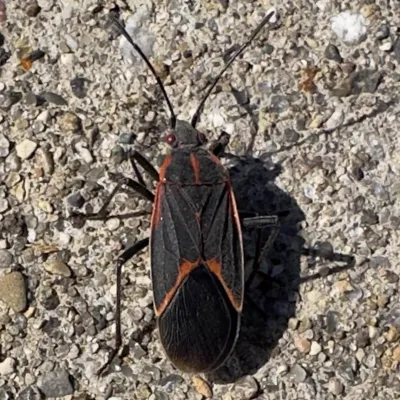
Birch Catkin Bugs are often mistaken for these similar pests
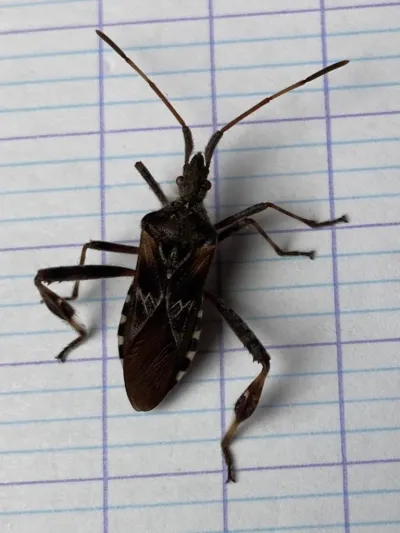
Where Birch Catkin Bugs Are Found
Hover over states to see their names. Green regions indicate where birch catkin bugs have been reported.
Common Questions about Birch Catkin Bugs
What are birch catkin bugs?
+
Birch catkin bugs are small seed bugs in the family Lygaeidae. They feed mainly on birch tree seeds. These bugs are native to North America and Europe. You can find them wherever birch trees grow. These tiny rusty brown insects sometimes enter homes in fall looking for winter shelter.
Do birch catkin bugs bite or sting?
+
No, birch catkin bugs do not bite or sting. Their mouthparts are made for feeding on plant seeds, not for biting people or animals. They are harmless to humans and pets.
Why are birch catkin bugs in my house?
+
Birch catkin bugs enter homes in fall looking for a warm, protected place to spend the winter. They are attracted to sunny exterior walls and find their way inside through gaps around windows, doors, and siding. Unlike some pests, they cannot survive or reproduce indoors and will die without their food source.
Do birch catkin bugs damage trees or plants?
+
Birch catkin bugs cause no significant damage to trees. They feed on birch catkins and seeds, which does not harm the tree's overall health. Even large populations do not cause cosmetic or structural damage to their host plants.
Do birch catkin bugs smell bad?
+
Yes, birch catkin bugs can produce an unpleasant odor when disturbed or crushed, similar to other members of the Lygaeidae family. While not as strong as stink bugs, the smell is noticeable enough that vacuuming is recommended over crushing them.
How do I get rid of birch catkin bugs?
+
Vacuum up any birch catkin bugs you find indoors rather than crushing them. For prevention, seal gaps around windows, doors, and foundations before fall. Exterior barrier treatments applied before overwintering season can reduce the number that enter your home.
When are birch catkin bugs most active?
+
Birch catkin bugs are most active from March through October. They emerge from overwintering sites in early spring to mate, remain active through summer feeding on birch seeds, and become noticeable again in fall when they seek shelter in homes.

With five years of hands-on experience in the pest control industry, George Schulz is a registered technician with the Virginia Pest Management Association and a proud third-generation professional in a family business that's been protecting homes for over 57 years. He manages and trains a team of service pros while also leading internal research efforts—recently spearheading a deep-dive review of thousands of documents on pest control materials to hand-pick the most kid and pet friendly, most effective solutions tailored specifically for homes in the DC metro area.