Sowbugs Identification Guide
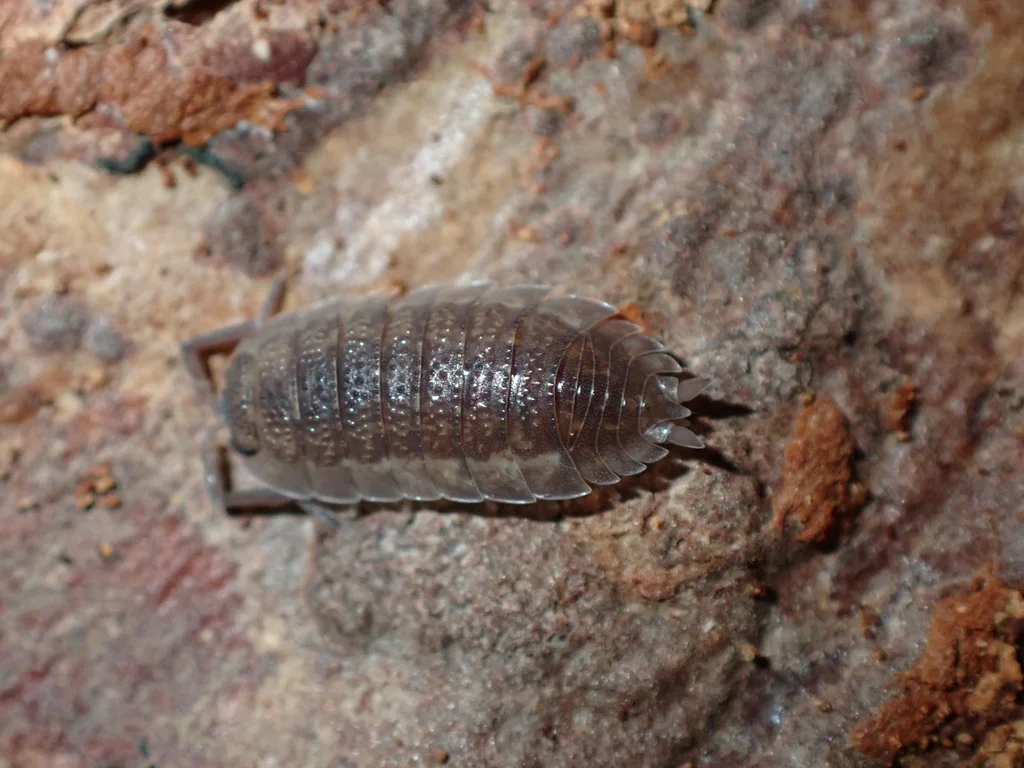
Porcellio scaber
Sowbugs are small, gray crustaceans with segmented, armor-like bodies that thrive in damp environments. Unlike their close relatives, pillbugs, sowbugs cannot roll into a ball and have two distinctive tail-like appendages.
Taxonomy
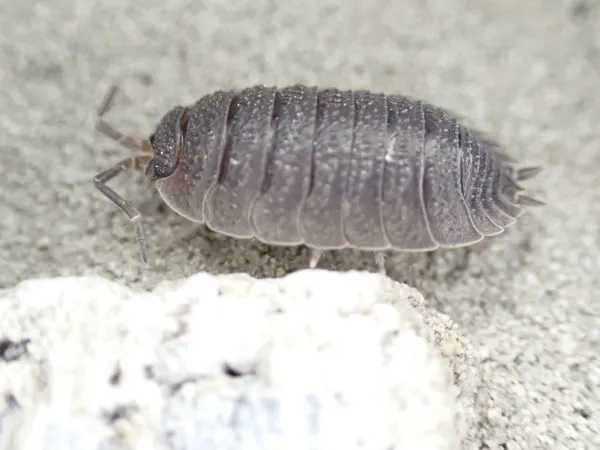
Sowbugs Coloration
Common color patterns to help identify sowbugs
Sowbugs
Seasonal Activity
When sowbugs are most active throughout the year

Where Sowbugs Are Found
Hover over states to see their names. Green regions indicate where sowbugs have been reported.
Sowbug Identification Guide
Physical Characteristics
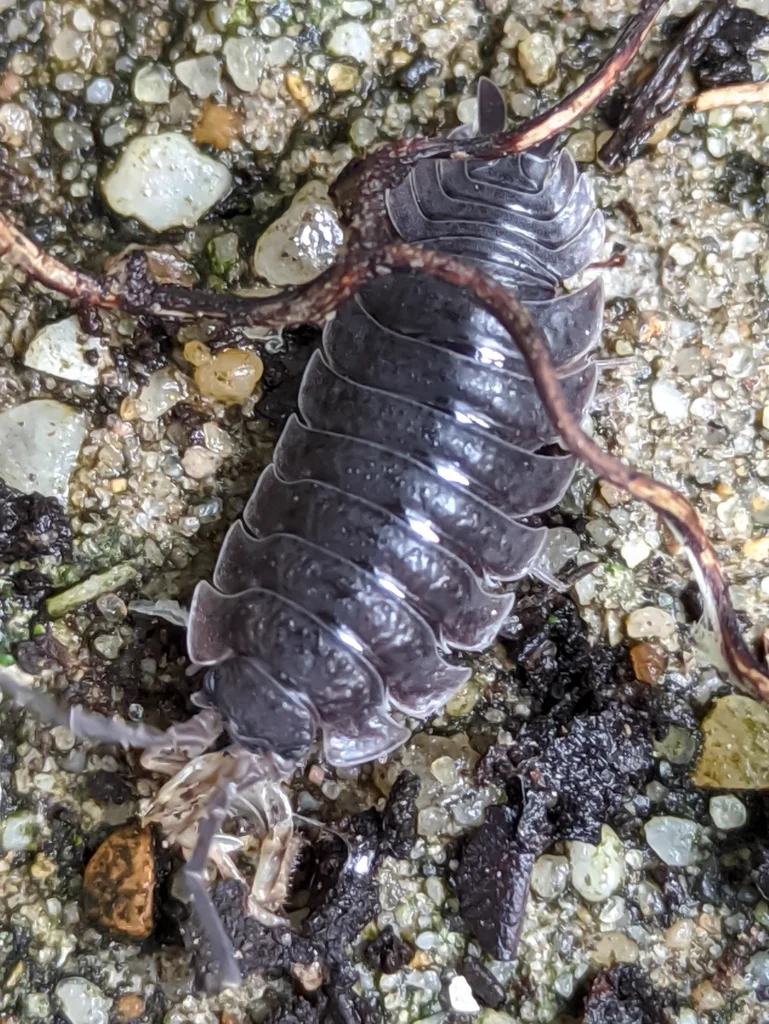
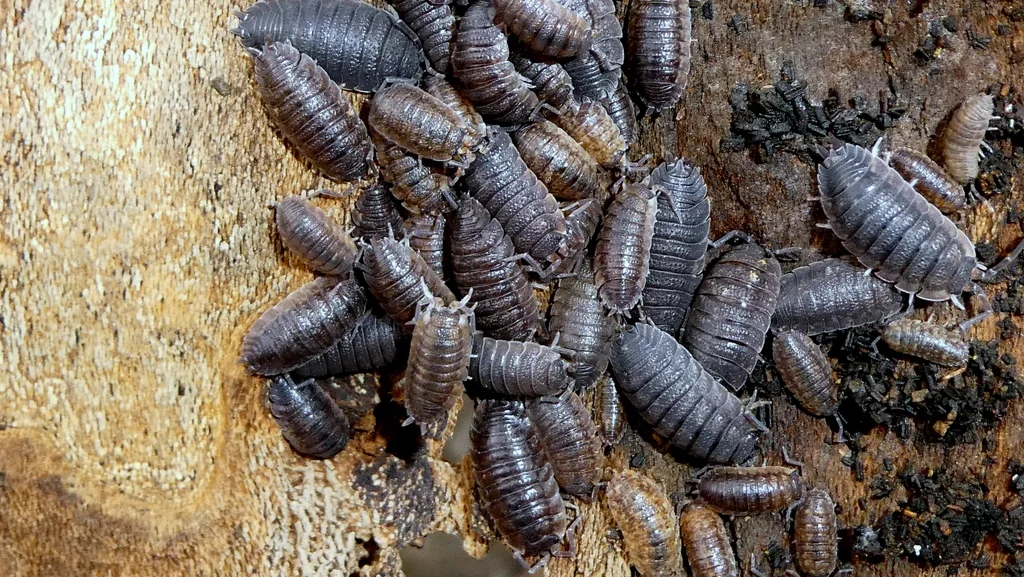
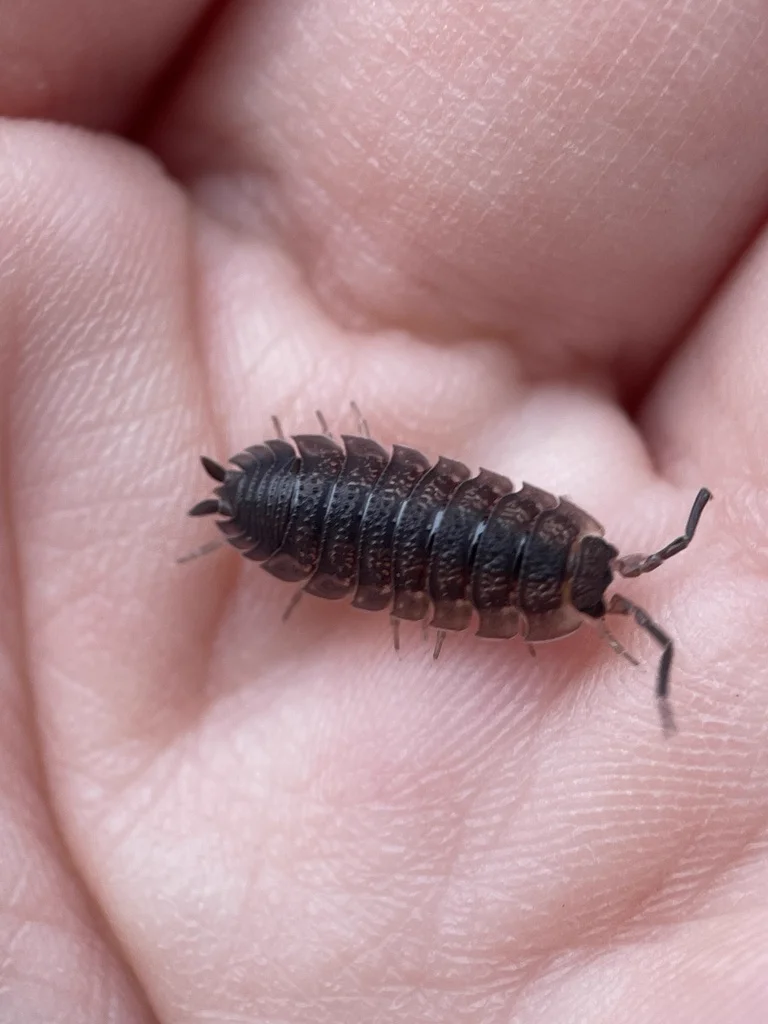
Sowbugs are small, oval crustaceans that measure 6 to 13 mm (about 1/4 to 1/2 inch) long. Their bodies are flat and covered in overlapping plates that look like armor. This gives them a segmented look. Colors range from light gray to slate gray, sometimes with brown or darker spots.
Sowbugs have seven pairs of legs (14 total) and two pairs of antennae. One antenna pair is much smaller and hard to see. The key feature that sets sowbugs apart from pillbugs is two small tail-like parts called uropods at their back end. When scared, sowbugs cannot curl into a ball like pillbugs do. They will try to run away or stay flat.
Common Species
-
Porcellio scaber (Common Rough Woodlouse): The most common species in North America. Gray to brown with a rough, bumpy texture on its back plates.
-
Porcellio laevis (Swift Woodlouse): Smoother and shinier than the common rough woodlouse. Often found in compost bins and greenhouses.
-
Oniscus asellus (Common Shiny Woodlouse): A larger species with a glossy look and lighter edges on its body segments. Homeowners dealing with Sowbugs may also encounter Common Desert Centipede, which can appear in similar environments.
Sowbug Behavior and Biology
Sowbugs are not insects. They are land-dwelling crustaceans, more closely related to shrimp and crabs. They came from Europe but now live throughout North America. You can find them in every state and most of Canada. Learn more about this pest family in our Isopod guide.
These pests need moisture to survive. They breathe through gill-like parts called pleopods. Unlike insects that have a waxy coating, sowbugs dry out fast in low humidity. This need for moisture drives where they live and how they behave.
Sowbugs are active at night and hide during the day in damp, dark spots. You will find them under mulch, leaf piles, logs, rocks, and plant debris. They eat dead leaves, rotting wood, and fungi. Their diet of decaying matter explains why they gather near foundations with mulch or debris. You will often find sowbugs alongside other moisture-loving pests like millipedes, earwigs, and centipedes.
Reproduction and Life Cycle
Female sowbugs carry eggs in a pouch on their underside called a marsupium. After 3 to 4 weeks, 25 to 75 young hatch from the pouch. These young, called mancas, look like tiny adults but only have six leg pairs at first. They stay near the mother for several weeks before going off on their own.
Sowbugs shed their outer shell as they grow. They do this in two steps. First the back half sheds, then the front half sheds 1 to 2 days later. Adults can live up to two years and may have several batches of young each year.
How We Treat for Sowbugs
Sowbug problems point to excess moisture. Good treatment deals with both the pests and the damp conditions that draw them in.
Inspection and Assessment
Our technicians check your home inside and out. We focus on spots where sowbugs gather. Inside, we look at basements, crawl spaces, bathrooms, and damp areas. Outside, we check the foundation, mulch beds, plants, and drainage.
Treatment Methods
-
Interior Treatment: We apply insecticide along baseboards, in basements, and where sowbugs have been seen. This creates a barrier to stop them from moving deeper into your home.
-
Exterior Perimeter Treatment: We apply a granular product around the foundation and in mulch beds where sowbugs breed. This targets the source before they can move indoors.
-
Moisture Control: Sowbugs cannot live without moisture. We give tips on how to reduce damp conditions. This may include fixing drainage, changing sprinkler settings, and pulling mulch away from your foundation.
Prevention Tips for Homeowners
- Remove leaf litter, grass clippings, and decaying plant material from around your foundation
- Pull mulch back at least 12 inches from the foundation wall
- Ensure gutters and downspouts direct water away from the house
- Repair any leaky faucets, pipes, or air conditioning units that create moisture
- Seal cracks and gaps in the foundation, around doors, and along basement walls
- Improve ventilation in damp areas like basements and crawl spaces
- Store firewood away from the house and elevate it off the ground
Woodlouse spiders are a common predator of sowbugs. Their presence often indicates an active sowbug population nearby. Reducing sowbugs will also help reduce woodlouse spider numbers.
For help telling sowbugs and pillbugs apart, see our blog post on sow bug vs pill bug differences.
References
Commonly Confused With
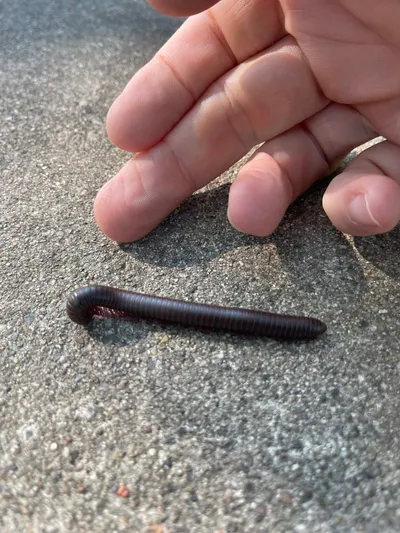
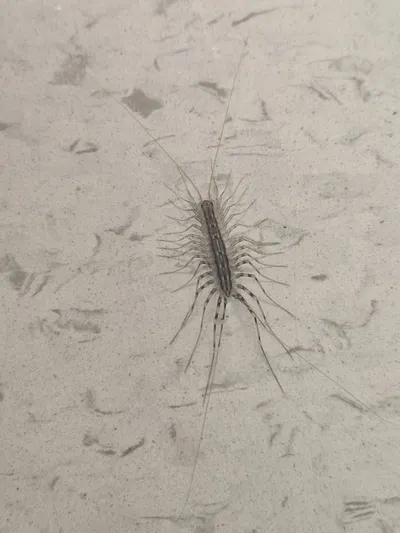
Sowbugs are often mistaken for these similar pests
Where Sowbugs Are Found
Hover over states to see their names. Green regions indicate where sowbugs have been reported.
Common Questions about Sowbugs
Are sowbugs harmful to humans?
+
No, sowbugs do not bite, sting, or transmit diseases. They are completely harmless to humans and pets. However, large numbers indoors can be a nuisance and may indicate moisture problems in your home.
What is the difference between sowbugs and pillbugs?
+
The easiest way to tell them apart is the roll test. Pillbugs curl into a tight ball when disturbed, while sowbugs cannot roll up and will simply run away. Sowbugs also have two small tail-like appendages at their rear end that pillbugs lack.
Why are sowbugs in my house?
+
Sowbugs enter homes seeking moisture when outdoor conditions become too wet or too dry. They typically get in through cracks in foundations, gaps around doors, and basement openings. They cannot survive long indoors due to the dry conditions.
Will sowbugs die on their own indoors?
+
Yes, sowbugs require high humidity to survive because they breathe through gill-like structures. In typical dry indoor conditions, they will die within a few days without treatment.
Do sowbugs damage plants or gardens?
+
Sowbugs mainly eat dead and decaying plant matter. They rarely harm healthy plants. However, they may nibble on tender seedlings or strawberries lying on damp soil. Large numbers can become a nuisance in gardens and greenhouses.
How do I prevent sowbugs from entering my home?
+
Reduce moisture around your foundation by fixing drainage issues and moving mulch away from the house. Seal cracks in the foundation and gaps around doors and windows. Remove leaf litter, grass clippings, and debris from around your home's perimeter.

With five years of hands-on experience in the pest control industry, George Schulz is a registered technician with the Virginia Pest Management Association and a proud third-generation professional in a family business that's been protecting homes for over 57 years. He manages and trains a team of service pros while also leading internal research efforts—recently spearheading a deep-dive review of thousands of documents on pest control materials to hand-pick the most kid and pet friendly, most effective solutions tailored specifically for homes in the DC metro area.