Yellow Mealworm Identification Guide
Tenebrio molitor
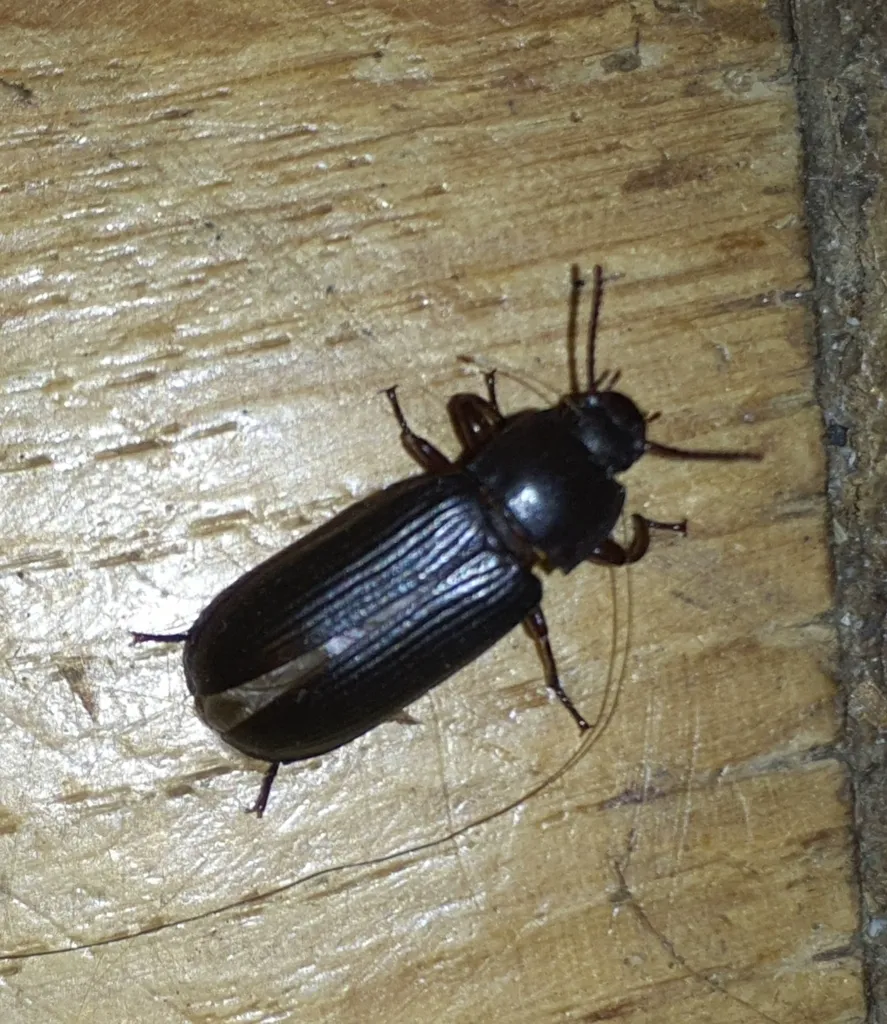
The yellow mealworm beetle is a dark brown to black stored-product pest whose larvae, known as mealworms, infest grain, flour, cereals, and animal feed. It is one of the most common darkling beetles found in pantries, barns, and food storage areas across North America.
Taxonomy
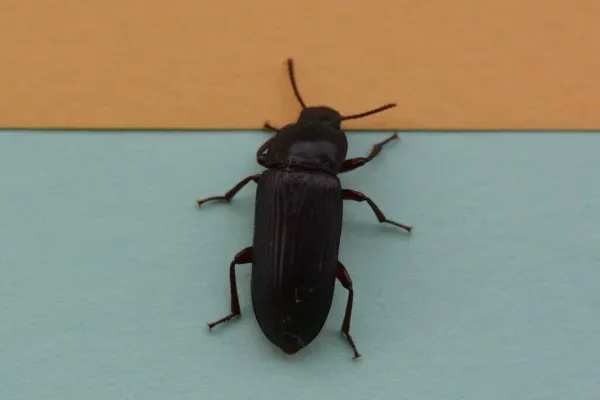
Yellow Mealworm Coloration
Common color patterns to help identify yellow mealworm
Yellow Mealworm
Seasonal Activity
When yellow mealworm are most active throughout the year

Where Yellow Mealworm Are Found
Hover over states to see their names. Green regions indicate where yellow mealworm have been reported.
Yellow Mealworm Identification Guide
Physical Characteristics
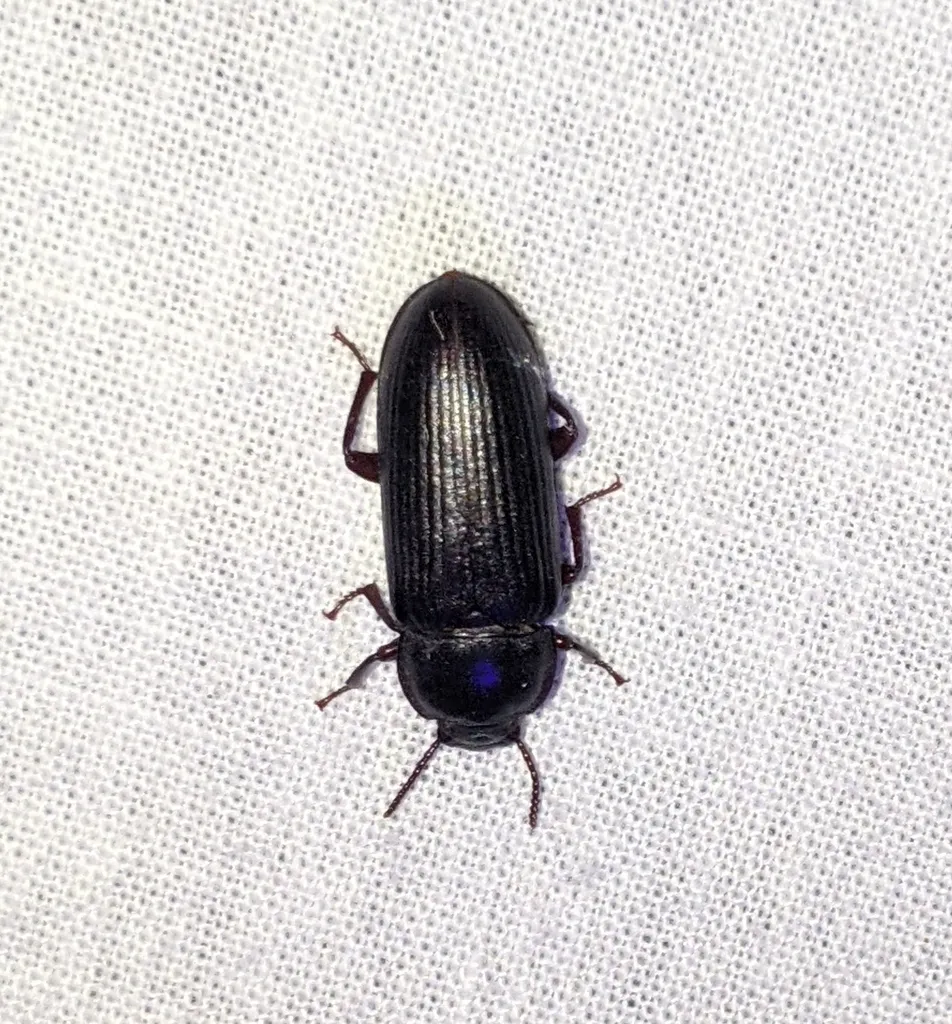
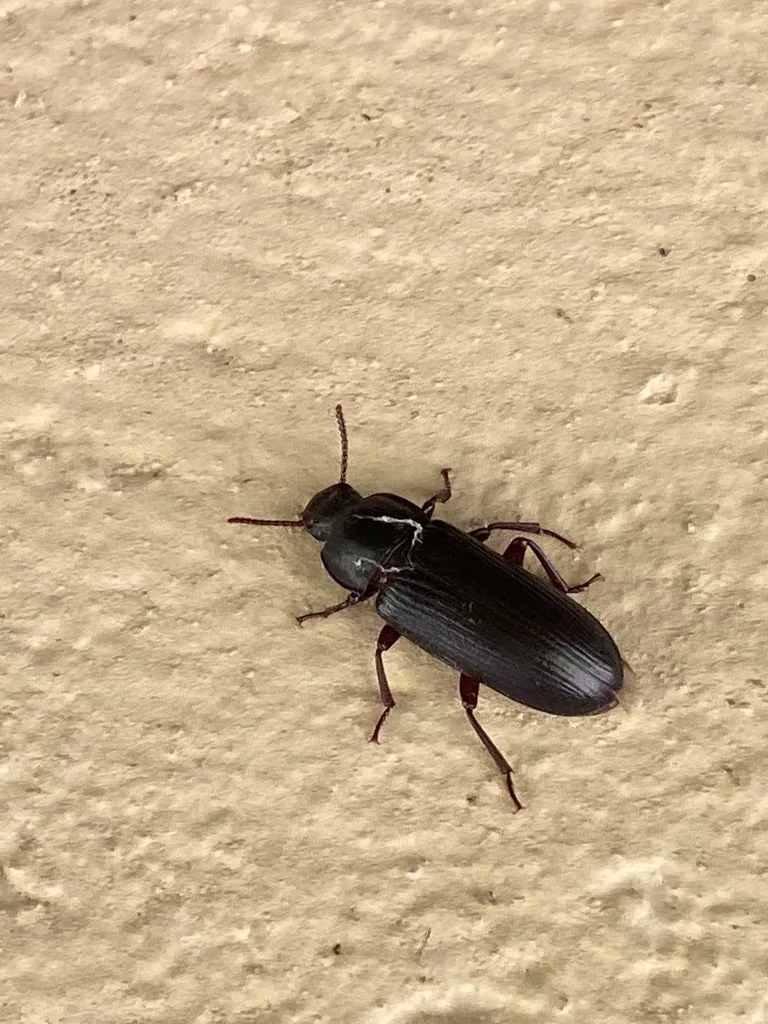
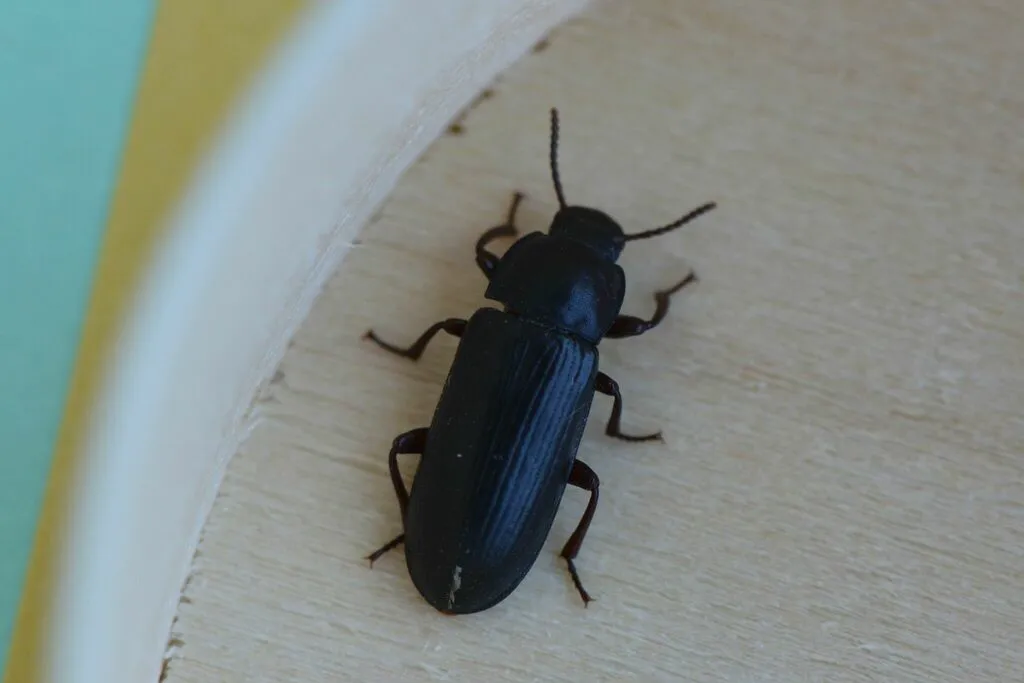
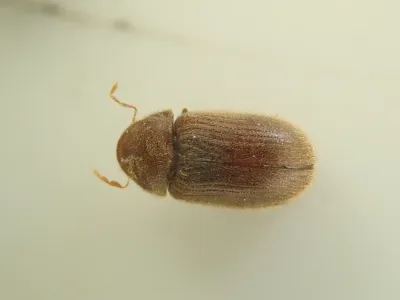
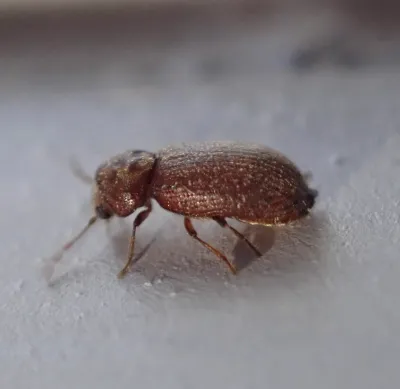
The yellow mealworm beetle (Tenebrio molitor) is a long, oval beetle about 12 to 16 millimeters long. That is roughly half an inch. Adults have a shiny, dark brown to black body with fine grooves along their wing covers. The shield behind the head looks smooth and a bit shiny. The antennae are bead-like and get wider toward the tips.
These beetles are called “yellow” mealworms because of their larvae. Most people know the larval form better than the adult beetle. Mealworm larvae are tube-shaped, segmented, and golden-yellow. Full grown larvae reach about 25 to 30 millimeters long. They have three pairs of small legs and a smooth, hard outer shell. They look like short, stiff worms.
Adult beetles have wings tucked under their hard wing covers. They can fly, mostly at night when drawn to lights. They move fast when bothered and stay away from bright light.
Larvae and Pupae
Yellow mealworm larvae shed their skin many times as they grow. Young larvae start out pale white. They darken to a golden-yellow as they get bigger. Just before changing into pupae, larvae may turn slightly darker.
Pupae are soft, pale white to cream in color, and curl into a C-shape. They do not eat or move much. This stage lasts about one to two weeks before the adult beetle comes out.
Distinguishing from Similar Pests
Several stored-product beetles look like yellow mealworms. Here is how to tell them apart:
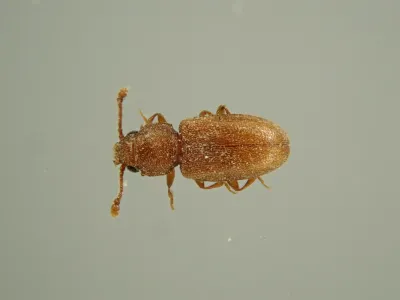
Flour beetles are much smaller at only 3 to 4 millimeters long. They are reddish-brown, not dark brown or black. Their flat body shape and small size set them apart from the larger mealworm beetle.
Red flour beetles are in the same family (Tenebrionidae) but only about one-fourth the size of a mealworm beetle. Their rust-red color and clubbed antennae make them easy to spot.
Drugstore beetles have a round, humped body with the head tucked under the body. They are smaller and lighter brown than mealworm beetles.
Pantry beetles cover a broad group. Most pantry beetle species are much smaller than the yellow mealworm beetle. Size is the best way to tell them apart.
Yellow Mealworm Behavior and Biology
Lifecycle and Development
Yellow mealworm beetles go through four life stages: egg, larva, pupa, and adult.
Eggs: Females lay small, white, sticky eggs in food or in cracks near food. Flour and grain stick to the eggs and hide them. Eggs hatch in about one to two weeks, depending on how warm it is.
Larvae: This is the longest stage. Larvae feed and grow for several months indoors, shedding their skin many times. Warm temps speed up growth. Cool temps slow it down. Larvae do the most damage to stored food.
Pupae: Full grown larvae find a quiet spot in the food to change form. This stage lasts one to two weeks. Pupae are soft and cannot defend themselves.
Adults: New adults are light brown at first. They darken over the next few days. They start mating within days. Females lay hundreds of eggs in their lifetime. Adults live for several weeks to a few months.
Environmental Preferences
Yellow mealworm beetles do best in warm, dark, quiet spots. They grow fastest between 75 and 85 degrees Fahrenheit with some humidity. In heated buildings like barns, warehouses, and homes, they can stay active all year. In cold spaces without heat, they slow down or stop in winter.
These beetles come out at night. Adults hide during the day and move around after dark. They are drawn to lights, which is one way they get into homes. In warm months, adults may fly through open windows or doors toward indoor lights.
Food Sources and Habitat
Yellow mealworm beetles feed on stored products that are already broken down or damaged. They do not attack whole, healthy grain kernels. Common food sources include:
- Flour, bran, and grain meal
- Old cereals and oatmeal
- Stored animal feed and bird seed
- Pet food, especially dry kibble
- Dried pasta and rice
- Bread crumbs and baking supplies
- Grain dust and residues in cracks and corners
- Decaying plant material
Larvae cause the most food damage. They tunnel through food as they eat, leaving shed skins, droppings, and body parts behind. Barns and feed buildings with grain dust buildup are common sites for problems. In homes, old bags of flour, stale cereal boxes, and forgotten pet food are where they often show up first.
Signs of Infestation
Watch for these indicators of a yellow mealworm problem:
- Dark brown or black beetles found near pantry shelves, in cupboards, or around light fixtures at night
- Golden-yellow, worm-like larvae in stored grain products, flour, or pet food
- Shed larval skins (thin, translucent, golden casings) in food containers or on shelves
- A musty or stale smell coming from stored grain products
- Fine powder or grain dust accumulating in pantry corners
- Small beetles appearing near windows or doors during warm evenings
A few mealworms in an old bag of flour can turn into a big problem fast. The larvae grow inside food and stay away from light, so you may not notice them for weeks or months.
Treatment Methods for Yellow Mealworms
Getting rid of yellow mealworms takes a step-by-step approach. You need to find the infested food, clean up well, and stop them from coming back. Sprays alone do not work because these pests live inside food where chemicals cannot reach.
Finding and Removing Infested Products
Check every grain product in your pantry, kitchen, barn, or feed room. Look at flour, cereals, oatmeal, pasta, rice, baking mixes, spices, pet food, and bird seed. Pay close attention to items stored for a long time or pushed to the back of shelves.
Look for live or dead beetles, golden larvae, shed skins, and a musty smell. Seal infested items in plastic bags and throw them in outdoor trash. Do not move infested products to a new spot. That just spreads the problem.
Deep Cleaning
After getting rid of bad products, empty all shelves. Vacuum every surface well. Pay extra attention to:
- Cracks between shelves and walls
- Corners and shelf support brackets
- Under shelf paper or liners
- Cabinet hinges and hardware
- Baseboards near food storage areas
- Floor cracks and crevices
Grain dust and food bits in these hidden spots can keep mealworms alive even after you throw out the infested food. Wipe all surfaces with soap and water after vacuuming. Put vacuum contents in a sealed bag and throw it in outdoor trash.
Preventing Reinfestation
Good food storage is the key to long-term prevention. Keep all grain products in airtight containers with tight lids. Glass jars, metal cans, and thick plastic containers work well. Thin plastic bags and cardboard boxes will not stop beetles.
Try freezing new flour and grain products at zero degrees Fahrenheit for four to seven days before you store them. This kills any eggs or larvae that came from the store. It works great if you buy in bulk.
Buy grain products in amounts you will use within a few weeks. Use older items first so nothing sits too long. Check food packages at the store before buying. Skip items with broken seals or torn packaging.
In barns and feed rooms, keep things clean. Sweep up spilled grain often. Store animal feed in sealed bins, not open bags. Throw out old or expired feed right away.
When to Seek Professional Help
If cleaning and good storage do not fix the problem, a pest control pro can help. They can find hidden food sources and treat cracks and hiding spots without getting products in your food. For grain storage or feed buildings, professional heat treatments or fumigation may be needed to handle large problems.
References and Further Reading
- Dark and Yellow Mealworms - Penn State Extension
- Yellow Mealworm Urban Pest Profile - University of Nebraska-Lincoln
- Mealworm Beetles - University of Minnesota Extension
- Stored Product Pests - FAO
- Yellow Mealworm - Grains Canada
- Tenebrio molitor - GBIF
- Stored Product Pest Management - Kansas State University
Other Pantry Pests
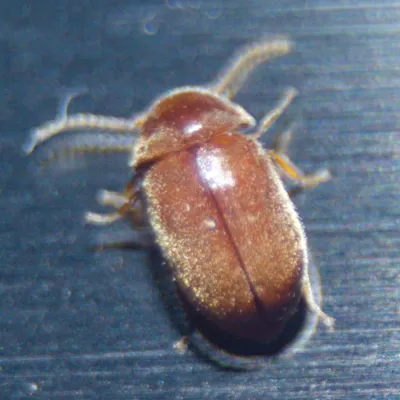
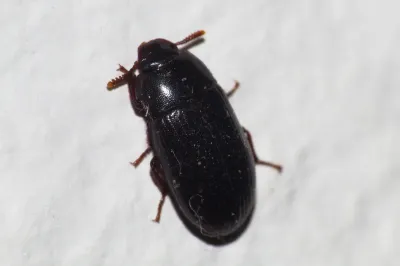
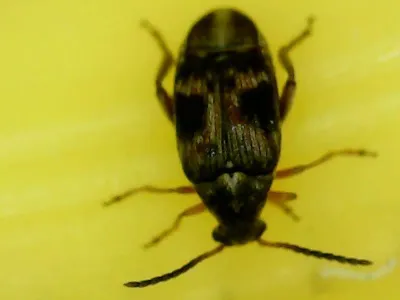
Explore other species in the pantry pests family
Commonly Confused With
Yellow Mealworm are often mistaken for these similar pests
Where Yellow Mealworm Are Found
Hover over states to see their names. Green regions indicate where yellow mealworm have been reported.
Common Questions about Yellow Mealworm
What do yellow mealworms look like?
+
Adult yellow mealworm beetles are dark brown to black, elongated beetles about half an inch long with fine grooves on their wing covers and bead-like antennae. The larvae, commonly called mealworms, are cylindrical and segmented with a golden-yellow color and three pairs of small legs.
Are yellow mealworms harmful to humans?
+
Yellow mealworms do not bite, sting, or transmit diseases directly. However, they contaminate stored food with their bodies, shed skins, and droppings. Large infestations can make grain products smell musty and unpleasant. Some people may experience allergic reactions from handling infested products.
Where do yellow mealworm infestations start?
+
Infestations often begin in neglected stored products like old bags of flour, grain, cereal, pet food, or animal feed. Barns, feed rooms, and pantries with accumulated grain dust and spilled food are common starting points. Adult beetles can also fly in from outdoors, especially at night when attracted to lights.
How long do yellow mealworm beetles live?
+
Adult yellow mealworm beetles live for several weeks to a few months. The entire lifecycle from egg to adult takes several months under typical conditions but can vary widely depending on temperature and food availability. Warmer conditions speed up development.
Can yellow mealworm beetles fly?
+
Yes, adult yellow mealworm beetles have functional wings beneath their hard wing covers and are capable of flight. They are most often seen flying at night when attracted to light sources. They are not strong long-distance fliers but can spread to new food sources this way.
How do I get rid of yellow mealworms in my pantry?
+
Start by inspecting all stored grain products, flour, cereals, and pet food. Discard any infested items in sealed bags. Vacuum all pantry shelves thoroughly, focusing on cracks and corners where grain dust collects. Wipe surfaces with soap and water and store replacement products in airtight glass, metal, or thick plastic containers.
What is the difference between yellow mealworms and flour beetles?
+
Size is the easiest way to tell them apart. Yellow mealworm beetles are about half an inch long, while flour beetles are much smaller at roughly one-eighth of an inch. Flour beetles are reddish-brown, while mealworm beetles are darker brown to black. Mealworm larvae are also much larger and more worm-like than flour beetle larvae.

With five years of hands-on experience in the pest control industry, George Schulz is a registered technician with the Virginia Pest Management Association and a proud third-generation professional in a family business that's been protecting homes for over 57 years. He manages and trains a team of service pros while also leading internal research efforts—recently spearheading a deep-dive review of thousands of documents on pest control materials to hand-pick the most kid and pet friendly, most effective solutions tailored specifically for homes in the DC metro area.