Rusty Grain Beetle Identification Guide
Cryptolestes ferrugineus
The rusty grain beetle is a small, flattened stored product pest that infests grain, flour, and other dried foods. It is one of the most common pantry pests worldwide and thrives in warm, humid conditions.
Taxonomy
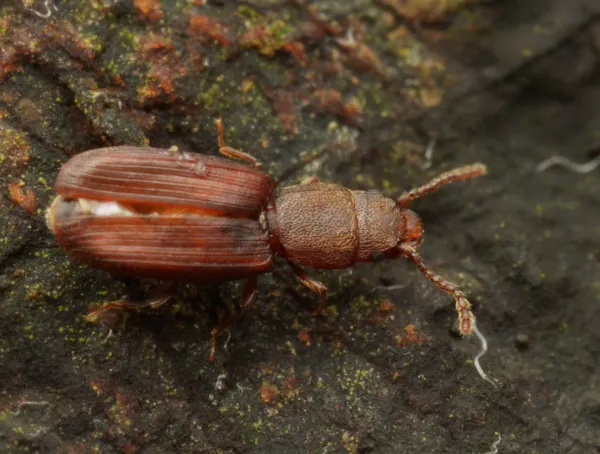
Rusty Grain Beetle Coloration
Common color patterns to help identify rusty grain beetle
Rusty Grain Beetle
Seasonal Activity
When rusty grain beetle are most active throughout the year
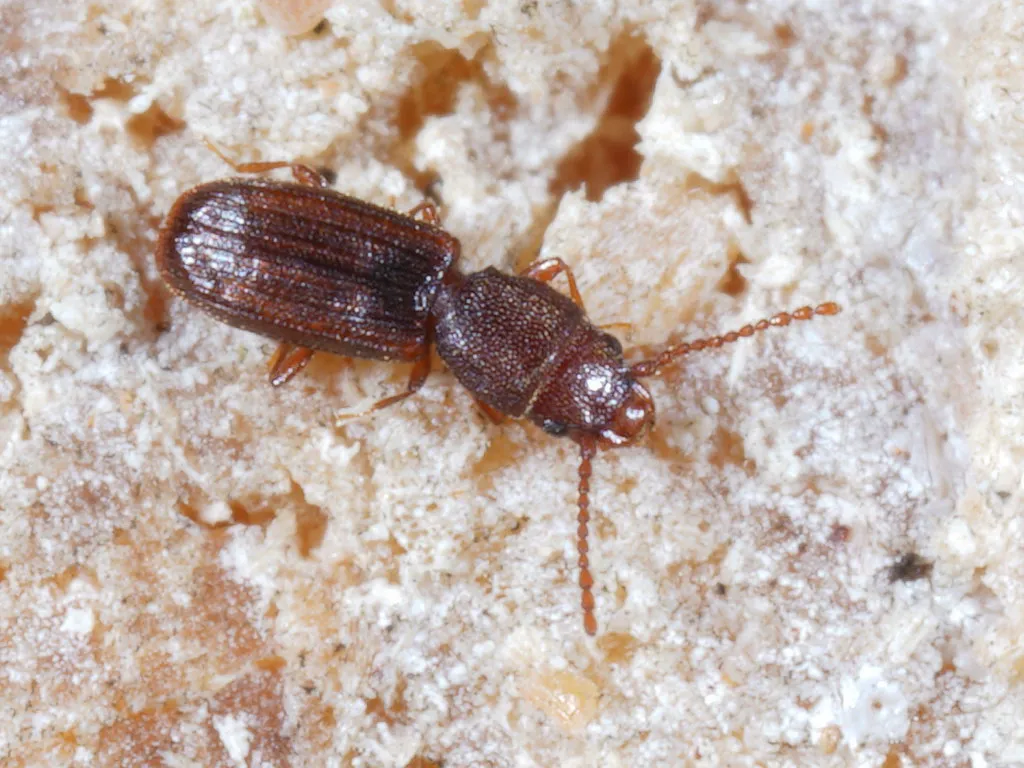
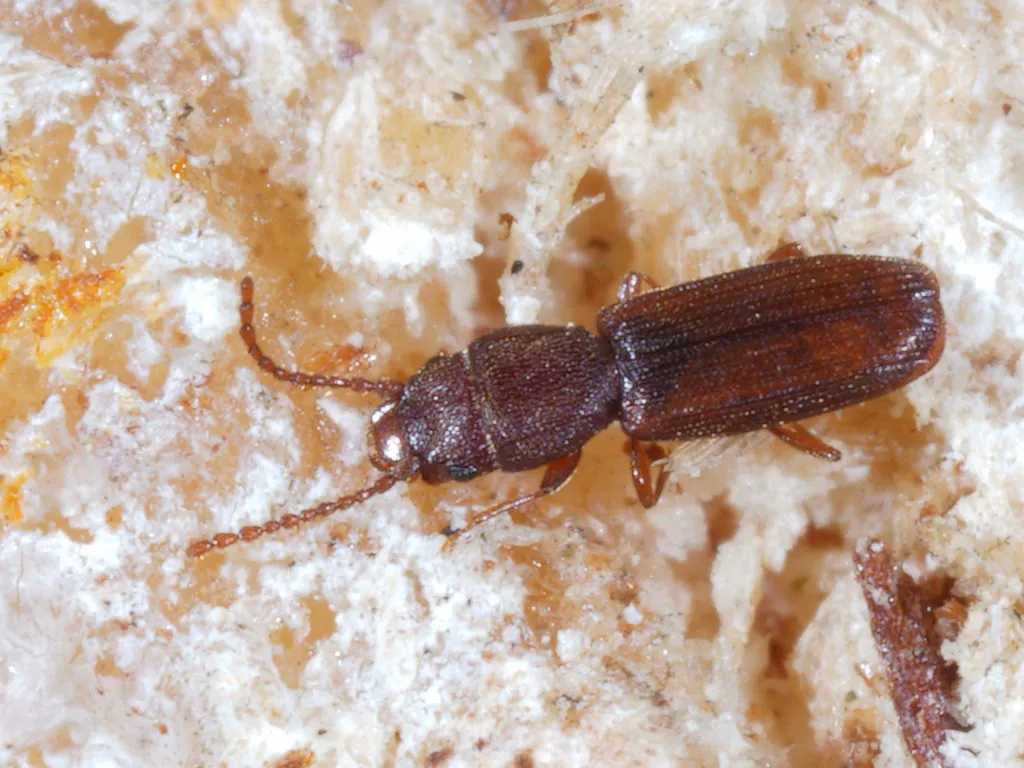

Where Rusty Grain Beetle Are Found
Hover over states to see their names. Green regions indicate where rusty grain beetle have been reported.
Rusty Grain Beetle Identification Guide
Physical Characteristics
Rusty grain beetles are some of the smallest pantry pests you may find in your home. Adults measure just 1.5 to 2.5mm long, about the size of a pinhead. Their bodies are very flat from top to bottom. This flat shape helps them squeeze through tiny spaces, even sealed food packaging.
Young adults start out tan. As they age, they turn a rusty reddish-brown color. The body has a shiny look. Two long, thin antennae stick out from the head and reach about half the body length. Each antenna has eleven parts. Unlike the sawtoothed grain beetle, the rusty grain beetle has smooth edges along its thorax. It does not have tooth-like bumps.
Adults have wings and fly well when the air is warm, usually above 70 degrees Fahrenheit. This sets them apart from many similar pantry beetles and helps them spread to new food sources.
Rusty Grain Beetle Larvae
The larvae are small, white to yellowish-white grubs with brown heads. Full-grown larvae reach about 3 to 4mm long. They have a flat body with the back half slightly wider than the front. At the tip of the body, you can see a pair of small, dark points called urogomphi.
Larvae have three pairs of legs near the head. They crawl freely through food as they eat. They go through about four growth stages before turning into pupae inside the food. The larval stage lasts about 12 to 20 days in warm conditions. It takes longer when temps are cooler.
Telling Them Apart from Similar Pests
Several stored product beetles look a lot like the rusty grain beetle. Knowing the difference helps you pick the right control steps.
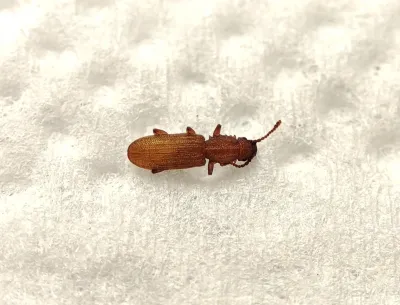
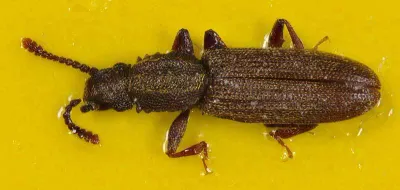
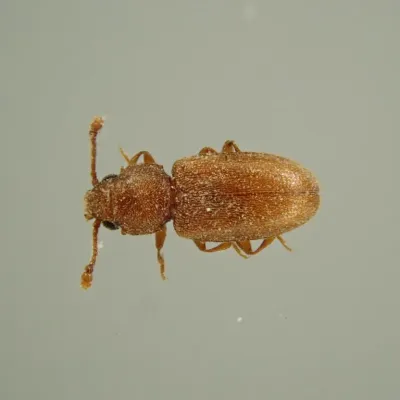
Sawtoothed grain beetles: This is the most confused species. They are a bit larger at 2 to 3mm. They have six saw-like teeth along each side of the thorax. You can see these teeth with a hand lens. They also rarely fly, while rusty grain beetles fly well.
Merchant grain beetles: These look very similar and also have toothed thorax edges. They have larger eyes than sawtoothed grain beetles. You can tell both apart from rusty grain beetles by the teeth on the sides of the thorax.
Flour beetles: Red and confused flour beetles are a bit bigger at 3 to 4mm. They have a rounder, less flat body. Their antennae end in a club shape. They are also more evenly reddish in color.
Foreign grain beetles: These are close in size but have a rounder body. They have small knob-like bumps on the front corners of the thorax. They are drawn more to mold and fungus on grain than to the grain itself.
Rusty Grain Beetle Behavior and Biology
Lifecycle and Development
Rusty grain beetles go through four life stages: egg, larva, pupa, and adult. In warm, humid conditions of about 90 to 95 degrees Fahrenheit, the full cycle can finish in as few as 23 days. In cooler or drier conditions, it takes much longer.
Eggs: Females start laying eggs within a few days of becoming adults. They place eggs loosely on or near grain kernels and food bits. One female can lay 200 to 400 eggs in her lifetime. The eggs are tiny, white, and hard to see without a magnifying glass. In warm temps, eggs hatch in 3 to 5 days.
Larvae: After hatching, larvae start eating right away. They prefer the germ part of grain kernels. They also eat the starchy inside of kernels and mold growing on damp grain. Larvae go through about four molts over 12 to 20 days before they are ready to pupate.
Pupae: When ready, larvae form pupae inside the food. They sometimes build a loose cocoon from food bits. This stage lasts about 4 to 6 days. Pupae start out white and slowly darken before the adult comes out.
Adults: New adults are light tan and turn rusty brown within a day or two. They keep eating their whole lives and can live for several months. These beetles have one of the fastest growth rates of any stored product pest. A small problem can turn into a big one quickly.
What Do Rusty Grain Beetles Eat?
Rusty grain beetles eat many types of stored foods. Unlike rice weevils and some other grain pests, they cannot bore into whole, undamaged kernels. They go after damaged, cracked, or moist grain and processed food products instead.
Common food sources include:
- Wheat, barley, rye, oats, and rice
- Flour, cornmeal, and baking mixes
- Breakfast cereals and oatmeal
- Dried fruits and nuts
- Oilseeds such as sunflower seeds and flax
- Spices and dried herbs
- Pet food and birdseed
- Processed snack foods and pasta
These beetles are also drawn to mold growing on grain. Damp or poorly stored grain that gets moldy creates the perfect home for them. As they move around, they can spread mold spores and make the problem worse.
Where Do Rusty Grain Beetles Hide?
These beetles do best in warm, humid spots where food is kept. Their very flat bodies let them fit through tiny gaps. They can get between stacked grain kernels or into the folds of a cereal bag.
Common hiding spots include:
- Inside food packaging, especially paper and cardboard containers
- In cracks and crevices of pantry shelves
- Between and beneath stored products
- In grain dust and food debris in corners and edges
- Inside wall voids near kitchens and food storage areas
- In spilled grain or flour under appliances
In large-scale settings, rusty grain beetles show up in grain elevators, storage bins, cargo ships, and railroad cars. They handle cold better than most pantry beetles. This means they can survive the winter in unheated grain storage, even in northern areas.
Signs of a Rusty Grain Beetle Problem
Early Warning Signs
- Small brown beetles: Tiny reddish-brown beetles crawling on shelves, in cabinets, or near food containers
- Beetles in food: Live or dead beetles found inside flour, cereal, or grain products
- Larvae: Tiny whitish grubs with brown heads in stored products
- Grain heating: In bulk storage, localized warming of grain can indicate beetle activity
- Musty odors: Off smells from infested products, often associated with fungal growth the beetles encourage
- Shed skins: Cast larval skins left behind during growth
- Flying beetles: Small beetles flying near pantry areas in warm weather
Where to Inspect
If you suspect rusty grain beetles, check these areas carefully:
- All flour, grain, and cereal products
- Rice, pasta, and baking ingredients
- Dried fruit, nut, and seed packages
- Pet food bags and treats
- Spice containers, especially older ones
- Cracks and joints in pantry shelving
- Areas behind and under kitchen appliances
- Any food product stored for more than a few months
Open each package and look at the contents closely. Check for live beetles, dead beetles, and tiny larvae. Focus on products stored in warm or humid spots. Items near heat sources like ovens or dishwashers are at higher risk.
Treatment Methods for Rusty Grain Beetles
Getting rid of rusty grain beetles takes a mix of cleanup, removal, and prevention. These beetles respond well to methods that cut off their food and moisture.
-
Find and Remove Infested Food: This is the most important step. Check every item in the pantry. Seal infested products in plastic bags and throw them in an outdoor trash bin. Check items stored near the infested ones too, even if they look fine.
-
Deep Cleaning: After tossing infested food, clean all storage areas well. Vacuum shelves, drawers, and cabinets. Pay close attention to cracks, corners, and gaps where food bits collect. Wipe surfaces with soap and water to get rid of food residue, eggs, and larvae.
-
Proper Food Storage: Move all dry goods into airtight containers made of glass, metal, or heavy plastic. Make sure the lids fit tight. Cardboard and paper packaging will not keep these flat beetles out. Seal new items in containers as soon as you bring them home.
-
Temperature Treatment: Freezing can save products caught early. Place items at 0 degrees Fahrenheit for at least 7 days to kill all life stages. Heating items to 130 degrees Fahrenheit for 30 minutes also works. These methods are great for items you just bought.
-
Moisture Control: These beetles love moisture and mold. Reducing humidity in storage areas helps a lot. Use a dehumidifier in damp basements or pantries. Make sure air flows well around stored food. Beetles breed much more slowly when grain moisture stays below 12 percent.
-
Monitoring: Pheromone traps made for stored product beetles can help spot ongoing activity. Place traps in pantry areas and check them often. Keep checking for several weeks after cleanup to make sure the problem is fully gone.
Prevention Tips
Stopping rusty grain beetles before they start is much easier than getting rid of them later. These steps lower your risk:
- Inspect purchases: Check packaging for holes, tears, or damage before buying dry goods
- Use airtight containers: Transfer flour, grains, and cereals to glass jars or heavy plastic containers with tight lids
- Buy smaller quantities: Purchase amounts you will use within 2 to 4 months
- Rotate stock: Use older products first and check expiration dates regularly
- Freeze susceptible items: Place flour, grains, and dried fruit in the freezer for 7 days after purchase to kill any hidden eggs or larvae
- Clean regularly: Wipe down pantry shelves and vacuum crumbs from corners and crevices monthly
- Seal entry points: Caulk cracks and gaps in pantry shelving and walls
- Control moisture: Store food in cool, dry areas and use dehumidifiers in damp spaces
- Monitor with traps: Place pheromone traps in storage areas to catch problems early before populations grow
References and Further Reading
Other Pantry Pests
Explore other species in the pantry pests family
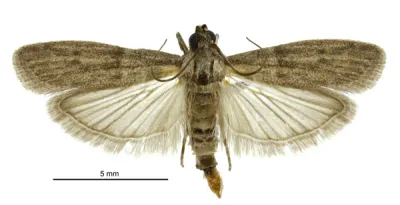
Commonly Confused With
Rusty Grain Beetle are often mistaken for these similar pests
Where Rusty Grain Beetle Are Found
Hover over states to see their names. Green regions indicate where rusty grain beetle have been reported.
Common Questions about Rusty Grain Beetle
What does a rusty grain beetle look like?
+
Rusty grain beetles are very small, flattened beetles about 1.5 to 2.5mm long. They are reddish-brown to tan in color with a shiny appearance. Their bodies are distinctly flat, which allows them to squeeze through tiny gaps in food packaging. They have long, slender antennae that are about half the length of their body.
Are rusty grain beetles harmful to humans?
+
Rusty grain beetles do not bite, sting, or transmit diseases to humans. However, they contaminate stored food with their bodies, waste, and shed skins, making it unfit for consumption. Eating heavily infested products may cause digestive discomfort. Large infestations can also promote mold growth in stored grain.
How do rusty grain beetles get into my house?
+
Rusty grain beetles usually enter homes inside infested food products purchased from stores. Eggs or larvae may already be present in flour, grains, cereals, or other dried goods when you buy them. The beetles can also fly into homes from nearby grain storage facilities or processing plants, especially during warm weather.
What do rusty grain beetles eat?
+
These beetles feed on a wide range of stored products including wheat, flour, cereals, rice, barley, oats, dried fruits, oilseeds, spices, and processed grain products. Unlike some grain pests, they cannot bore into whole undamaged grain kernels. They prefer damaged or high-moisture grain and are attracted to grain with fungal growth.
Can rusty grain beetles fly?
+
Yes, rusty grain beetles are strong fliers, especially in warm conditions above 70 degrees Fahrenheit. They can disperse by flying to new food sources and may enter homes through open windows or doors during warm weather. Flight activity decreases significantly in cooler temperatures.
How long do rusty grain beetles live?
+
Adult rusty grain beetles typically live several months under favorable conditions. Females can lay 200 to 400 eggs during their lifetime. The complete lifecycle from egg to adult takes about 23 days under optimal warm conditions but can be much longer in cooler environments.
What is the difference between rusty grain beetles and sawtoothed grain beetles?
+
The most reliable way to tell them apart is the thorax shape. Sawtoothed grain beetles have six prominent saw-like teeth along each side of the thorax. Rusty grain beetles have smooth-edged thorax margins without these teeth. Rusty grain beetles are also slightly smaller and are strong fliers, while sawtoothed grain beetles rarely fly.
How do I get rid of rusty grain beetles in my pantry?
+
Start by finding and discarding all infested food products. Clean pantry shelves thoroughly, vacuuming cracks and crevices. Transfer remaining dry goods to airtight glass or heavy plastic containers. You can freeze suspect items at 0 degrees Fahrenheit for 7 days to kill all life stages. Monitor with pheromone traps to confirm the infestation is resolved.

With five years of hands-on experience in the pest control industry, George Schulz is a registered technician with the Virginia Pest Management Association and a proud third-generation professional in a family business that's been protecting homes for over 57 years. He manages and trains a team of service pros while also leading internal research efforts—recently spearheading a deep-dive review of thousands of documents on pest control materials to hand-pick the most kid and pet friendly, most effective solutions tailored specifically for homes in the DC metro area.