Flat Grain Beetles Identification Guide
Cryptolestes pusillus
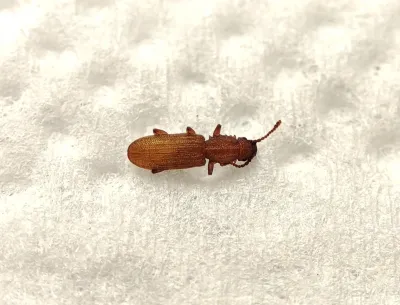
Flat grain beetles are tiny, reddish-brown stored product pests that infest damaged grain, cereal products, and flour. Their extremely flat bodies allow them to penetrate packaging and grain storage areas that exclude larger insects.
Taxonomy
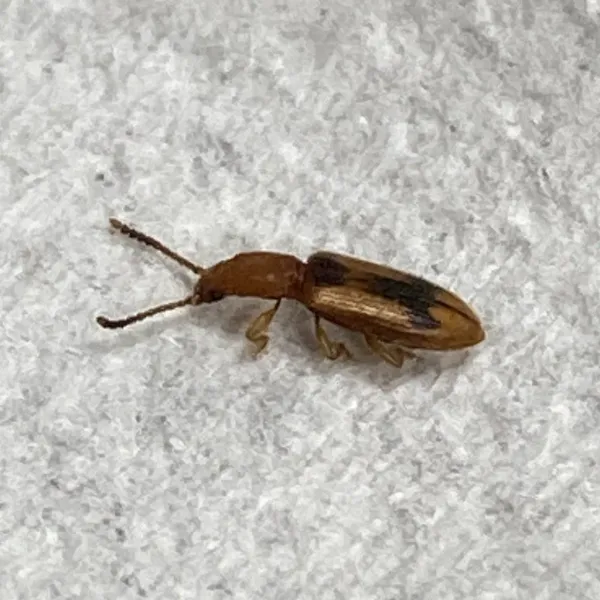
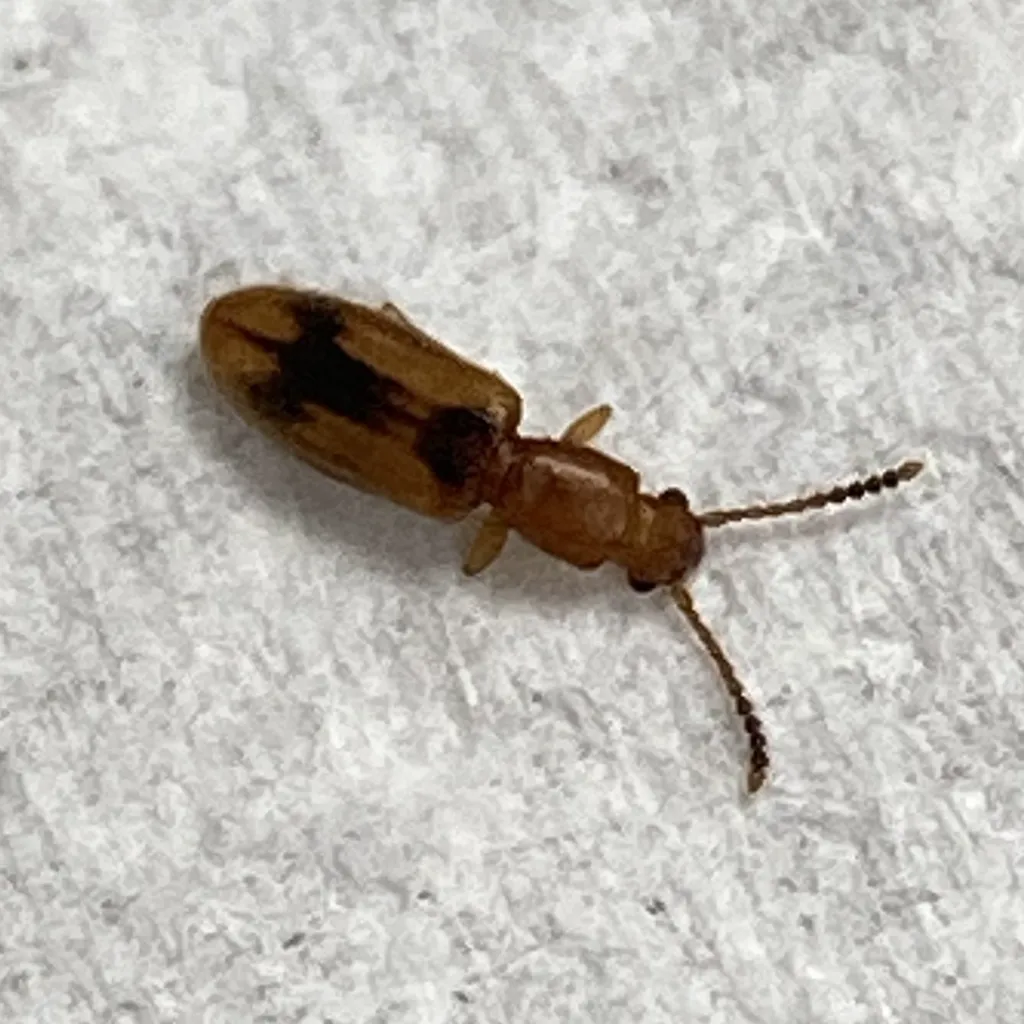
Flat Grain Beetles Coloration
Common color patterns to help identify flat grain beetles
Flat Grain Beetles
Seasonal Activity
When flat grain beetles are most active throughout the year

Where Flat Grain Beetles Are Found
Hover over states to see their names. Green regions indicate where flat grain beetles have been reported.
Flat Grain Beetle Identification Guide
Physical Characteristics
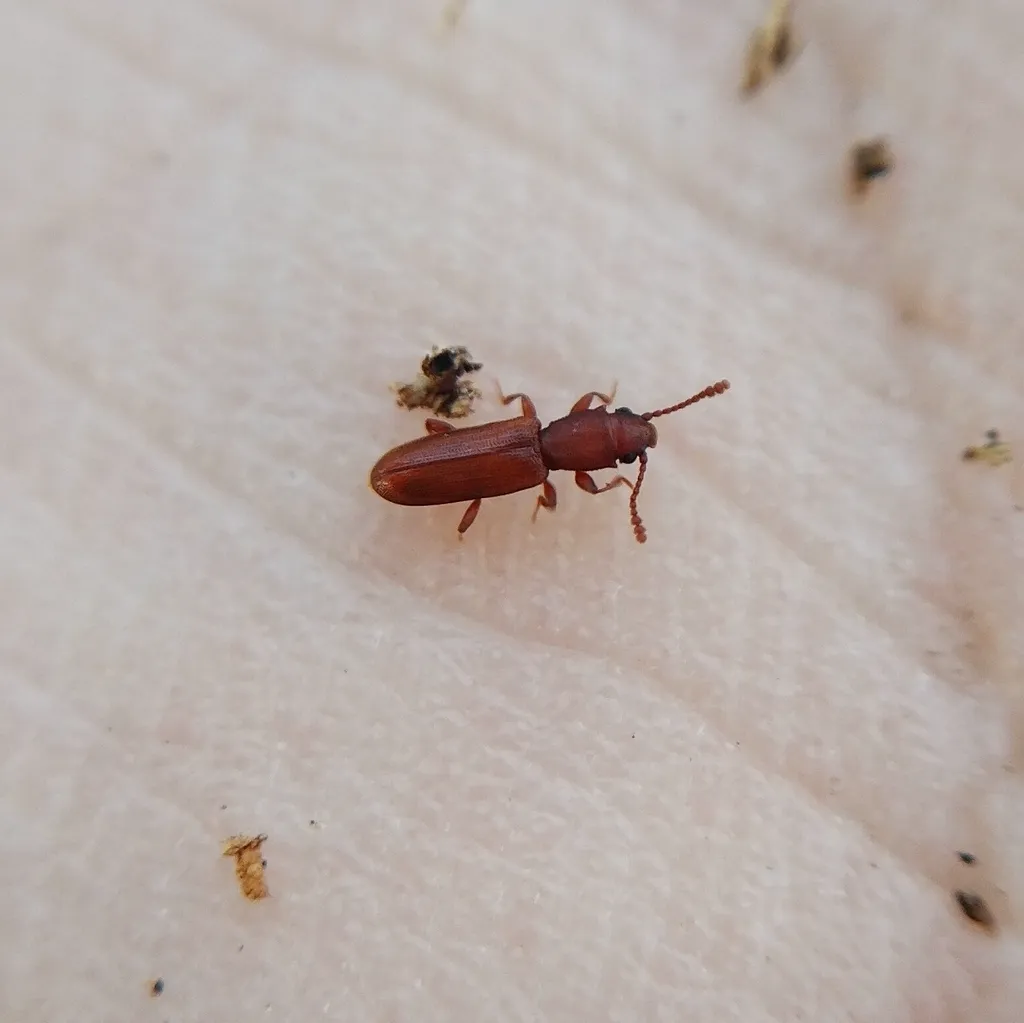
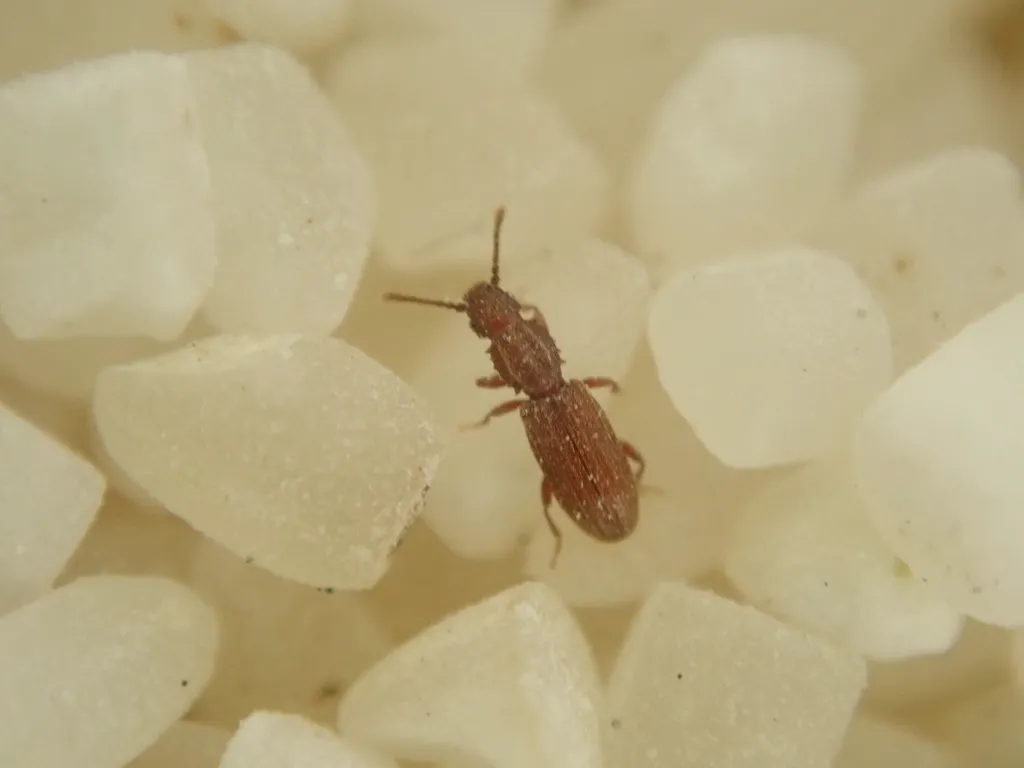
Flat grain beetles are some of the smallest pantry pests you will find. Adults are only 1.5 to 2mm long, about the size of a pinhead. Their body is very flat. This shape lets them squeeze into tiny gaps in food packaging and storage bins that block larger insects.
They are reddish-brown to tan in color. Their wing covers have five thin ridges that run from front to back. You can see these ridges with a magnifying glass. The head is a bit narrower than the middle section, giving the beetle a long, slim look.
Their antennae are one of the best ways to tell them apart from other beetles. Flat grain beetles have long, bead-like antennae that can reach nearly the length of their body. Males have longer antennae than females. This difference in antenna length is one way experts tell Cryptolestes pusillus apart from related species.
Flat grain beetle larvae are thin and cream colored with a dark brown head. They have three pairs of small legs near the front and two small points at the tail. You will most likely find larvae inside broken grain kernels or buried in flour and grain dust.
Telling Them Apart from Similar Pests
People often mix up flat grain beetles with other small pantry beetles. Here are the main differences.
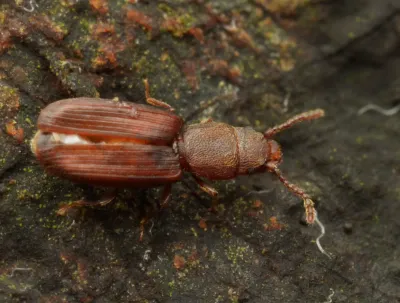
Rusty grain beetles (Cryptolestes ferrugineus) are the closest match. They are almost the same size and shape. Rusty grain beetles handle drier conditions better, and the males and females have antennae that are closer in length. Telling these two apart usually takes an expert or a lab key.
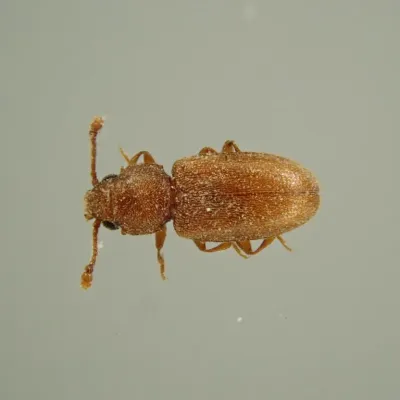
Sawtoothed grain beetles (Oryzaephilus surinamensis) are a similar size. They have saw-like teeth along the edges of the section behind the head. You can see this feature with a hand lens. It is the fastest way to tell the two apart.
Foreign grain beetles (Ahasverus advena) live in the same types of food. They are close in size but have a different body shape behind the head. Foreign grain beetles tend to show up more often around moldy or damp grain.
Flat Grain Beetle Behavior and Biology
Lifecycle and Development
Flat grain beetles go through four life stages: egg, larva, pupa, and adult. How fast they grow depends a lot on heat and moisture. In warm conditions around 77 to 86 degrees Fahrenheit, the full cycle can finish in just three to four weeks. Cool temps slow things down a lot.
Eggs. Females lay tiny white eggs one at a time in the cracks of broken grain, in grain dust, or among food scraps. The eggs are too small to see without a magnifying glass.
Larvae. After hatching, the thin larvae feed on broken kernels, grain germ, and processed cereal products. They go through several growth stages over one to several weeks. This is the stage that causes the most damage to stored food.
Pupae. When fully grown, larvae spin a small silk cocoon. They often tuck it inside a grain crack or within food scraps. This stage lasts about one to two weeks.
Adults. Adult flat grain beetles move fast and can fly. Flight helps them spread to new food sources around your home. In warm storage, many generations can grow each year. This lets numbers build up fast.
Diet and Feeding Habits
Flat grain beetles cannot break into whole, intact kernels. They feed on grain that is already cracked or broken. Common food targets include:
- Broken or cracked grain kernels
- Grain germ and seed tissue
- Flour, cornmeal, and grain dust
- Crackers, pasta, and rice
- Dried pet food and birdseed
- Any grain product that has damage or extra moisture
Because they prefer damaged grain and dust, you often find them alongside other pantry pests or in products that have sat on the shelf for a long time.
Habitat Preferences
In businesses, flat grain beetles are common in grain storage buildings, flour mills, and food plants. In homes, they show up in pantries, kitchen cabinets, and any spot where you store dry grain products. They do best in warm, slightly humid spaces and are most active in summer. That said, heated homes can support them all year long.
Their flat shape gives them an edge over bigger pantry pests. They can slip through packaging gaps, hide behind shelf liners, and fit into cracks that other bugs cannot reach.
Signs of a Flat Grain Beetle Infestation
What to Look For
- Tiny beetles in stored food. Look for small reddish-brown beetles in flour, cereal, or grain products.
- Beetles on shelves. Adults may move away from food and show up on pantry shelves or counters.
- Fine dust or debris. Piles of grain dust near stored products can point to feeding activity.
- Beetles near lights. Adults can fly and may gather near light sources close to your kitchen.
- Damaged packaging. Check for tiny holes or gaps in paper and thin plastic food wrapping.
Where to Inspect
If you think you have flat grain beetles, look through these areas:
- All flour and grain products
- Cereal boxes, especially ones that are open
- Rice, pasta, and cornmeal containers
- Dried pet food and birdseed bags
- Spice jars and dried herbs
- Baking mixes and cake flour
- Old products pushed to the back of cabinets
Treatment Methods for Flat Grain Beetles
Getting rid of flat grain beetles takes good cleanup, proper storage, and careful watching.
Source Removal and Cleanup
The first step is to find and remove all food items that have beetles:
- Check every dry goods item in your pantry and kitchen
- Throw away any products that show signs of beetles
- Put infested items in sealed plastic bags before tossing them
- Vacuum all shelves, cracks, corners, and tight spaces well
- Wipe all surfaces with soap and water
- Focus on shelf edges, bracket holes, and cabinet hinges where grain dust collects
Proper Food Storage
Good storage habits help stop beetles from coming back:
- Move all dry goods into airtight glass or thick plastic containers with tight lids
- Buy less of grain products you do not use often
- Use older items first so nothing sits too long
- Check new items for damage before putting them away
- Keep pantry areas clean, dry, and aired out
Temperature Treatment
For items you want to keep but think may have beetles:
- Freezing. Put products at 0 degrees Fahrenheit for at least 7 days. This kills all life stages.
- Heating. Heat items to 120 degrees Fahrenheit for 16 to 24 hours in an oven on a low setting.
When to Seek Professional Help
If flat grain beetles keep showing up after you clean and store food the right way, or if you spot them in many parts of your home, a pest management professional can help. They can figure out the exact species, find hidden sources, and treat cracks and gaps where beetles may be hiding.
References and Further Reading
Other Pantry Pests
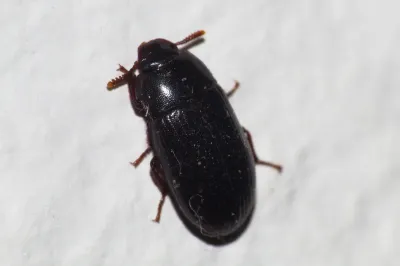
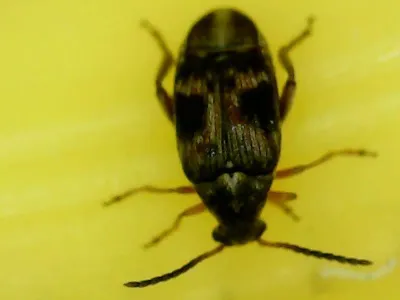
Explore other species in the pantry pests family
Commonly Confused With
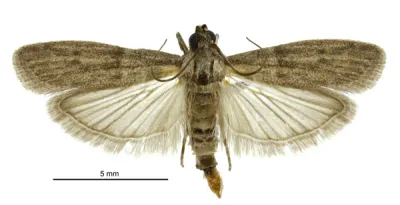
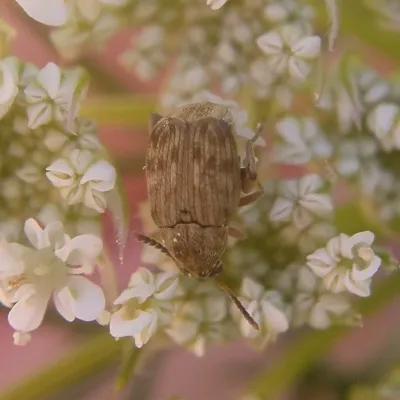
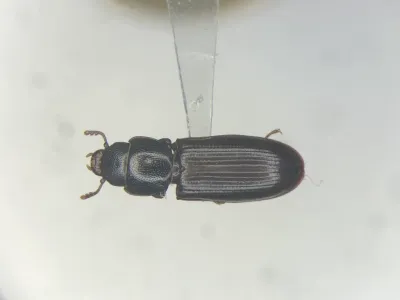
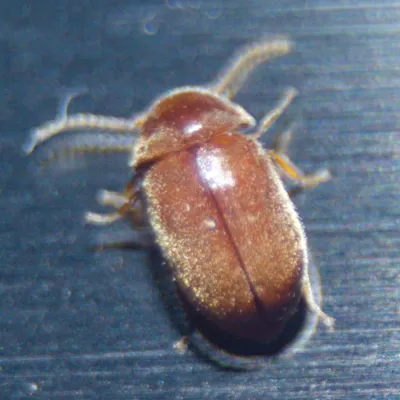
Flat Grain Beetles are often mistaken for these similar pests
Where Flat Grain Beetles Are Found
Hover over states to see their names. Green regions indicate where flat grain beetles have been reported.
Common Questions about Flat Grain Beetles
What do flat grain beetles look like?
+
Flat grain beetles are extremely small insects, only about 1.5 to 2mm long. They have a flattened, elongated body that is reddish-brown to tan in color. Their most notable feature is their long, bead-like antennae, which can be nearly as long as their body. Males have slightly longer antennae than females. Their wing covers have distinct parallel ridges running lengthwise.
Are flat grain beetles harmful?
+
Flat grain beetles do not bite humans or transmit diseases. Their harm is limited to contaminating stored food products. They feed on damaged grain kernels, flour, cereal products, and other dried goods. Large infestations can ruin significant quantities of stored food and make it unsuitable for consumption.
How do flat grain beetles get into my house?
+
Flat grain beetles typically enter homes inside infested food products purchased from stores. Their extremely flat bodies allow them to squeeze through tiny gaps in packaging that would stop larger insects. They can also fly, which helps them spread between food sources. Once inside, they can quickly move to other susceptible stored products.
What do flat grain beetles eat?
+
Flat grain beetles feed primarily on broken or damaged cereal grain kernels, flour, and grain dust. They cannot typically penetrate intact, whole kernels. Common food targets include flour, cornmeal, rice, cereal, pasta, crackers, dried pet food, and other processed grain products. They prefer products that are already somewhat damaged or moist.
How do I get rid of flat grain beetles?
+
Start by finding and discarding all infested food products. Check every item in your pantry, especially grain-based products and flour. Vacuum all shelves, cracks, and corners thoroughly. Wipe surfaces with soap and water. Transfer remaining dry goods to airtight glass or heavy plastic containers. Monitor for several weeks to make sure the infestation is fully resolved.
How can I tell flat grain beetles apart from other pantry beetles?
+
Flat grain beetles are distinguished by their very flat body shape, small size (under 2mm), and long bead-like antennae. Sawtoothed grain beetles are similar in size but have distinctive saw-toothed edges on their thorax. Rusty grain beetles look very similar and require close examination of antennae length and subtle body differences to differentiate. Foreign grain beetles are similar in size but have a different pronotum shape.
How long does it take to get rid of flat grain beetles?
+
With thorough cleaning and removal of infested products, you can eliminate most flat grain beetle infestations within 2 to 4 weeks. However, under warm conditions their lifecycle can complete in as little as 3 to 4 weeks, so continued monitoring for at least a month after treatment is important. Store all grain products in sealed containers to prevent reinfestation.

With five years of hands-on experience in the pest control industry, George Schulz is a registered technician with the Virginia Pest Management Association and a proud third-generation professional in a family business that's been protecting homes for over 57 years. He manages and trains a team of service pros while also leading internal research efforts—recently spearheading a deep-dive review of thousands of documents on pest control materials to hand-pick the most kid and pet friendly, most effective solutions tailored specifically for homes in the DC metro area.