Dried Fruit Moth Identification Guide
Vitula edmandsii
The dried fruit moth is a stored product pest that infests dried fruits, fermented produce, and bee nests. Larvae feed on wax, pollen, and dried food, making this moth a concern for pantries, food storage facilities, and beekeepers across North America.
Taxonomy
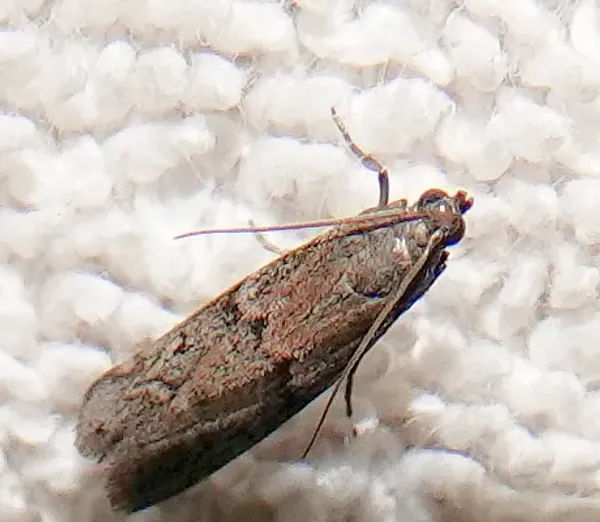
Dried Fruit Moth Coloration
Common color patterns to help identify dried fruit moth
Dried Fruit Moth
Seasonal Activity
When dried fruit moth are most active throughout the year

Where Dried Fruit Moth Are Found
Hover over states to see their names. Green regions indicate where dried fruit moth have been reported.
Dried Fruit Moth Identification Guide
Physical Characteristics
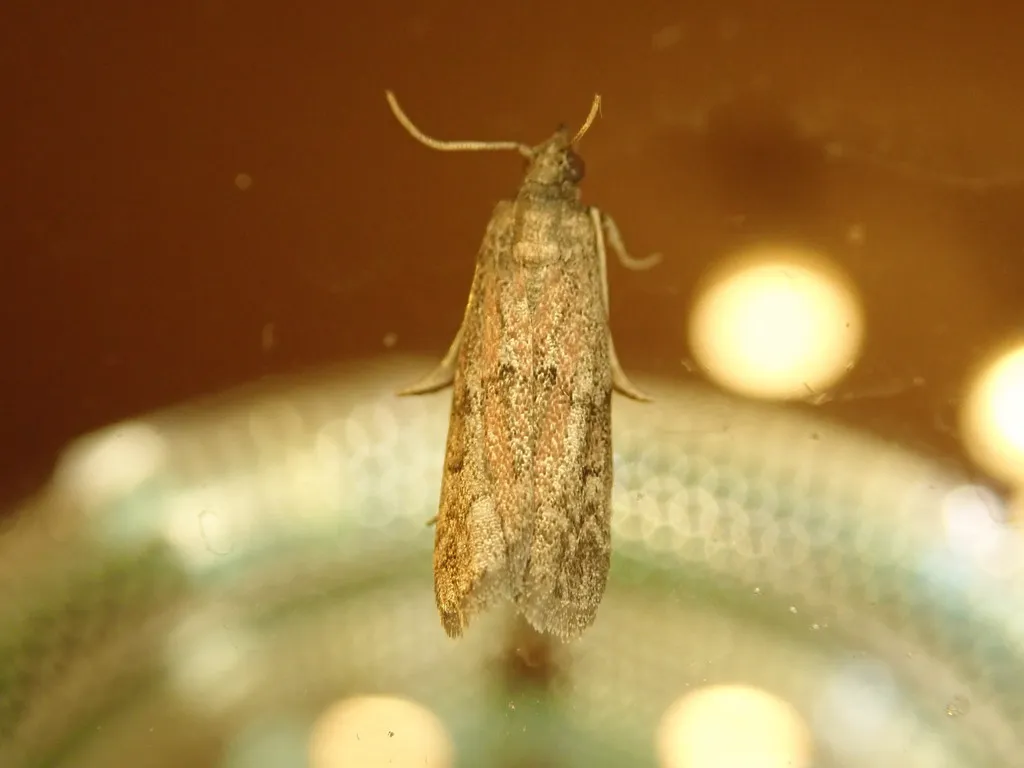
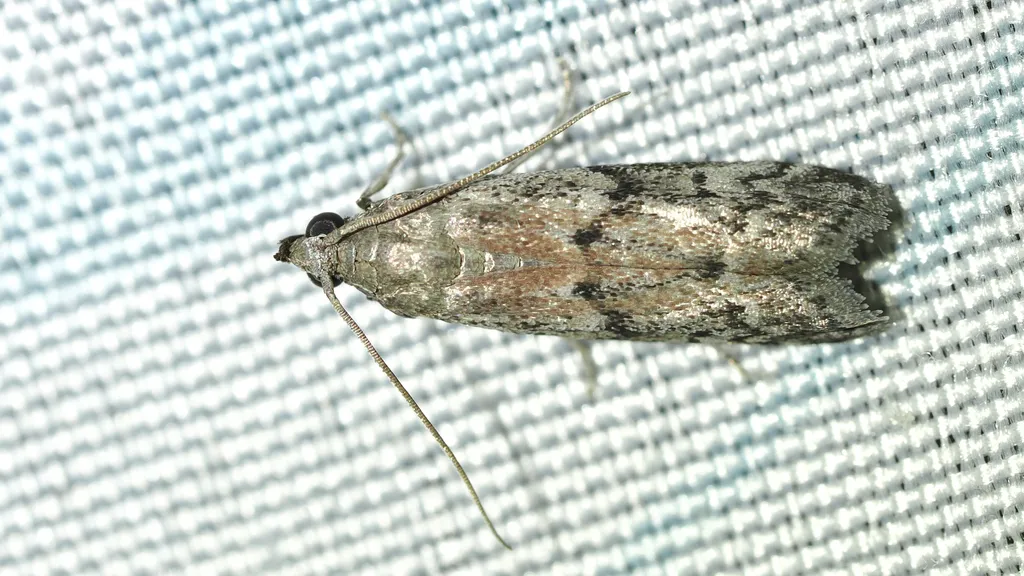
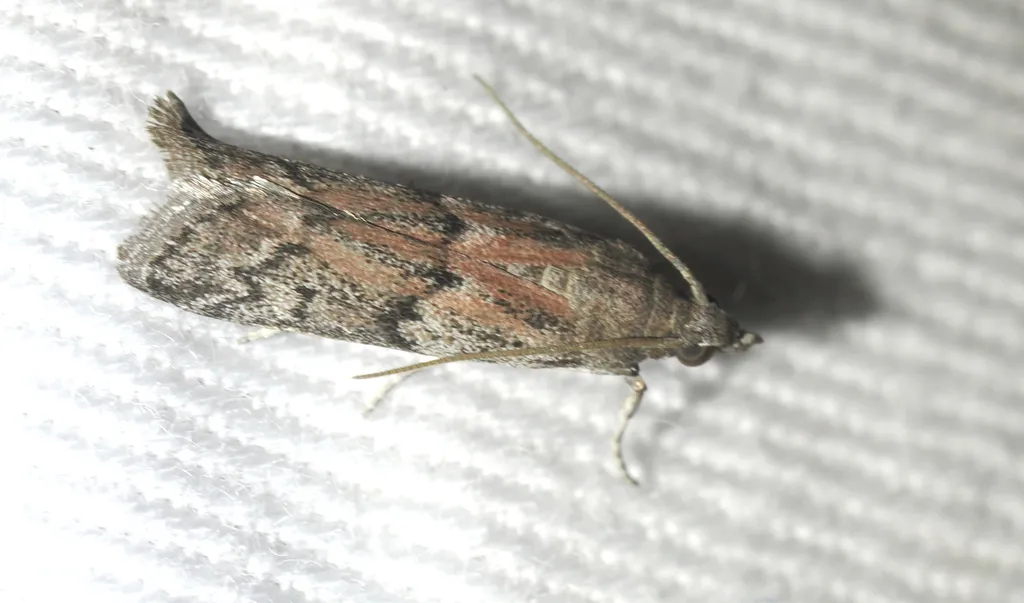
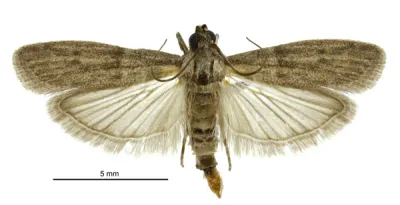
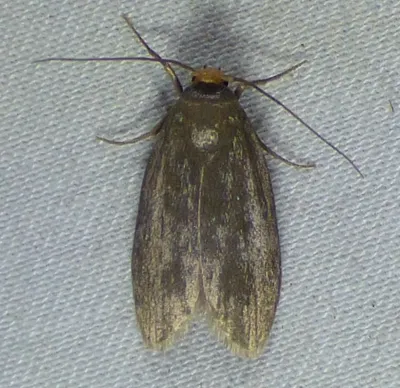
The dried fruit moth (Vitula edmandsii) is a small pantry moth in the family Pyralidae. Adults have a wingspan of 20 to 25mm and a body length of about 10 to 13mm. The forewings are blue-gray with a faint rosy tint and dark markings. You may need a close look or a clear photo to tell them apart from other small gray moths.
When resting, dried fruit moths hold their wings tight against their body in a tent shape. This makes them look narrow and pointed. They have two long antennae that curve backward and a slender body.
Adults fly at a slow pace. They are drawn to lights at night and tend to stay close to their food sources. You may see them flying around pantry areas, storage rooms, or outdoor lights on summer evenings.
Dried Fruit Moth Larvae
The larvae do all the feeding damage. Dried fruit moth caterpillars grow up to 18mm long. That makes them a bit larger than Indian meal moth larvae. They start out white or cream colored and may turn pink as they feed. The head and the plate behind it are brown or dark brown.
Like other pantry moth larvae, they spin silk as they eat. This webbing mixes with food bits and waste, making the food look clumpy or matted. When larvae are ready to turn into pupae, they leave the food and crawl to hidden spots like wall corners, ceiling edges, shelf gaps, or cracks in storage areas.
Telling Them Apart from Similar Pests
Dried fruit moths can be confused with several related species. Here are key differences:
-
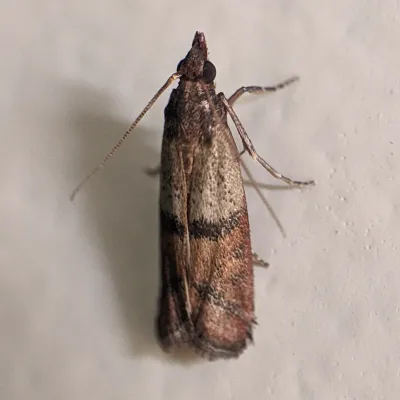
Indian meal moths: Indian meal moths have a bold two-toned wing pattern. The inner third is pale gray and the outer two-thirds is reddish-brown. Dried fruit moths are more evenly gray with faint rosy tones. They are also a bit larger.
-
Raisin moths: Raisin moths (Cadra figulilella) are smaller with a different wing shape. Both species infest dried fruits, but raisin moth larvae are smaller and favor slightly different foods.
-
Almond moths: Almond moths (Cadra cautella) are another dried fruit pest with a different wing pattern. They are smaller and do not have the blue-gray color of the dried fruit moth.
-
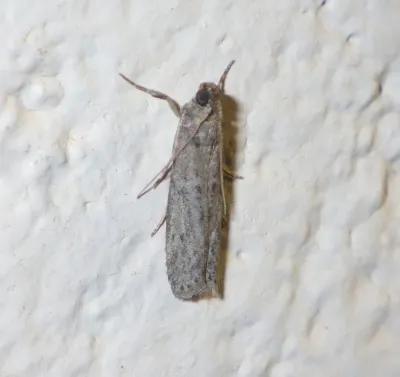
Lesser wax moths: Lesser wax moths (Achroia grisella) also feed on wax in bee nests, but they are smaller and more evenly silver-gray. They lack the dark markings and rosy tint of the dried fruit moth.
Dried Fruit Moth Behavior and Biology
Lifecycle and Development
Dried fruit moths go through four life stages: egg, larva, pupa, and adult. The full cycle takes a few weeks in warm weather. In cooler conditions, it can stretch to several months.
Eggs: Females lay eggs on or near food sources. The eggs are too small to see without a magnifying glass. They hatch in one to two weeks.
Larvae: This is the longest and most harmful stage. Larvae shed their skin several times as they grow. They eat nonstop and spin silk webbing through the food. Warm weather speeds up their growth. Cool weather slows them down but does not always kill them.
Pupae: When larvae are full grown, they spin silk cocoons in hidden spots away from the food. They often pupate in cracks, corners, along shelf edges, or behind stored items. This stage lasts about two to three weeks.
Adults: Adult moths live one to three weeks. They do not eat at all. Their only job is to mate and lay eggs. Females give off scents called pheromones that draw in males. These scent compounds can be used in monitoring traps to track moth activity.
What Do Dried Fruit Moth Larvae Eat?
Dried fruit moth larvae eat many types of stored products and natural materials:
- Dried fruits such as raisins, dates, figs, and apricots
- Fermented or slightly spoiled produce
- Nuts and nut products
- Beeswax and stored honeycomb
- Pollen and dead bee brood in hive debris
- Pine cones and other dried plant material
- Grain products and cereals in some cases
The fact that they infest both stored food and bee nests makes the dried fruit moth stand out from many other pantry pests. Beekeepers in western North America know the western form (V. edmandsii serratilineella) well. It is sometimes called the beehive honey moth and often shows up in stored comb and weak colonies.
Where Do Dried Fruit Moths Hide?
Infestations usually start in one food item and spread from there. Common spots include:
- Pantry shelves with dried fruits, nuts, or trail mix
- Bulk food storage bins
- Garage or basement areas where dried goods are kept
- Beekeeping equipment and stored comb
- Decorative items containing dried plant materials
- Agricultural storage facilities handling dried fruit and nuts
Watch for larvae crawling on walls and ceilings near these areas, especially in warm months. This wandering behavior as they look for a place to pupate is often the first sign of a problem.
Signs of a Dried Fruit Moth Infestation
What to Look For
- Adult moths near lights: Small gray moths flying around lights or near the ceiling in the evening
- Webbing in stored food: Silky threads or matted areas in dried fruit, nuts, or other susceptible products
- Larvae on surfaces: Small white or pinkish caterpillars with brown heads crawling on shelves, walls, or ceilings
- Cocoons in corners: Silky pupal cases in cracks, shelf edges, and hidden spots
- Damaged packaging: Small holes chewed through thin plastic or paper packaging
Where to Inspect
If you suspect dried fruit moths, check these areas carefully:
- All dried fruit, nut, and trail mix containers
- Older or infrequently used pantry items
- Bulk food storage areas
- Beekeeping equipment rooms and stored comb frames
- Corners of shelves and behind stored items
- Ceiling junctions and wall corners near food storage
Open containers and look for webbing, larvae, or clumped food. Check under lids and along seams in packaging where larvae like to hide.
Treatment Methods for Dried Fruit Moths
Getting rid of dried fruit moths starts with finding and removing all infested food. Thorough cleaning and ongoing monitoring finish the job.
-
Thorough Inspection: Check every stored food item in your pantry and storage areas. Look at each container of dried fruit, nuts, grain products, and related items for webbing, larvae, or damage.
-
Source Removal: Throw away all infested products in sealed bags and take them out of the home. Items in sealed glass or heavy plastic containers that show no signs of entry are likely unaffected. Anything with webbing or larvae must be discarded.
-
Deep Cleaning: After removing infested items, vacuum and wipe down all shelves, drawers, and storage areas. Focus on cracks, corners, and shelf edges where larvae pupate and eggs can hide.
-
Pheromone Monitoring: Pheromone traps made for pantry moths work well to track dried fruit moth activity. These traps catch adult males and show if moths are still present. Keep traps in place for several weeks to make sure the problem is gone.
-
Temperature Treatments: Freeze suspect items at 0 degrees Fahrenheit for at least seven days. This kills all life stages, including eggs. You can also heat items to 130 degrees Fahrenheit for 30 minutes or more to save dry goods.
-
Beekeeping Considerations: Beekeepers with comb damage should freeze stored frames before putting them away. Keeping colonies strong helps prevent problems. Bt products registered for wax moth control may also help.
Prevention Tips
Stopping dried fruit moths before they start is much easier than dealing with a full infestation. These steps help protect your home:
- Use airtight containers: Transfer dried fruits, nuts, and other susceptible items from original packaging into glass jars or thick plastic containers with secure lids
- Inspect purchases: Check packaging for holes, tears, or signs of webbing before buying dried fruit and nut products
- Rotate stock: Use older products first and avoid letting items sit unused for extended periods
- Freeze new purchases: Place dried fruits, nuts, and grain products in the freezer for one week before long-term storage to kill any hidden eggs or larvae
- Clean storage areas regularly: Vacuum crumbs and debris from pantry shelves and wipe down surfaces periodically
- Monitor with traps: Place pheromone traps in pantry and storage areas to detect problems early
- Store beekeeping equipment properly: Freeze comb frames before storage and keep them in sealed or well-ventilated areas
References and Further Reading
- UC Riverside Urban Entomology - Stored Product Pests
- Butterflies and Moths of North America - Vitula edmandsii
- UKmoths - Vitula edmandsii
- Canadian Entomologist - Biology and Pheromone-Based Monitoring of the Dried Fruit Moth
- Moths of North Carolina - Vitula edmandsii
- University of New Hampshire Extension - Kitchen Pests
Other Pantry Pests
Explore other species in the pantry pests family
Commonly Confused With
Dried Fruit Moth are often mistaken for these similar pests
Where Dried Fruit Moth Are Found
Hover over states to see their names. Green regions indicate where dried fruit moth have been reported.
Common Questions about Dried Fruit Moth
What does a dried fruit moth look like?
+
Adult dried fruit moths have a wingspan of about 20 to 25mm. Their forewings are blue-gray with a slight rosy or reddish-brown tint and dark markings. When resting, they fold their wings tightly against the body. The larvae are white to pinkish caterpillars with brown heads that grow up to 18mm long.
Are dried fruit moths harmful?
+
Dried fruit moths do not bite or sting humans. However, their larvae contaminate stored dried fruits, nuts, and other food products with webbing, waste, and shed skins. Infested food should be discarded. They can also damage beekeeper equipment by feeding on stored wax combs.
How do dried fruit moths get into my house?
+
Dried fruit moths typically enter homes inside infested dried fruit, nuts, or other stored food products purchased from stores. Adults can also fly in through open windows and doors during the summer months, attracted to lights and the scent of stored food.
What do dried fruit moth larvae eat?
+
The larvae eat dried and fermented fruits, nuts, grain products, beeswax, pollen, and dead bee brood. They feed on many types of stored goods, which makes them a problem for both pantries and beekeepers.
How do I know if I have dried fruit moths?
+
Look for small gray moths flying near pantry areas or lights in the evening. Check dried fruit and nut containers for silky webbing, small caterpillars, or clumped food particles. Larvae may also be found crawling on walls or ceilings as they search for places to pupate.
What is the difference between dried fruit moths and Indian meal moths?
+
Indian meal moths have a clear two-toned wing pattern. The inner third is pale gray and the outer part is reddish-brown. Dried fruit moths are more evenly gray with a faint rosy tint and dark markings. Dried fruit moths are also a bit larger, with a wingspan of 20 to 25mm versus 16 to 20mm for Indian meal moths.
How long does it take to eliminate dried fruit moths?
+
It usually takes several weeks to get rid of dried fruit moths because you need to break the full life cycle. Remove all infested food, clean storage areas well, and use pheromone traps to watch for remaining adults. Eggs and pupae can hide in hard-to-see spots, so keep checking for 4 to 8 weeks.

With five years of hands-on experience in the pest control industry, George Schulz is a registered technician with the Virginia Pest Management Association and a proud third-generation professional in a family business that's been protecting homes for over 57 years. He manages and trains a team of service pros while also leading internal research efforts—recently spearheading a deep-dive review of thousands of documents on pest control materials to hand-pick the most kid and pet friendly, most effective solutions tailored specifically for homes in the DC metro area.