Cowpea Weevil Identification Guide
Callosobruchus maculatus
The cowpea weevil is a small reddish-brown seed beetle that infests stored legumes including black-eyed peas, chickpeas, lentils, and mung beans. Larvae develop entirely inside individual seeds, making early detection difficult.
Taxonomy
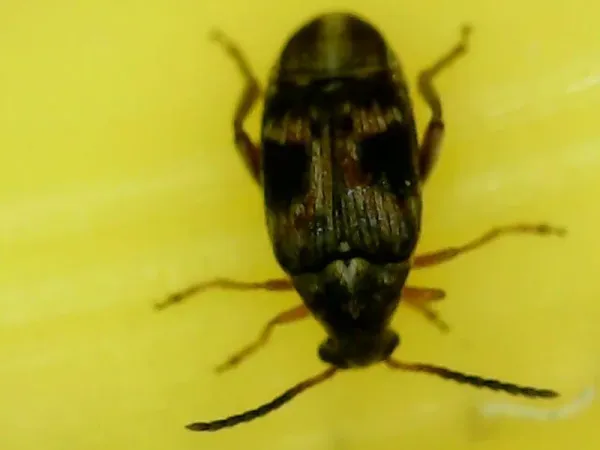
Cowpea Weevil Coloration
Common color patterns to help identify cowpea weevil
Cowpea Weevil
Seasonal Activity
When cowpea weevil are most active throughout the year
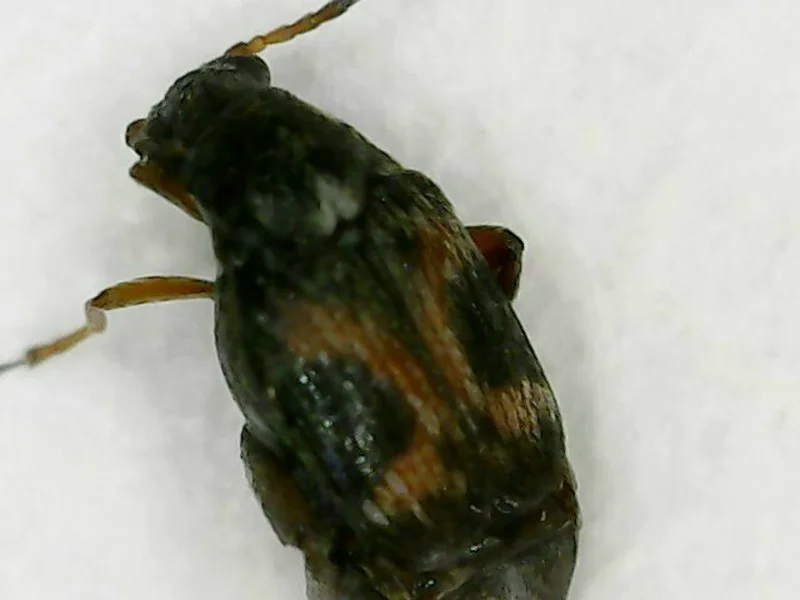
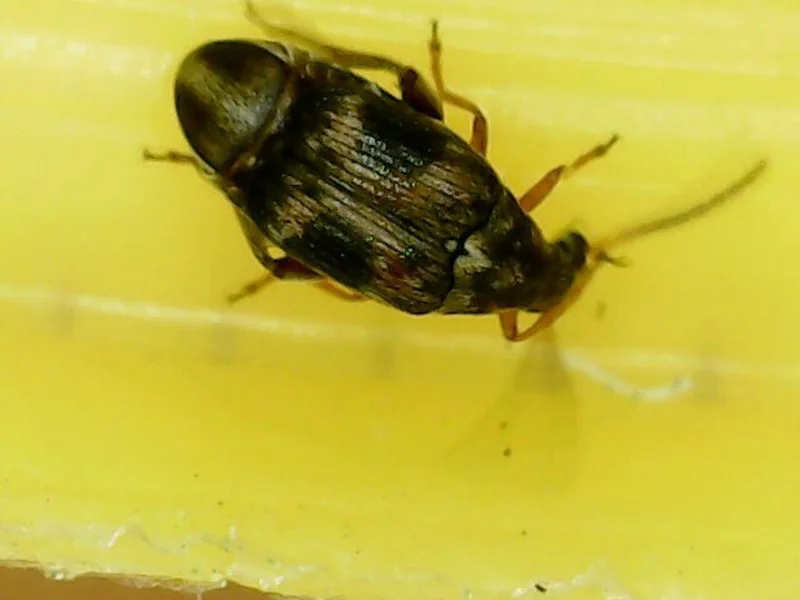

Where Cowpea Weevil Are Found
Hover over states to see their names. Green regions indicate where cowpea weevil have been reported.
Cowpea Weevil Identification Guide
Physical Characteristics
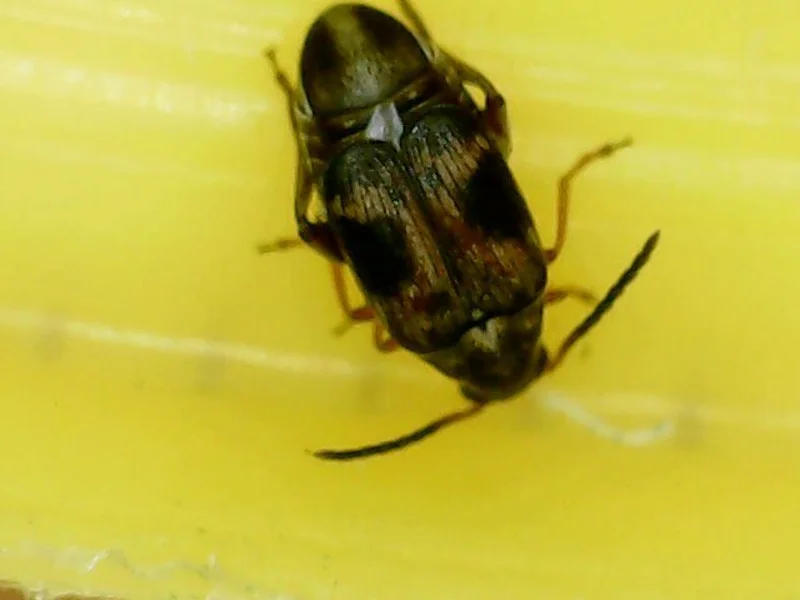
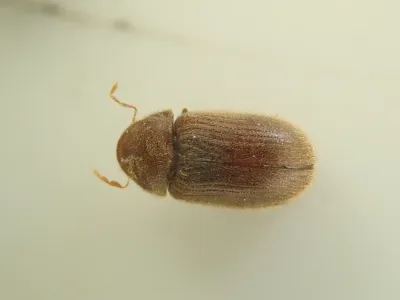
Cowpea weevils (Callosobruchus maculatus) are small pantry pests about 2 to 5 millimeters long. That is roughly the size of a sesame seed. Their common name includes “weevil,” but they are actually seed beetles. True weevils like the rice weevil have a long snout. Cowpea weevils have a shorter, broader head with no snout at all.
The body is stout and oval, narrowing slightly toward the head. Adults are reddish-brown to dark brown with lighter spots on their wing covers. The hind legs are thicker and larger than the front legs. This is a key feature of the seed beetle family. Their antennae are saw-toothed and medium length.
Cowpea weevils have wings tucked under their wing covers. Some can fly short distances while others cannot. In practice, most infestations spread when people bring home bags of beans that already contain the beetles, not through flight.
How to Tell Them Apart from Similar Pantry Pests
Several pantry insects look similar to cowpea weevils:
-
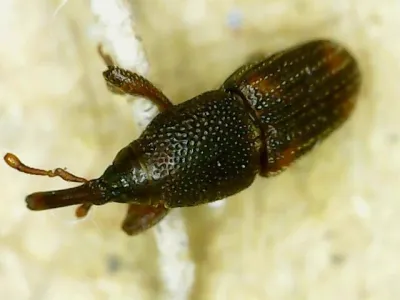
Rice Weevils (Sitophilus oryzae): About the same size but with a long, curved snout sticking out from the head. Rice weevils attack grains, not beans. They also have four faint yellowish spots on their wing covers.
-
Flour Beetles (Tribolium spp.): Longer and flatter body shape. They feed on flour and cereal, not whole seeds. They eat food from the outside rather than boring into seeds.
-
Drugstore Beetles (Stegobium paniceum): Rounded, reddish-brown beetles of similar size. They have smooth, dome-shaped wing covers and club-tipped antennae. They attack many types of dried goods.
-
Cigarette Beetles (Lasioderma serricorne): Similar size and color but more humped when viewed from the side. They attack tobacco, spices, and dried herbs instead of beans.
The best way to identify cowpea weevils is by their stout body with no snout, spotted wing covers, and the fact that they are found in dried beans or peas.
Cowpea Weevil Behavior and Biology
Habitat and Range
Cowpea weevils are found worldwide in warm and tropical areas. They started in Africa and spread around the globe through trade in dried beans. In North America, they show up most often in the southeastern United States, southern California, Texas, and Florida. They also live throughout Mexico. They sometimes turn up in stored beans in parts of Canada.
These beetles travel inside the beans you buy. A bag of infested chickpeas from the grocery store can bring them into any pantry, no matter the climate. Their spread depends on how food moves through trade, not on local weather.
Diet and Feeding
Cowpea weevils feed on dried beans and peas. Their main hosts include black-eyed peas, chickpeas, lentils, mung beans, adzuki beans, pigeon peas, and soybeans. Unlike rice weevils, which go after cereal grains, cowpea weevils strongly prefer legumes.
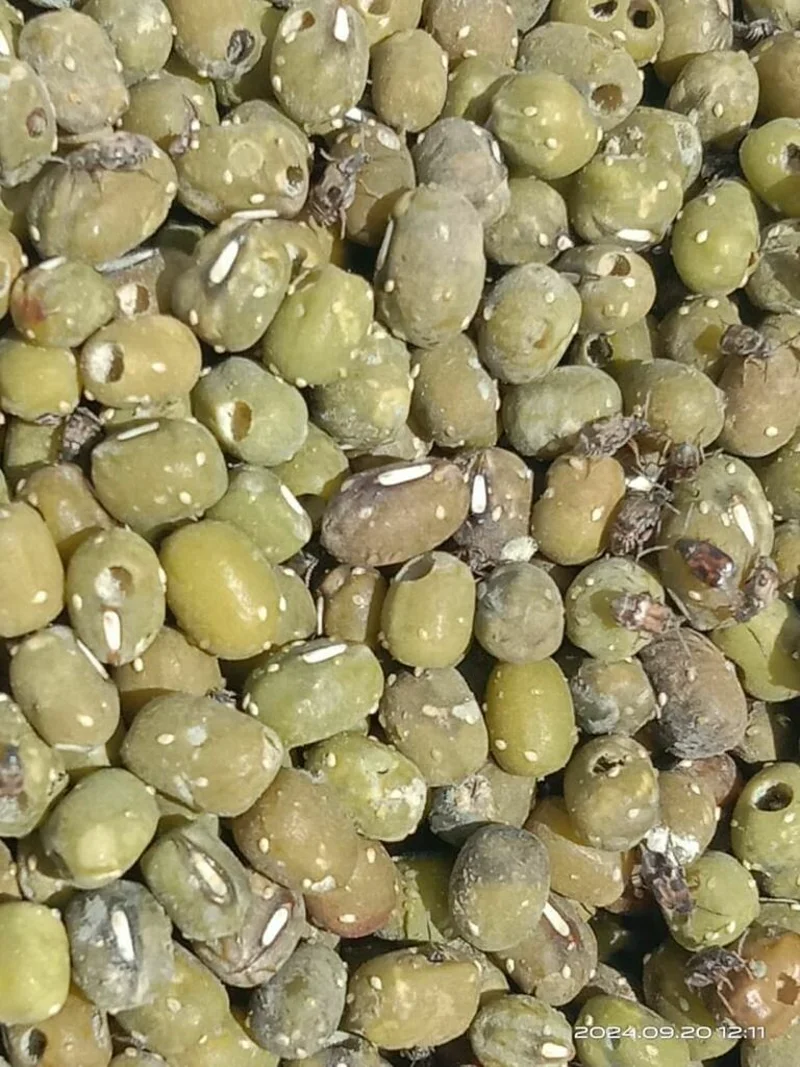
The larvae do the real damage. Each larva feeds inside a single seed, eating the starchy center as it grows. By the time the adult chews its way out, most of the seed is gone. A badly infested batch of beans will have seeds full of holes, powdery waste, and much less weight and nutrition.
Life Cycle and Reproduction
Females glue their eggs right onto the surface of bean seeds. The eggs are tiny, flat, and whitish, so they are hard to see without a magnifier. One female can lay 50 to over 100 eggs in her lifetime.
After hatching, the larva chews into the seed and feeds inside for about 2 to 3 weeks in warm weather. It also pupates inside the seed. The new adult then chews a round exit hole through the seed coat to get out. These small round holes are often the first sign of a problem.
At temperatures between 80 and 86 degrees Fahrenheit, the full life cycle takes about 3 to 4 weeks. Cooler temperatures slow things down. In heated homes, the beetles can keep breeding all year long as long as food is available.
Treatment Methods for Cowpea Weevils
Getting rid of cowpea weevils starts with finding the infested food, throwing it away, and stopping the beetles from coming back. Sprays alone will not work because the larvae grow hidden inside the seeds.
-
Find and Remove Infested Food: Check every bag of dried beans, peas, and lentils in your pantry. Look for small round holes in the seeds, powder at the bottom of packages, and live beetles near stored food. Seal infested products in a bag and throw them away.
-
Deep Clean Your Pantry: After removing bad food, vacuum all shelves, corners, and cracks. Eggs and larvae can hide in spilled seeds and crumbs. Wipe everything down with soap and water.
-
Use Airtight Containers: Move your remaining beans and any new purchases into sealed containers made of glass, metal, or thick plastic. This keeps beetles from spreading to other foods.
-
Freeze New Purchases: Put dried beans in the freezer at 0 degrees Fahrenheit for at least 4 days before putting them in the pantry. Freezing kills eggs, larvae, and adults. This is one of the best ways to stop problems before they start.
-
Set Up Traps: Pheromone traps made for stored food beetles can help you watch for any remaining activity. These traps pull in adult beetles and show whether the problem is truly gone.
-
Keep Things Cool: Store beans in cool, dry spots when you can. Cowpea weevils do best at temperatures above 75 degrees Fahrenheit. Keeping your storage area below 70 degrees slows their breeding.
For ongoing problems, a pest control professional can treat cracks and gaps in your pantry where beetles may be hiding outside of food containers.
Prevention Tips
Start at the store. Look over dried bean packages before you buy them. Skip any bags with holes, tears, or dust at the bottom. Shop at stores that move products quickly so items do not sit on the shelf too long.
Freeze all new dried beans for 4 to 7 days before putting them in your pantry. This kills any eggs or larvae that may already be inside the seeds. It is the single best step you can take to prevent this pest.
Store all dried beans in airtight containers as soon as you bring them home. Glass jars, metal cans with tight lids, and thick plastic containers with snap closures all work. Do not keep beans in their store bags or thin plastic bags that beetles can chew through.
Use older products first. Do not stock up on large amounts of dried beans for long stretches. The longer beans sit in storage, the more time a small problem has to grow into a big one.
Keep your pantry clean and dry. Sweep up spilled beans right away. Even a small amount of food on a shelf can feed a growing beetle population. Regular cleaning also makes it easier to spot the first signs of trouble.
References
Other Pantry Pests
Explore other species in the pantry pests family
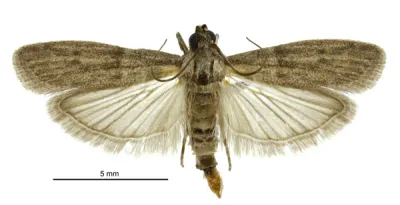
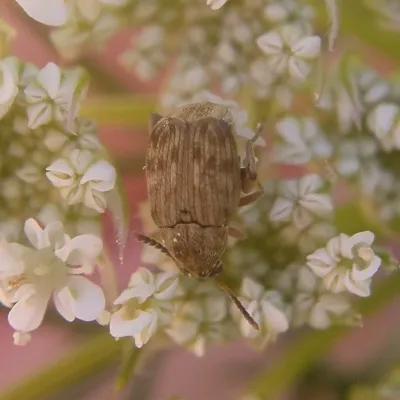
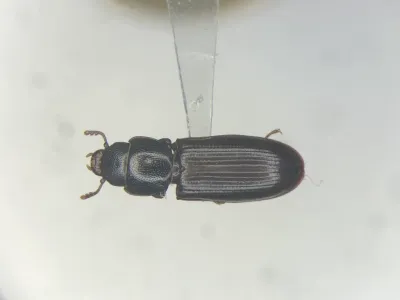
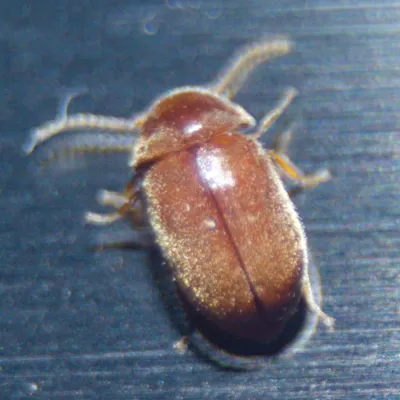
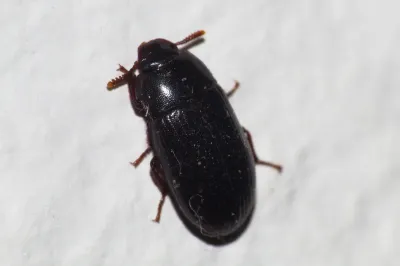
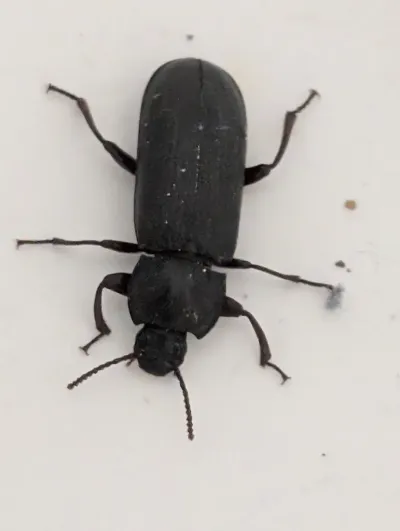
Commonly Confused With
Cowpea Weevil are often mistaken for these similar pests
Where Cowpea Weevil Are Found
Hover over states to see their names. Green regions indicate where cowpea weevil have been reported.
Common Questions about Cowpea Weevil
What do cowpea weevils look like?
+
Cowpea weevils are small beetles, about 2 to 5 millimeters long, with a stout, oval body that tapers toward the head. They are reddish-brown to dark brown with lighter spots or mottled patterns on their wing covers. Their antennae are serrated, and they have large hind legs compared to other pantry beetles.
How do cowpea weevils get into my food?
+
Cowpea weevils most often enter your home already inside the beans or legumes you purchase. Females lay eggs on the surface of seeds at storage facilities, farms, or distribution centers. The larvae bore into the seeds and develop entirely inside, so an infestation may already be underway before you open the package.
What foods do cowpea weevils infest?
+
Cowpea weevils attack many types of dried legumes. Their preferred hosts include black-eyed peas, chickpeas, lentils, mung beans, adzuki beans, pigeon peas, and soybeans. They can also infest other dried beans and peas. They do not typically infest grains like wheat or rice, which sets them apart from rice weevils.
Are cowpea weevils harmful if eaten?
+
Cowpea weevils are not toxic and do not spread diseases. Accidentally eating a few will not make you sick. However, heavily infested beans contain frass, empty seed shells, and insect body parts that make the food unpleasant and reduce its nutritional value. Most people prefer to discard infested products.
How fast do cowpea weevils reproduce?
+
Cowpea weevils reproduce quickly in warm conditions. A single female can lay 50 to over 100 eggs in her lifetime. At temperatures around 80 to 86 degrees Fahrenheit, the full life cycle from egg to adult takes just 3 to 4 weeks. Multiple generations can develop in a single bag of stored beans during warm months.
Can cowpea weevils fly?
+
Some cowpea weevils can fly short distances, while others cannot. This species shows a natural variation called flight-morph polymorphism, where certain individuals develop functional wings and others do not. However, most infestations spread through the movement of infested seeds rather than through flying.
How do I get rid of cowpea weevils?
+
Start by finding and throwing away all infested legumes. Check every dried bean, pea, and lentil product in your pantry. Vacuum all shelves, cracks, and corners thoroughly. Wipe surfaces with soap and water. Store remaining and new legumes in airtight glass, metal, or thick plastic containers. Freezing suspect products at 0 degrees Fahrenheit for at least 4 days will kill all life stages.

With five years of hands-on experience in the pest control industry, George Schulz is a registered technician with the Virginia Pest Management Association and a proud third-generation professional in a family business that's been protecting homes for over 57 years. He manages and trains a team of service pros while also leading internal research efforts—recently spearheading a deep-dive review of thousands of documents on pest control materials to hand-pick the most kid and pet friendly, most effective solutions tailored specifically for homes in the DC metro area.