Bean Weevil Identification Guide
Acanthoscelides obtectus
The bean weevil is a small, mottled brown seed beetle that infests dried beans and other legumes in storage. Larvae develop hidden inside individual seeds, leaving telltale circular exit holes when adults emerge.
Taxonomy
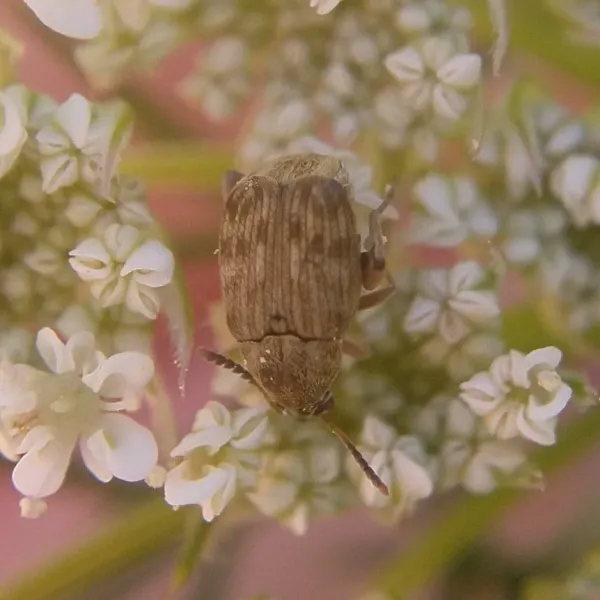
Bean Weevil Coloration
Common color patterns to help identify bean weevil
Bean Weevil
Seasonal Activity
When bean weevil are most active throughout the year

Where Bean Weevil Are Found
Hover over states to see their names. Green regions indicate where bean weevil have been reported.
Bean Weevil Identification Guide
Physical Characteristics
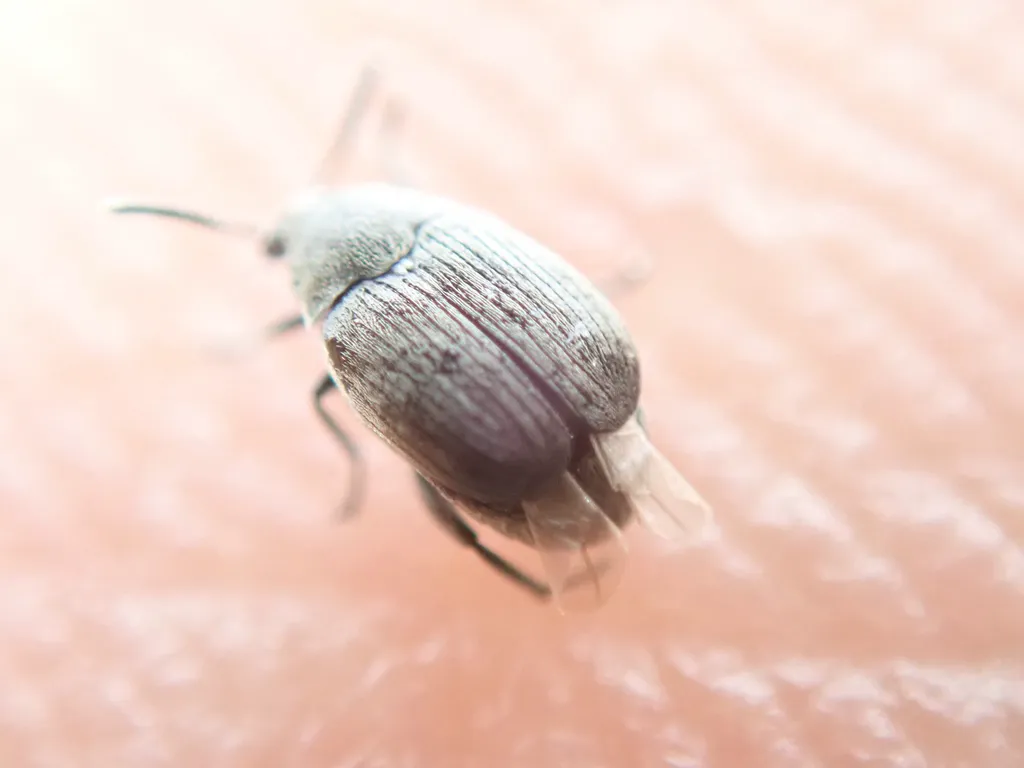
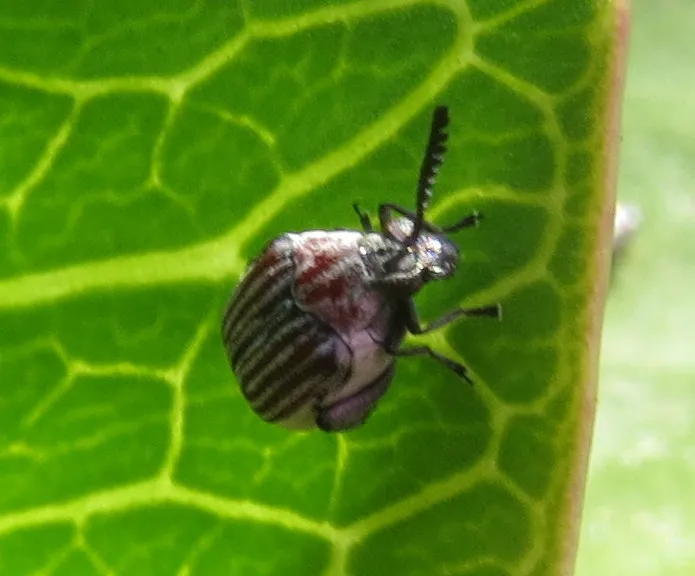
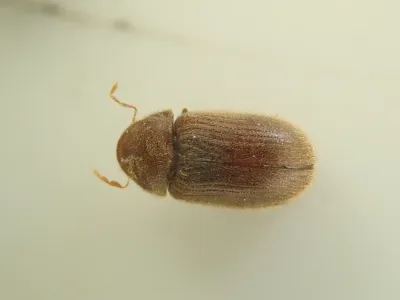
Bean weevils are small pantry pests measuring 3 to 4 millimeters long, roughly the size of a sesame seed. They have a compact, broadly oval body shape that sets them apart from the elongated body of true weevils and rice weevils. Unlike rice weevils, bean weevils lack the long, prominent snout that defines the Curculionidae family.
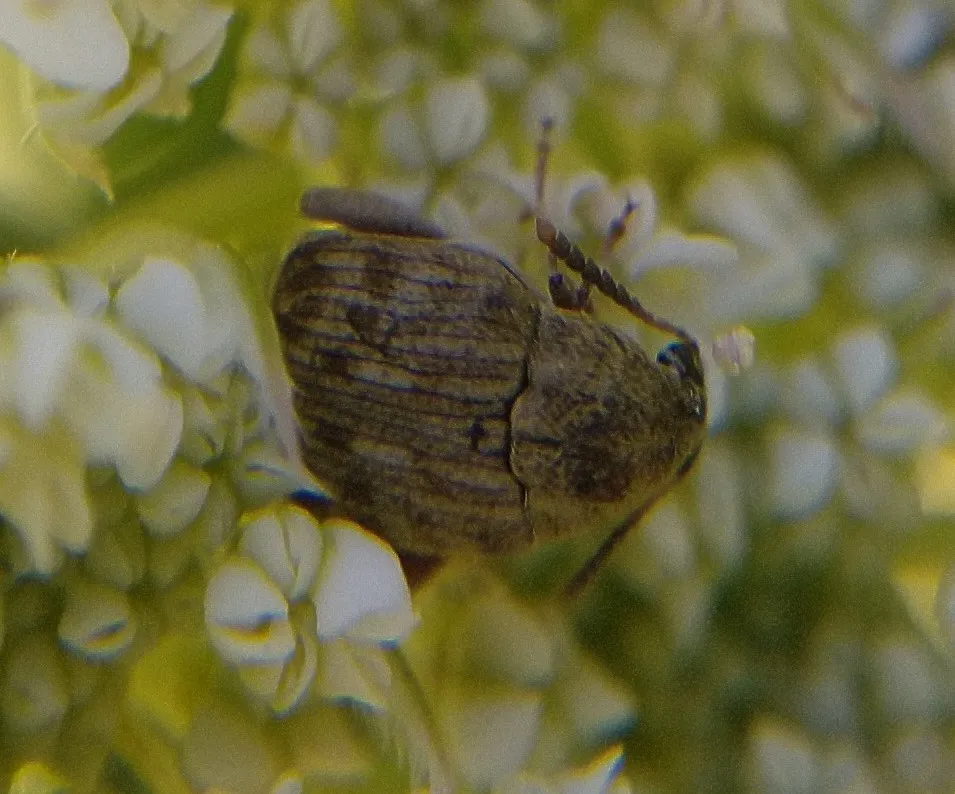
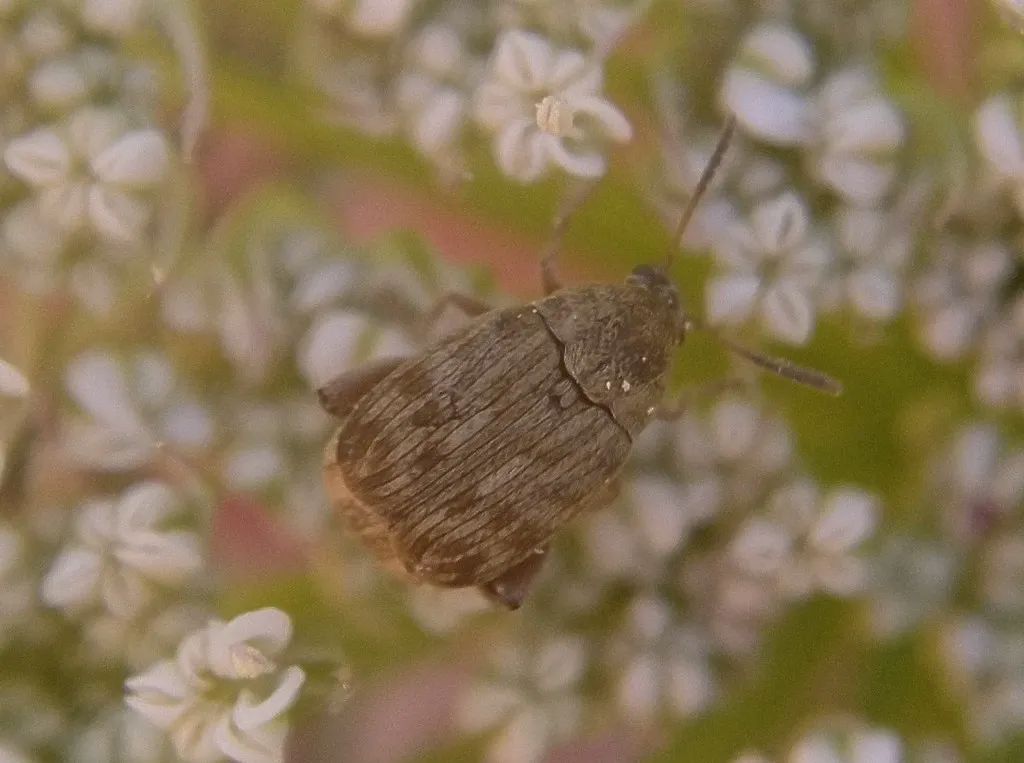
The body color is mottled brown with lighter and darker patches creating a banded or marbled appearance across the wing covers. Cream, light brown, and dark brown tones blend together in fine transverse or longitudinal markings on the elytra. The hind legs are noticeably thickened, with distinct tooth-like projections on the femora that help with identification under magnification.
One distinguishing feature is that the wing covers do not fully cover the abdomen. The tip of the abdomen often protrudes beyond the elytra, which is visible when viewing the beetle from above. Adults have functional wings beneath the hardened wing covers and are capable fliers, often found near windows or light sources indoors.
Common Species
The bean weevil (Acanthoscelides obtectus) is the most common species infesting stored common beans in North America. It belongs to the subfamily Bruchinae, a group of seed beetles sometimes called bruchids. Despite the common name “weevil,” these insects are technically leaf beetles (family Chrysomelidae) rather than true weevils.
Other seed beetles found in North American pantries include the cowpea weevil (Callosobruchus maculatus), which prefers cowpeas and chickpeas, and the pea weevil (Bruchus pisorum), which targets garden peas. The broadbean weevil (Bruchus rufimanus) occasionally infests fava beans in cooler regions.
Bean Weevil Behavior and Biology
Habitat Preferences
Bean weevils are cosmopolitan pests found wherever common beans and legumes are grown and stored. They thrive in warm, dry conditions typical of home pantries, warehouses, and grain storage facilities. Temperatures between 75 and 90 degrees Fahrenheit with moderate humidity support the fastest development and reproduction.
Unlike many stored product pests that only breed in storage, bean weevils can infest beans while still in the field. Adult females lay eggs on developing bean pods before harvest, giving larvae a head start inside the seeds. This ability to infest beans both in the field and in storage makes them hard to prevent. Infested beans may enter your home already carrying hidden larvae.
In temperate North America, outdoor activity peaks from June through August when adults fly between bean fields and storage areas. In heated homes and climate-controlled storage, populations can reproduce year-round if food is available.
Diet and Feeding Habits
Bean weevil larvae feed exclusively inside legume seeds. Their primary hosts include common beans (Phaseolus vulgaris) in all varieties, including kidney beans, pinto beans, navy beans, black beans, and lima beans. They also infest cowpeas, lentils, chickpeas, and other dried legumes.
Larvae cause the most damage. After hatching, the young larva bores through the seed coat and begins eating the starchy interior. A single larva can hollow out most of a bean’s interior over 3 to 5 weeks. In heavily infested lots, multiple larvae sometimes develop within a single large bean.
Adults do not feed significantly on stored beans. In the field, adults may visit flowers and feed on pollen and nectar. Indoors, adults focus on finding mates and laying eggs rather than feeding on food products.
Reproduction and Life Cycle
Bean weevils undergo complete metamorphosis through four life stages: egg, larva, pupa, and adult. The entire development from egg to emerging adult takes place hidden inside a single bean.
Females lay small, whitish eggs directly on bean seed surfaces or inside bean pod crevices. Eggs hatch in 5 to 20 days depending on temperature. The newly hatched larva bores into the nearest seed. Once inside, it goes through several molts over 3 to 5 weeks while gradually eating through the bean.
Pupation occurs within the hollowed seed and lasts about one week. When the adult is ready to emerge, it chews a neat, circular exit hole through the seed coat. These distinctive round “windows” are the most recognizable sign of a bean weevil infestation.
Under optimal conditions around 86 degrees Fahrenheit, a complete generation takes about 30 days. This rapid cycle allows 6 to 8 generations per year in continuously warm storage. A single mated female can lay dozens of eggs, meaning populations grow quickly once established.
Treatment Methods for Bean Weevils
Bean weevil control starts with finding the source, removing contaminated products, and sealing remaining food so beetles cannot return. Surface treatments alone cannot reach larvae developing inside seeds, so the focus is on removal and prevention.
Inspection and Source Removal
The first step is a thorough inspection of all dried beans and legumes in the pantry. Check every container of dried beans, lentils, chickpeas, and similar products. Look for small round holes in bean surfaces and for adult beetles crawling on shelves or near windows. Seal infested products in plastic bags and remove them from the home.
Deep Cleaning
After discarding infested items, vacuum all pantry shelves, corners, crevices, and shelf supports. Bean weevil eggs can lodge in tiny gaps, and spilled beans provide food for future generations. Wipe down all surfaces with soap and water after vacuuming.
Temperature Treatment
Freezing is highly effective against bean weevils at all life stages. Place suspect or newly purchased dried beans in a freezer at 0 degrees Fahrenheit or below for at least 7 days. Heat treatment also works. Exposing beans to 130 degrees Fahrenheit for 4 to 5 hours kills larvae inside the seeds, though this may reduce germination if you plan to plant them.
Airtight Storage
Transferring all dried beans and legumes into airtight containers is the most important long-term prevention strategy. Glass jars with rubber-sealed lids, metal canisters, and thick plastic containers with snap-tight lids prevent adult beetles from reaching new food sources. Hermetic storage bags have proven highly effective at controlling bean weevils in research studies by restricting oxygen.
Monitoring
Sticky traps placed in pantry areas can help detect adult beetles early. Regular inspection of stored bean products, especially during warmer months, catches problems before populations grow. Check for the telltale round emergence holes in bean surfaces.
Prevention Tips
Preventing bean weevils starts before you bring beans home. Inspect packages at the store for any holes in the packaging or visible insects. Choose products that appear fresh and undamaged.
Freeze all newly purchased dried beans for at least one week before transferring them to pantry containers. This kills any eggs or larvae that may have been laid in the field before harvest or during warehouse storage.
Store dried beans in rigid, airtight containers rather than keeping them in their original bags. Bean weevils can chew through thin plastic and paper packaging. Glass mason jars and metal tins with tight-fitting lids provide the best protection.
Keep your pantry cool and dry. Bean weevils reproduce most quickly in warm conditions above 75 degrees Fahrenheit. Air conditioning and good ventilation slow their development and reduce the risk of rapid population growth.
Practice first-in, first-out rotation with your bean stock. Using older products before newer purchases reduces the time beans spend in storage and limits the opportunity for hidden larvae to complete their development.
Clean up spills promptly. Loose beans in pantry corners or behind containers provide food sources for adult beetles and egg-laying sites. Regular vacuuming of pantry shelves removes these attractants.
References
- Bean Weevil Fact Sheet - Rutgers New Jersey Agricultural Experiment Station
- Acanthoscelides obtectus Distribution - EPPO Global Database
- Acanthoscelides obtectus - GBIF Species Page
- Hermetic Storage for Control of Common Bean Weevil - Journal of Stored Products Research
- Cold Tolerance of Acanthoscelides obtectus - Journal of Stored Products Research (2023)
- Stored Product Pests - University of Florida IFAS Extension
Other Pantry Pests
Explore other species in the pantry pests family
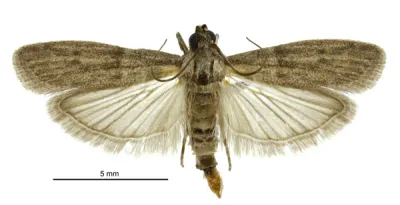
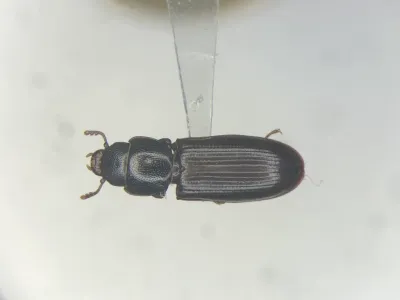
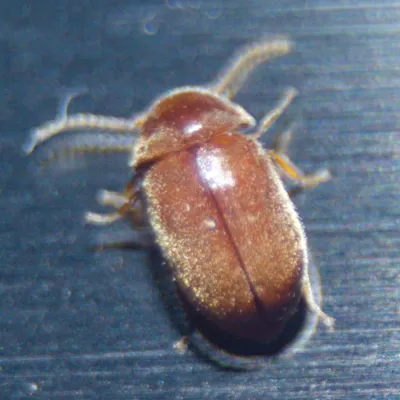
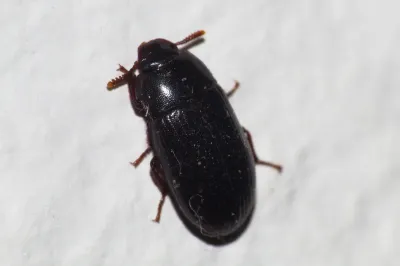
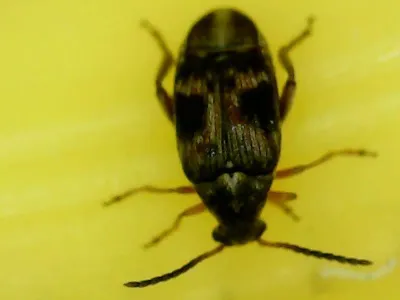
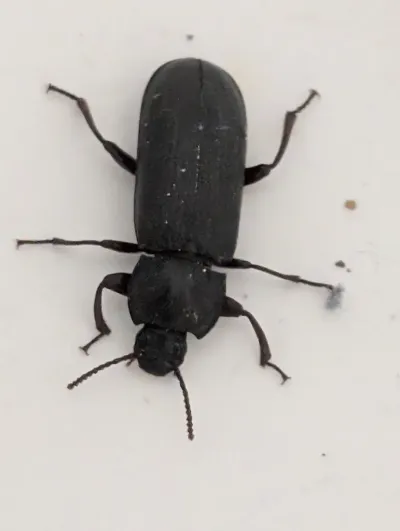
Commonly Confused With
Bean Weevil are often mistaken for these similar pests
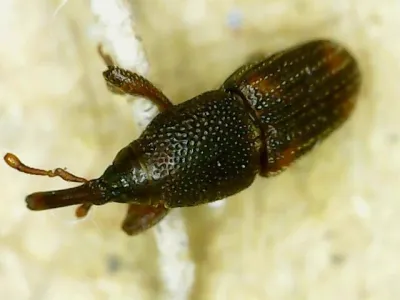
Where Bean Weevil Are Found
Hover over states to see their names. Green regions indicate where bean weevil have been reported.
Common Questions about Bean Weevil
How do bean weevils get into my pantry?
+
Bean weevils most often arrive in your pantry already hidden inside the beans you buy. Females lay eggs on or inside bean pods while the beans are still growing in the field. The larvae develop inside individual seeds, so infested beans can look normal from the outside until adult beetles emerge weeks or months later.
Can bean weevils spread to other foods in my pantry?
+
Bean weevils primarily target legumes including dried kidney beans, navy beans, pinto beans, lentils, and cowpeas. They do not typically infest flour, cereal, or other processed grain products. However, adults can fly and may move between containers of beans and other legumes if those containers are not sealed.
Are bean weevils harmful to eat?
+
Bean weevils are not toxic and do not transmit diseases to humans. Accidentally consuming a bean that contained a weevil larva will not make you sick. However, heavily infested beans lose nutritional value because larvae hollow out the interior, and most people prefer to discard infested products.
How can I tell if my beans have bean weevils?
+
Look for small, round exit holes in dried beans. These neat circular holes are where adult beetles chewed their way out after completing development inside the seed. You may also see small brown beetles crawling in your pantry, on shelves, or near windows. Fine powder or dust inside bean containers is another sign of infestation.
Will freezing kill bean weevils?
+
Yes, freezing is an effective way to eliminate bean weevils at all life stages. Place dried beans in your freezer at 0 degrees Fahrenheit or below for at least one week. This kills eggs, larvae, and adults hidden inside the seeds. Freezing new bean purchases before pantry storage is a good preventive step.
How long does the bean weevil life cycle take?
+
Under warm conditions around 80 to 86 degrees Fahrenheit, bean weevils complete their life cycle from egg to adult in about 30 days. In cooler temperatures, the cycle can take 60 to 90 days. A single female can lay dozens of eggs, and in warm storage conditions, multiple generations can develop in a single year.
Can bean weevils fly?
+
Yes, adult bean weevils have functional wings and can fly. They may fly to windows or light sources inside your home, which is often how people first notice an infestation. Their ability to fly also helps them disperse from fields to storage areas and between stored bean containers.
How do I prevent bean weevils?
+
Store all dried beans and legumes in airtight containers made of glass, metal, or thick plastic. Freeze new bean purchases for one week before transferring to pantry storage. Inspect beans before buying for any small holes. Keep your pantry cool and dry, and rotate stock by using older products first.

With five years of hands-on experience in the pest control industry, George Schulz is a registered technician with the Virginia Pest Management Association and a proud third-generation professional in a family business that's been protecting homes for over 57 years. He manages and trains a team of service pros while also leading internal research efforts—recently spearheading a deep-dive review of thousands of documents on pest control materials to hand-pick the most kid and pet friendly, most effective solutions tailored specifically for homes in the DC metro area.