Stink Bugs Identification Guide
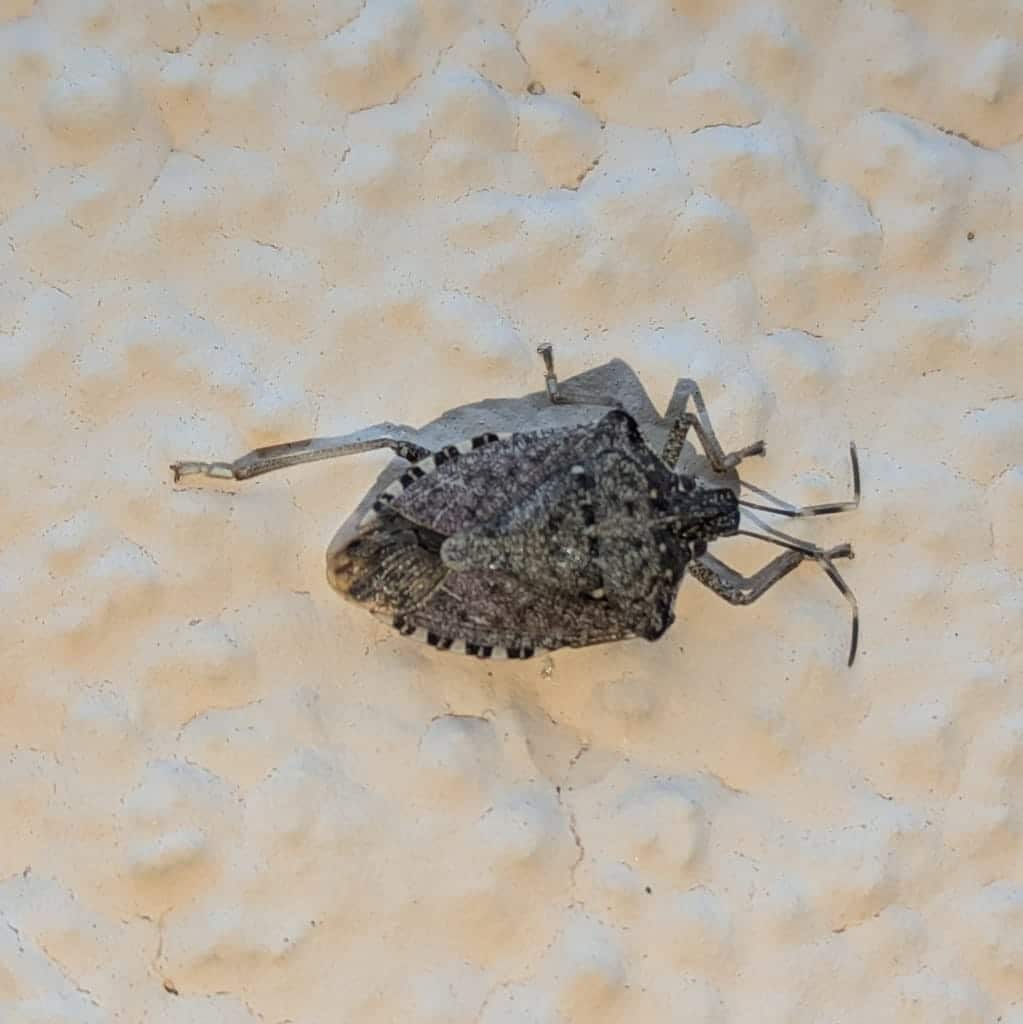
Halyomorpha halys
Stink bugs invade homes in large numbers during the fall and release a foul odor when disturbed.
Taxonomy
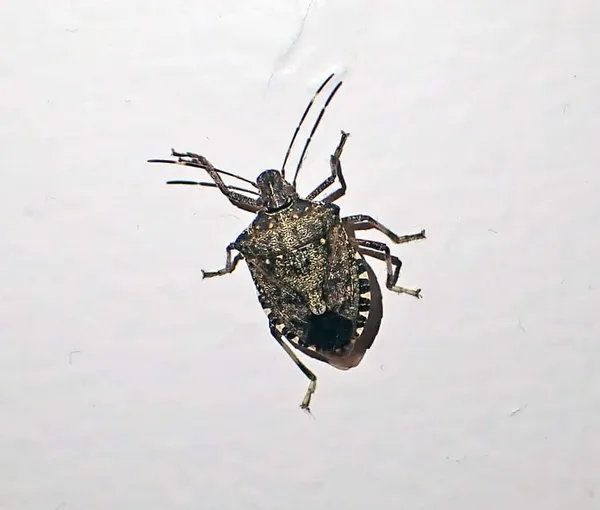
Stink Bugs Coloration
Common color patterns to help identify stink bugs
Stink Bugs
Seasonal Activity
When stink bugs are most active throughout the year

Stink Bugs Identification Guide
Physical Characteristics
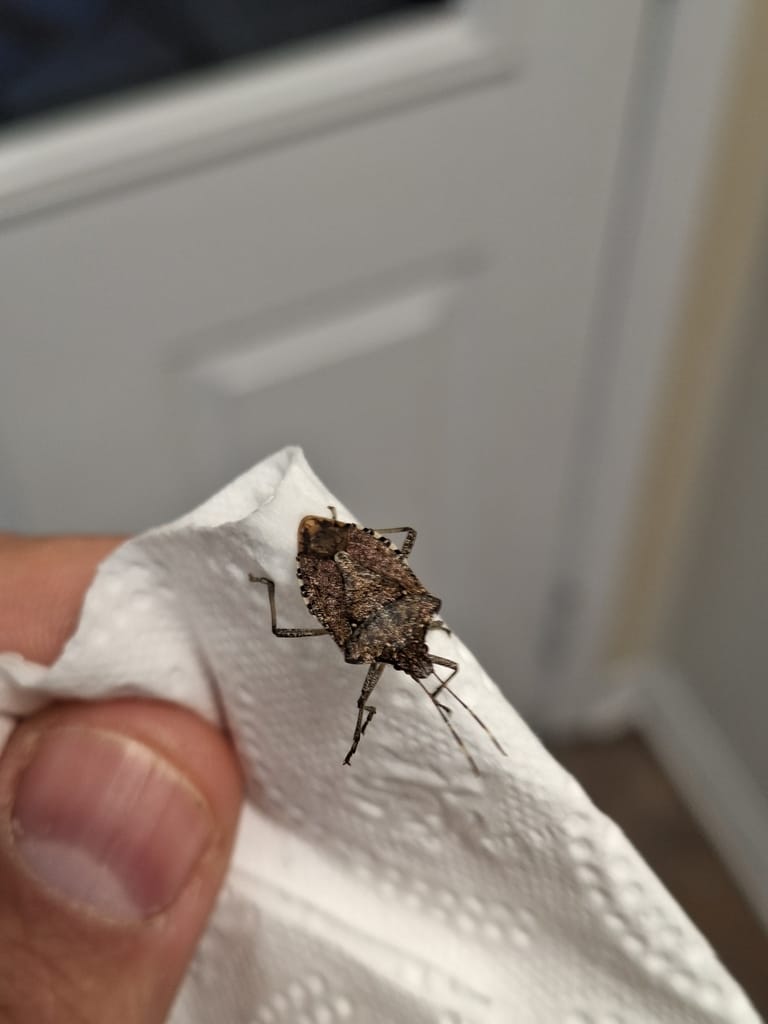
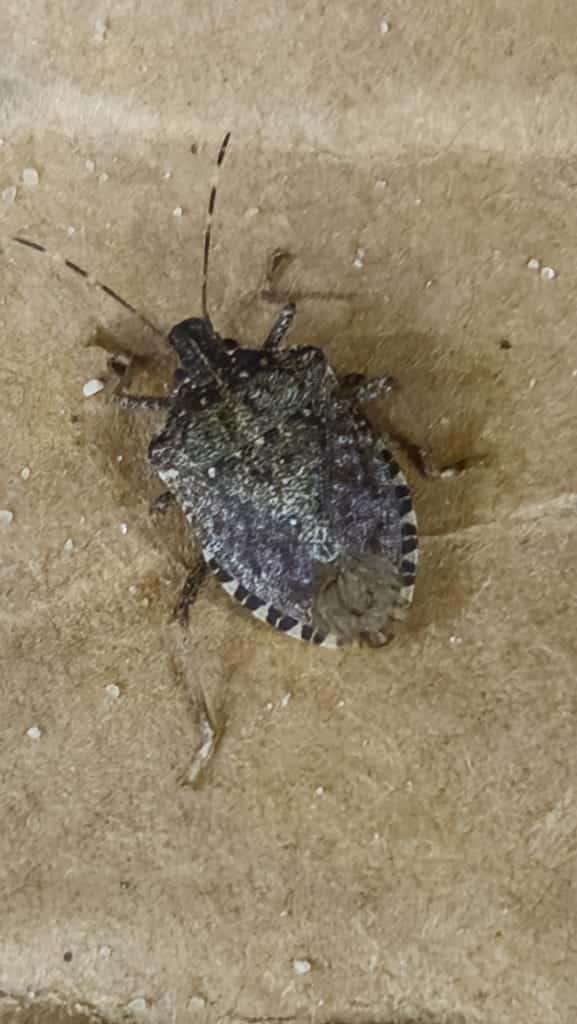
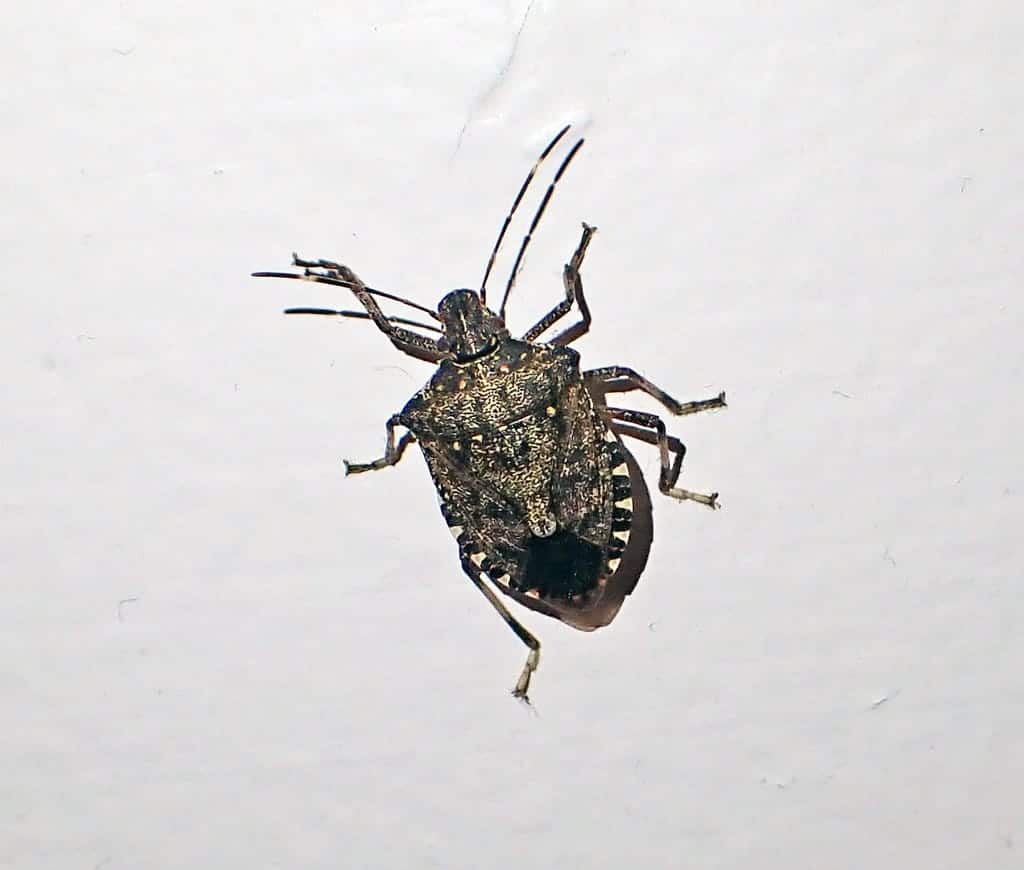
Stink bugs are shield-shaped insects, typically about the size of a dime. They have broad bodies with a triangular or semi-oval shape, and their coloration varies from brown and gray to green, depending on the species. Their defining feature is the ability to release a pungent odor from glands located on their thorax when threatened or crushed.
Common Species
-
Brown Marmorated Stink Bug (Halyomorpha halys) - Invasive species, most common in homes
-
Green Stink Bug (Chinavia hilaris) - Common in gardens and agricultural areas
-
Southern Green Stink Bug (Nezara viridula) - More common in warmer months
Stink Bugs Behavior and Biology
Stink bugs primarily feed on plants, including fruits, vegetables, and ornamental plants, piercing the surface to suck out nutrients. They are highly mobile and seek shelter in the fall to overwinter inside homes, often gathering in large numbers on the sunny sides of buildings. In the spring, they emerge to continue their life cycle, laying eggs on plant leaves.
How We Treat for Stink Bugs
Overwintering stink bugs are best managed through preventative treatments. Before the weather turns cold, usually in October, our technicians apply dust treatments in exterior voids such as weep holes, behind siding, and around windows and doors. This creates a barrier that deters entry. If stink bugs have already entered, interior treatments focus on repellent materials around window seals, door frames, and baseboards. In severe cases, dusting within wall voids may be necessary.
Exterior perimeter treatments with a repellent material like Bifen IT provide additional control. However, exclusion is key—sealing cracks, repairing damaged screens, and addressing moisture issues help prevent infestations from recurring.
Where Stink Bugs Are Found
Hover over states to see their names. Green regions indicate where stink bugs have been reported.
Common Questions about Stink Bugs
Why do stink bugs invade homes?
+
Stink bugs enter homes in the fall to find shelter for the winter. They seek warmth and protection from the cold, often hiding in attics, wall voids, and other undisturbed areas.
Do stink bugs cause damage?
+
Stink bugs are mostly a nuisance pest. While they can damage crops and gardens, they do not bite, sting, or cause structural damage to homes.
How do I get rid of stink bugs inside my home?
+
Once stink bugs have entered a home, vacuuming them up is one of the easiest removal methods. However, preventative treatments in the fall help keep them from entering in the first place.
What happens if I crush a stink bug?
+
Crushing a stink bug releases a strong, unpleasant odor as a defense mechanism. It's better to vacuum them or use other non-contact removal methods.
Can I prevent stink bugs from getting inside?
+
Yes. Sealing cracks, repairing screens, and applying preventative pest treatments in the fall can significantly reduce stink bug infestations.
How effective is professional treatment for stink bugs?
+
Our treatments focus on prevention by applying dusts and repellents before stink bugs enter. If they're already inside, targeted interior treatments and exclusion techniques provide effective control.
More Resources About Stink Bugs
Explore our guides and articles for more information about stink bugs.

With five years of hands-on experience in the pest control industry, George Schulz is a registered technician with the Virginia Pest Management Association and a proud third-generation professional in a family business that's been protecting homes for over 57 years. He manages and trains a team of service pros while also leading internal research efforts—recently spearheading a deep-dive review of thousands of documents on pest control materials to hand-pick the most kid and pet friendly, most effective solutions tailored specifically for homes in the DC metro area.