Pantry Beetles Identification Guide
Various (Tribolium, Oryzaephilus, Stegobium, Lasioderma spp.)
Pantry beetles are a group of small beetles that infest stored foods like flour, cereals, spices, and dried goods. Common types include flour beetles, sawtoothed grain beetles, drugstore beetles, and cigarette beetles.
Taxonomy
Pantry Beetles Coloration
Common color patterns to help identify pantry beetles
Pantry Beetles
Seasonal Activity
When pantry beetles are most active throughout the year
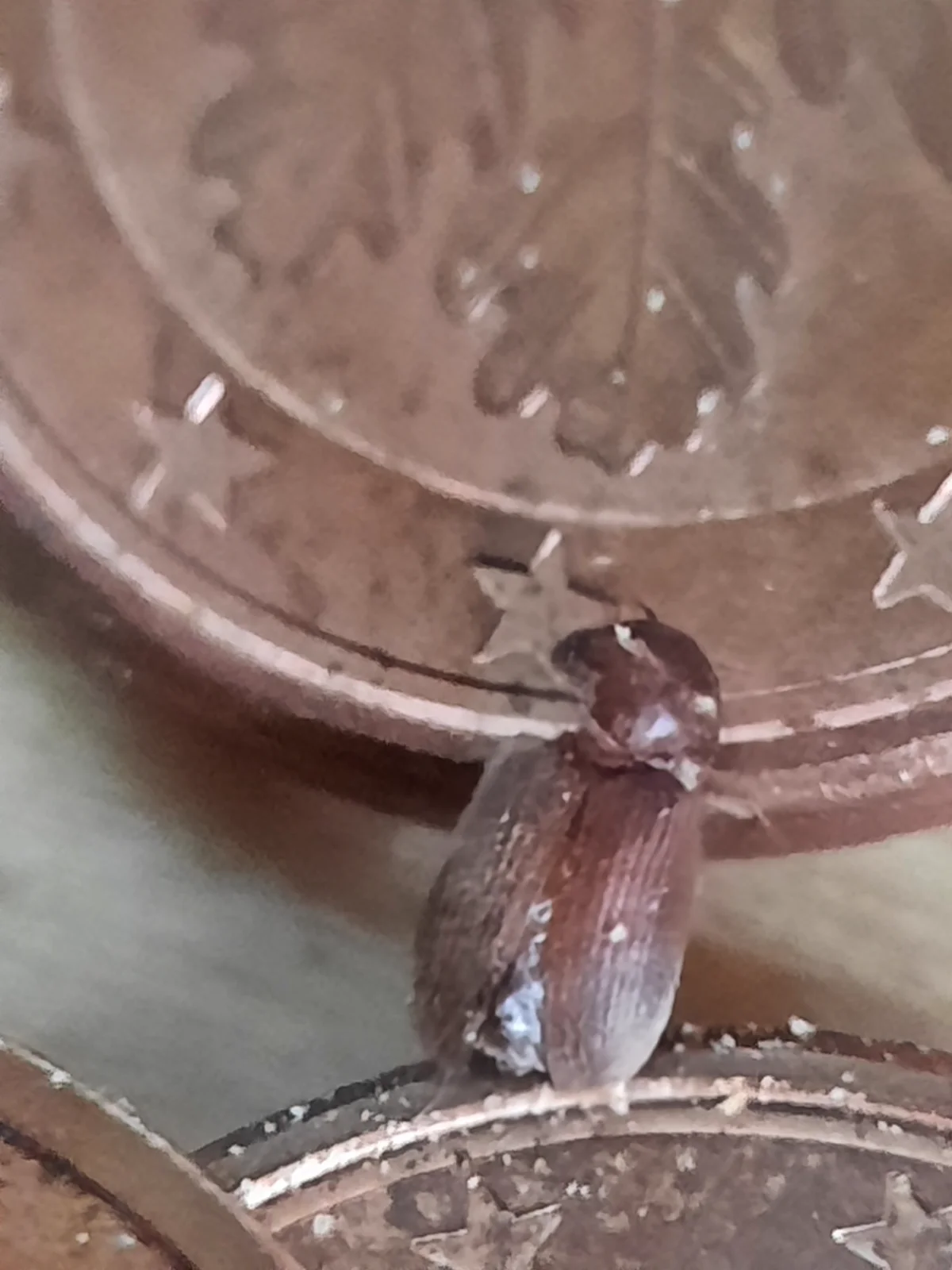

Where Pantry Beetles Are Found
Hover over states to see their names. Green regions indicate where pantry beetles have been reported.
Pantry Beetle Identification Guide
Pantry beetles are among the most common pests found in kitchen cabinets and food storage areas. This group includes several beetle species that share a preference for dried stored foods. Knowing how to identify these pests helps you respond quickly when they appear.
Common Types of Pantry Beetles
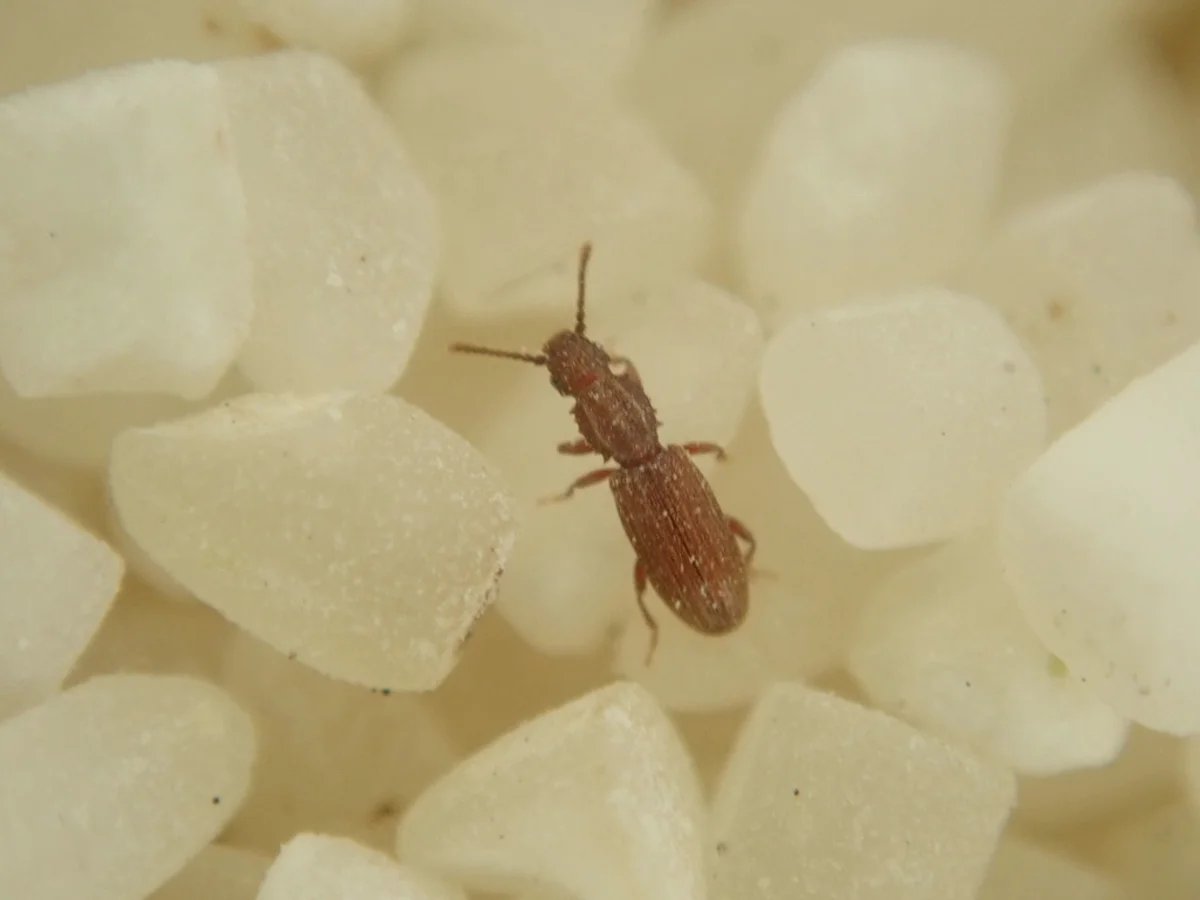
Flour Beetles (Tribolium spp.) are the most widespread pantry pests in North America. The red flour beetle and confused flour beetle look nearly identical. Both are flat, elongated, and reddish-brown. They measure about 3-4mm long. The main difference is their antennae shape. Red flour beetles can fly well, while confused flour beetles are poor fliers.
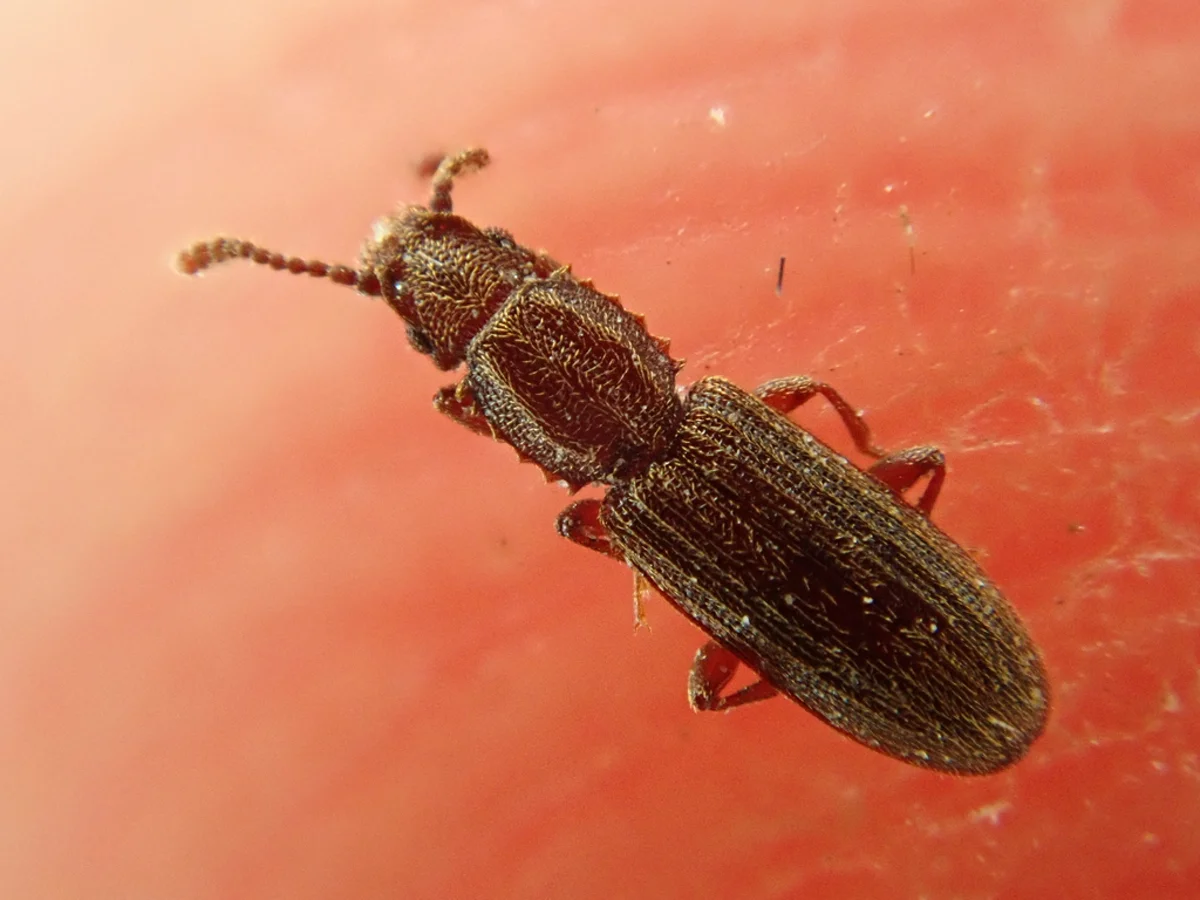
Sawtoothed Grain Beetles (Oryzaephilus surinamensis) are easy to identify once you know what to look for. They have six saw-like teeth on each side of their thorax. These flat, brown beetles are 2.5-3mm long. Their thin bodies let them crawl into packaging that seems sealed tight.
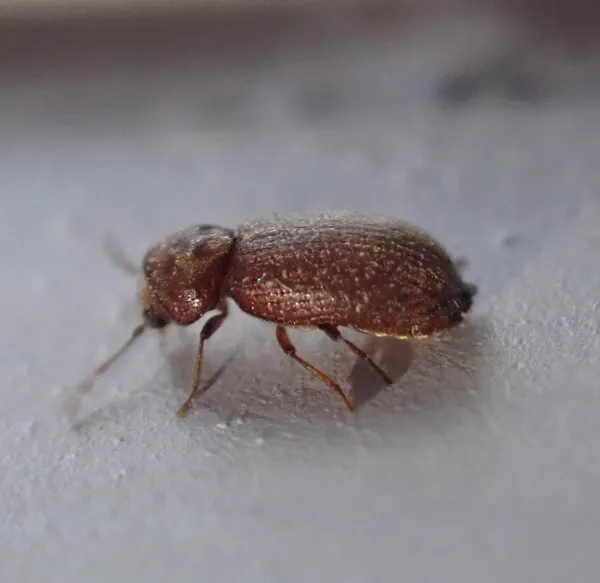
Drugstore Beetles (Stegobium paniceum) have a rounded, cylindrical body shape. They are tan to reddish-brown and 2-4mm long. Their wing covers show rows of fine pits. They got their name from infesting pharmacies and drugstores, where they ate dried herbs and medicines.
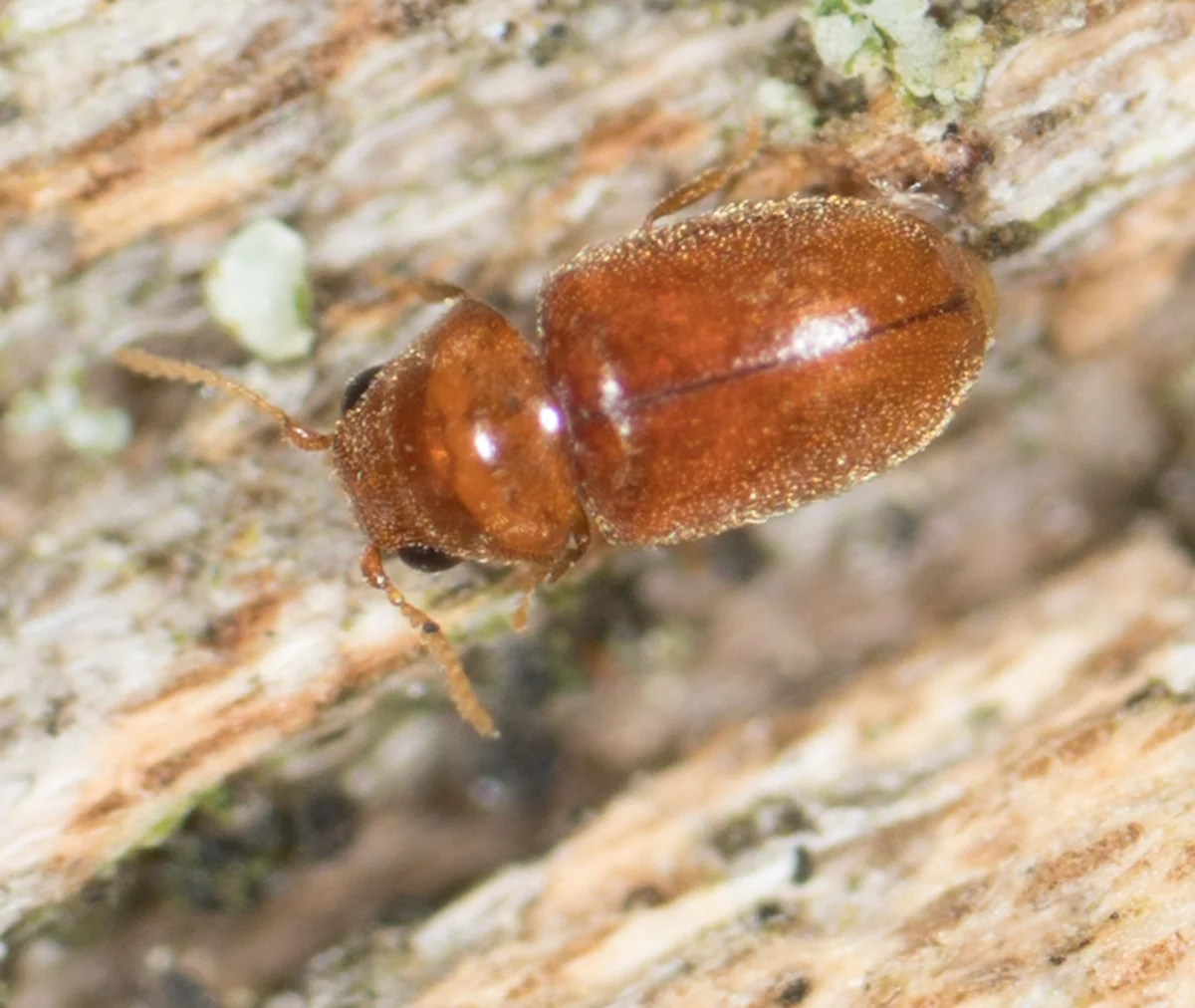
Cigarette Beetles (Lasioderma serricorne) look similar to drugstore beetles but have smooth wing covers. They are slightly smaller and more rounded. Their saw-tooth antennae help tell them apart from drugstore beetles, which have clubbed antennae.
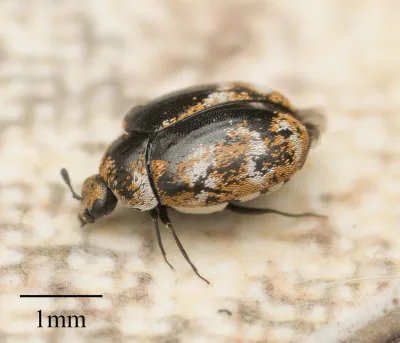
Warehouse Beetles (Trogoderma spp.) belong to the dermestid family. They have hairy larvae that can cause allergic reactions in some people. Adults are small, dark beetles with patterned wing covers.
Physical Characteristics
Most pantry beetles share several features:
- Size: Typically 2-5mm long (about the size of a grain of rice or smaller)
- Color: Various shades of brown, from tan to dark reddish-brown
- Shape: Either flat and elongated (flour beetles, grain beetles) or oval and rounded (drugstore, cigarette beetles)
- Wings: Adults have hard wing covers and can usually fly
- Antennae: Shape varies by species and helps with identification
Larvae Appearance
Pantry beetle larvae look quite different from adults. Most are small, pale grubs that live inside the food they eat. Key features include:
- White to cream-colored bodies
- Distinct head capsule
- Three pairs of legs near the head
- C-shaped or elongated body depending on species
- Often found inside food products, not crawling on surfaces
Pantry Beetle Behavior and Biology
Life Cycle
All pantry beetles undergo complete metamorphosis with four life stages: egg, larva, pupa, and adult. Development speed depends heavily on temperature and food quality.
Eggs: Female beetles lay tiny white eggs on or near food sources. Most species lay 50-200 eggs over their lifetime. Eggs hatch within 1-2 weeks under typical conditions.
Larvae: The larval stage is when most damage occurs. Larvae tunnel through food as they feed and grow. This stage lasts 3-10 weeks depending on conditions. Warm temperatures around 85 degrees F speed up development.
Pupae: Larvae build small cells to pupate in, often using food particles. This stage takes 1-3 weeks. Some species pupate within the food while others move away to pupate.
Adults: Adult pantry beetles live several weeks to several months. Many species mate soon after emerging and begin laying eggs within days.
Under ideal conditions (warm temperature, high humidity, and abundant food), some pantry beetles can complete a generation in just 4-6 weeks. This rapid reproduction explains why small problems can become major infestations quickly.
Habitat and Food Preferences
Pantry beetles thrive in stored food environments. They prefer processed grain products but many species eat a surprising variety of materials:
Primary food sources:
- Flour and grain products
- Cereals and breakfast foods
- Pasta and rice
- Crackers and cookies
- Dried fruit and nuts
- Spices and dried herbs
- Pet food and birdseed
- Chocolate and cocoa products
Secondary food sources:
- Dried flowers and potpourri
- Prescription medications
- Leather goods
- Wool items
- Books and paper products
- Museum specimens
Many pantry beetles carry symbiotic yeasts that help them digest low-nutrient foods. This is why they can survive on items that seem nutritionally poor.
Seasonal Activity
In heated homes, pantry beetles remain active year-round. Indoor populations do not experience true dormancy. However, activity levels do follow seasonal patterns:
Peak activity (June-September): Warm summer temperatures accelerate reproduction. This is when populations grow fastest and infestations become most noticeable.
Moderate activity (April-May, October-November): Populations continue breeding but at slower rates as temperatures are more moderate.
Lower activity (December-March): Development slows in cooler conditions. However, if your home stays warm, beetles may remain quite active through winter.
Some pantry beetles fly well and are attracted to lights. You may notice adults flying near windows during evening hours. This flight behavior helps them find new food sources and spread through your home.
Signs of a Pantry Beetle Infestation
What to Look For
Catching an infestation early makes elimination much easier. Watch for these warning signs:
In food products:
- Small holes or tunnels in packaging
- Fine, flour-like powder or debris
- Clumping in flour or meal products
- Webbing in some cases (though this is more common with pantry moths)
- Live or dead beetles inside containers
- Small grub-like larvae in food
Around storage areas:
- Small brown beetles on shelves
- Beetles flying near lights at dusk
- Fine debris in shelf corners and crevices
- Musty or off odors from infested products
- Cast skins from molting larvae
Where to Inspect
When you suspect pantry beetles, conduct a thorough inspection of all stored food areas:
- Pantry shelves: Check all flour, grain, and cereal products
- Spice cabinet: Old spices are common infestation sites
- Pet food storage: Dry pet food and birdseed attract many species
- Medicine cabinet: Drugstore beetles target vitamins and medications
- Baking supplies: Flour, yeast, and baking mixes
- Back of cabinets: Old, forgotten items are often where problems start
- Decorative items: Dried flowers and arrangements
- Garage or basement: Stored seeds, bulbs, or forgotten food items
Treatment Methods for Pantry Beetles
Effective pantry beetle control requires a systematic approach. Chemical treatments alone rarely solve the problem. The key is removing infested materials and preventing reinfestation.
Step 1: Find and Remove Infested Items
Start by inspecting every stored food product in your kitchen and pantry. Be thorough. One overlooked infested item can restart the entire problem.
- Check all flour, cereal, pasta, rice, and grain products
- Examine spice containers, especially older ones
- Look at pet food, birdseed, and dried treats
- Check vitamins, medications, and supplements
- Inspect dried flowers, wreaths, and decorations
When you find infested products, seal them in plastic bags before throwing them away. This prevents beetles from escaping into your trash or spreading to other areas.
Step 2: Deep Clean Storage Areas
Once infested items are removed, clean all storage areas thoroughly:
- Remove everything from shelves
- Vacuum all surfaces including cracks and crevices
- Wipe down shelves with soap and water
- Clean shelf supports, brackets, and hinges
- Vacuum the floor area below storage
- Dispose of vacuum contents in a sealed bag
Pay special attention to corners, cracks, and hardware where food debris accumulates. These hidden spots often harbor eggs and larvae.
Step 3: Protect Remaining Food
For products that show no signs of infestation:
Freezing: Place items at 0 degrees F for at least 7 days. This kills all life stages. Let products return to room temperature before opening to prevent moisture problems.
Heat treatment: Some items can be heated to 120-140 degrees F for several hours. Use an oven set to the lowest temperature with a thermometer to monitor.
Transfer to safe storage: Move foods to airtight glass, metal, or heavy plastic containers. Mason jars, plastic containers with rubber seals, and metal tins all work well.
Step 4: Prevention Going Forward
Once you have eliminated an infestation, take steps to prevent future problems:
- Store foods properly: Use airtight containers for all grain products, cereals, flour, and pet food
- Buy smaller quantities: Purchase what you will use within 2-4 months
- Rotate stock: Use older items first and check expiration dates
- Inspect purchases: Look for damaged packaging before buying
- Keep areas clean: Wipe up spills promptly and vacuum regularly
- Seal entry points: Caulk gaps around shelving and cabinet edges
- Monitor with traps: Pheromone traps can detect beetles early
When to Call a Professional
Most pantry beetle infestations can be solved with thorough sanitation and proper storage. However, professional help may be needed if:
- Infestations keep returning despite your efforts
- Beetles have spread to multiple rooms
- You cannot locate the source of the infestation
- The problem is in a commercial setting with food safety concerns
Professional pest control can provide targeted crack and crevice treatments, insect growth regulators to break the breeding cycle, and help identify hidden infestation sources.
Preventing Pantry Beetle Infestations
Prevention is easier than elimination. These practices will help keep pantry beetles out of your home:
At the store:
- Inspect packages for damage before purchasing
- Avoid dented, torn, or unsealed products
- Check for evidence of insects in bulk food bins
- Note expiration dates and avoid old stock
At home:
- Transfer susceptible foods to airtight containers immediately
- Do not mix new products with old ones
- Store pet food in sealed bins, not open bags
- Keep pantry areas clean and dry
- Use older products before newer ones
- Check stored foods regularly for signs of pests
- Discard old spices, herbs, and dried goods you do not use
Storage environment:
- Keep storage areas cool when possible
- Maintain low humidity to discourage beetle development
- Ensure good ventilation in pantry areas
- Consider storing rarely-used items in the freezer
References and Further Reading
Other Other Pests
Explore other species in the other pests family
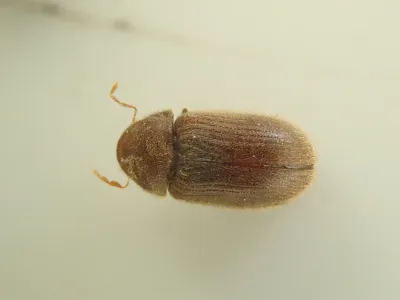
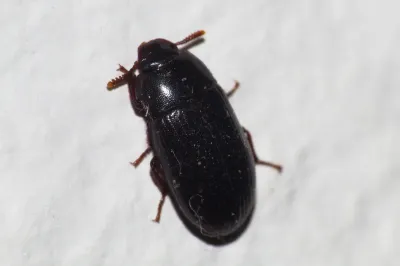
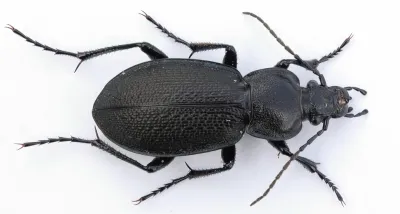
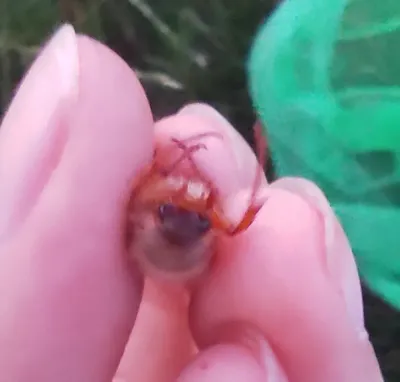
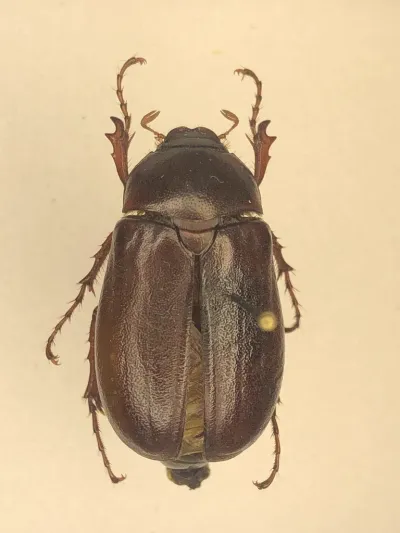
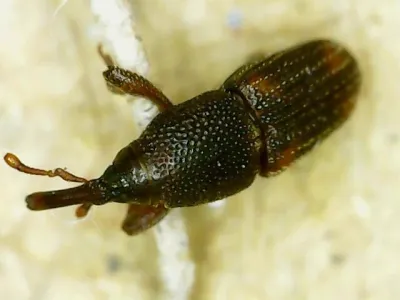
Commonly Confused With
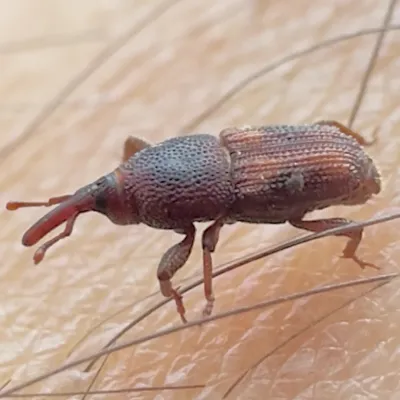
Pantry Beetles are often mistaken for these similar pests
Where Pantry Beetles Are Found
Hover over states to see their names. Green regions indicate where pantry beetles have been reported.
Common Questions about Pantry Beetles
What are pantry beetles?
+
Pantry beetles are a group of small beetles that infest stored foods. The most common types include flour beetles, sawtoothed grain beetles, drugstore beetles, and cigarette beetles. They feed on dried foods like flour, cereals, spices, pasta, and pet food. Most are 2-5mm long and brown to reddish-brown in color.
How do pantry beetles get into sealed food packages?
+
Pantry beetles often enter homes inside products that were already infested at the store or warehouse. Some species can also chew through thin cardboard and plastic packaging. Their small size lets them squeeze through tiny gaps in container lids and seals.
Are pantry beetles harmful to eat?
+
While eating food contaminated with pantry beetles is unpleasant, it is not typically dangerous. The beetles do not transmit diseases. However, some people may experience digestive upset or allergic reactions. Infested food should be discarded.
How do I know if I have pantry beetles?
+
Signs of pantry beetles include small holes in food packaging, fine powdery debris near stored products, small brown beetles on shelves or near lights, and white grub-like larvae in food products. You may also notice a musty smell in infested areas.
What is the difference between pantry beetles and weevils?
+
Weevils have a distinct elongated snout that pantry beetles lack. Weevils often develop inside whole grain kernels, while most pantry beetles feed on processed foods and flour. Both can infest similar products, but their body shapes are quite different.
How long does it take to get rid of pantry beetles?
+
Eliminating pantry beetles usually takes 2-4 weeks with thorough treatment. You must find and remove all infested products, clean storage areas completely, and store remaining foods in airtight containers. Some infestations take longer if beetles have spread to multiple locations.
Can pantry beetles fly?
+
Many pantry beetles can fly as adults. Flour beetles, cigarette beetles, and drugstore beetles are all capable of flight. This helps them spread to new food sources within your home. You may notice them flying toward lights at night.
What foods do pantry beetles infest?
+
Pantry beetles infest a wide range of dried foods including flour, cereals, pasta, rice, crackers, dried fruit, nuts, spices, chocolate, pet food, and birdseed. Some species also attack non-food items like dried flowers, leather, and medications.

With five years of hands-on experience in the pest control industry, George Schulz is a registered technician with the Virginia Pest Management Association and a proud third-generation professional in a family business that's been protecting homes for over 57 years. He manages and trains a team of service pros while also leading internal research efforts—recently spearheading a deep-dive review of thousands of documents on pest control materials to hand-pick the most kid and pet friendly, most effective solutions tailored specifically for homes in the DC metro area.