Flour Beetles Identification Guide
Tribolium spp.
Flour beetles are small, reddish-brown beetles that infest flour, cereals, and other stored grain products. The red flour beetle and confused flour beetle are the most common species found in homes and food storage facilities.
Taxonomy
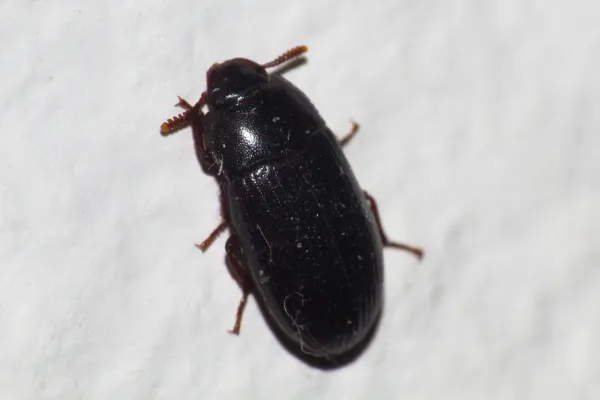
Flour Beetles Coloration
Common color patterns to help identify flour beetles
Flour Beetles
Seasonal Activity
When flour beetles are most active throughout the year

Where Flour Beetles Are Found
Hover over states to see their names. Green regions indicate where flour beetles have been reported.
Flour Beetle Identification Guide
Physical Characteristics
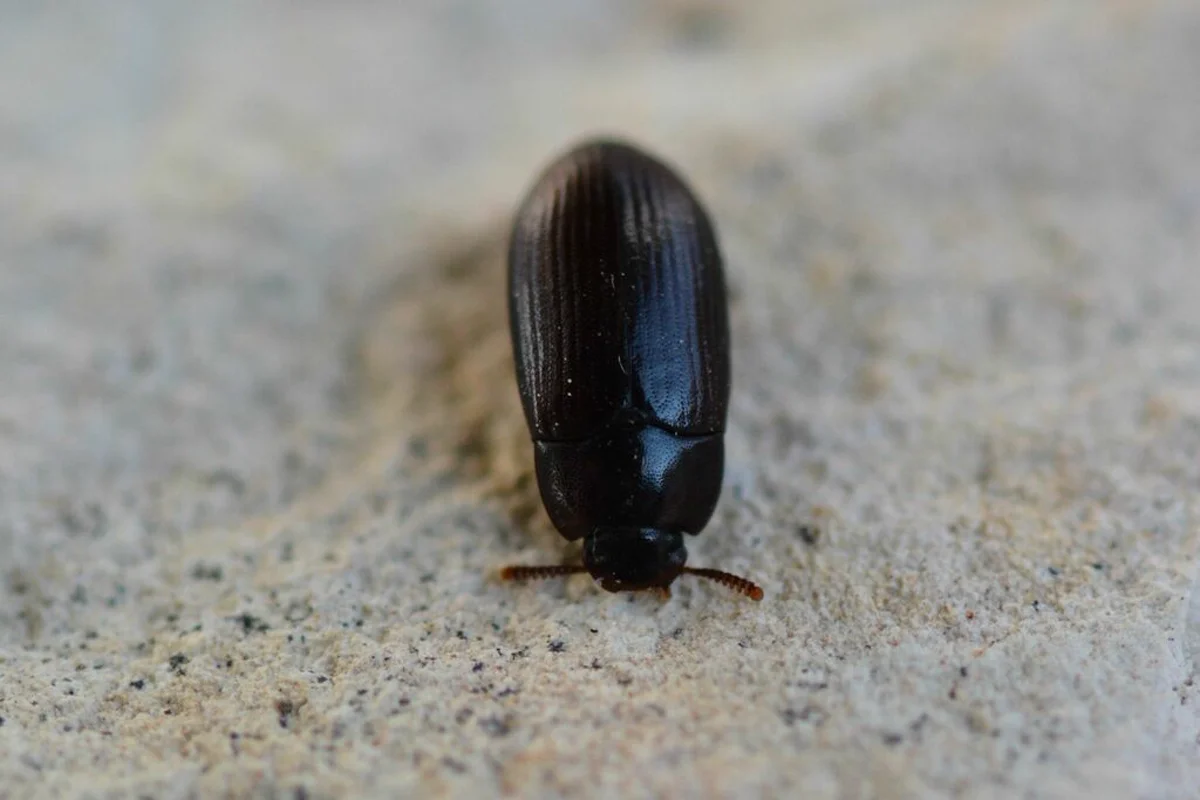
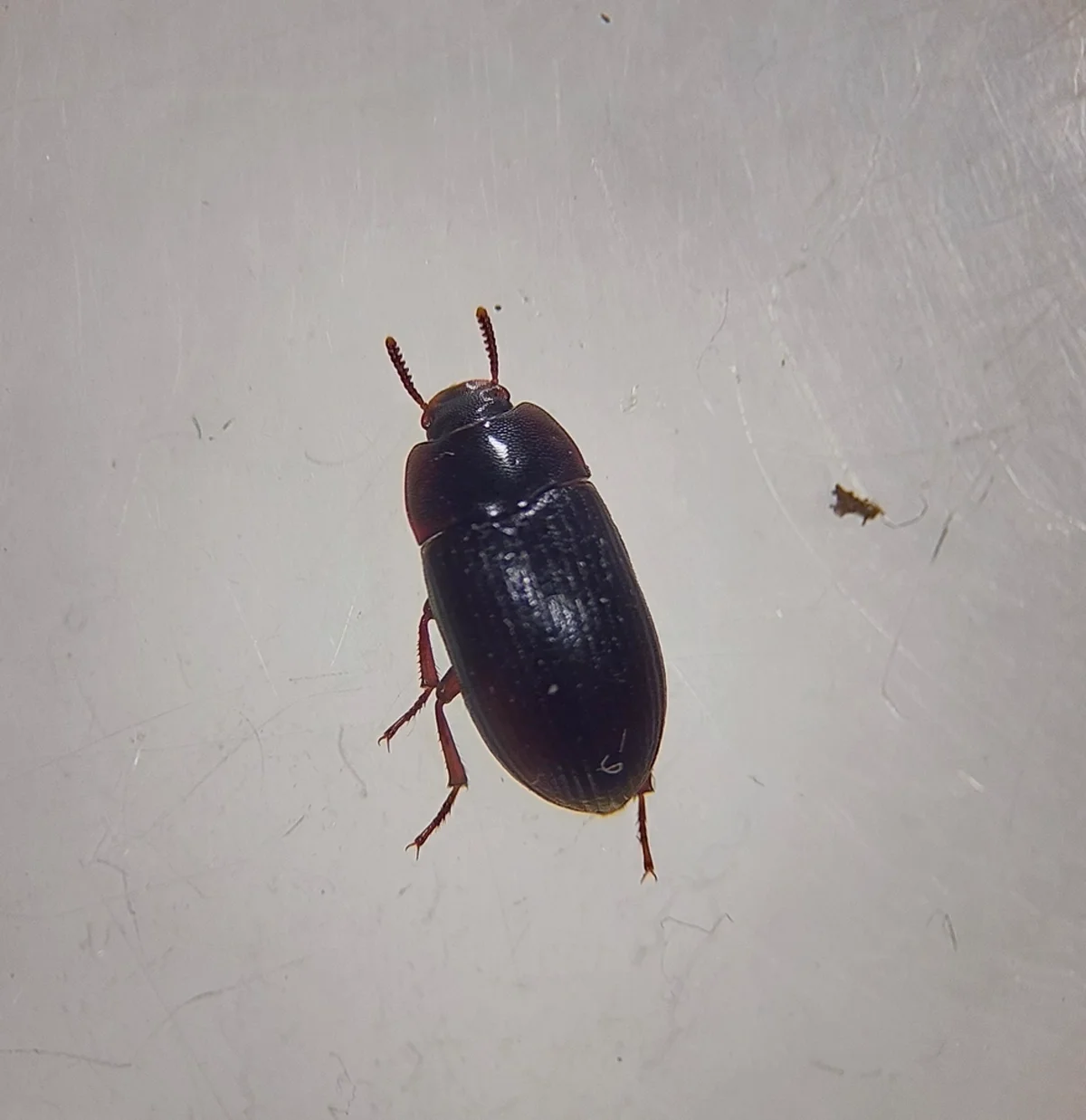
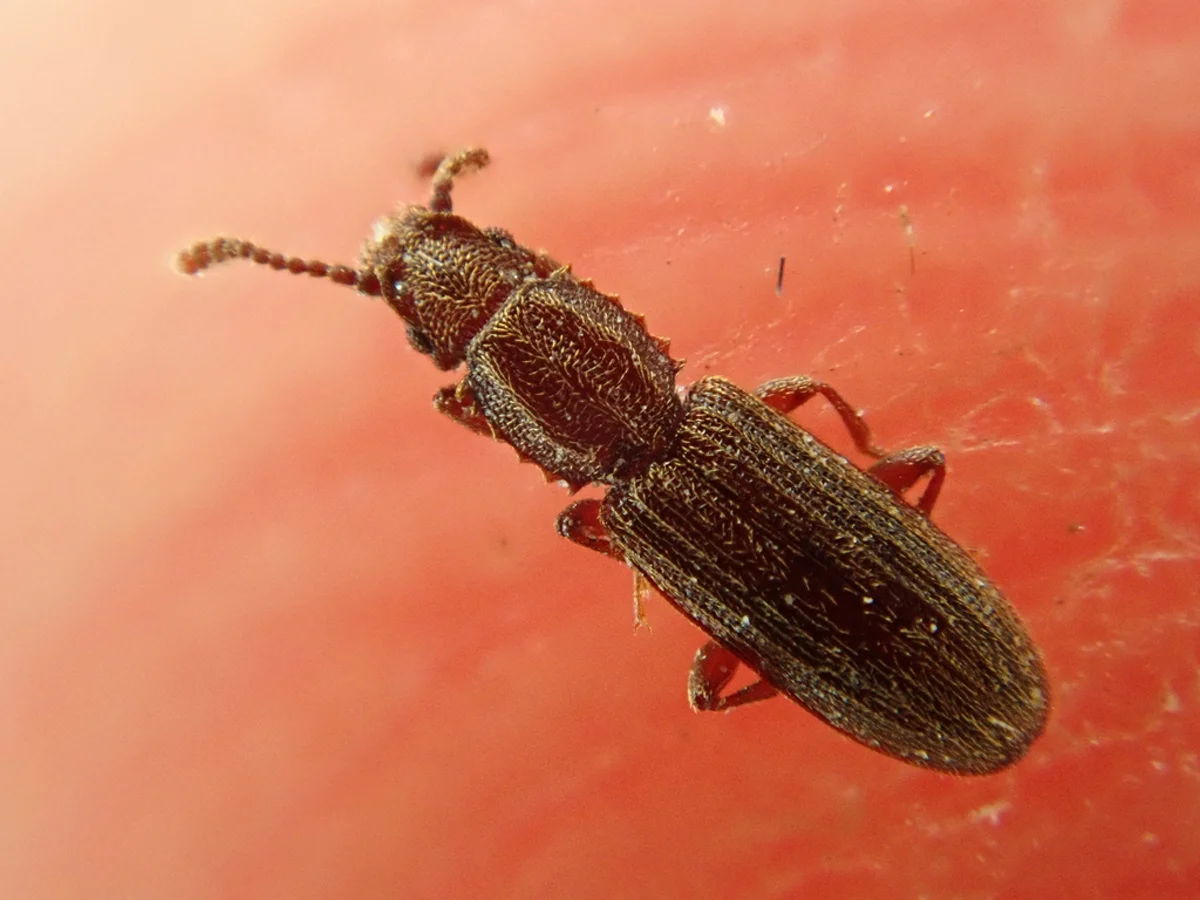
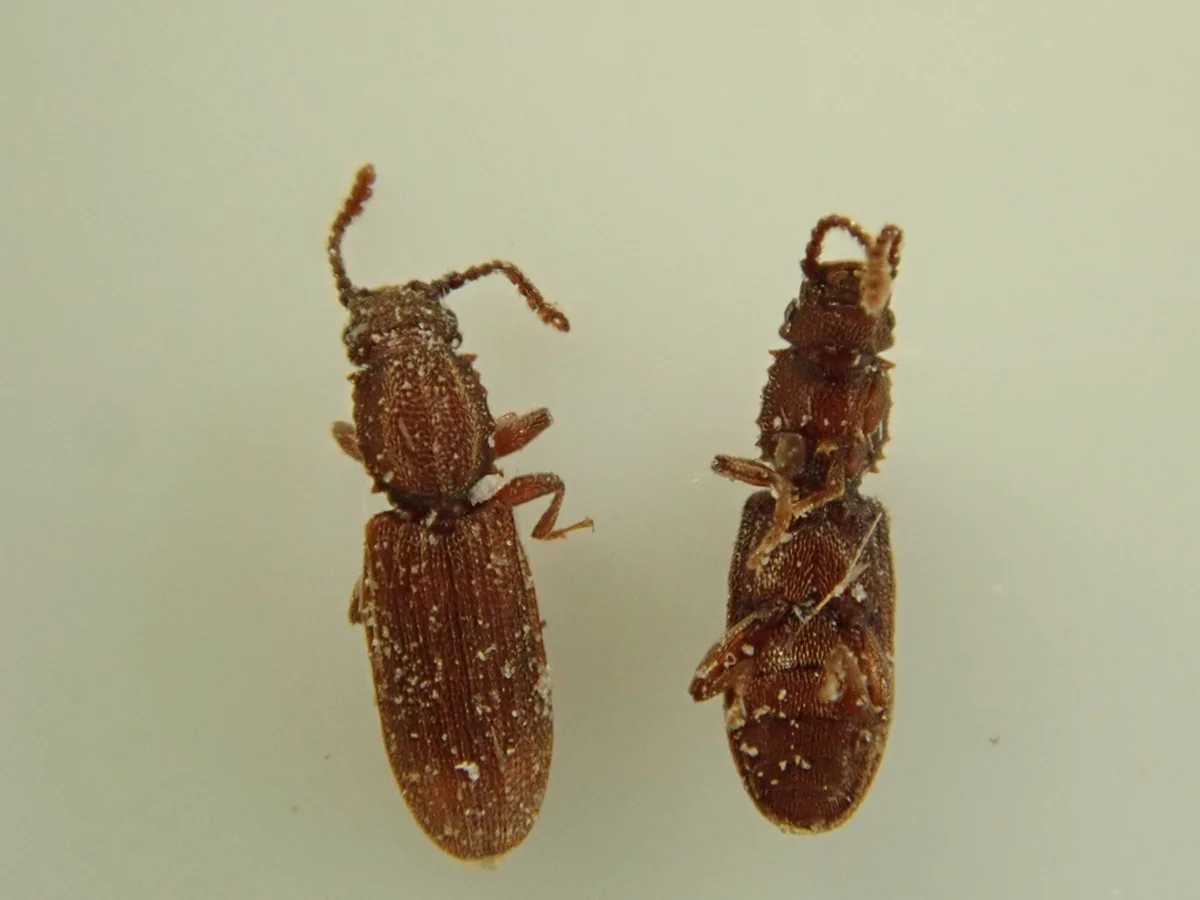
Flour beetles are small, flat, oval-shaped beetles about 3 to 4 millimeters long, roughly the size of a grain of rice. Their bodies are reddish-brown to dark brown, giving them a rusty appearance. They have hard wing covers with fine grooves running along them. Their antennae are a key identification feature and help tell species apart.
Adult flour beetles have six legs and move quickly when disturbed. They do not bite and are harmless to touch. Unlike many other pantry pests, both adults and larvae cause damage to stored food products.
The larvae look very different from adults. They are small, slender worms about 6 millimeters long when fully grown. Their color is creamy white to light brown. The larvae have two small, dark projections on their last body segment.
Common Species in North America
Red Flour Beetle (Tribolium castaneum) is one of the most common stored product pests worldwide. It thrives in southern states and warmer regions. The red flour beetle has antennae that end in a distinct three-segment club. This species can fly short distances, especially before storms, which helps it spread to new locations.
Confused Flour Beetle (Tribolium confusum) looks nearly identical to the red flour beetle but has some key differences. Its antennae widen gradually toward the tip rather than forming an abrupt club. The confused flour beetle cannot fly because its wings are not fully developed. This species does better in cooler climates and is more common in northern states.
Both species can live together in the same infestation. Without a magnifying glass, most people cannot tell them apart. The good news is that the same control methods work for both.
Flour Beetle Behavior and Biology
Lifecycle and Development
Flour beetles go through complete metamorphosis with four life stages: egg, larva, pupa, and adult. Understanding this lifecycle helps with control.
Female flour beetles are prolific egg layers. A single female can lay 400 to 500 eggs over her lifetime. She lays just 2 to 8 eggs per day, depositing them loosely in flour or other food products. The tiny white eggs are sticky and often have flour particles clinging to them.
Eggs hatch in 5 to 12 days depending on temperature. The larvae feed on flour and grain particles for 1 to 4 months before pupating. During this time, they molt 5 to 11 times as they grow. The pupal stage lasts 1 to 2 weeks.
The complete life cycle takes 7 to 12 weeks under ideal warm conditions around 85 degrees Fahrenheit. In cooler conditions, development slows considerably. Adults can survive for 3 years or longer, making these persistent pantry pests.
Habitat and Food Sources
Flour beetles cannot attack whole, undamaged grain kernels. They prefer processed grain products that have already been broken down. Their favorite foods include:
- All-purpose flour and other wheat products
- Cereals and breakfast foods
- Pasta and noodles
- Crackers and cookies
- Cake mix and baking ingredients
- Spices and dried herbs
- Nuts and dried fruit
- Dried pet food and bird seed
- Chocolate and candy
These beetles complete their entire life cycle inside stored food. They do not need to drink water because they get enough moisture from the food they eat. This makes them well adapted to the dry conditions in pantries and food storage areas.
Signs of Infestation
Heavy flour beetle infestations cause visible changes to stored products. Infested flour may turn grey and develop mold more quickly. You may notice an unpleasant smell described as musty or citrus-like. This odor comes from defensive chemicals called quinones that the beetles release when disturbed.
The beetles contaminate far more food than they actually eat. Their presence encourages mold growth and attracts other pantry pests. Even a small number of beetles can make large amounts of food unappetizing.
Treatment Methods for Flour Beetles
Getting rid of flour beetles requires removing infested food, deep cleaning, and preventing re-infestation. Chemical treatments alone will not solve a flour beetle problem because the beetles live inside food products.
Find and Remove the Source
The first step is a thorough inspection of all stored food products. Check flour, cereals, pasta, spices, and other grain-based foods. Look for live or dead beetles, larvae, and shed larval skins. Pay special attention to products that have been open for a long time.
Throw away all infested food in sealed bags. Take the bags directly to outdoor trash cans. Do not try to save food by freezing or heating it if you see heavy beetle activity. When in doubt, throw it out.
Deep Clean Storage Areas
After removing infested products, empty all pantry shelves completely. Vacuum every crack, corner, and shelf bracket. Flour beetles and their eggs can hide in tiny spaces where food particles collect. Use a crevice attachment to reach narrow gaps.
Wipe down all surfaces with soap and water. Pay attention to shelf supports, drawer slides, and areas behind shelving. Let everything dry completely before putting food back. Moisture can attract other pests and encourage mold.
Proper Food Storage
Store all grain products in airtight containers with tight-fitting lids. Glass, metal, and heavy plastic containers work best. Thin plastic bags are not secure because beetles can squeeze through small openings in the seals.
Consider freezing new flour and grain products for 3 to 7 days before storing them. This kills any beetles or eggs that may have been present at the store. You can also store items in the freezer long-term if you have space.
Monitoring and Prevention
After cleaning, check stored foods regularly for several weeks. Sticky pheromone traps designed for stored product pests can help detect any remaining beetles. Place these traps in pantry corners and near food storage areas.
Buy grain products in small quantities that you will use quickly. Rotate your stock by using older items first. Inspect food packaging carefully before purchase and avoid products with damaged seals.
For persistent or severe infestations, professional pest control can identify hidden sources and apply treatments to cracks and crevices where beetles may be hiding between pantry items.
References and Further Reading
Other Other Pests
Explore other species in the other pests family
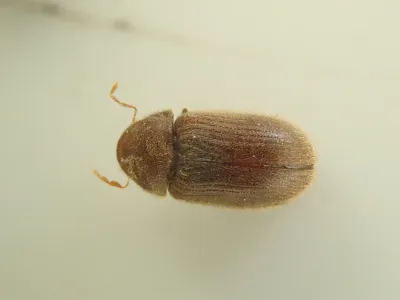
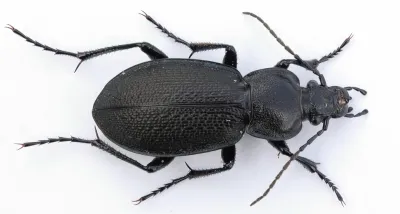
Commonly Confused With
Flour Beetles are often mistaken for these similar pests
Where Flour Beetles Are Found
Hover over states to see their names. Green regions indicate where flour beetles have been reported.
Common Questions about Flour Beetles
How do I know if I have flour beetles?
+
Look for small, reddish-brown beetles about 1/8 inch long in your flour, cereals, or other grain products. You may also notice a grey tint to flour or an unpleasant smell. Check for live or dead beetles in pantry corners and food containers.
Are flour beetles harmful to humans?
+
Flour beetles are not dangerous to people or pets. They do not bite or spread disease. Eating food with flour beetles in it will not harm you, but most people throw away infested products. The beetles can give food an unpleasant odor and taste.
What is the difference between red flour beetles and confused flour beetles?
+
The main difference is in their antennae. Red flour beetles have antennae with an abrupt three-segment club at the end. Confused flour beetles have antennae that get wider gradually toward the tip with four segments. Red flour beetles can fly, while confused flour beetles cannot.
How long do flour beetles live?
+
Adult flour beetles can live for 3 years or more under good conditions. Females lay 400 to 500 eggs over their lifetime. The full life cycle from egg to adult takes 7 to 12 weeks in warm conditions.
Where do flour beetles come from?
+
Flour beetles often enter homes already in food products from the store. They can also fly in from outside in warmer weather. Once inside, they spread to other stored foods in your pantry.
Can flour beetles infest sealed containers?
+
Flour beetles cannot chew through sealed containers, but they can enter through tiny gaps in packaging. They are very flat and can squeeze through small openings. Use containers with tight-fitting lids to keep them out.
What foods do flour beetles infest?
+
Flour beetles eat many stored products including flour, cereals, pasta, crackers, cake mix, spices, dried pet food, nuts, and chocolate. They prefer processed grain products over whole grains.

With five years of hands-on experience in the pest control industry, George Schulz is a registered technician with the Virginia Pest Management Association and a proud third-generation professional in a family business that's been protecting homes for over 57 years. He manages and trains a team of service pros while also leading internal research efforts—recently spearheading a deep-dive review of thousands of documents on pest control materials to hand-pick the most kid and pet friendly, most effective solutions tailored specifically for homes in the DC metro area.