Drugstore Beetles Identification Guide
Stegobium paniceum
Drugstore beetles are small, reddish-brown pantry pests that infest a wide variety of dried foods, spices, medications, and household products. They are one of the most common stored product pests in North America.
Taxonomy
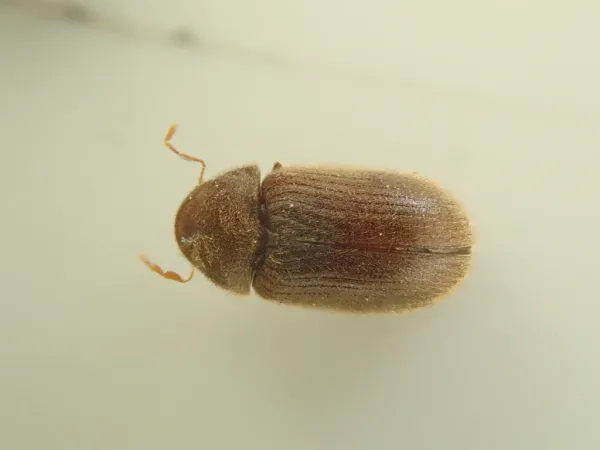
Drugstore Beetles Coloration
Common color patterns to help identify drugstore beetles
Drugstore Beetles
Seasonal Activity
When drugstore beetles are most active throughout the year

Where Drugstore Beetles Are Found
Hover over states to see their names. Green regions indicate where drugstore beetles have been reported.
Drugstore Beetle Identification Guide
Physical Characteristics
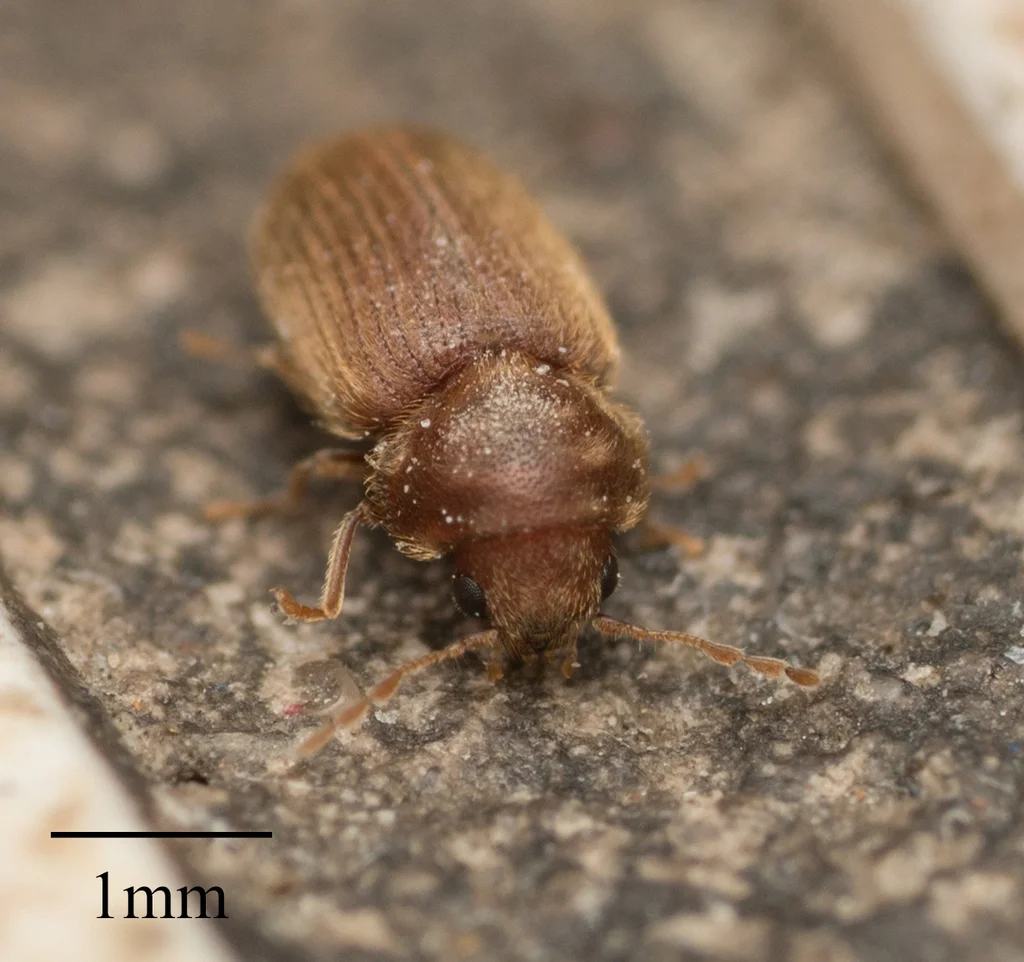
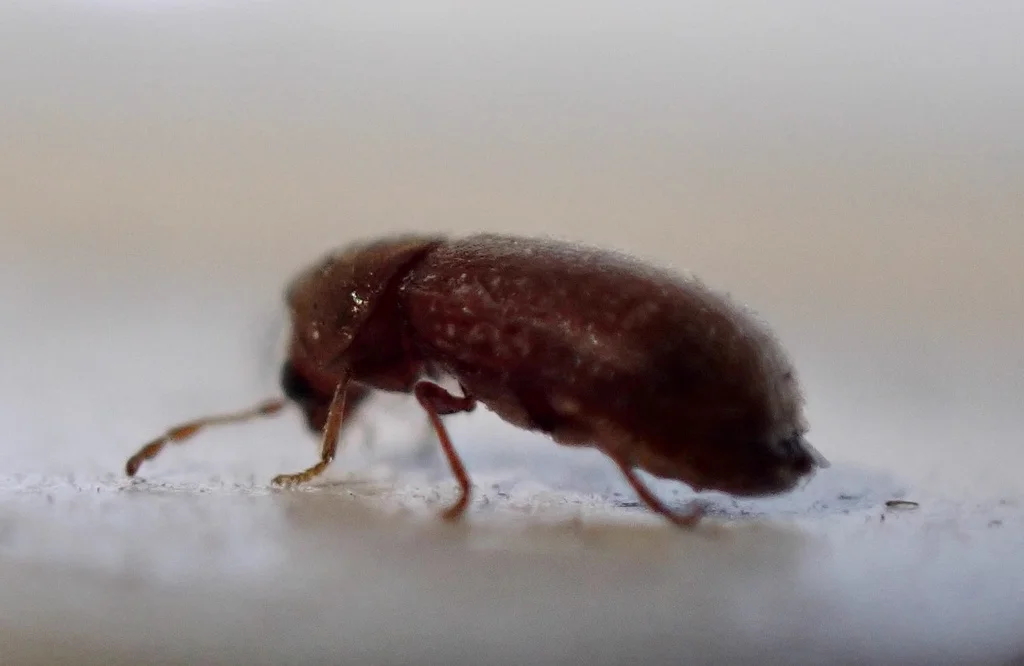
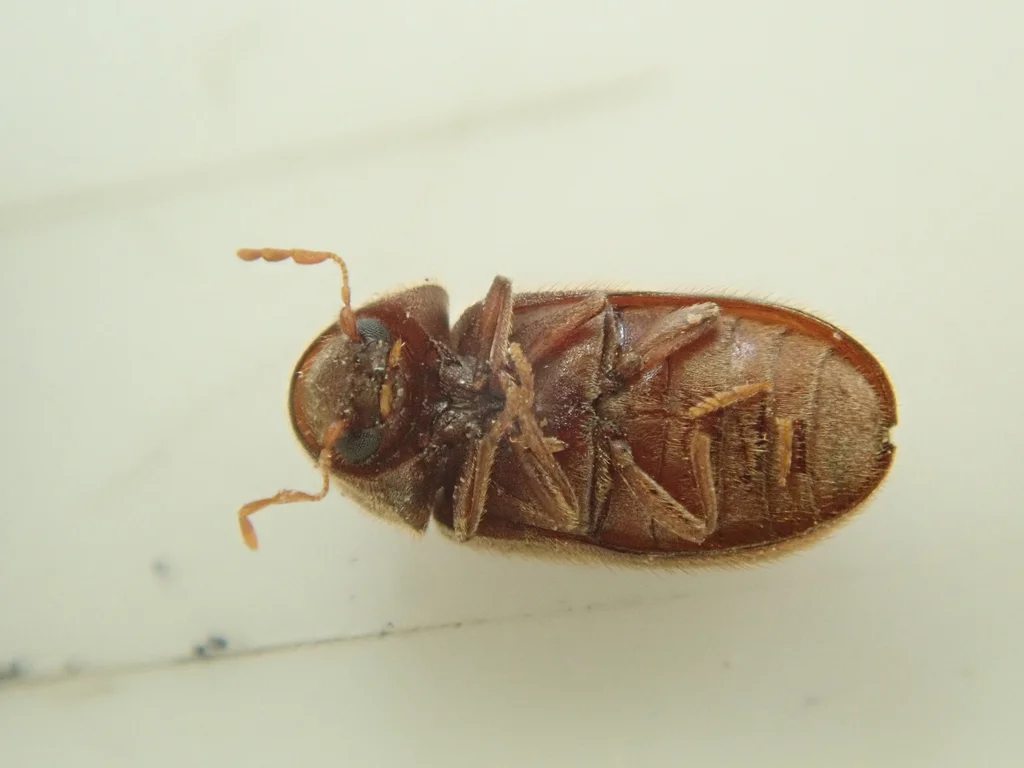
Drugstore beetles are small insects. They measure 2 to 4mm long and have a cylinder shape. Their color is a uniform reddish-brown to tan. Under a magnifier, you can see rows of tiny pits on their wing covers. These pits give the wings a lined look. This is one of their key features.
The head of a drugstore beetle hides under the thorax when you look from above. This gives them a hunched look. Their antennae end in a club shape with three flat segments. This is another way to tell them apart from other beetles.
Adult drugstore beetles can fly. This helps them spread to new food sources in your home. When scared, they play dead. They tuck their legs close to their body and stay still.
Drugstore beetle larvae look very different from adults. They are small, white grubs with a C-shape. As they grow, they look more like scarab beetle grubs. The larvae have a clear head and three pairs of legs near the front. You usually find them inside the food they are eating.
Telling Them Apart from Similar Pests
People often mix up drugstore beetles and cigarette beetles. They look alike and eat many of the same foods. Here are two ways to tell them apart:
Antennae shape: Drugstore beetles have clubbed antennae. The last three segments are flat and wide. Cigarette beetles have saw-tooth antennae.
Wing cover texture: Drugstore beetle wing covers have rows of small pits. This makes them look lined. Cigarette beetle wing covers are smooth.
Drugstore Beetle Behavior and Biology
Lifecycle and Development
Drugstore beetles go through four life stages: egg, larva, pupa, and adult. The full lifecycle usually takes less than two months. In cooler temps or with poor food, it can take up to seven months.
Eggs: Females lay up to 75 tiny white eggs on or near food. The eggs are too small to see without a magnifier. They hatch in one to two weeks.
Larvae: The larval stage lasts 4 to 20 weeks. This is when most damage happens. Larvae tunnel through food as they eat. They leave behind fine powder and debris. When fully grown, they build a small round cell to pupate in.
Pupae: This stage takes 12 to 18 days. The larva changes into an adult beetle inside its cell.
Adults: Adult females live 13 to 65 days. They mate and lay eggs during this time. Adults can fly and like to go toward lights. This is often when people first notice them.
Best conditions: These beetles grow best at about 85 degrees F with 60 to 90 percent humidity. They can grow between 60 and 93 degrees F. This means they do well year-round in heated homes.
Special Digestive Helpers
Drugstore beetles carry yeasts inside their bodies. These yeasts make B vitamins for the beetles. This lets them eat foods that are too low in nutrients for other insects. It is why they can infest so many different things.
What Do Drugstore Beetles Eat?
These beetles eat almost anything organic. People say they eat “anything but cast iron.” Common food sources include:
- Flour, bread, cookies, and baked goods
- Cereals, pasta, and rice
- Spices, herbs, and seasonings
- Pet food and birdseed
- Dried beans
- Chocolate and cocoa products
- Coffee and tea
- Dried fruits and nuts
- Pills and medications
- Vitamins and supplements
They can also damage non-food items:
- Books, papers, and cardboard
- Leather goods
- Wool and other natural fibers
- Dried flower displays
- Museum and science collections
They got their name because they often infest drugstores. There they eat dried herbs, pills, and medicines.
Where Do Drugstore Beetles Hide?
Problems usually start in one product. Then they spread to nearby items. Common hiding spots include:
- Pantry shelves with flour, cereals, or spices
- Spice racks and herb jars
- Medicine cabinets
- Pet food storage areas
- Baking supplies
- Old items in the back of cabinets
- Dried flower displays
- Bookcases with old books
Adult beetles often show up near windows and lights. They fly toward light sources.
Signs of a Drugstore Beetle Problem
Early Warning Signs
- Small holes in packaging: These beetles can chew through paper, cardboard, and thin plastic
- Fine powdery debris: Look for dusty residue near stored products
- Adult beetles near lights: Flying beetles near windows or lamps
- Beetles on shelves: Small brown beetles crawling in pantry or cabinets
- Larvae in food: White grubs in infested products
Where to Check
If you think you have drugstore beetles, check these areas:
- All flour, grain, and cereal products
- Spice jars, especially old ones
- Pet food bags and birdseed
- Stored medications and vitamins
- Dried herbs and tea
- Baking supplies like yeast and baking powder
- Items with dried plants or flowers
- Old books and papers
Treatment Methods for Drugstore Beetles
Good control means finding and getting rid of all infested items.
Source Removal
The key step is finding and removing infested products. This means:
- Checking every item in your pantry and spice cabinet
- Looking in medicine cabinets and vitamin storage
- Checking pet food and birdseed
- Looking at dried flowers and other decor
- Throwing away anything with signs of beetles
Put infested items in plastic bags before you throw them out. This stops beetles from spreading.
Cleaning
After you remove infested items:
- Vacuum all shelves, cracks, and corners well
- Wipe down surfaces with soap and water
- Pay close attention to shelf edges and brackets
- Clean inside cabinet hinges and hardware
- Vacuum any spilled food from floors
Temperature Treatment
For items you want to save:
Freezing: Put items at 0 degrees F for at least 7 days. You can also freeze at 25 degrees F for 7 days or 32 degrees F for 16 days. This kills all life stages.
Heating: Heat items to 120 degrees F for 16 to 24 hours. Or heat to 190 degrees F for one hour. Use an oven on low with a thermometer to check the temp.
Prevention
To stop future problems:
- Store foods in airtight glass or thick plastic containers
- Buy smaller amounts of items you use slowly
- Check dates and use older items first
- Look at products before buying for signs of damage
- Keep pantry and storage areas clean and dry
- Seal cracks and gaps in shelves and cabinets
When to Call a Professional
If you find beetles in many places, or they keep coming back, you may need help. Pest control pros can apply treatments to cracks and crevices. They can use products that stop beetles from breeding. They can also find hidden sources of the problem.
References and Further Reading
Other Other Pests
Explore other species in the other pests family
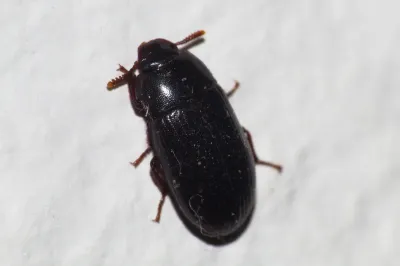
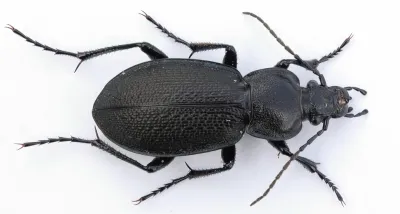
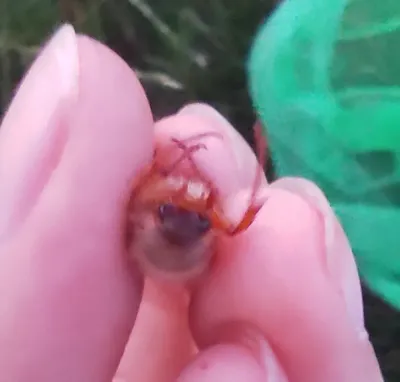
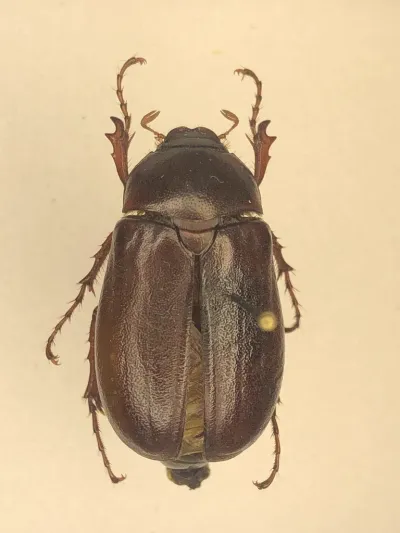
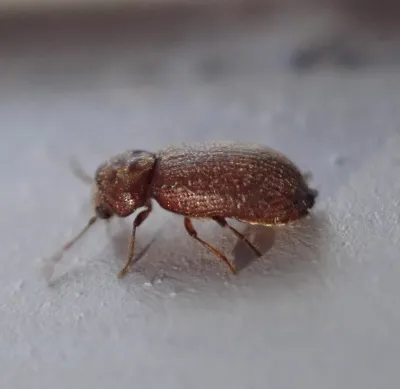
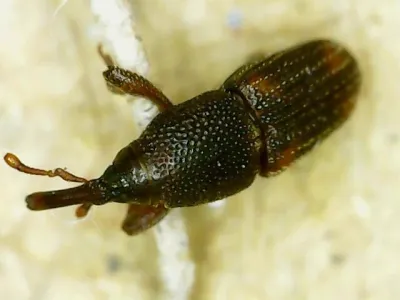
Commonly Confused With
Drugstore Beetles are often mistaken for these similar pests
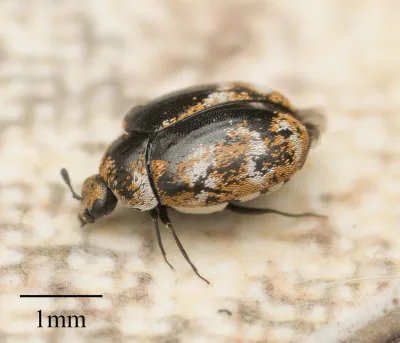
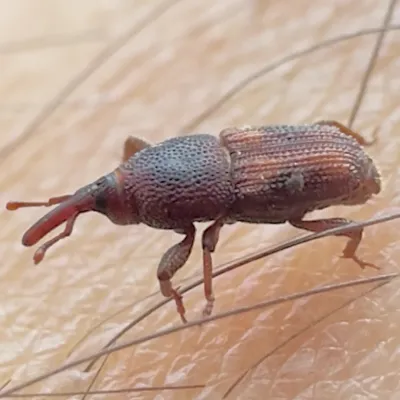
Where Drugstore Beetles Are Found
Hover over states to see their names. Green regions indicate where drugstore beetles have been reported.
Common Questions about Drugstore Beetles
What do drugstore beetles look like?
+
Drugstore beetles are small, cylindrical insects about 2-4mm long. They are uniformly reddish-brown to tan in color. Their wing covers have rows of fine pits that create a striated or lined appearance. The antennae end in a distinct three-segmented club. Their head is tucked under the thorax, giving them a hunched look.
Are drugstore beetles harmful to humans?
+
Drugstore beetles do not bite or transmit diseases to humans. However, eating food contaminated by drugstore beetles can cause digestive upset. Their main impact is the damage they cause to stored foods, medicines, and household products. They can ruin pantry items and are difficult to eliminate once established.
How do drugstore beetles get into my house?
+
Drugstore beetles usually enter homes inside infested products from the grocery store or pharmacy. They can also fly in through open windows and doors, especially in warmer months. Once inside, they spread to other susceptible products in your pantry, spice cabinet, or medicine cabinet.
What attracts drugstore beetles to my home?
+
Drugstore beetles are attracted to a wide variety of dried organic materials. This includes flour, bread, cereals, pasta, spices, dried herbs, pet food, and even prescription medications. They can also infest leather, wool, books, and dried flower arrangements. Older or improperly stored products are most at risk.
How do I know if I have drugstore beetles?
+
Signs of drugstore beetles include small holes in food packaging, fine powdery debris near stored products, and small brown beetles crawling on shelves or flying near lights. You may also find their white, grub-like larvae inside infested products. Check spices, flour, cereals, pet food, and medicines.
What is the difference between drugstore beetles and cigarette beetles?
+
Drugstore beetles and cigarette beetles look very similar but have key differences. Drugstore beetles have clubbed antennae with three flattened segments at the tip, while cigarette beetles have serrated antennae like saw teeth. Drugstore beetle wing covers have visible rows of pits, giving them a lined look. Cigarette beetle wing covers are smooth.
How long does it take to get rid of drugstore beetles?
+
Getting rid of drugstore beetles typically takes 2-4 weeks with proper treatment. You must find and discard all infested products first. Then clean all storage areas thoroughly. The lifecycle can last up to 7 months under poor conditions, so ongoing monitoring is important to catch any beetles you missed.

With five years of hands-on experience in the pest control industry, George Schulz is a registered technician with the Virginia Pest Management Association and a proud third-generation professional in a family business that's been protecting homes for over 57 years. He manages and trains a team of service pros while also leading internal research efforts—recently spearheading a deep-dive review of thousands of documents on pest control materials to hand-pick the most kid and pet friendly, most effective solutions tailored specifically for homes in the DC metro area.