Winter Moth Identification Guide
Operophtera brumata
The winter moth is an invasive defoliating pest that causes significant damage to deciduous trees in late autumn and early spring. Their caterpillars feed aggressively on expanding leaf buds, flowers, and new foliage of oaks, maples, and fruit trees.
Taxonomy
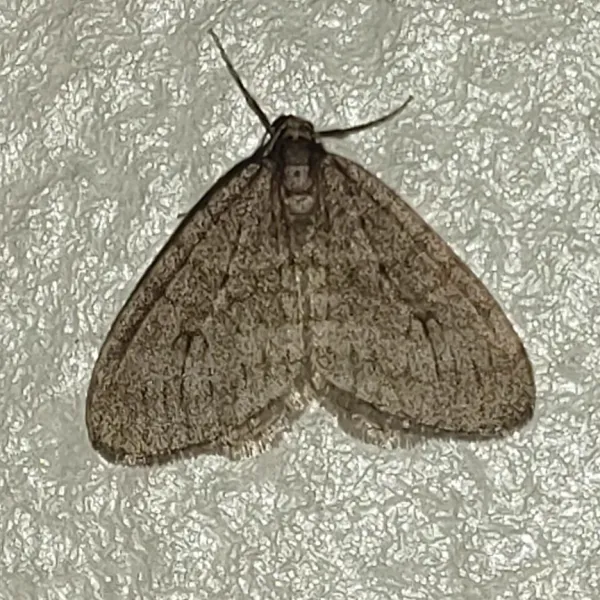
Winter Moth Coloration
Common color patterns to help identify winter moth
Winter Moth
Seasonal Activity
When winter moth are most active throughout the year

Where Winter Moth Are Found
Hover over states to see their names. Green regions indicate where winter moth have been reported.
Winter Moth Identification Guide
Physical Characteristics
Winter moths are small moths in the family Geometridae. This is the same family as inchworms and measuring worms. The males and females look very different from each other.
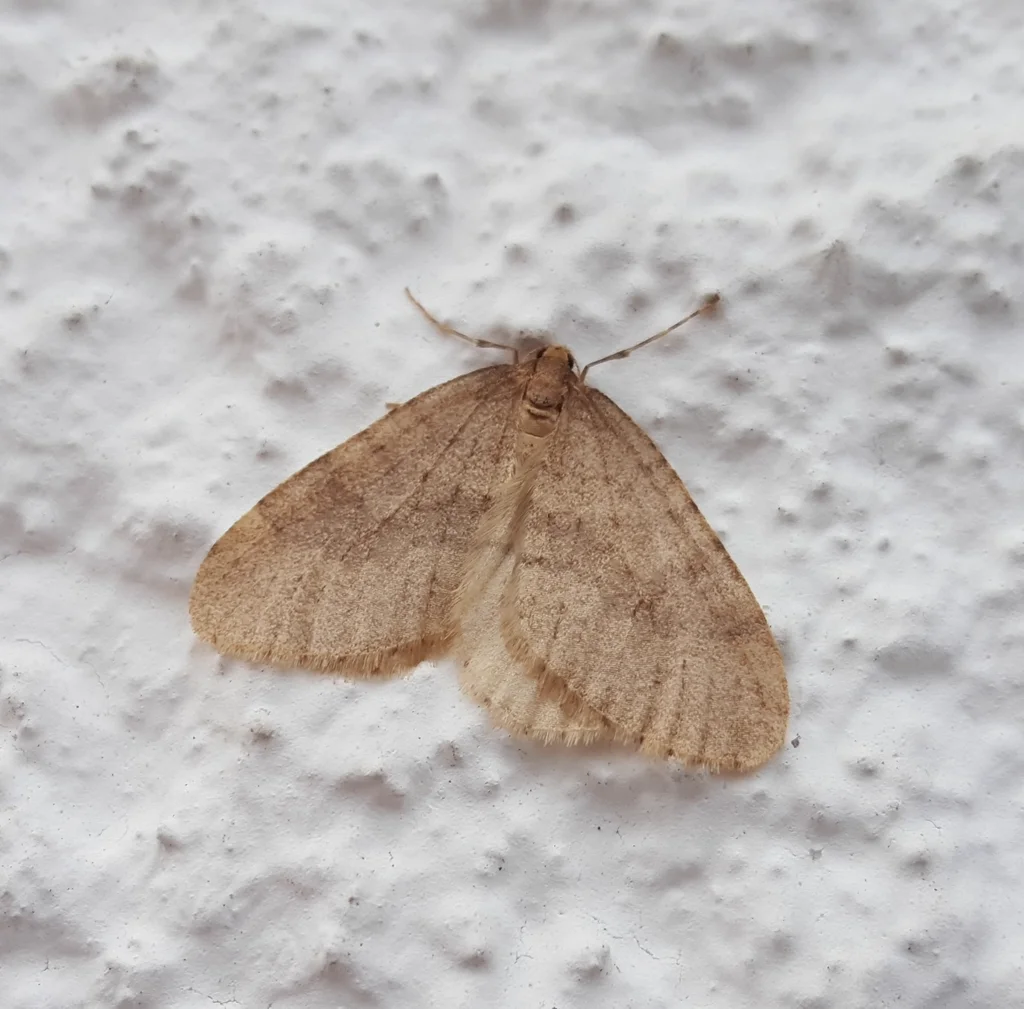
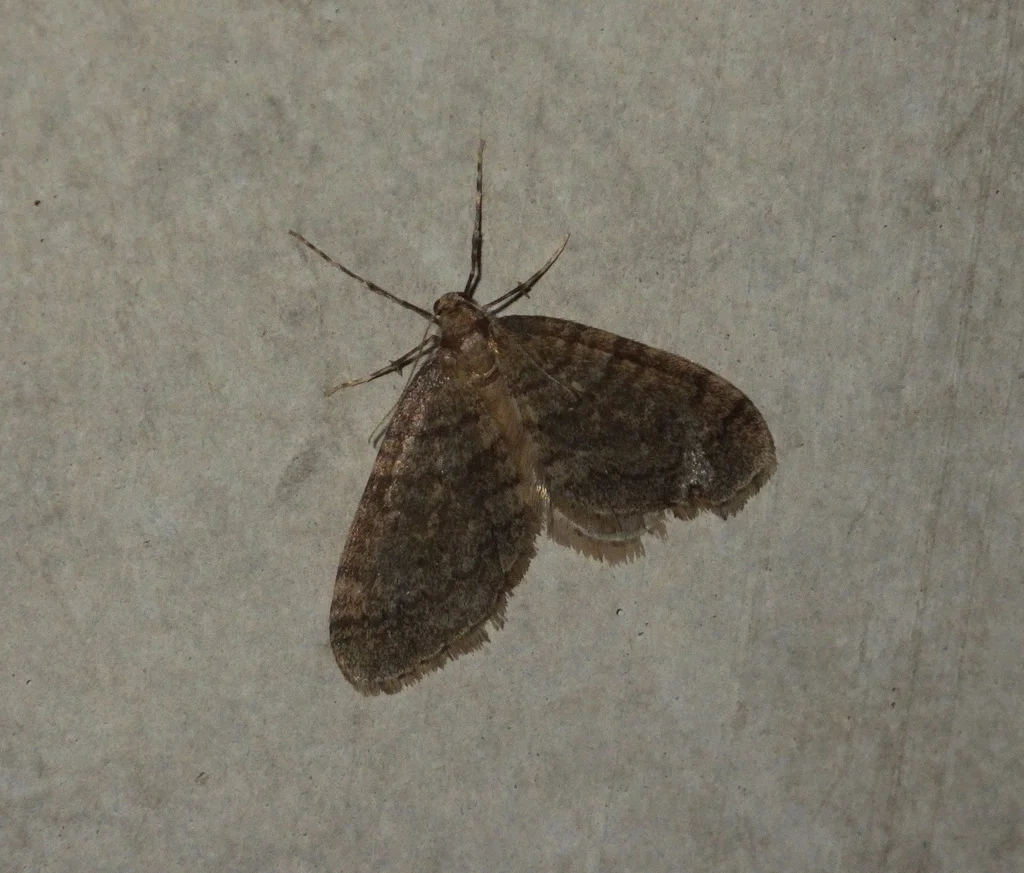
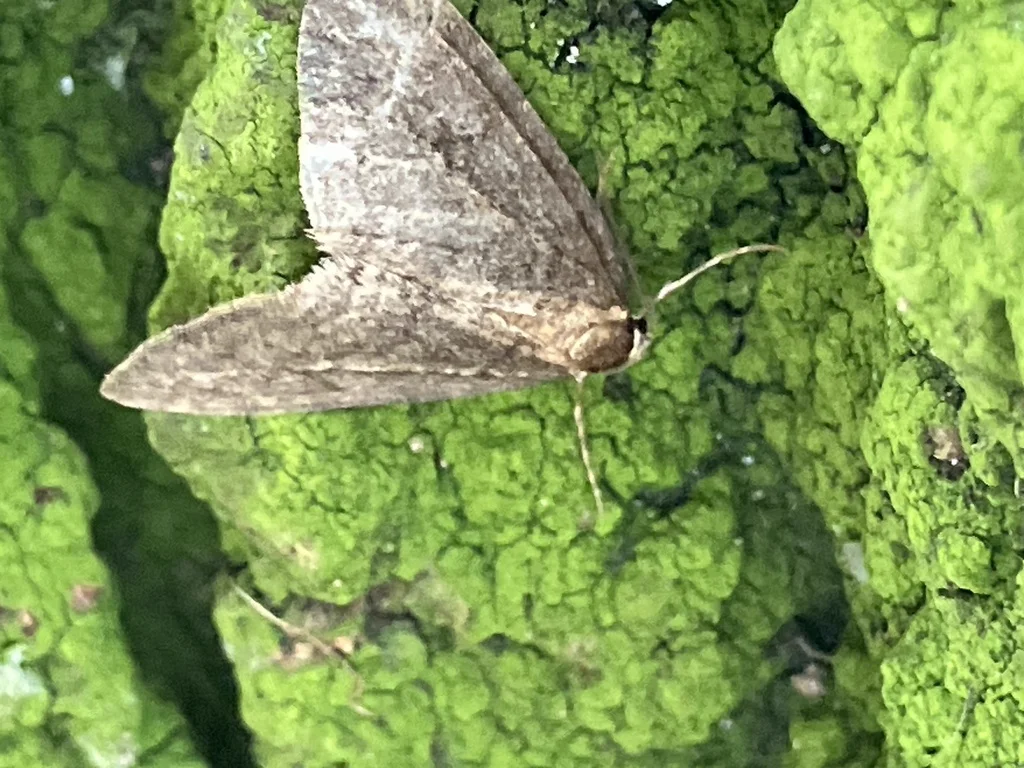
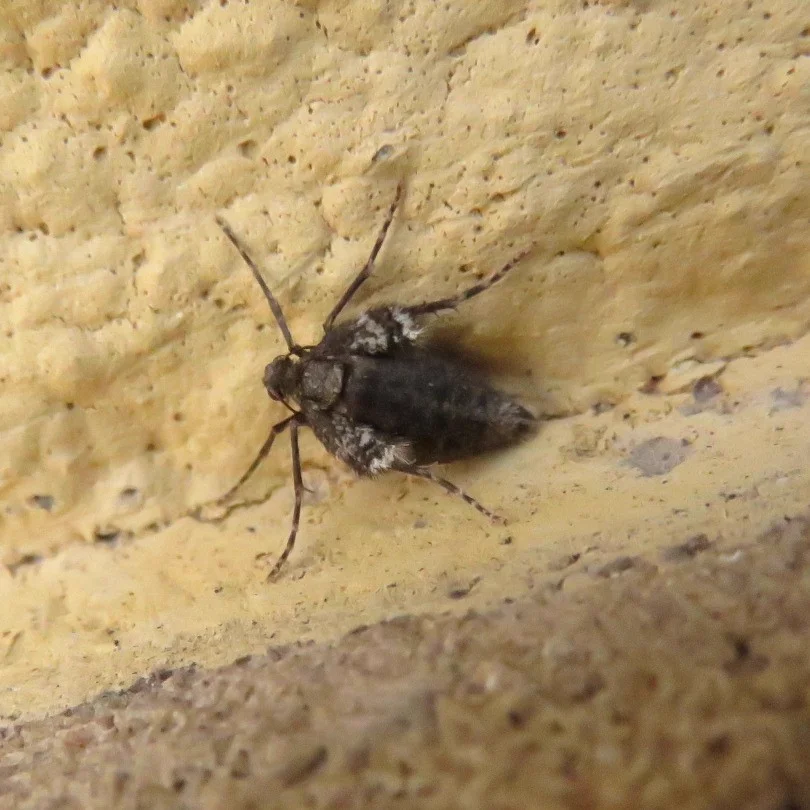
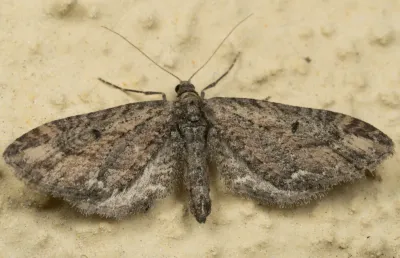
Male winter moths have fully developed wings that span 25 to 28mm across. The forewings are pale gray to tan-brown with faint darker bands. The patterns are often faint. Colors may vary from yellowish to slightly reddish tones. The hindwings are paler gray. Males are strong fliers. They are drawn to lights during winter nights.
Female winter moths are nearly wingless. They have only small gray-brown wing stubs. These stubs cannot support flight. Their bodies are brownish-gray with a plump, round shape. Females must climb trees on foot to lay their eggs. Body length for both sexes is about 8 to 10mm.
Winter Moth Caterpillars
The larvae are the damaging stage. Winter moth caterpillars are classic inchworms or loopers. They have only two pairs of prolegs at the rear instead of the usual five pairs. This gives them their looping crawl.
Newly hatched larvae are tiny. They are less than 2mm long and blackish in color. As they feed and grow, they become pale green. Faint white stripes run down each side. Full grown caterpillars reach about 19mm, or three-quarters of an inch, in length.
The caterpillars produce silk threads and can “balloon” on the wind to spread to new locations. You may see them dangling from trees on silk strands in late spring.
Similar Species
Winter moths are often confused with several other caterpillar pests:
Bruce Spanworm (Operophtera bruceata): A native North American species closely related to winter moth. Adults look nearly the same. The two species can even crossbreed. Bruce spanworm caterpillars also feed on trees but cause less damage.
Fall Webworms: Make large silk nests on branch tips in late summer. Winter moth caterpillars feed in spring and do not build tents.
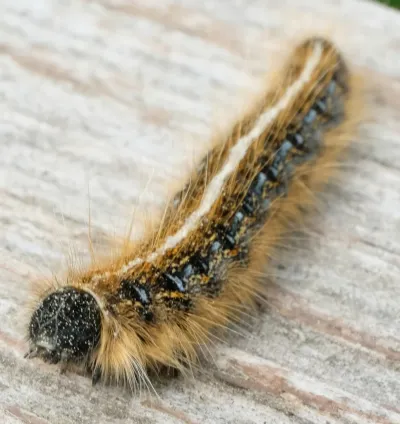
Eastern Tent Caterpillars: Build silk tents in branch forks in spring. They have a distinctive stripe down their back and are hairy, unlike the smooth winter moth caterpillar.
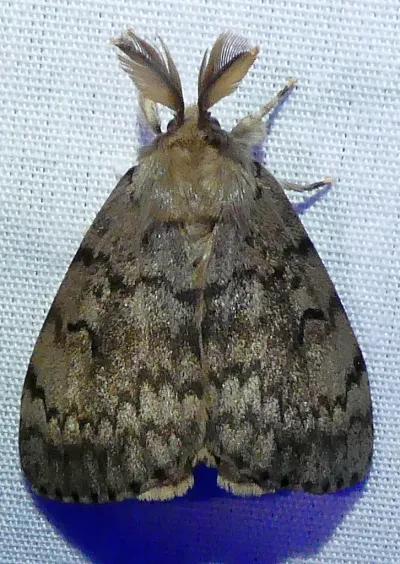
Spongy Moth Caterpillars: Larger, hairy caterpillars with rows of colored spots. They feed later in spring and are easily distinguished from the smooth green winter moth larvae.
Winter Moth Behavior and Biology
Unusual Lifecycle
Winter moths have a life cycle adapted to cold weather. Most moths are active in summer. Winter moth adults emerge from late November through January instead. The exact timing depends on location and temperatures.
Adult emergence: Moths emerge from pupae in the soil when temperatures stay cool. Males fly on mild evenings when temperatures reach 40 to 50 degrees F. Females cannot fly, so they climb tree trunks instead.
Mating and egg laying: Males find females by following scent trails. After mating, females lay clusters of eggs in bark cracks, under lichens, and near leaf buds. Each female lays 150 to 350 eggs.
Eggs overwintering: The eggs stay dormant through winter in bark cracks. They are reddish-orange when first laid. They turn darker over winter. A related species, Armyworms, shares similar characteristics.
Spring hatch: Eggs hatch in early spring after several days of temperatures around 50 degrees F. The tiny larvae burrow into swelling leaf buds and begin feeding. A related species, Fall Webworms, shares similar characteristics.
Larval feeding: Caterpillars feed for about six weeks from late March through May. They start inside buds, then feed on expanding leaves and flowers. As they grow, they consume increasing amounts of foliage.
Pupation: In late May or June, mature caterpillars drop to the ground on silk threads. They burrow into the soil and spin loose cocoons to pupate. They stay underground through summer and fall. They emerge as adults in late autumn.
Host Trees and Damage
Winter moth caterpillars feed on many types of deciduous trees. Their preferred hosts include:
- Oak (especially white oak and red oak)
- Maple (sugar maple, red maple, Norway maple)
- Apple and crabapple
- Cherry and plum
- Blueberry
- Elm
- Ash
- Basswood
- Birch
The damage is most severe on fruit trees and ornamental trees in landscapes. Caterpillars bore into flower buds before they open. This destroys the fruit crop before it can develop. On shade trees, heavy feeding can remove all leaves by late spring.
Trees can usually survive one year of complete defoliation. They produce a second flush of leaves in summer. However, this uses up their energy reserves. Repeated defoliation over two or three years in a row can kill trees. This is more likely if the trees also face drought or other stresses.
Signs of Winter Moth Infestation
Winter Signs (November-January)
- Small tan or gray moths flying around outdoor lights on mild evenings
- Moths clustering on lit windows and door frames
- Wingless females climbing tree trunks after dark
- Mating pairs on tree bark
Spring Signs (March-May)
- Tiny holes in expanding leaf buds
- Small green caterpillars inside buds or on young leaves
- Silk threads on branches and between leaves
- Ragged, lacy leaves with many feeding holes
- Caterpillars dangling from trees on silk threads
- Frass, or caterpillar droppings, on lower leaves and ground
- Partial to complete defoliation of trees by late May
Treatment Methods for Winter Moths
Winter moth control is most effective when multiple methods are combined over time.
Physical and Cultural Controls
Sticky tree bands: Wrapping tree trunks with sticky bands in late October traps female moths as they climb to lay eggs. This can greatly reduce egg laying on treated trees. Bands should be several inches wide. Place them 4 to 5 feet above ground. Check and replace bands if they become covered with debris.
Trunk wraps: Barriers around tree trunks block climbing females. These work best on smooth-barked trees and young trees.
Removing egg masses: Scraping egg clusters from bark in late winter destroys them before they hatch. Focus on areas under bark flaps and around lichens where females lay eggs.
Biological Controls
Bacillus thuringiensis (Bt): This naturally occurring bacterium is highly effective against young caterpillars when applied in early spring just as buds are opening. Bt must be eaten to work, so thorough coverage is important. It targets only caterpillars and does not affect birds or mammals.
Parasitic fly: A tachinid fly called Cyzenis albicans has been released in some areas for biological control. The fly larvae attack winter moth caterpillars. This program has helped reduce winter moth populations in Massachusetts and other New England states.
Horticultural Oil
Dormant oil sprays applied to tree trunks and branches in early April can kill overwintering eggs. This works best when applied before eggs hatch. Some eggs under bark or lichens may survive.
Integrated Approach
The most successful control combines monitoring, early spring treatment, and ongoing tree care:
- Monitor for adult moths in late fall to know if treatment is needed
- Apply sticky bands in October before adults emerge
- Apply Bt spray when buds begin opening in spring
- Remove and destroy fallen leaves that may contain pupae
- Maintain tree health with proper watering and care
- Repeat monitoring and treatment annually until populations decline
Professional Arborist Care
For valuable landscape trees and orchards, professional arborists can provide:
- Proper timing of spray applications
- Trunk injection treatments for large trees
- Monitoring and population assessment
- Long-term management planning
Prevention Tips
It is easier to prevent winter moths than to control them once they are established:
- Inspect trees for eggs in late winter before purchasing
- Avoid moving firewood from infested areas
- Report new sightings to your state forestry department. Browntail moths are another invasive defoliating moth found in New England
- Maintain tree health so trees can recover from defoliation
- Consider resistant tree species when planting new landscapes
Distribution and Spread
Winter moths are native to Europe and the Near East. They were accidentally introduced to North America, first appearing in Nova Scotia, Canada in the 1930s.
The pest has since spread through:
- Nova Scotia and New England, established since the 1930s
- Massachusetts, Rhode Island, and Connecticut with severe outbreaks since the early 2000s
- Eastern New York, New Jersey, and Pennsylvania where it continues to spread
- Pacific Northwest including Oregon, Washington, and British Columbia from a separate introduction
Winter moths continue to expand their range. Climate and available host trees determine where they can establish. For an overview of how to tell moths apart from butterflies, see our moth vs butterfly identification guide. Northern regions with cold winters and many hardwood forests are most at risk.
References and Further Reading
Other Moths
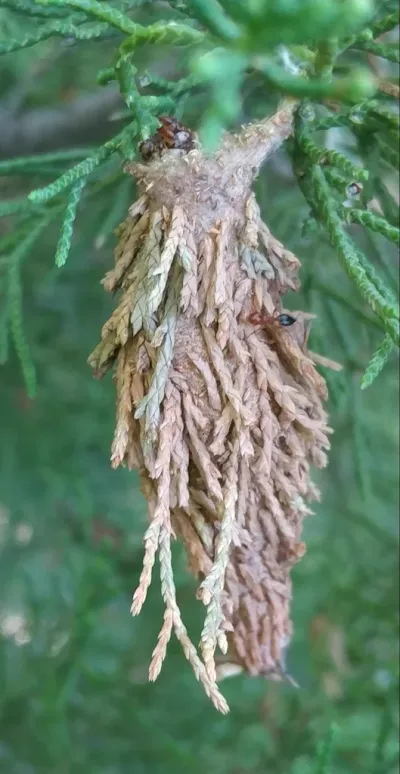
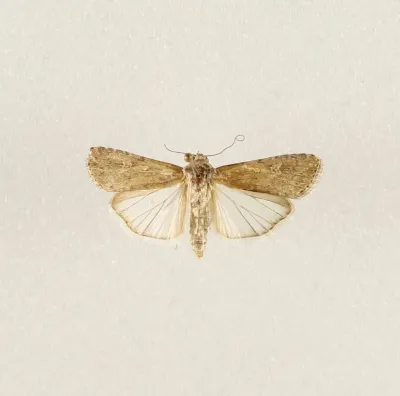
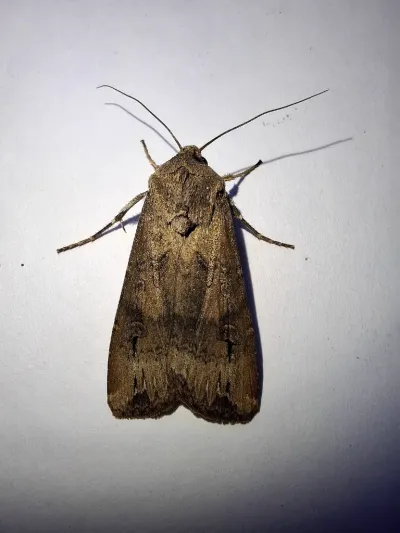
Explore other species in the moths family
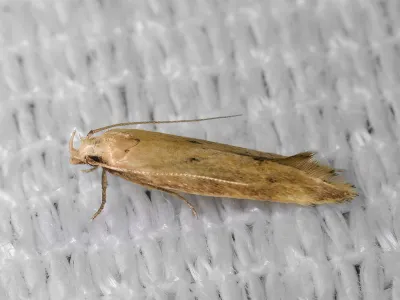
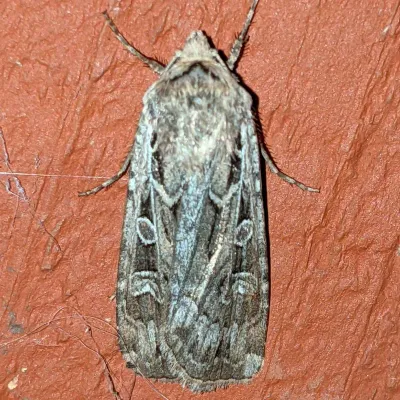
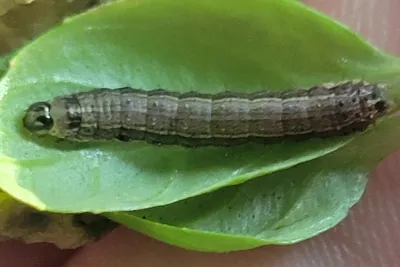
Commonly Confused With
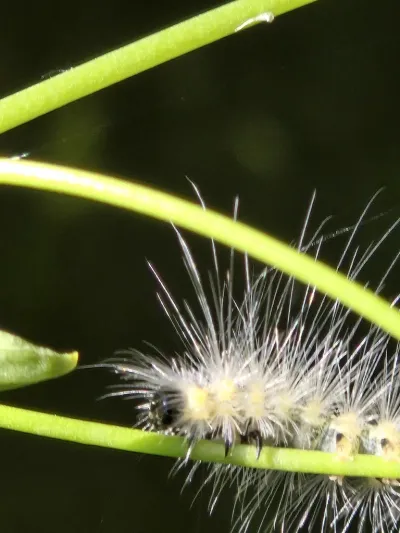
Winter Moth are often mistaken for these similar pests
Where Winter Moth Are Found
Hover over states to see their names. Green regions indicate where winter moth have been reported.
Common Questions about Winter Moth
What do winter moths look like?
+
Male winter moths have pale gray to tan-brown wings with faint darker bands, spanning about 25-28mm. They look like typical small moths. Female winter moths are nearly wingless with only small wing stubs and cannot fly. Both sexes have bodies about 8-10mm long. The caterpillars are pale green inchworms with white stripes down their sides.
When are winter moths active?
+
Winter moths are unusual because adults emerge and mate in late autumn through early winter, typically November through January. This is when you may see males flying around lights on mild evenings. The caterpillars hatch and feed in early spring, from late March through May, when tree buds are opening.
What damage do winter moths cause?
+
Winter moth caterpillars cause significant defoliation of deciduous trees. They bore into expanding leaf buds and flower buds before they open, then feed on leaves as they unfold. Heavy infestations can strip trees of all their leaves and destroy fruit crops. Repeated defoliation over several years can weaken and kill trees.
What trees do winter moths attack?
+
Winter moths prefer oaks, maples, and fruit trees like apple, cherry, and blueberry. They also attack elm, ash, crabapple, basswood, and many other deciduous species. Conifers are not affected. Trees in forests, landscapes, and orchards are all at risk in infested areas.
Are winter moths invasive?
+
Yes. Winter moths are native to Europe and were accidentally introduced to North America. They first appeared in Nova Scotia in the 1930s and have since spread through New England and into the Pacific Northwest. They are considered a serious invasive pest that can cause severe tree damage.
How do I know if I have winter moths?
+
Look for small moths flying around lights on warm winter evenings from November to January. In spring, check tree buds for tiny green caterpillars and look for silk threads on branches. By late spring, extensive defoliation and green caterpillars hanging on silk threads are clear signs of infestation.
Can winter moths be controlled?
+
Yes, several methods can reduce winter moth populations. Sticky bands around tree trunks trap wingless females climbing to lay eggs. Early spring sprays of Bacillus thuringiensis (Bt) kill young caterpillars. A parasitic fly released for biological control has helped reduce populations in some areas. Professional arborists can provide targeted treatments.

With five years of hands-on experience in the pest control industry, George Schulz is a registered technician with the Virginia Pest Management Association and a proud third-generation professional in a family business that's been protecting homes for over 57 years. He manages and trains a team of service pros while also leading internal research efforts—recently spearheading a deep-dive review of thousands of documents on pest control materials to hand-pick the most kid and pet friendly, most effective solutions tailored specifically for homes in the DC metro area.