White-marked Tussock Moth Identification Guide
Orgyia leucostigma
The white-marked tussock moth is a native North American insect known for its striking caterpillars. The larvae have distinctive white tufts, black hair pencils, and can defoliate a wide variety of trees in urban landscapes and forests.
Taxonomy
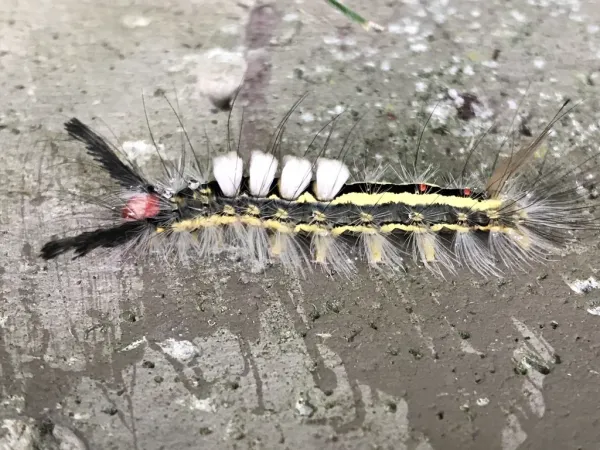
White-marked Tussock Moth Coloration
Common color patterns to help identify white-marked tussock moth
White-marked Tussock Moth
Seasonal Activity
When white-marked tussock moth are most active throughout the year

Where White-marked Tussock Moth Are Found
Hover over states to see their names. Green regions indicate where white-marked tussock moth have been reported.
White-marked Tussock Moth Identification Guide
The white-marked tussock moth lives throughout the eastern United States and Canada. The adult moths look plain, but the caterpillars stand out. They have bright colors, white hair tufts, and long black hair pencils that make them easy to spot.
This species does not usually cause major forest damage. However, populations can spike suddenly and cause problems. During outbreaks, caterpillars strip leaves from shade trees, yard trees, and ornamental plants.
Physical Characteristics
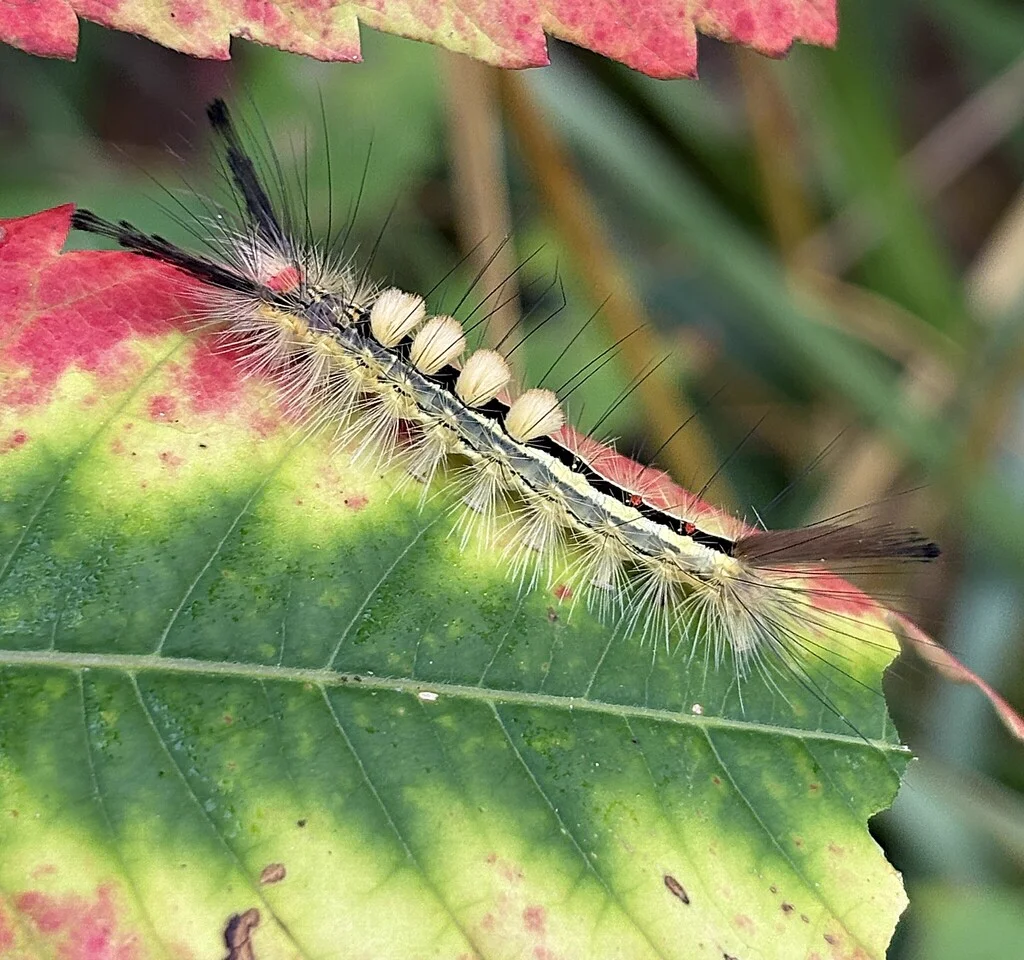
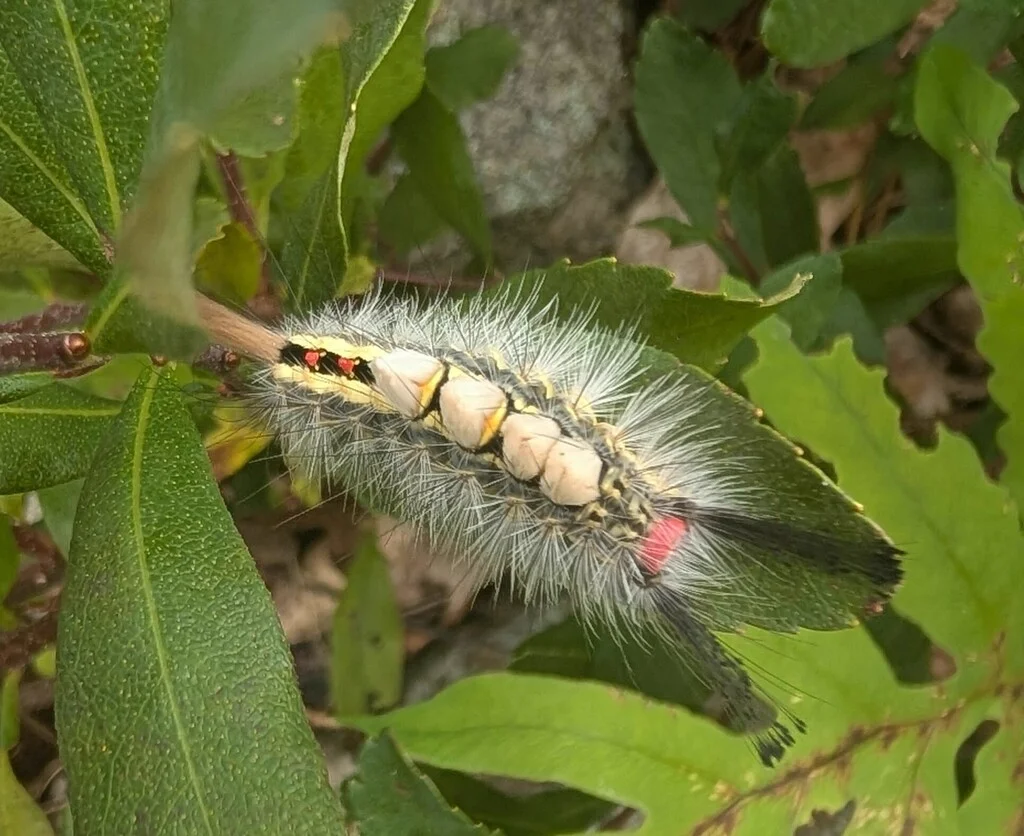
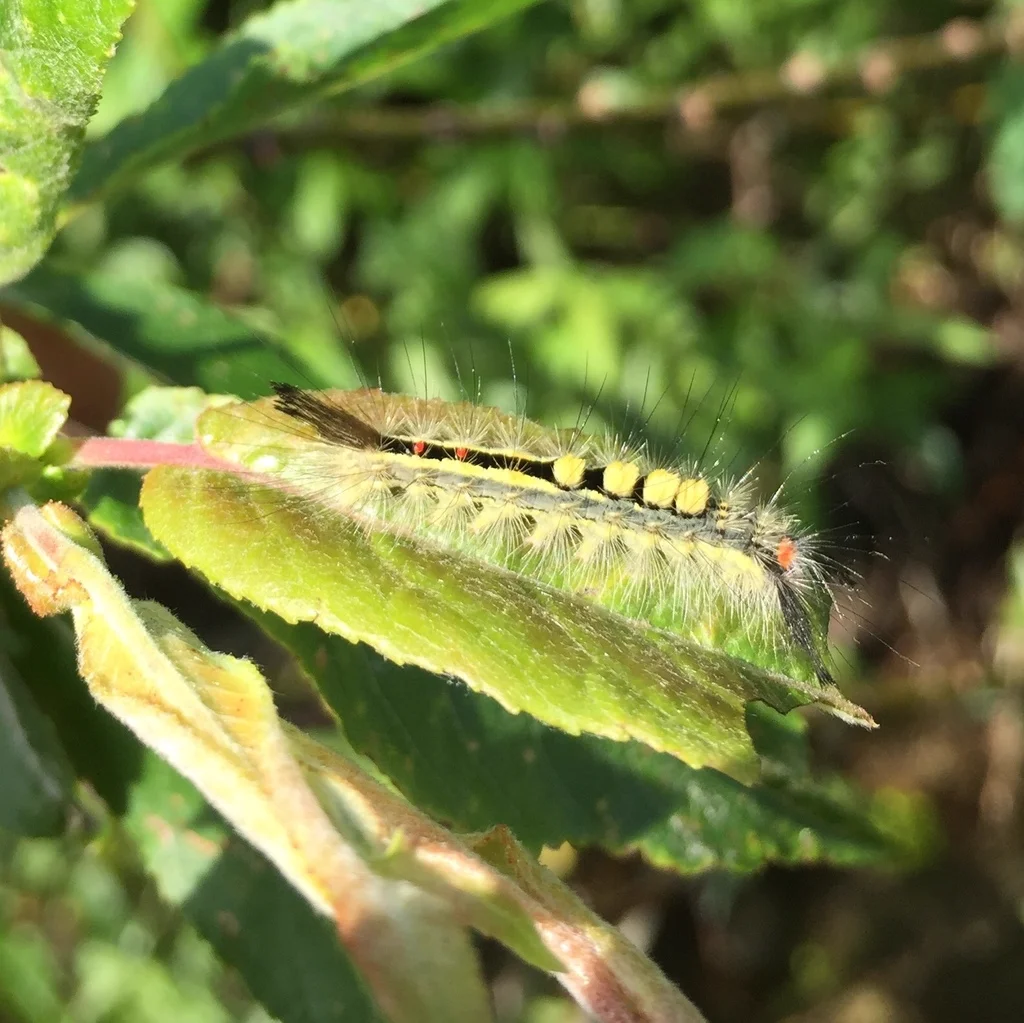
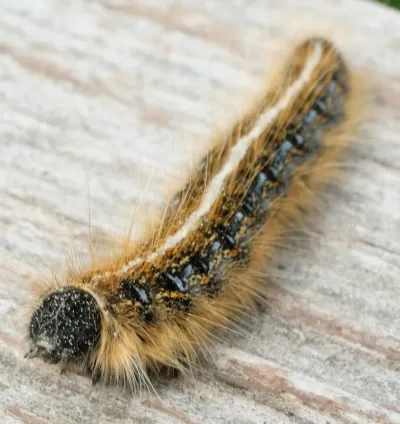
Caterpillars: These caterpillars are easy to identify. Full-grown larvae reach about 1.25 inches long. Look for these features:
- A red to orange head capsule
- A yellow body with a black stripe running down the middle of the back
- Yellow stripes on either side of the black central stripe
- Four dense tufts of white to cream-colored hair on the back (on abdominal segments 1-4)
- Two long black hair pencils extending forward beyond the head like antennae
- One black hair pencil at the rear
- Two bright red or orange glands near the rear end
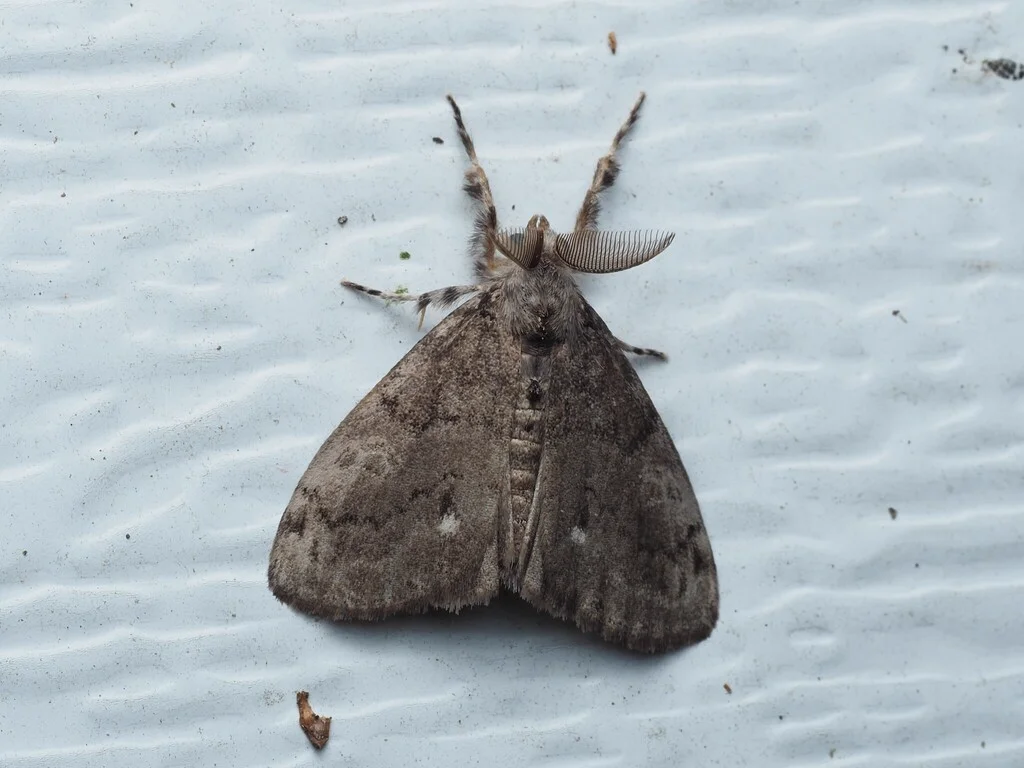
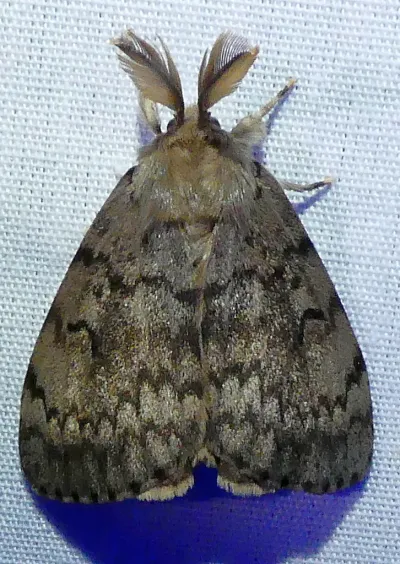
Adult Males: Male moths have a wingspan of about 1 to 1.2 inches. Their wings are gray to brown with darker wavy lines and a white spot on each forewing. Males have large, feathery antennae that help them find females.
Adult Females: Female moths look very different from males. They have no wings and are about half an inch long. White or gray hairs cover their bodies. After leaving the cocoon, they stay in place and lay eggs in a white foamy mass on the cocoon.
Egg Masses: Females lay about 300 eggs in a white foamy mass. The mass sticks to the cocoon and may include hairs from the female’s body.
Cocoons: The pupae grow inside gray cocoons made from silk and caterpillar hairs. Look for cocoons on tree trunks, branches, bark, and nearby structures.
Similar Species
People sometimes mix up white-marked tussock moth caterpillars with other hairy caterpillars:
- Spongy moth caterpillars: Have blue and red dots but no white tufts or hair pencils
- Hickory tussock moth caterpillars: Have white tufts but lack the yellow body and red glands
- Tent caterpillars: Build silk tents and have no tufts or hair pencils
White-marked Tussock Moth Behavior and Biology
Life Cycle
White-marked tussock moths spend the winter as eggs. Here is how their life cycle works:
Eggs: Eggs stay dormant through winter inside the foamy mass laid by the female. Each mass holds about 300 eggs. They hatch in spring when leaves start to grow, usually from April through June.
Larvae: Tiny caterpillars hatch and may float to new trees on silk threads carried by the wind. Young larvae eat the soft parts of leaves between the veins. As they grow and molt, they eat whole leaves except for the main veins. This stage lasts several weeks.
Pupae: Full-grown caterpillars spin gray cocoons from silk and their own body hairs. Look for cocoons on twigs, branches, bark, and nearby structures. This stage lasts about two weeks. A related species, Armyworms, shares similar characteristics.
Adults: Moths come out and mate. Males fly around while females stay near their cocoons and release scents to attract males. After mating, females lay one egg mass and die within a few days. There may be one to three generations per year. A related species, Fall Webworms, shares similar characteristics.
Feeding Habits
White-marked tussock moth caterpillars eat many types of plants. They feed on at least 140 species of woody plants, both leafy trees and evergreens. This wide diet lets them thrive in many areas.
Preferred host plants include:
- Apple and crabapple
- Birch
- Black locust
- Cherry
- Elm
- Hackberry
- Hickory
- Oak (various species)
- Rose
- Chestnut
- Willow
Conifer hosts include:
- Fir
- Hemlock
- Larch
- Spruce
Young caterpillars feed on the leaf surface, creating a skeletonized appearance. Older caterpillars eat entire leaves, leaving only the midrib and larger veins.
Population Patterns
White-marked tussock moth numbers change a lot from year to year. You may not notice them for years, then suddenly see large numbers in an area. The closely related Douglas-fir tussock moth follows similar population cycles in western forests. Outbreaks usually last several years before crashing. Viral diseases often spread through crowded caterpillar populations and cause these crashes.
Tree Damage and Concerns
Defoliation Effects
White-marked tussock moths do not usually cause major forest damage. But during outbreaks, they can cause problems in several settings:
- Yard and park trees: Shade trees may lose most of their leaves
- Orchards: Apple and other fruit trees can lose many leaves
- Christmas tree farms: Feeding damage and caterpillars hurt tree quality
- Blueberry farms: Crops may suffer damage
Most healthy trees bounce back from one year of leaf loss. But losing leaves for several years in a row, along with drought or other stress, can weaken or kill trees.
Skin Irritation Risk
The hairs on white-marked tussock moth caterpillars and cocoons can cause skin reactions:
- Redness and welts: Touching them can cause a rash-like reaction
- Itching: This is common, especially in children
- Lasting effects: Old cocoons can still cause reactions for over a year after the moth leaves
Children often find these caterpillars on playground gear, fences, and tree trunks. Teach children not to touch hairy caterpillars to avoid skin problems.
Note: This is general information. If you have a skin reaction, see a doctor for medical advice.
Treatment Methods for White-marked Tussock Moths
Several methods can help control white-marked tussock moth problems. The best approach depends on how bad the problem is.
Physical Removal
Egg mass removal: In fall, winter, or early spring, scrape egg masses off trees and structures. Put them in soapy water and let them soak for 24-48 hours before throwing them away. This cuts down on the number of caterpillars that hatch.
Cocoon removal: Take cocoons off trees and structures in fall and winter. Wear gloves even with old cocoons to avoid skin irritation from the hairs.
Hand picking: For small problems on low plants, pick off caterpillars and drop them in soapy water. Wear gloves to protect your hands from the irritating hairs.
Biological Products
Bacillus thuringiensis (Bt): This product made from bacteria kills caterpillars when they eat treated leaves. It works best on young, small caterpillars that are actively feeding.
Population cycles: Wasps, flies, and diseases affect caterpillar numbers over time. Outbreaks often crash on their own after a few years.
Chemical Products
For valuable trees or bad infestations, insecticide sprays may help. Products with carbaryl, pyrethroids, or other labeled ingredients work when applied while caterpillars are feeding. Always follow label directions.
When to Call a Professional
Contact an arborist or pest control professional when:
- Valuable trees have lost leaves for multiple years
- You see large numbers of caterpillars
- You need help telling this species apart from others
- Tall trees need treatment
Prevention Tips
Stop problems before they start with these steps:
- Look for egg masses: Check trees, fences, and outdoor structures in fall and winter for white foamy egg masses
- Remove cocoons: Clean old cocoons off structures before eggs hatch
- Check new plants: Look for egg masses on new trees and shrubs before planting
- Keep trees healthy: Water trees during dry spells so they recover better from leaf loss
- Target treatments: Spray caterpillars directly rather than treating whole areas
- Stay alert: If neighbors see lots of caterpillars, check your trees early in spring
References
Other Moths
Explore other species in the moths family
Commonly Confused With
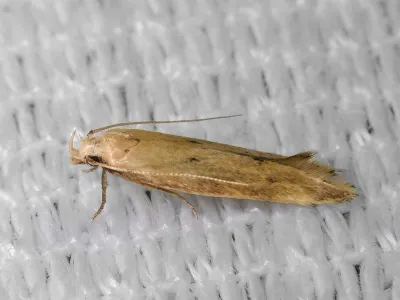
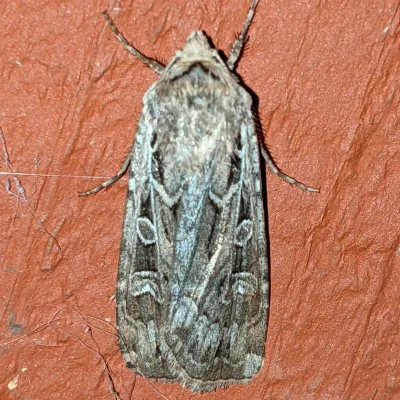
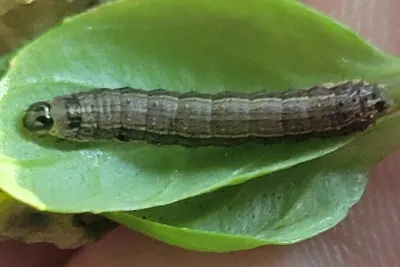
White-marked Tussock Moth are often mistaken for these similar pests
Where White-marked Tussock Moth Are Found
Hover over states to see their names. Green regions indicate where white-marked tussock moth have been reported.
Common Questions about White-marked Tussock Moth
What does a white-marked tussock moth caterpillar look like?
+
White-marked tussock moth caterpillars are unmistakable. They have a red or orange head, a yellow body with a black stripe down the back bordered by yellow stripes, and four distinctive white to cream-colored hair tufts on their back. They also have two long black hair pencils that extend forward like antennae and one at the rear, plus two bright red glands near the back end.
Are white-marked tussock moth caterpillars poisonous?
+
The caterpillars are not poisonous if accidentally ingested, but their hairs can cause skin irritation and allergic reactions. Contact with the caterpillar or its cocoon can produce redness, welts, and itching similar to a rash. Children who touch them on playgrounds often develop these symptoms. The hairs remain irritating even on old cocoons.
Do white-marked tussock moths cause tree damage?
+
Yes, the caterpillars can cause significant defoliation, especially during population outbreaks. They feed on over 140 species of trees and shrubs. While not typically a major forest pest, they can be problematic in urban landscapes, shade trees, orchards, and Christmas tree farms. Most healthy trees recover from a single year of defoliation.
What trees do white-marked tussock moth caterpillars eat?
+
These caterpillars are generalist feeders and eat leaves from a wide variety of deciduous and some coniferous trees. Preferred hosts include apple, birch, black locust, cherry, elm, hackberry, hickory, oak, rose, chestnut, and willow. They can also feed on fir, hemlock, larch, and spruce.
When are white-marked tussock moths most active?
+
Eggs hatch in spring, typically from April through June depending on location and temperature. Caterpillars feed through summer, and adult moths appear from June through October. There may be one to three generations per year depending on climate. Moths are most commonly noticed during late summer when populations are at their peak.
Can female white-marked tussock moths fly?
+
No, female white-marked tussock moths are wingless. They are drab white, hairy, and only about half an inch long. After emerging from their cocoon, females stay put and release pheromones to attract flying males. They lay their eggs in a frothy white mass directly on their cocoon.
How do white-marked tussock moths spread?
+
Young caterpillars can balloon through the air by releasing a silk thread and drifting on the wind. This allows them to colonize new trees and areas. Egg masses can also be transported on outdoor items, firewood, and vehicles, similar to other tussock moth species.

With five years of hands-on experience in the pest control industry, George Schulz is a registered technician with the Virginia Pest Management Association and a proud third-generation professional in a family business that's been protecting homes for over 57 years. He manages and trains a team of service pros while also leading internal research efforts—recently spearheading a deep-dive review of thousands of documents on pest control materials to hand-pick the most kid and pet friendly, most effective solutions tailored specifically for homes in the DC metro area.