Webworms Identification Guide
Hyphantria cunea / Crambidae spp.
Webworms are caterpillar larvae of moths that create distinctive silken webs on trees and lawns. Fall webworms damage ornamental trees while sod webworms destroy turfgrass.
Taxonomy
Webworms Coloration
Common color patterns to help identify webworms
Webworms
Seasonal Activity
When webworms are most active throughout the year

Where Webworms Are Found
Hover over states to see their names. Green regions indicate where webworms have been reported.
Webworms Identification Guide
Physical Characteristics
Webworms are caterpillar larvae of certain moth species. They spin silken webs as they feed. The two main types homeowners see are fall webworms and sod webworms. These two types look different and live in different places.
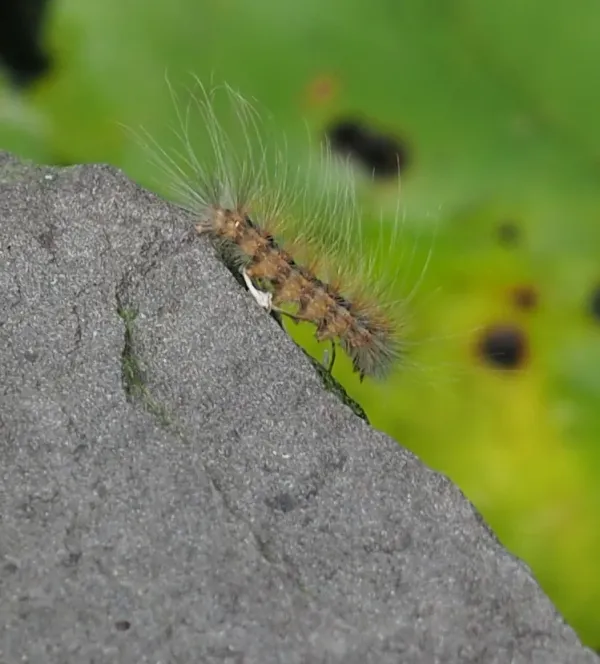
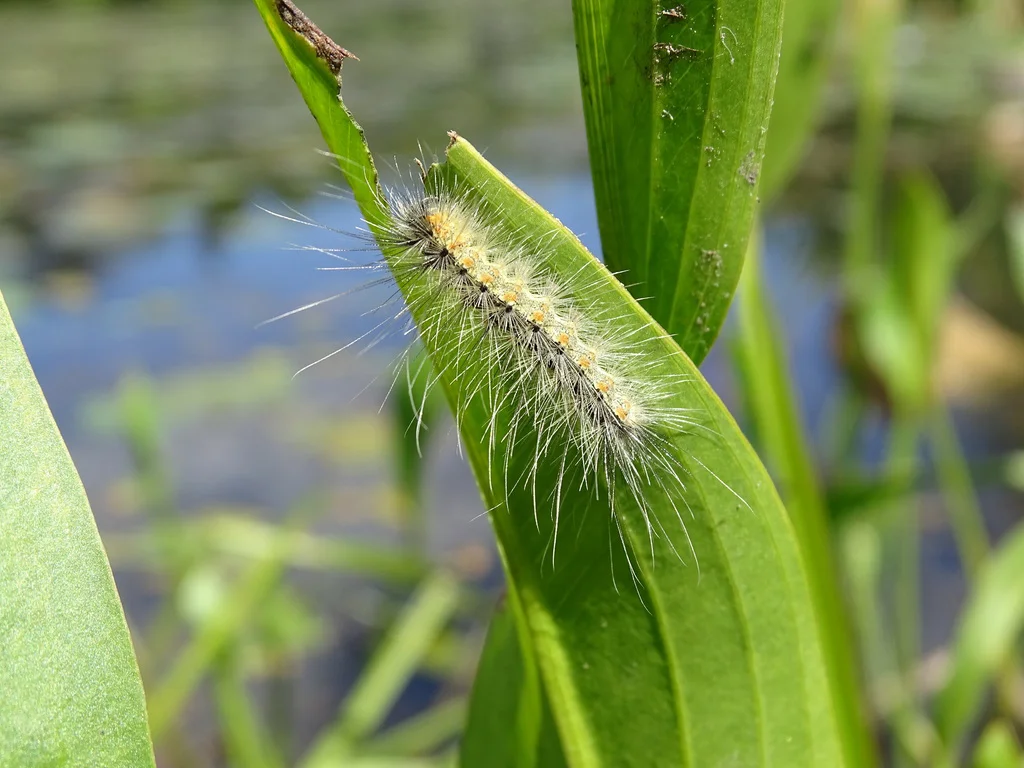
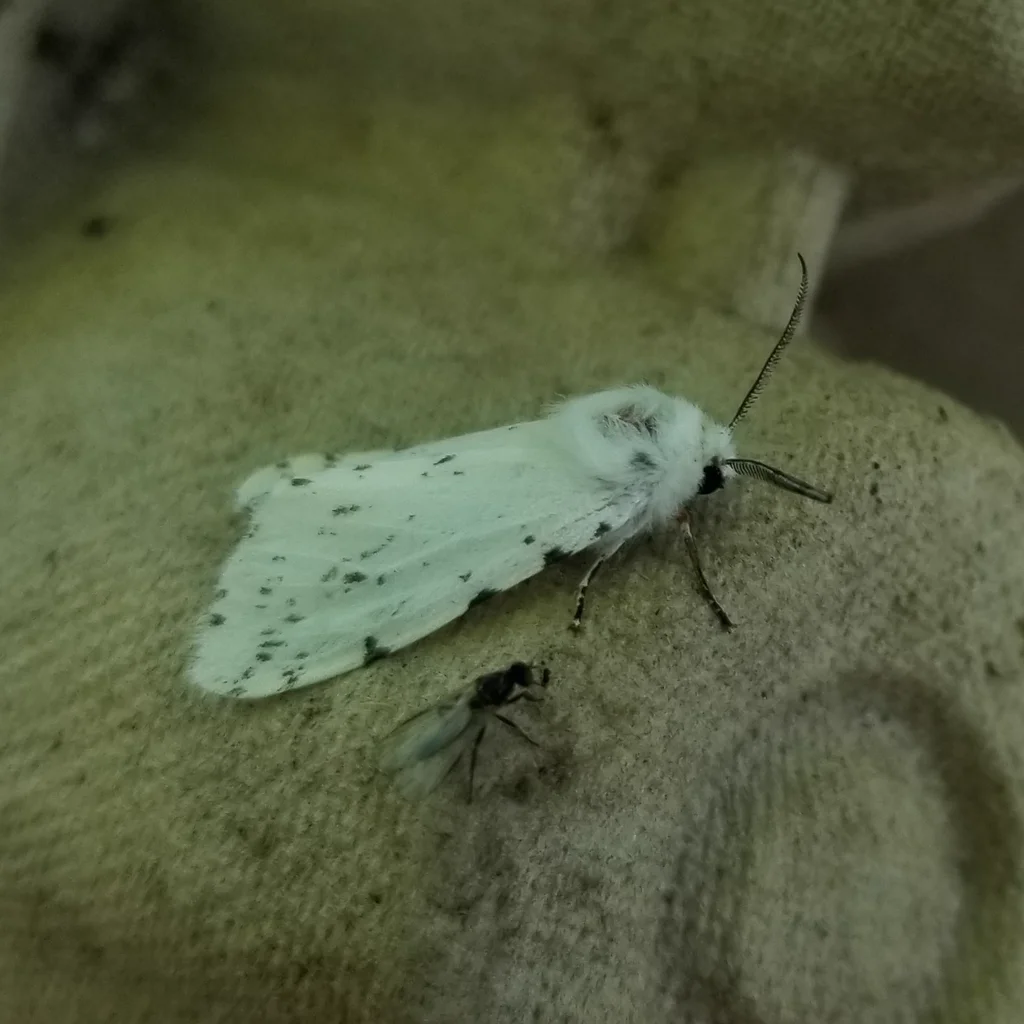
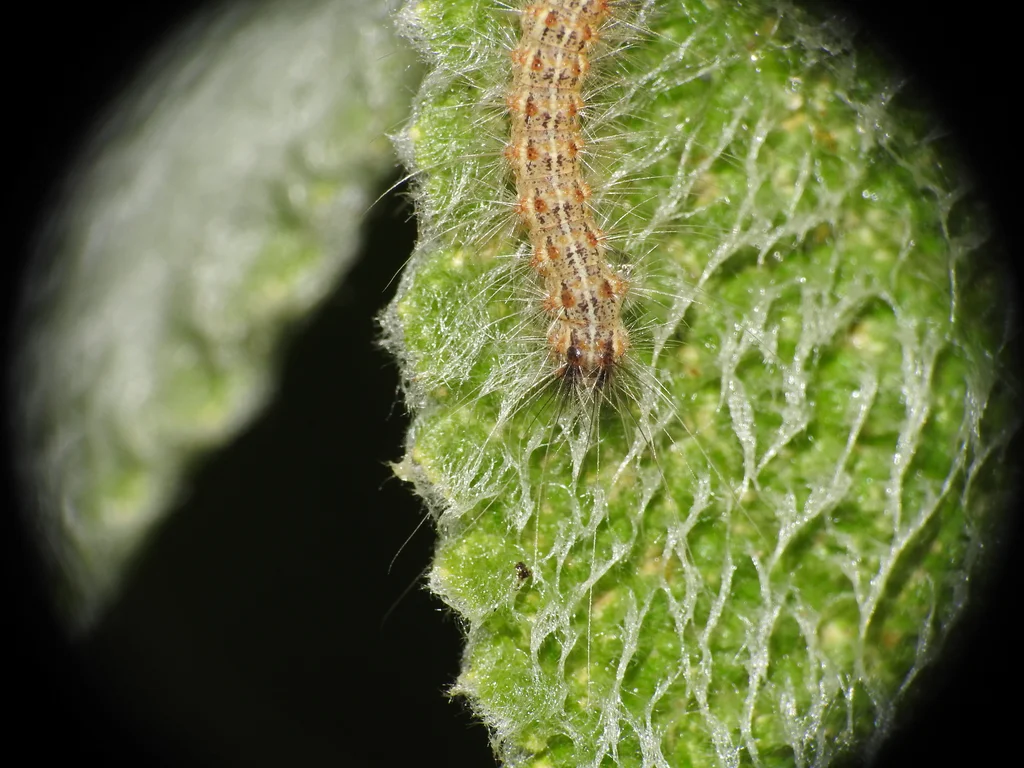
Fall webworm caterpillars (Hyphantria cunea) grow up to 35 mm long. They range in color from pale yellow to dark gray with yellow spots. Long white or gray hairs cover their bodies. Two cream stripes run along their sides. In North America, the northern race has black heads. The southern race has red or orange heads.
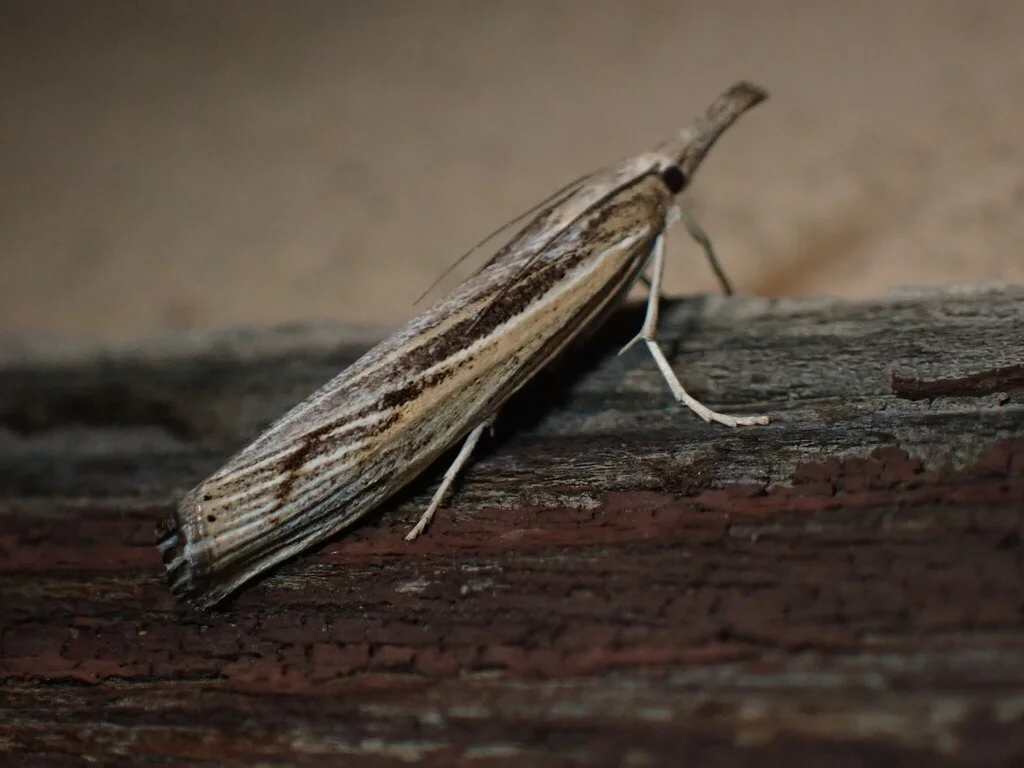
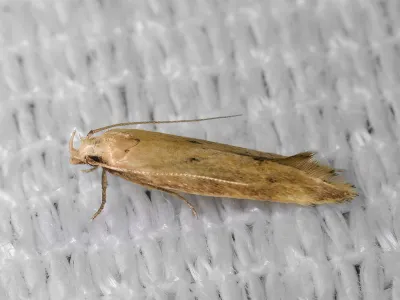
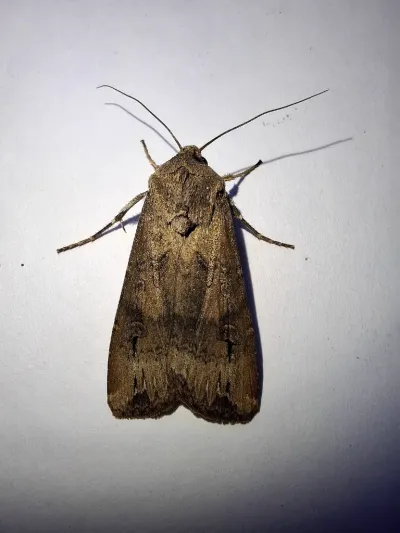
Sod webworm larvae belong to the family Crambidae. They are smaller at 15-20 mm when full grown. Their bodies are brownish or grayish with dark spots. They lack the long hairs seen on fall webworms. Adult sod webworm moths are small and tan colored. They hold their wings close to their body when resting, which gives them a tube-like shape.
Common Species in North America
- Fall Webworm (Hyphantria cunea): Creates large web nests on hardwood trees
- Striped Sod Webworm (Fissicrambus mutabilis): Common lawn pest across much of the U.S.
- Bluegrass Sod Webworm (Parapediasia teterrella): Prefers Kentucky bluegrass and fine fescues
- Larger Sod Webworm (Pediasia trisecta): Affects turfgrass in eastern North America
- Vagabond Sod Webworm (Agriphila vulgivagellus): Found in northern states and Canada
Webworms Behavior and Biology
Fall Webworm Life Cycle
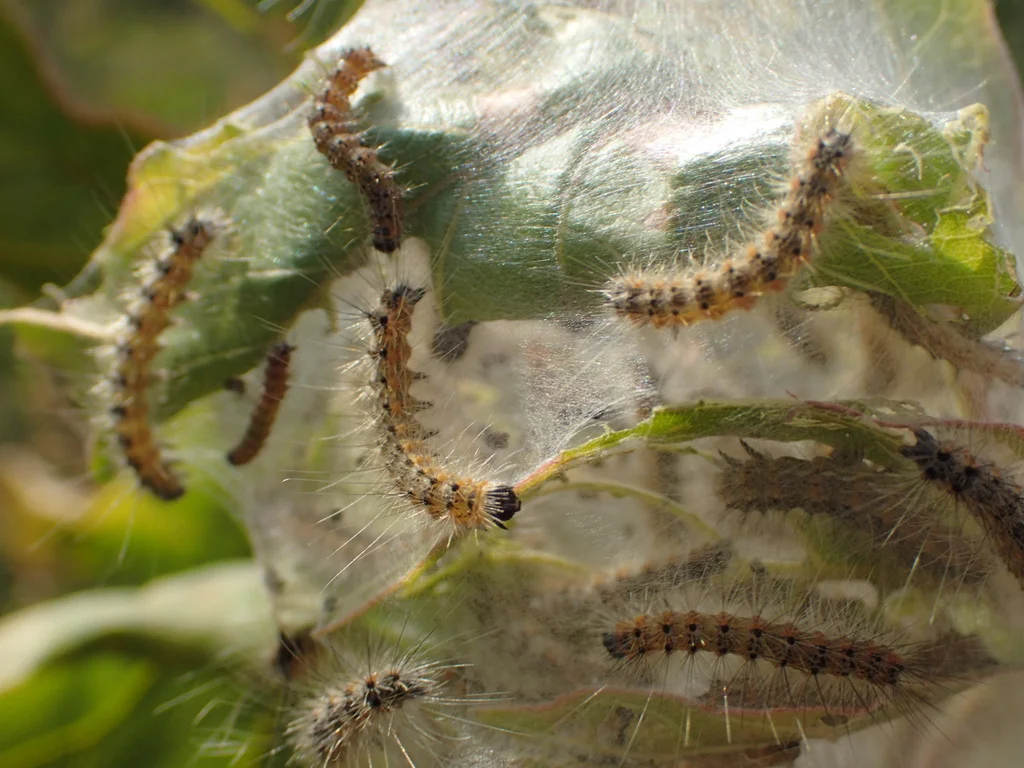
Fall webworms spend winter as pupae in cocoons. They hide in leaf litter, bark cracks, or soil. Adults come out in mid-June and keep appearing through summer. Female moths lay 200-500 eggs on the bottoms of leaves. Eggs hatch in about 7 days. The tiny caterpillars start spinning webs right away over the leaves they eat.
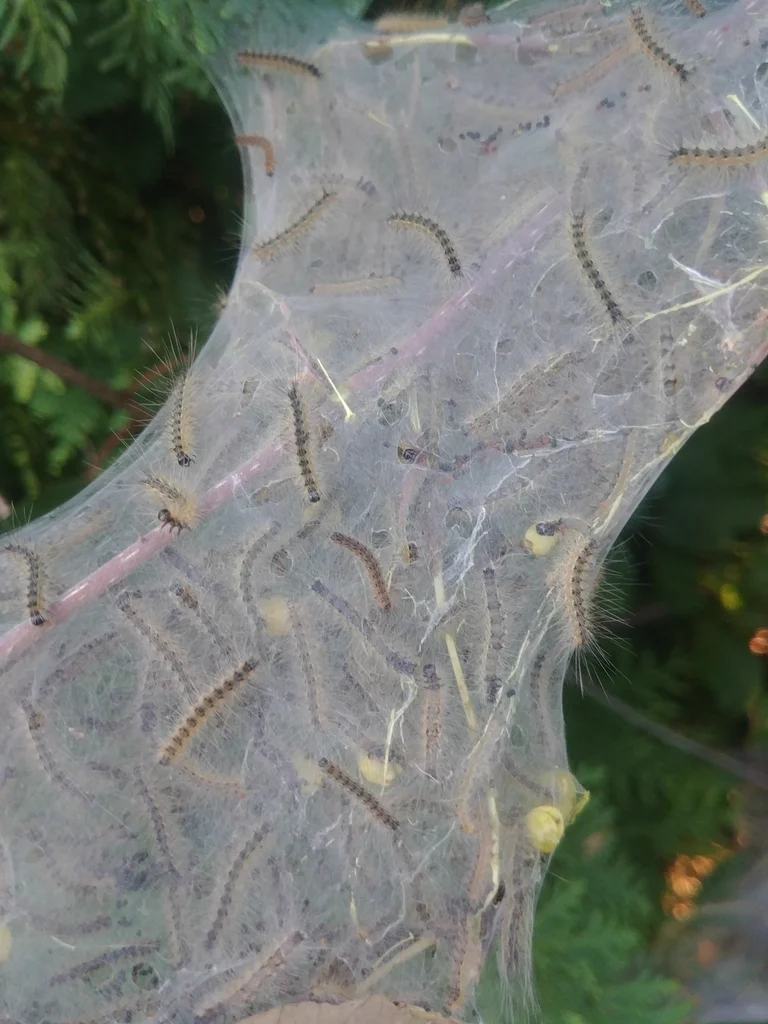
The larvae grow over 4-6 weeks. They keep making their web bigger to cover more leaves. Webs can cover 2-3 feet of branches. The shared web protects them from predators and weather. Northern areas usually have one generation per year. Southern states may see up to four generations each year.
Fall webworms eat many types of plants. They have been found on over 636 plant species around the world. Homeowners often confuse fall webworm nests with tent caterpillar tents, but the two pests appear at different times of year and build their webs in different locations on the tree. In North America, they often attack pecan, black walnut, American elm, hickory, persimmon, sweetgum, apple, and cherry trees. A related species, Peachtree Borer Moth, shares similar characteristics.
Sod Webworm Life Cycle A related species, Black Cutworm, shares similar characteristics.
Sod webworms live in turfgrass and have a different life cycle. They spend winter as full-grown larvae in silk-lined burrows in the thatch. In spring, they feed briefly before forming pupae in May or June. Adult moths come out about two weeks later. They hide during the day and become active at dusk. Females drop eggs into the grass while flying.
The larvae feed mostly at night. They chew off grass blades just above the crown. During the day, they hide in silken tunnels near the soil. Most lawn damage happens in July and August during the second generation. A third generation may occur before winter.
Signs of Webworm Damage
On trees (fall webworms):
- Large, unsightly silken webs enclosing branch tips
- Skeletonized leaves within the web
- Brown, dead foliage inside web nests
- Presence of caterpillars and their frass inside webs
On lawns (sod webworms):
- Irregular brown patches, especially in sunny areas
- Grass blades chewed off at the soil line
- Tan moths flying in zigzag patterns over lawn at dusk
- Silken webbing and green fecal pellets near soil surface
- Birds actively feeding on lawn areas (hunting larvae)
Treatment Methods for Webworms
How you treat webworms depends on the type you have. Fall webworms on trees need different treatment than sod webworms in lawns.
Managing Fall Webworms on Trees
For fall webworms, the treatment approach depends on how bad the problem is and the tree’s health:
-
Physical removal: You can prune out small web nests on branches you can reach. This works best when done early, before nests get big. Do not burn webs while they are still on the tree. Fire can hurt the tree more than the webworms do.
-
Biological controls: Bacillus thuringiensis var. kurstaki (Btk) works well against small caterpillars. Timing matters because Bt must be applied when larvae are feeding and still small.
-
Chemical treatments: For bad infestations on valuable trees, insecticide treatments can reduce numbers. Products with spinosad, carbaryl, or pyrethroids work when applied to webs and nearby leaves.
Managing Sod Webworms in Lawns
Treating sod webworms in lawns depends on good timing and lawn care habits:
-
Monitoring: Before you treat, check that sod webworms are there. Use a soap flush test. Mix 1-2 tablespoons of dish soap in a gallon of water. Pour it over one square yard of damaged lawn. If webworm larvae are present, they will come to the surface in 2-5 minutes.
-
Lawn care habits: Healthy lawns resist webworm damage better. Mow at the right height for your grass type. Avoid adding too much nitrogen fertilizer, which builds up thatch. Water deeply but not too often to help roots grow deep.
-
Biological options: Parasitic nematodes (Steinernema carpocapsae) work well against webworm larvae. Apply them to moist soil in the evening. Bt products also work on young larvae when applied in early evening as caterpillars start to feed.
-
Targeted treatments: Apply insecticides for sod webworms in early evening when larvae are active. Light watering before treatment helps bring larvae closer to the surface. Granular or liquid products with bifenthrin, carbaryl, or other labeled ingredients can control them.
Prevention Tips
- Keep trees healthy with proper watering, mulching, and fertilization so they can handle and recover from webworm damage
- Reduce thatch in lawns through core aeration and good mowing habits
- Watch for early signs of infestation when control is easier
- Avoid too much nitrogen fertilizer, which can make lawns more appealing to sod webworms and other lawn pests like armyworms
- Monitor ornamental trees and shrubs for other garden pests like aphids and scale insects that can compound stress on trees already weakened by webworm defoliation
References
- Fall Webworm - Penn State Extension
- Sod Webworms: Biology and Management in Turfgrass - University of Georgia Extension
- Fall Webworm, Hyphantria cunea - University of Florida Entomology
- Identification and Management of Fall Webworm - Michigan State University Extension
- Sod Webworm Fact Sheet - University of New Hampshire Extension
- Fall Webworm - Wisconsin Horticulture Extension
Other Moths
Explore other species in the moths family
Where Webworms Are Found
Hover over states to see their names. Green regions indicate where webworms have been reported.
Common Questions about Webworms
What is the difference between fall webworms and sod webworms?
+
Fall webworms make large silken webs on tree branches. Sod webworms live in lawns and damage grass. They come from different moth families and need different treatment methods.
Are webworms harmful to trees?
+
Fall webworms rarely kill healthy trees. Their webs look bad and they eat leaves, but most trees recover fully. However, trees that are already stressed may weaken if webworms return year after year.
How do I know if I have sod webworms in my lawn?
+
Look for uneven brown patches in your lawn, mostly in sunny spots. You may also see small tan moths flying in zigzag paths over the grass at dusk. Silken tunnels and green droppings near the soil are also signs.
When are webworms most active?
+
Fall webworms are easy to spot in late summer and fall when their web nests grow large on trees. Sod webworms cause the most lawn damage in July and August when the larvae feed heavily.
Can I remove webworm nests by hand?
+
Yes, you can prune out small web nests on branches you can reach. This works best when nests are still small in early summer.
Will webworms come back next year?
+
Webworm numbers change each year based on weather. Trees that had webworms may or may not be targeted again since adult moths can fly to new plants.

With five years of hands-on experience in the pest control industry, George Schulz is a registered technician with the Virginia Pest Management Association and a proud third-generation professional in a family business that's been protecting homes for over 57 years. He manages and trains a team of service pros while also leading internal research efforts—recently spearheading a deep-dive review of thousands of documents on pest control materials to hand-pick the most kid and pet friendly, most effective solutions tailored specifically for homes in the DC metro area.