Webbing Clothes Moth Identification Guide
Tineola bisselliella
The webbing clothes moth is the most common and destructive fabric pest worldwide. These small, golden-tan moths avoid light and their larvae cause significant damage to wool, silk, fur, and other natural fiber items stored in dark, undisturbed areas.
Taxonomy
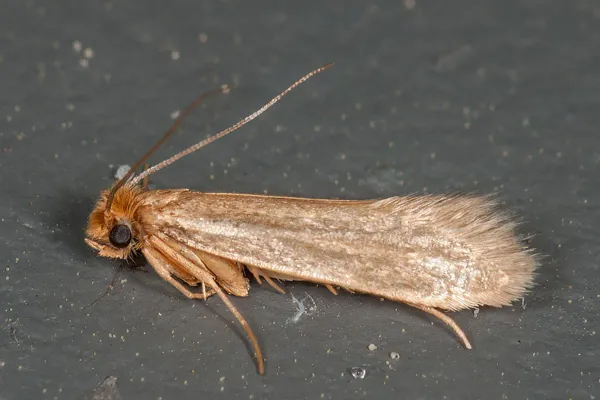
Webbing Clothes Moth Coloration
Common color patterns to help identify webbing clothes moth
Webbing Clothes Moth
Seasonal Activity
When webbing clothes moth are most active throughout the year

Where Webbing Clothes Moth Are Found
Hover over states to see their names. Green regions indicate where webbing clothes moth have been reported.
Webbing Clothes Moth Identification Guide
Physical Characteristics
The webbing clothes moth (Tineola bisselliella) is the most common clothes moth in the world. This small pest has spread to every place where people store wool, silk, and fur items.
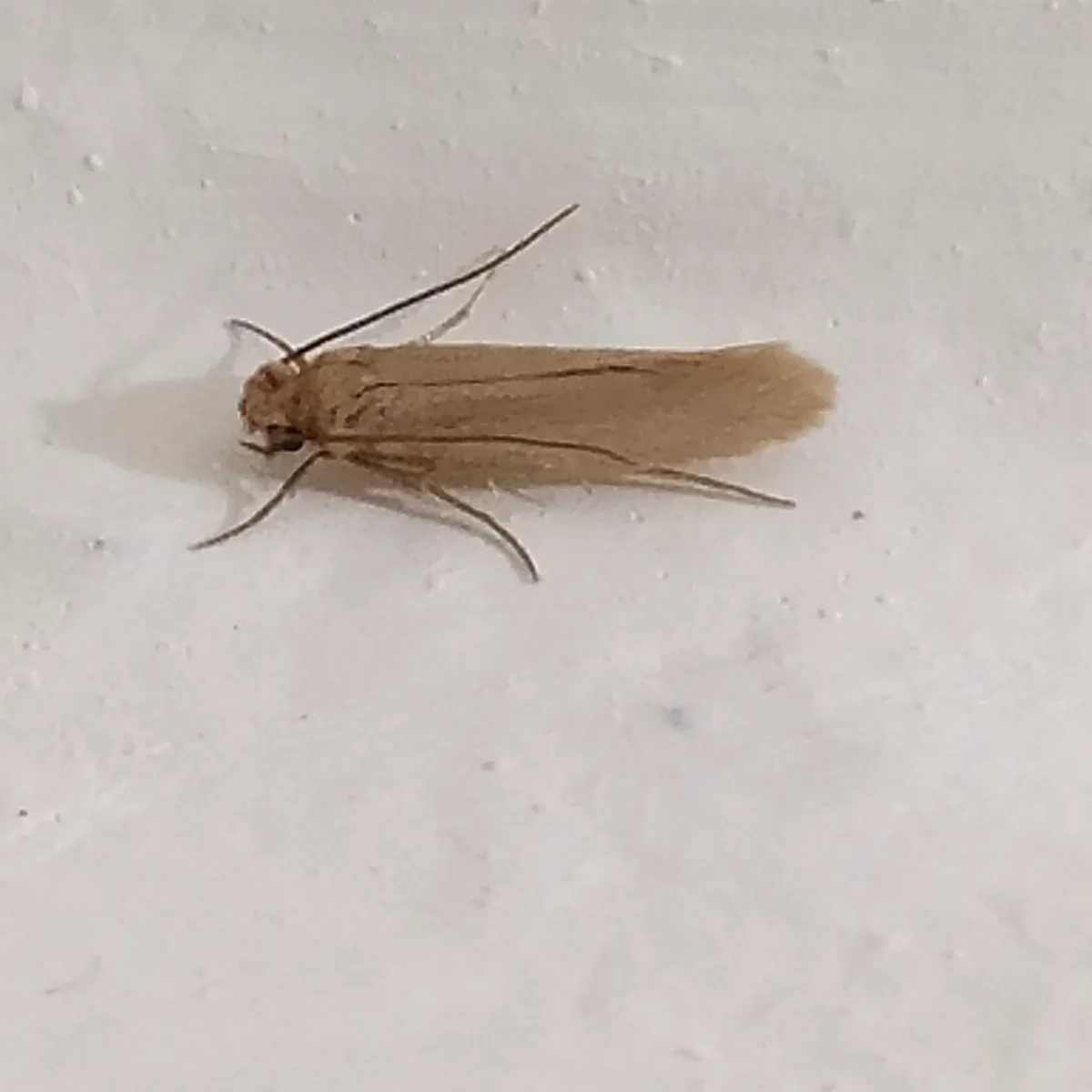
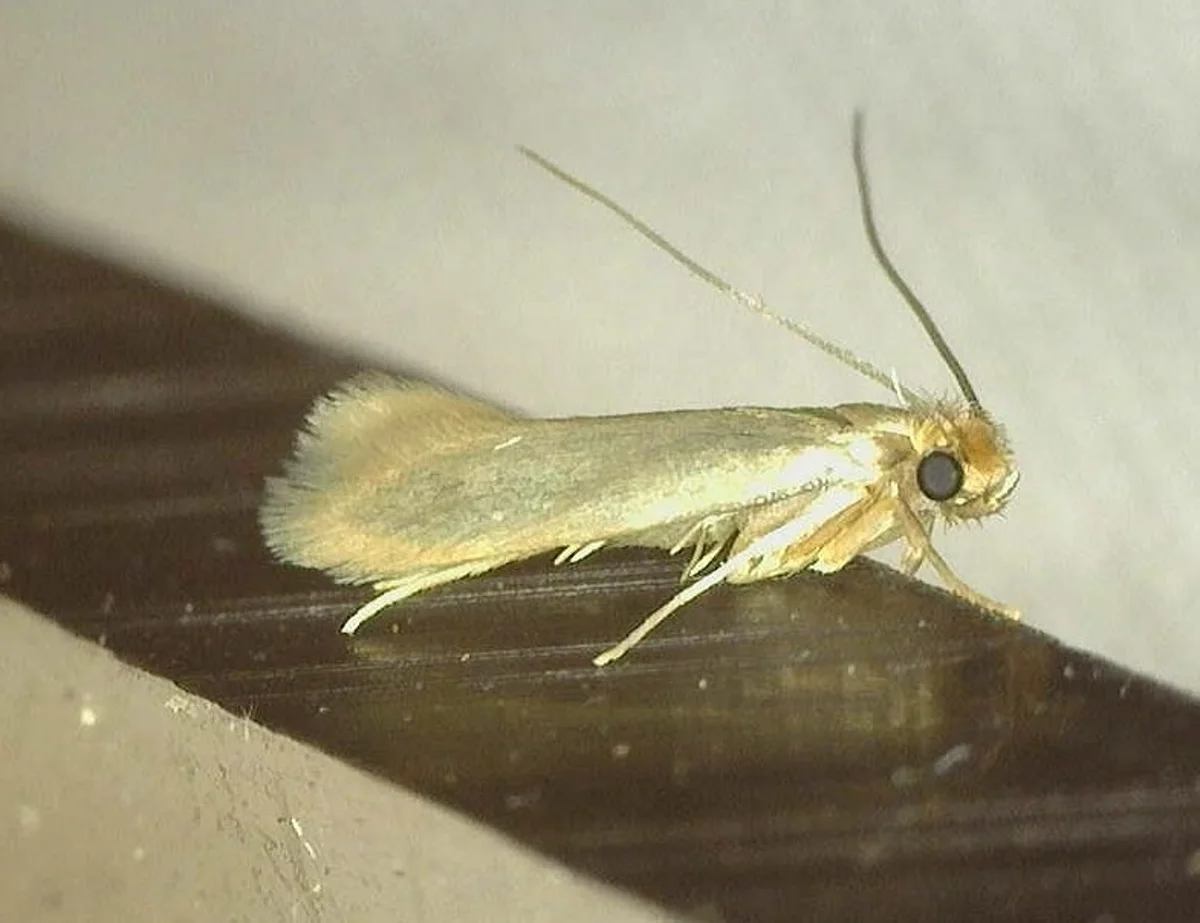
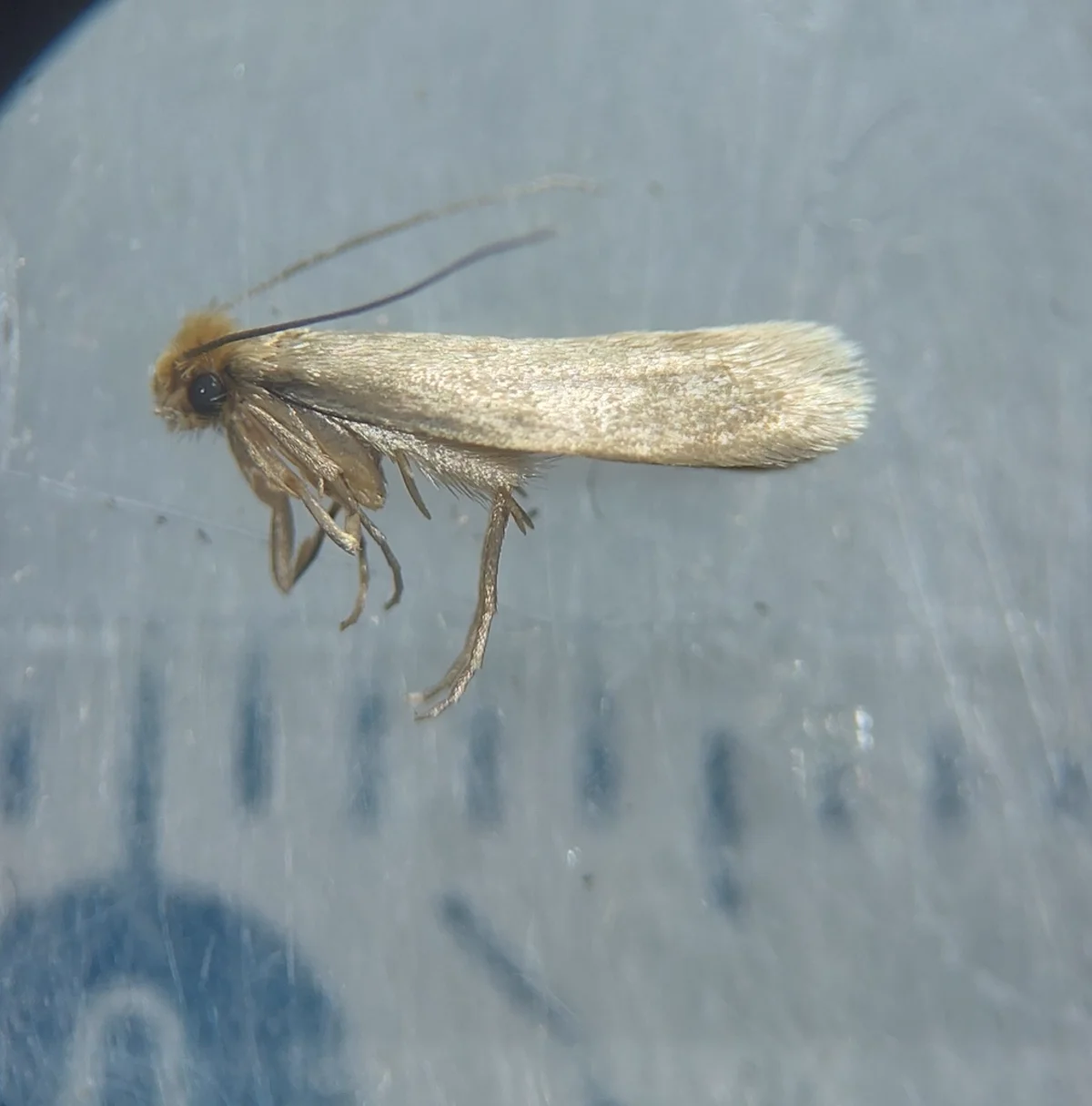
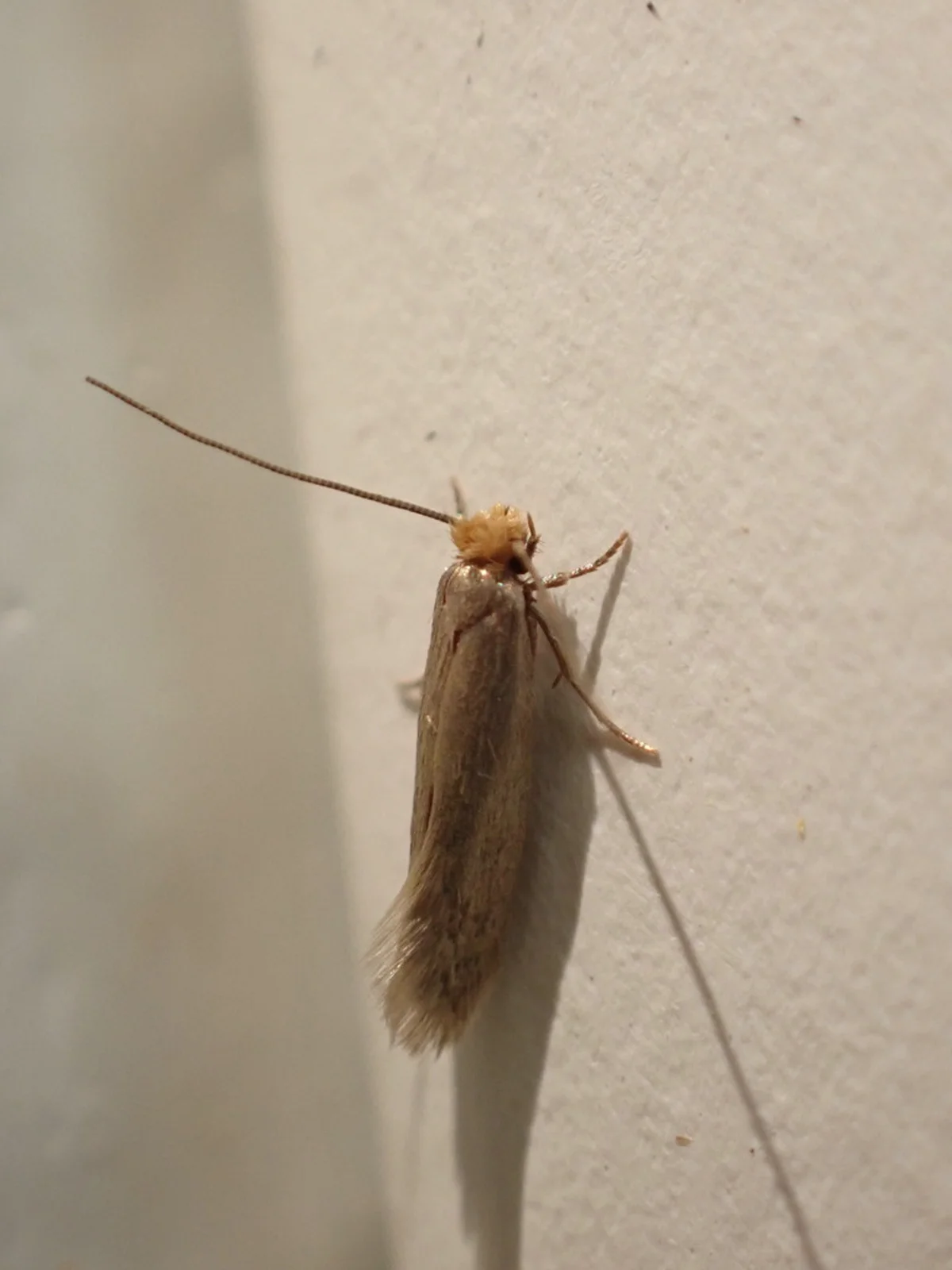
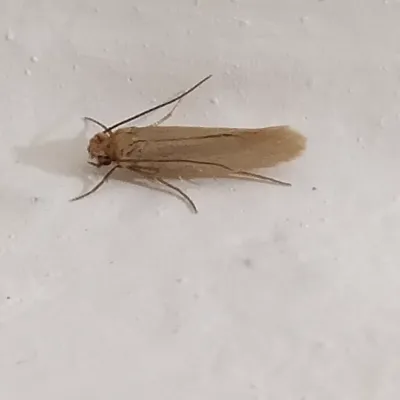
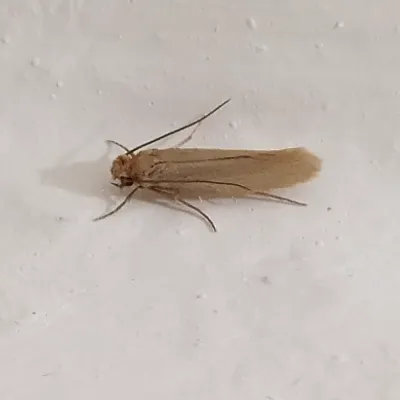
Adult moths are 6-7mm long with a wingspan of 9-16mm. Their wings are a solid golden-tan or straw yellow color. They have no spots or bands on their wings. This plain coloring sets them apart from many other moths.
The head has a tuft of reddish-gold hairs that stands upright. This head tuft is easy to spot and helps identify the species. The body is thin and matches the golden wing color.
Larvae cause all the damage. These are creamy white caterpillars with dark brown heads. Full-grown larvae reach about 12-13mm long. They spin silk as they move. This creates tubes and webbing on fabrics they eat.
Eggs are tiny ovals, ivory colored and about 1mm long. Females lay 40-50 eggs over several weeks. They place eggs on or near the materials their larvae will eat.
Key Identification Features
Look for these traits to identify webbing clothes moths:
- Solid golden-tan wings with no spots or markings
- Reddish-gold hair tuft on top of the head
- Weak fliers that run or hop rather than fly
- They avoid light and hide in dark areas
- Silken tubes and webbing on the fabrics they infest
How They Differ from Similar Pests
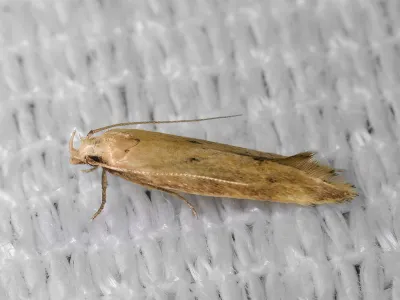
Casemaking clothes moths have grayish-brown wings with three dark spots. Their larvae build portable cases instead of leaving webbing trails.
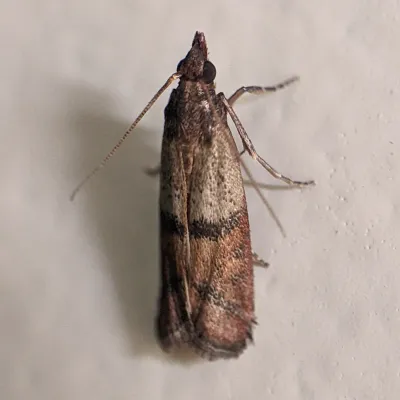
Indian meal moths have two-toned wings and fly toward lights. They eat stored food, not fabrics.
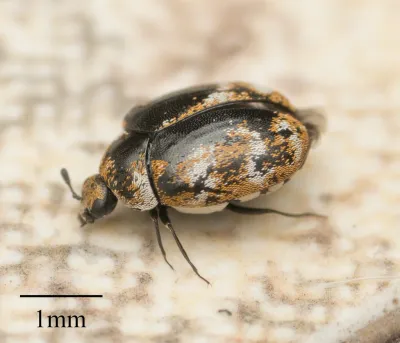
Carpet beetles are small, rounded insects that crawl. Their larvae are hairy grubs that leave shed skins but no webbing.
Pantry moths are larger and often have wing markings. They fly toward lights and feed on stored food products.
Webbing Clothes Moth Behavior and Biology
Lifecycle and Development
Webbing clothes moths go through four life stages: egg, larva, pupa, and adult. The time from egg to adult depends on temperature, humidity, and food quality.
Egg stage: Females lay 40-50 eggs over 2-3 weeks. They place eggs on or near fabrics their larvae will eat. Eggs hatch in 4-10 days when warm (around 75-80 degrees F). In cooler temps, hatching may take up to 30 days.
Larval stage: This is when all damage happens. Larvae feed and grow, molting 5 to 45 times as they develop. In warm, humid conditions with good food, larvae can mature in just 35 days. In poor conditions, they can survive over 30 months by slowing their growth.
Pupal stage: When ready, larvae spin silken cocoons in the material they have been eating. This stage takes 8-10 days in summer and 3-4 weeks in winter. Heated homes allow growth to continue all year.
Adult stage: Adults emerge, mate, and die within 15-30 days. Adult moths do not eat because their mouths do not work. They live only to reproduce.
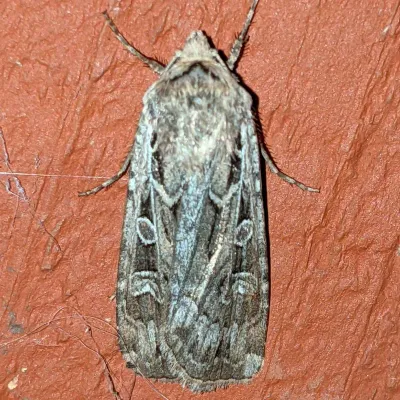
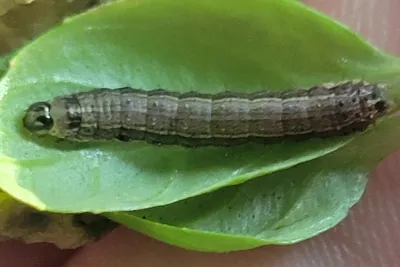
In good conditions (75-80 degrees F, 70-75% humidity), the full lifecycle takes 4-6 months. There are usually two generations per year. Central heating lets them stay active indoors all year long. A related species, Armyworms, shares similar characteristics.
Habitat Preferences
Webbing clothes moths do best in certain conditions:
- Darkness: Both larvae and adults avoid light and seek dark spaces
- Warmth: Temps of 70-85 degrees F work best for them
- Humidity: 70-75% relative humidity helps them grow fastest
- Quiet locations: They like areas where people rarely disturb them
Common hiding spots include:
- Dark closets and wardrobes
- Storage boxes and trunks
- Under furniture
- Behind baseboards
- In air ducts where lint builds up
- Basements with stored textiles
What Do Webbing Clothes Moths Eat?
Larvae need keratin, a protein in animal fibers, to grow. They will damage:
- Wool clothing, suits, sweaters, and blankets
- Silk garments and ties
- Cashmere, angora, and mohair items
- Fur coats and fur-trimmed clothing
- Feather pillows and down comforters
- Leather goods and bookbindings
- Wool carpets and oriental rugs
- Taxidermy mounts
- Museum items containing hair, fur, or feathers
Dirty fabrics attract them more than clean ones. Sweat, body oils, food stains, and urine give extra nutrients that help larvae grow faster. This is why unwashed clothing faces higher risk.
Webbing clothes moths can also feed on lint, shed pet hair, and even dead insects in collections.
Signs of a Webbing Clothes Moth Infestation
Damage Patterns
Look for these signs of webbing clothes moth damage:
- Irregular holes in wool and silk fabrics
- Surface grazing where larvae ate through part of the fiber
- Damage in folds and seams where larvae hide while eating
- Fur with bald patches where larvae ate down to the skin
- Carpet damage along edges and under furniture where it stays dark
Evidence of Webbing Clothes Moth Activity
Webbing clothes moths leave telltale signs:
- Silken tubes and webbing across fabric surfaces
- Sandy fecal pellets the same color as the fabric
- Shed larval skins left behind after molting
- Creamy white larvae with brown heads, hiding from light
- Empty pupal cases in cracks and corners
Adult Moth Sightings
Adult moths are harder to spot than their damage. Watch for:
- Small golden moths running along closet walls or floors
- Moths that hop or run away rather than fly when disturbed
- Dead moths caught in pheromone traps
- Moths resting in dark corners during the day
Treatment Methods for Webbing Clothes Moths
Good control of webbing clothes moths targets all life stages at once.
Inspection and Source Removal
A thorough inspection is the first step:
- Check all wool, silk, and fur items in closets and storage
- Look at carpets, especially edges and areas under furniture
- Inspect furniture with natural fiber stuffing
- Check air ducts and wall voids where lint builds up
- Look at taxidermy, insect collections, and decorative feathers
Infested items should be treated or thrown away. Items with heavy damage and lots of webbing usually cannot be saved.
Non-Chemical Treatment Options
Several methods kill webbing clothes moths without using chemicals:
Freezing: Seal items and place them at 0 degrees F for at least 72 hours. This kills eggs, larvae, pupae, and adults. Let items warm up slowly to avoid moisture damage.
Heat treatment: Temps above 120 degrees F for 30 minutes kill all life stages. Hot dryer cycles or leaving items in a hot car can reach these temps.
Dry cleaning: The solvents and heat in dry cleaning kill all life stages. It also removes the oils that attract moths.
Laundering: Hot water above 120 degrees F kills moths. Even cold washing removes many eggs and larvae. Follow with high-heat drying.
Vacuuming: Regular vacuuming removes eggs, larvae, and the hair and lint they eat. Focus on carpet edges, under furniture, and closet floors. Empty the vacuum outside right away.
Chemical Control Options
When other methods are not enough:
Residual insecticides: Products applied to carpet edges, closet floors, and baseboards give ongoing protection against larvae.
Insect growth regulators: These stop larvae from becoming adults that can reproduce.
Pheromone traps: These traps attract male moths. They help track moth numbers and show if treatment is working.
Professional fumigation: Bad infestations in valuable items may need professional fumigation.
Prevention Strategies
Ongoing prevention protects your belongings:
- Clean before storing: Always wash or dry clean woolens before putting them away for the season
- Use airtight containers: Store items in sealed plastic bins, garment bags, or vacuum-sealed bags
- Inspect purchases: Check thrift store clothes and antique textiles before bringing them home
- Reduce humidity: Keep storage areas below 70% relative humidity
- Vacuum regularly: Clean closets, carpets, and furniture often
- Rotate and inspect: Regularly check stored items and expose them to light
- Monitor with traps: Pheromone traps give early warning of moth activity
Cedar and lavender may help deter moths but should not be your main defense. Fresh cedar oil can kill young larvae, but this effect fades as the oils dry out over time.
References and Further Reading
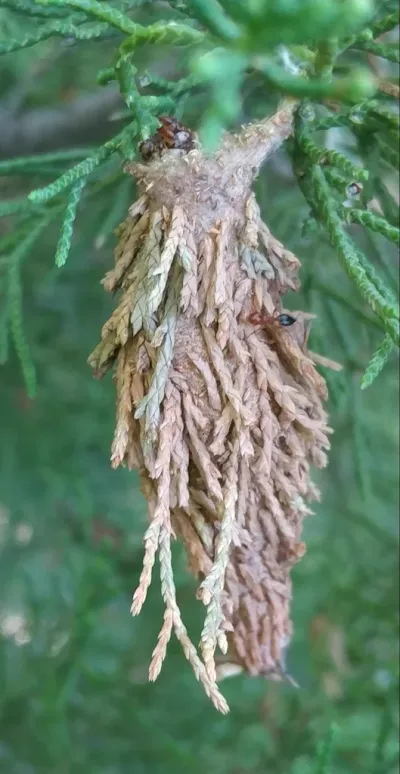
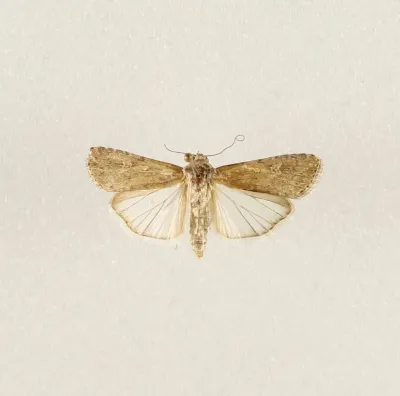
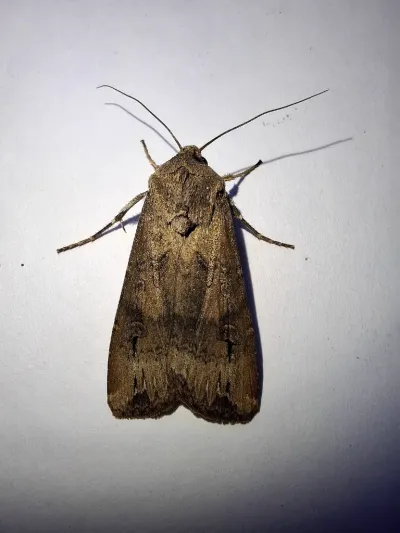
Other Moths
Explore other species in the moths family
Commonly Confused With
Webbing Clothes Moth are often mistaken for these similar pests
Where Webbing Clothes Moth Are Found
Hover over states to see their names. Green regions indicate where webbing clothes moth have been reported.
Common Questions about Webbing Clothes Moth
What does a webbing clothes moth look like?
+
Webbing clothes moths are small, measuring 6-7mm in body length with a wingspan of 9-16mm. They have uniform golden-tan or buff-colored wings without any spots or markings. The head has a tuft of reddish-golden hairs that stands upright. Unlike most moths, they avoid light and prefer to run or hop rather than fly when disturbed.
How can I tell the difference between webbing and case-bearing clothes moths?
+
Webbing clothes moths have uniform golden-tan wings without spots, while case-bearing clothes moths have grayish-brown wings with three dark spots. The most reliable difference is in their larvae: webbing clothes moth larvae spin silken tubes and webbing over fabric surfaces, while case-bearing larvae build portable cases from fabric fibers that they carry as they move.
Why are webbing clothes moths attracted to dirty clothes?
+
Webbing clothes moth larvae need more than just keratin from wool or silk to thrive. Sweat, body oils, food stains, and urine provide additional nutrients and moisture that help larvae develop faster. This is why clothing worn once and stored without washing faces higher risk than clean garments.
Do webbing clothes moths fly to lights like other moths?
+
No, webbing clothes moths are negatively phototactic, meaning they actively avoid light. This is the opposite of most moth species. When disturbed, they tend to run or hop away into darker areas rather than fly. This light-avoiding behavior helps them go unnoticed in dark closets and storage areas.
How long can webbing clothes moth larvae survive?
+
Webbing clothes moth larvae can survive from 35 days to over 2 years depending on conditions. In warm, humid environments with good food sources, development is fast. In cooler or drier conditions, larvae can slow their metabolism dramatically and survive extended periods, which is why infestations can persist for years.
What damage do webbing clothes moths cause?
+
Webbing clothes moth larvae eat holes through wool, silk, cashmere, fur, feathers, and leather. They leave behind silken tubes and webbing mixed with fecal pellets. Damage often appears in hidden areas like folds, seams, and under collars. A single larva can eat through a wool sweater in weeks under ideal conditions.
Can webbing clothes moths eat synthetic fabrics?
+
Webbing clothes moths cannot digest synthetic fibers like polyester or nylon. However, they will eat through synthetic fabrics that are blended with wool or other natural fibers. They may also damage synthetics while trying to reach natural fiber materials underneath or while feeding on food stains on the fabric.
How do webbing clothes moths get into my home?
+
Webbing clothes moths typically enter homes on infested clothing, furniture, or textiles purchased from thrift stores, antique shops, or estate sales. They can also fly in through open windows and doors, though their weak flight limits how far they travel. Infested bird nests or animal dens near the home can also be sources.

With five years of hands-on experience in the pest control industry, George Schulz is a registered technician with the Virginia Pest Management Association and a proud third-generation professional in a family business that's been protecting homes for over 57 years. He manages and trains a team of service pros while also leading internal research efforts—recently spearheading a deep-dive review of thousands of documents on pest control materials to hand-pick the most kid and pet friendly, most effective solutions tailored specifically for homes in the DC metro area.