Tomato Hornworms Identification Guide
Manduca quinquemaculata
Tomato hornworms are large green caterpillars that feed on tomato, pepper, and eggplant. They are the larval stage of the five-spotted hawk moth and can quickly defoliate garden plants.
Taxonomy
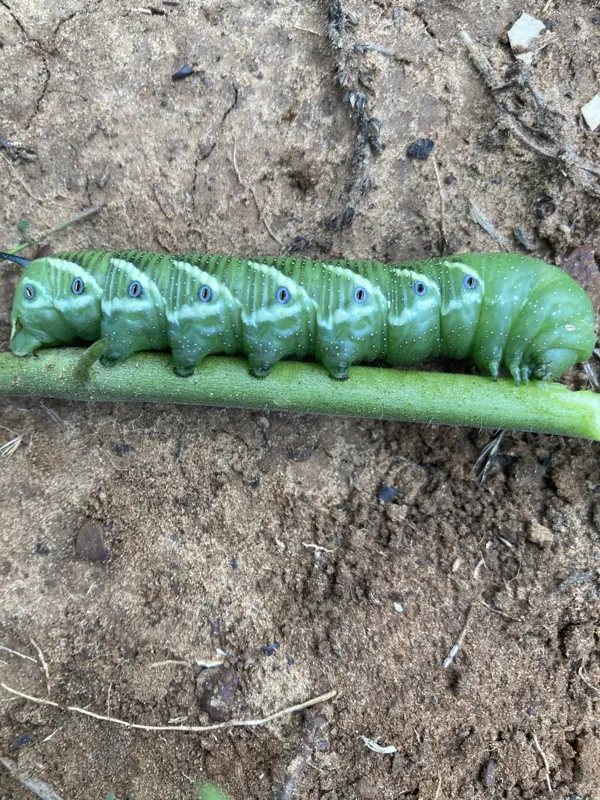
Tomato Hornworms Coloration
Common color patterns to help identify tomato hornworms
Tomato Hornworms
Seasonal Activity
When tomato hornworms are most active throughout the year
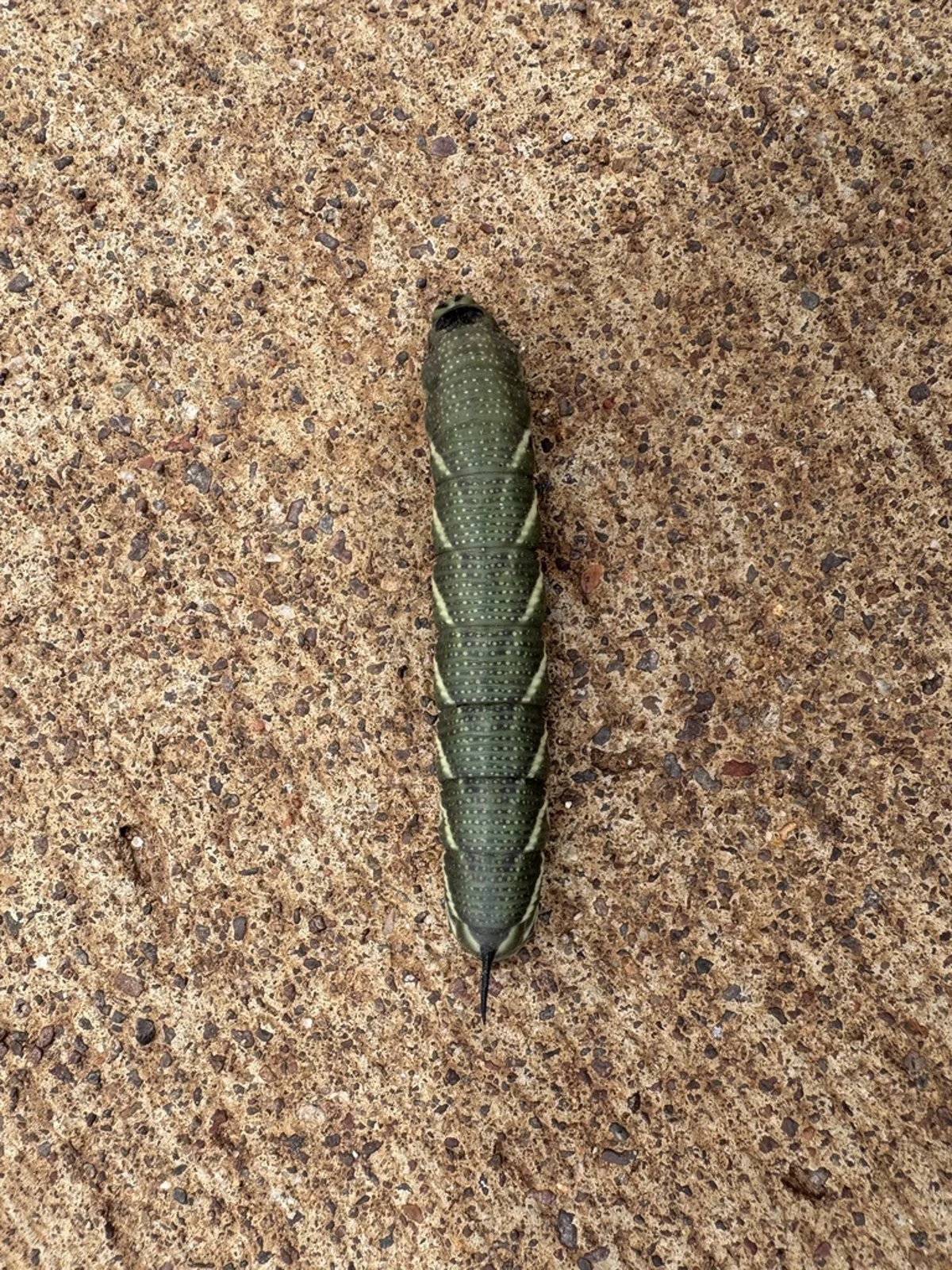

Where Tomato Hornworms Are Found
Hover over states to see their names. Green regions indicate where tomato hornworms have been reported.
Tomato Hornworm Identification Guide
Tomato hornworms are among the largest caterpillars you will find in North American gardens. These impressive moth larvae can strip leaves from tomato plants in just a few days. Despite their size, their green color helps them blend in perfectly with plant foliage.
Physical Characteristics
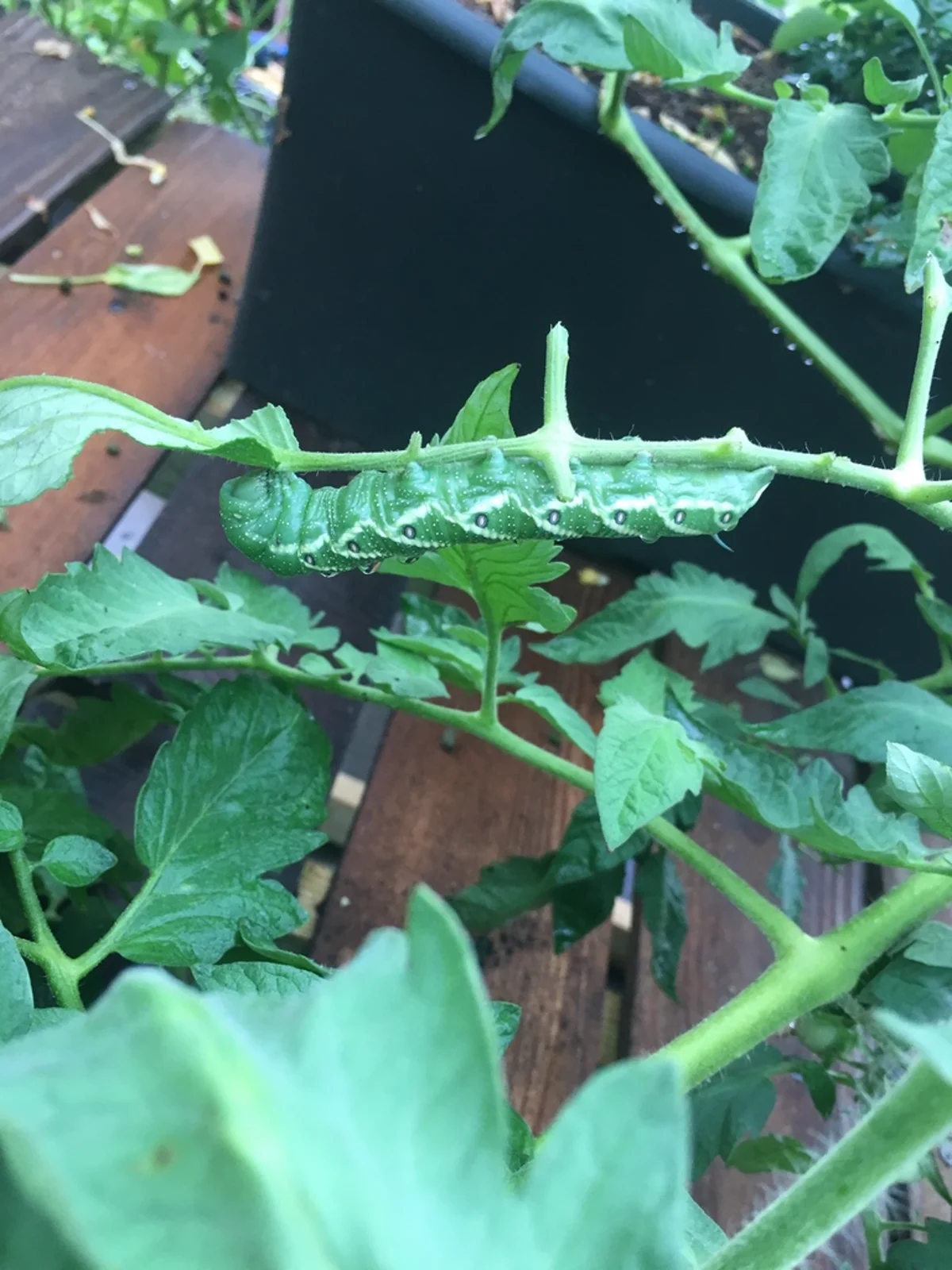
Adult tomato hornworms grow up to 4 inches long. They are about as thick as a finger. Their bodies are bright green with eight white V-shaped markings on each side. A dark horn sticks out from the rear end. The horn is usually black or dark blue. This horn gives hornworms their name. It looks scary but is harmless.
Young caterpillars look quite different. They start out yellow to white with no markings at all. As they grow and molt through five stages, the V-shaped markings gradually appear. The dark horn is present from the start.
The caterpillar’s head is small and round. It is often tucked under the first body segment while the caterpillar feeds. Each body segment has a pair of small white spots called spiracles. The caterpillar breathes through these openings.
Adult Moths
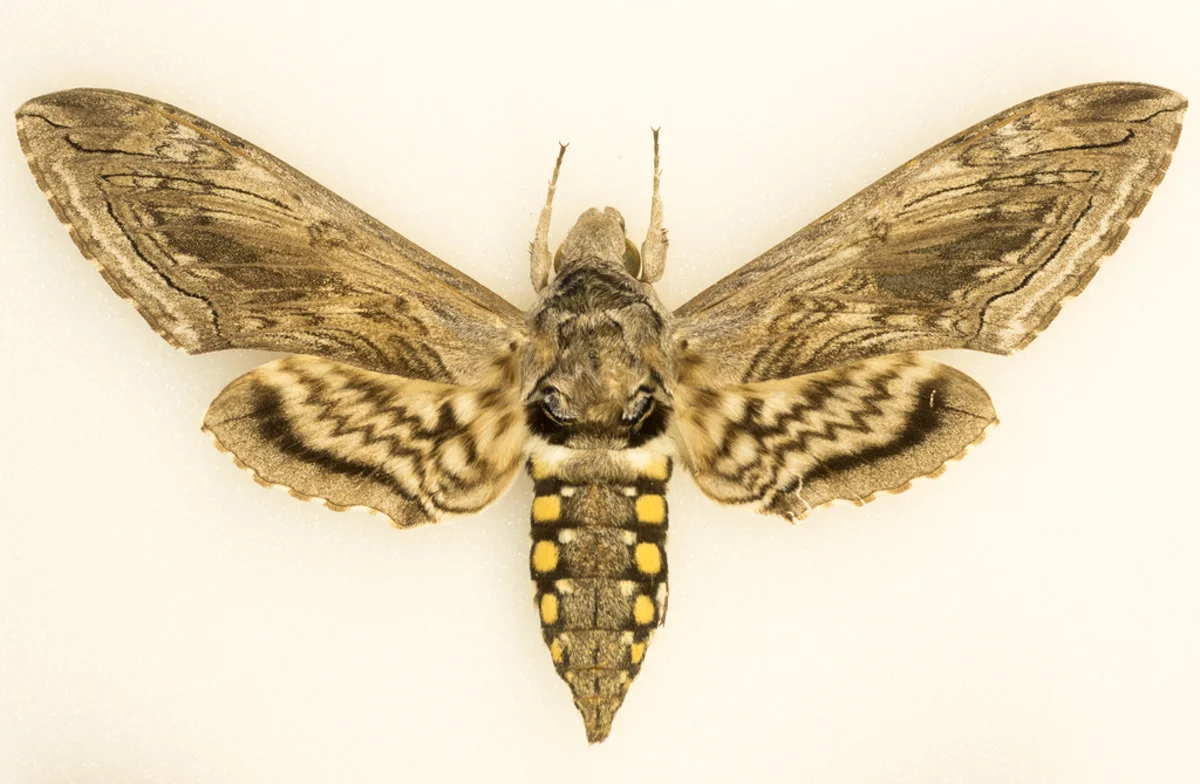
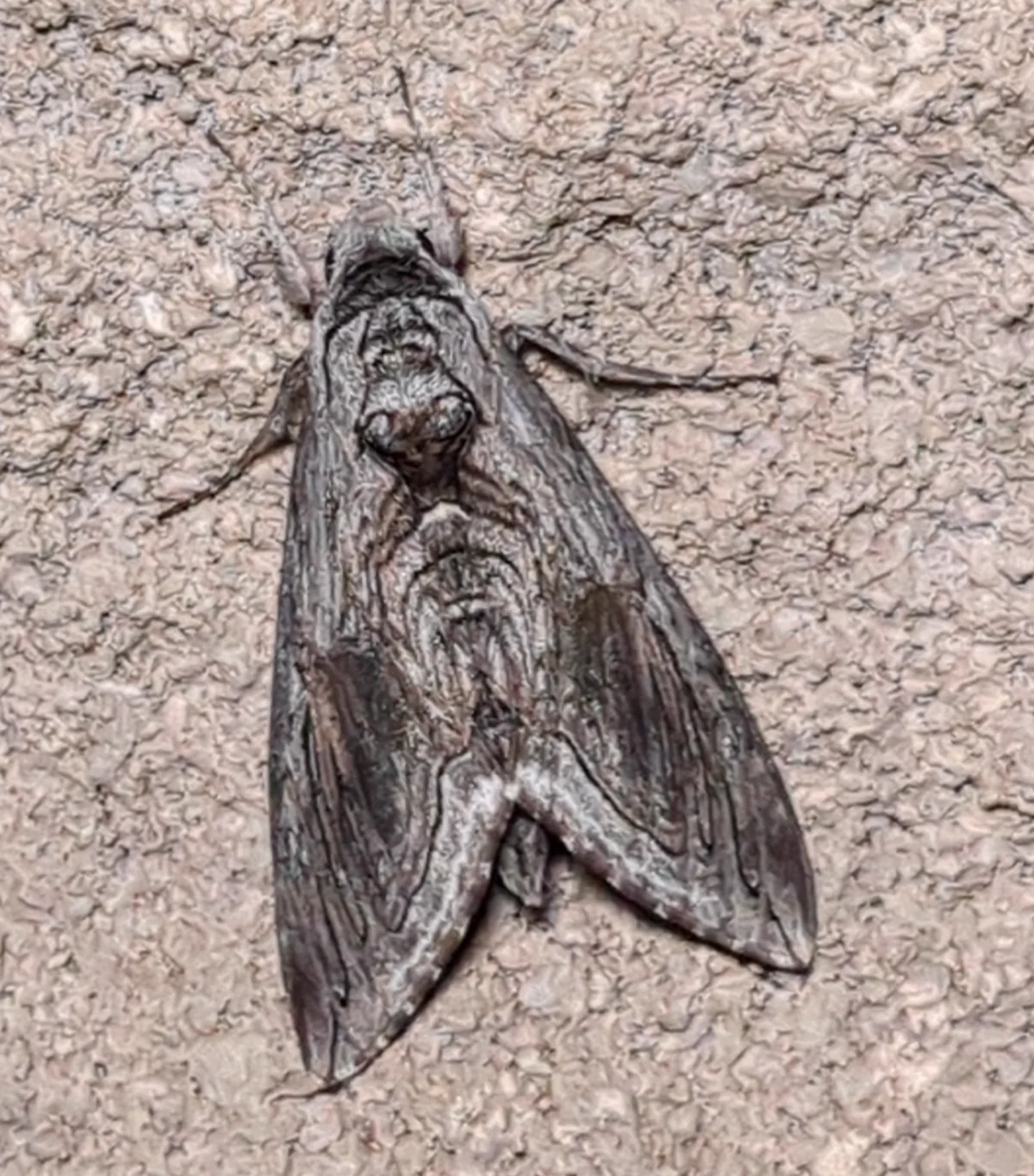
The adult stage is the five-spotted hawk moth. It is also called the sphinx moth. These are large moths with thick bodies and a wingspan of 4 to 5 inches. Their forewings are mottled gray-brown with wavy darker lines. Five pairs of orange-yellow spots run down each side of the belly. This pattern gives them their common name.
Hawk moths are strong fliers. They hover like hummingbirds while feeding on flower nectar. They fly mostly at dusk and dawn. Many gardeners mistake them for hummingbirds because of their size and the way they fly. For tips on telling moths from butterflies and hummingbirds, see our moth vs butterfly identification guide.
Tomato Hornworm vs. Tobacco Hornworm
Many gardeners confuse these two closely related species. Here is how to tell them apart:
-
Tomato hornworm (Manduca quinquemaculata) has V-shaped white markings and a black or dark blue horn. The adult moth has five pairs of yellow spots on the abdomen.
-
Tobacco hornworm (Manduca sexta) has diagonal white stripes and a red horn. The adult Carolina sphinx moth has six pairs of yellow spots.
Both species feed on the same plants and cause similar damage. In the southeastern United States, the tobacco hornworm is actually more common on tomato plants despite its name.
Tomato Hornworm Behavior and Biology
Life Cycle
Tomato hornworms produce one to two generations per year depending on climate. In northern areas, there is usually one generation. Southern regions may see two complete generations.
Eggs: Female moths lay small, round eggs on the undersides of leaves. The eggs are about 1mm across. They are light green to yellow-green with a pearly shine. Females lay eggs one at a time during evening hours.
Larvae: Eggs hatch in about a week. Young caterpillars stay on the leaf where they hatched. They feed and grow for 3 to 4 weeks, molting through five stages. The final stage eats nearly as much as all the earlier stages put together.
Pupae: Full-grown caterpillars drop to the ground. They burrow several inches into the soil. There they form dark reddish-brown pupae. Pupae either become adult moths in a few weeks or spend the winter in the soil until spring.
Adults: Moths emerge from the soil, mate, and start laying eggs within a few days. Adults feed on flower nectar but live only a few weeks.
Feeding Habits
Tomato hornworms eat a lot. They usually start on the upper parts of plants and work their way down. The caterpillars feed mainly at night and rest during the day. They cling to stems where their green color makes them hard to spot.
A single hornworm can strip the leaves from several tomato branches in just a few days. They also chew into green and ripe fruit. These holes ruin the harvest.
Signs of Infestation
Because hornworms blend in so well, you often notice the damage before you see the caterpillar. Look for:
- Large sections of leaves missing or completely stripped stems
- Dark green or black droppings on leaves and on the ground
- Chewed holes in green or ripe tomatoes
- Defoliated branch tips, especially on the upper plant
The droppings are a clear sign. They look like small dark pellets. You will find them on lower leaves or the soil below where the caterpillar is feeding.
Host Plants
Tomato hornworms attack plants in the nightshade family (Solanaceae):
- Tomatoes (preferred host)
- Peppers
- Eggplants
- Potatoes
- Tobacco
- Jimsonweed and other nightshade weeds
Wild tobacco was likely the original host plant. The caterpillars began eating garden crops after tomatoes and other plants were brought to North America. Another moth pest that tunnels into garden crops like peppers and tomatoes is the European corn borer.
Treatment Methods for Tomato Hornworms
Tomato hornworms are mainly a garden pest. You can control them with hand removal and targeted treatments.
Hand Picking
For home gardens, hand picking is the best control method. The caterpillars are large and easy to remove once you find them. Check plants in early morning or evening when hornworms are more active.
Look closely along stems and under leaves. Follow trails of droppings to find hidden caterpillars. Drop them into a bucket of soapy water.
Natural Enemies
Many predators and parasites attack tomato hornworms:
-
Paper wasps hunt hornworms to feed their young.
-
Braconid wasps are tiny wasps that lay eggs inside hornworms. If you see a caterpillar covered with small white cocoons, leave it alone. The wasp larvae have already killed the hornworm. New wasps will soon emerge to attack more caterpillars.
-
Green lacewing larvae and lady beetles eat hornworm eggs and young caterpillars.
Biological Controls
Bacillus thuringiensis var. kurstaki (Btk) is a bacterial insecticide that targets caterpillars. It works best on young larvae and must be eaten to take effect. Apply Btk to plant leaves when small caterpillars are present.
Spinosad comes from soil bacteria. It also provides good caterpillar control.
Cultural Practices
Good garden practices reduce hornworm problems:
- Till soil after harvest to destroy pupae overwintering underground
- Remove weeds, especially nightshade family plants, that serve as alternate hosts
- Rotate crops to reduce pest buildup in the soil
- Inspect transplants before planting to avoid introducing pests
Prevention
Check plants often during the growing season. Hornworms are most active from June through September. Finding them early makes control much easier. Young caterpillars cause less damage than full-grown ones.
Floating row covers can keep adult moths from laying eggs on plants. Remove covers when plants begin to flower so bees can reach the blooms.
References
Other Moths
Explore other species in the moths family
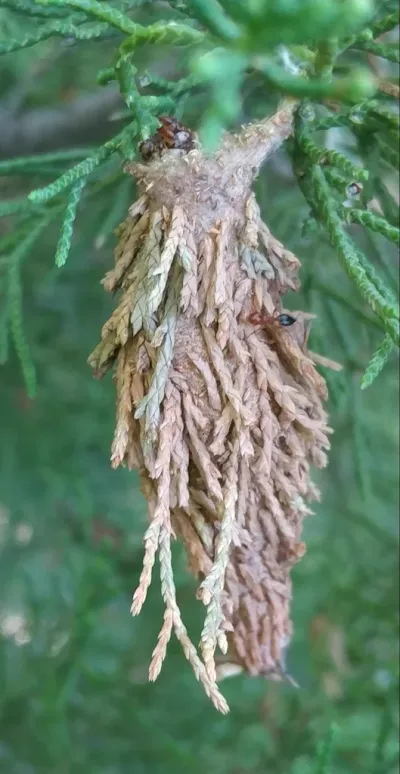
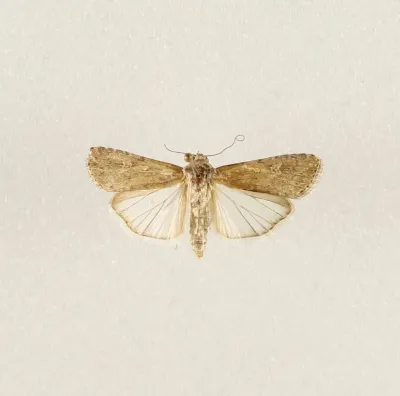
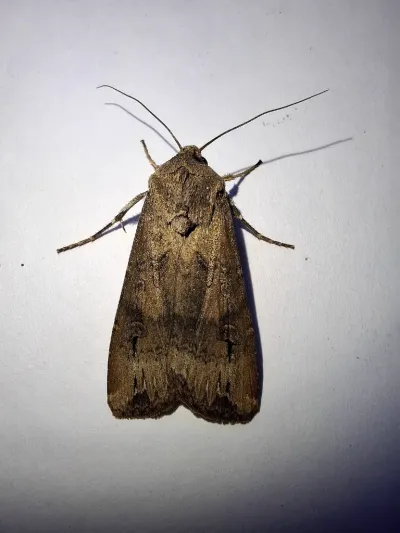
Commonly Confused With
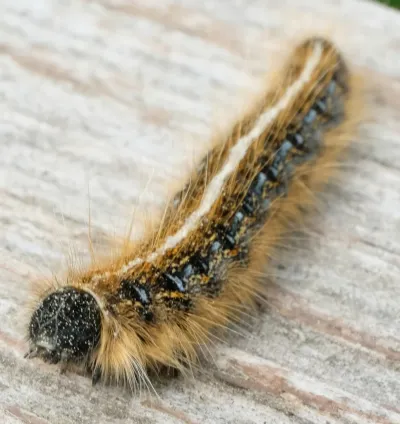
Tomato Hornworms are often mistaken for these similar pests
Where Tomato Hornworms Are Found
Hover over states to see their names. Green regions indicate where tomato hornworms have been reported.
Common Questions about Tomato Hornworms
What do tomato hornworms look like?
+
Tomato hornworms are large green caterpillars that grow up to 4 inches long. They have eight white V-shaped markings on each side of their body and a distinctive black or dark blue horn on their rear end. Young caterpillars are yellow to white and lack the V-shaped markings.
Are tomato hornworms the same as tobacco hornworms?
+
No, they are different species. Tomato hornworms (Manduca quinquemaculata) have V-shaped white markings and a black horn. Tobacco hornworms (Manduca sexta) have diagonal white stripes and a red horn. Both feed on tomato plants and cause similar damage.
What plants do tomato hornworms eat?
+
Tomato hornworms feed on plants in the nightshade family (Solanaceae). This includes tomatoes, peppers, eggplants, potatoes, and related weeds like jimsonweed. They prefer tomato plants but will attack any available host.
How do I know if I have tomato hornworms?
+
Look for large areas of missing leaves, especially on the upper parts of plants. Check for dark green or black droppings on leaves and the ground below. The caterpillars are well camouflaged but can be found by following the damage or spotting their droppings.
What are the white things on tomato hornworms?
+
White cocoon-like structures on a hornworm are the pupae of braconid wasps. These tiny parasitic wasps lay eggs inside the caterpillar. When you see these white cocoons, leave the hornworm in the garden. The wasps will emerge and help control the hornworm population naturally.
Do tomato hornworms bite or sting?
+
No, tomato hornworms do not bite or sting. The horn on their rear end looks threatening but is harmless. They are not dangerous to handle, though they may thrash around when picked up.
How do I get rid of tomato hornworms?
+
Hand-picking is the most effective method for home gardens. Check plants in early morning or evening and drop caterpillars into soapy water. For larger infestations, Bacillus thuringiensis (Bt) sprays work well on young caterpillars.

With five years of hands-on experience in the pest control industry, George Schulz is a registered technician with the Virginia Pest Management Association and a proud third-generation professional in a family business that's been protecting homes for over 57 years. He manages and trains a team of service pros while also leading internal research efforts—recently spearheading a deep-dive review of thousands of documents on pest control materials to hand-pick the most kid and pet friendly, most effective solutions tailored specifically for homes in the DC metro area.