Lesser Wax Moth Identification Guide
Achroia grisella
The lesser wax moth is a small moth that infests honey bee hives and stored beeswax products. These moths damage active beehives, stored frames, and beekeeping supplies, making them a major concern for beekeepers.
Taxonomy
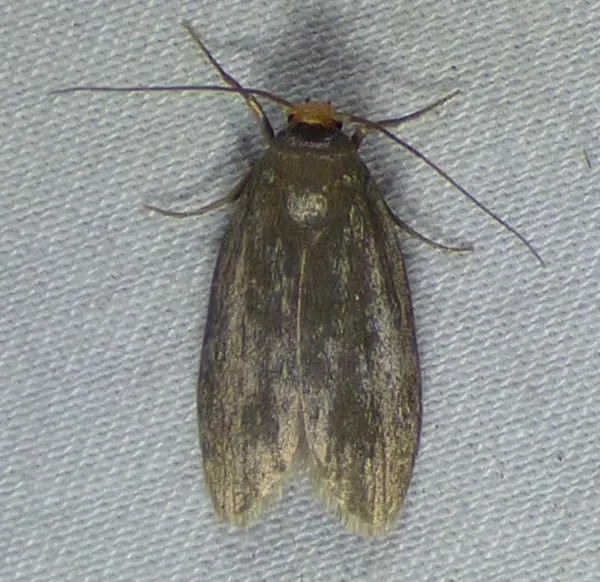
Lesser Wax Moth Coloration
Common color patterns to help identify lesser wax moth
Lesser Wax Moth
Seasonal Activity
When lesser wax moth are most active throughout the year

Where Lesser Wax Moth Are Found
Hover over states to see their names. Green regions indicate where lesser wax moth have been reported.
Lesser Wax Moth Identification Guide
Physical Characteristics
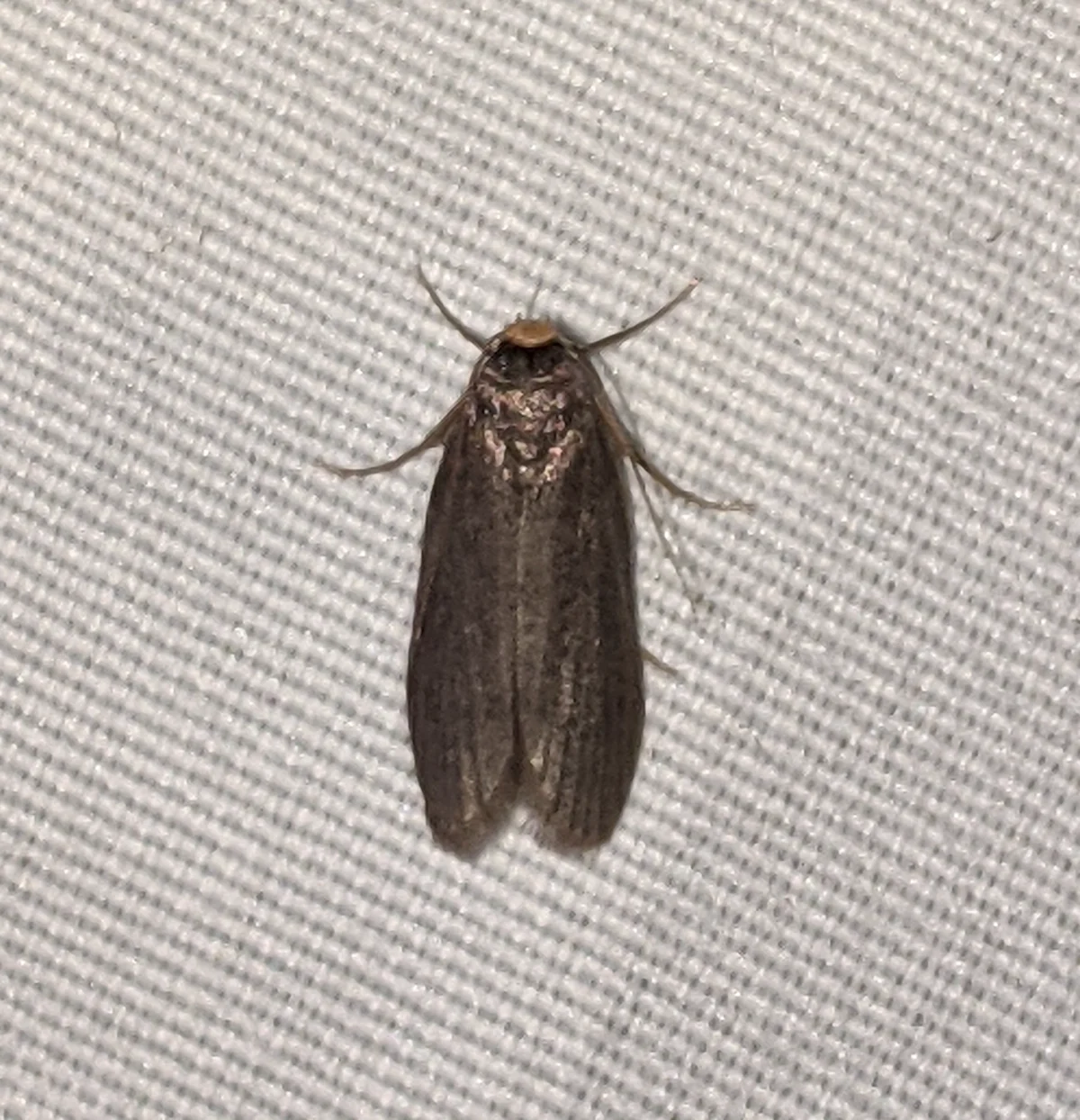
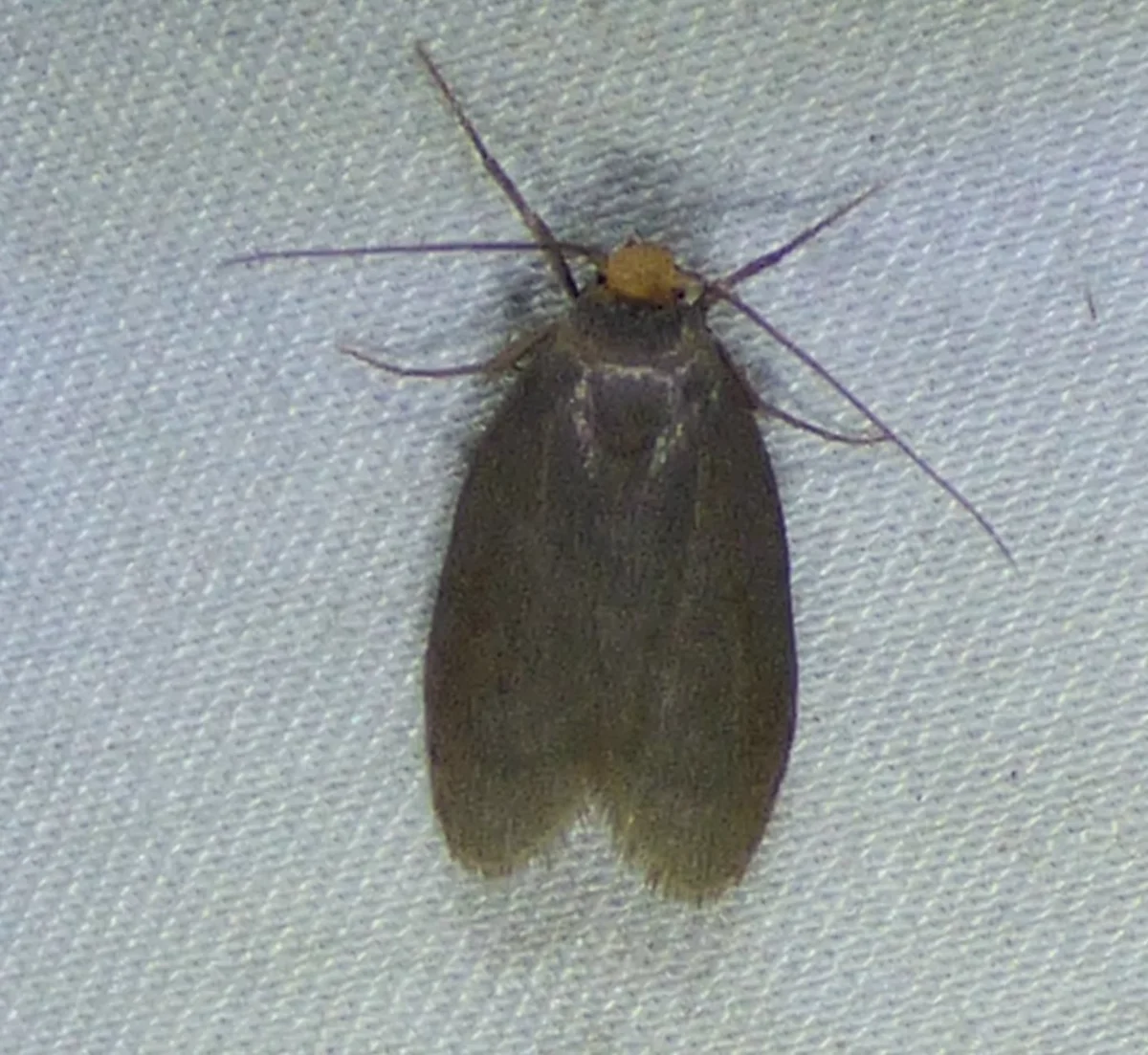
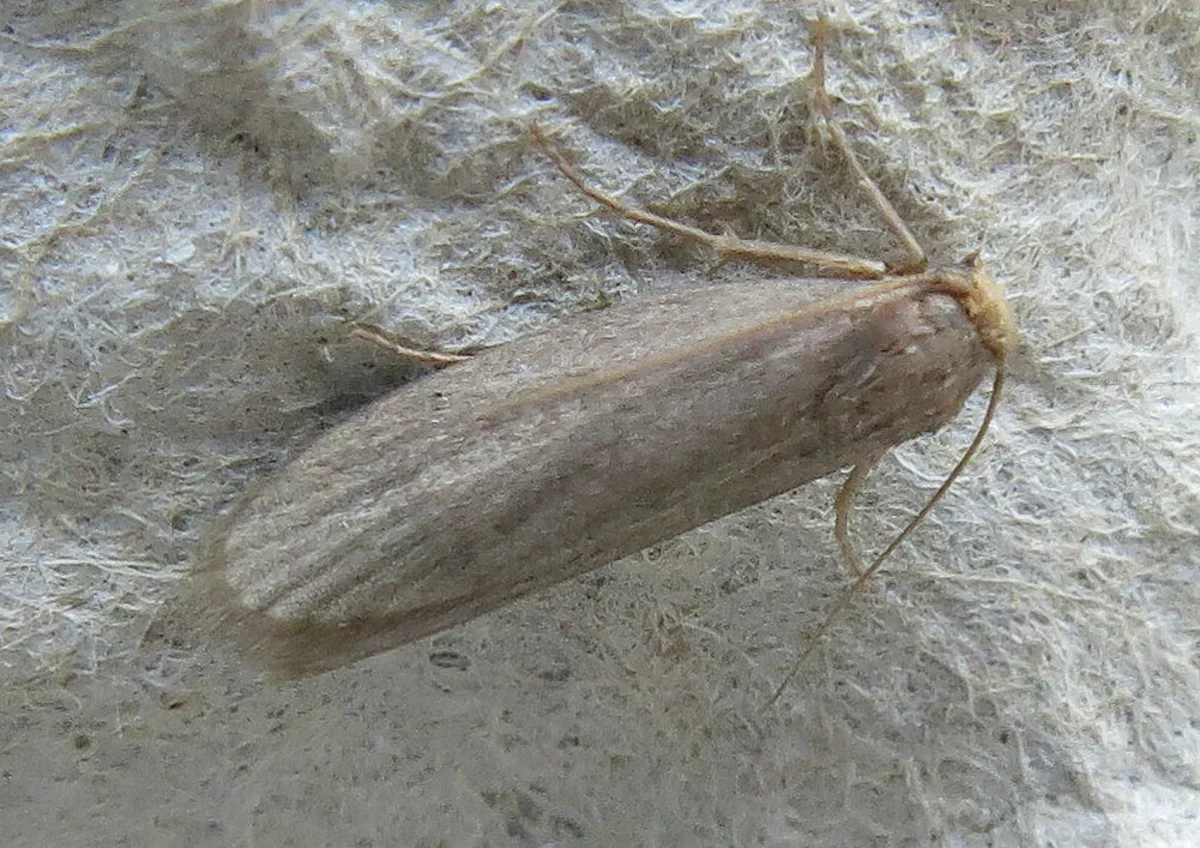
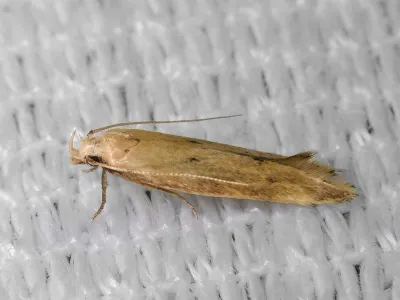
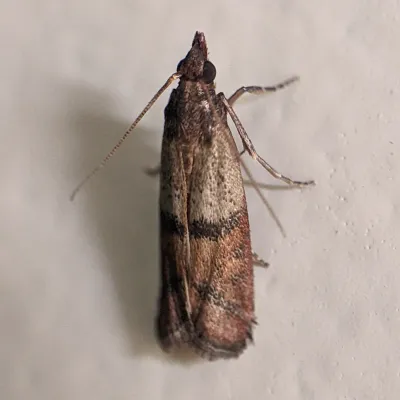
Lesser wax moths are small, slender moths about 10 to 13mm long. Their wingspan is about the same size. The wings are silver-gray to beige with faint markings running lengthwise. At rest, the moth folds its wings close to the body in a roof or boat shape. This makes it look narrow and pointed.
The easiest way to spot a lesser wax moth is by its bright yellow or orange head. This color also shows on the front part of the body. The moth has a slim build and long antennae that curve backward.
Males and females look different. Males are smaller and lighter in color. Males also have a small notch at the front edge of their wings. Females have straight wing edges.
Lesser Wax Moth Larvae
The larvae cause all the damage. They have long, narrow bodies that are white or cream colored. The head and the plate behind it are brown. Full-grown larvae reach about 20mm long after going through seven growth stages.
As larvae tunnel through beeswax, they spin silk webbing and leave behind waste called frass. This mix of silk, waste, and debris creates visible tunnels and mats. It damages the comb structure. The silk webbing is a clear sign of wax moth damage.
Telling Them Apart from Other Moths
Lesser wax moths look similar to other common moths. Here is how to tell them apart:
Greater wax moths: Greater wax moths are much bigger at 15-20mm. Their larvae also grow larger and cause more damage.
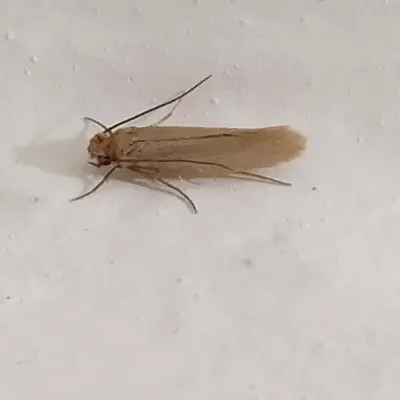
Clothes moths: Clothes moths are smaller at 6-8mm. They are golden or buff colored without a yellow head. Clothes moths eat fabrics and avoid light. Lesser wax moths fly toward light and target beeswax.
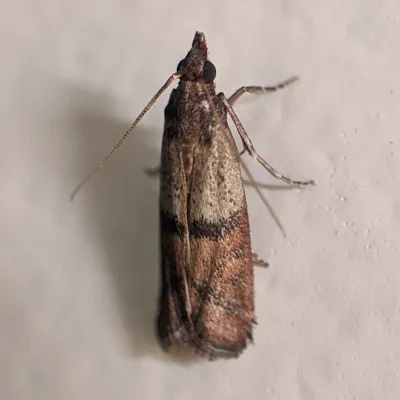
Indian meal moths: These moths have two-toned wings. The inner part is pale and the outer part is copper colored. They infest stored food, not beeswax.
Lesser Wax Moth Behavior and Biology
Lifecycle and Development
Lesser wax moths go through four life stages: egg, larva, pupa, and adult. The full cycle takes 5 weeks to several months. Temperature is the main factor.
Eggs: Females lay tiny white round eggs near or on beeswax comb. The eggs are only about 0.5mm wide and hard to see. In warm weather, eggs hatch in 5 to 8 days. Cold slows this process.
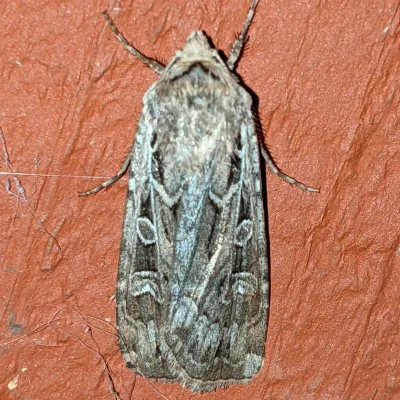
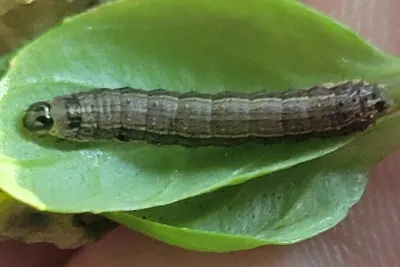
Larvae: This feeding stage lasts 6 to 7 weeks in warm conditions (29 to 32 degrees C). In cooler weather, it can take up to five months. Larvae molt seven times as they grow. Most growth happens in the last two stages. A related species, Armyworms, shares similar characteristics.
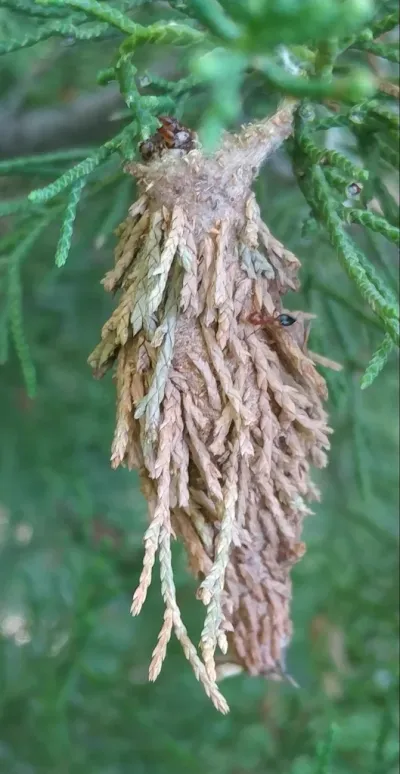
Pupae: Larvae spin tough silk cocoons when ready to change. Pupae are about 11mm long and yellow-tan in color. The white cocoons often get covered with waste and debris. This stage takes about 37 days on average but can last two months. A related species, Fall Webworms, shares similar characteristics.
Adults: Adult moths live about one week. They do not eat at all. Their only job is to mate and lay eggs. A related species, Peachtree Borer Moth, shares similar characteristics.
Mating Behavior A related species, Black Cutworm, shares similar characteristics.
Lesser wax moths use sound to find mates. Male moths produce ultrasonic pulses to attract females. Humans cannot hear these sounds, but female moths can.
Females choose mates based on the quality of the male’s calls. They pick the best callers. Scent also plays a role. Chemical signals help females find males up close. This mix of sound and scent makes wax moth mating more complex than most insects.
Habitat and Distribution
Lesser wax moths live nearly everywhere honey bees are kept. They do best in warm, tropical climates. They can survive in cooler areas but cannot handle long periods of freezing weather.
In the wild, wax moths break down abandoned combs after bee colonies die or leave their nests. However, they cause problems when they infest active managed beehives or stored beekeeping supplies. They are most common in:
- Weakened or stressed bee colonies
- Stored honeycomb and frames
- Beekeeping equipment in warm, dark, poorly ventilated areas
- Colonies affected by disease or queen problems
Signs of a Lesser Wax Moth Problem
What to Look For
If you keep bees or store bee equipment, watch for these signs of lesser wax moth activity:
- Adult moths: Small gray moths near hives or storage areas, especially at dusk
- Webbing: Silky threads and tunnels on beeswax comb
- Frass: Small dark pellets of larval waste mixed with wax debris
- Tunneling: Visible trails through comb, often with exposed cocoons
- Bald brood: Developing bees exposed by larvae tunneling beneath cappings
- Damaged comb: Structural breakdown of honeycomb with matted webbing
Where to Inspect
Lesser wax moths prefer dark, warm, poorly ventilated spaces. Check these areas carefully:
- Stored frames and supers, especially older dark comb
- Weak colonies with reduced bee populations
- Equipment in sheds, garages, or basements
- Comb containing residual pollen or brood cells
- Areas where equipment has been undisturbed for weeks
Treatment Methods for Lesser Wax Moths
Control of lesser wax moths centers on prevention and proper care of beehives and stored supplies. These are specialized pests of bee products, not typical household pests. Treatment approaches differ from standard moth control.
Temperature Control
Temperature is one of the best ways to kill wax moths without chemicals:
Freezing: All wax moth life stages die at 20 degrees F or below within 24 to 48 hours. Freezing works well for treating stored frames before putting them back in hives.
Heat treatment: Temperatures above 114 degrees F kill wax moths. But beeswax melts at 119 degrees F. Watch temperatures closely to avoid damaging comb.
Cold storage: Keeping supplies at 39 degrees F slows moth activity but does not kill them. This can keep populations low during storage.
Storage Practices
Good storage habits help prevent infestations:
- Store frames in bright, well-ventilated areas
- Stack frames loosely so air can flow
- Check stored comb often
- Use older, darker comb first
- Keep storage areas free of wax scraps and cappings
Colony Health
Strong colonies are the best defense against wax moths:
- Healthy hives with plenty of bees can fight off wax moths
- Fix colony health problems quickly
- Feed bees well and manage disease
- Give weak colonies less space to defend
- Remove old, dark comb on a regular basis
Prevention Tips
These steps can help beekeepers avoid wax moth problems:
- Keep colonies strong: Healthy bees can repel and remove wax moths on their own
- Freeze used frames: Treat any used frames by freezing before adding them to hives
- Store properly: Keep unused frames in bright, cool areas with good airflow
- Check often: Look at stored comb monthly during warm weather
- Use old comb first: Older, darker comb attracts moths more than new comb
- Limit hive space: Do not give weak colonies more room than they can protect
- Clean up: Remove wax scraps and cappings from storage areas
References and Further Reading
Other Moths
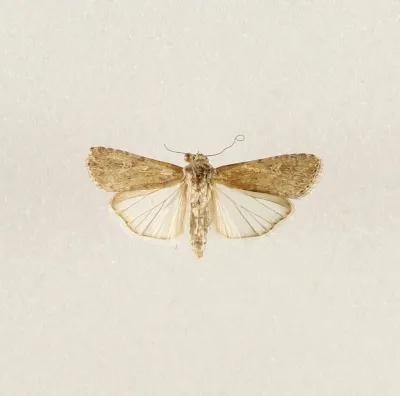
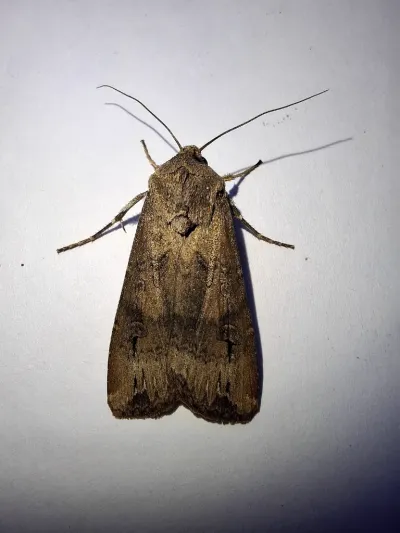
Explore other species in the moths family
Commonly Confused With
Lesser Wax Moth are often mistaken for these similar pests
Where Lesser Wax Moth Are Found
Hover over states to see their names. Green regions indicate where lesser wax moth have been reported.
Common Questions about Lesser Wax Moth
What do lesser wax moths look like?
+
Lesser wax moths are small, slender moths measuring 10 to 13mm in length with a similar wingspan. They have silver-gray to beige wings that fold over their body in a roof-like or boat shape when at rest. Their most distinctive feature is a prominent yellow or orange head. Males are noticeably smaller and lighter in color than females.
Are lesser wax moths harmful to humans?
+
No, lesser wax moths do not bite, sting, or pose any direct health risk to humans. They do not infest food products in homes like pantry moths do. Their impact is primarily economic, affecting beekeepers through damage to hives and stored beeswax equipment.
How do lesser wax moths get into beehives?
+
Female lesser wax moths are most active at night and sneak into beehives under cover of darkness. They gain entry when guard bees are less vigilant or when colonies are weakened by disease, poor nutrition, or other stressors. Once inside, they lay eggs near or on beeswax comb.
What do lesser wax moth larvae eat?
+
Lesser wax moth larvae feed primarily on beeswax comb, but they prefer comb that contains bee brood (developing bees), pollen, and honey. They tunnel through the wax while spinning silk webbing and leaving behind waste called frass. They do not eat honey or adult bees.
How can I tell the difference between lesser and greater wax moths?
+
Size is the main difference. Lesser wax moths are 10-13mm long, while greater wax moths are significantly larger at 15-20mm. Lesser wax moths also have a more prominent yellow head and appear more slender overall. Both species cause similar damage to beehives but greater wax moths are generally more destructive.
Can lesser wax moths survive cold winters?
+
Lesser wax moths cannot survive prolonged freezing temperatures, though they tolerate cold better than some tropical insects. All life stages die when exposed to temperatures of 20 degrees F or below for 24 to 48 hours. They thrive in warm, humid conditions and are most active during summer months.
Do lesser wax moths infest homes?
+
Lesser wax moths rarely infest typical homes. They specifically target beeswax and honeycomb, so they are mainly a concern for beekeepers or anyone storing bee-related products. If you see small moths in your home, they are more likely [clothes moths or pantry moths](/clothes-moth-vs-pantry-moth/) rather than wax moths.

With five years of hands-on experience in the pest control industry, George Schulz is a registered technician with the Virginia Pest Management Association and a proud third-generation professional in a family business that's been protecting homes for over 57 years. He manages and trains a team of service pros while also leading internal research efforts—recently spearheading a deep-dive review of thousands of documents on pest control materials to hand-pick the most kid and pet friendly, most effective solutions tailored specifically for homes in the DC metro area.