Inchworms Identification Guide
Geometridae (family)
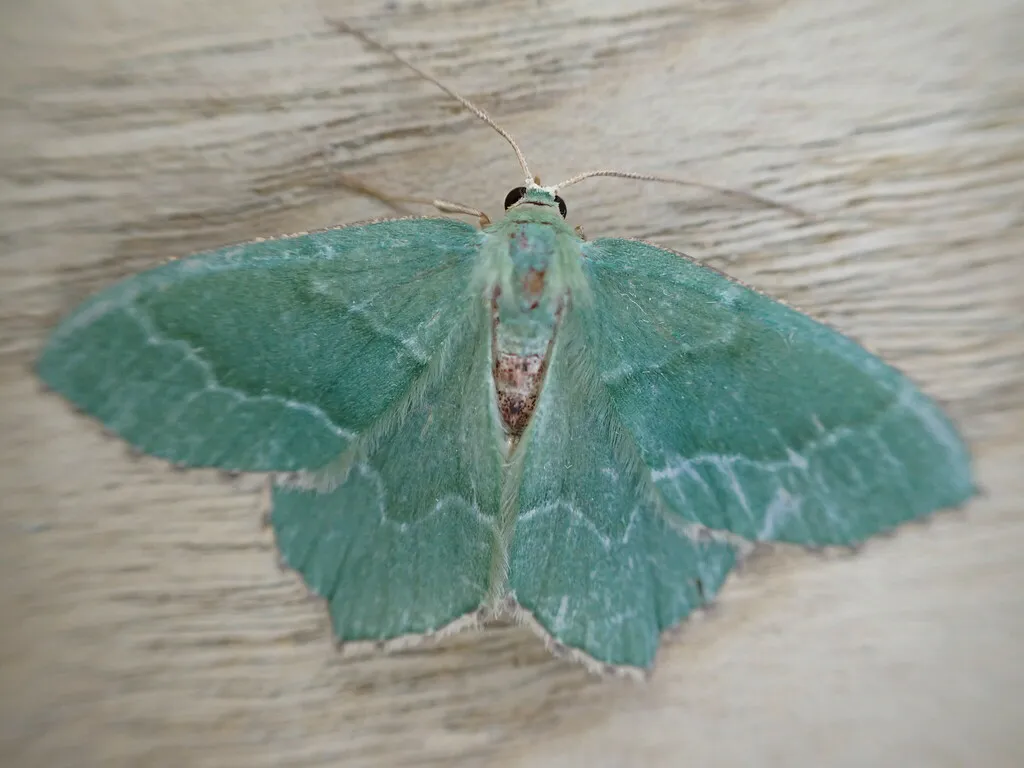
Inchworms are the caterpillar larvae of geometer moths, named for their distinctive looping movement that appears to measure distances as they crawl. These common garden pests feed on tree and shrub foliage across North America.
Taxonomy
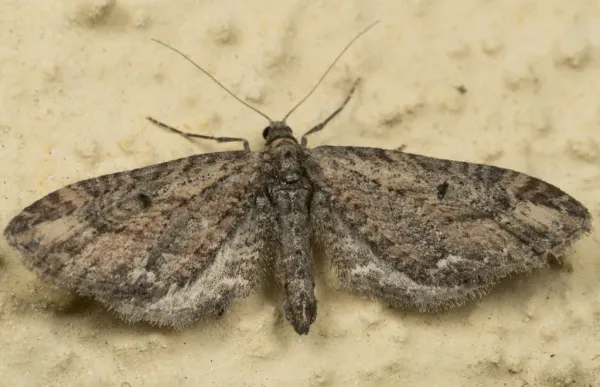
Inchworms Coloration
Common color patterns to help identify inchworms
Inchworms
Seasonal Activity
When inchworms are most active throughout the year

Where Inchworms Are Found
Hover over states to see their names. Green regions indicate where inchworms have been reported.
Inchworms Identification Guide
Physical Characteristics
Inchworms are the caterpillar stage of geometer moths. This is one of the largest moth families with over 23,000 species worldwide. About 1,400 species live in North America. Their name comes from their looping movement, which looks like they are measuring distances as they crawl.
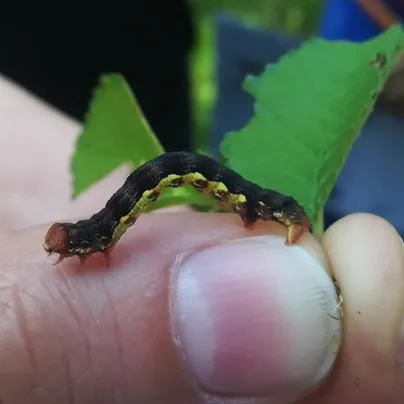
Most caterpillars have legs along their whole body. Inchworms are different. They only have legs at the front and back, with a gap in the middle. To move, they pull their back end forward into a loop, then stretch their front end out. This creates their famous “measuring” walk.
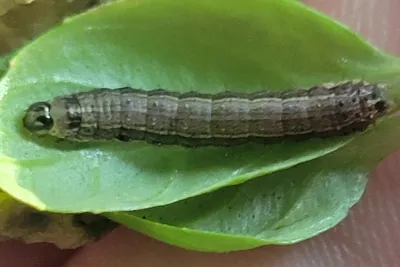
Inchworms come in many sizes and colors. Most are 10 to 40 mm long when fully grown. Common colors include green, brown, tan, gray, and yellow. Many look like small twigs or bark. When scared, they freeze and stick out stiffly from a branch to look even more like a twig.
Common Species in North America
- Spring Cankerworm (Paleacrita vernata) - Green to brown larvae that emerge in early spring
- Fall Cankerworm (Alsophila pometaria) - Green larvae with white stripes, active in spring despite their name
- Winter Moth (Operophtera brumata) - An introduced European species now established in the northeastern U.S. and Pacific Northwest
- Bruce Spanworm (Operophtera bruceata) - Native species found across northern North America
- Linden Looper (Erannis tiliaria) - Yellow caterpillars with wavy black lines feeding on various hardwoods
- Elm Spanworm (Ennomos subsignaria) - Gray-brown larvae that feed on elm and other trees
Inchworms Behavior and Biology
Life Cycle
Geometer moths usually have one or two generations per year. This depends on the species and climate. Most spend winter as eggs or pupae. In spring, larvae hatch and start eating new leaves and buds right away.
The caterpillars eat for several weeks. They shed their skin five or six times as they grow. When ready to change into moths, most drop to the ground on silk threads. They burrow into soil or leaves to form pupae. Adult moths come out after a few weeks, or they may wait until fall or spring. Homeowners dealing with Inchworms may also encounter Moth, which can appear in similar environments.
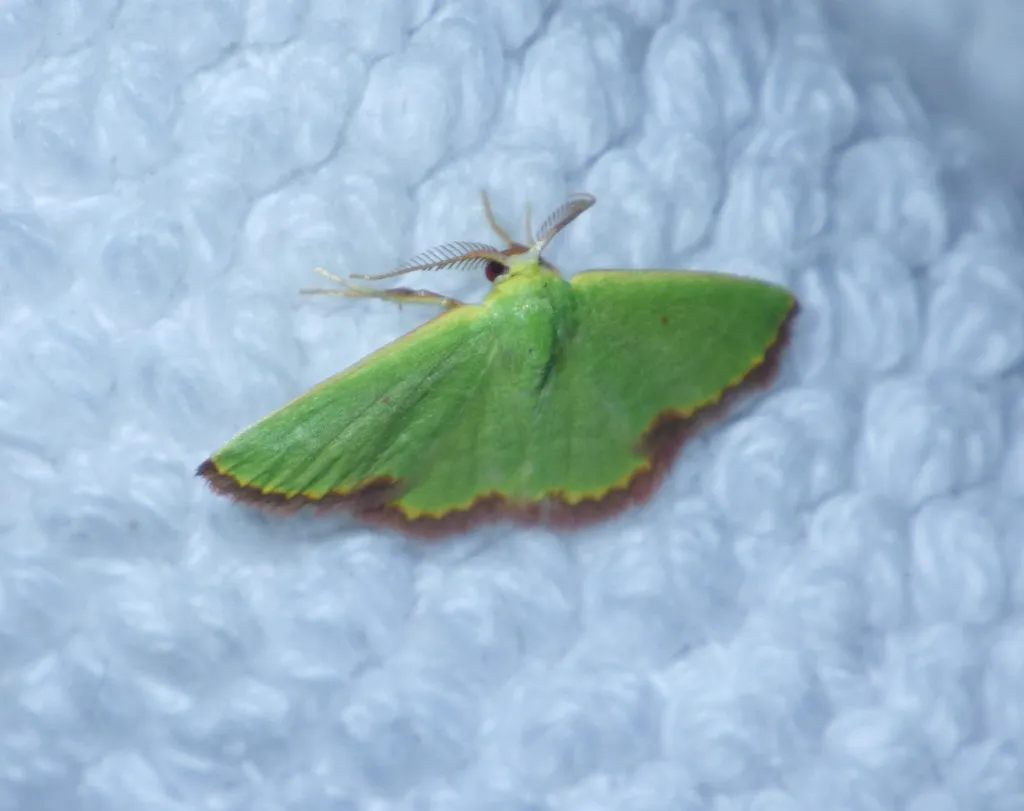
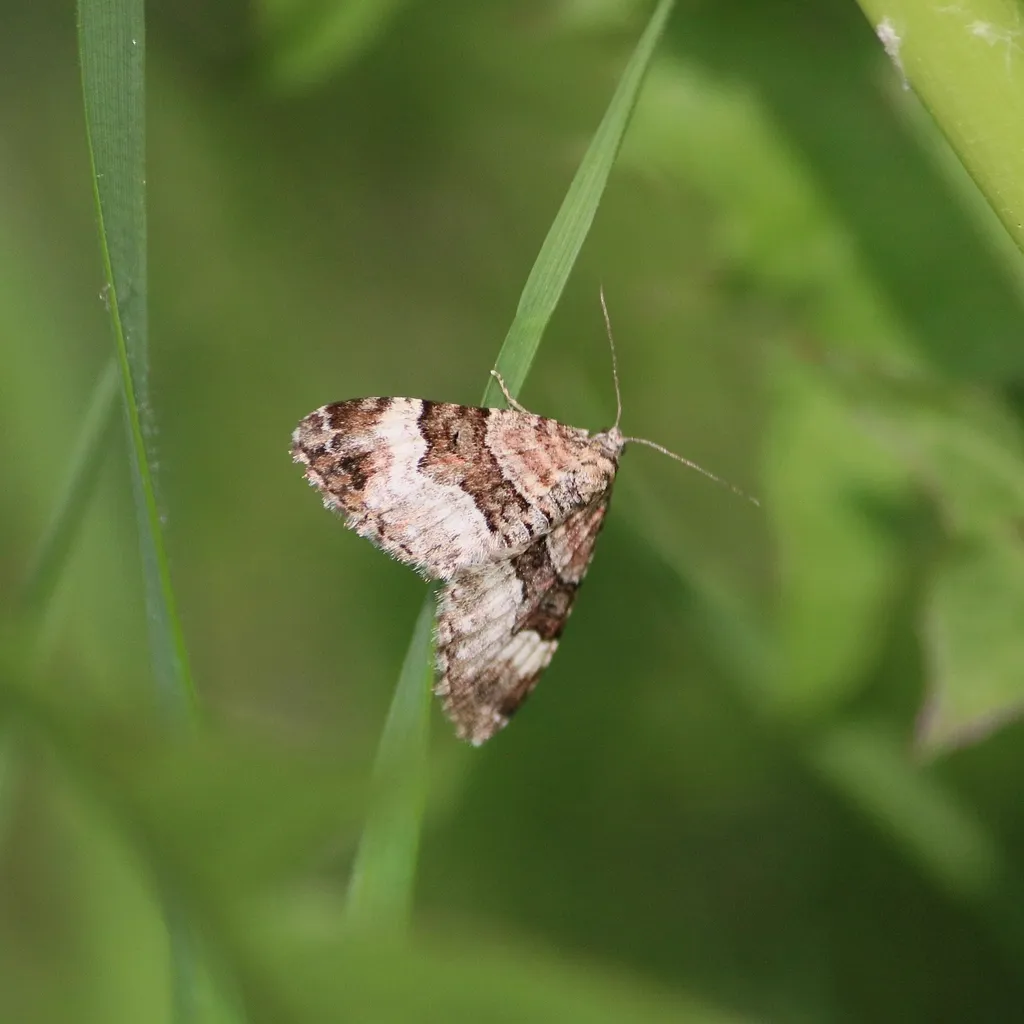
Adult geometer moths are active at night. They have broad, thin wings that they hold flat when resting, a posture distinct from the way moths and butterflies are often compared. In some species, females have tiny wings or no wings at all.
Feeding Behavior
Inchworms eat a lot. They chew through leaves, starting with tender new growth. They feed mostly at night and on cloudy days. During sunny hours, they sit still on branches. When there are many inchworms, they can strip all the leaves from a tree in just a few weeks.
These caterpillars eat over 100 types of trees and shrubs. Favorites include oak, maple, elm, apple, cherry, ash, basswood, hickory, and blueberry. During bad years, they may attack plants they normally skip once their favorites are gone. Tent caterpillars and fall webworms also target many of the same tree species. Other garden pests like aphids and spotted lanternflies can compound the stress on trees already weakened by inchworm defoliation.
Signs of Inchworm Damage
- Holes in leaves with uneven edges
- Leaves eaten down to just the veins in bad cases
- Caterpillars on branches and leaves, often in morning and evening
- Silk threads hanging from trees
- Droppings piling up under infested trees
- Branches or whole trees losing most or all leaves
Treatment Methods for Inchworms
Good timing is key when treating inchworms. A mix of different methods often works best.
Cultural Controls
-
Physical removal: Pick caterpillars off small trees and shrubs by hand. Check plants often in spring when larvae first show up.
-
Tree banding: Sticky bands around tree trunks can trap female moths as they climb up to lay eggs. Put these on in fall before moths come out.
-
Tree health: Healthy trees handle leaf loss better. Keep trees well-watered and fertilized.
-
Cleanup: Rake up leaves in fall. This can reduce the number of pupae waiting in the soil.
Biological Controls
-
Btk (Bacillus thuringiensis): This natural bacteria kills young inchworms when they eat treated leaves. Timing matters because it works best on small caterpillars.
-
Spinosad: This product comes from soil bacteria. It works well against inchworms when used as the label says.
Chemical Treatments
For bad infestations that threaten important trees, insecticides may be needed:
- Treatments work best in early to mid-spring when caterpillars are small
- Products with carbaryl, permethrin, or other labeled ingredients can control populations
- Large trees may need a pest control company with the right equipment to treat effectively
- Always follow label directions for timing and application rates
Prevention Tips
- Check trees in early spring for signs of larvae
- Install barrier bands on trees in late fall before adult moths emerge
- Keep trees healthy with proper watering and fertilizer
- Consider preventive treatments for trees that have had problems before. Find out how often you should spray for bugs to keep pests under control
References
Other Moths
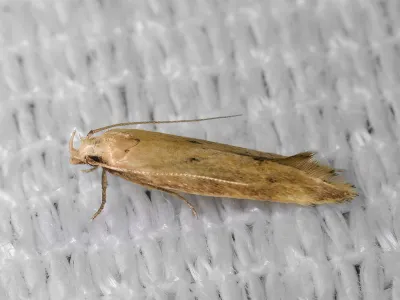
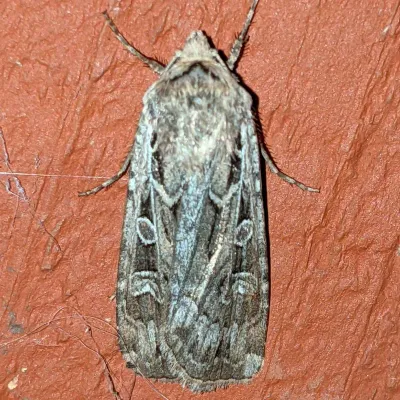
Explore other species in the moths family
Where Inchworms Are Found
Hover over states to see their names. Green regions indicate where inchworms have been reported.
Common Questions about Inchworms
Why are they called inchworms?
+
Inchworms get their name from how they move. They only have legs at the front and back. To walk, they pull their back end forward into a loop, then push their front out. It looks like they are measuring inch by inch.
Are inchworms harmful to plants?
+
Yes, inchworms can hurt trees and shrubs by eating their leaves. Large numbers can strip all leaves from branches or entire trees. Healthy adult trees usually bounce back, but heavy damage year after year can weaken them.
What do inchworms turn into?
+
Inchworms are baby geometer moths. After eating and growing, they turn into pupae in the soil or fallen leaves. Then they become adult moths that fly at night.
When are inchworms most active?
+
Most inchworms are busiest in spring and early summer when new leaves are growing. Cankerworms start eating in March and April. Some types have more than one batch of caterpillars each year.
Do inchworms bite or sting?
+
No, inchworms cannot bite or sting people. They have no way to hurt humans or pets. They are harmless.
What trees do inchworms attack?
+
Inchworms eat many kinds of trees and shrubs. Common targets include oak, maple, elm, apple, cherry, basswood, and hickory. Most inchworms are not picky eaters.
How can I tell if I have an inchworm infestation?
+
Look for caterpillars that move in a looping pattern. Check for leaves with holes and silk threads hanging from branches. Bad infestations leave trees with few or no leaves.

With five years of hands-on experience in the pest control industry, George Schulz is a registered technician with the Virginia Pest Management Association and a proud third-generation professional in a family business that's been protecting homes for over 57 years. He manages and trains a team of service pros while also leading internal research efforts—recently spearheading a deep-dive review of thousands of documents on pest control materials to hand-pick the most kid and pet friendly, most effective solutions tailored specifically for homes in the DC metro area.