Fall Webworms Identification Guide
Hyphantria cunea
Fall webworms are caterpillars that create large, silky web nests on tree branches in late summer and fall, often defoliating ornamental and shade trees.
Taxonomy
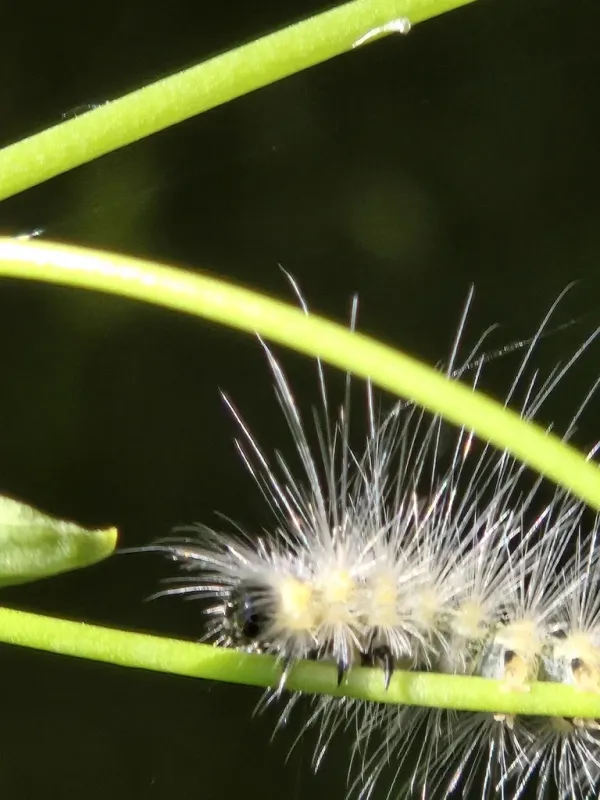
Fall Webworms Coloration
Common color patterns to help identify fall webworms
Fall Webworms
Seasonal Activity
When fall webworms are most active throughout the year

Where Fall Webworms Are Found
Hover over states to see their names. Green regions indicate where fall webworms have been reported.
Fall Webworms Identification Guide
Physical Characteristics
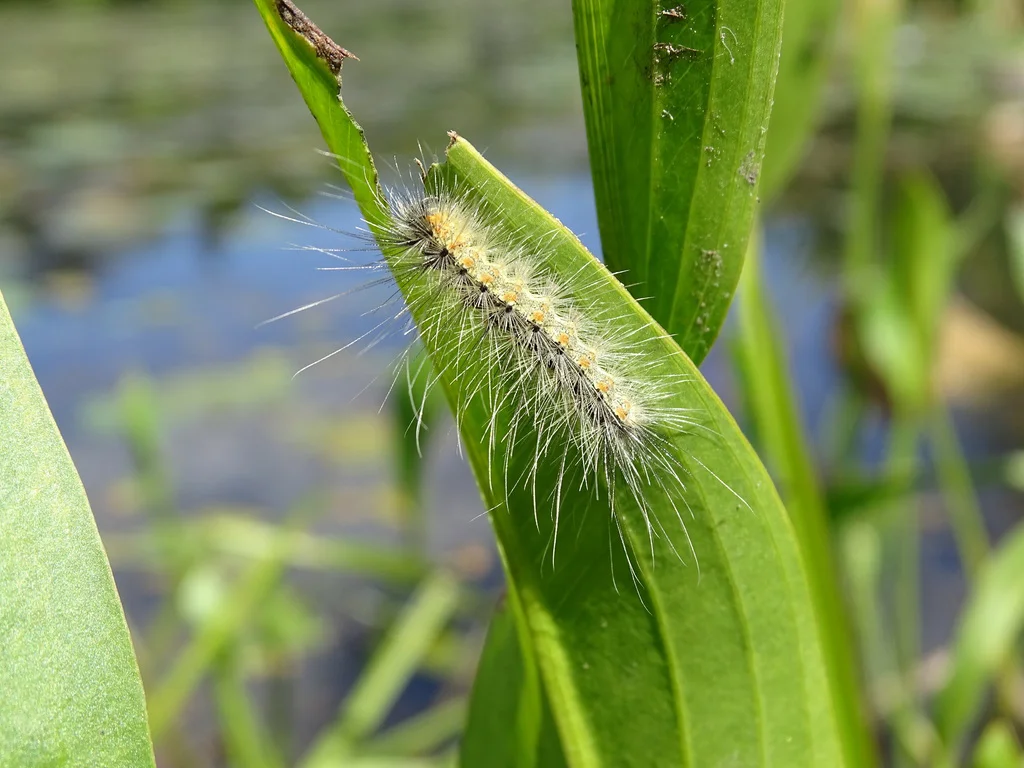
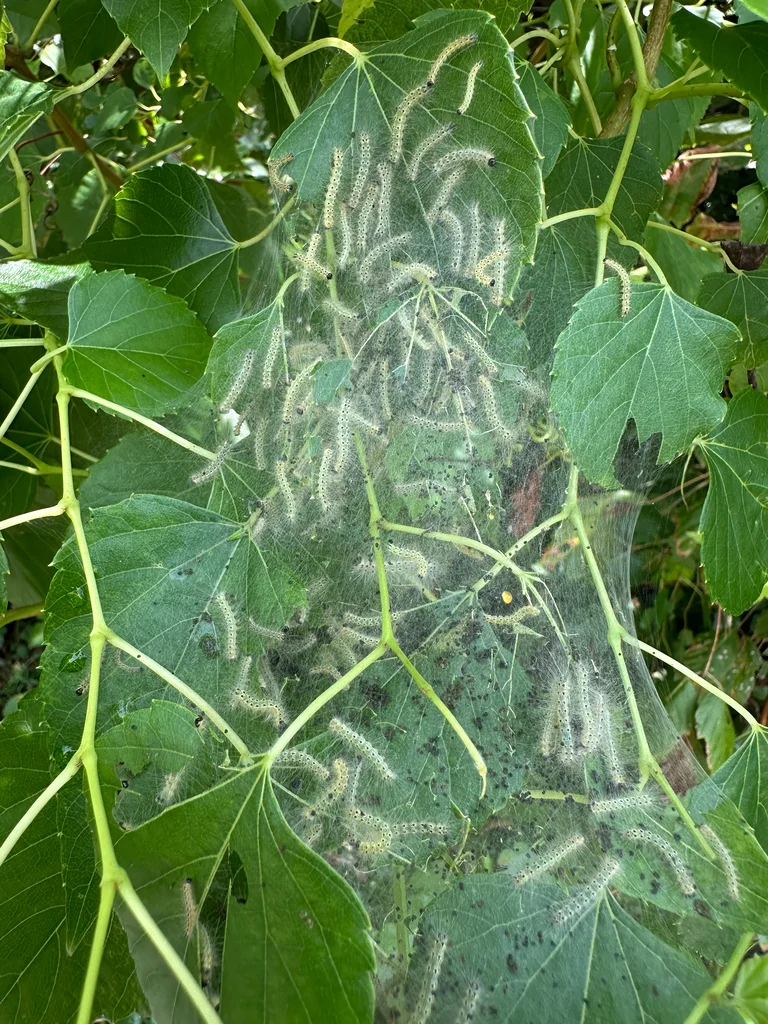
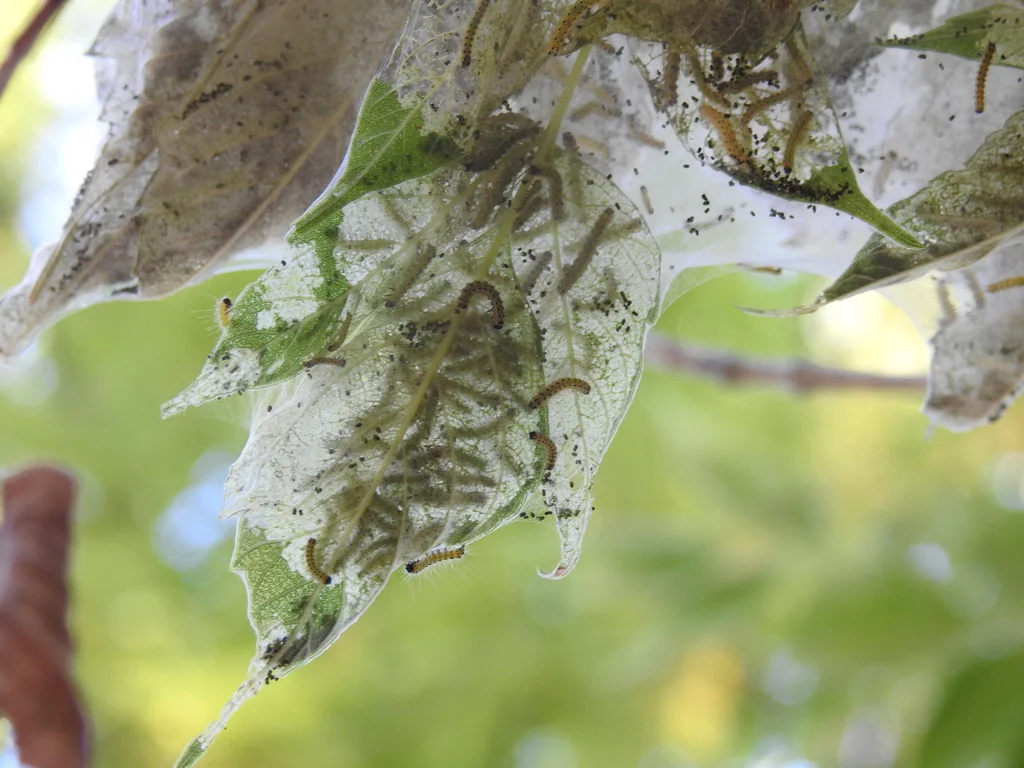
Fall webworms are caterpillars that turn into white moths. They vary in color from pale yellow to gray. Long, silky hairs cover their bodies. Two rows of dark spots run along their backs, and cream-colored stripes line their sides. Full-grown caterpillars are about 1 to 1.5 inches long.
Two forms exist in North America. The northern form has a black head. The southern form has a red or orange head. Both forms build the same silky web nests at branch tips.
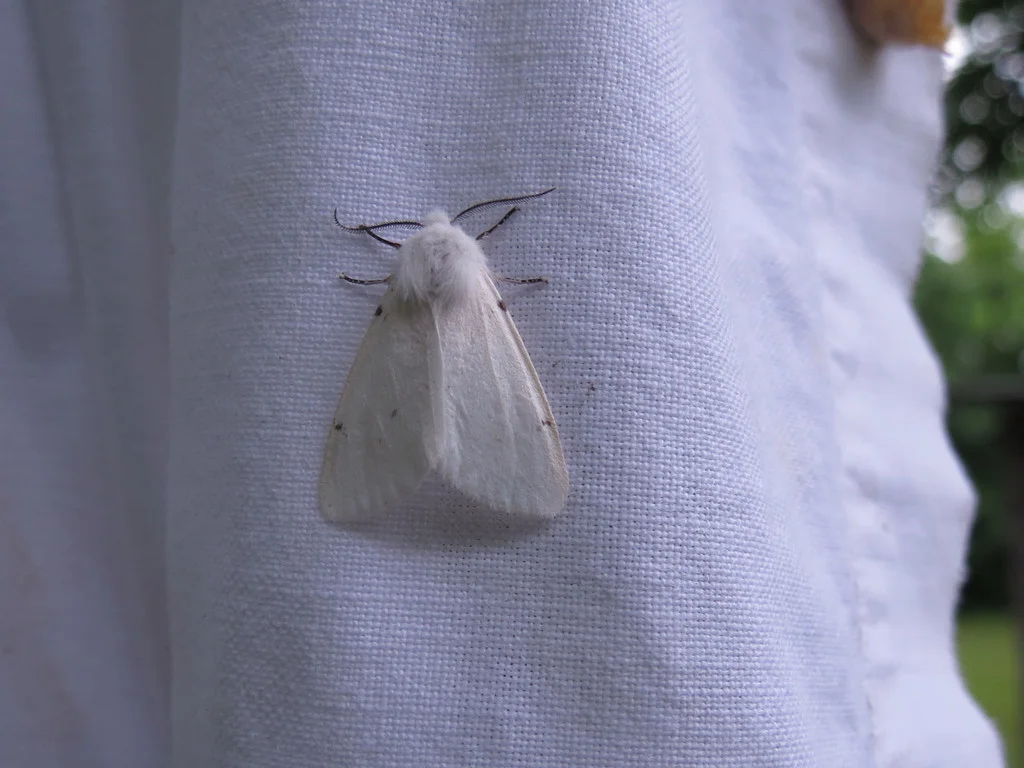
Adult moths are bright white with fuzzy bodies. Their wingspan is about 1.2 inches. Moths in the South often have small dark spots on their wings. Northern moths are usually pure white.
Distinguishing Features
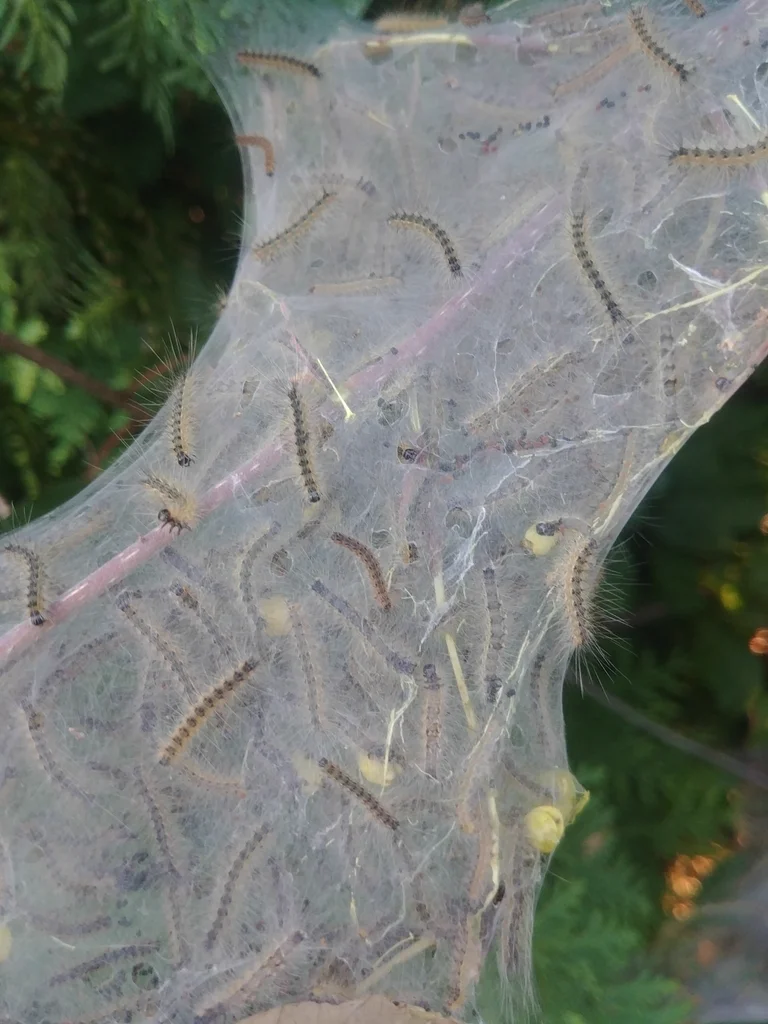
The easiest way to spot fall webworms is by their web nests at the ends of tree branches. These webs wrap around the leaves the caterpillars eat. This differs from tent caterpillars, which build webs in branch forks and leave to feed. Fall webworm webs grow larger and messier over time. They can cover whole branch tips with silk, droppings, and chewed leaves.
Fall Webworms Behavior and Biology
Lifecycle
Fall webworms spend winter as pupae in cocoons. These cocoons hide in leaf litter, soil, or bark cracks. Adult moths come out in mid-June and keep appearing through midsummer. Females lay egg masses with several hundred eggs on the bottom of leaves. They cover the eggs with hairs from their body for protection.
Eggs hatch in about seven days. Young caterpillars start spinning a small web over the leaves they eat. Over four to six weeks, they keep growing and making the web bigger to cover more leaves. When ready, full-grown caterpillars leave the web to find a spot to pupate.
In southern states, two generations occur each year. A second group appears in late summer. Northern areas typically see only one generation per year.
Feeding Habits
Fall webworm caterpillars eat more than 600 types of trees and shrubs. Young caterpillars eat just the top layer of leaves. Older ones eat whole leaves, leaving only the larger veins behind.
The caterpillars live together inside their web until they are almost full grown. Living in groups helps them stay warm and grow faster. It also protects them from predators. But large groups are easier to spot and more likely to attract parasites.
Defense Mechanisms
When scared, fall webworm caterpillars jerk back and forth together inside their web. This sudden movement can startle predators. Their long body hairs and the web itself block many attackers. Some caterpillars also release bad-smelling liquids to drive predators away.
Natural Control Methods
Many animals eat fall webworms. Over 50 types of wasps and flies attack the caterpillars. Birds like robins, chickadees, and sparrows eat them when they can reach them outside the web or when webs break open.
Yellowjackets and paper wasps tear into webs to catch caterpillars. Ground beetles and ants attack caterpillars that fall from trees or get exposed when webs are torn.
Treatment Methods for Fall Webworms
Physical Removal
For small trees, removing webs by hand works well. Cut out web-covered branches while caterpillars are still young. You can also break up webs with a long pole or blast them with a strong water spray. This exposes caterpillars to predators and weather.
Keep trees healthy with proper watering, mulching, and fertilizing. Healthy trees recover quickly from leaf loss.
Biological Control
The bacterium Bacillus thuringiensis var. kurstaki (Btk) kills fall webworms when sprayed on leaves. It works best on young, actively feeding caterpillars. The caterpillars must eat treated leaves for Btk to work.
Paper wasp nests near affected trees can help cut fall webworm numbers through natural predation.
Chemical Control
Several insecticides work against caterpillars. Treatment works best on young caterpillars before webs get too thick. Large, dense webs block sprays from reaching caterpillars inside. Systemic products that trees absorb may work better than contact sprays.
For tall trees, professional tree care services with special equipment may be needed to reach high webs. Learn more about whether professional pest control is worth the investment.
Prevention Tips
- Monitor trees in late summer for early web formation and remove small webs promptly. For more about webworm types including sod webworms that damage lawns, see our overview page
- Rake and dispose of fallen leaves in autumn to reduce overwintering pupae
- Maintain tree health to ensure quick recovery from any defoliation
- Focus treatment efforts on young webs before they grow too large to penetrate with sprays
References
Other Moths
Explore other species in the moths family
Commonly Confused With
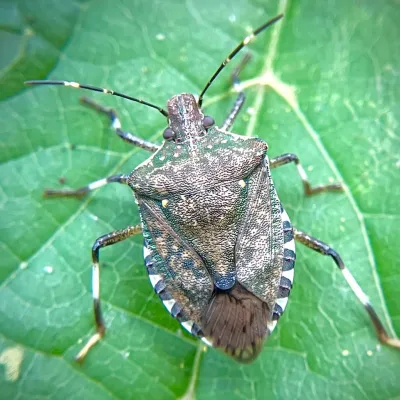
Fall Webworms are often mistaken for these similar pests
Where Fall Webworms Are Found
Hover over states to see their names. Green regions indicate where fall webworms have been reported.
Common Questions about Fall Webworms
Are fall webworms harmful to trees?
+
Fall webworms rarely cause lasting damage to healthy, mature trees. While they can defoliate branches and look unsightly, trees typically recover and leaf out normally the following spring. However, repeated heavy infestations over several years can weaken trees.
What is the difference between fall webworms and tent caterpillars?
+
Fall webworms build their webs at the ends of branches and enclose foliage within the web. Eastern tent caterpillars build their webs in branch crotches and leave the web to feed. Fall webworms appear in late summer and fall, while tent caterpillars are active in spring.
Should I remove fall webworm nests from my trees?
+
Removing nests is optional for healthy trees but can improve appearance. If webs are within reach, you can prune out affected branches or use a stick to break up the web and expose caterpillars to predators. Never burn webs while on the tree, as this causes more damage than the caterpillars.
Do fall webworms turn into moths?
+
Yes, fall webworms are the larval stage of the fall webworm moth (Hyphantria cunea). After feeding for four to six weeks, caterpillars drop to the ground and pupate in leaf litter or soil. Adults emerge the following summer as white moths.
What trees do fall webworms prefer?
+
Fall webworms feed on over 600 species of deciduous trees. In the eastern United States, they commonly attack pecan, walnut, hickory, elm, fruit trees, and maples. In western regions, they prefer alder, willow, and cottonwood.
When are fall webworms most active?
+
Fall webworms are most visible from late July through September when caterpillars are actively feeding and building webs. Adult moths emerge in June and lay eggs, with caterpillars hatching about a week later.

With five years of hands-on experience in the pest control industry, George Schulz is a registered technician with the Virginia Pest Management Association and a proud third-generation professional in a family business that's been protecting homes for over 57 years. He manages and trains a team of service pros while also leading internal research efforts—recently spearheading a deep-dive review of thousands of documents on pest control materials to hand-pick the most kid and pet friendly, most effective solutions tailored specifically for homes in the DC metro area.