Fall Armyworm Identification Guide
Spodoptera frugiperda
The fall armyworm is a destructive agricultural and lawn pest native to the Americas. Large populations of these caterpillars can quickly devour turf grass, corn, and other crops, earning them the name 'armyworm' for their mass migration across fields.
Taxonomy
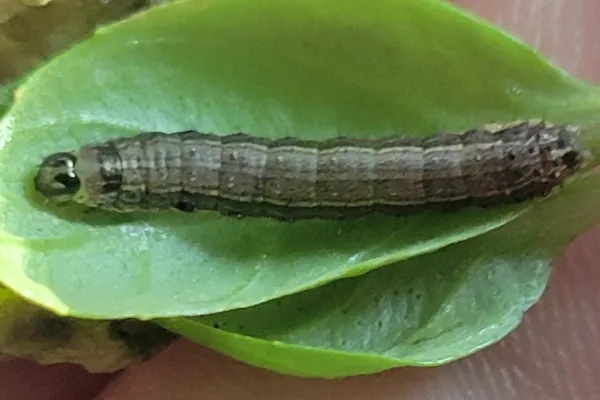
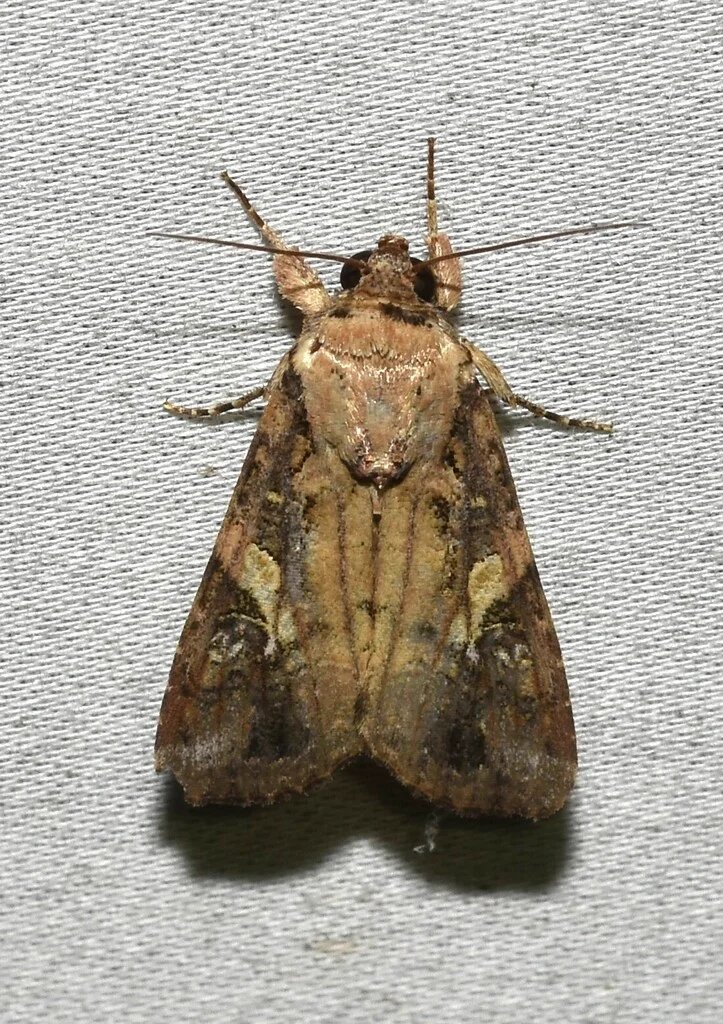
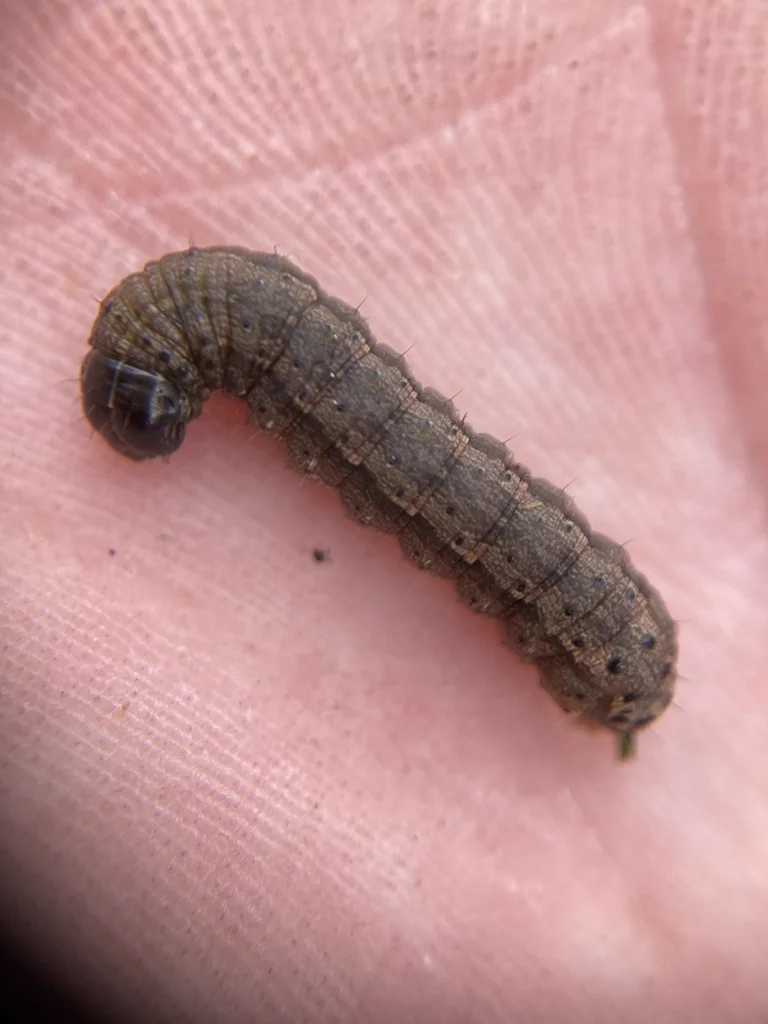
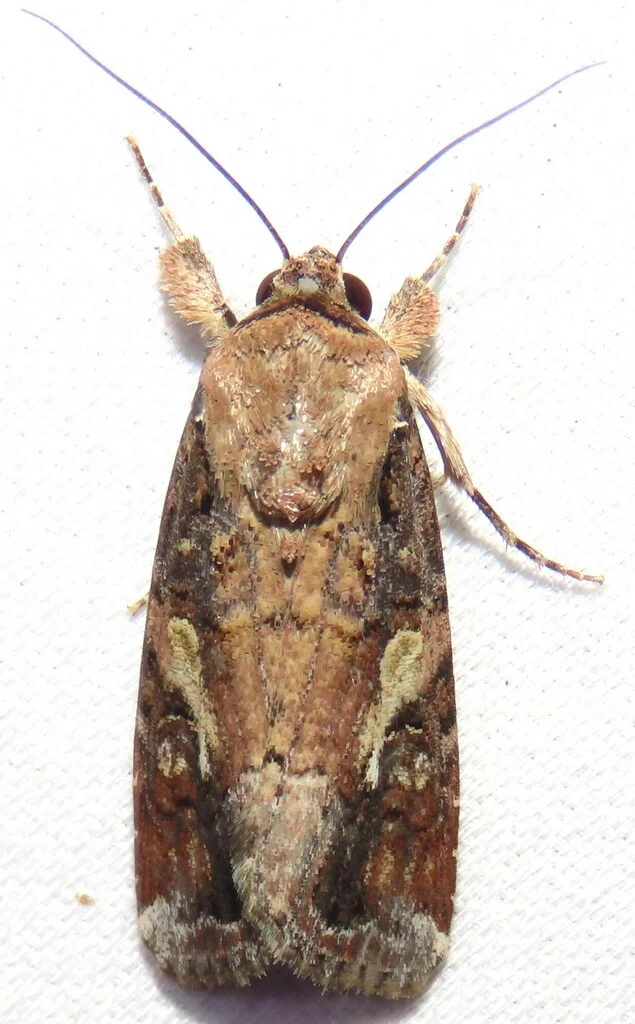
Fall Armyworm Coloration
Common color patterns to help identify fall armyworm
Fall Armyworm
Seasonal Activity
When fall armyworm are most active throughout the year

Where Fall Armyworm Are Found
Hover over states to see their names. Green regions indicate where fall armyworm have been reported.
Fall Armyworm Identification Guide
Physical Characteristics
Fall armyworms are one of several destructive moth species whose larvae damage lawns and crops. They have four life stages: egg, larva (caterpillar), pupa, and adult moth. The caterpillar stage is the one you will see most often. It also causes all the feeding damage.
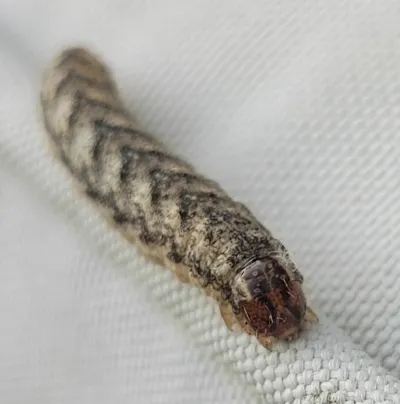
Caterpillars (Larvae): Fall armyworm caterpillars grow from about 5mm when newly hatched to 25-40mm when full grown. They go through six growth stages over 2-3 weeks of feeding. Young larvae are greenish with dark heads. Older larvae range from light green to brown or nearly black. They have lighter stripes running down the length of the body. The best way to identify them is by looking for an upside-down Y marking on the front of the head. You can also look for four dark spots in a square pattern on each body segment.
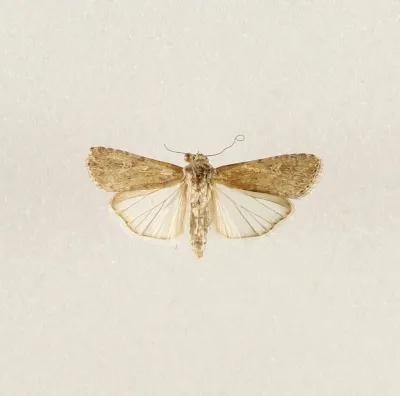
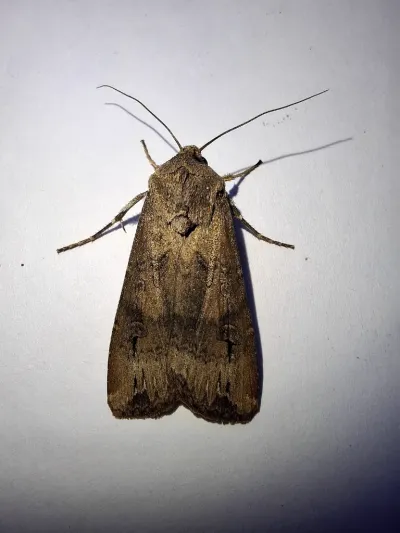
Adult Moths: The moths have a wingspan of 32-40mm. Males have grayish-brown front wings with mottled light and dark patches. Look for a triangular white spot near the wing tip and a smaller white spot near the center. Females are duller and less marked, with plain grayish-brown front wings. Both males and females have shiny silver-white hind wings with a thin dark border.
Eggs: Female moths lay egg masses with 50 to several hundred tiny eggs. Gray scales from the moth’s body cover the masses and make them look fuzzy. Moths usually lay eggs on the underside of leaves near the ground.
Pupae: The pupa stage happens in the soil 2-8cm deep. The pupa is reddish-brown and about 14-18mm long. It rests in a dirt cell or loose silk cocoon.
Similar Species
Fall armyworms can be confused with several other caterpillar pests:
- True Armyworm (Mythimna unipuncta): Greenish-brown with faint stripes. Does not have the upside-down Y on the head.
- Beet Armyworm (Spodoptera exigua): Smaller with a dark spot on each side above the second pair of legs.
- Corn Earworm (Helicoverpa zea): Colors vary a lot. Does not have the Y-shaped head marking.
- Cutworms: Feed at or below the soil surface. Curl into a C-shape when disturbed.
The inverted Y marking on the head is the most reliable way to identify fall armyworms.
Fall Armyworm Behavior and Biology
Lifecycle and Reproduction
Fall armyworms can finish their whole lifecycle in about 30 days when it is warm. In cooler weather, it takes 60 to 90 days. Several generations can overlap each year.
Eggs hatch in 2-4 days depending on temperature. The tiny larvae immediately begin feeding on nearby plant material.
Larval development takes 14-21 days across six growth stages. Young larvae eat the soft tissue between leaf veins, leaving a skeleton pattern. Older larvae eat whole leaves, stems, and growing tips. The last two stages cause about 85% of all feeding damage.
Pupation lasts 7-37 days depending on soil temperature. Larvae burrow into the soil and construct loose cocoons where they transform into pupae.
Adults emerge and mate within 2-3 days. Female moths are most active on warm, humid nights. One female can lay 1,000 to 2,000 eggs during her 2-3 week life.
Migration Patterns
Fall armyworms are tropical insects. They cannot survive freezing temperatures. They only survive winter in southern Florida and southern Texas. A related species, Fall Webworms, shares similar characteristics.
Each spring and summer, new generations fly northward. Storm fronts and southerly winds carry them north. By late summer, they can reach the northern United States and southern Canada. These northern populations die with the first hard frost. The species must spread north again each year from its southern home. A related species, Peachtree Borer Moth, shares similar characteristics.
This explains why fall armyworm problems appear suddenly in late summer. It also explains why some years are worse than others. Weather patterns affect how far north they spread.
Feeding Behavior
Fall armyworm caterpillars feed mostly at night. During the day, they hide in debris, soil cracks, or at the base of plants. At dusk, they climb onto plants to feed through the night.
When food runs out, fall armyworms show their “army” behavior. Large numbers of caterpillars move together across the ground looking for new food. They can travel long distances. This is why they seem to appear suddenly in areas that were fine just days before.
The caterpillars feed on more than 80 plant types but prefer grasses. In lawns, they attack bermuda grass, fescue, ryegrass, and bluegrass. On farms, corn is the most common target. They also attack sorghum, cotton, and many vegetables.
Fall Armyworm Damage
Lawn Damage
Fall armyworm damage in lawns shows up as brown patches that spread fast. Early damage looks like ragged grass blades with see-through spots where caterpillars ate the soft parts. Only the veins remain. As the caterpillars grow bigger, they eat whole grass blades down to the soil.
Light problems may go unnoticed at first because caterpillars feed at night. Heavy problems can wipe out an entire lawn in what seems like one night. The grass looks like someone mowed it to the ground.
Several factors indicate fall armyworm damage rather than other lawn problems:
- Damage spreads rapidly, often in just a few days
- Brown areas have irregular, expanding borders
- Green grass adjacent to dead patches shows fresh feeding damage
- Caterpillars are visible when inspecting the lawn edge at dusk or dawn
- Birds flocking to feed in the lawn may indicate high caterpillar numbers
Crop Damage
On farms, fall armyworms cause billions of dollars in damage each year worldwide. Corn damage is very bad because caterpillars eat leaves, tassels, and ears. They tunnel into ears through the silk or by chewing through the husk.
Young corn plants may die. Larger plants survive but produce less. Late-planted corn is at highest risk because it is still growing when fall armyworm numbers peak.
Other affected crops include:
- Sorghum: Leaf and head damage
- Cotton: Leaf loss and boll damage
- Soybeans: Leaf damage
- Peanuts: Leaf loss
- Vegetables: Tomatoes, peppers, cabbage, and beans
Treatment Methods for Fall Armyworms
Good fall armyworm control combines early detection, lawn care practices, natural enemies, and insecticides when needed.
Monitoring and Early Detection
Check your lawn often, especially in late summer and early fall when fall armyworms are most active. Look in the late afternoon or early evening when caterpillars start moving.
Soap flush test: Mix 1-2 tablespoons of dish soap in a gallon of water. Pour it over one square foot of lawn at the edge of brown spots. Armyworms will crawl to the surface within a few minutes. If you find 3 or more caterpillars per square foot, you may need to treat.
Watch for warning signs: birds feeding heavily on your lawn, brown patches spreading fast, and moths flying around outdoor lights at night.
Cultural Control
Healthy lawns resist armyworm damage better and bounce back faster:
- Proper mowing height: Taller grass holds up better to damage.
- Enough water: Well-watered lawns recover faster.
- Balanced fertilizer: Too much fertilizer makes grass more attractive to moths for laying eggs.
- Thatch control: Too much thatch gives caterpillars places to hide.
Biological Control
Several insects and birds help keep fall armyworm numbers down:
- Parasitic wasps: Lay eggs in armyworm caterpillars.
- Tachinid flies: Attack larger caterpillars.
- Ground beetles: Eat eggs and small larvae.
- Birds: Eat large numbers of caterpillars.
- Bacillus thuringiensis (Bt): A soil bacterium that kills caterpillars. It is EPA-registered and used in both home and farm settings.
Bt products work best on young caterpillars. Apply them in the evening when caterpillars are feeding. You may need to reapply since the product breaks down in sunlight.
Chemical Control
When other methods do not work, insecticides can provide effective control. Products containing pyrethroids, carbaryl, or spinosad are commonly used for fall armyworms.
For best results:
- Treat in the late afternoon or evening when caterpillars are active
- Water the lawn before treatment to bring caterpillars to the surface
- Target the edge of damaged areas where actively feeding caterpillars concentrate
- Follow all label directions for application rates and proper handling
Lawns usually recover from fall armyworm damage if the roots are still healthy. Water and fertilize properly after treatment to help the grass grow back. To understand the differences between moths and other flying insects, see our guide on moth vs butterfly identification.
Prevention Tips
You cannot completely prevent fall armyworms because they migrate from far away. But these steps can reduce your risk and limit damage:
- Monitor late summer lawns: Check weekly during August and September in northern regions
- Maintain lawn health: Vigorous lawns recover faster from damage
- Encourage birds: Plant variety in your yard encourages birds and beetles that eat caterpillars
- Use pheromone traps: These can provide early warning of moth arrival in an area
- Avoid excessive nitrogen: High nitrogen levels make lawns more attractive for egg-laying
- Mow at proper height: Taller grass blades are more difficult for young caterpillars to consume
References and Further Reading
Other Moths
Explore other species in the moths family
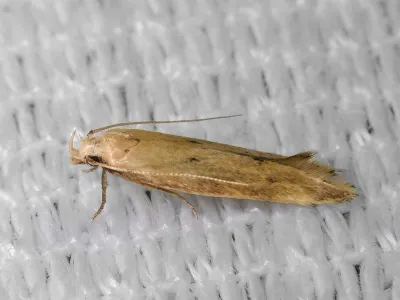
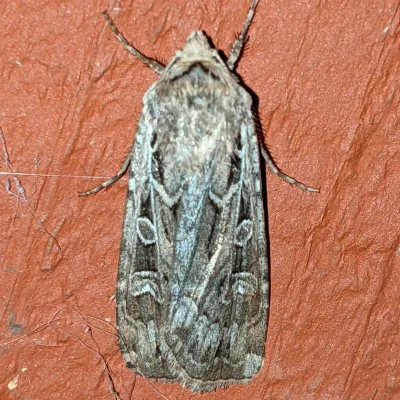
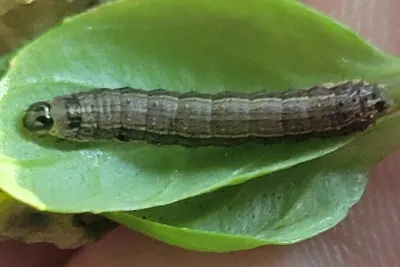
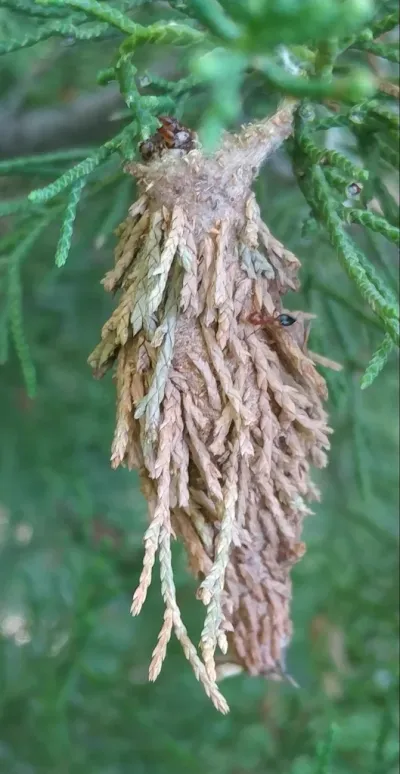
Commonly Confused With
Fall Armyworm are often mistaken for these similar pests
Where Fall Armyworm Are Found
Hover over states to see their names. Green regions indicate where fall armyworm have been reported.
Common Questions about Fall Armyworm
What does a fall armyworm look like?
+
Fall armyworm caterpillars are 25-40mm long with green, brown, or gray bodies marked by light stripes running lengthwise. The head capsule has a distinctive light-colored inverted Y shape on the front. Adult moths have grayish-brown mottled wings with a 32-40mm wingspan. Males have a white spot near the wingtip.
Why are they called armyworms?
+
These caterpillars earned the name armyworm because they often occur in large numbers and travel together in a mass migration across fields, meadows, and lawns. When they deplete food in one area, they march as an 'army' to the next available food source.
What do fall armyworms eat?
+
Fall armyworms feed on over 80 plant species. They prefer grasses including turf lawns, pastures, and hay fields. They also attack corn, sorghum, rice, cotton, and vegetable crops. The caterpillars consume leaves, stems, and in corn, will bore into the ears.
Are fall armyworms harmful to humans?
+
Fall armyworms do not bite, sting, or transmit diseases to humans. They are strictly plant pests. However, they can cause significant damage to lawns, gardens, and agricultural crops when populations are high.
When are fall armyworms most active?
+
Fall armyworms are most active in late summer and fall in northern states, which is when they arrive after migrating northward from southern regions. In southern states, they can be active from spring through fall. The caterpillars feed primarily at night.
How do fall armyworms damage lawns?
+
Fall armyworm caterpillars chew grass blades down to the soil surface. Light infestations cause irregular brown patches. Heavy infestations can strip an entire lawn overnight. Bermuda grass and fescue lawns are commonly affected. The grass usually recovers if the root system is intact.
Can fall armyworms survive winter in the north?
+
No, fall armyworms cannot survive cold winters. They overwinter only in southern Florida and southern Texas. Each year, moths migrate northward on storm fronts and prevailing winds, arriving in northern states by late summer. They do not establish permanent populations in cold climates.

With five years of hands-on experience in the pest control industry, George Schulz is a registered technician with the Virginia Pest Management Association and a proud third-generation professional in a family business that's been protecting homes for over 57 years. He manages and trains a team of service pros while also leading internal research efforts—recently spearheading a deep-dive review of thousands of documents on pest control materials to hand-pick the most kid and pet friendly, most effective solutions tailored specifically for homes in the DC metro area.