Browntail Moth Identification Guide
Euproctis chrysorrhoea
The browntail moth is an invasive species known for its toxic caterpillar hairs that cause severe skin rashes and respiratory problems. Currently found only in coastal Maine and Cape Cod, this pest defoliates hardwood trees and poses significant public health concerns.
Taxonomy
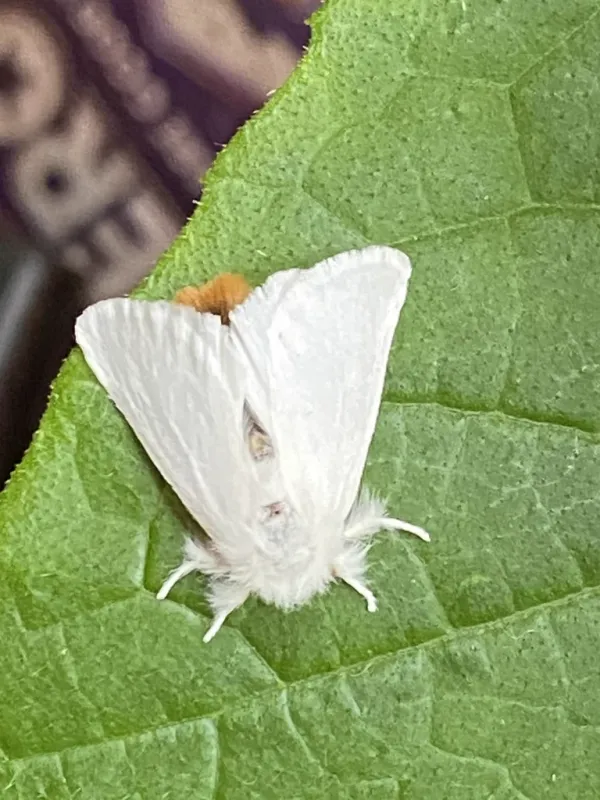
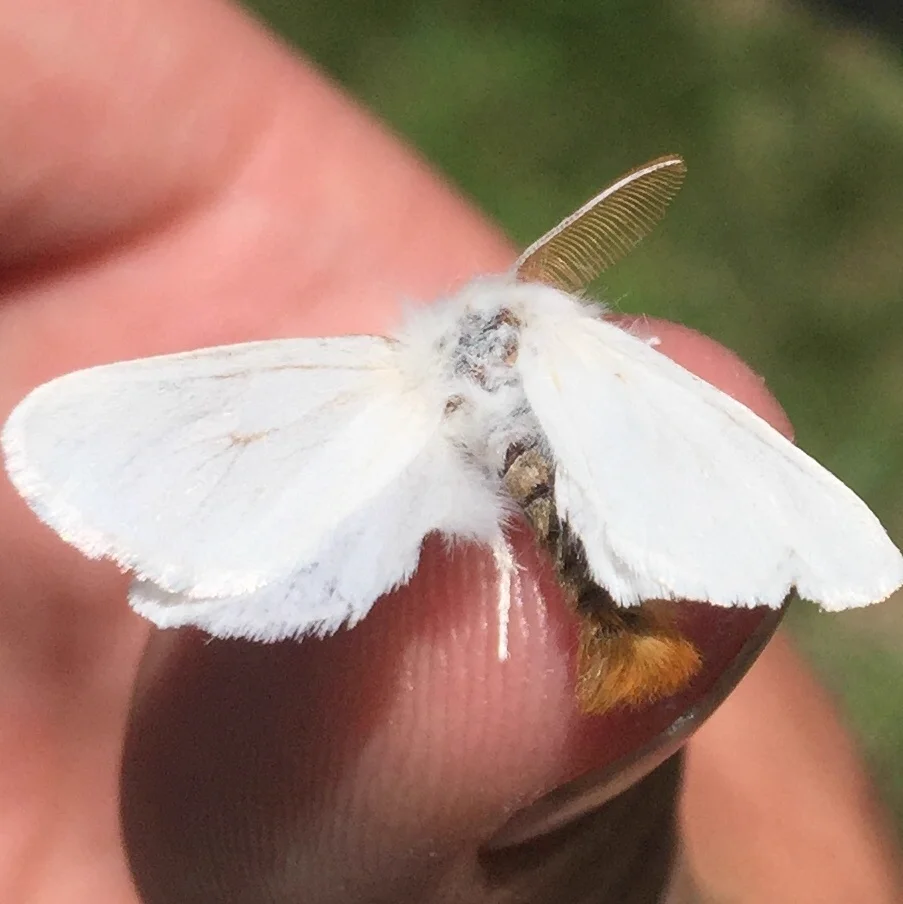
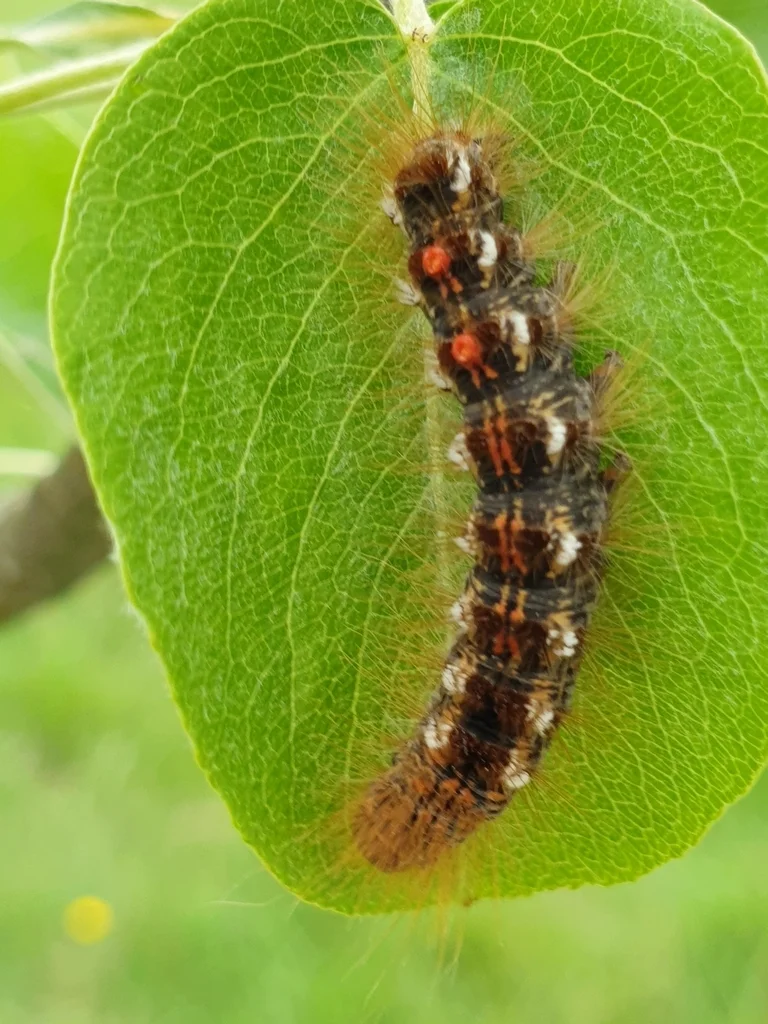
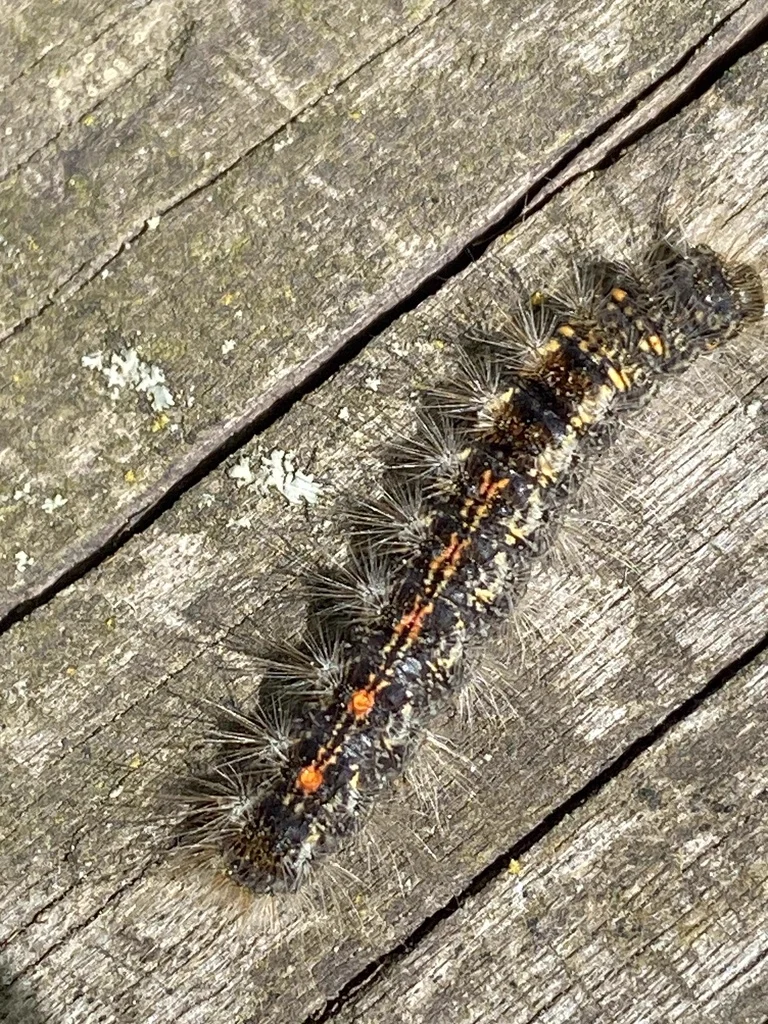
Browntail Moth Coloration
Common color patterns to help identify browntail moth
Browntail Moth
Seasonal Activity
When browntail moth are most active throughout the year

Where Browntail Moth Are Found
Hover over states to see their names. Green regions indicate where browntail moth have been reported.
Browntail Moth Identification Guide
Physical Characteristics
The browntail moth is a medium-sized moth with a wingspan of 36 to 42 millimeters. Adult moths are almost all white on top. Males may have some brown on the underside of the front wings. The most notable feature is the tuft of reddish-brown hairs at the tip of the body. This “brown tail” gives the species its name. The tail tuft is larger in females than males.
Female moths are larger than males with heavier bodies. Males have larger, feathery antennae that help them find females. Both sexes fly at night and are drawn to lights.
Caterpillar Identification
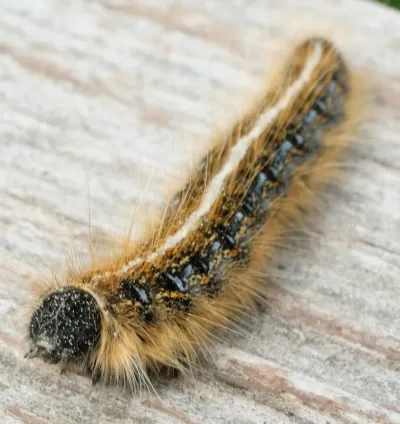
The caterpillars are what most people see. They are also the stage that causes health problems. Full-grown caterpillars reach about 38mm long. They are dark brown to black with white markings. Two broken white lines run along each side. A white dash pattern runs down the back. Near the tail, two bright red-orange spots stand out clearly.
The whole body is covered in barbed hairs. Most hairs are brown or gray. Some are white and form tufted clusters. These hairs cause skin rashes and breathing problems in people. The head is dark brown to black.
Young caterpillars look similar but are smaller and lighter. They get darker as they grow.
Winter Webs
One of the best ways to spot browntail moths is by their winter webs. In fall, caterpillars gather in groups and spin dense silk nests at branch tips. These webs are grayish-white and usually 2 to 4 inches long. They are tightly woven and stay on trees all winter.
Fall webworm nests wrap around leaves. Browntail moth winter webs are made of silk alone and hold caterpillars through winter. Finding and removing these webs between October and April is a good control method.
Browntail Moth Behavior and Biology
Lifecycle
The browntail moth spends about nine months as a caterpillar. This is unusual for moths. Adult moths are active in July and August. After mating, females lay 150 to 250 eggs on leaf undersides. They cover the eggs with brown hairs from their tail tuft.
Eggs hatch in about three weeks. The young caterpillars feed on leaves through late summer. In early fall, they stop eating and spin shared winter webs. They stay dormant until spring.
Caterpillars come out of their winter webs in mid-April when buds open. They feed heavily through spring and reach full size by late May or June. Then they spin cocoons and change into adults. This takes about two weeks. Adult moths emerge in July.
Host Plants and Feeding
Browntail moth caterpillars eat many types of trees and shrubs. Their favorites include:
- Oak trees, especially red oak
- Apple and crabapple
- Cherry and wild cherry
- Pear and hawthorn
- Beach plum and bayberry
- Birch and maple
- Serviceberry and rugosa rose
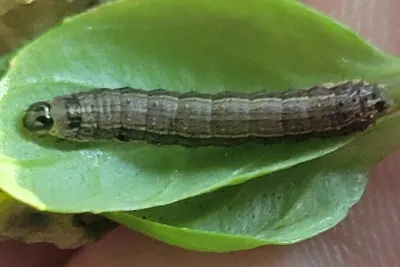
The caterpillars eat leaf tissue but leave the main veins behind. Heavy infestations can strip trees bare. Healthy trees usually grow new leaves, but years of damage weaken them. A related species, Armyworms, shares similar characteristics.
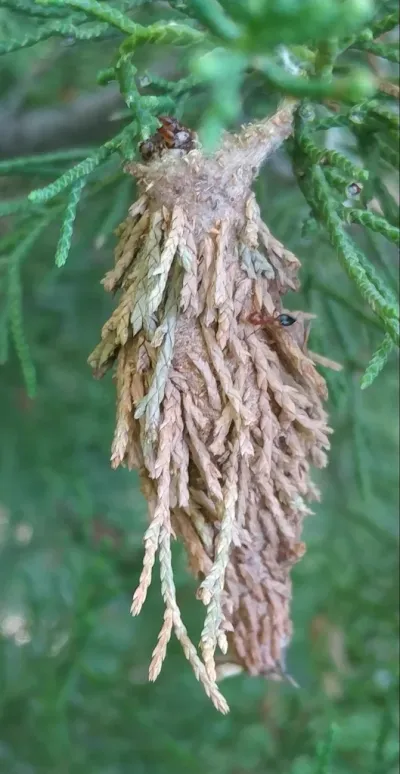
Where They Live A related species, Fall Webworms, shares similar characteristics.
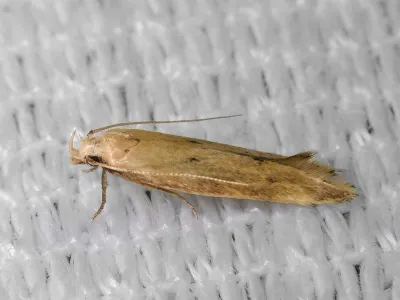
The browntail moth came from Europe, western Asia, and northern Africa. It arrived in Massachusetts by accident in 1897. By 1915, it had spread across New England and into Canada. It covered about 150,000 square kilometers. A related species, Peachtree Borer Moth, shares similar characteristics.
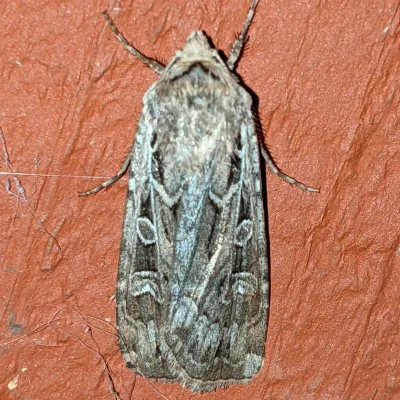
Then the population crashed. Parasites and weather killed most of them. By the 1960s, only small groups remained in coastal Maine and Cape Cod. Other invasive defoliating moths in the region include spongy moths and winter moths. A related species, Black Cutworm, shares similar characteristics.
Since 2015, browntail moth numbers have been growing again in Maine. They now live along the coast from New Hampshire to Downeast Maine. They extend up to 60 miles inland. The largest groups are in mid-coastal Maine and near Augusta.
Health Risks from Browntail Moths
Note: The information below is for general awareness only. It is not medical advice. Always consult a doctor if you have health concerns related to browntail moth exposure.
Toxic Hairs
Browntail moth caterpillars are covered in tiny barbed hairs that contain a toxin. These hairs break off easily and float in the air, especially on windy days or when disturbed. The toxic hairs cause two main health problems.
Skin rash: Contact with the hairs causes a rash like poison ivy. Red, raised bumps appear within hours. The rash can last days to weeks. It itches badly and may spread if you scratch it. Some people get blisters or more severe reactions.
Breathing problems: Breathing in the hairs can cause coughing and trouble breathing. People with asthma are at higher risk. Severe cases may need medical care.
How Long the Hairs Last
The toxic hairs stay harmful long after the caterpillars are gone. Shed hairs remain on tree bark, in leaf litter, and on outdoor surfaces. Wind, mowing, or raking can stir them up. Hairs in winter webs stay toxic too.
The hairs can land on outdoor laundry and furniture. They can also be tracked indoors on shoes and clothes. During bad outbreak years, some areas see health effects all summer long.
Treatment Methods for Browntail Moths
Managing browntail moths means reducing caterpillar numbers and keeping people away from toxic hairs. Using several methods together works best.
Winter Web Removal
Removing winter webs between October and mid-April is the most effective control method. During this time, all caterpillars are inside the webs. You can destroy them before they come out to feed and shed toxic hairs.
Webs within reach can be clipped with pole pruners. Soak them in soapy water overnight to kill the caterpillars before throwing them away. For webs high in trees, you may need a professional tree service with a bucket truck.
This method works best when you have only a few trees to treat. You need to check each year since moths can come back.
Chemical Treatments
Pesticides can reduce browntail moth numbers but must be applied at the right time. Early spring is best, when caterpillars first come out and start feeding. There are several ways to apply treatments.
Foliar sprays: Products sprayed on leaves kill caterpillars when they eat. This should happen before the end of May while caterpillars are still feeding. Products with Bacillus thuringiensis (Bt) work well and do not harm most other insects. To learn how to tell moths apart from butterflies in general, see our moth vs butterfly guide.
Trunk injections: Products can be injected into tree trunks a few weeks before buds open. The product moves up through the tree and ends up in the leaves. This method works well near water where you cannot spray.
Soil treatments: Products applied to soil are taken up by roots and spread through the tree. These need to be applied well before caterpillars start feeding.
Other Control Methods
Taking out trees that browntail moths like may help on one property. But this does not work on a large scale. Avoiding pesticides that kill all insects helps keep natural enemies of browntail moths alive.
Natural Population Changes
Browntail moth numbers go up and down based on weather and disease. Wet, cool springs help fungal diseases spread. These fungi can kill many caterpillars. A major fungal outbreak in 2024 crashed populations across Maine.
But populations can bounce back fast when conditions favor the moths. Dry weather and mild winters help browntail moth numbers grow.
Protection and Prevention
Personal Protection
During browntail moth season from April through July, take these steps when spending time outdoors in affected areas:
- Wear long sleeves, long pants, and a hat when working outside
- Stay away from infested trees
- Shower and change clothes after being outside
- Keep windows and doors closed on windy days
- Dry laundry inside to keep hairs off clothes
- Do not mow, rake, or disturb leaves under infested trees
Property Protection
If browntail moths are on your property:
- Check trees in fall and winter for silk webs
- Remove webs you can reach before April
- Call a tree service for large or heavily infested trees
- Cover outdoor furniture during caterpillar season
- Wash outdoor cushions and fabrics before using
- Think about removing trees that browntail moths like near areas you use often
Air Quality
During bad outbreaks, toxic hairs can build up in outdoor air. Some towns issue warnings when conditions spread hairs around. Using air filters and staying inside during peak times can help.
References and Further Reading
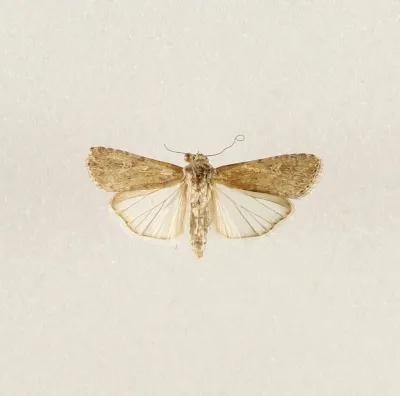
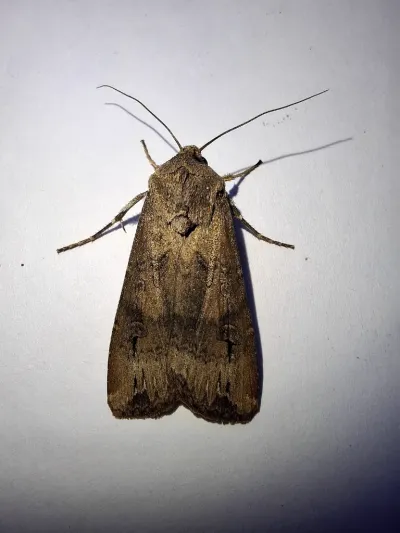
Other Moths
Explore other species in the moths family
Commonly Confused With
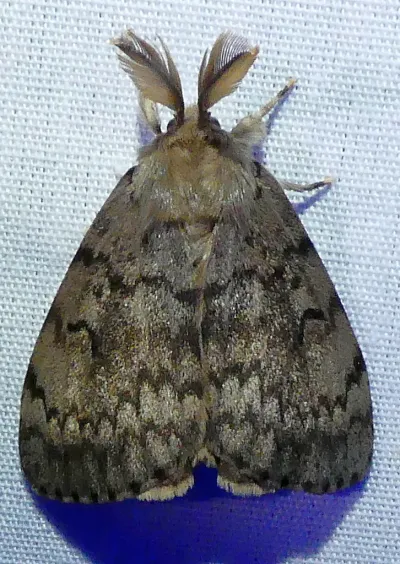
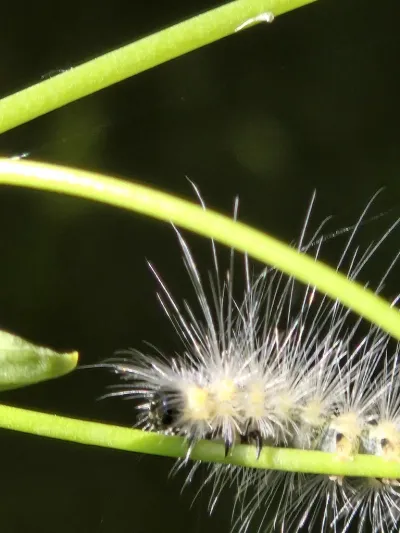
Browntail Moth are often mistaken for these similar pests
Where Browntail Moth Are Found
Hover over states to see their names. Green regions indicate where browntail moth have been reported.
Common Questions about Browntail Moth
What does a browntail moth look like?
+
Adult browntail moths are pure white with a wingspan of 36-42mm. Their most distinctive feature is the tuft of reddish-brown hairs at the tip of the abdomen, which is more prominent in females. Males have larger, feathery antennae. The caterpillars are dark brown with white stripes along each side and two red-orange spots near the tail end.
Why are browntail moth caterpillars dangerous?
+
Browntail moth caterpillars have tiny toxic hairs that break off easily and become airborne. These hairs cause a poison ivy-like skin rash that can last for weeks. If inhaled, they can cause respiratory distress, especially in people with asthma. The hairs remain toxic even after the caterpillar has molted or died, and can persist in the environment for years.
Where are browntail moths found in the United States?
+
Browntail moths are currently found only in coastal Maine and Cape Cod, Massachusetts. They were introduced from Europe to Massachusetts in 1897 and once spread throughout New England, but their range collapsed by the 1960s. Since 2015, populations have been resurging and expanding in Maine.
When are browntail moth caterpillars most active?
+
Browntail moth caterpillars are active at two times of year. They emerge from overwintering webs in mid-April and feed until June when they pupate. A second generation hatches in August and feeds until early October before creating winter webs. The risk of exposure to toxic hairs is greatest from April through July.
What trees do browntail moths attack?
+
Browntail moth caterpillars feed on many hardwood trees and shrubs. They prefer oak, apple, cherry, and other trees in the rose family. They also attack birch, maple, and various ornamental shrubs. Heavy infestations can completely defoliate trees, weakening them over time.
How do I treat a browntail moth rash?
+
The rash from browntail moth hairs is similar to poison ivy. Apply calamine lotion or hydrocortisone cream to relieve itching. Take oral antihistamines if needed. Wash any clothing or skin that may have contacted the hairs. If you have difficulty breathing or severe symptoms, seek medical attention immediately.
How can I protect myself from browntail moth exposure?
+
Avoid areas with visible caterpillars or winter webs. When outdoors in affected areas from April through July, wear long sleeves and pants. Keep windows closed on windy days during caterpillar season. Do not mow under infested trees as this can stir up shed hairs. Dry laundry indoors during outbreak periods.

With five years of hands-on experience in the pest control industry, George Schulz is a registered technician with the Virginia Pest Management Association and a proud third-generation professional in a family business that's been protecting homes for over 57 years. He manages and trains a team of service pros while also leading internal research efforts—recently spearheading a deep-dive review of thousands of documents on pest control materials to hand-pick the most kid and pet friendly, most effective solutions tailored specifically for homes in the DC metro area.