Brown House Moth Identification Guide
Hofmannophila pseudospretella
The brown house moth is a common household pest whose larvae damage textiles, stored foods, and other organic materials. Originally from Asia, this adaptable moth has spread throughout North America and is frequently found in homes year-round.
Taxonomy
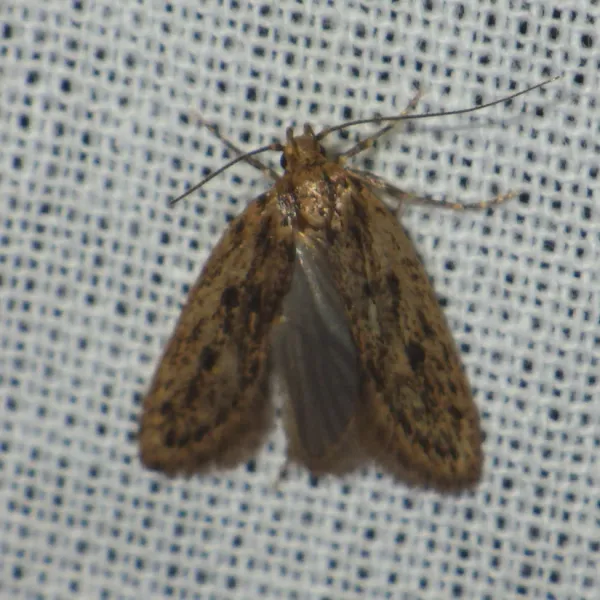
Brown House Moth Coloration
Common color patterns to help identify brown house moth
Brown House Moth
Seasonal Activity
When brown house moth are most active throughout the year

Where Brown House Moth Are Found
Hover over states to see their names. Green regions indicate where brown house moth have been reported.
Brown House Moth Identification Guide
Physical Characteristics
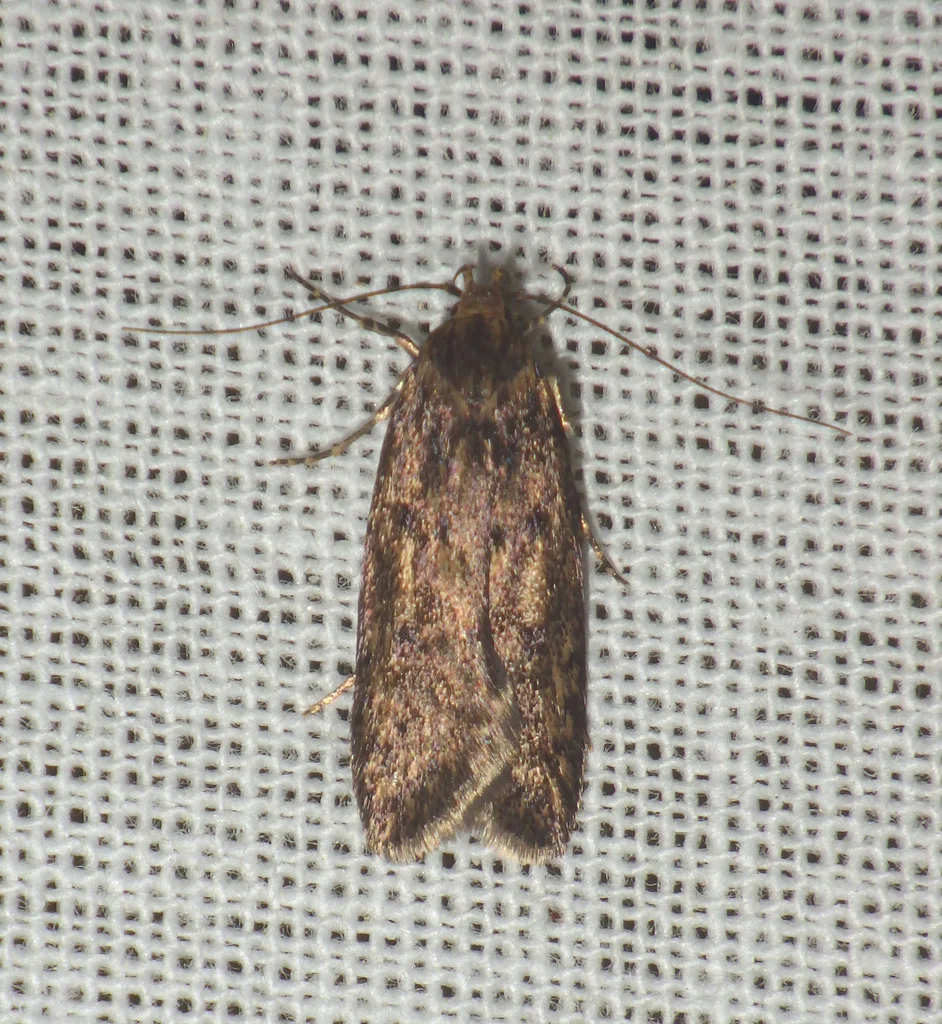
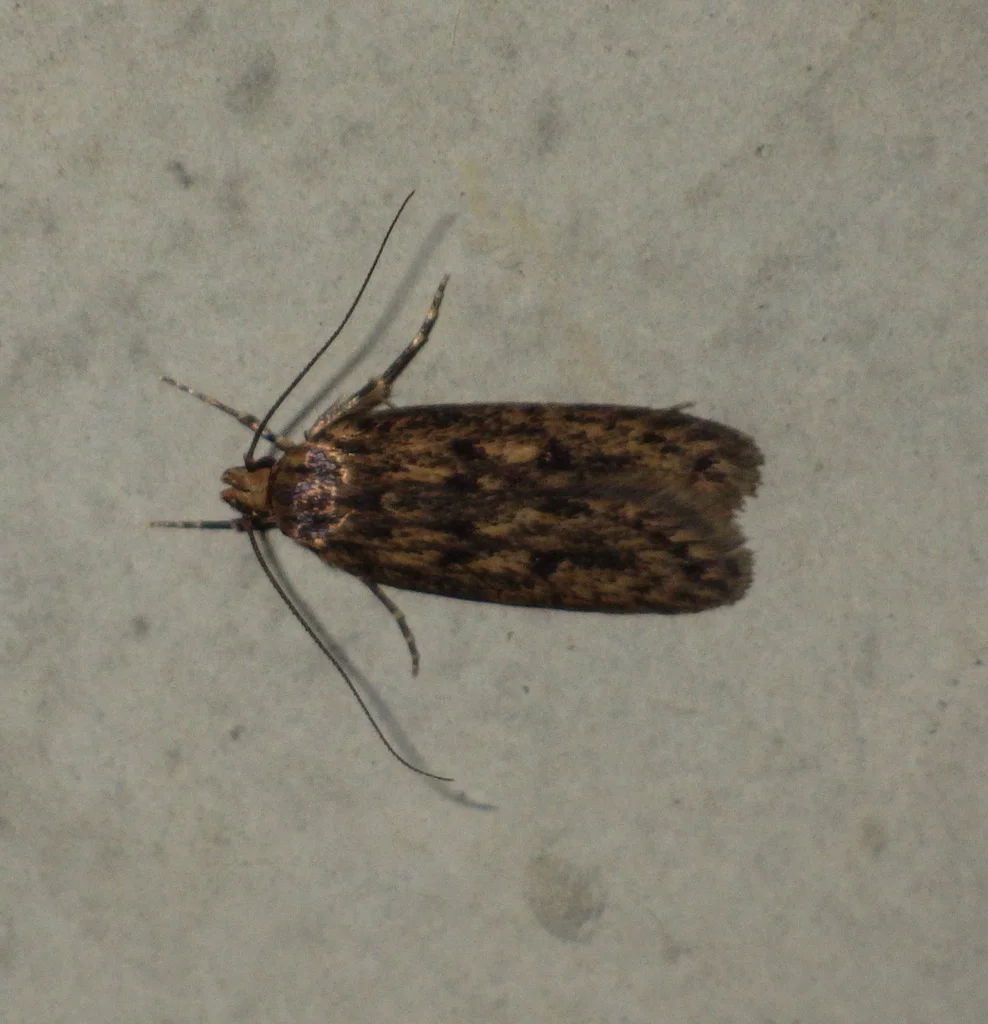
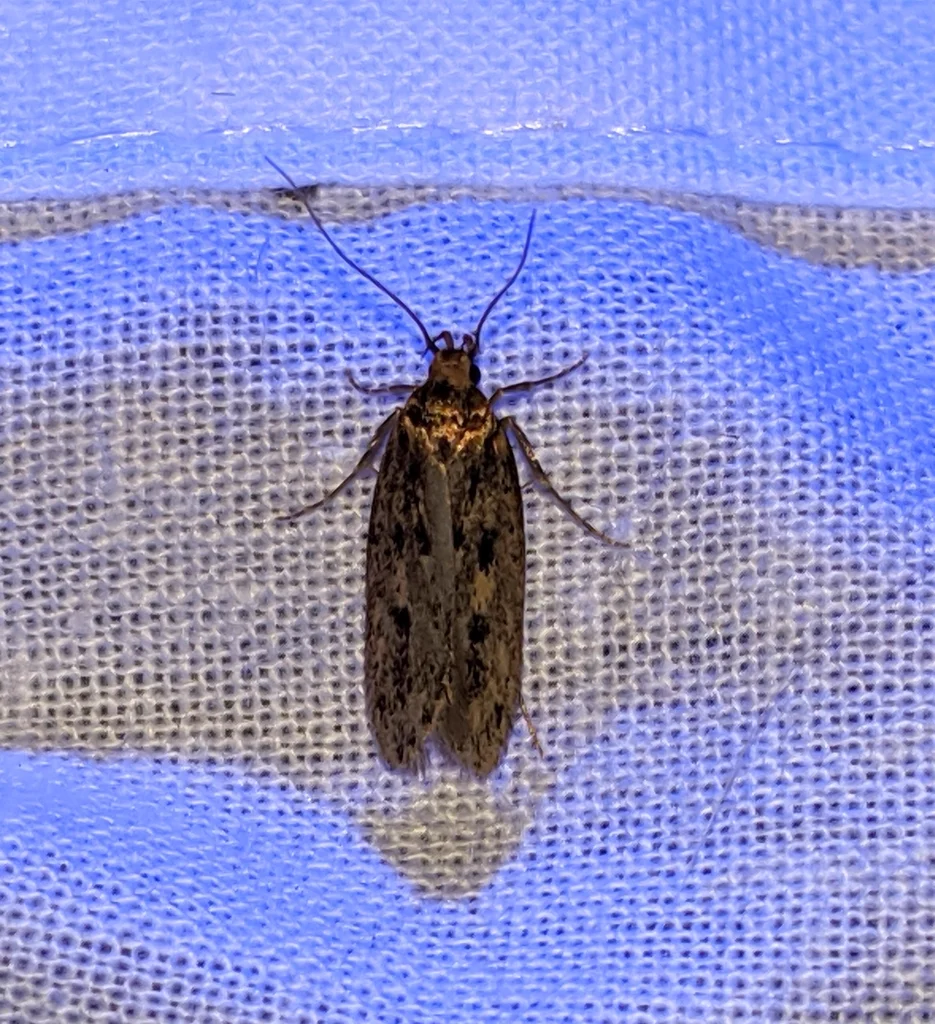
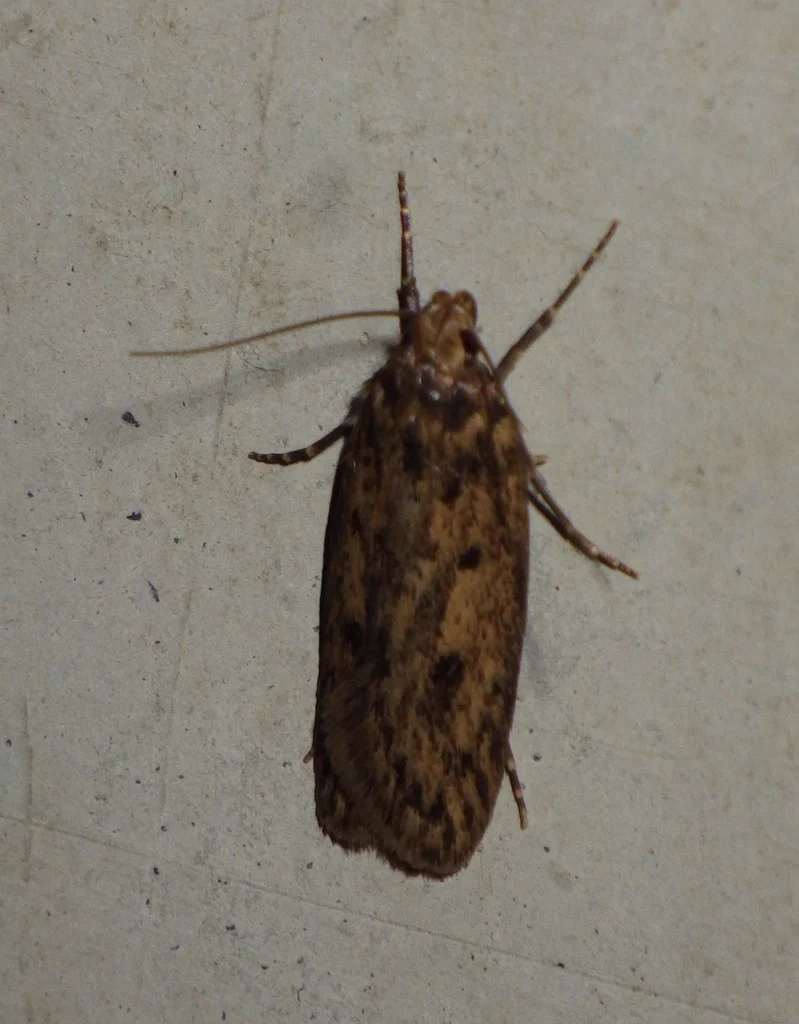
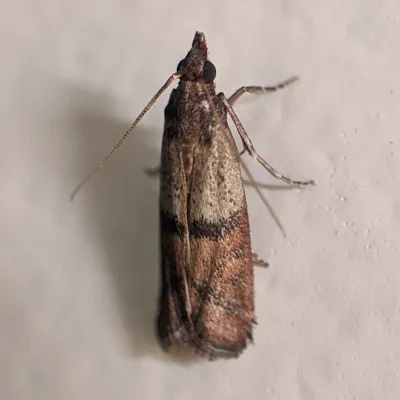
The brown house moth (Hofmannophila pseudospretella) is a small moth. Adults measure 8-14mm in body length with a wingspan of 15-26mm. They have mottled brown forewings with three to four darker spots. The base color ranges from reddish-brown to grayish-brown. The hindwings are lighter and have fine hairs along the edges.
These moths have long antennae that point forward when resting. Their body looks elongated and flat compared to other house moths. When bothered, they tend to run instead of fly. However, they can fly and are drawn to lights at night.
Larvae Appearance
You will likely see larvae more often than adults. The larvae cause all the damage. They grow up to 20mm long and are dirty white or cream colored with a brown head. The segment behind the head is chestnut brown.
Larvae can change color based on what they eat. Those eating red fabrics may look pinkish. Those eating grains look more yellowish.
As larvae feed, they build silken tubes and tunnels. They leave behind trails of webbing mixed with waste and debris. This webbing is often the first sign of a problem.
Common Species
The brown house moth is the only species in its genus (Hofmannophila). People often confuse it with these related moths:
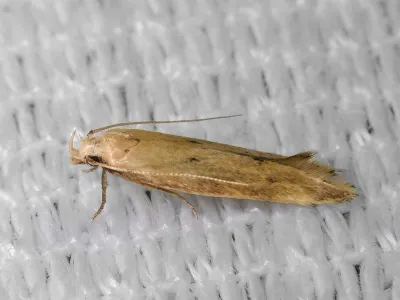
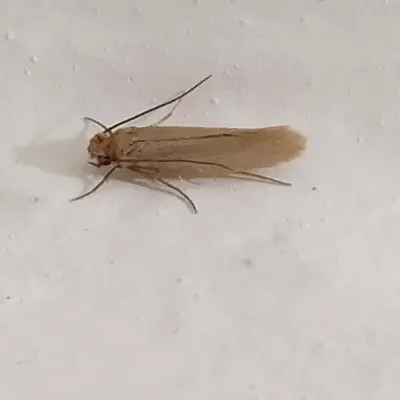
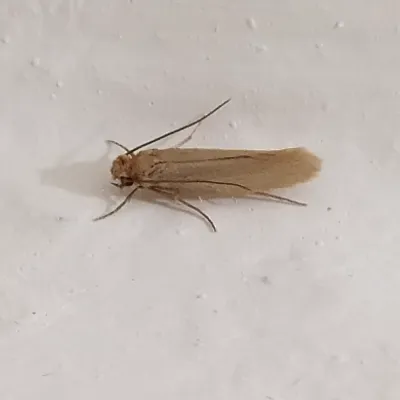
- Webbing Clothes Moth (Tineola bisselliella): Smaller with solid golden-tan color and no spots
- Casemaking Clothes Moth (Tinea pellionella): Grayish-brown with faint spots. Larvae build portable cases.
- White-Shouldered House Moth (Endrosis sarcitrella): Has a white head and shoulders
Brown House Moth Behavior and Biology
Habitat and Distribution
The brown house moth originally came from Asia. It was first found in Europe in the 1840s and later spread to North America. This species cannot survive outdoors where winters are cold. This makes it almost always an indoor pest in cooler climates. Brown house moths do well in heated buildings where they can breed all year.
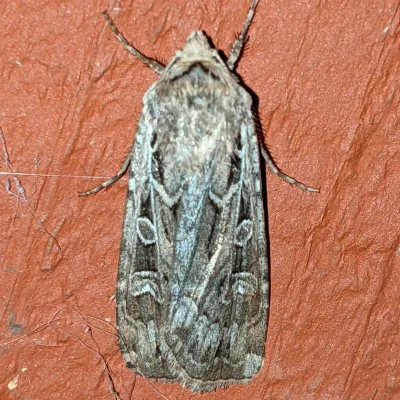
Inside homes, these moths like dark, quiet areas near food sources. Common spots include closets, basements, pantries, and spaces behind furniture. They often live near bird nests or around piles of organic debris. A related species, Armyworms, shares similar characteristics.
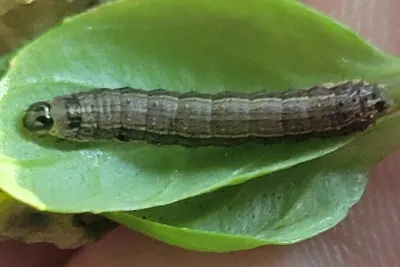
Diet and Feeding Habits A related species, Fall Webworms, shares similar characteristics.
Brown house moth larvae eat almost anything. Bacteria in their gut help them digest keratin, a protein found in animal materials. They can eat:
- Textiles: Wool, silk, fur, feathers, and leather
- Stored foods: Cereals, grains, flour, dried fruits, seeds, and nuts
- Other items: Book bindings, cork, wood floor inlays, and wine bottle corks
This wide diet makes brown house moths a big problem. Unlike clothes moths that only eat fabrics or pantry moths that only eat food, brown house moths can spread through many areas of a home at once. Larvae will even chew through synthetic fibers to build their cocoons, even though they cannot digest them.
Reproduction and Lifecycle
Female moths can lay up to 600 eggs during their 4-5 month lifespan. They place eggs on rough surfaces near food sources. Eggs hatch in 1-3 weeks depending on the temperature.
The larval stage lasts the longest and causes the most damage. It can take a few months to over two years. How fast larvae grow depends on temperature, humidity, and food quality. Larvae shed their skin many times as they grow. These shed skins are a sign of infestation.
When ready to become adults, larvae often travel far from where they were eating. They spin silk cocoons in hidden spots like cracks or fabric folds. The pupal stage lasts 2-8 weeks before adults come out and start the cycle again.
In heated buildings, brown house moths can have one to two generations per year. Generations often overlap. You may find eggs, larvae, pupae, and adults all at the same time.
Treatment Methods for Brown House Moths
Getting rid of brown house moths takes a complete approach. You need to target all life stages and remove food sources throughout the home.
Inspection and Source Identification
A thorough inspection helps find where the moths are coming from. Check these items:
- Wool clothing, blankets, and carpets
- Fur items and feather-filled products
- Pantry staples and stored dry goods
- Upholstered furniture and fabric-covered items
- Books with leather or cloth bindings
- Pet food and birdseed storage areas
Look for larvae, webbing, waste, and uneven damage patterns. Adult moths flying near lights can show the general area of the problem.
Source Elimination
Badly infested items may need to be thrown away. For items you want to save, these methods can kill moths and larvae:
- Freezing: Put items in a freezer at 0 degrees F for at least 72 hours
- Heat treatment: Heat items above 120 degrees F for 30 minutes or more
- Dry cleaning: Professional dry cleaning kills all life stages
- Washing: Hot water above 120 degrees F kills moths in washable items
Cleaning and Sanitation
Good cleaning removes eggs, larvae, and food sources:
- Vacuum all carpets, rugs, and furniture. Focus on edges, corners, and under furniture.
- Clean closet floors, shelves, and walls
- Empty and clean pantry shelves. Throw away any infested food.
- Clean items stored in boxes, especially in basements
Treatment Applications
Insecticide treatments to cracks, crevices, and surfaces where larvae grow can help get rid of infestations. Treatments in closets, along baseboards, and in pantry areas provide lasting protection.
Monitoring and Prevention
Pheromone traps made for house moths or clothes moths help track activity. They can confirm when the problem is gone. Ongoing prevention includes:
- Storing items that moths like in airtight containers or sealed garment bags
- Keeping food in sealed glass or plastic containers
- Vacuuming and cleaning storage areas often
- Checking secondhand items before bringing them home
- Cleaning clothes and textiles before storing them long term. If you are seeing moths near your food rather than your fabrics, see our guide on how to get rid of pantry moths
References and Further Reading
Other Moths
Explore other species in the moths family
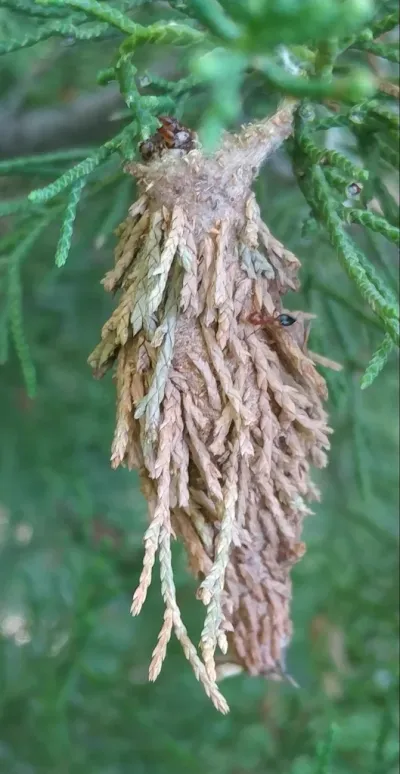
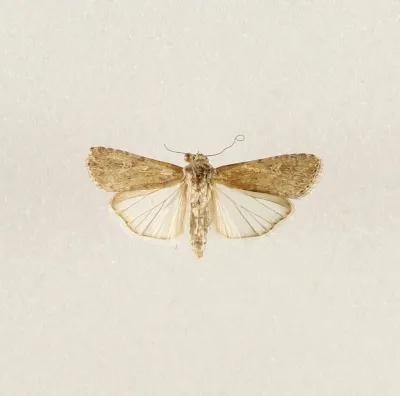
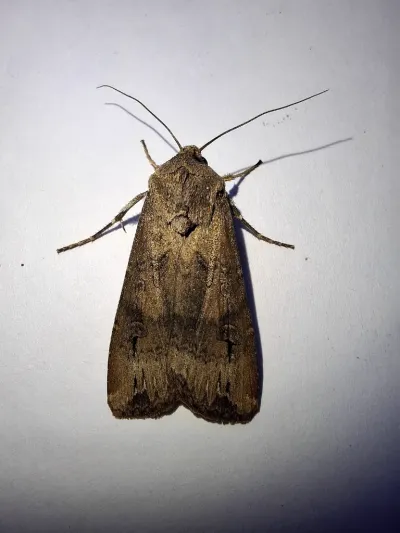
Commonly Confused With
Brown House Moth are often mistaken for these similar pests
Where Brown House Moth Are Found
Hover over states to see their names. Green regions indicate where brown house moth have been reported.
Common Questions about Brown House Moth
How do I know if I have brown house moths?
+
Look for small brown moths with spotted wings flying near closets, pantries, and storage areas. You may also find holes in fabrics, webbing in food containers, or small cream colored larvae with brown heads.
What do brown house moth larvae eat?
+
These larvae eat almost anything. They feed on wool, fur, feathers, leather, dried foods, cereals, seeds, cork, and book bindings. They can even eat wood floor inlays. They damage animal based materials because they can digest keratin.
Are brown house moths harmful to humans?
+
Brown house moths do not bite or sting people. They do not harm humans directly. But they can damage clothing, carpets, furniture, and stored food. You should throw away infested food since it may have larvae, webbing, and waste in it.
How long do brown house moths live?
+
Adult moths live 4 to 5 months and can lay up to 600 eggs. The full lifecycle from egg to adult takes a few months to over two years. This depends on the environment. Larvae can live up to two years before turning into adults.
Why do I have brown house moths in winter?
+
Brown house moths do well in heated buildings all year. They cannot survive cold weather outside. But modern homes with heating and cooling give them a good place to breed in any season.
How did brown house moths get into my house?
+
They often come in on used items like furniture, rugs, or clothing. They can also arrive with groceries, birdseed, or pet food. Once inside, they spread through the home looking for food.
What is the best way to prevent brown house moths?
+
Store wool and other fabrics moths like in airtight containers or garment bags. Keep pantry items in sealed containers. Vacuum often, especially in closets and under furniture. Check used items before bringing them inside. Clean clothes before storing them.

With five years of hands-on experience in the pest control industry, George Schulz is a registered technician with the Virginia Pest Management Association and a proud third-generation professional in a family business that's been protecting homes for over 57 years. He manages and trains a team of service pros while also leading internal research efforts—recently spearheading a deep-dive review of thousands of documents on pest control materials to hand-pick the most kid and pet friendly, most effective solutions tailored specifically for homes in the DC metro area.