Black Cutworm Identification Guide
Agrotis ipsilon
The black cutworm is one of the most destructive agricultural pests in North America. The adult moth, also known as the Ipsilon Dart, is a migratory species whose larvae cut through young plant stems at the soil line.
Taxonomy
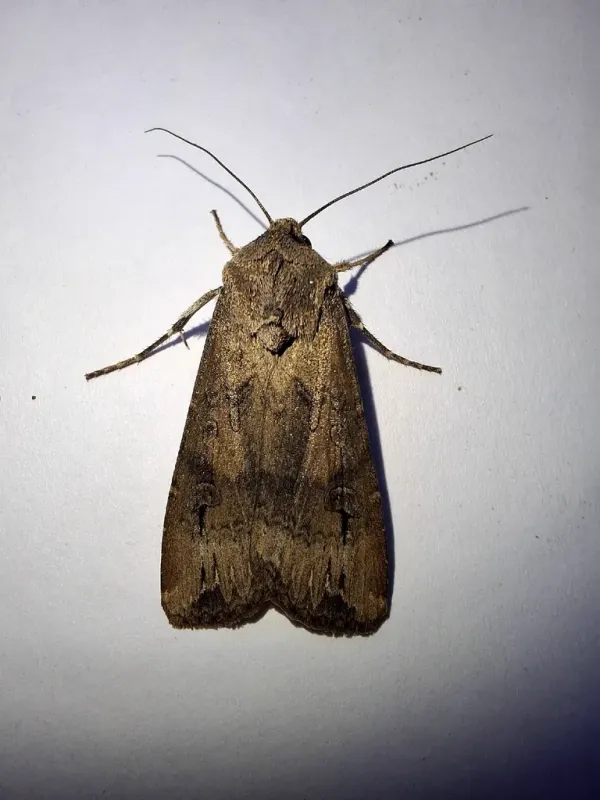
Black Cutworm Coloration
Common color patterns to help identify black cutworm
Black Cutworm
Seasonal Activity
When black cutworm are most active throughout the year

Where Black Cutworm Are Found
Hover over states to see their names. Green regions indicate where black cutworm have been reported.
Black Cutworm Identification Guide
Physical Characteristics
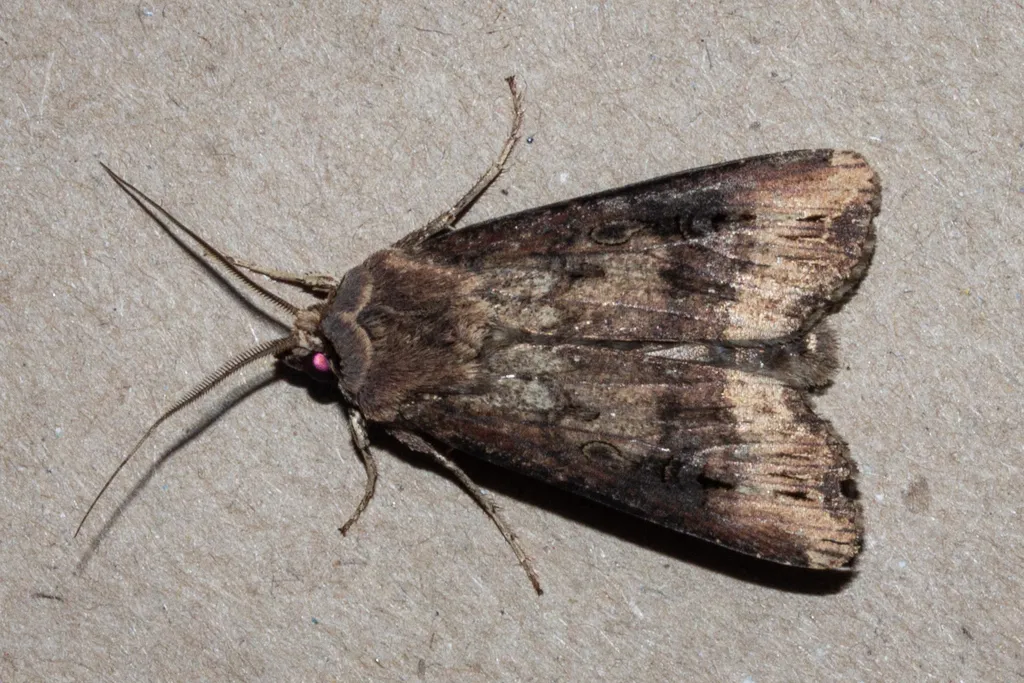
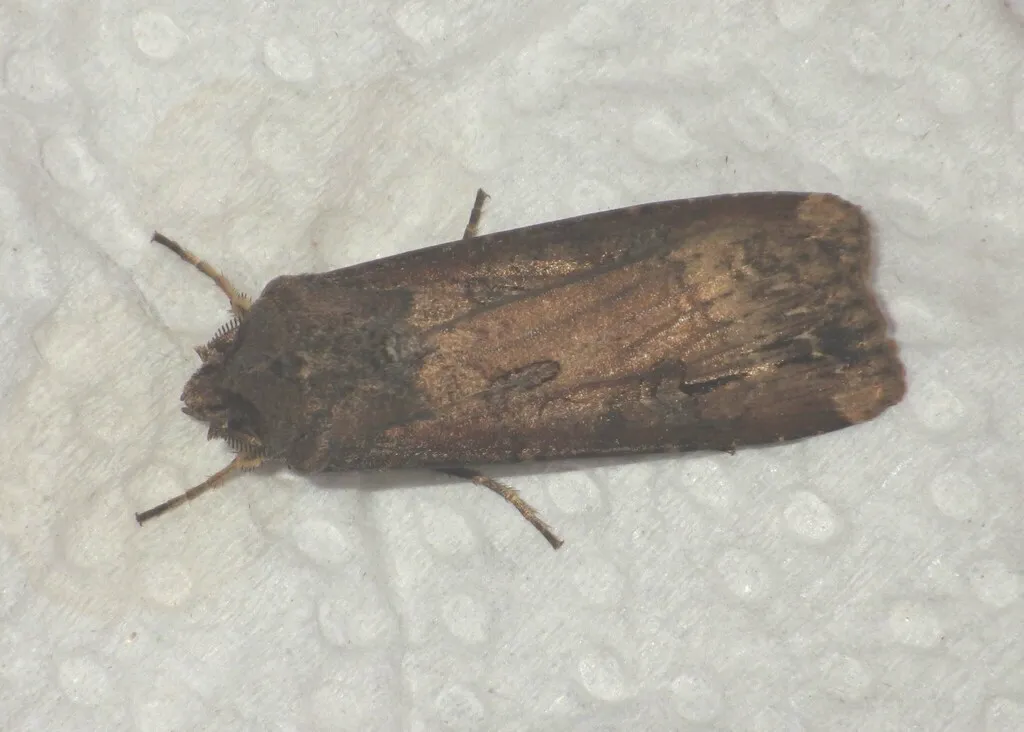
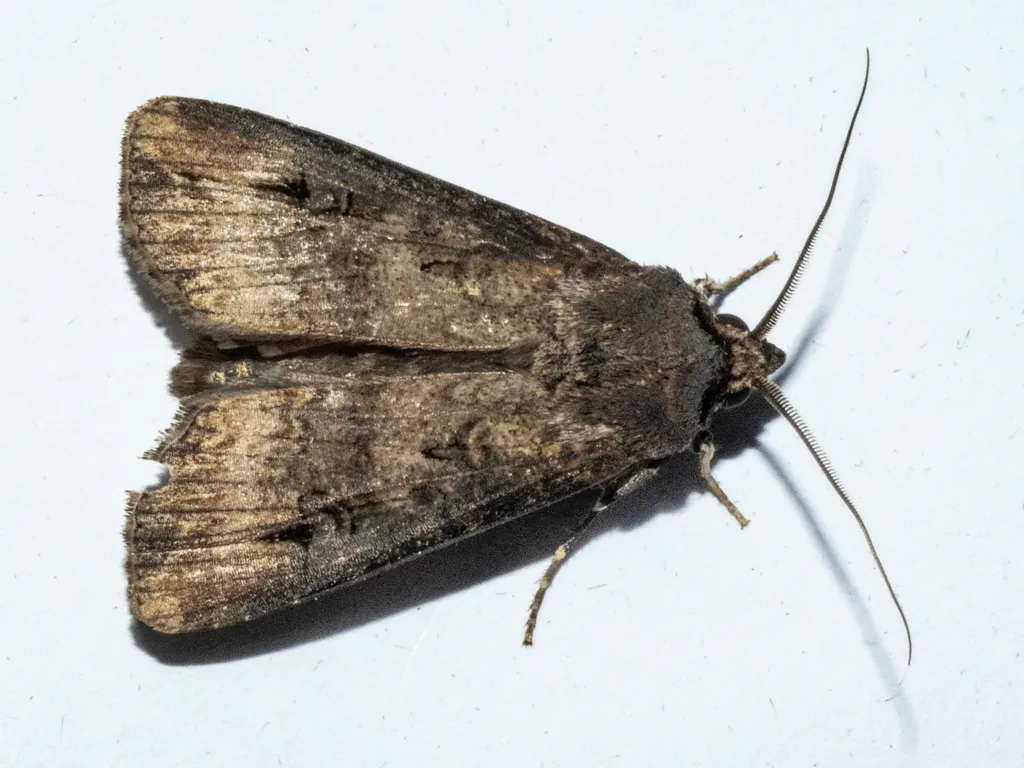
The black cutworm moth has a wingspan of 40 to 55 millimeters. The forewings are dark grayish-brown to almost black. A dart or dagger-shaped marking sits near the wing tip. This marking gives the species its other name, the Ipsilon Dart. The wings also show darker streaks and spots that help hide the moth when it rests.
The hindwings are pale gray to whitish with darker edges. The body is stout and covered with scales that match the wing color. Black cutworms have large compound eyes and long, thin antennae.
The larvae are the actual cutworms. They look very different from the adult moths. Young caterpillars start small and pale. As they grow, they become large, smooth caterpillars up to 45 millimeters long. Full-grown larvae are dark gray to greenish-black with a greasy look. The skin is smooth without hairs or spines. When you touch them, they curl into a tight C-shape.
Common Species Comparison
The black cutworm belongs to the moth family Noctuidae, which includes many cutworm species. Knowing the differences helps you identify them:
-
Black Cutworm (Agrotis ipsilon): Dark color and greasy texture. Highly migratory. Adults have a clear dart marking. One of the most damaging species.
-
Variegated Cutworm (Peridroma saucia): Mixed colors with pale dots along the back. This species climbs plants to feed.
-
Dingy Cutworm (Feltia jaculifera): Smaller and paler than black cutworms. Common but causes less damage.
-
Army Cutworm (Euxoa auxiliaris): Pale greenish-gray with faint stripes. Found mostly in the West. Adults are called Miller moths.
Black Cutworm Behavior and Biology
Black cutworms are highly migratory. Most cutworm species spend winter locally as larvae or pupae, but black cutworms cannot survive cold northern winters. This migratory pattern is shared by fall armyworms, another destructive lawn pest. Each spring, adult moths fly north from the southern United States and Mexico on weather fronts. This migration starts in March and runs through June.
Female moths lay many eggs. They can deposit 1,000 to 2,000 eggs during their 2-3 week adult life. They prefer to lay eggs on low plants, crop leftovers, and weedy spots. The round, ribbed eggs hatch in 3-6 days in warm weather.
Larvae go through six growth stages over 20-40 days. Young larvae feed on leaves and cause little damage. As they grow, they start cutting plant stems at or below the soil line. One large larva can destroy several seedlings in a single night.
Black cutworm larvae feed only at night. During the day, they hide in the soil near plants, sometimes several inches deep. This makes them hard to spot until damage shows up. At night, they come out to feed. They often return to the same plant each night until they eat it all. A related species, Fall Webworms, shares similar characteristics. Homeowners dealing with Black Cutworm may also encounter Moth, which can appear in similar environments.
The pupal stage happens in an earthen cell in the soil. It lasts 12-30 days based on temperature. In warm areas, black cutworms can complete 3-4 generations per year. In the North, there are usually only 1-2 generations before fall frosts stop them.
Signs of Black Cutworm Damage
Black cutworm damage is easy to spot and often shows up fast. The clearest sign is young plants cut off at or just below the soil line. The cut looks clean, like it was made with scissors. The fallen plant may lie nearby, sometimes partly eaten.
Other signs of black cutworm activity include:
- Gaps in rows of seedlings where plants were killed
- Wilting plants that do not perk up with water
- Plants that seem to be pulled into the soil
- Small holes in the soil near damaged plants
- Droppings near the soil surface around damaged plants
Damage often shows up in patches rather than evenly across a field or garden. This reflects where moths laid eggs and where soil helps larvae survive. Low, weedy areas tend to have more cutworms.
To check if black cutworms are the cause, dig in the soil a few inches from damaged plants. The larvae hide just below the surface during the day. You will usually find them curled in a C-shape.
Treatment Methods for Black Cutworms
Black cutworm control works best when you combine monitoring, cultural practices, and targeted treatments. This species migrates each year, so early detection of moth flights helps predict when larvae will start causing damage.
Monitoring and Detection
Pheromone traps attract adult male moths and warn you when they arrive. Set up traps in spring before planting. When you catch more moths, start looking for eggs and young larvae. Light traps also draw in moths and show how many are in the area.
Field scouting means checking the soil and plant bases for larvae. Look at 20-50 plants in several spots. Dig around plants that show early damage. Treatment is often needed when 3-5% of plants show cutting damage.
Cultural Controls
Several practices help reduce black cutworm problems:
- Remove weeds early: Moths like to lay eggs on low plants. Getting rid of weeds 2-3 weeks before planting removes places where they lay eggs.
- Till weedy fields: Heavy plant matter and weeds help cutworms survive. Tilling the soil exposes larvae so they dry out or get eaten.
- Plant bigger transplants: Larger, stronger plants can often handle some cutting damage.
- Wait to plant: Letting weed cover die off before planting makes the area less attractive for egg laying.
Physical Barriers
Collars around plants keep larvae from reaching stems:
- Cardboard tubes pressed into the soil around seedlings
- Plastic collars that go 1-2 inches above and below the soil
- Aluminum foil wrapped around stems
These barriers work well for small gardens and prized transplants. They are not practical for large farms.
Biological Control Options
Natural enemies help reduce black cutworm numbers:
- Ground beetles eat larvae and pupae in the soil
- Parasitic wasps attack caterpillars
- Birds eat larvae when tilling exposes them
- Bacillus thuringiensis (Bt) products kill young larvae when eaten
Bt works best when larvae are small and feeding on leaves above ground. Older larvae that cut stems below ground are harder to control with Bt.
Chemical Treatments
Insecticide treatments may be needed when cutworm numbers are high and damage is happening. These treatments work best when applied in late afternoon or evening before larvae come out to feed. Granular products can reach larvae hiding in the soil.
Bait products mix an attractant with an active ingredient. Cutworms eat the bait and take in the pesticide. This method uses less product than spraying an entire area.
Prevention Tips
You can prevent black cutworm damage before moths even arrive:
- Check fields and gardens in early spring for weeds that attract egg-laying moths
- Remove weeds at least two weeks before planting so moths lay eggs elsewhere
- Use pheromone traps to track when moths arrive
- Check transplants for eggs or young larvae before planting
- Put protective collars on plants that are prone to damage
- Check plants at night during peak activity
Acting early stops the bad damage that happens when large larvae start cutting plants. Find out how often you should spray for bugs to maintain an effective treatment schedule.
References
Other Moths
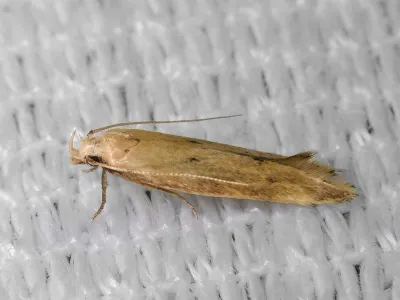
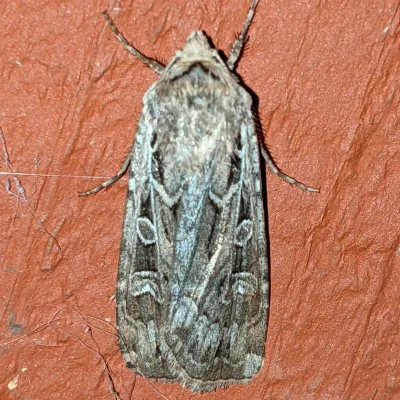
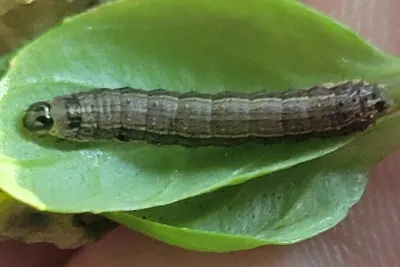
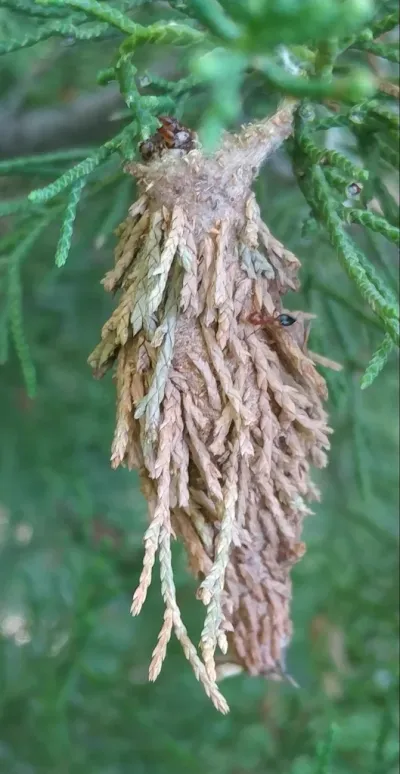
Explore other species in the moths family
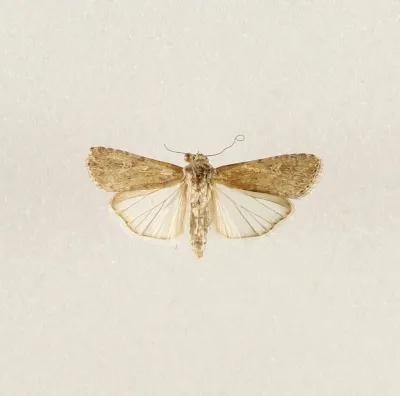
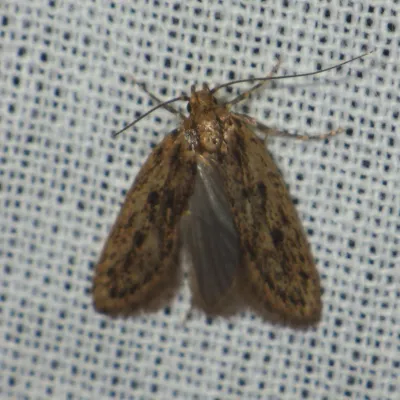
Commonly Confused With
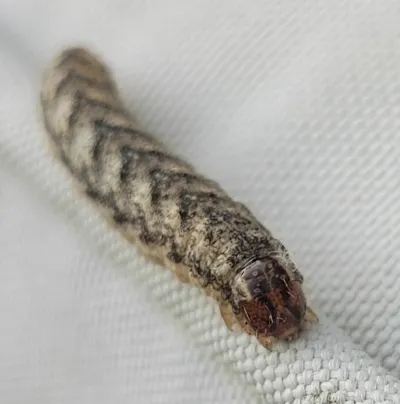
Black Cutworm are often mistaken for these similar pests
Where Black Cutworm Are Found
Hover over states to see their names. Green regions indicate where black cutworm have been reported.
Common Questions about Black Cutworm
What does a black cutworm look like?
+
Adult black cutworm moths have a wingspan of 40-55mm. The forewings are dark grayish-brown with a distinctive black dart or dagger-shaped marking near the wing tip. The hindwings are pale gray with darker edges. The larvae are smooth, greasy-looking caterpillars that grow up to 45mm long and range from gray to nearly black.
What plants do black cutworms damage?
+
Black cutworm larvae attack a wide variety of plants including corn, soybeans, cotton, vegetables, and turfgrass. They are particularly damaging to young seedlings and transplants. The larvae cut stems at or below the soil surface, often killing plants overnight.
When are black cutworms most active?
+
Adult moths are most active during spring migration, typically from March through June. The larvae feed at night and are most damaging in late spring and early summer when young crops are most vulnerable. Moths are strongly attracted to lights at night.
Where do black cutworms come from?
+
Black cutworms cannot survive harsh winters in northern regions. Each spring, adult moths migrate northward from the Gulf Coast states and Mexico, carried by weather systems. This migratory behavior means populations can arrive suddenly in new areas.
How can I tell if black cutworms are in my garden?
+
Look for young plants that have been cut off at the base or are wilting. Dig in the soil near damaged plants to find the larvae, which curl into a C-shape when disturbed. Adult moths can be monitored with pheromone traps or by checking around lights at night.
Are black cutworms harmful to humans?
+
No, black cutworm moths and larvae do not bite, sting, or pose any direct threat to humans or pets. They are strictly plant pests that cause economic damage to gardens and agricultural crops.
How long do black cutworms live?
+
The complete life cycle from egg to adult takes about 50-90 days depending on temperature. Adult moths live 2-3 weeks. In warm climates, there can be 3-4 generations per year, while northern areas typically see 1-2 generations.
What is the difference between black cutworms and other cutworms?
+
Black cutworms are distinguished by their darker coloration, greasy appearance, and the distinctive dart-shaped marking on the adult moth's wings. They are also highly migratory, unlike many other cutworm species that overwinter locally. Black cutworms tend to be more damaging to corn than other species.

With five years of hands-on experience in the pest control industry, George Schulz is a registered technician with the Virginia Pest Management Association and a proud third-generation professional in a family business that's been protecting homes for over 57 years. He manages and trains a team of service pros while also leading internal research efforts—recently spearheading a deep-dive review of thousands of documents on pest control materials to hand-pick the most kid and pet friendly, most effective solutions tailored specifically for homes in the DC metro area.