Bagworms Identification Guide
Thyridopteryx ephemeraeformis
Bagworms are moth larvae that construct distinctive spindle-shaped bags from silk and plant debris. They are destructive landscape pests that can defoliate and kill evergreen trees and shrubs.
Taxonomy
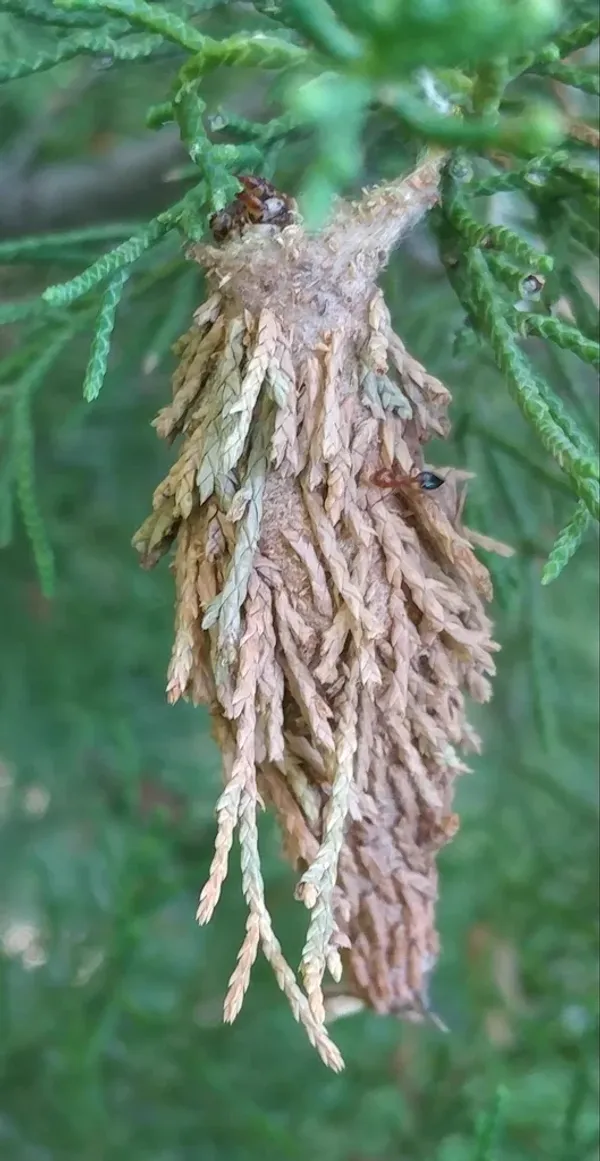
Bagworms Coloration
Common color patterns to help identify bagworms
Bagworms
Seasonal Activity
When bagworms are most active throughout the year

Where Bagworms Are Found
Hover over states to see their names. Green regions indicate where bagworms have been reported.
Bagworm Identification Guide
Physical Characteristics
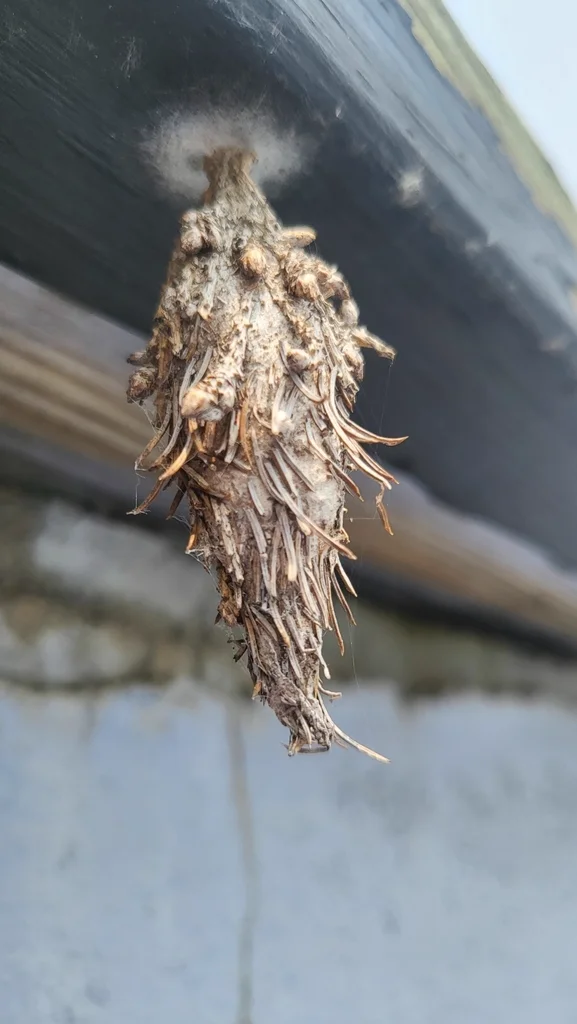
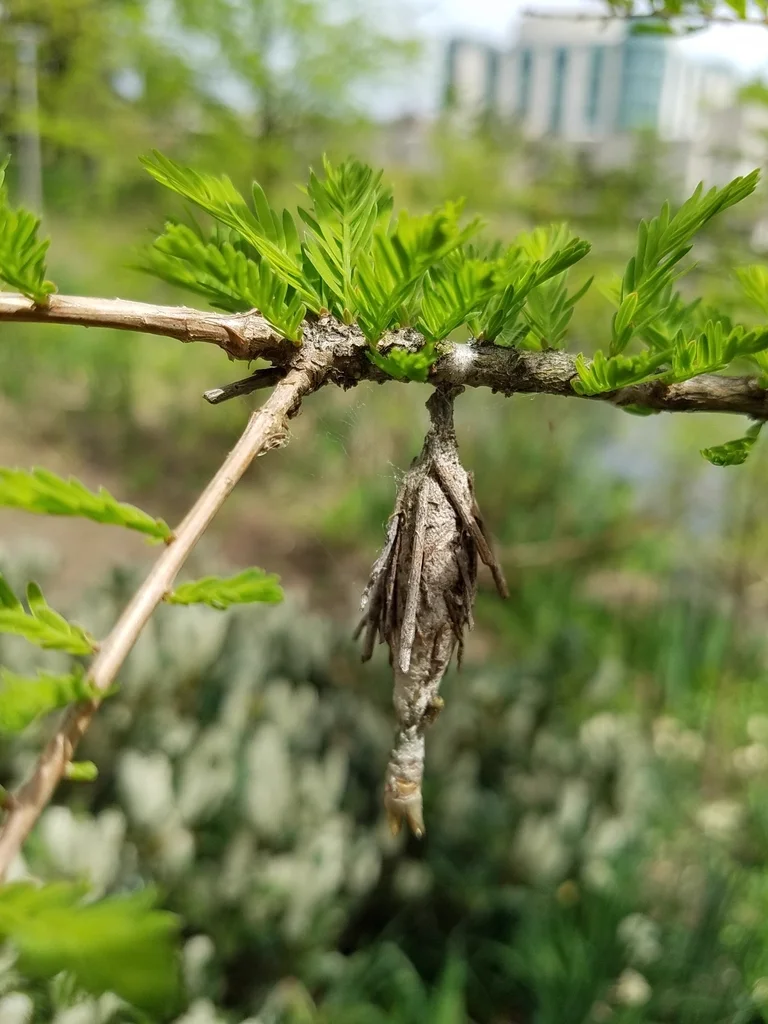
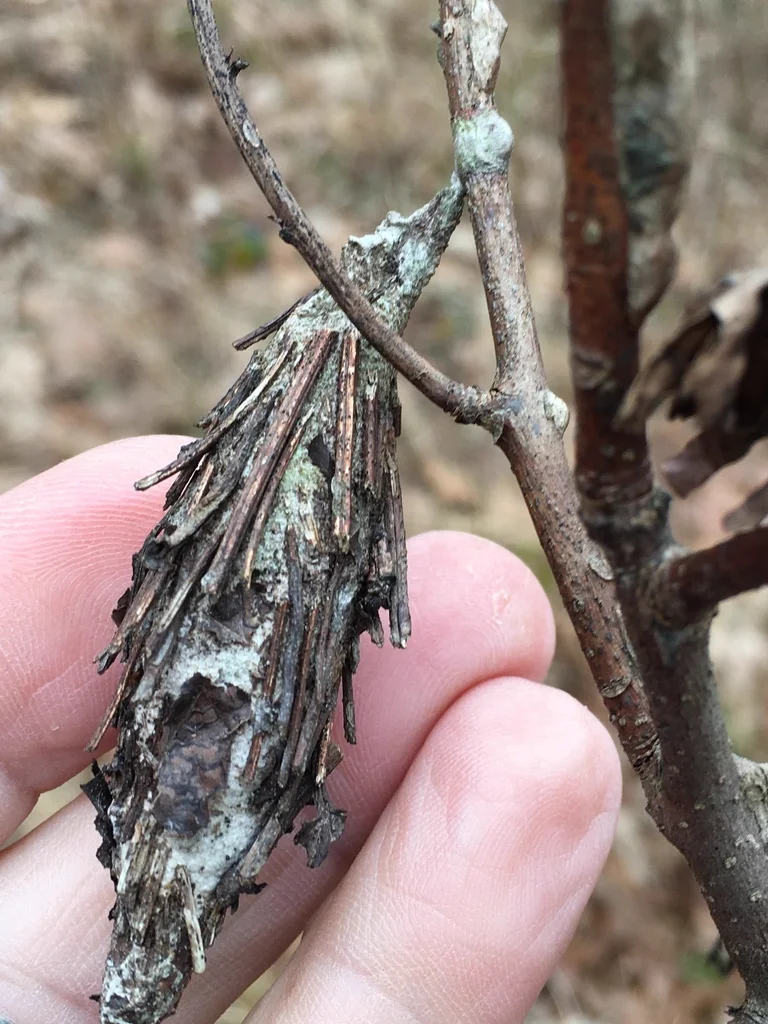
Bagworms are moth larvae in the family Psychidae. You rarely see the caterpillars, but their protective cases are easy to spot. These bags look like small spindles, ranging from a quarter inch when new to over two inches when full grown. The bags are made of silk mixed with bits of leaves, twigs, and bark from the host plant. This gives them excellent camouflage.
The larvae inside are grayish caterpillars with dark brown to black markings on the head and first three body segments. Full grown larvae measure about 1 inch in length. Newly hatched larvae are tiny at about 2 mm long with glossy black backs and amber undersides.
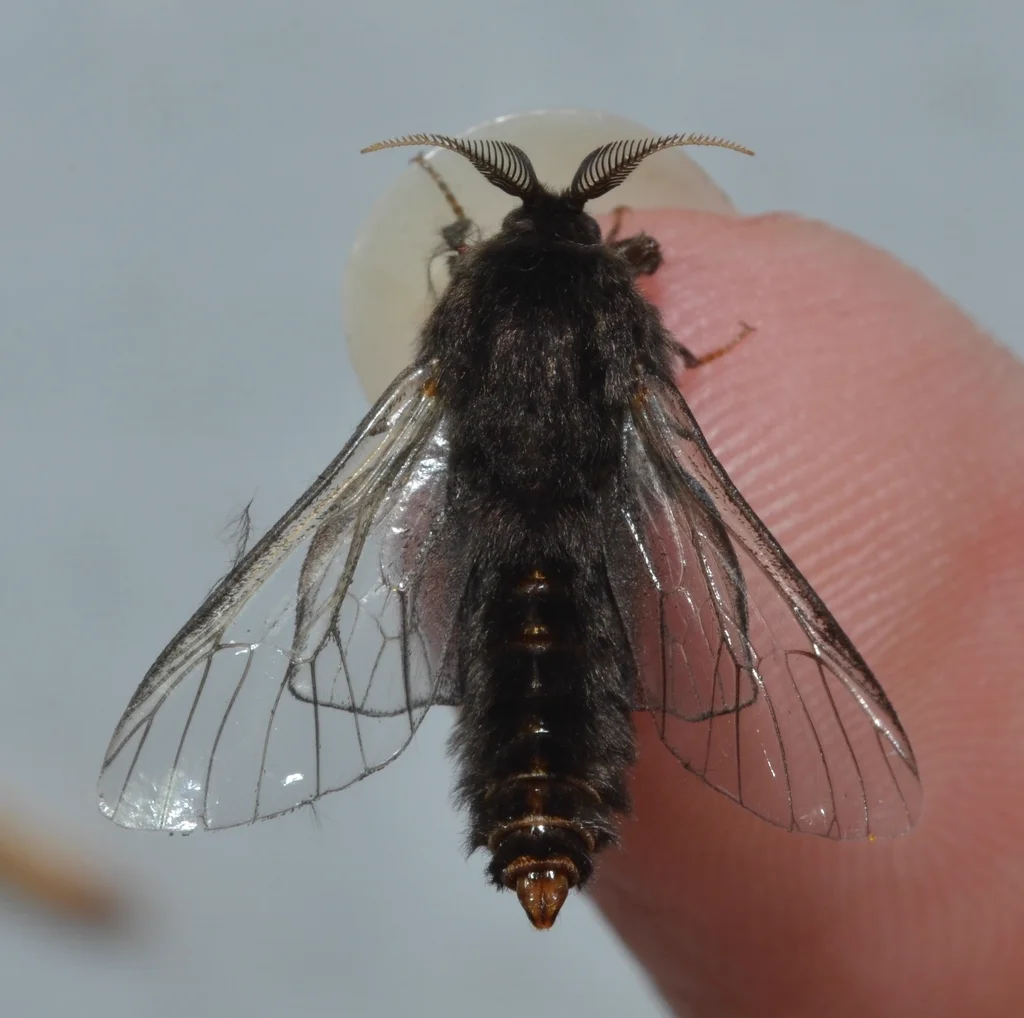
Adult male moths are hairy, black insects with clear wings about 1 inch across. To learn more about how moths differ from butterflies, see our identification guide. Female bagworms never develop into typical moths. They stay worm-like their whole lives without wings, working legs, eyes, or mouthparts. Females never leave their cases.
Common Species
The Evergreen Bagworm (Thyridopteryx ephemeraeformis) is also called the Eastern Bagworm or Common Bagworm. This is the main species that damages landscapes across eastern North America. Most homeowners who find bagworms on their trees and shrubs are dealing with this species. Other bagworm species exist in North America, but T. ephemeraeformis causes the most damage and is the most common.
Bagworm Behavior and Biology
Life Cycle
Bagworms complete one generation per year. They spend winter as eggs inside the female’s bag. Each female can lay 500 to 1,000 eggs before dying in the fall. The eggs stay protected inside the old bag through winter.
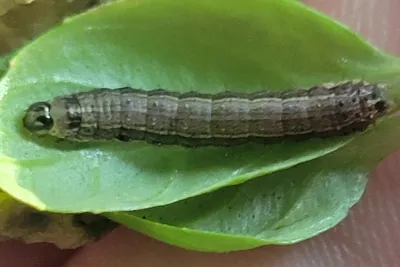
In late May to early June, tiny larvae hatch and start a behavior called “ballooning.” The young caterpillars spin silk threads that catch the wind. The wind carries them to new host plants. This explains why bagworm infestations can show up suddenly on plants that were clear before. Homeowners dealing with Bagworms may also encounter Moth, which can appear in similar environments.
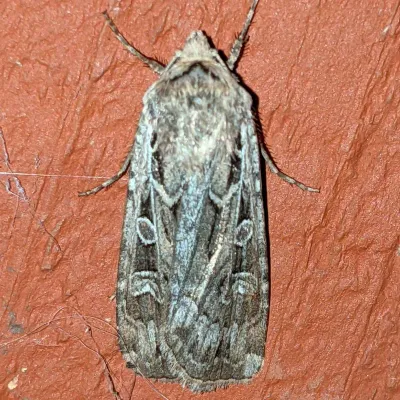
Once on a host plant, larvae start building their protective bags right away. As the caterpillars feed and grow through four or more molts, they keep making their cases bigger. By late summer, full grown larvae pupate inside their bags. A related species, Armyworms, shares similar characteristics.
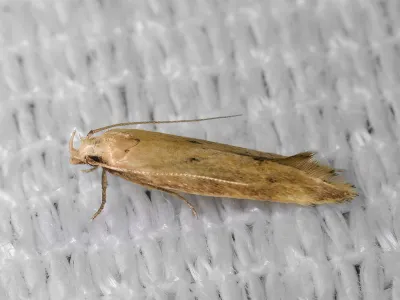
Adult males come out in late summer or early fall. They fly around looking for females, which release scents to attract mates. After mating through an opening at the bottom of the female’s bag, the female lays her eggs inside her pupal case and dies. Neither adult eats, and males live only one to two days. A related species, Peachtree Borer Moth, shares similar characteristics.
Feeding Habits and Host Plants
Bagworm caterpillars are heavy feeders. They strip the leaves from over 50 types of evergreen and deciduous plants. Their favorite hosts include:
- Evergreens: Arborvitae, juniper, red cedar, spruce, pine, and cypress
- Deciduous trees: Maple, elm, willow, oak, sycamore, and apple
Feeding damage usually starts at the top of plants and moves down. On evergreens, this damage is extra harmful because these plants cannot grow new leaves as fast as deciduous trees. Even light infestations can make ornamental plants look bad. Severe defoliation often kills branches or entire plants.
Why Infestations Persist
Bagworm populations often stay in the same area over multiple seasons. Female bagworms cannot fly. Larvae only travel short distances on the wind. So heavy infestations tend to build up near where the previous generation lived. Without treatment, populations grow each season. Hundreds or thousands of eggs hatch from each surviving female’s bag.
Treatment Methods for Bagworms
Good bagworm control requires proper timing and a mix of methods. The following sections describe control strategies that work well against bagworms.
Manual Removal
For small infestations, picking bagworm cases by hand during late fall through early spring works well. This removes eggs before they can hatch and breaks the cycle. Put collected bags in soapy water or sealed bags. Do not just drop them on the ground where larvae can still come out.
This method works best when:
- Infestations are caught early
- Plants are small enough to check fully
- Bags are removed before late May when eggs hatch
Chemical Control Timing
The best window for insecticide sprays is late May through mid-June when larvae are small. Young bagworms are easy to kill with various insecticides. But once the protective bags grow larger, treatments work much less well. By mid to late summer, the bags block most contact insecticides.
Products with Bacillus thuringiensis var. kurstaki (Bt) work well when applied to small, actively feeding larvae. Synthetic pyrethroids and other longer lasting insecticides also provide control during the early larval stage.
Other Control Options
Several natural enemies attack bagworms:
- At least 11 species of parasitic wasps target bagworm larvae
- White-footed mice and various birds feed on bagworms
- Certain nematodes can kill bagworms
These factors cause bagworm numbers to change from season to season. But when populations are already high, they usually cannot stop the damage on their own.
Prevention Strategies
- Regular inspection: Check plants prone to damage, especially evergreens, in early summer for small bags. Other tree-damaging caterpillars like fall webworms and tent caterpillars may also be present
- Prompt removal: Remove any bags found during winter pruning
- Monitor at-risk plants: Arborvitae and juniper get hit hard by bagworms
- Act early: Small populations are much easier to handle than large infestations
References
Other Moths
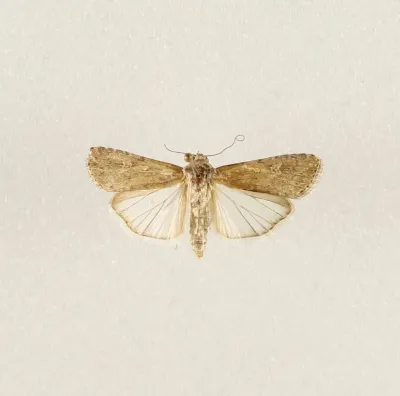
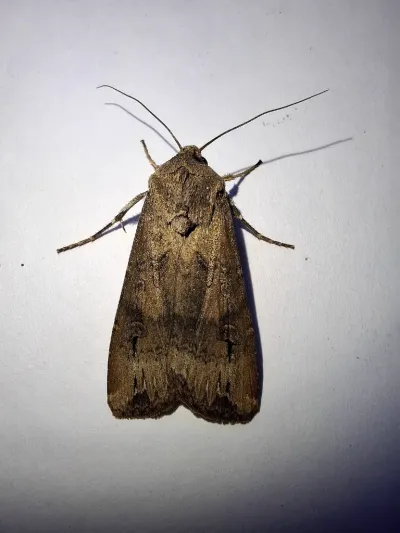
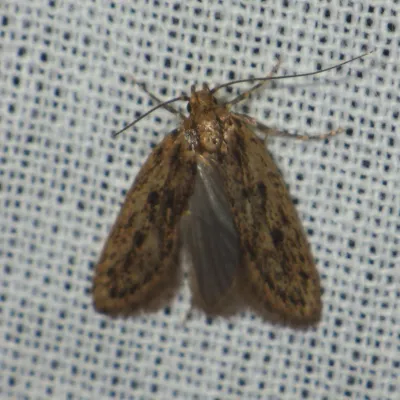
Explore other species in the moths family
Where Bagworms Are Found
Hover over states to see their names. Green regions indicate where bagworms have been reported.
Common Questions about Bagworms
What do bagworms look like?
+
Bagworms are most recognizable by their protective cases, which are spindle-shaped bags 1-2 inches long made of silk interwoven with bits of leaves and twigs from the host plant. The caterpillars inside are rarely seen but are grayish with dark markings and grow up to 1 inch long.
What plants do bagworms attack?
+
Bagworms feed on over 50 plant species but prefer evergreens like arborvitae, juniper, cedar, spruce, and pine. They also attack deciduous trees including maple, elm, willow, and oak. Damage to evergreens is often more severe because these plants cannot regenerate foliage as easily.
When is the best time to treat for bagworms?
+
Late May through mid-June is the optimal treatment window when bagworm larvae are small and most vulnerable to control methods. Once the bags exceed half an inch, treatment becomes less effective as the protective case shields the caterpillar.
Can bagworms kill my trees?
+
Yes, severe bagworm infestations can kill trees, especially evergreens. Even a few bagworms can make ornamental plants unmarketable. Four larvae alone can render a four-foot arborvitae unsightly. Complete defoliation typically results in branch death or whole plant mortality for evergreens.
How do bagworms spread to new plants?
+
Newly hatched bagworm larvae disperse by 'ballooning' - they spin silk threads and are carried by wind to new host plants. This allows them to spread significant distances, though heavy infestations often remain localized near the mother's plant.
Should I remove bagworm bags in winter?
+
Yes, handpicking bags during fall, winter, or early spring before eggs hatch is an effective control method for small infestations. Each female bag can contain 500-1,000 eggs, so removing them prevents a significant population the following season.

With five years of hands-on experience in the pest control industry, George Schulz is a registered technician with the Virginia Pest Management Association and a proud third-generation professional in a family business that's been protecting homes for over 57 years. He manages and trains a team of service pros while also leading internal research efforts—recently spearheading a deep-dive review of thousands of documents on pest control materials to hand-pick the most kid and pet friendly, most effective solutions tailored specifically for homes in the DC metro area.