Armyworms Identification Guide
Spodoptera frugiperda
Armyworms are destructive caterpillars that can devastate lawns and turf grass in just a few days, moving across yards in large groups like an army.
Taxonomy
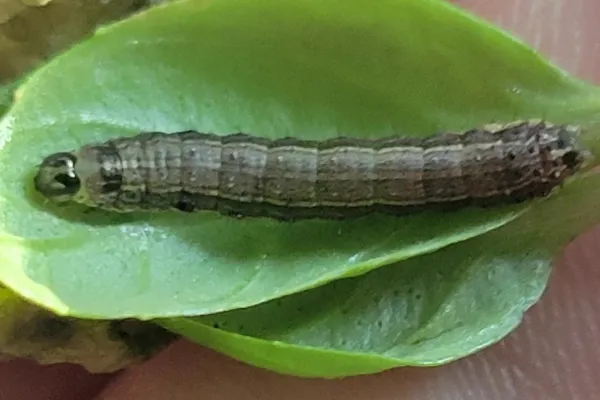
Armyworms Coloration
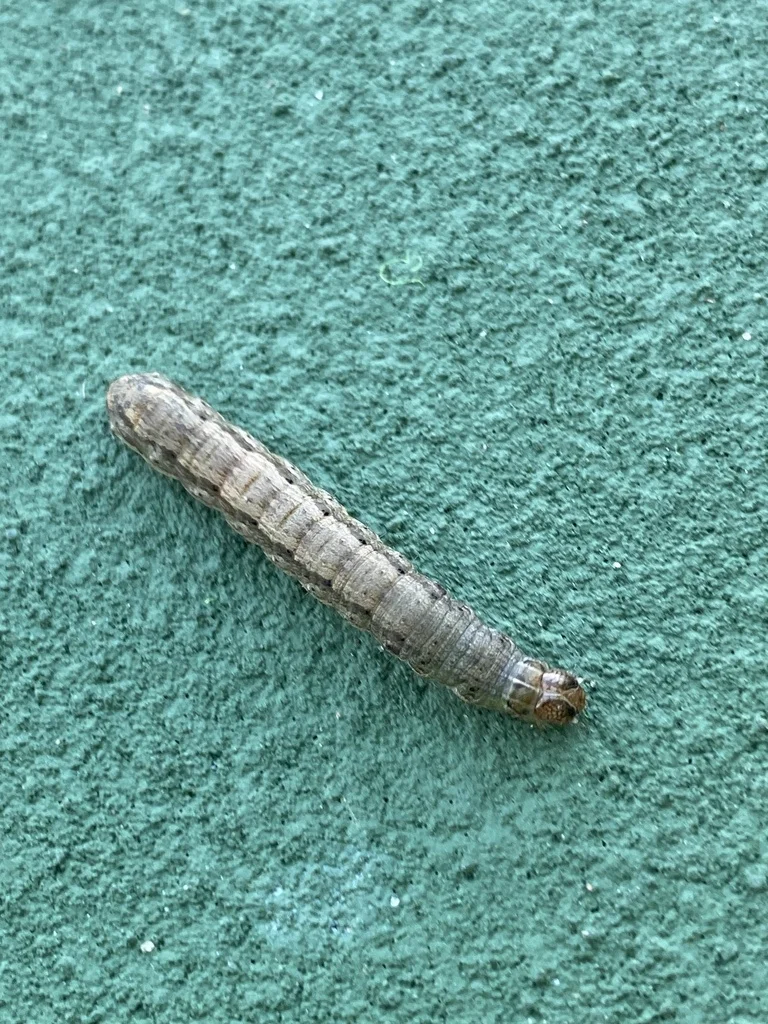
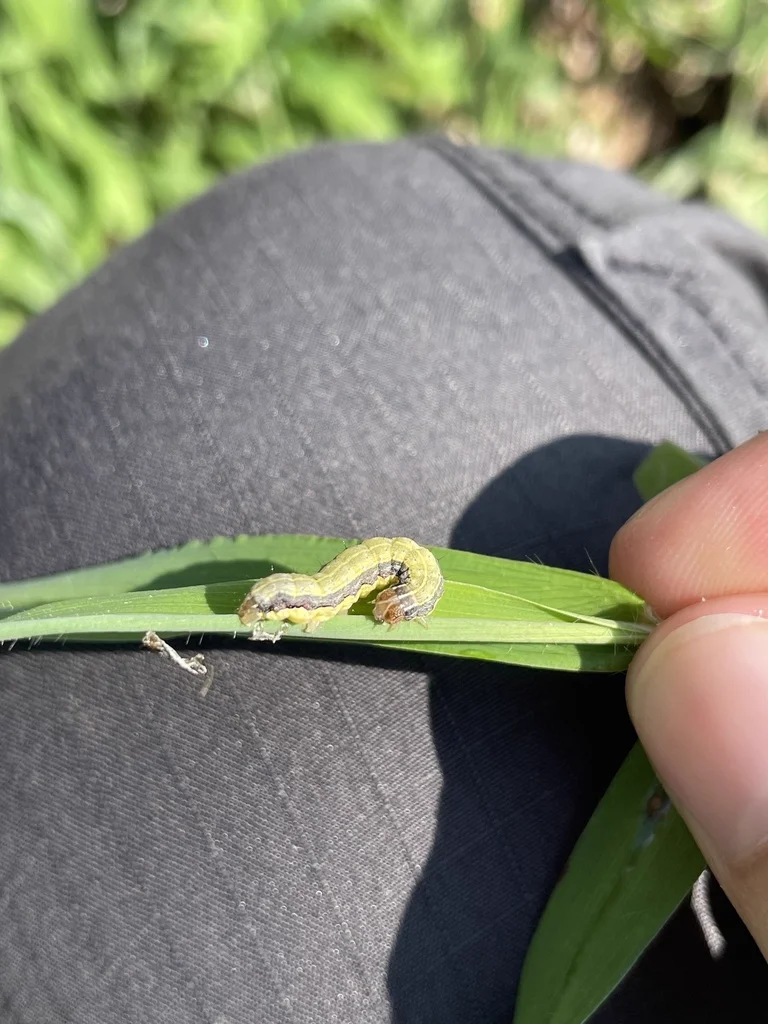
Common color patterns to help identify armyworms
Armyworms
Seasonal Activity
When armyworms are most active throughout the year

Where Armyworms Are Found
Hover over states to see their names. Green regions indicate where armyworms have been reported.
Armyworm Identification Guide
Physical Characteristics
Armyworms are caterpillars that come from moth eggs. When fully grown, they measure 1.25 to 1.5 inches long. Their bodies range from light green to almost black. They have stripes along their sides and backs in green, yellow, red, or brown. The best way to identify them is by the upside-down Y mark on their head.
Young armyworms are pale green and hard to see. As they grow, their bodies get darker and the stripes show more clearly. Each body section has four spots in a square pattern near the back end.
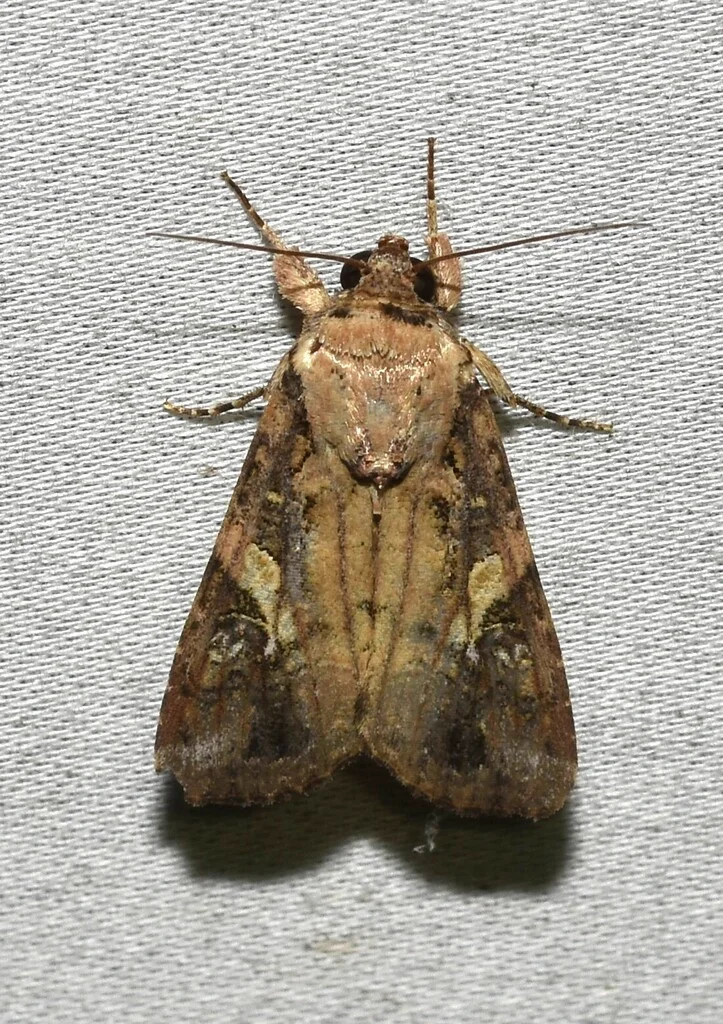
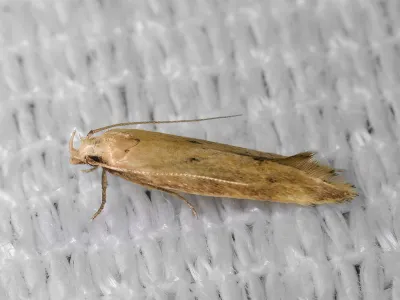
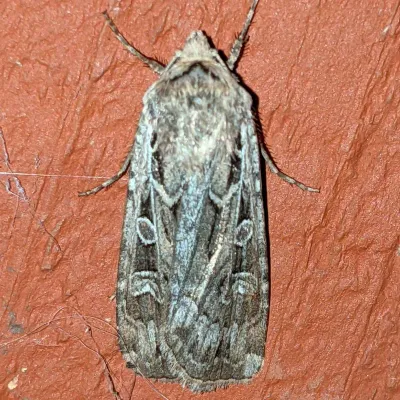
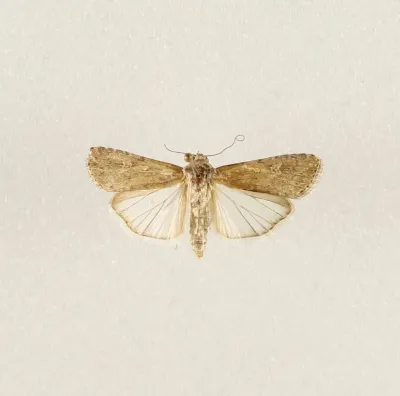
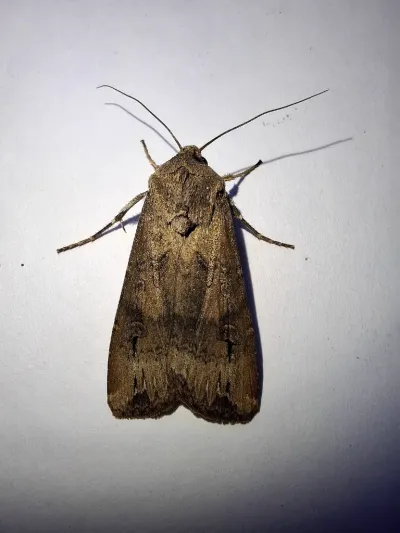
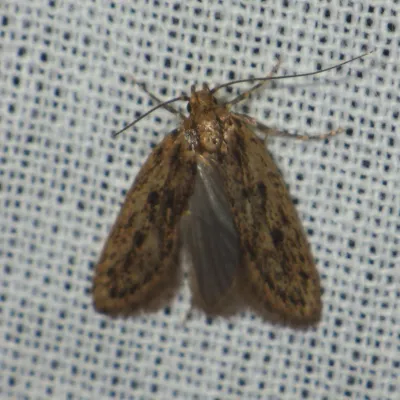
Adult armyworm moths have gray front wings with light and dark spots. Their back wings are pale gray-white. Moths measure about 1.5 inches across with wings spread. Learn how to tell moths apart from butterflies using wing shape and other features.
Common Species
-
Fall Armyworm (Spodoptera frugiperda) - The most damaging species to turfgrass. Cannot survive cold winters and migrates north from southern states each year.
-
True Armyworm (Mythimna unipuncta) - Also called the common armyworm. Found throughout North America and feeds on grasses and small grains.
-
Yellow-striped Armyworm (Spodoptera ornithogalli) - Features prominent yellow stripes. Feeds on a variety of plants including vegetables and ornamentals.
Armyworm Behavior and Biology
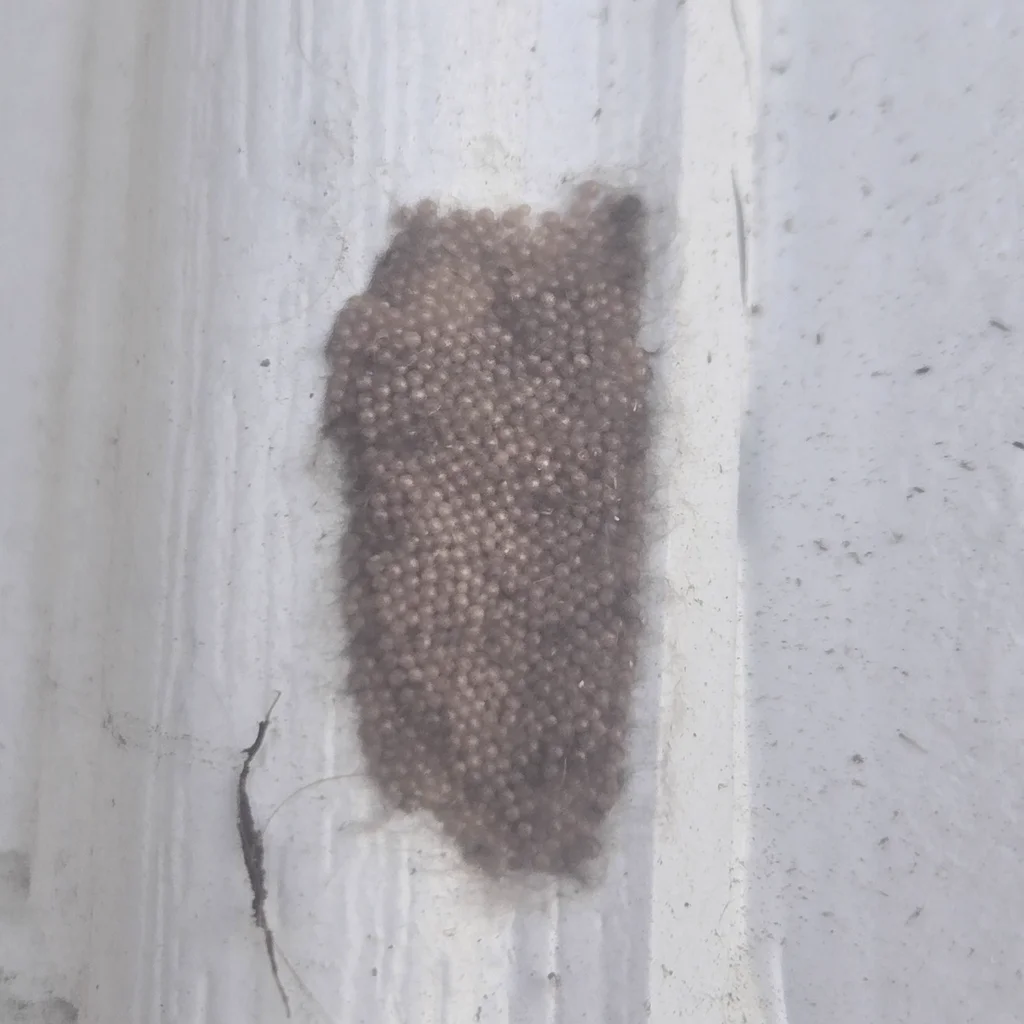
Armyworms go through four life stages: egg, larva (caterpillar), pupa, and adult moth. Female moths lay up to 2,000 eggs in fuzzy clumps on shrubs, fence posts, building walls, and other surfaces near lawns. In warm weather, eggs hatch in 2-3 days.
The caterpillar stage lasts 2-3 weeks. During this time, they go through six growth phases. Young caterpillars cause little damage. But after the fourth phase, they eat over 93% of all the food they will consume. This is why lawn damage seems to show up fast and spread quickly.
Armyworms eat mostly in early morning and late afternoon. In mowed lawns, they hide deep in the grass when it gets hot. In tall grass, you may see them eating all day long.
When done growing, armyworms dig into the soil and form a pupa. Adult moths come out 10-14 days later to mate and lay more eggs. Most areas see 3-4 generations per year.
Fall armyworms die in freezing weather. The ones that appear in northern states each summer come from populations that spend winter in southern Florida and Texas.
Signs of Armyworm Infestation
Finding armyworm damage early can help save your lawn. Watch for these signs:
- Brown patches that show up fast and spread across the lawn
- Chewed grass blades that look ragged or see-through
- Green droppings near the soil surface
- Birds feeding heavily in the turf, like starlings, grackles, and robins
- Caterpillars visible in early morning or late evening
- Damage moving from one side of the lawn to the other
Try the soap flush test to find armyworms. Mix 1-2 tablespoons of lemon dish soap in 1-2 gallons of water until suds form. Pour the mix slowly over a 3-foot by 3-foot area of healthy grass next to the damaged spots. If armyworms are there, they will come to the surface within 10 minutes.
Treatment Methods for Armyworms
Several treatment methods work well against armyworms when used at the right time.
-
Biological Controls: Bacillus thuringiensis (Bt) products kill young caterpillars. These work best on small, feeding larvae before they cause major damage.
-
Chemical Insecticides: Products with bifenthrin, carbaryl, or spinosad control armyworm populations. Apply in early morning or late evening when caterpillars are out feeding.
-
Lawn Care: Keeping your lawn healthy with proper watering, mowing, and fertilizing helps grass recover faster. Do not over-fertilize. Lush grass attracts moths to lay eggs.
-
Monitoring: Check your lawn often in late summer and fall. Look for damage after heavy rain or storms. These weather events often cause population spikes.
-
Timing: Treat when caterpillars are small for best results. Large caterpillars near the end of their growth cause the most damage but are harder to kill.
Prevention Tips
Stop armyworm damage by watching your lawn closely during peak season. Check weekly from July through October, and after any heavy rain. Look at sunny, open areas first since damage often starts there.
Mow your grass at the right height for your turf type. Lawns cut too short or under stress take more damage from armyworms. Water deeply but not too often. This builds strong roots that help grass bounce back.
If your lawn has had armyworm problems before, consider treating before you see damage. Local extension offices track armyworm activity and can warn you when they are active in your area.
Ground beetles, parasitic wasps, and birds eat armyworms and can help lower their numbers. If you are dealing with similar soil-level feeding damage, you may also want to learn about cutworms, which are often confused with armyworms. Lawn damage from armyworms is also sometimes mistaken for grub feeding, though grubs attack roots below the soil surface rather than grass blades. Other garden pests like aphids may also be present on ornamental plants in affected landscapes.
References
Other Moths
Explore other species in the moths family
Where Armyworms Are Found
Hover over states to see their names. Green regions indicate where armyworms have been reported.
Common Questions about Armyworms
What do armyworms look like?
+
Armyworm caterpillars are 1 to 1.5 inches long with green, brown, or gray bodies featuring light and dark stripes along their sides. They have a distinctive inverted Y-shaped mark on their head. Adult moths are ash-gray with a wingspan of about 1.5 inches.
Why are they called armyworms?
+
Armyworms get their name from their behavior of moving across lawns in large groups, like an army marching. When they exhaust the food in one area, they move together to the next, leaving destroyed grass in their wake.
What damage do armyworms cause to lawns?
+
Armyworms feed on grass blades, creating brown patches that can spread rapidly across a lawn. Heavy infestations can destroy an entire lawn in just 2-3 days. Damage often starts on one side of the yard and moves across as the caterpillars feed.
When are armyworms most active?
+
Armyworms are most active from late summer through early fall, typically July through October. They often appear in increased numbers following heavy rainfall or tropical storms, which create ideal conditions for egg-laying.
Will my lawn recover from armyworm damage?
+
Warm-season grasses like bermudagrass usually recover because armyworms don't eat the stolons and rhizomes below ground. Cool-season grasses like tall fescue may suffer more permanent damage and could require reseeding.
How can I detect armyworms in my lawn?
+
Mix 1-2 tablespoons of lemon-scented dish soap in a gallon of water and pour it over a square yard of grass near damaged areas. Armyworms will emerge within 10 minutes. Also watch for birds feeding heavily in your lawn, which may indicate an infestation.

With five years of hands-on experience in the pest control industry, George Schulz is a registered technician with the Virginia Pest Management Association and a proud third-generation professional in a family business that's been protecting homes for over 57 years. He manages and trains a team of service pros while also leading internal research efforts—recently spearheading a deep-dive review of thousands of documents on pest control materials to hand-pick the most kid and pet friendly, most effective solutions tailored specifically for homes in the DC metro area.