Woodland Pool Mosquitoes Identification Guide
Aedes canadensis
Woodland pool mosquitoes are aggressive daytime biters common in forested areas of eastern North America. They breed in temporary woodland pools and can transmit diseases including dog heartworm and several encephalitis viruses.
Taxonomy
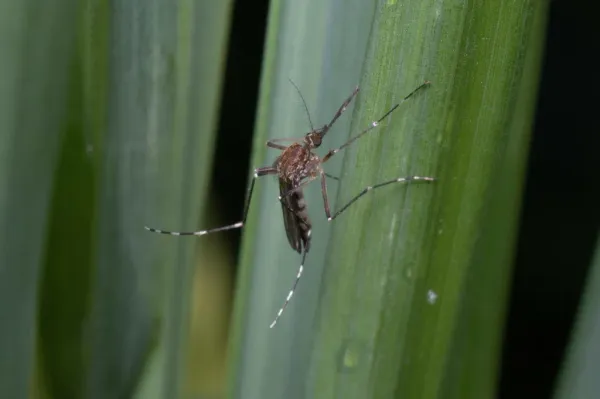
Woodland Pool Mosquitoes Coloration
Common color patterns to help identify woodland pool mosquitoes
Woodland Pool Mosquitoes
Seasonal Activity
When woodland pool mosquitoes are most active throughout the year
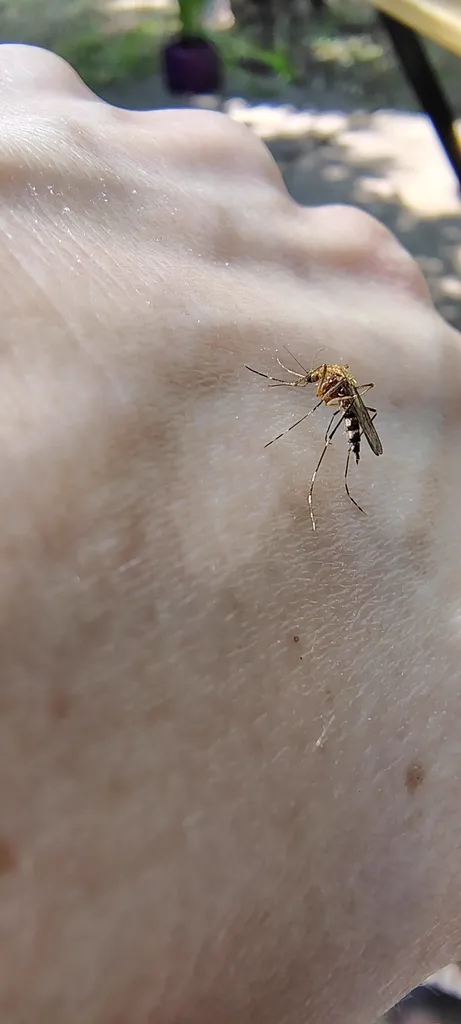
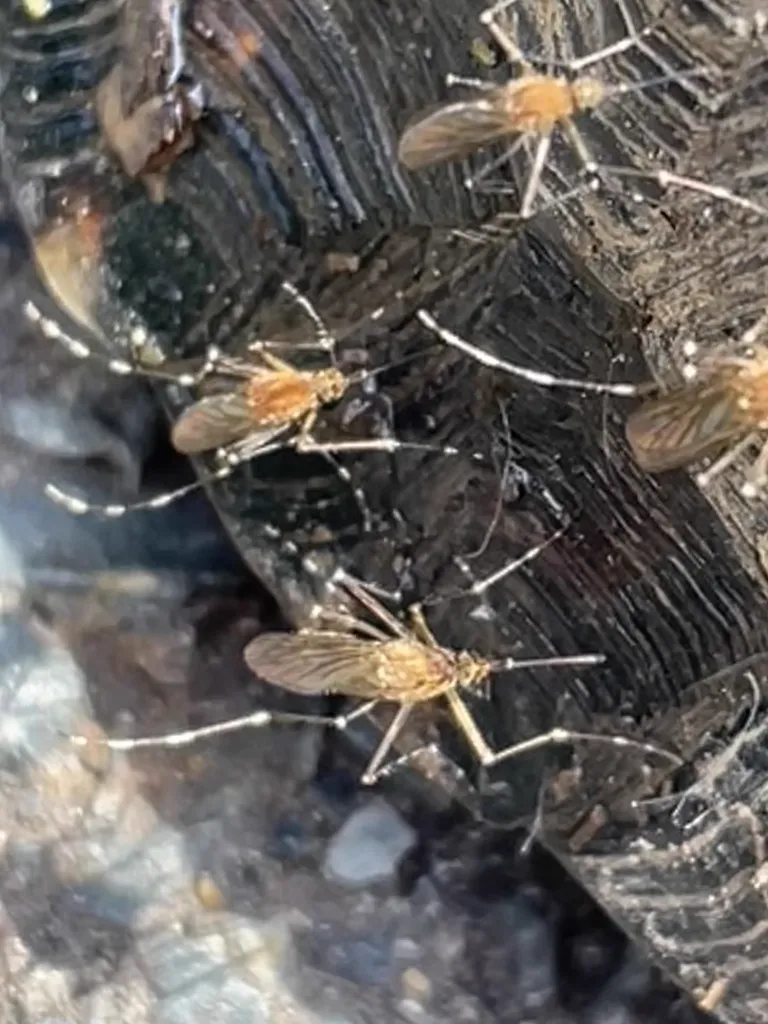

Where Woodland Pool Mosquitoes Are Found
Hover over states to see their names. Green regions indicate where woodland pool mosquitoes have been reported.
Woodland Pool Mosquito Identification Guide
Physical Characteristics
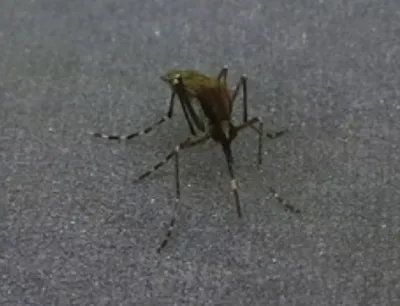
The woodland pool mosquito (Aedes canadensis) is a medium-sized, dark brown mosquito. You can find it throughout eastern and central North America. Adults measure 4 to 6 millimeters long. Their wings span about 3.2 to 4 millimeters. The most notable feature is the banded hind legs. You can see this banding even without a magnifying glass.
The head has pale yellow scales on top and white scales on the sides. The body shows golden-brown scales with grayish-white patches along the sides. The belly is dark on the first section. White bands appear on the rest, growing wider at the edges.
The leg banding pattern helps identify this species. Pale bands appear on the top and bottom edges of the first four leg sections. The last section of each hind leg is fully pale. This feature sets woodland pool mosquitoes apart from similar species.
Regional Variation
Two forms of Aedes canadensis exist. The northern form shows the typical colors described above. A darker form occurs in the Southeast, including Alabama, Georgia, South Carolina, and Florida. Some researchers think these may be separate species. For now, they remain grouped as variants.
Woodland Pool Mosquito Behavior and Biology
Life Cycle
Woodland pool mosquitoes have only one generation per year. This makes them different from many other mosquitoes that produce several broods each summer.
Females lay dark brown, oval-shaped eggs in summer. They place them at the edges of woodland pools, just above the water line. These eggs do not hatch right away. The warmth causes them to go dormant. They stay dormant until they freeze during winter.
The eggs wait through summer, fall, and winter. In spring, melting snow or rain covers the eggs and triggers hatching. Larvae can show up in woodland pools as early as March. They remain through late May. In some areas, heavy summer rain can cause a second hatch.
The larvae are medium-sized and brown. They grow through four stages while feeding on bits of organic matter in the water. They prefer shallow water near the surface, in pools 3 inches to 2 feet deep. After the pupal stage, adults emerge. Males die soon after mating. Females can live for several months.
Feeding Behavior
Woodland pool mosquitoes bite from dawn to dusk. Peak activity occurs around 8:00 p.m. Only females bite because they need blood protein to produce eggs. Both males and females drink plant nectar for energy. A related species, Eastern Saltmarsh Mosquitoes, shares similar characteristics.
These mosquitoes feed on different hosts in different areas. In Connecticut, studies found that 93% of blood meals came from white-tailed deer. In Canada, 62% came from mammals and 38% from American crows. In North Carolina, 85% of blood meals came from turtles and only 15% from mammals. A related species, Inland Floodwater Mosquitoes, shares similar characteristics.
These mosquitoes are drawn to turtles, especially painted turtles and box turtles. You can sometimes see clouds of them around female turtles laying eggs in spring. A related species, Black Saltmarsh Mosquitoes, shares similar characteristics.
Biting habits vary by region. In eastern North America, these mosquitoes rarely bite humans even when their numbers are high. In the western parts of their range, they bite people readily and often, especially in shaded areas. Other woodland species that share this habitat include the eastern treehole mosquito and Asian bush mosquito. A related species, Dark Ricefield Mosquitoes, shares similar characteristics.
Habitat Preferences
As their name suggests, woodland pool mosquitoes prefer wooded areas. They thrive in places with:
- Temporary spring pools in forests
- Small ponds with fallen leaves
- Shaded marshes and swamps
- Peat bogs
- Puddles along the edges of woods
Fallen leaves and shade are key features of their habitat. Larvae are rarely found in open, sunny water.
Health Concerns
Woodland pool mosquitoes can spread several diseases to humans and animals.
Encephalitis Viruses: These mosquitoes can carry La Crosse encephalitis virus, Jamestown Canyon virus, and snowshoe hare virus. Lab studies have confirmed they can spread Jamestown Canyon virus.
Dog Heartworm: This species spreads Dirofilaria immitis, the parasite that causes heartworm disease in dogs.
Other Diseases: They have been linked to Cache Valley Virus, Eastern Equine Encephalitis virus, and possibly West Nile virus.
Disease spread to humans is not common. However, pet owners should keep their dogs on heartworm prevention. This is especially important in areas with many of these mosquitoes. Learn more about different types of mosquitoes and what mosquitoes look like.
This information is for learning purposes only and is not medical advice. See a doctor if you feel sick after mosquito bites.
How We Treat for Woodland Pool Mosquitoes
Our mosquito control program targets where these mosquitoes rest and breed.
Exterior Barrier Treatment
Our technicians treat shaded areas where adult mosquitoes rest during the day. We focus on:
- Wooded edges and tree lines: Areas where mosquitoes travel between breeding sites and yards
- Dense plants and shrubs: Shaded areas that provide moisture and shelter
- Ivy patches and ground cover: Cool, damp spots where mosquitoes rest
- Under decks and along fence lines: Transition areas near your home
The treatment kills adult mosquitoes on contact. It also includes a growth regulator that stops larvae from becoming adults. We skip blooming flowers, fruit trees, and vegetable gardens during treatment.
Breeding Site Assessment
We cannot treat natural woodland pools. However, we can help find breeding spots on your property. We also give tips on getting rid of standing water. Common problem areas include:
- Clogged gutters with leaf buildup
- Wheelbarrows and garden tools
- Bird baths and water features
- Tarps and covers that collect rain
- Low spots that hold water
In2Care Mosquito System (Optional)
For customers who want less spraying, we offer the In2Care system. These stations attract female mosquitoes looking for places to lay eggs. The mosquitoes pick up a larvicide and fungus. They then spread these to other breeding sites. This method targets only mosquitoes without broad spraying.
Treatment Schedule
Woodland pool mosquitoes emerge earlier than many other species. They become active in March and April. For properties near woods, we suggest starting treatments in early spring. Continue every 3 to 4 weeks through mosquito season.
References
Other Mosquitoes
Explore other species in the mosquitoes family
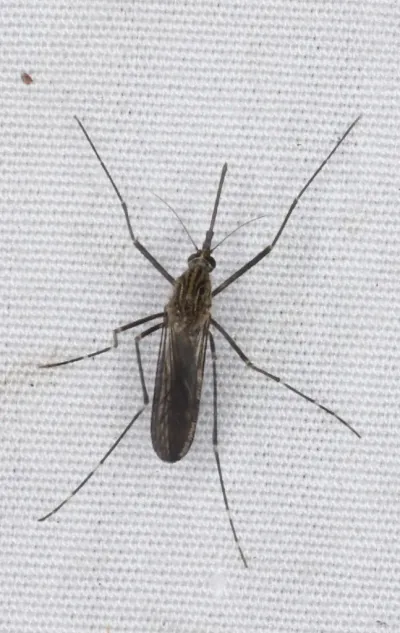
Commonly Confused With
Woodland Pool Mosquitoes are often mistaken for these similar pests
Where Woodland Pool Mosquitoes Are Found
Hover over states to see their names. Green regions indicate where woodland pool mosquitoes have been reported.
Common Questions about Woodland Pool Mosquitoes
When are woodland pool mosquitoes most active?
+
Woodland pool mosquitoes are most active from spring through early summer, with peak activity in April through June. They bite during the day, especially from dawn to dusk, with the highest activity around 8:00 p.m. They prefer shaded areas near their woodland breeding sites.
Where do woodland pool mosquitoes breed?
+
These mosquitoes breed in temporary woodland pools formed by melting snow or spring rains. They lay eggs at the margins of shaded pools containing fallen leaves. Larvae can also be found in small ponds, marshes, muskeg pools, and peat bogs.
Are woodland pool mosquito bites dangerous?
+
Woodland pool mosquitoes can transmit several diseases including La Crosse encephalitis, Jamestown Canyon virus, and dog heartworm. While disease transmission to humans is relatively uncommon, their aggressive biting can be a significant nuisance, especially in wooded areas.
How can I tell woodland pool mosquitoes from other species?
+
Woodland pool mosquitoes are medium-sized, dark brown mosquitoes with distinctly banded hind legs. The legs show pale bands on the upper and lower portions of leg segments, and the last segment of each hind leg is entirely pale. They also have white scale patches on their sides.
Why do I only see these mosquitoes in spring?
+
Woodland pool mosquitoes typically have only one generation per year. Their eggs require freezing temperatures to break dormancy, then hatch in spring when covered by melting snow or rain. Adults emerge in April through June and may persist into late summer, though numbers decline significantly.
Do woodland pool mosquitoes bite pets?
+
Yes, woodland pool mosquitoes feed on a wide variety of hosts including dogs, cats, and other mammals. They are known carriers of dog heartworm, making mosquito control and heartworm prevention important for pet owners in areas where these mosquitoes are common.

With five years of hands-on experience in the pest control industry, George Schulz is a registered technician with the Virginia Pest Management Association and a proud third-generation professional in a family business that's been protecting homes for over 57 years. He manages and trains a team of service pros while also leading internal research efforts—recently spearheading a deep-dive review of thousands of documents on pest control materials to hand-pick the most kid and pet friendly, most effective solutions tailored specifically for homes in the DC metro area.