Western Malaria Mosquitoes Identification Guide
Anopheles freeborni
Western malaria mosquitoes are brown mosquitoes with spotted wings found in western North America. They are aggressive biters that historically spread malaria in California.
Taxonomy
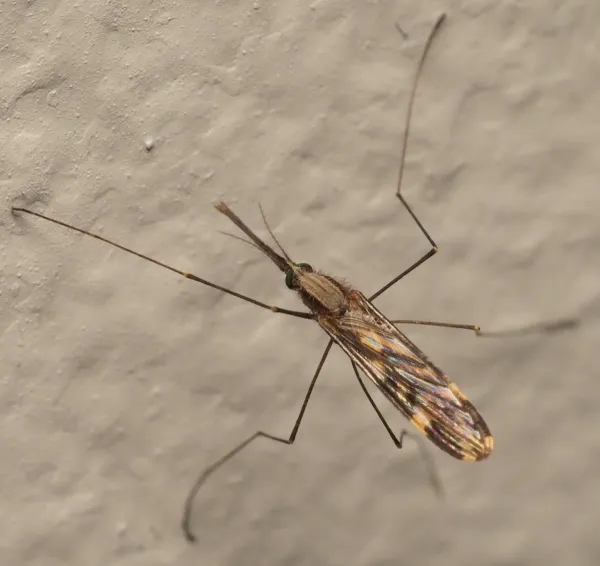
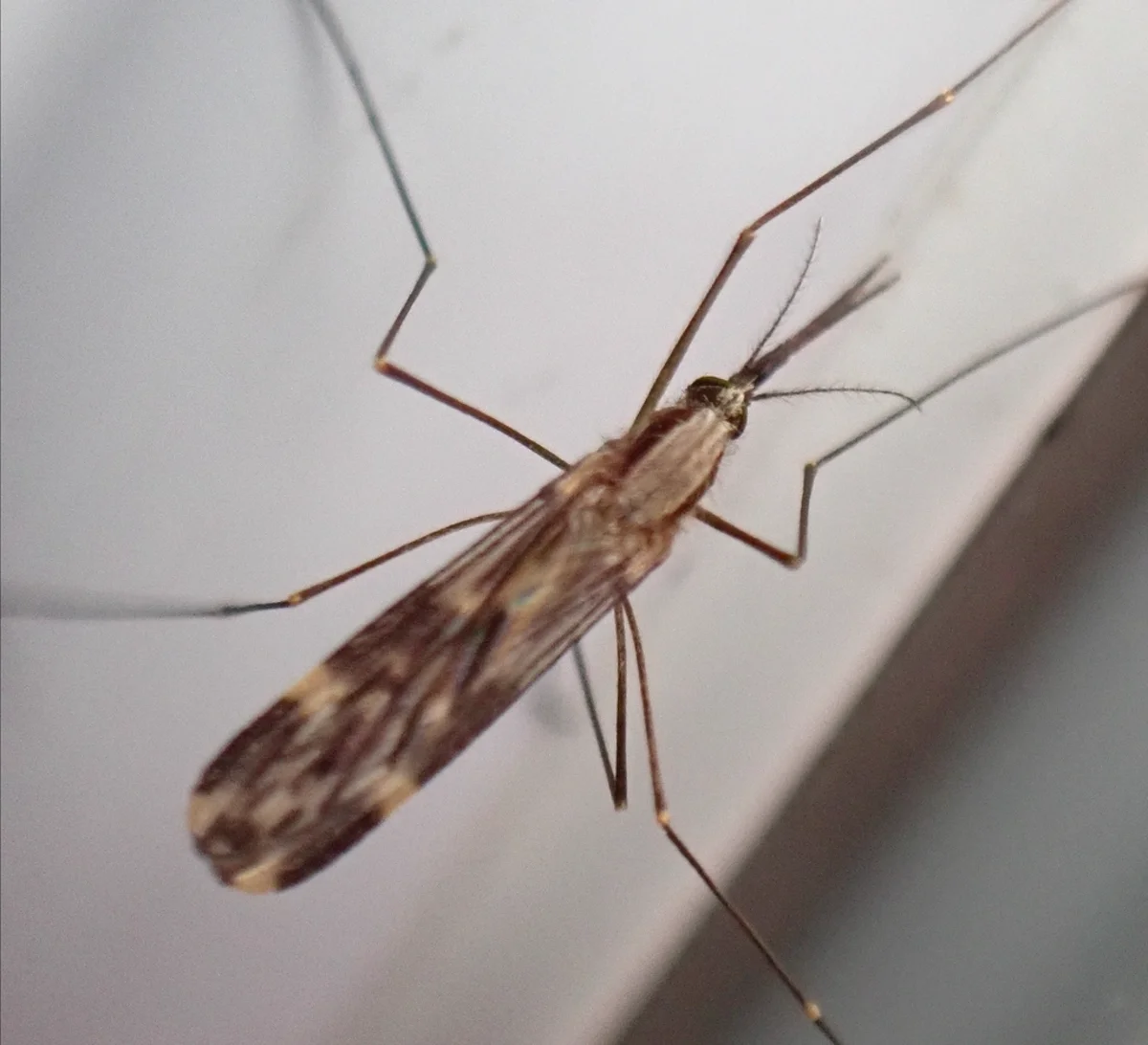
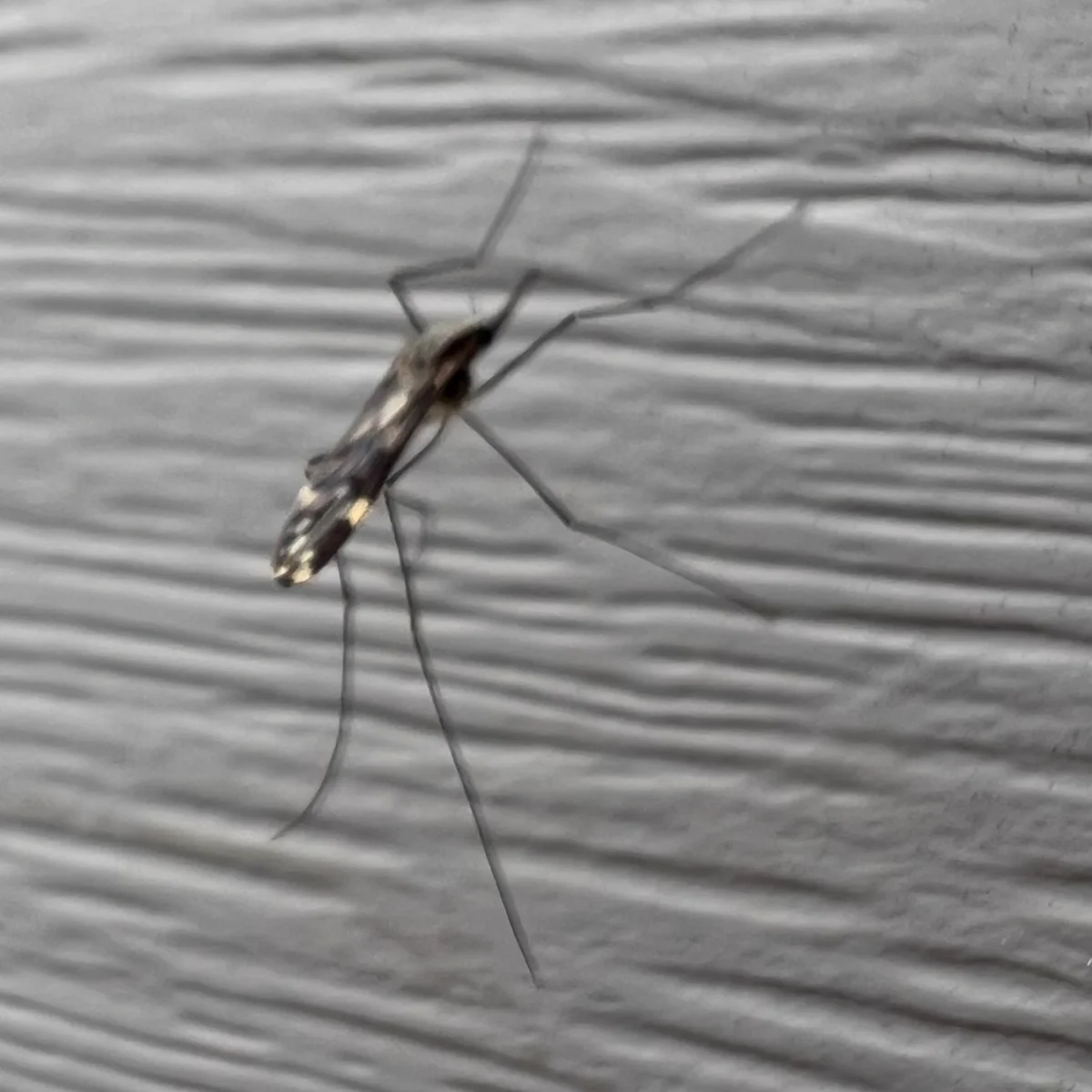
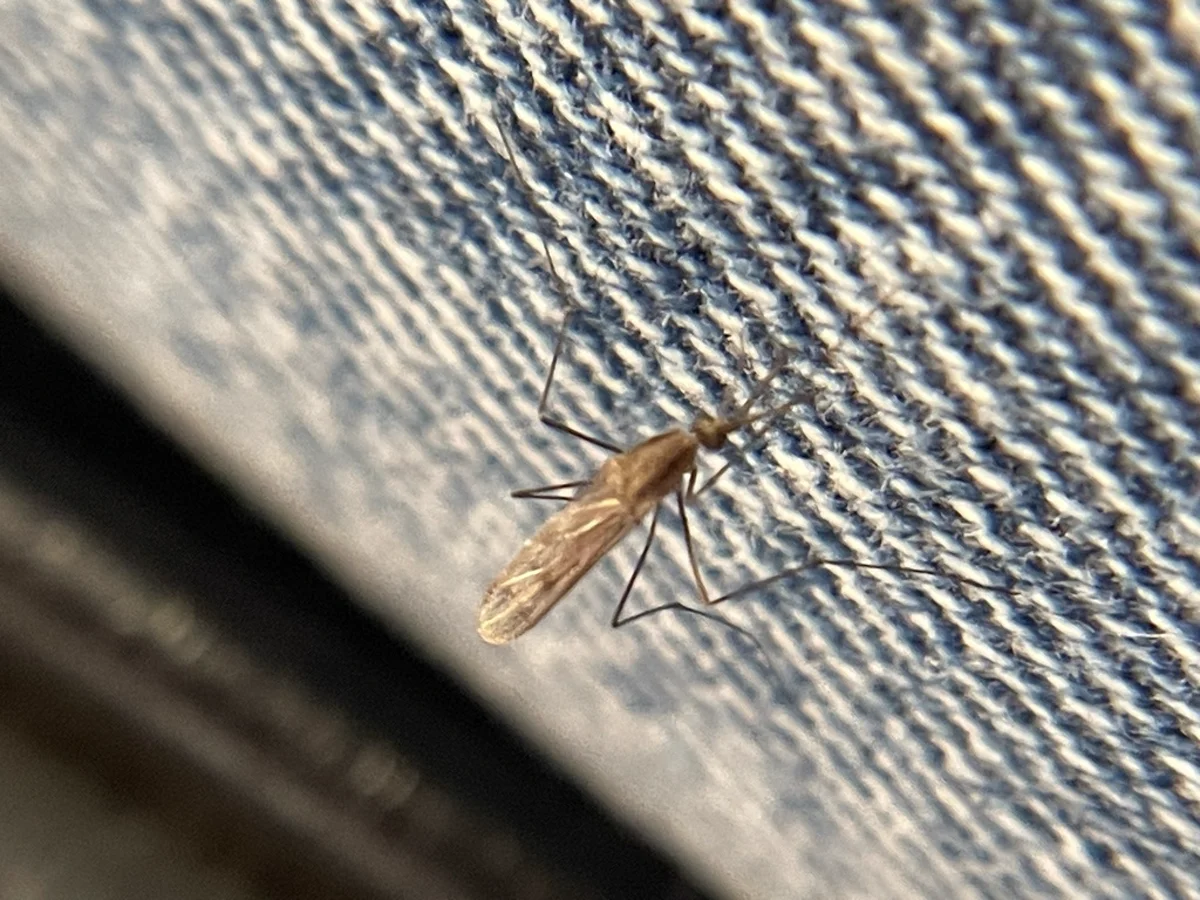
Western Malaria Mosquitoes Coloration
Common color patterns to help identify western malaria mosquitoes
Western Malaria Mosquitoes
Seasonal Activity
When western malaria mosquitoes are most active throughout the year

Where Western Malaria Mosquitoes Are Found
Hover over states to see their names. Green regions indicate where western malaria mosquitoes have been reported.
Western Malaria Mosquito Identification Guide
Physical Characteristics
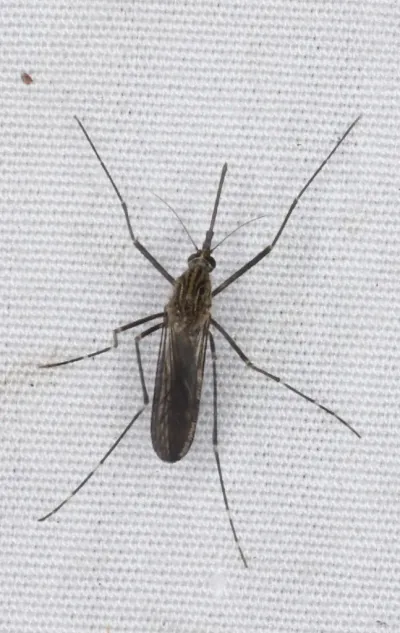
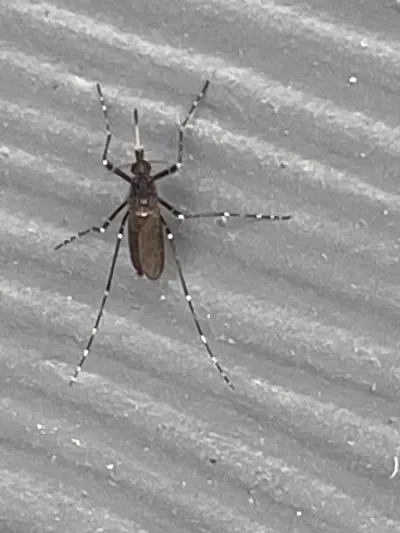
The western malaria mosquito (Anopheles freeborni) is a medium-sized mosquito with a brown to tan body. Adults are about 4 to 6mm long. The dark spots on their wings are easy to spot. These spots help tell them apart from other mosquitoes in the area.
They have long, thin legs that look too long for their body. The back plate of their upper body has a rounded edge with evenly spaced hairs. This is a key trait of Anopheles mosquitoes.
How to Tell Them Apart from Other Mosquitoes
Western malaria mosquitoes have features that set them apart:
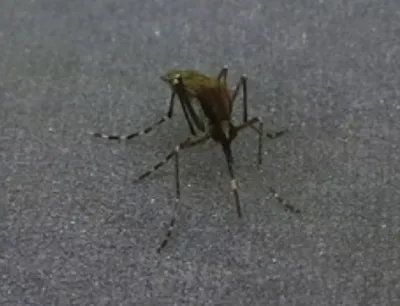
- Resting posture: They rest with their body tilted up at an angle, rear end raised. Other mosquitoes rest flat against the surface.
- Wing spots: Dark spots on the wings are unique to Anopheles species.
- Larvae: Anopheles larvae have no breathing tube. They float flat on the water instead of hanging down like other larvae.
Common Anopheles Species in North America
Several Anopheles species live in North America:
- Western malaria mosquito (Anopheles freeborni): Found in dry western regions
- North American malaria mosquito (Anopheles quadrimaculatus): Found in the eastern United States
- Woodland malaria mosquito (Anopheles punctipennis): Found across North America in wooded areas
Western Malaria Mosquito Behavior and Biology
Life Cycle
Western malaria mosquitoes go through four stages: egg, larva, pupa, and adult. The full cycle takes about 20 days depending on temperature.
Females lay eggs directly on still water. The eggs float on the surface and may hatch in 2 to 3 days in warm weather. Hatching can take several weeks in cooler temperatures. Each female lays 50 to 200 eggs at a time.
Larvae feed on microorganisms at the water surface. They use small brushes around their mouths to create currents that draw in algae and bacteria. Larvae go through four growth stages over 7 to 14 days. The pupal stage lasts 2 to 4 days before adults emerge.
Feeding Behavior A related species, Eastern Saltmarsh Mosquitoes, shares similar characteristics.
Female western malaria mosquitoes need blood to make eggs. They are aggressive biters that enter homes to feed. They bite most at dusk and through the night. On cloudy days or in heavy shade, they will also bite during the day. A related species, Eastern Treehole Mosquitoes, shares similar characteristics.
These mosquitoes will bite any host they can find. In areas with livestock, over 99% of blood meals come from mammals. Studies in the Sacramento Valley found that rabbits made up nearly half of all blood meals. Humans make up only about 3% of meals when other hosts are around. A related species, Inland Floodwater Mosquitoes, shares similar characteristics.
Males do not bite. Both males and females drink plant nectar for energy. A related species, Asian Bush Mosquitoes, shares similar characteristics.
Where They Live
Western malaria mosquitoes live in the dry western parts of North America. They are most common in California, mainly in the San Joaquin and Sacramento valleys. They range from British Columbia south into Mexico and east to Texas and Colorado.
Where larvae grow:
- Rice fields and water channels
- Ponds and pools with algae
- Stream edges and wet ground
- Roadside ditches
- Swampy areas with water plants
Larvae like standing water that gets some sunlight. Thick algae growth gives them food and shelter. Rice fields with algae along the edges are top breeding spots.
Where adults rest:
- Cool, shaded spots during the day
- Tunnels and culverts
- Under bridges
- Dark corners of buildings and homes
- Thick bushes and plants
Seasonal Activity and Winter Survival
Western malaria mosquitoes are most active from late spring through early fall. Activity peaks during summer when warm weather supports fast breeding.
Unlike most mosquitoes, adult females survive winter by going dormant. In September, they start flying away from breeding sites to find shelter. These flights can cover 5 to 10 miles. Some flights as long as 17.5 miles have been seen.
Females look for shelter in attics, sheds, crawl spaces, and tunnels. They stay dormant until spring warmth returns.
Treatment Methods for Western Malaria Mosquitoes
Good mosquito control targets both adult mosquitoes and their breeding sites.
Reducing Breeding Sites
Getting rid of standing water removes places where mosquitoes breed:
- Clean water features: Remove algae from ponds, fountains, and bird baths each week
- Fix drainage: Keep ditches and channels clear of debris that traps water
- Add fish to ponds: Mosquitofish and other species eat mosquito larvae
- Use larvicides: Products like Bti kill larvae without hurting other wildlife
Controlling Adult Mosquitoes
Treatments for adult mosquitoes focus on areas where they rest during the day:
- Barrier sprays: Applied to shaded plants, under decks, and along fence lines
- Timing: Treatments work best in late afternoon before peak biting starts
- Growth regulators: Products that stop larvae from becoming adults break the breeding cycle
Health Concerns
Western malaria mosquitoes got their name because they spread malaria in California. They caused malaria outbreaks in the late 1800s and early 1900s in northern California.
Diseases They Can Spread
- Malaria: Caused by parasites that spread when infected mosquitoes bite people
- St. Louis Encephalitis: A virus found in Sacramento Valley mosquito groups
- Myxoma virus: Spreads disease among rabbits
Risk Today
Malaria was wiped out in the United States through mosquito control, better housing, and medical care. But western malaria mosquitoes can still spread the disease. The risk comes back if infected travelers bring malaria from other countries.
These mosquitoes do not spread West Nile virus well. Their feeding habits make them poor carriers of this disease compared to species like the western encephalitis mosquito or southern house mosquito. Learn more about the different types of mosquitoes in our area.
This information is for learning only and is not medical advice. See a doctor if you feel sick after mosquito bites or after traveling to areas where malaria is common.
References
Other Mosquitoes
Explore other species in the mosquitoes family
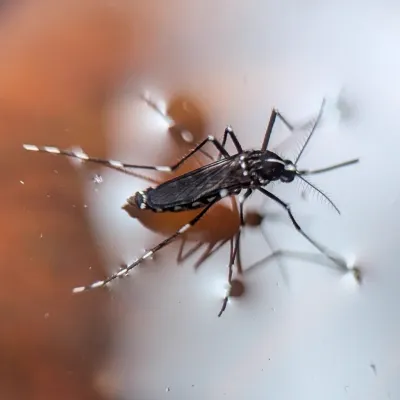
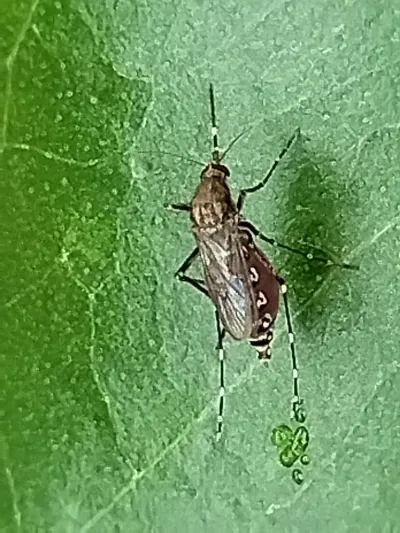
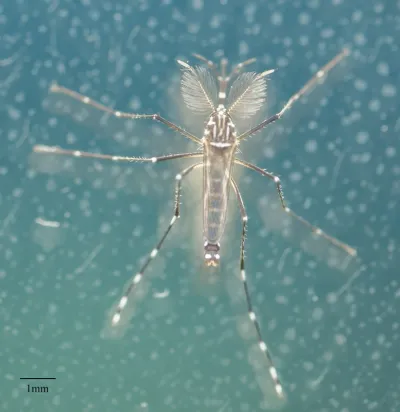
Commonly Confused With
Western Malaria Mosquitoes are often mistaken for these similar pests
Where Western Malaria Mosquitoes Are Found
Hover over states to see their names. Green regions indicate where western malaria mosquitoes have been reported.
Common Questions about Western Malaria Mosquitoes
What makes western malaria mosquitoes different from other mosquitoes?
+
Western malaria mosquitoes have brown to tan bodies with dark spots on their wings. When they rest, they hold their bodies at a sharp angle with their rear end raised. Most mosquitoes rest flat against the surface. They also have long legs compared to their body size.
Are western malaria mosquitoes dangerous?
+
Western malaria mosquitoes were the main carriers of malaria in California during outbreaks in the late 1800s and early 1900s. Malaria is no longer a concern in the United States, but these mosquitoes could spread it again if the disease were brought back by travelers. They can also carry St. Louis Encephalitis virus.
Where do western malaria mosquitoes breed?
+
They breed in standing water that is open and sunlit with algae or plants. Common breeding spots include rice fields, irrigation ditches, ponds, swampy areas, and stream edges. Larvae are often found in matted algae along the edges of rice fields.
When are western malaria mosquitoes most active?
+
They are most active from April through October. Females bite aggressively at dusk and through the night. They will also bite during the day in heavy shade or on cloudy days. They readily enter homes to find blood meals.
Do western malaria mosquitoes hibernate?
+
Yes, adult females hibernate during winter months. In fall, they fly long distances from breeding sites to find shelter in protected places like attics, outbuildings, and drainage tunnels. These flights can cover 5 to 17 miles.
How can I reduce western malaria mosquitoes on my property?
+
Remove standing water from your property. Keep pools and ponds treated or stocked with mosquito-eating fish. Clear algae from water features. Wear long sleeves and use repellent at dusk. Professional treatments targeting shaded resting areas can help control adult populations.

With five years of hands-on experience in the pest control industry, George Schulz is a registered technician with the Virginia Pest Management Association and a proud third-generation professional in a family business that's been protecting homes for over 57 years. He manages and trains a team of service pros while also leading internal research efforts—recently spearheading a deep-dive review of thousands of documents on pest control materials to hand-pick the most kid and pet friendly, most effective solutions tailored specifically for homes in the DC metro area.