Western Encephalitis Mosquitoes Identification Guide
Culex tarsalis
Western encephalitis mosquitoes are important disease vectors found primarily in western and central North America. They can transmit West Nile virus, Western equine encephalitis, and St. Louis encephalitis.
Taxonomy
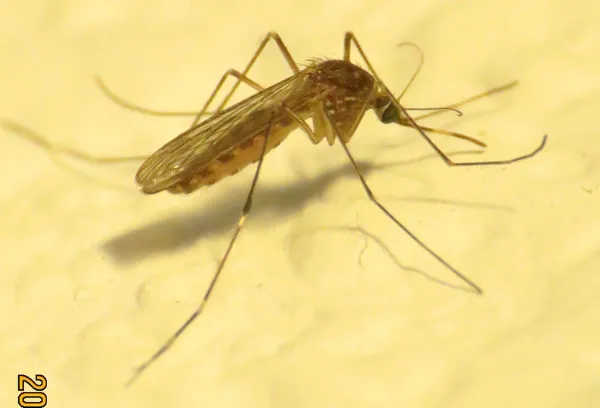
Western Encephalitis Mosquitoes Coloration
Common color patterns to help identify western encephalitis mosquitoes
Western Encephalitis Mosquitoes
Seasonal Activity
When western encephalitis mosquitoes are most active throughout the year

Where Western Encephalitis Mosquitoes Are Found
Hover over states to see their names. Green regions indicate where western encephalitis mosquitoes have been reported.
Western Encephalitis Mosquito Identification Guide
Physical Characteristics
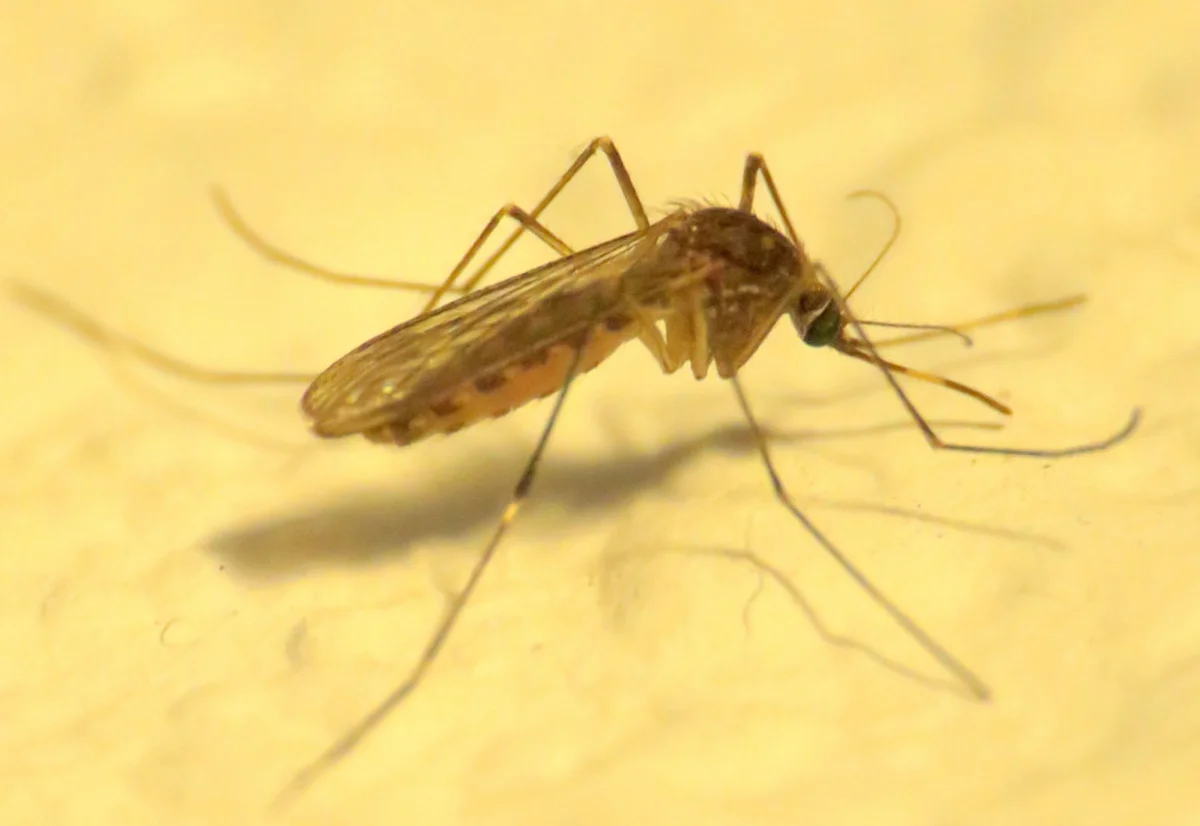
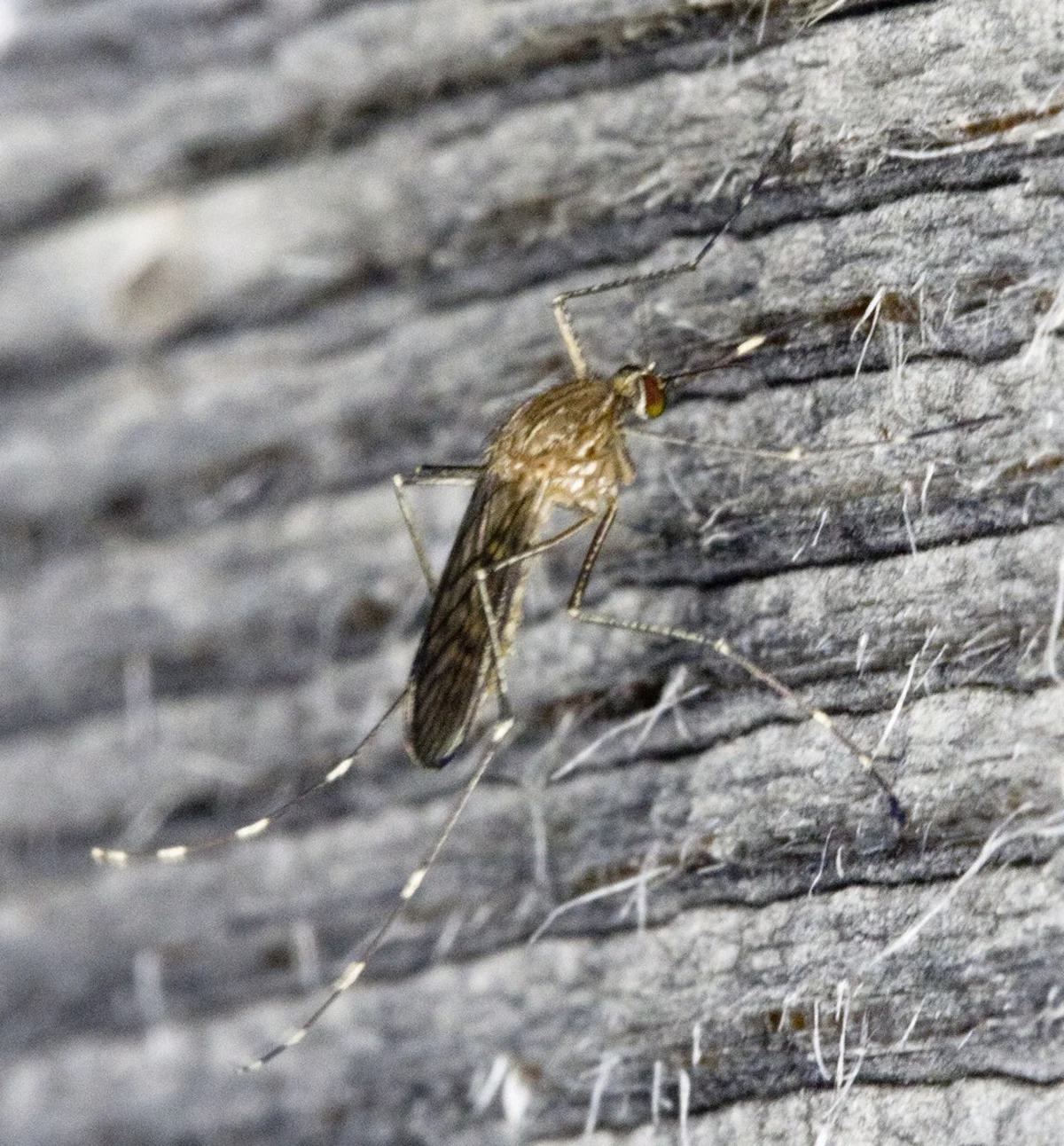
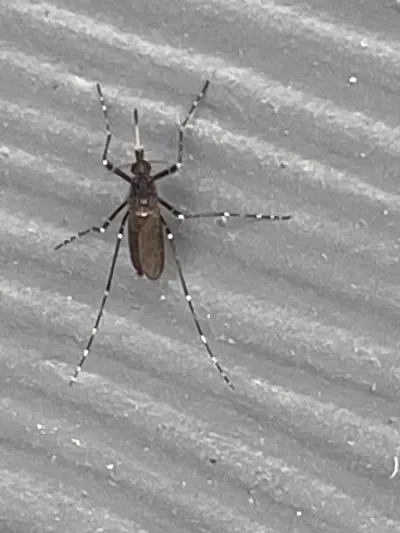
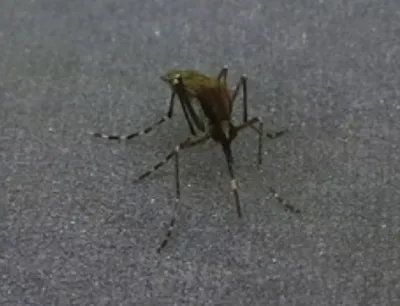
The Western encephalitis mosquito (Culex tarsalis) is a medium-sized mosquito with clear markings. Adults are about 4 to 6mm long. Their color is golden-brown to light brown.
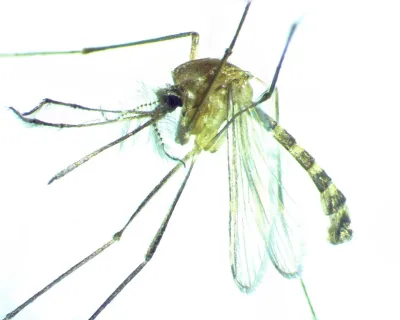
Look for the white band around the middle of the mouthpart. You can see this pale ring without a magnifying glass. The legs have wide white bands where the parts join. The middle legs have white stripes on them.
On the belly, you can see V-shaped marks of dark scales on a light background. The wings are clear with dark scales on the veins. Males have fuzzier antennae than females.
How to Tell Apart from Similar Species
Several Culex mosquitoes look like Western encephalitis mosquitoes.
Southern house mosquitoes have a brown color without the white band on the mouthpart. They are more common in cities and dirty water.
Northern house mosquitoes have no white band on the mouthpart. They are usually found near containers in urban areas.
Culex coronator may have pale leg bands but lacks the complete white ring around the mouthpart.
Culex salinarius lives in similar places but has different leg and mouthpart markings.
Experts use microscopes to look at scale patterns for exact identification.
Western Encephalitis Mosquito Behavior and Biology
Life Cycle
Female Western encephalitis mosquitoes lay groups of about 190 eggs on standing water. The eggs stick together in a raft that floats on the surface. This is common for Culex mosquitoes.
How fast eggs grow into adults depends on temperature. In warm summer weather, the full cycle takes about 7 to 14 days. Cold weather can stretch this to several weeks.
In colder areas, adult females spend the winter in a resting state. These females have mated but have not fed on blood yet. When spring arrives and it warms up, they look for blood and start breeding. Many generations hatch during warm months. This leads to the most mosquitoes in mid to late summer. A related species, Eastern Saltmarsh Mosquitoes, shares similar characteristics.
Feeding Behavior A related species, Eastern Treehole Mosquitoes, shares similar characteristics.
Female Western encephalitis mosquitoes need blood to make eggs. What they feed on changes through the year. This affects how diseases spread. A related species, Inland Floodwater Mosquitoes, shares similar characteristics.
Early in the season, females mostly bite birds. This is how they pick up viruses like West Nile virus. Later in summer, they switch to biting more mammals. This includes humans, horses, rabbits, and cattle. A related species, Asian Bush Mosquitoes, shares similar characteristics.
This switch from birds to mammals makes these mosquitoes very good at spreading disease. They get viruses from birds and then pass them to mammals. They act as a bridge between birds and people. A related species, Black Saltmarsh Mosquitoes, shares similar characteristics.
Biting is worst at dusk and through the night. During the day, adults rest in shady plants near where they breed.
Habitat Preferences
Western encephalitis mosquitoes do well in farm and rural areas with standing water. They breed in places like:
- Irrigation ditches and farm water pools
- Rice fields and flooded crop areas
- Puddles from melting snow or rain
- Edges of alkaline lakes and wetlands
- Treated wastewater ponds
- Fresh or slightly salty wetlands
Larvae can handle many types of water. They grow in water that is more salty or has more minerals than most mosquitoes can take. But they avoid very dirty water.
Adults can fly long distances from where they breed. Some studies show they can travel several miles looking for hosts. But most daily flights are much shorter.
Treatment Methods for Western Encephalitis Mosquitoes
Good control of Western encephalitis mosquitoes needs a plan that targets both larvae and adults.
Watching Mosquito Numbers
Pest control programs use traps to track how many mosquitoes there are. The traps draw in mosquitoes with gas or bait. They show when numbers are growing. Traps can also be tested for viruses. This helps time control efforts.
Getting Rid of Breeding Sites
Cutting down on standing water is one of the best ways to reduce mosquitoes. Property owners can help by:
- Dumping out containers that hold water
- Making sure water drains away from buildings
- Keeping rain gutters clean so water flows
- Watering lawns and gardens less often
- Working with farm water managers in rural areas
Killing Larvae
When you cannot get rid of breeding spots, larvicides stop adults from hatching. Products with Bti are often used. They only kill mosquito larvae and do not harm other animals. Other products stop larvae from growing into adults.
Killing Adults
During outbreaks, spraying for adult mosquitoes may be needed. This means spraying during evening hours when mosquitoes are out. Health agencies do this work based on trap data.
Protecting Yourself
Personal steps are key during mosquito season:
- Use repellents with DEET, picaridin, IR3535, or oil of lemon eucalyptus
- Wear long sleeves and pants when mosquitoes are biting
- Make sure window and door screens have no holes
- Stay inside at dusk and dawn during peak season
Health Risks
Western encephalitis mosquitoes are some of the most important disease carriers in western North America.
West Nile virus is the most common disease spread by mosquitoes in the United States. Most people who get it have no symptoms. Some get fever. A small number get serious brain or nerve problems.
Western equine encephalitis is a virus that can make humans and horses sick. Human cases are now rare, but the virus still lives in birds and mosquitoes.
St. Louis encephalitis causes fever and swelling of the brain. Outbreaks have happened in the central and western United States.
The chance of getting sick is highest in late summer. This is when mosquito numbers peak and more birds carry the virus. The western malaria mosquito is another important species found in overlapping western habitats. Learn more about the different types of mosquitoes in our guide.
This information is for learning only and is not medical advice. See a doctor if you feel sick after mosquito bites, especially if you have fever, headache, or confusion.
References
Other Mosquitoes
Explore other species in the mosquitoes family
Commonly Confused With
Western Encephalitis Mosquitoes are often mistaken for these similar pests
Where Western Encephalitis Mosquitoes Are Found
Hover over states to see their names. Green regions indicate where western encephalitis mosquitoes have been reported.
Common Questions about Western Encephalitis Mosquitoes
What makes Western encephalitis mosquitoes dangerous?
+
Western encephalitis mosquitoes are the primary vectors of West Nile virus, Western equine encephalitis, and St. Louis encephalitis in western North America. They feed on both birds and mammals, allowing them to transfer viruses from bird reservoirs to humans and horses.
Where are Western encephalitis mosquitoes found?
+
These mosquitoes are most common in western and central North America, from the Great Plains to the Pacific Coast. They thrive in agricultural areas with irrigation, rice fields, and temporary pools of standing water.
How can I identify a Western encephalitis mosquito?
+
Look for a distinct white band around the middle of the proboscis, broad white bands where the leg segments meet, and a V-shaped pattern of dark scales on the underside of the abdomen. Their overall color is golden-brown.
When are Western encephalitis mosquitoes most active?
+
These mosquitoes bite mainly at dusk and through the night. Peak activity occurs during summer months, typically July and August, when populations reach their highest levels and disease transmission risk is greatest.
What type of water do Western encephalitis mosquitoes breed in?
+
They prefer sunlit temporary pools, irrigation ditches, rice fields, and agricultural runoff areas. Unlike some mosquitoes, they can tolerate slightly alkaline or saline water conditions.
How can I reduce Western encephalitis mosquitoes on my property?
+
Eliminate standing water sources, maintain proper drainage, and keep grass and vegetation trimmed. Professional mosquito treatments targeting shaded resting areas can significantly reduce adult populations during peak season.

With five years of hands-on experience in the pest control industry, George Schulz is a registered technician with the Virginia Pest Management Association and a proud third-generation professional in a family business that's been protecting homes for over 57 years. He manages and trains a team of service pros while also leading internal research efforts—recently spearheading a deep-dive review of thousands of documents on pest control materials to hand-pick the most kid and pet friendly, most effective solutions tailored specifically for homes in the DC metro area.