Eastern Treehole Mosquitoes Identification Guide
Aedes triseriatus
Eastern treehole mosquitoes are woodland mosquitoes that breed in tree holes and tires. They are the primary vector of La Crosse encephalitis virus in the United States.
Taxonomy
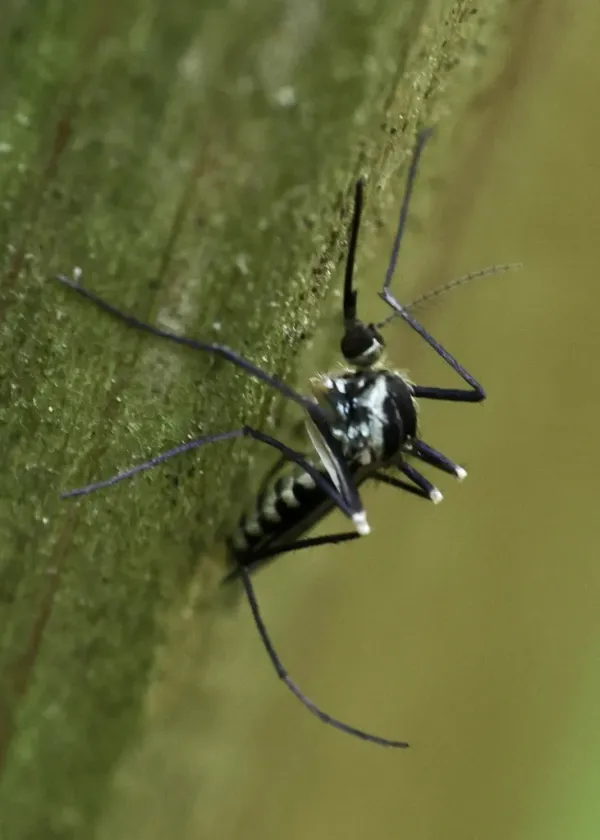
Eastern Treehole Mosquitoes Coloration
Common color patterns to help identify eastern treehole mosquitoes
Eastern Treehole Mosquitoes
Seasonal Activity
When eastern treehole mosquitoes are most active throughout the year
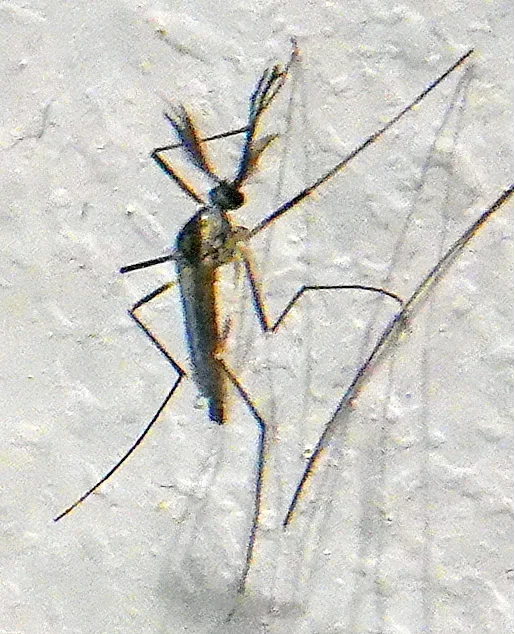
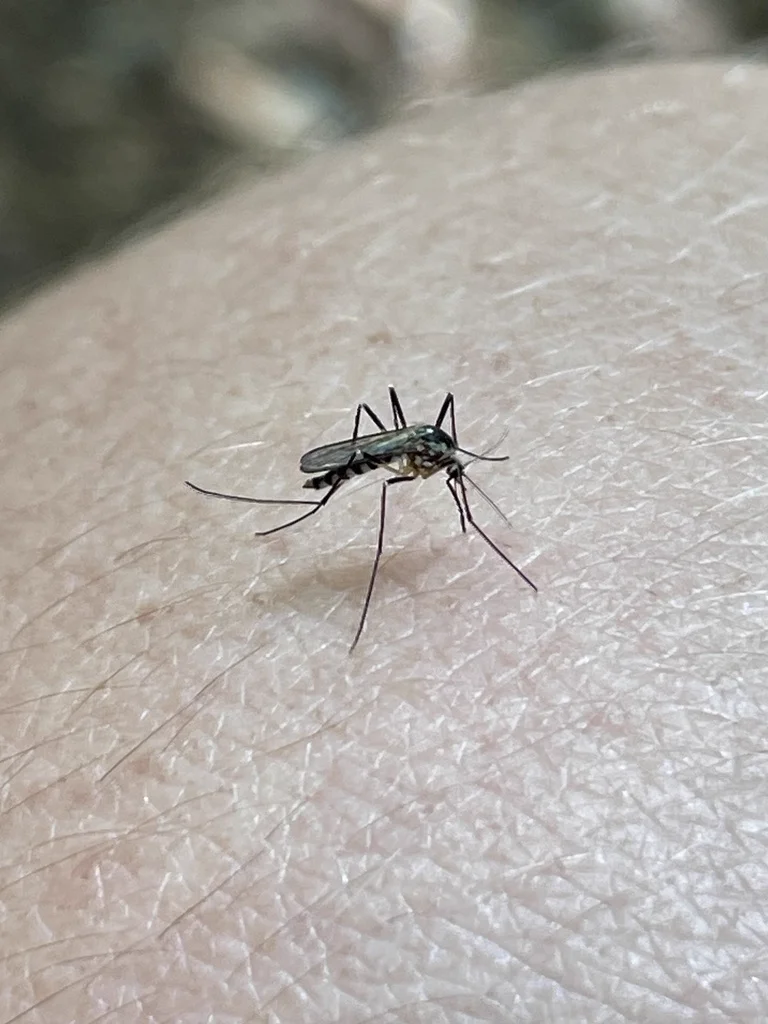
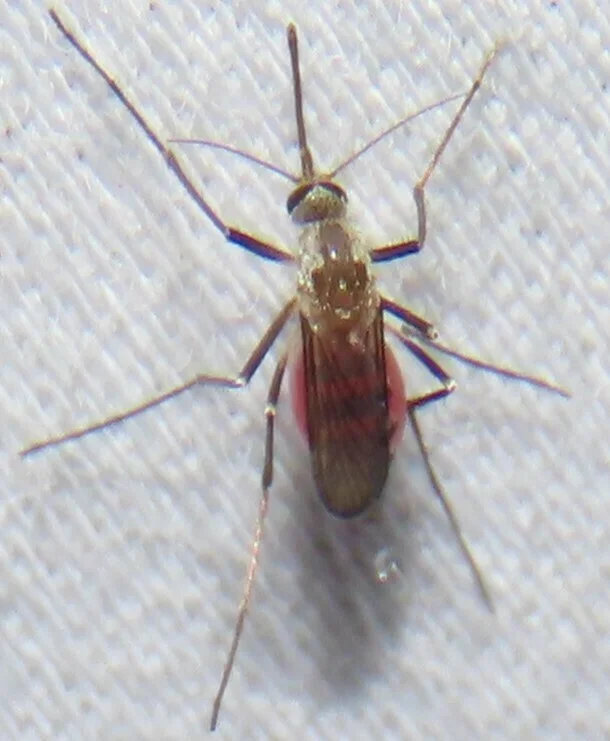

Where Eastern Treehole Mosquitoes Are Found
Hover over states to see their names. Green regions indicate where eastern treehole mosquitoes have been reported.
Eastern Treehole Mosquito Identification Guide
Physical Characteristics
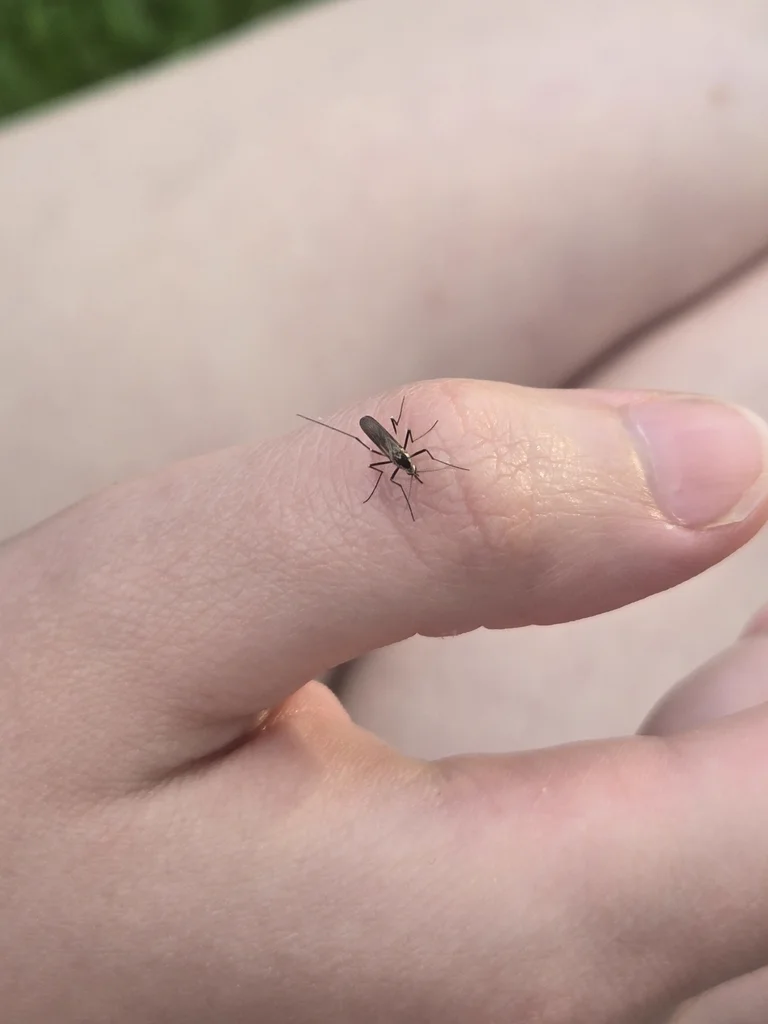
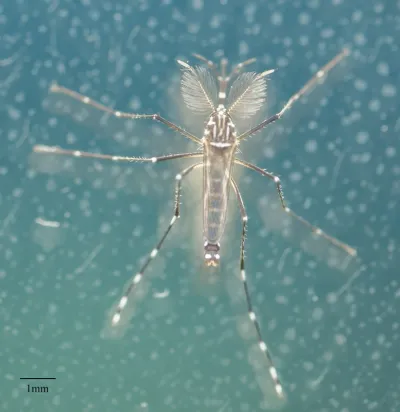
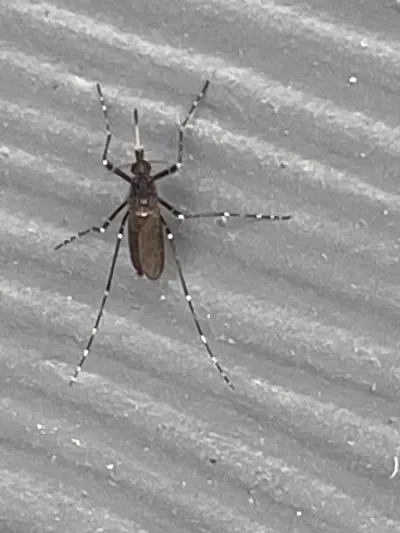
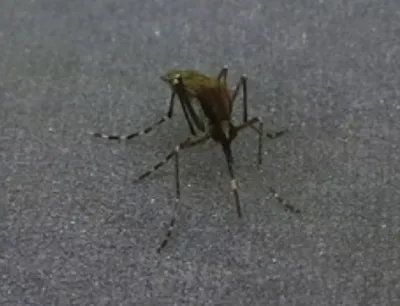
The eastern treehole mosquito (Aedes triseriatus) is found in forests across eastern North America. Adults are 4 to 7mm long with bold coloring that makes them easy to spot. Their legs are dark without the pale rings seen on many other mosquitoes. The thorax has two silvery-white stripes on each side.
Their body has silvery-white bands at the base of each segment. The mouthparts are dark. Their wings are clear with dark scales along the veins. Males have bushy antennae they use to hear female wing sounds.
How to Tell Them Apart from Other Mosquitoes
A few things set eastern treehole mosquitoes apart:
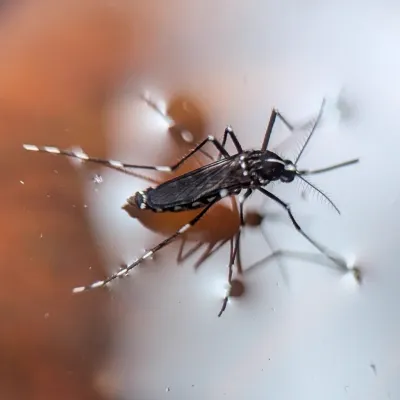
- Asian tiger mosquitoes: Have one white stripe down the center of the back and white bands on legs
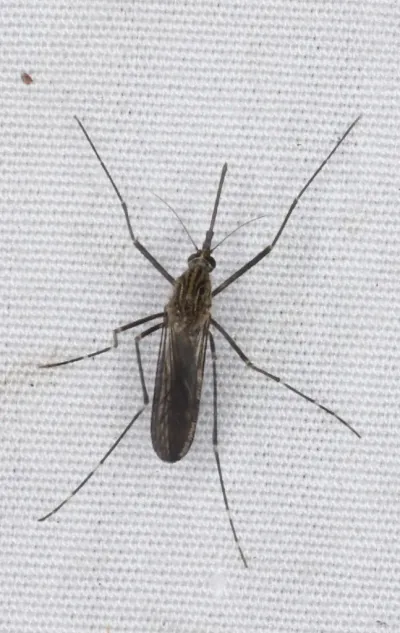
- Southern house mosquitoes: Brown or gray without silvery stripes
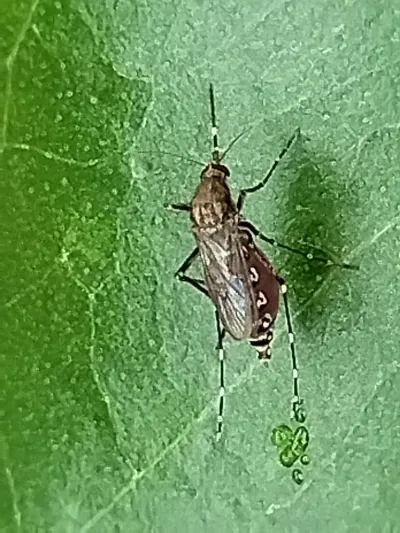
- Yellow fever mosquitoes: Have a harp pattern on the thorax and white leg bands
- Henderson’s treehole mosquito: Looks almost the same, but larvae differ and this species is less common
Eastern Treehole Mosquito Behavior and Biology
Life Cycle
Eastern treehole mosquitoes have four life stages: egg, larva, pupa, and adult. Females lay eggs on the walls of tree holes or containers just above the waterline. The eggs stick there and wait for rain to cover them.
Not all eggs hatch at once. Some wait through many wet and dry cycles. This helps the species survive if conditions turn bad after the first hatch. Eggs can handle freezing and stay dry for months before hatching.
Larvae show up from March through October. Numbers peak in July and August. They grow through four stages over 5 to 10 days based on warmth and food. When food runs low, larvae may eat each other. The pupal stage lasts a few days before adults come out.
In the North, they spend winter as eggs. In warmer areas where tree holes do not freeze, larvae may live through winter.
Feeding Behavior
Female eastern treehole mosquitoes need blood to produce eggs. They bite many animals such as chipmunks, squirrels, birds, reptiles, and humans. They prefer chipmunks and gray squirrels that live in the same wooded areas. A related species, Eastern Saltmarsh Mosquitoes, shares similar characteristics.
These mosquitoes bite during the day in shaded areas. This differs from many species that bite mainly at dawn and dusk. They chase hosts and bite often in wooded spots. Males only drink plant nectar.
Adults do not fly far from where they hatch. Most stay within a few hundred yards of their breeding site. This short range means local populations can build up fast in good spots.
Habitat Preferences
As their name suggests, these mosquitoes breed in water-filled holes in hardwood trees. They lay eggs up to 90 feet high in the forest canopy. Any tree hole that holds water can be a breeding site.
Humans have given them another place to breed: old tires. Tires collect water, stay shaded, and act like natural tree holes. Tire piles can produce huge numbers of mosquitoes. Some scrap tire yards have up to 60,000 adult females per acre in summer. This species has become a pest in towns mainly due to its love of tires.
Other containers work too when shaded:
- Buckets and barrels in wooded areas
- Cemetery urns near trees
- Forgotten items in yards
- Bird baths in shaded gardens
How We Treat for Eastern Treehole Mosquitoes
Our mosquito control targets the habits of eastern treehole mosquitoes and other woodland species.
Exterior Barrier Treatment
Our techs spray areas where adult mosquitoes rest during the day. Using backpack sprayers, we treat:
- Shaded leaves: Plants and branches in the understory
- Ivy and ground cover: Dense plants that hold moisture
- Tree lines: Areas between your yard and woods
- Under decks and porches: Shaded spots near your home
The spray kills adult mosquitoes on contact. It also has a growth regulator that stops larvae from becoming biting adults. We avoid spraying plants that are in bloom.
Breeding Site Check
These mosquitoes breed in hidden spots that homeowners often miss. We check your property for:
- Old tires that need removal
- Containers holding water in shaded areas
- Tree holes that may need filling or drainage
- Forgotten items in wooded parts of the yard
We give tips on cutting down breeding habitat. Taking away even a few tires or containers can cut local mosquito numbers. These insects do not travel far.
In2Care Mosquito System (Optional)
For homes near woods, the In2Care system offers focused control. Stations placed in shaded spots draw in females looking to lay eggs. The mosquitoes pick up larvicide and fungus, then spread these to other breeding sites. This method reaches hidden tree holes that are hard to spray.
We suggest treatments every 3 to 4 weeks during mosquito season (May through September) for best control.
Health Concerns
Eastern treehole mosquitoes carry La Crosse encephalitis virus in North America. This disease mainly affects children under 16. The states with the most cases are Ohio, Wisconsin, Minnesota, Illinois, and Indiana.
Symptoms range from mild flu-like illness to severe brain problems:
- High fever and headache
- Nausea and vomiting
- Tiredness
- Seizures in severe cases
- Coma in rare cases
The virus passes between mosquitoes and small mammals like chipmunks and squirrels. Infected females can pass the virus to their eggs. This lets it survive winter and return the next spring.
These mosquitoes have also tested positive for West Nile virus in studies, though they spread it less often than other species like the southern house mosquito or western encephalitis mosquito. Other woodland mosquitoes in our area include the woodland pool mosquito and Asian bush mosquito.
This content is for learning only and is not medical advice. See a doctor if you feel sick after mosquito bites.
References
Other Mosquitoes
Explore other species in the mosquitoes family
Commonly Confused With
Eastern Treehole Mosquitoes are often mistaken for these similar pests
Where Eastern Treehole Mosquitoes Are Found
Hover over states to see their names. Green regions indicate where eastern treehole mosquitoes have been reported.
Common Questions about Eastern Treehole Mosquitoes
What makes eastern treehole mosquitoes different from other mosquitoes?
+
Eastern treehole mosquitoes have dark legs without pale rings and silvery-white stripes on the sides of their thorax. They breed in tree holes and tires rather than standing water on the ground. They are also aggressive daytime biters in wooded areas.
Are eastern treehole mosquito bites dangerous?
+
Eastern treehole mosquitoes are the main carriers of La Crosse encephalitis virus in the United States. This disease mainly affects children and can cause seizures and neurological problems. While cases are relatively rare, it can be serious.
Where do eastern treehole mosquitoes live?
+
They live in hardwood forests across the eastern United States and southern Canada. Despite their name, they also breed heavily in discarded tires, especially in shaded areas. They stay close to where they breed, usually within a few hundred yards.
When are eastern treehole mosquitoes most active?
+
They are most active from June through September. Unlike many mosquitoes that bite mainly at dawn and dusk, eastern treehole mosquitoes will bite during the day in shaded wooded areas.
How can I reduce eastern treehole mosquitoes on my property?
+
Remove old tires and any containers that collect water. Keep trees trimmed to reduce shade and tree hole formation. Professional mosquito treatments targeting shaded resting areas can reduce adult populations during peak season.
Why are eastern treehole mosquitoes found in tire piles?
+
Tires mimic the dark, water-holding environment of tree holes. They collect rainwater, stay shaded, and provide the same conditions these mosquitoes evolved to prefer. A single tire dump can produce thousands of mosquitoes.

With five years of hands-on experience in the pest control industry, George Schulz is a registered technician with the Virginia Pest Management Association and a proud third-generation professional in a family business that's been protecting homes for over 57 years. He manages and trains a team of service pros while also leading internal research efforts—recently spearheading a deep-dive review of thousands of documents on pest control materials to hand-pick the most kid and pet friendly, most effective solutions tailored specifically for homes in the DC metro area.