Asian Bush Mosquitoes Identification Guide
Aedes japonicus
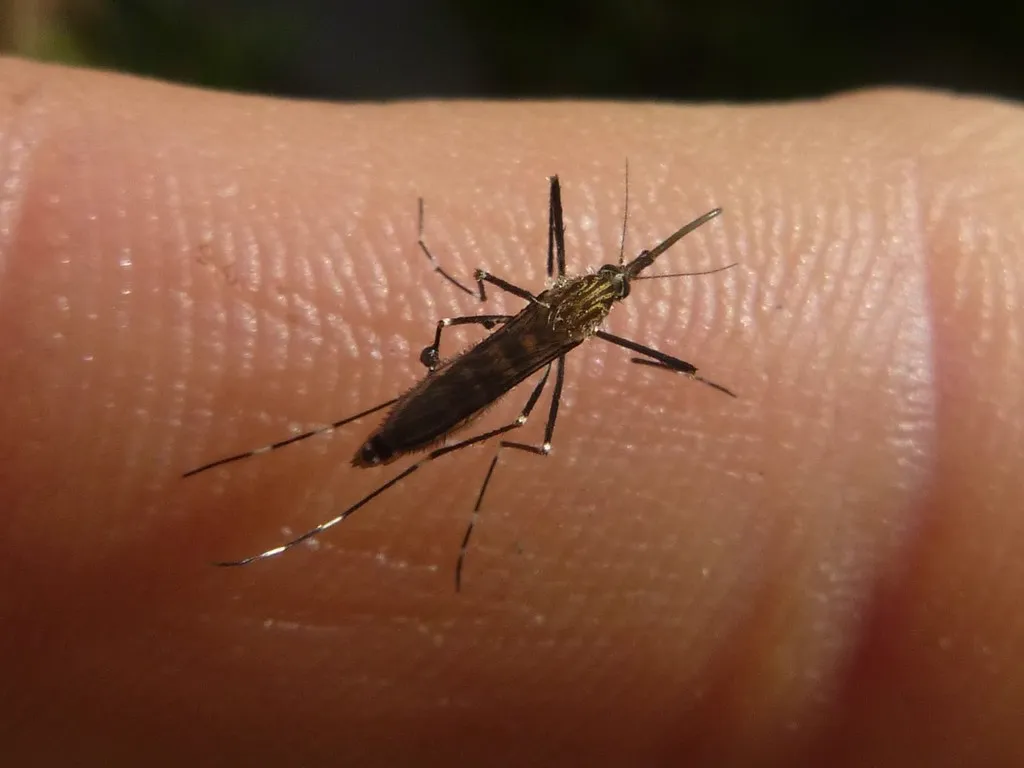
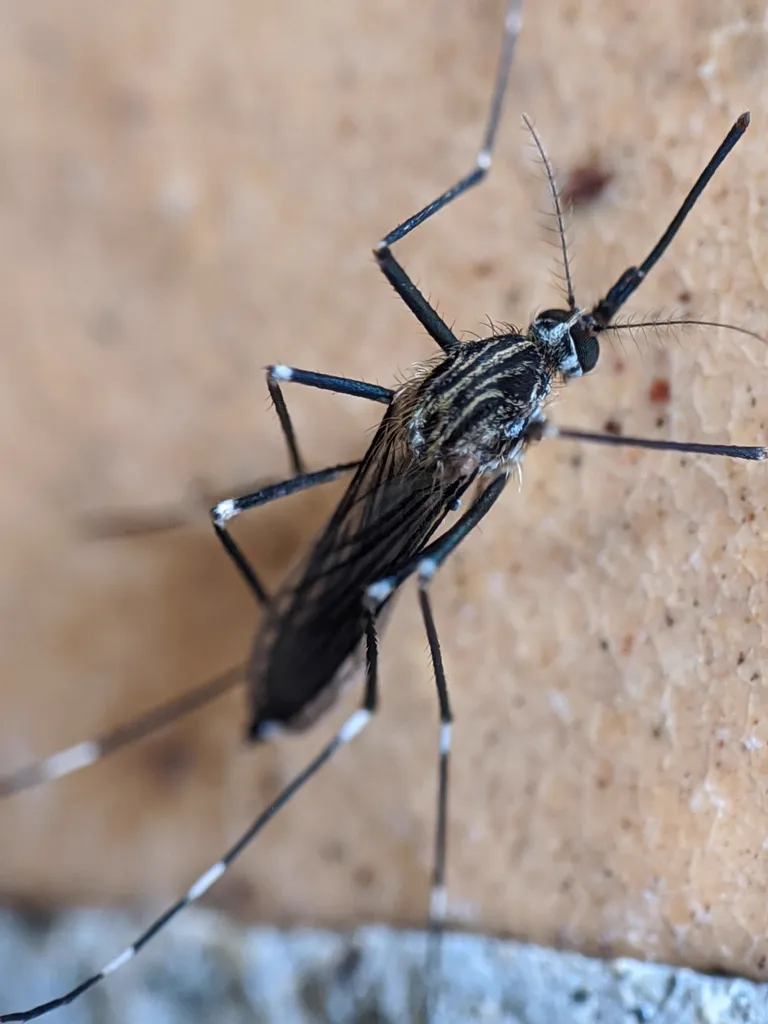
Asian bush mosquitoes are invasive daytime biters with golden-striped thoraxes found throughout eastern North America. They can transmit West Nile virus and other diseases.
Taxonomy
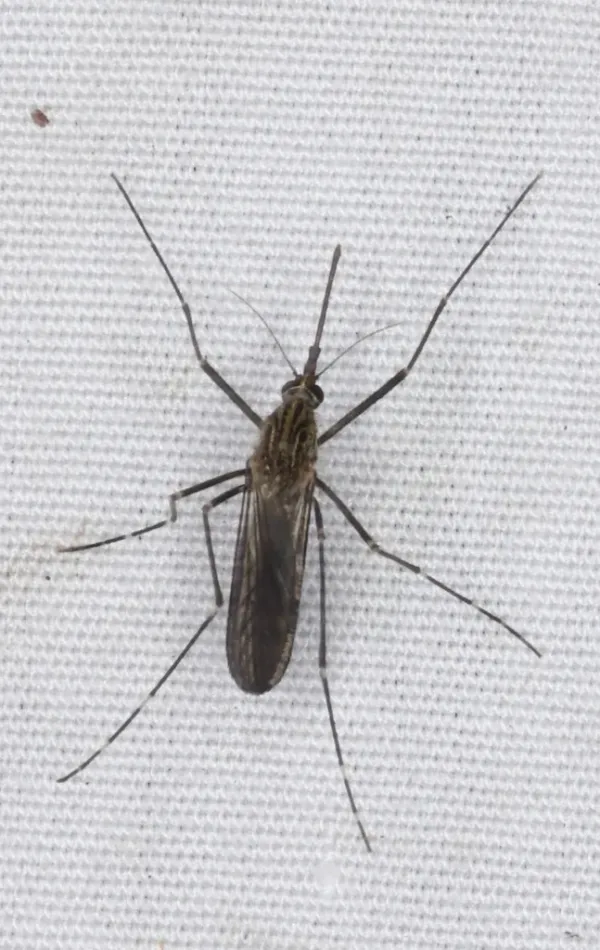
Asian Bush Mosquitoes Coloration
Common color patterns to help identify asian bush mosquitoes
Asian Bush Mosquitoes
Seasonal Activity
When asian bush mosquitoes are most active throughout the year
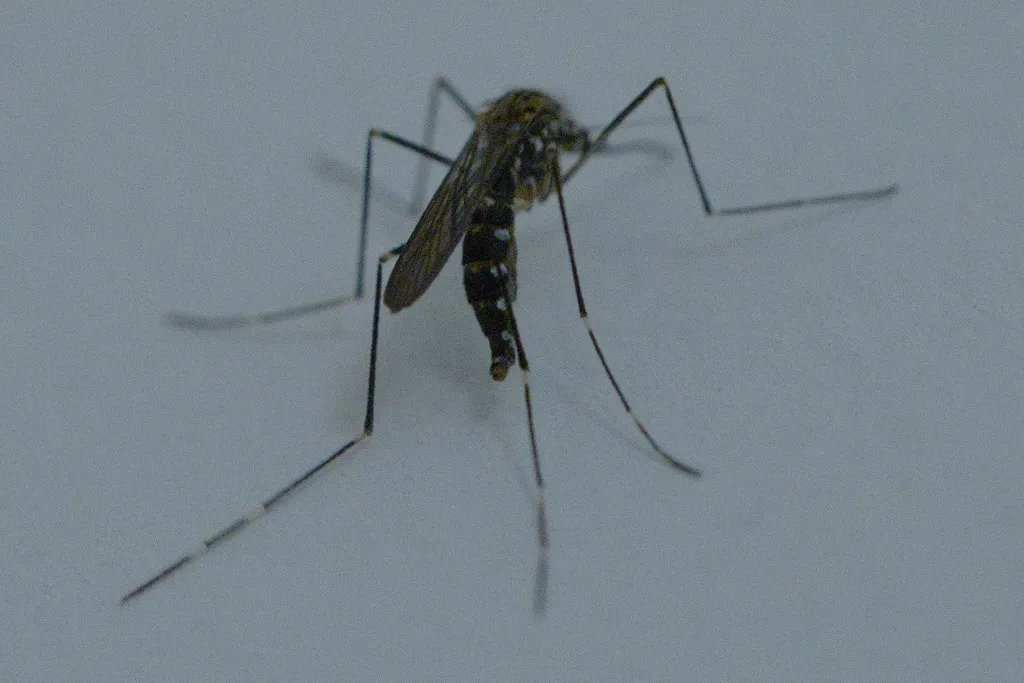
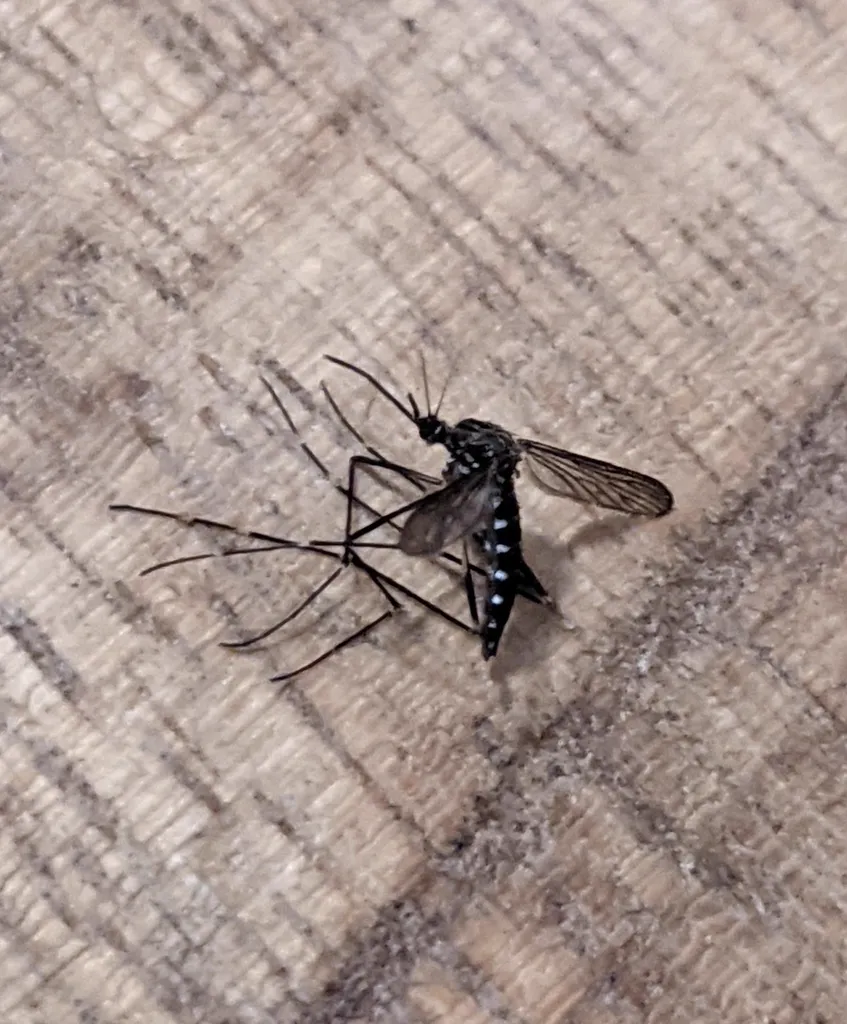
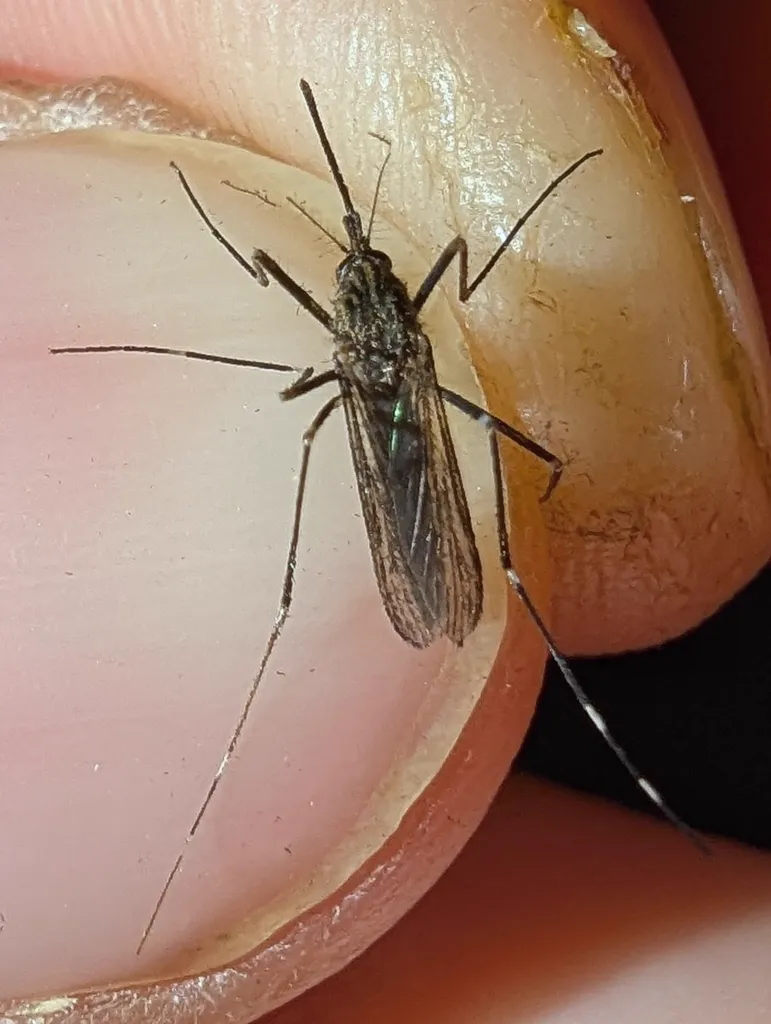

Where Asian Bush Mosquitoes Are Found
Hover over states to see their names. Green regions indicate where asian bush mosquitoes have been reported.
Asian Bush Mosquito Identification Guide
Physical Characteristics
The Asian bush mosquito (Aedes japonicus) is a medium to large mosquito. It has become common across eastern North America. Adults measure 4 to 8mm long. This makes them larger than many native mosquitoes.
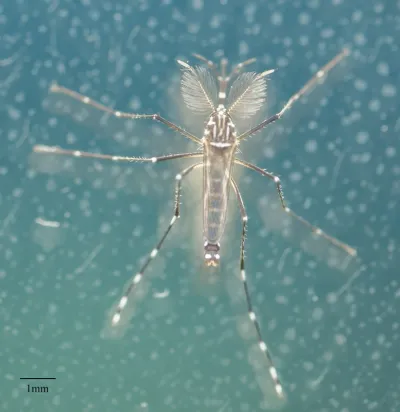
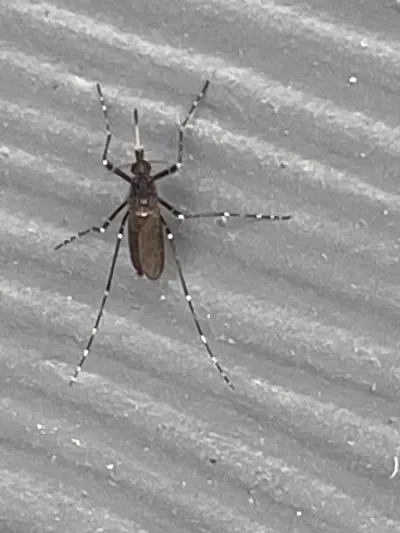
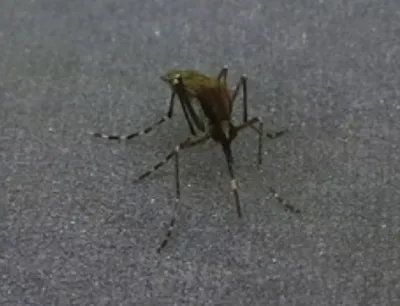
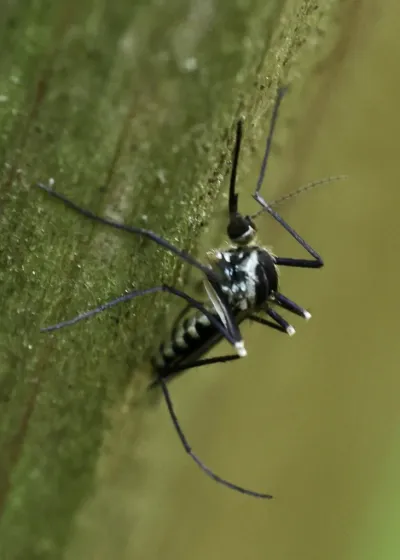
The easiest way to spot them is by their thorax. It has golden or bronze stripes in a lyre shape against a dark body. The legs have black and white bands, like the Asian tiger mosquito. But the pattern looks a bit different.
The mouthpart is dark with no pale band. The head has golden scales. The wings are dark with scaled veins. Males have bushier antennae than females.
How to Tell Them Apart from Similar Mosquitoes
Asian bush mosquitoes look like other striped mosquitoes. Here is how to tell them apart:
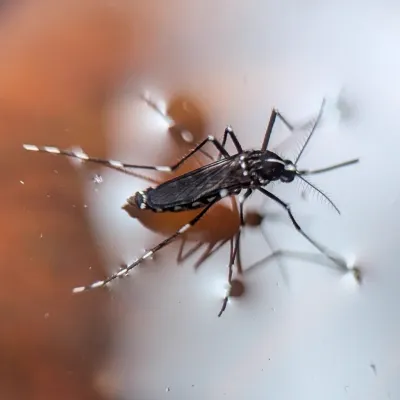
- Asian tiger mosquitoes: Have one bright white stripe down the center of the thorax. Asian bush mosquitoes have many golden stripes instead. Tiger mosquitoes are more common in cities.
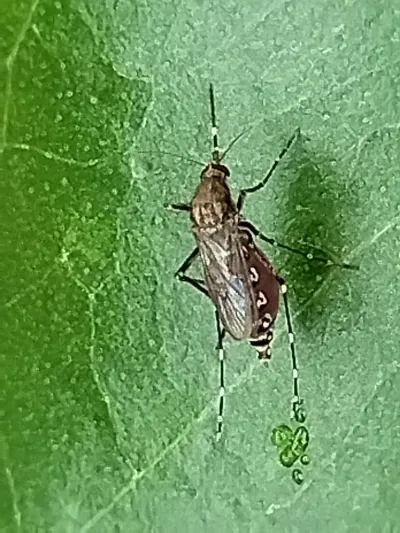
- Yellow fever mosquitoes: Have a harp-shaped mark on the thorax with silver scales. They have white spots, not golden stripes.
- Korean bush mosquito: Has very similar golden stripes. But this species has not reached North America yet.
The key difference is the color. Asian bush mosquitoes have golden stripes. Asian tiger mosquitoes have white stripes.
Asian Bush Mosquito Behavior and Biology
Life Cycle
Asian bush mosquitoes go through four life stages: egg, larva, pupa, and adult. The full cycle takes 2 to 4 weeks. Warmer weather speeds up growth.
Females lay eggs on the walls of containers just above the water line. Each female lays about 114 eggs at a time. She may lay eggs 2 to 3 times in her life. The eggs can dry out and still survive for months. In cold areas, eggs go dormant during winter.
When water rises and temps warm up, eggs hatch in a few days. Larvae eat organic matter in the water. They grow through four stages over 1 to 2 weeks. The pupal stage lasts 2 to 3 days. Then adult mosquitoes come out.
Feeding Behavior
Asian bush mosquitoes bite during the day. They are most active in the morning and late afternoon. They will also bite all day in shaded spots.
Only females bite. They need blood to make eggs. These mosquitoes feed on many hosts. In North America, they mainly bite white-tailed deer, then humans and other mammals. They can fly long distances to find hosts. A related species, Eastern Saltmarsh Mosquitoes, shares similar characteristics.
Both males and females drink plant nectar for energy. Females need many blood meals to keep making eggs. A related species, Inland Floodwater Mosquitoes, shares similar characteristics.
Habitat Preferences
Asian bush mosquitoes like forests and rural areas more than cities. This makes them different from Asian tiger mosquitoes, which do well in suburbs and cities. Other woodland mosquitoes include the eastern treehole mosquito and woodland pool mosquito.
Common breeding sites include:
- Tree holes in forests
- Rock pools in streams and creeks
- Used tires and thrown away containers
- Birdbaths and plant saucers
- Buckets and garden tools with water
- Any shaded container with standing water
They like shaded spots with water full of organic matter. Hot water above 86 degrees Fahrenheit hurts larval growth. This love of cooler water helps them thrive in mild climates where other invasive mosquitoes cannot.
Invasive Status
The Asian bush mosquito comes from Japan, Korea, Taiwan, and parts of China and Russia. It was first found in the United States in 1998 near New York and New Jersey. It likely came in on used tires shipped from overseas.
Since then, it has spread fast across eastern North America. It now lives in most states east of the Mississippi River. It also lives in Oregon and Washington on the West Coast. The species has reached parts of Canada and much of Europe too.
They spread so well because they can handle cool weather. They breed in many container types. Their eggs survive being dry for long periods during transport.
How We Treat for Asian Bush Mosquitoes
Our mosquito control program targets the habits of Asian bush mosquitoes and other mosquitoes that breed in containers.
Exterior Barrier Treatment
Our techs use backpack sprayers to treat shaded areas where mosquitoes rest. We focus on:
- Wooded edges and tree lines: Areas where Asian bush mosquitoes like to rest
- Dense shrubs and ground cover: Low plants that give shade and moisture
- Under decks and porches: Shaded spots near living areas
- Property edges: Border areas where mosquitoes come in from nearby woods
Our treatment kills adult mosquitoes on contact. We also use growth regulators that stop larvae from growing into biting adults. This breaks the breeding cycle.
We avoid spraying flowers, fruits, and vegetables.
Breeding Site Reduction
Getting rid of standing water is key for long-term control. We check your property for breeding sites. Then we give tips on how to reduce them:
- Empty bird baths and plant saucers weekly
- Clear clogged gutters and downspouts
- Store containers upside down or under cover
- Fill tree holes with sand or gravel
- Get rid of old tires the right way
- Keep swimming pools and ponds well maintained
In2Care Mosquito System (Optional)
For those who want less spraying, we offer the In2Care system. These stations can be used alone or with barrier treatments.
The stations draw in female mosquitoes looking to lay eggs. Inside, they pick up a larvicide and fungus. They then carry these to other breeding sites. This spreads control agents without wide spraying.
The In2Care system works well for Asian bush mosquitoes. These mosquitoes visit many container sites, which helps spread the treatment.
For best results, we suggest treatments every 3 to 4 weeks during mosquito season. This runs from April through October.
Health Concerns
Asian bush mosquitoes can carry several diseases:
- West Nile virus: The biggest concern in North America. Wild Asian bush mosquitoes have tested positive for this virus.
- La Crosse encephalitis: Found in field-caught specimens. This disease mostly affects children and can cause brain swelling. The eastern treehole mosquito is the primary vector of this disease.
- Japanese encephalitis: Lab tests show they can spread it. But this disease is not in North America.
- Zika virus: Lab tests show they can carry it. But spread in the wild has not been confirmed.
Asian bush mosquitoes can carry these germs. But proven disease spread from this species is still rare. They may act as a link that moves viruses between wildlife and humans.
This is for learning only. It is not medical advice. See a doctor if you feel sick after mosquito bites.
References
Other Mosquitoes
Explore other species in the mosquitoes family
Commonly Confused With
Asian Bush Mosquitoes are often mistaken for these similar pests
Where Asian Bush Mosquitoes Are Found
Hover over states to see their names. Green regions indicate where asian bush mosquitoes have been reported.
Common Questions about Asian Bush Mosquitoes
What is an Asian bush mosquito?
+
The Asian bush mosquito (Aedes japonicus) is an invasive species from East Asia that has spread across much of eastern North America since the late 1990s. It has golden stripes on its thorax and banded black and white legs, and it can carry diseases like West Nile virus.
How can I tell an Asian bush mosquito from an Asian tiger mosquito?
+
Asian bush mosquitoes have multiple golden or yellowish stripes on their thorax in a lyre-shaped pattern. Asian tiger mosquitoes have a single bright white stripe down the center of their back. Asian bush mosquitoes are also more common in wooded, rural areas, while tiger mosquitoes prefer urban settings.
Do Asian bush mosquitoes carry diseases?
+
Yes, Asian bush mosquitoes can transmit West Nile virus, La Crosse encephalitis, and Japanese encephalitis. Lab studies show they may also spread Zika virus and other arboviruses. However, disease transmission in the field has been rare so far.
Where do Asian bush mosquitoes breed?
+
They breed in shaded containers with standing water, including tree holes, rock pools, old tires, buckets, bird baths, and other objects that collect rainwater. They prefer cooler, shaded water with organic matter.
When are Asian bush mosquitoes most active?
+
Asian bush mosquitoes are daytime biters, most active in the morning and late afternoon. They are present from late spring through early fall, with peak activity from May through September.
Are Asian bush mosquitoes aggressive biters?
+
Yes, they are known for aggressive biting behavior. While they will bite humans, their preferred hosts include white-tailed deer and other mammals. They can fly long distances in search of hosts.
How did Asian bush mosquitoes get to North America?
+
They likely arrived in the United States through the international used tire trade in the late 1990s. Mosquito eggs can survive in dry tires for months and hatch when the tires fill with rainwater.

With five years of hands-on experience in the pest control industry, George Schulz is a registered technician with the Virginia Pest Management Association and a proud third-generation professional in a family business that's been protecting homes for over 57 years. He manages and trains a team of service pros while also leading internal research efforts—recently spearheading a deep-dive review of thousands of documents on pest control materials to hand-pick the most kid and pet friendly, most effective solutions tailored specifically for homes in the DC metro area.