Townsend's Mole Identification Guide
Scapanus townsendii
Townsend's mole is the largest mole species in North America, found along the Pacific coast. These fossorial mammals create extensive tunnel systems and can cause significant damage to lawns, gardens, and agricultural areas.
Taxonomy
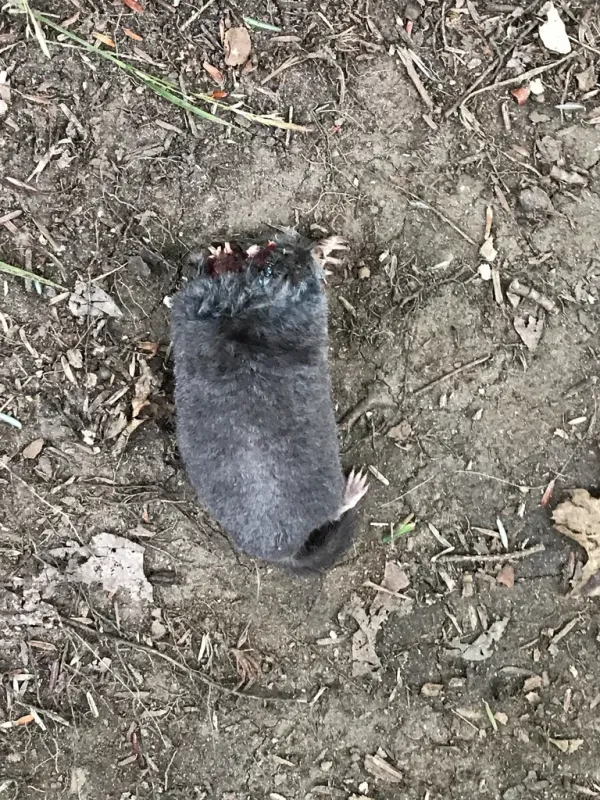
Townsend's Mole Coloration
Common color patterns to help identify townsend's mole
Townsend's Mole
Seasonal Activity
When townsend's mole are most active throughout the year

Where Townsend's Mole Are Found
Hover over states to see their names. Green regions indicate where townsend's mole have been reported.
Townsend’s Mole Identification Guide
Physical Characteristics
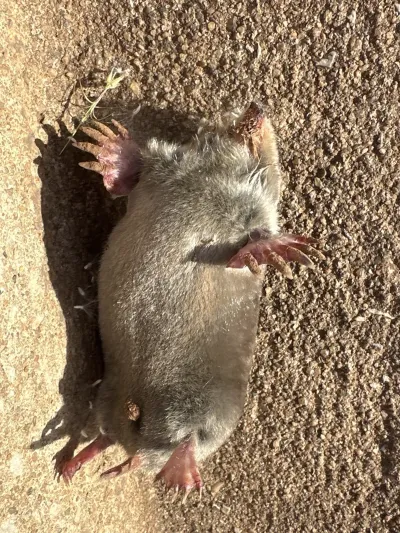
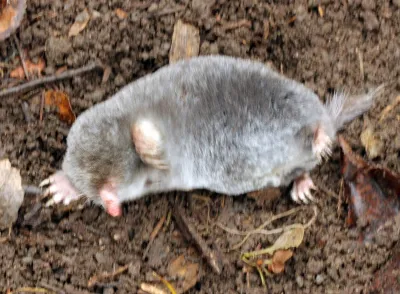
Townsend’s mole (Scapanus townsendii) is the largest mole in North America. Adults are 7 to 9 inches long, including a short tail of about 1.5 inches. They weigh between 100 and 170 grams. Males are about 22% heavier than females.
Key features to look for:
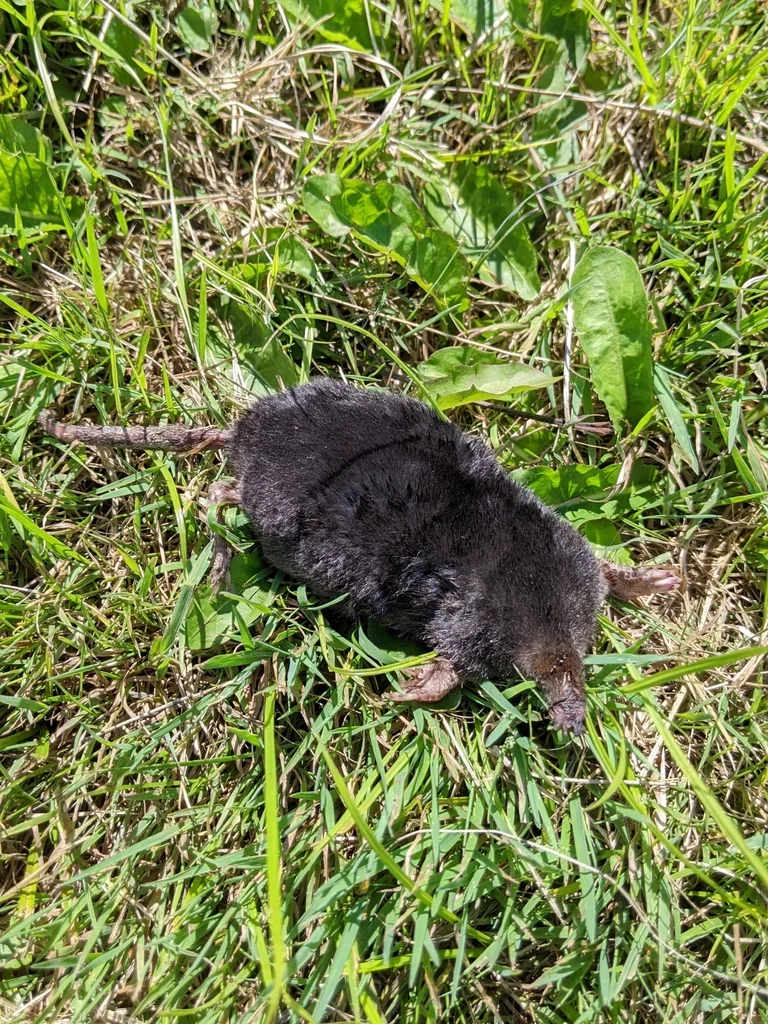
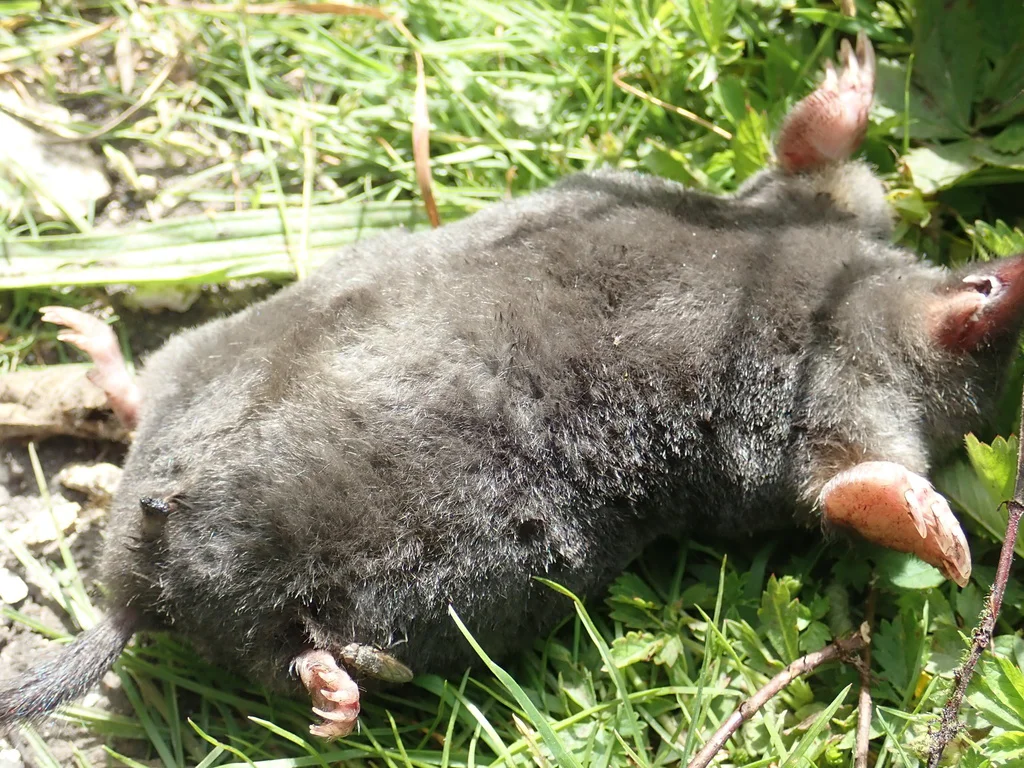
- Velvety fur: Dark gray to black coat with a shiny, metallic look. This fur lets the mole move backward through tunnels easily.
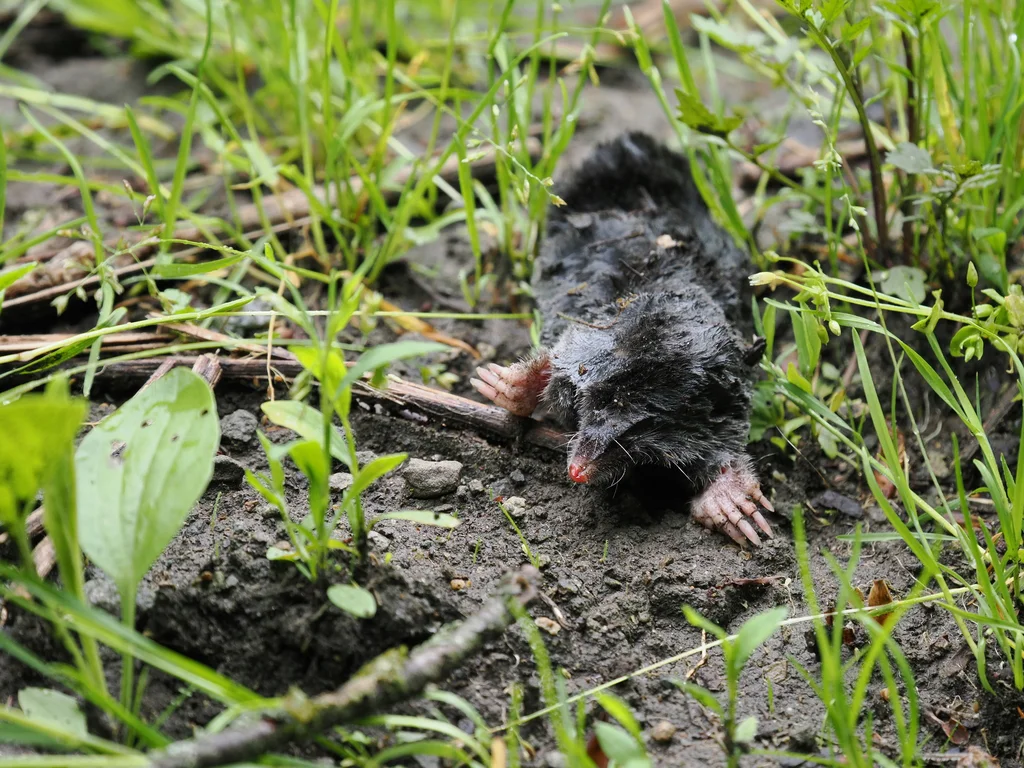
- Large front paws: Wide, spade-shaped feet with big claws built for digging
- Pointed snout: A long nose with whiskers that help find food underground
- Tiny eyes: Very small eyes under the skin that can only sense light and dark
- Hidden ears: Ear openings are covered by fur
How to Tell Them Apart From Other Moles
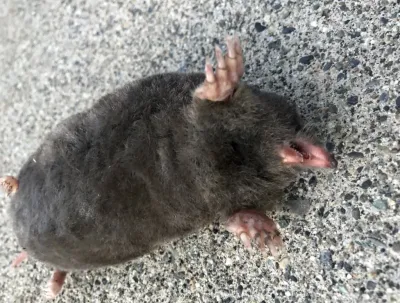
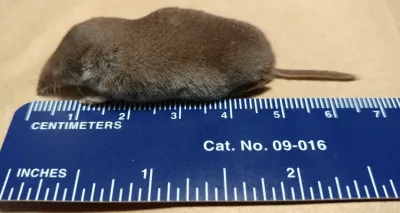
You can identify Townsend’s mole by its large size. It is bigger than the coast mole (Scapanus orarius) and has a larger head ridge. Unlike the broad-footed mole (Scapanus latimanus), its fur has a metallic shine. It also has wider front feet and more teeth (44 instead of 36) than the shrew mole (Neurotrichus gibbsii).
Townsend’s Mole Behavior and Biology
Where They Live
Townsend’s moles live only along the Pacific coast. Their range runs from southwestern British Columbia to northwestern California. They like deep, rich soil and stay away from sandy areas. You can find them in:
- River valleys and meadows
- Pastures and hay fields
- Lawns and gardens
- Prairies and some evergreen forests
- Farm land
Most of these moles live below 2,000 feet in elevation. A different subspecies lives in high mountain meadows in the Olympic Mountains above 4,500 feet.
What They Eat
Earthworms make up most of their diet, about 76% on average. They also eat:
- Insects and their larvae
- Centipedes and millipedes
- Slugs and snails
- Small mammals like shrews and mice (rarely)
- Plant roots, bulbs, and vegetables (16-38% of their diet)
Because they eat plants, Townsend’s moles can be a big problem in gardens. They damage tulip bulbs, iris, potatoes, and carrots.
Tunneling Habits
Townsend’s moles spend almost all their time underground. They dig two kinds of tunnels:
- Surface tunnels: Raised ridges you can see on your lawn. They use these to hunt for food.
- Deep tunnels: Found 4-18 inches down. They use these for nesting and getting around.
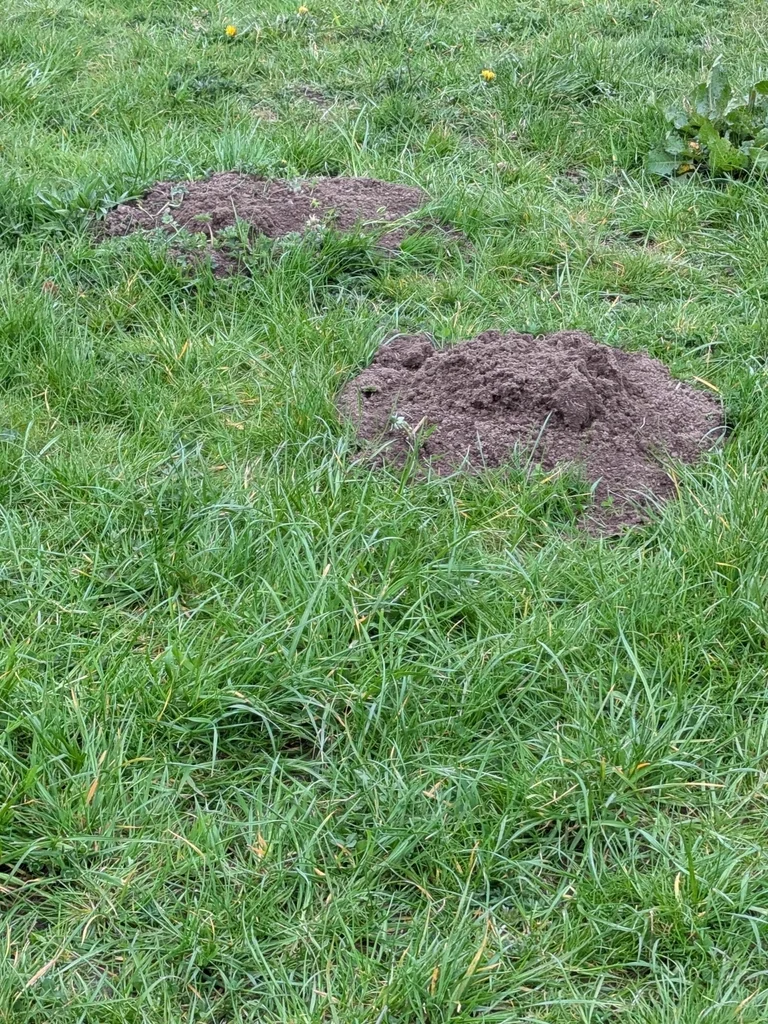
When they dig deep tunnels, they push soil up to the surface. This creates volcano-shaped mole hills. Townsend’s moles make bigger mounds than other mole types because of their large size. These conical mounds differ from the fan-shaped mounds left by pocket gophers.
Breeding and Lifespan
Townsend’s moles can breed in their first year. They usually live 3 to 4 years. Here are the key facts:
- They breed in late winter to early spring
- Females have one litter per year with about 3 babies
- Young are born in March and April
- Newborns have no fur and soft claws
- Babies leave the nest after about one month
- Females build nests close to the surface so they don’t flood
Territorial Behavior
These moles live alone and guard their space. They avoid other moles except during breeding season. If another mole enters their territory, they will fight. Population density varies from less than 1 to 12 moles per hectare. This depends on how good the habitat is. In good areas, a mole’s territory covers about 125 feet. In poor areas, it can stretch to 380 feet.
Signs of Mole Activity
Spotting mole activity early can help you limit damage to your yard. Look for these signs:
- Mole hills: Cone-shaped dirt mounds, often 6 to 24 inches wide
- Surface tunnels: Raised ridges of dirt running across your lawn
- Dead or yellow grass: Plants die when moles disturb their roots
- Soft, spongy ground: The soil feels weak where tunnels run beneath
- Damaged bulbs and roots: Plants get pulled down or chewed from below
Control Methods for Moles
Getting rid of moles can be hard because they live underground. Here are some methods that can work:
Trapping
Trapping is the most effective way to control moles. Common trap types include:
- Scissor-jaw traps: These snap shut when the mole passes through the tunnel
- Harpoon traps: Spring-loaded spikes strike down from above
- Choker-loop traps: A wire loop tightens around the mole
For the best results, set traps in active tunnels. To find active tunnels, press down a small section of the ridge. Check back in 24 to 48 hours. If the mole fixed it, that tunnel is active.
Repellents
Castor oil repellents can help drive moles away. The oil upsets their stomach and makes them want to leave. You need to water these products into the soil well. Keep in mind that repellents often give only short-term relief. The moles may just move to another part of your yard.
Habitat Changes
Making your yard less appealing to moles can help reduce activity:
- Water your lawn less. Dry soil has fewer earthworms.
- Treat for grubs to cut down on food sources. (Note: moles may dig more at first when food gets scarce.)
- Pack down the soil with a roller to make digging harder.
Exclusion
To protect certain areas like flower beds or vegetable gardens:
- Bury hardware cloth or wire mesh at least 24 inches deep
- Put wire baskets around bulbs before planting
- Dig gravel-filled trenches around garden edges
Conservation Status
The IUCN lists Townsend’s mole as Least Concern worldwide. However, the Canadian population is endangered. In Canada, this species lives in just a 50 square kilometer area in the Fraser Valley of southwestern British Columbia. Threats include farming, urban growth, broken up habitat, and trapping by homeowners.
Other Mole Species
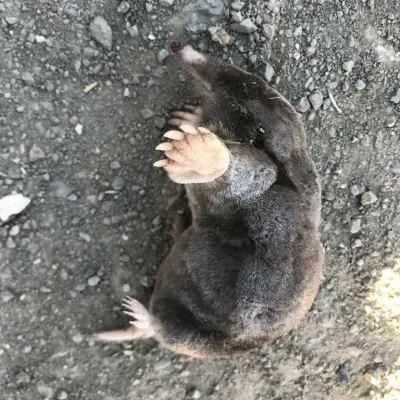
- Eastern Moles — The most common mole in the eastern United States, smaller than Townsend’s moles
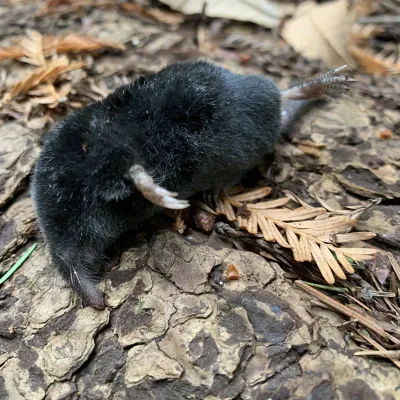
- Star-Nosed Moles — A unique semiaquatic mole found in moist habitats of the Northeast
- Mouse vs Vole — A guide to distinguishing moles from voles and other small mammals
References
Other Moles
Explore other species in the moles family
Where Townsend's Mole Are Found
Hover over states to see their names. Green regions indicate where townsend's mole have been reported.
Common Questions about Townsend's Mole
How can I tell if I have Townsend's moles in my yard?
+
Look for raised ridges of soil (surface tunnels), volcano-shaped mounds of dirt, and dying grass or plants where roots have been disturbed. Townsend's moles create larger mounds than other mole species due to their bigger size.
Are Townsend's moles dangerous?
+
Townsend's moles are not dangerous to humans. They do not bite or carry diseases that commonly affect people. However, they can cause significant damage to lawns, gardens, and agricultural crops through their tunneling activity.
What do Townsend's moles eat?
+
Their diet consists primarily of earthworms (about 76% of their food intake), along with insects, larvae, centipedes, millipedes, slugs, and snails. They also eat plant material including bulbs, roots, and vegetables, which can damage gardens.
Why are moles attracted to my yard?
+
Moles are attracted to areas with moist, loose soil that is rich in earthworms and grubs. Well-watered lawns and gardens provide ideal conditions for both moles and their prey.
When are Townsend's moles most active?
+
Townsend's moles are active year-round but are most noticeable in spring when breeding occurs and in fall when soil moisture increases. They are primarily nocturnal and spend almost all their time underground.
How fast do Townsend's moles reproduce?
+
Townsend's moles typically produce one litter per year in spring (around March and April), with an average of 3 offspring per litter. Young moles disperse from the nest after about a month.
What is the difference between moles and voles?
+
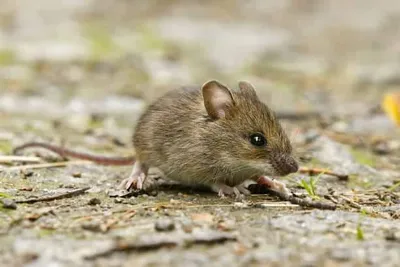
Moles have cylindrical bodies, velvety fur, tiny eyes, no visible ears, and large paddle-like front paws for digging. Voles look like small mice with visible eyes and ears. Moles eat insects and worms, while voles eat plants and roots.
Can I prevent moles from entering my yard?
+
Complete prevention is difficult since moles tunnel underground. However, reducing soil moisture, controlling grub populations, and installing underground barriers around specific garden areas can help discourage mole activity.

With five years of hands-on experience in the pest control industry, George Schulz is a registered technician with the Virginia Pest Management Association and a proud third-generation professional in a family business that's been protecting homes for over 57 years. He manages and trains a team of service pros while also leading internal research efforts—recently spearheading a deep-dive review of thousands of documents on pest control materials to hand-pick the most kid and pet friendly, most effective solutions tailored specifically for homes in the DC metro area.