Star-Nosed Mole Identification Guide
Condylura cristata
The star-nosed mole is a distinctive burrowing mammal found in moist areas of northeastern North America. Recognizable by its unique star-shaped nose with 22 pink tentacles, this small mole creates extensive tunnel systems and is known for being the fastest-eating mammal on Earth.
Taxonomy
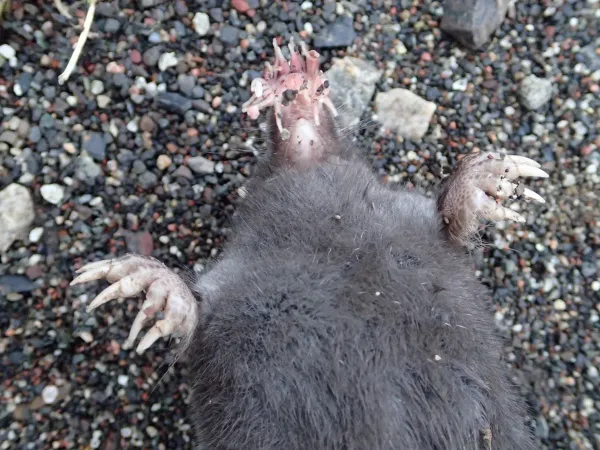
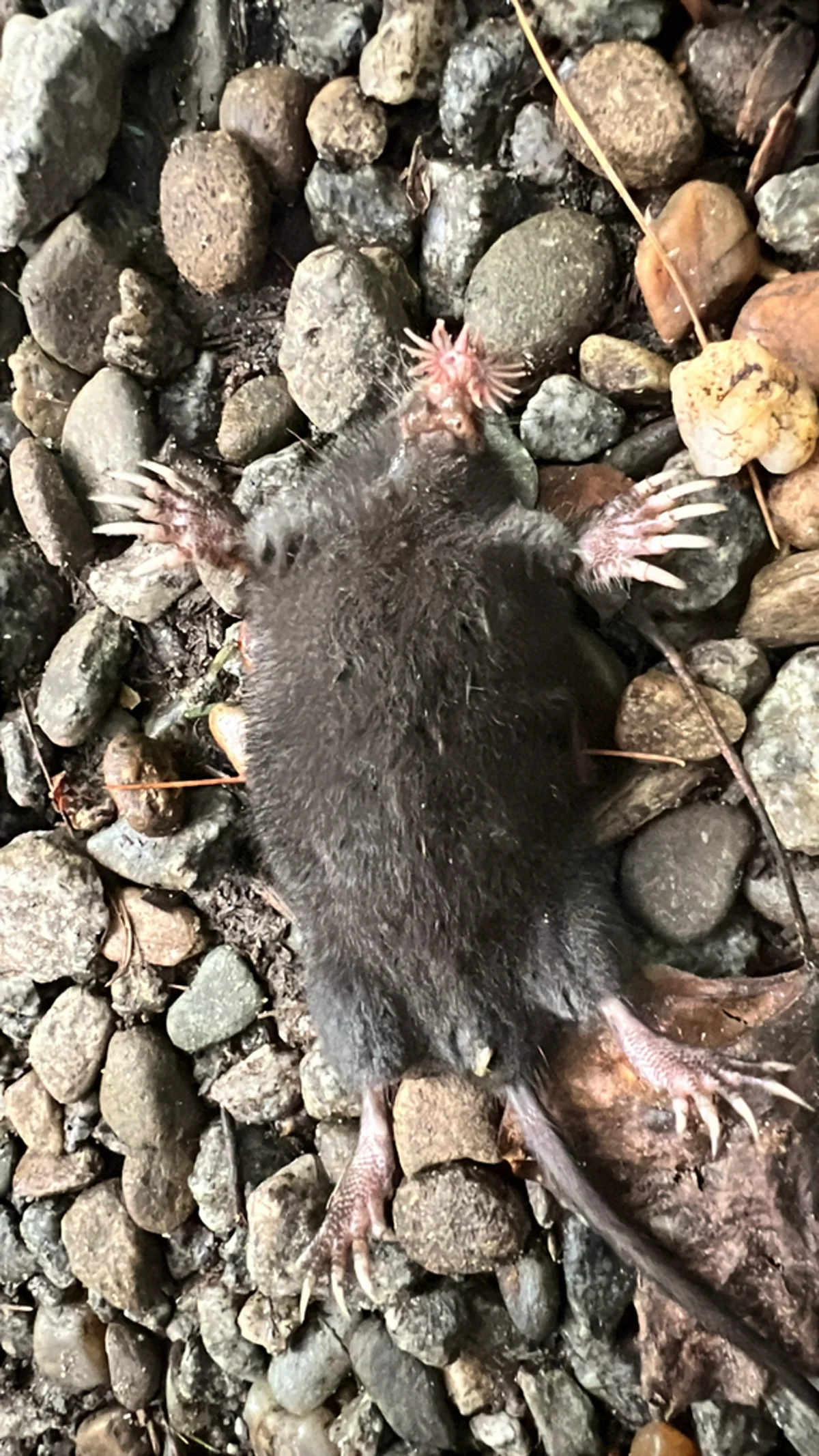
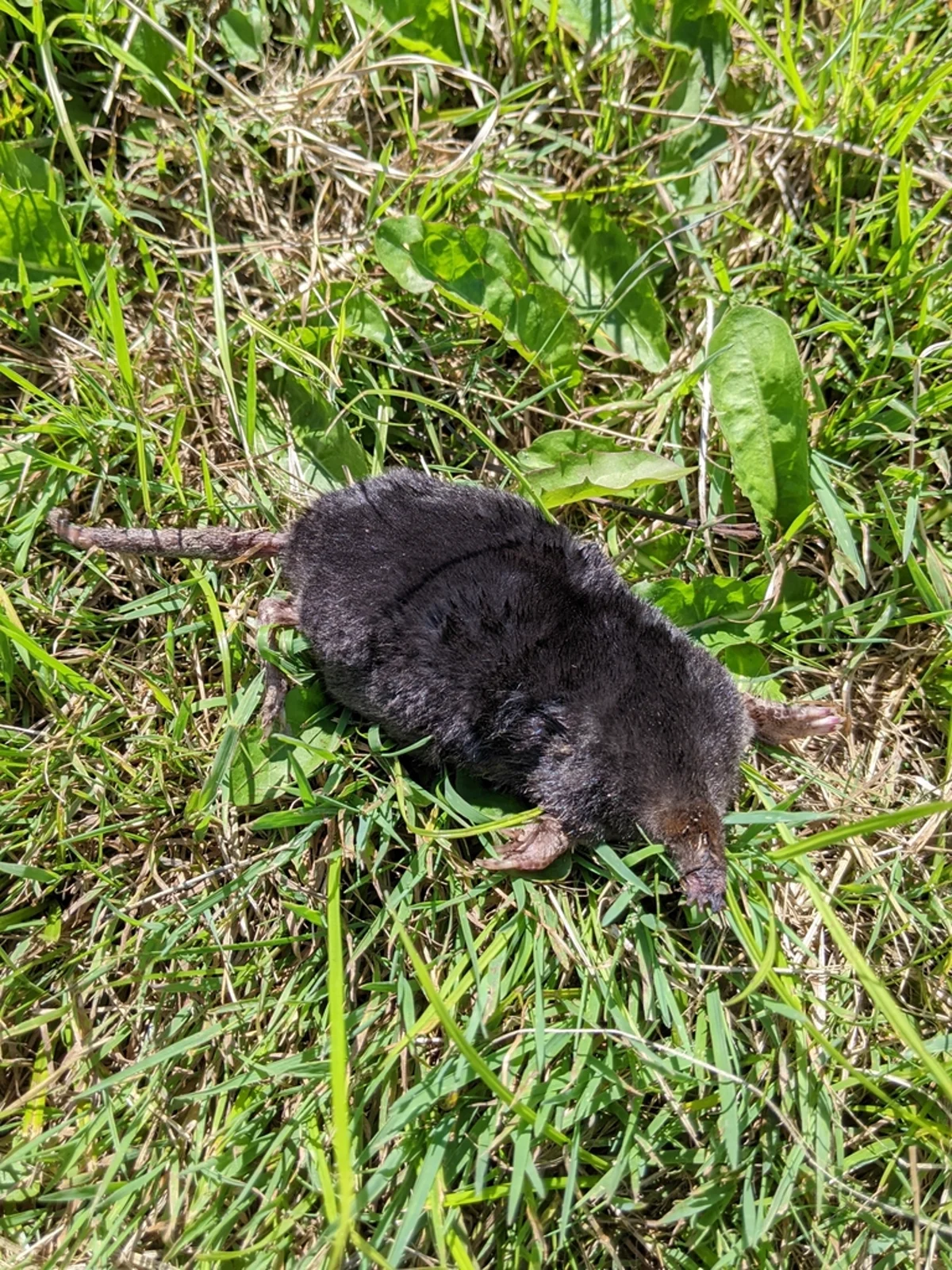
Star-Nosed Mole Coloration
Common color patterns to help identify star-nosed mole
Star-Nosed Mole
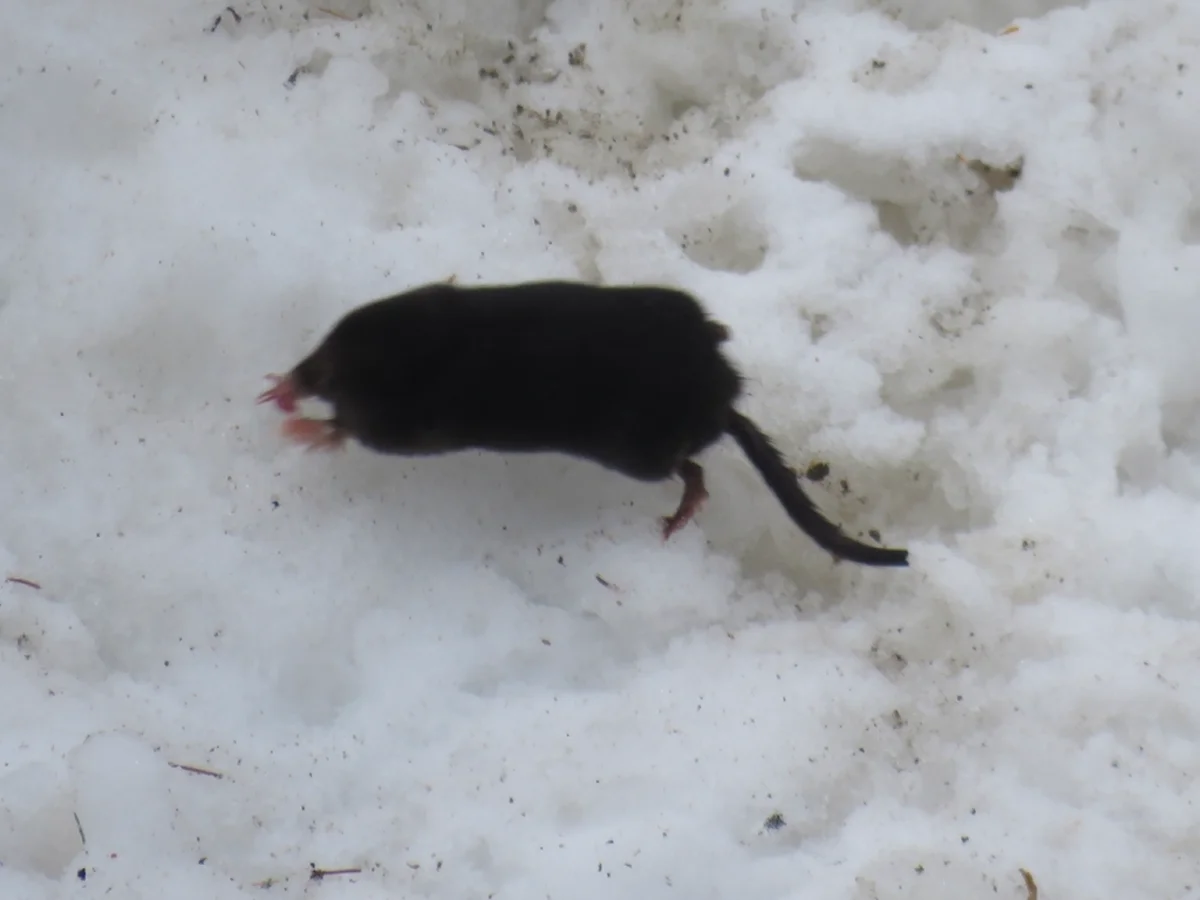
Seasonal Activity
When star-nosed mole are most active throughout the year

Where Star-Nosed Mole Are Found
Hover over states to see their names. Green regions indicate where star-nosed mole have been reported.
Star-Nosed Mole Identification Guide
Physical Characteristics
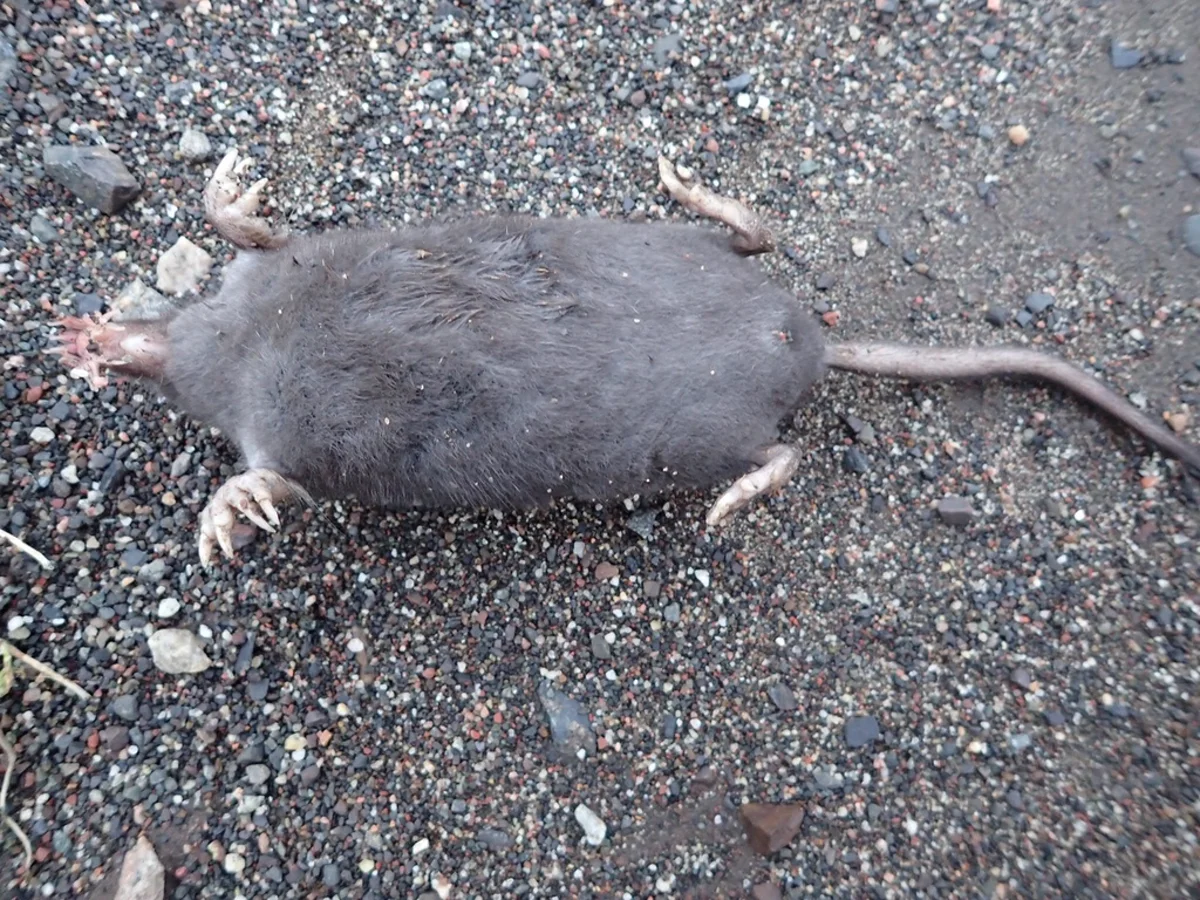
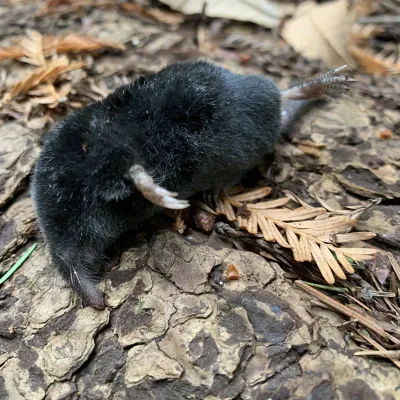
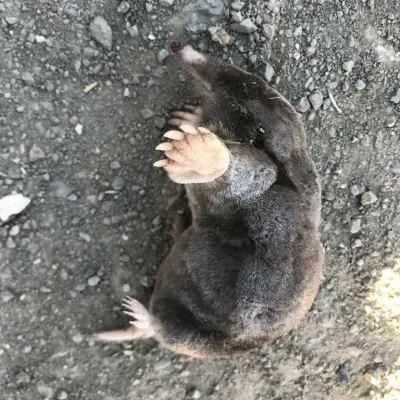
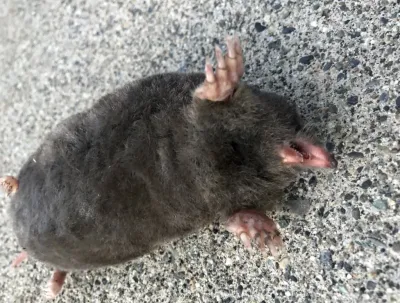
The star-nosed mole is one of the most unique mammals in North America. Adults are about 7 to 8 inches long and weigh between 35 and 75 grams. You can spot them by their hairless pink nose, which has 22 fleshy tentacles in a star pattern. There are 11 tentacles on each side, ranging from 1 to 4 mm long.
Like other moles, they have a thick, tube-shaped body with strong front legs, wide feet, and large claws built for digging. Their fur is short, dense, and rougher than other mole species. The back is dark brown to black, while the belly is lighter brown. The scaly tail is about 2.5 to 3.5 inches long. In winter, the tail swells to 3 to 4 times its normal size as the mole stores fat.
How to Tell Them Apart
You can tell star-nosed moles from other moles and small mammals by these key traits:
- Star-shaped nose: The 22 pink tentacles are found on no other mammal
- Long tail: Much longer than other North American moles
- Dark fur: Darker than the gray-brown eastern mole
- Smaller body: Usually smaller than eastern moles
- Wet habitat: Found near water, not on dry lawns
Common Species
There is only one species of star-nosed mole: Condylura cristata. It is the only living member of its genus.
Star-Nosed Mole Behavior and Biology
Where They Live
Star-nosed moles live in many types of wet habitats. Unlike other North American moles such as the eastern mole or Townsend’s mole that prefer dry lawns, star-nosed moles like areas with poor drainage. These include forests, clearings, wet meadows, marshes, and peatlands. They often live along the banks of streams, lakes, and ponds. While they prefer wet areas, they can sometimes be found in dry meadows up to 400 meters from water.
Burrowing Behavior
Star-nosed moles dig large tunnel networks through moist soil. Their tunnels are about 1.3 to 3 inches wide and can stretch as far as 270 meters along the edge of wet habitat. Many tunnels open underwater, letting these moles reach their aquatic hunting grounds.
Swimming Abilities
Star-nosed moles stand out from other North American moles because they live partly in water. Their strong front legs work like paddles. They swim underwater by moving their front and back feet in turns, creating a zigzag motion. They stay active all year. They even swim in ice-covered streams and dig through snow in winter.
Sensory Abilities
The star-nosed mole cannot see well. Instead, it uses its special nose to find its way and hunt for food. The 22 tentacles have over 25,000 tiny touch sensors called Eimer’s organs. This makes the star about six times more sensitive than the human hand. This system lets the mole find and catch prey with great speed.
Feeding Habits
Star-nosed moles eat a lot. They consume 50% or more of their body weight each day. They hold the Guinness World Record for fastest-eating mammal. They can find and eat prey in less than 200 milliseconds. They eat aquatic insects, land insects, earthworms, leeches, snails, small crustaceans, and sometimes small fish and frogs.
Reproduction
Breeding starts in early spring. Females have one litter per year, unless the first one fails. After 45 days, two to seven pups are born in late spring. Young moles grow fast and leave the nest after about four weeks. They reach adult size at 10 months. These moles live about 3 to 4 years in the wild.
Social Behavior
Star-nosed moles are more social than other eastern North American moles. They seem to form small, loose groups of related animals. We do not know if more than one mole uses the same tunnel system outside of breeding season.
Management Considerations for Star-Nosed Moles
Star-nosed moles are wildlife and need specialized wildlife control methods. They prefer wet, low-lying areas near water sources, so they are less likely to damage lawns compared to other mole species that target well-drained turf.
Habitat Changes
Cutting down on moisture around your property can make areas less appealing to star-nosed moles. Fixing drainage in wet areas may push moles to move to better habitats away from your home.
Professional Wildlife Services
For ongoing mole activity, talk to a licensed wildlife control expert. They can check the situation and use humane, effective solutions that fit your needs.
Prevention Tips
- Fix drainage issues that create wet areas near your home
- Keep a bare dirt or gravel strip between wet natural areas and your lawn
- Think about whether mole activity is really a problem. These animals help loosen soil and eat insects
Other Mole Species
Learn more about other mole species found in North America:
- Eastern Moles — The most common mole species in the eastern United States
- Townsend’s Moles — The largest North American mole, found along the Pacific coast
- Grubs — White grubs are a primary food source for moles and can attract them to your yard
References
Other Moles
Explore other species in the moles family
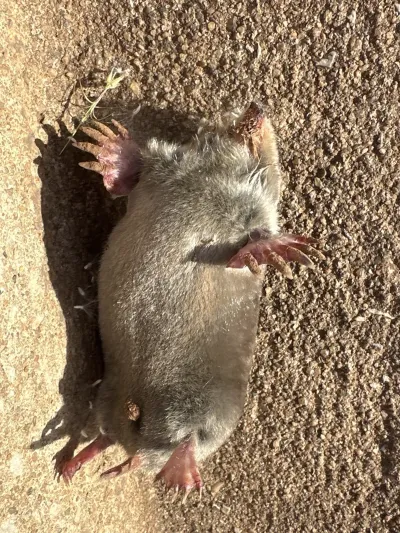
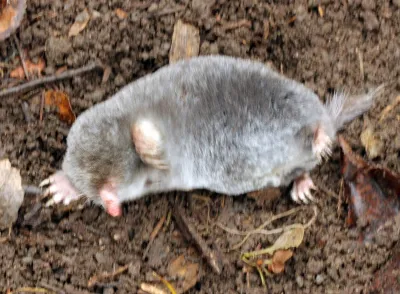
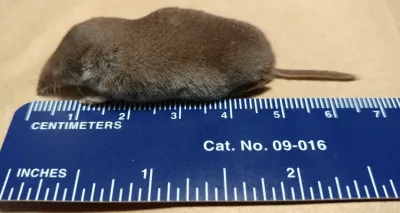
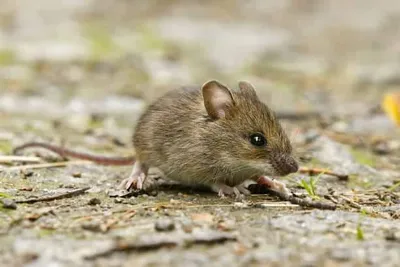
Where Star-Nosed Mole Are Found
Hover over states to see their names. Green regions indicate where star-nosed mole have been reported.
Common Questions about Star-Nosed Mole
What is a star-nosed mole?
+
The star-nosed mole is a small, semiaquatic mammal found in moist lowland areas of northeastern North America. It is easily identified by its unique nose, which features 22 pink, fleshy tentacles arranged in a star pattern. These tentacles contain over 25,000 sensory receptors that help the mole detect prey.
Are star-nosed moles dangerous to humans?
+
No, star-nosed moles are not dangerous to humans. They do not bite, sting, or carry diseases that commonly affect people. They are shy, solitary animals that spend most of their time underground or underwater foraging for food.
What do star-nosed moles eat?
+
Star-nosed moles are voracious predators that consume about 50% of their body weight daily. They feed on aquatic insects, earthworms, leeches, mollusks, small crustaceans, and occasionally small fish and amphibians. They hold the Guinness World Record for fastest-eating mammal.
Do star-nosed moles damage lawns and gardens?
+
Star-nosed moles can create raised tunnels and mounds in lawns as they dig through moist soil, but they typically prefer wet areas near streams, ponds, and marshes rather than well-drained lawns. Their damage is generally less extensive than that of other mole species. Homeowners sometimes confuse their activity with damage from [meadow voles](/pests/rodents/meadow-voles/) or [pocket gophers](/pests/rodents/pocket-gophers/), which leave different signs.
Where do star-nosed moles live?
+
Star-nosed moles prefer habitats with moist soil, including wet meadows, marshes, peatlands, and areas near streams, lakes, and ponds. They are found from the Atlantic coast west to Manitoba and North Dakota, and south through the Appalachian Mountains to Georgia.
Can star-nosed moles swim?
+
Yes, star-nosed moles are excellent swimmers. Unlike other North American moles, they are semiaquatic and many of their tunnels open underwater. They swim using alternating strokes of both front and hind feet, creating a distinctive zigzag motion.
How can I tell if I have moles in my yard?
+
Signs of mole activity include raised ridges of soil (surface tunnels), volcano-shaped mounds of dirt, and soft spots in your lawn. Star-nosed moles specifically prefer wetter areas, so look for these signs near low-lying or moist sections of your property.

With five years of hands-on experience in the pest control industry, George Schulz is a registered technician with the Virginia Pest Management Association and a proud third-generation professional in a family business that's been protecting homes for over 57 years. He manages and trains a team of service pros while also leading internal research efforts—recently spearheading a deep-dive review of thousands of documents on pest control materials to hand-pick the most kid and pet friendly, most effective solutions tailored specifically for homes in the DC metro area.