Garden Millipede Identification Guide
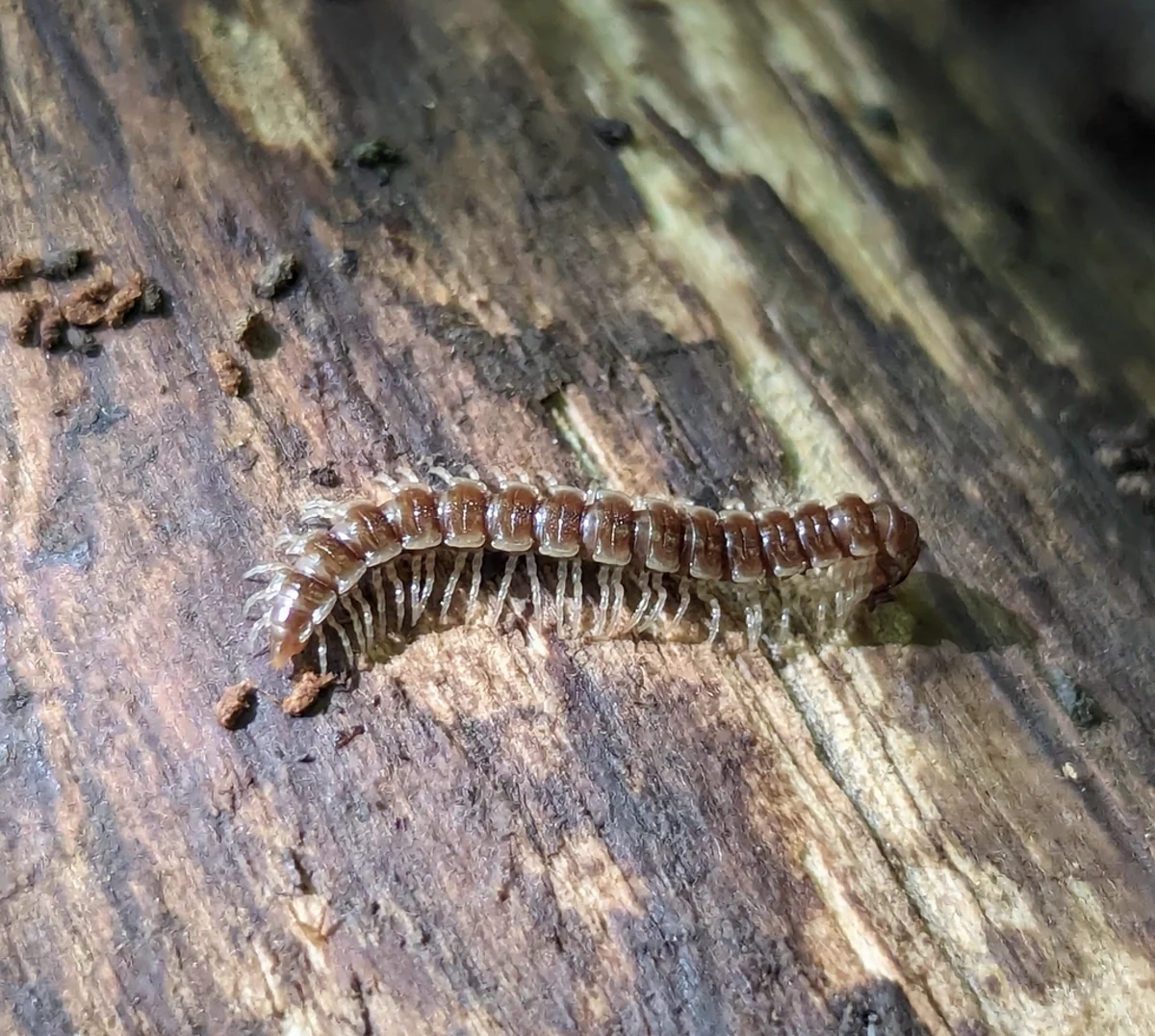
Oxidus gracilis
Garden millipedes, also known as greenhouse millipedes, are small dark-colored arthropods that thrive in moist environments and often invade homes during wet weather or drought conditions.
Taxonomy
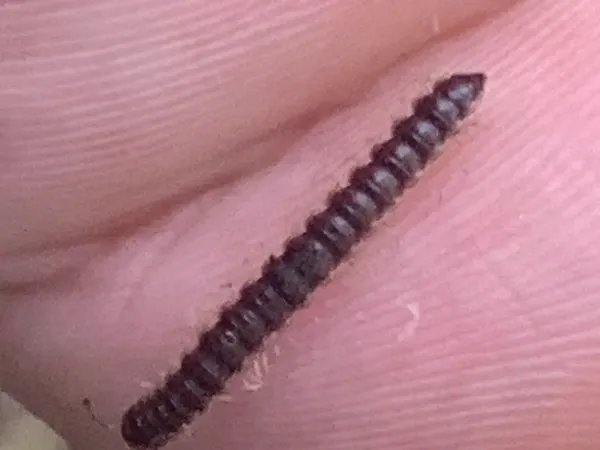
Garden Millipede Coloration
Common color patterns to help identify garden millipede
Garden Millipede
Seasonal Activity
When garden millipede are most active throughout the year

Where Garden Millipede Are Found
Hover over states to see their names. Green regions indicate where garden millipede have been reported.
Garden Millipede Identification Guide
Physical Characteristics
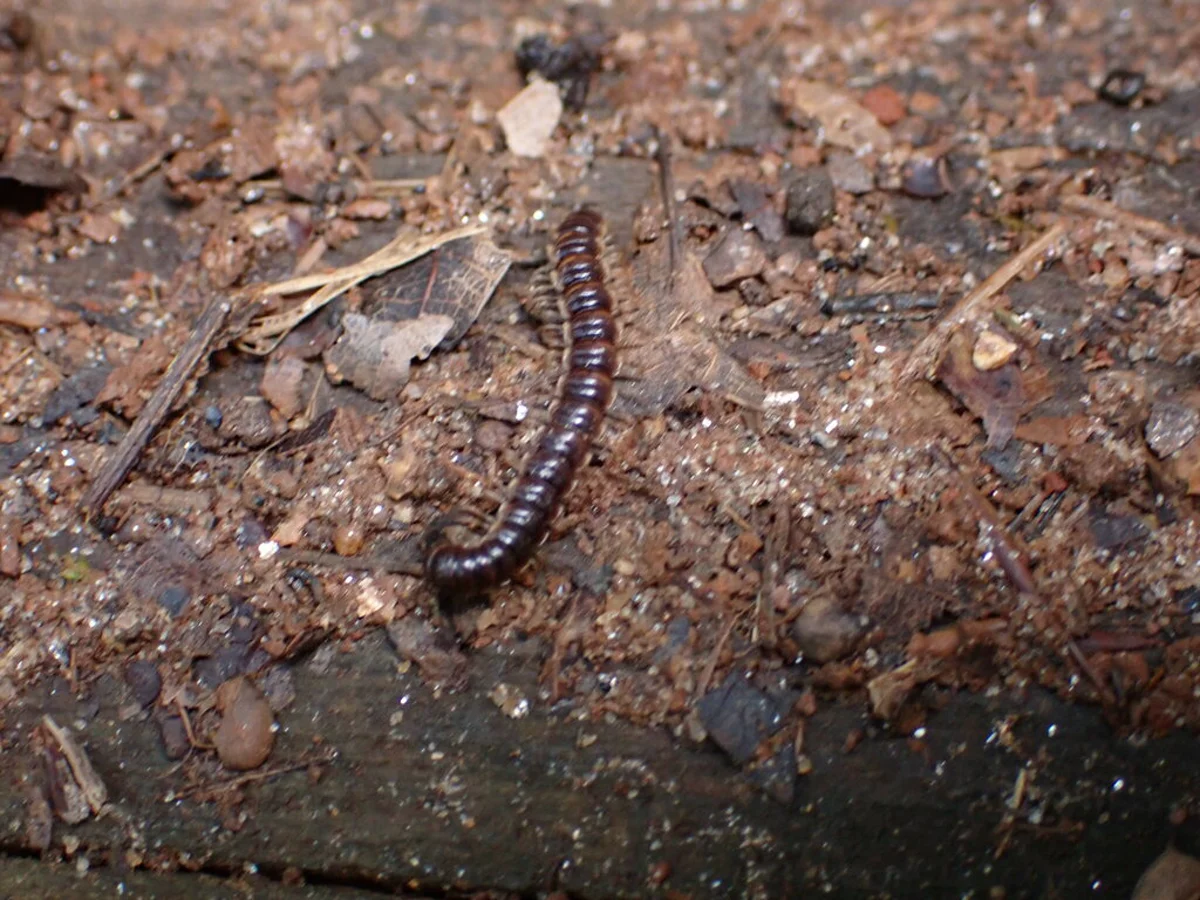
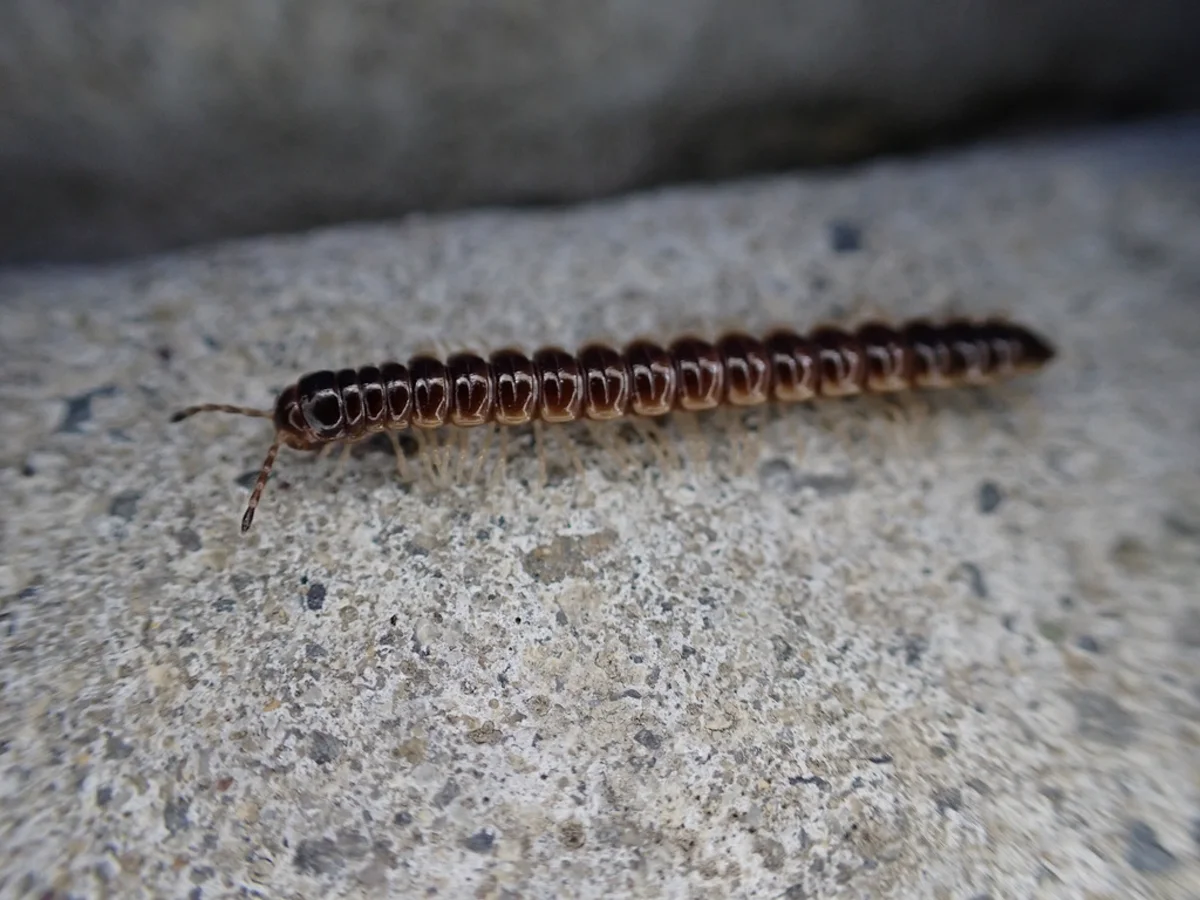
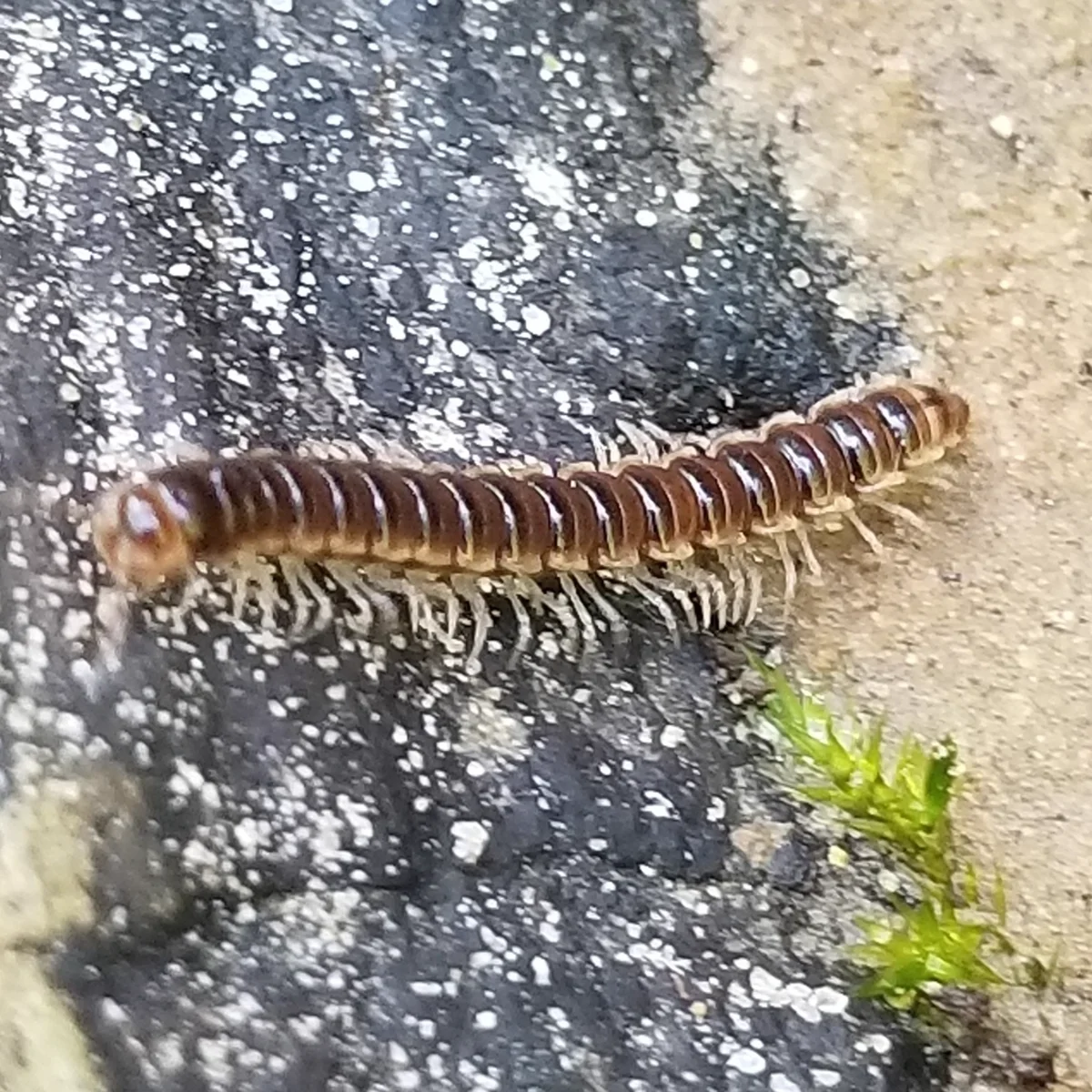
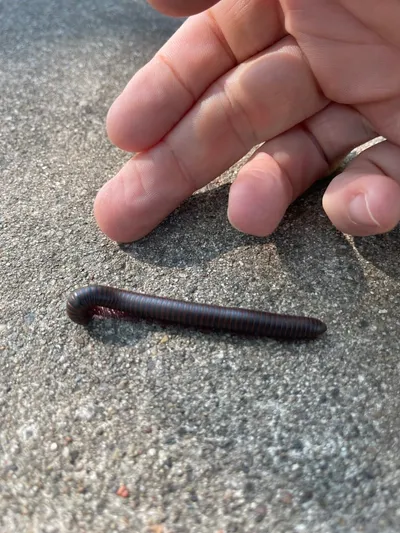
Garden millipedes are also called greenhouse millipedes. They are small, measuring about 12 to 23 millimeters long. This makes them much smaller than many other millipede types found in North America. Their bodies are dark brown to black with pale or tan markings along each segment. These markings give them a banded look that helps tell them apart from other millipedes.
The body is somewhat flat compared to the round shape of larger millipedes. Each body segment has two pairs of legs. The first few segments behind the head have only one pair each. Garden millipedes have short antennae. When scared, they may curl up partly but do not form the tight spiral shape that other millipedes do.
Common Species in North America
The garden millipede (Oxidus gracilis) came from East Asia. It now lives across North America due to its spread through greenhouses, nurseries, and mulched yards. It is one of the most common millipede types found around homes and businesses.
Other similar species that may be confused with garden millipedes include:
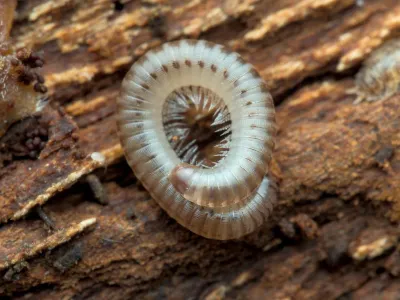
- Flat-backed millipedes (Polydesmus species): Native millipedes with a similar body shape but lighter coloring
- Young greenhouse millipedes: Baby millipedes may look lighter in color and smaller
Garden Millipede Behavior and Biology
Habitat Preferences
Garden millipedes need high moisture and lots of organic matter to thrive. You can find them in mulch beds, under rocks and logs, in compost piles, and in leaf litter. They got their common name from their habit of living in the moist, protected areas of greenhouses and plant nurseries.
Around homes, garden millipedes gather where moisture builds up. Heavy mulch in flower beds, foundation plants, areas under AC units, and spots where downspouts drain all create good spots for them. They stay hidden during the day and come out at night to feed and move around. A related species, North American Millipedes, shares similar characteristics.
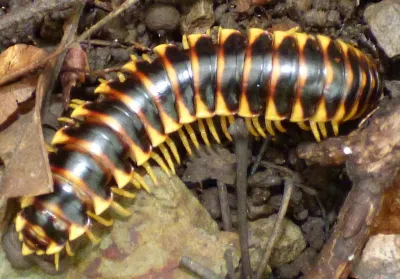
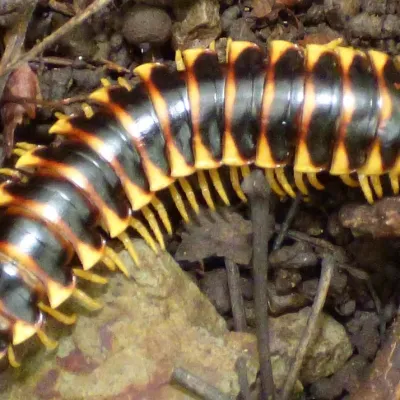
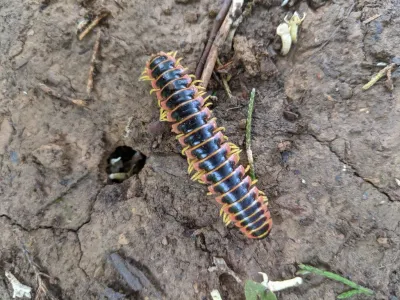
Diet and Feeding Habits A related species, Black and Gold Flat Millipede, shares similar characteristics.
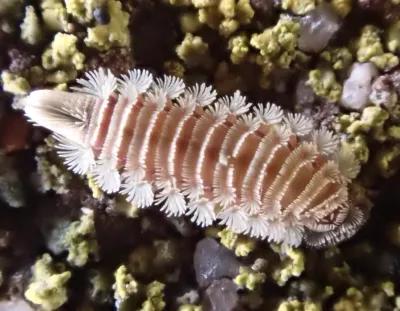
Garden millipedes feed mainly on decaying plant material. Their diet consists of dead leaves, rotting wood, fungi, and other organic debris. They break down organic matter in outdoor settings. A related species, Bristly Millipedes, shares similar characteristics.
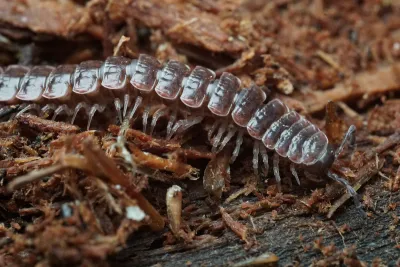
Garden millipedes do not usually feed on living plants. They may nibble on seedlings or soft plant roots when their numbers grow too high. However, this damage is rarely a big problem. A related species, Appalachian Mimic Millipedes, shares similar characteristics.
Reproduction and Lifecycle
Female garden millipedes lay groups of eggs in moist soil or in decaying matter. One female can produce 200 to 300 eggs in her lifetime. The eggs hatch in several weeks. The young millipedes start with just a few body segments and leg pairs.
Garden millipedes molt many times as they grow. With each molt, they add more body segments and legs. They can live two to seven years. When conditions are right, they can reproduce fast. This can lead to large numbers of millipedes in yards with lots of mulch and moisture.
Seasonal Activity Patterns
Garden millipede activity peaks in spring and fall when the weather is mild and wet. Heavy spring rains cause them to move in large groups as they try to escape flooded areas. In the fall, they migrate to find places to spend the winter.
During hot, dry summer weather, garden millipedes may move toward homes looking for moisture. Air-conditioned buildings often provide cooler, damper areas around their foundations. This attracts wandering millipedes.
How We Treat for Garden Millipedes
Inspection and Identification
Our technicians start with a full inspection of your property. We look for signs of millipede activity and the conditions that support them. We check foundation edges, mulch beds, leaf piles, and possible entry points. Knowing where millipedes come from and how they get in helps us create the best treatment plan.
Treatment Application
-
Exterior Perimeter Treatment: We apply a lasting insecticide barrier around your home’s foundation. We focus on areas where millipedes are most active. This treatment stops millipedes before they enter.
-
Granular Applications: For heavy infestations or yards with lots of landscaping, we apply granular products to mulch beds and ground cover. These treatments target millipedes where they hide and reduce their numbers.
-
Interior Treatment: When millipedes have already gotten inside, we treat baseboards, entry points, and other areas where they are found. This kills existing millipedes and helps stop new ones from moving in.
Habitat Modification Recommendations
Keeping millipedes away for good means fixing the conditions that draw them in. We can help you with tips like:
- Keep mulch depth to 2-3 inches and at least 12 inches away from the foundation
- Fix drainage around the home to stop moisture from building up
- Seal cracks and gaps in the foundation, around doors, and near utility openings
- Clear leaf litter and debris from areas near the foundation
- Change outdoor lighting to reduce bugs that millipedes follow
Free Callbacks
Our tri-annual pest control service includes millipede management as part of perimeter protection. If millipedes return between scheduled treatments, we will come back at no extra cost to address the problem.
References
Other Millipedes
Explore other species in the millipedes family
Commonly Confused With
Garden Millipede are often mistaken for these similar pests
Where Garden Millipede Are Found
Hover over states to see their names. Green regions indicate where garden millipede have been reported.
Common Questions about Garden Millipede
Are garden millipedes harmful to humans?
+
No, garden millipedes do not bite or sting. However, they can release a defensive fluid that may cause mild skin irritation or staining if handled. This secretion has a slightly unpleasant odor but is not dangerous.
Why are garden millipedes invading my home?
+
Garden millipedes enter homes when outdoor conditions become unfavorable. Heavy rainfall, drought, or extreme temperatures drive them to seek shelter indoors. They typically enter through foundation cracks, gaps around doors, basement windows, and utility openings.
What attracts garden millipedes to my property?
+
These millipedes are attracted to moisture and decaying organic matter. Heavy mulch beds, leaf litter, compost piles, and areas with poor drainage create ideal habitats near your home's foundation.
How can I prevent garden millipedes from entering my home?
+
Remove leaf litter and reduce mulch depth near your foundation. Fix drainage issues and seal cracks around doors, windows, and the foundation. Keep gutters clean and direct downspouts away from the house. Reduce outdoor lighting that attracts insects millipedes feed on.
Will garden millipedes survive inside my home?
+
Garden millipedes require high moisture levels to survive. In the dry conditions of most homes, they typically die within a few days. However, basements, crawl spaces, and bathrooms may provide enough humidity for them to survive longer.
How long do garden millipedes live?
+
Garden millipedes can live for two to seven years under ideal conditions. They go through multiple molts throughout their lives, adding body segments and leg pairs with each molt until they reach maturity.
Do garden millipedes damage plants or structures?
+
Garden millipedes rarely damage healthy plants. They mostly feed on decaying organic matter. They do not cause structural damage to homes or furnishings.

With five years of hands-on experience in the pest control industry, George Schulz is a registered technician with the Virginia Pest Management Association and a proud third-generation professional in a family business that's been protecting homes for over 57 years. He manages and trains a team of service pros while also leading internal research efforts—recently spearheading a deep-dive review of thousands of documents on pest control materials to hand-pick the most kid and pet friendly, most effective solutions tailored specifically for homes in the DC metro area.