No-See-Ums Identification Guide
Ceratopogonidae (Family)
No-see-ums are tiny biting midges that can cause painful, itchy bites. These nearly invisible insects are most active at dawn and dusk near coastal areas and wetlands.
Taxonomy
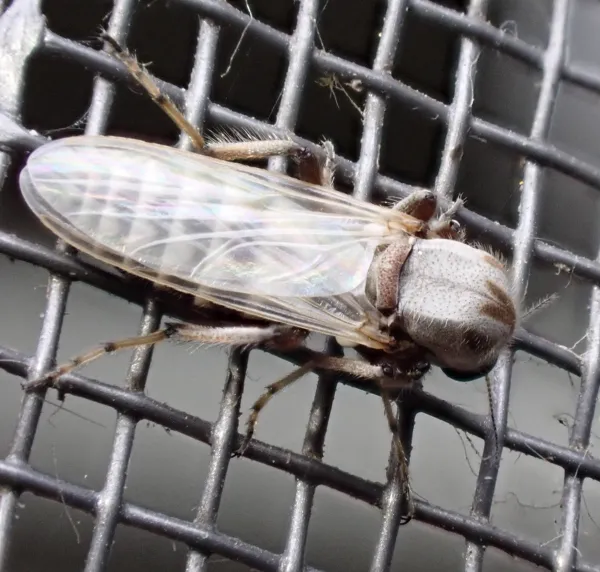
No-See-Ums Coloration
Common color patterns to help identify no-see-ums
No-See-Ums
Seasonal Activity
When no-see-ums are most active throughout the year

Where No-See-Ums Are Found
Hover over states to see their names. Green regions indicate where no-see-ums have been reported.
No-See-Um Identification Guide
Physical Characteristics
No-see-ums are among the smallest biting insects you will encounter. Adults measure just 1 to 3 millimeters long, about the size of a pinhead. Their tiny size makes them nearly impossible to see with the naked eye, which is how they got their common name.
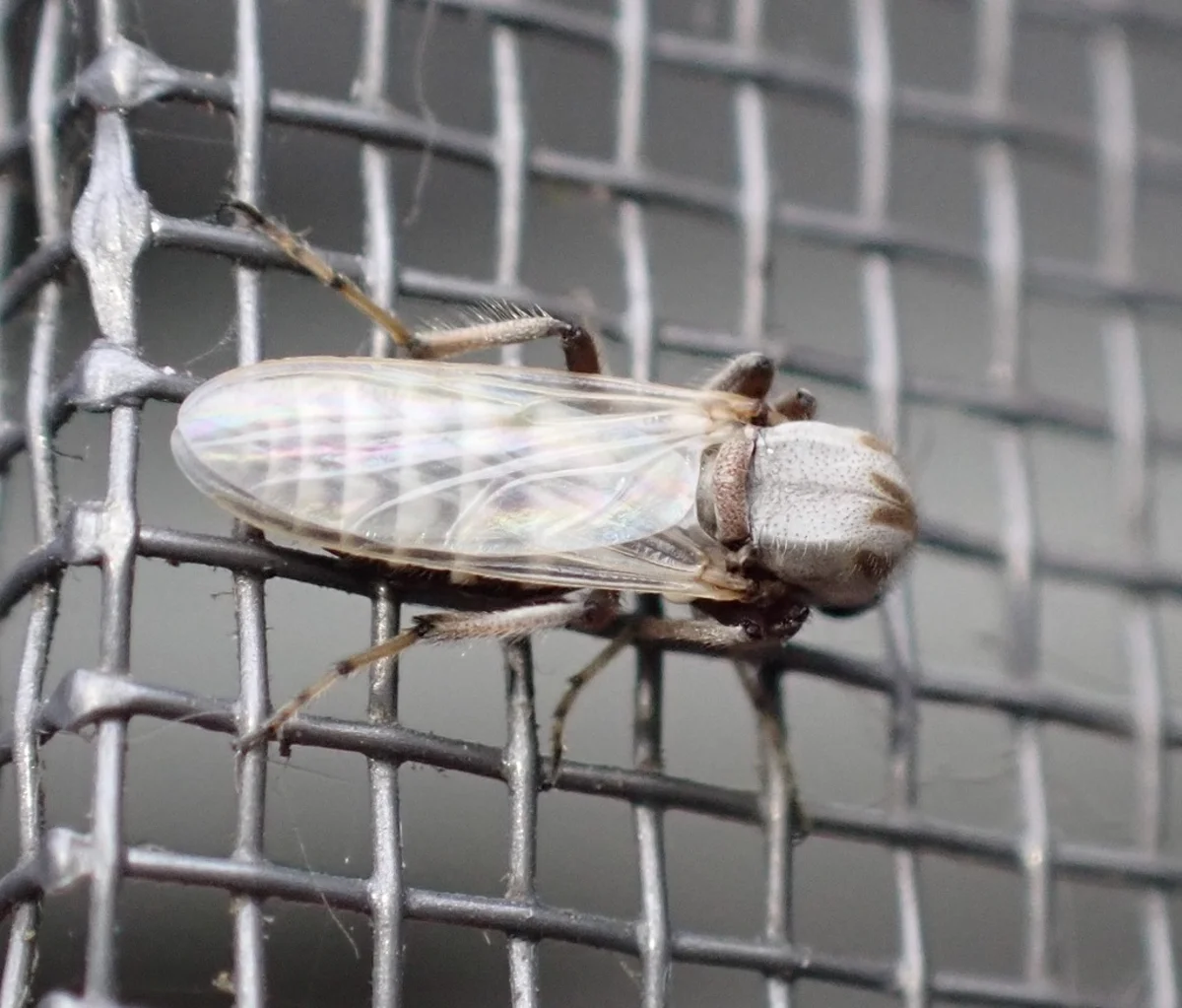
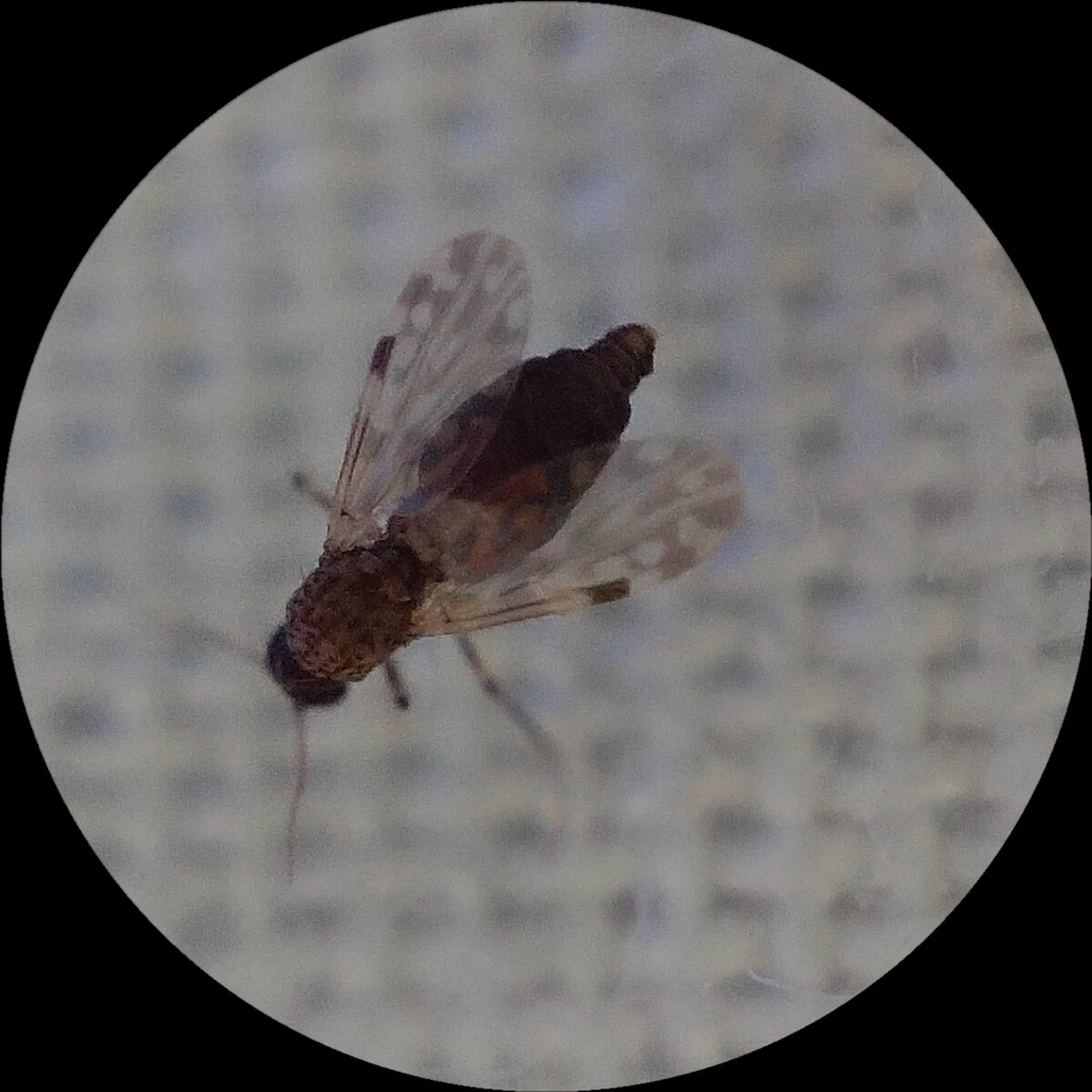
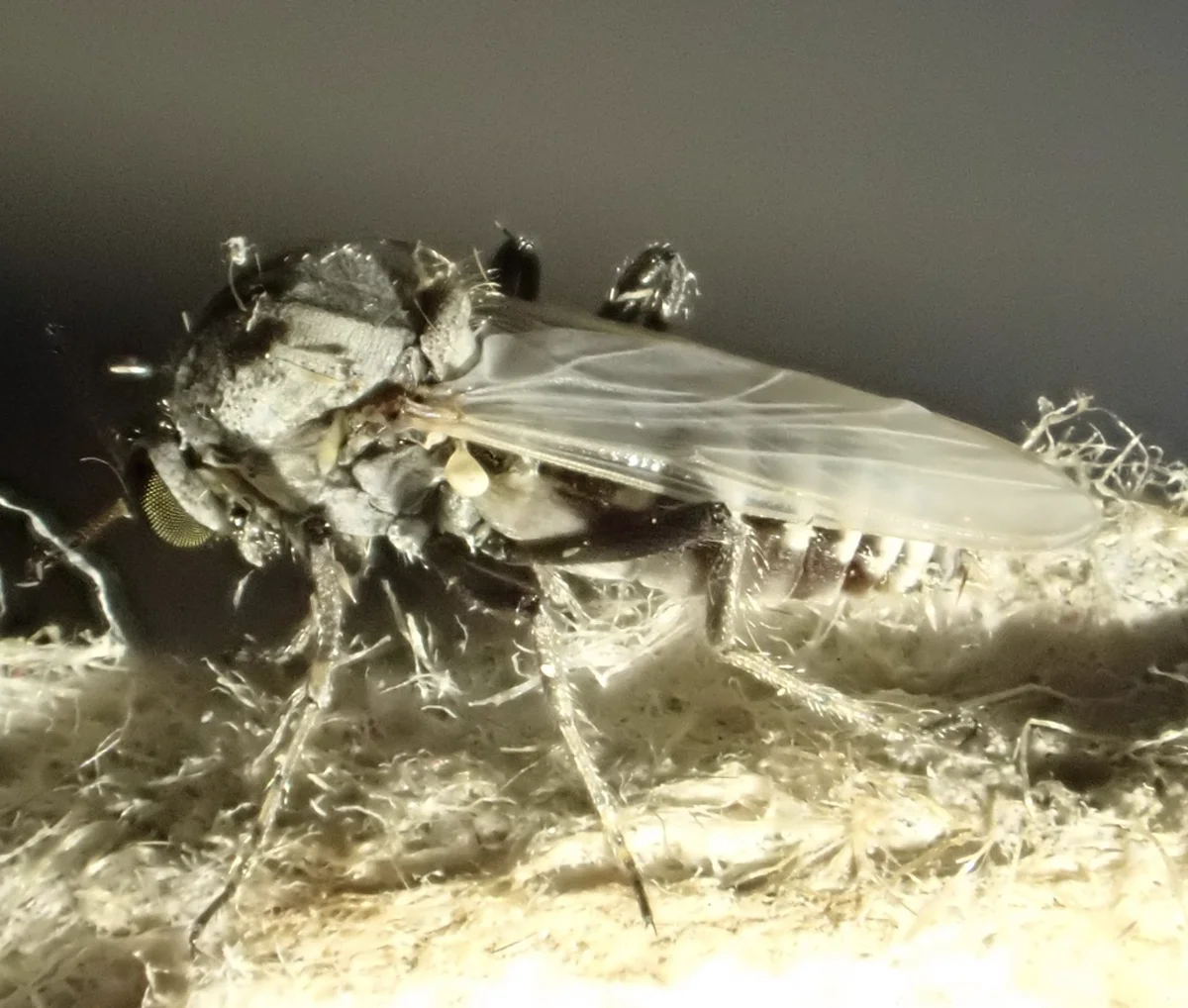
These insects have gray to brown bodies with one pair of wings. Their wings often have distinctive spotted or mottled patterns that entomologists use to identify different species. The wings are covered in fine hairs and are held flat over the body when at rest. Like all flies, they have six legs, large compound eyes, and short antennae.
No-see-ums look similar to mosquitoes but are much smaller. While mosquitoes typically measure 6 to 10 millimeters, no-see-ums rarely exceed 3 millimeters. Their small size allows them to slip through standard window screens that would stop larger biting insects.
The mouthparts of female no-see-ums are adapted for cutting skin and feeding on blood. Males have different mouthparts and feed only on nectar. Both sexes have a hunched appearance similar to their relatives, the black flies and gnats.
Common Species
The genus Culicoides contains most of the biting species found in North America. With over 1,000 species worldwide, about 150 occur in the United States and Canada.
-
Culicoides furens: The salt marsh no-see-um is common along the Atlantic and Gulf coasts. It breeds in tidal marshes and is a major pest in coastal communities from New Jersey to Texas.
-
Culicoides mississippiensis: Found throughout the southeastern United States, this species breeds in freshwater habitats and woodland pools.
-
Culicoides sonorensis: Important as a vector of bluetongue virus in livestock, this species breeds in muddy areas around cattle farms and agricultural operations.
-
Culicoides variipennis: Found across much of North America, this group includes several subspecies that breed in wet soil and manure-contaminated areas.
-
Leptoconops torrens: A western species that breeds in sandy desert soils and can be a significant pest in arid regions of California and the Southwest.
No-See-Um Behavior and Biology
No-see-ums go through complete metamorphosis with four life stages: egg, larva, pupa, and adult. In warm weather, they can complete their life cycle in two to six weeks. Cooler temperatures slow development considerably.
Female no-see-ums lay eggs in moist environments rich in organic matter. Salt marshes, mud flats, mangrove swamps, and wet agricultural soils are common breeding sites. A single female may lay 25 to 100 eggs at a time, depositing them on damp surfaces near the waterline.
Eggs hatch within two to seven days under favorable conditions. The larvae are small, white, and worm-like, measuring 2 to 5 millimeters long. They have no legs and move with a snake-like motion through wet soil or shallow water. Larvae feed on microorganisms, algae, and decaying organic matter for two to three weeks before pupating.
The pupal stage lasts only two to three days. Adults emerge and begin seeking mates almost immediately. Males form mating swarms near breeding sites, and females enter these swarms to mate. After mating, females seek a blood meal to develop their eggs.
Feeding Behavior
Only female no-see-ums bite. They need the protein in blood to produce eggs. Males feed exclusively on nectar and plant juices. Females also consume nectar between blood meals for energy. Learn more about this pest family in our Gnat guide.
When feeding, female no-see-ums use their mouthparts to slice the skin and create a small wound. They inject saliva containing anticoagulants that keep blood flowing. This saliva triggers the allergic reaction that causes intense itching. The feeding process takes only a few minutes, but the resulting welt can persist for days. For more information, read our guide on Can You See Termites? How to Identify an Infestation.
No-see-ums locate hosts using carbon dioxide, body heat, and chemical cues from sweat and breath. They are most active during calm conditions at dawn and dusk when humidity is highest. Bright sunlight and wind discourage their activity. Most species will not fly in wind speeds above 5 miles per hour.
Habitat Preferences
No-see-ums thrive in humid environments near water. Coastal areas with salt marshes and mangrove forests support the largest populations. They also breed around freshwater sources including:
- Mud flats and marshy areas
- Pond and stream edges
- Agricultural land with wet, manure-rich soil
- Tree holes and rotting stumps that hold water
- Saturated lawn areas and poorly drained yards
Adult no-see-ums do not travel far from breeding sites. Most stay within a few hundred yards of where they emerged. However, wind can carry them longer distances, sometimes creating pest problems miles from the nearest breeding habitat.
Treatment Methods for No-See-Ums
Controlling no-see-ums presents challenges because of their small size and the large, often inaccessible breeding areas they require. Effective management typically combines personal protection with habitat modification.
Personal Protection
Preventing bites is often more practical than eliminating no-see-ums from an area:
-
Insect Repellents: Products containing DEET, picaridin, or oil of lemon eucalyptus provide protection. Apply repellent to exposed skin and clothing according to label directions. Higher concentrations of DEET offer longer-lasting protection.
-
Protective Clothing: Wear long sleeves, long pants, and closed shoes when outdoors during peak activity times. Light-colored clothing may be less attractive than dark colors. Treat clothing with permethrin for additional protection.
-
Timing Outdoor Activities: Avoid outdoor activities at dawn and dusk when no-see-ums are most active. Bright midday sun and windy conditions naturally reduce their numbers.
-
Fans: Because no-see-ums are weak fliers, fans create effective barriers. Use ceiling fans on porches or portable fans when sitting outdoors.
Physical Barriers
Standard window and door screens do not exclude no-see-ums. The mesh openings are simply too large for insects this small.
-
Fine-Mesh Screening: Install screening with at least 20 to 25 holes per inch. Some specialty screens have even finer mesh designed specifically for no-see-ums. These screens reduce airflow somewhat but provide excellent protection.
-
Screen Enclosures: Screened porches and patios with fine mesh allow outdoor enjoyment without bites. Ensure all gaps and openings are sealed.
-
Bed Nets: In areas with severe no-see-um problems, fine mesh bed nets provide protection while sleeping with windows open.
Habitat Modification
Reducing breeding habitat near your property can lower local no-see-um populations:
-
Drainage Improvement: Eliminate standing water and poorly drained areas. Fill low spots in the lawn and ensure gutters drain properly away from the foundation.
-
Vegetation Management: Keep grass short and remove dense vegetation near outdoor living areas. This reduces humidity at ground level where no-see-ums rest during the day.
-
Organic Matter Removal: Clean up leaf litter, decaying vegetation, and other organic debris that holds moisture and provides larval habitat.
Chemical Control Considerations
Large-scale control of no-see-ums is difficult and often impractical for individual homeowners. Breeding sites may cover extensive areas of wetland that cannot be treated without environmental impact. Some municipalities in coastal areas conduct larvicide applications in salt marshes using products containing Bacillus thuringiensis israelensis (Bti), which targets fly larvae without harming other organisms.
For properties adjacent to breeding habitat, barrier treatments applied to vegetation can provide temporary relief. Pyrethroid insecticides applied to areas where no-see-ums rest during the day may reduce numbers for one to three weeks. However, continuous reinvasion from nearby breeding sites limits long-term effectiveness.
Health Concerns
No-see-um bites cause immediate pain followed by intense itching that may persist for days. Individual reactions vary widely. Some people develop small red bumps, while others experience large, swollen welts. Repeated exposure can lead to increased sensitivity in some individuals but decreased reaction in others.
In the United States, no-see-ums are primarily a nuisance pest and do not transmit diseases to humans. However, Culicoides species are important vectors of animal diseases. Bluetongue virus and epizootic hemorrhagic disease affect cattle, sheep, and deer. These diseases cause significant economic losses in livestock and wildlife populations.
In tropical regions of Central and South America, Africa, and the Caribbean, some Culicoides species transmit the Oropouche virus and various filarial parasites to humans. Travelers to these regions should take precautions against bites.
Secondary infections can develop if bites are scratched excessively. Keep bites clean and avoid scratching. Seek medical attention if you notice signs of infection such as increasing redness, warmth, swelling, or pus.
This information is for educational purposes only. Consult a healthcare provider for medical advice about bites or allergic reactions.
Related Resources
No-see-ums are one of several small biting and non-biting gnat species. These guides cover related pests:
- Gnats Identification Guide — Overview of all common gnat types and how to control them.
- Eye Gnats — Another small non-biting gnat that targets the face and eyes.
- Gnat vs Mosquito — How to tell whether biting pests in your yard are gnats or mosquitoes.
References
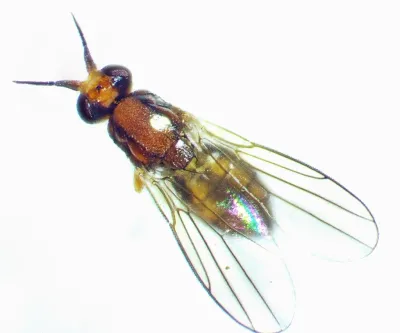
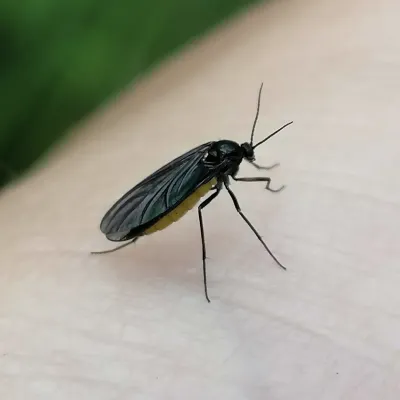
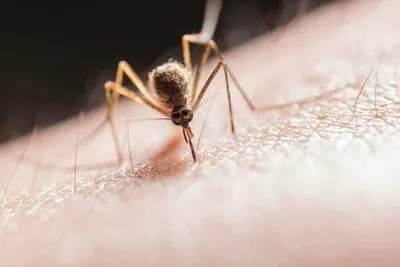
Commonly Confused With
No-See-Ums are often mistaken for these similar pests
Where No-See-Ums Are Found
Hover over states to see their names. Green regions indicate where no-see-ums have been reported.
Common Questions about No-See-Ums
What are no-see-ums and why are they called that?
+
No-see-ums are tiny biting midges in the family Ceratopogonidae. They get their name because they are so small, usually 1 to 3 millimeters long, that they are nearly invisible. Other common names include punkies, sand flies, biting gnats, and midges. Despite their tiny size, their bites can cause intense itching and discomfort.
Do no-see-um bites spread disease?
+
In the United States, no-see-ums are not known to spread diseases to humans. However, they can transmit diseases to livestock, including bluetongue virus in cattle and sheep. In tropical regions outside North America, some species can spread parasites and viruses to humans.
Why do no-see-um bites itch so much?
+
No-see-um bites are painful and itchy because the insects cut into skin and inject saliva containing proteins that prevent blood from clotting. Your body produces histamines in response to these proteins, causing the intense itching, redness, and swelling that can last for days.
When are no-see-ums most active?
+
No-see-ums are most active during dawn and dusk when humidity is higher and winds are calm. They prefer cloudy, warm days and are rarely seen during bright, windy weather. Peak activity occurs from late spring through early fall in most regions.
How can I keep no-see-ums out of my house?
+
Standard window screens do not stop no-see-ums because they can fit through regular 16-mesh screening. Install fine-mesh screens with at least 20 to 25 holes per inch. Ceiling fans and portable fans also help since these weak fliers cannot navigate moving air.
What attracts no-see-ums to people?
+
No-see-ums are attracted to carbon dioxide from breathing, body heat, moisture, and chemicals in sweat. Dark clothing and perfumes or lotions can also draw them in. Only female no-see-ums bite because they need protein from blood to produce eggs.
How do I treat no-see-um bites?
+
Clean bites with soap and water, then apply a cold compress to reduce swelling. Over-the-counter antihistamines and hydrocortisone cream can help with itching. Avoid scratching, as this can lead to infection. See a doctor if you develop signs of infection or severe allergic reaction.
Where do no-see-ums breed?
+
No-see-ums breed in moist areas with rich organic matter. Common breeding sites include salt marshes, muddy shores, mangrove swamps, and areas near ponds and streams. They also breed in wet soil around agricultural operations. Removing standing water and wet organic debris near your property can help reduce local populations.

With five years of hands-on experience in the pest control industry, George Schulz is a registered technician with the Virginia Pest Management Association and a proud third-generation professional in a family business that's been protecting homes for over 57 years. He manages and trains a team of service pros while also leading internal research efforts—recently spearheading a deep-dive review of thousands of documents on pest control materials to hand-pick the most kid and pet friendly, most effective solutions tailored specifically for homes in the DC metro area.