Eye Gnats Identification Guide
Liohippelates spp.
Eye gnats are tiny flies attracted to moisture around eyes, noses, and mouths. These non-biting pests are a major nuisance in warm regions with sandy soils and can transmit bacterial conjunctivitis.
Taxonomy
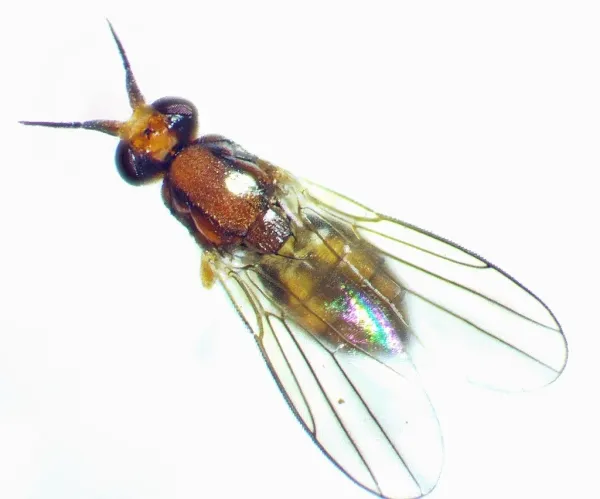
Eye Gnats Coloration
Common color patterns to help identify eye gnats
Eye Gnats
Seasonal Activity
When eye gnats are most active throughout the year
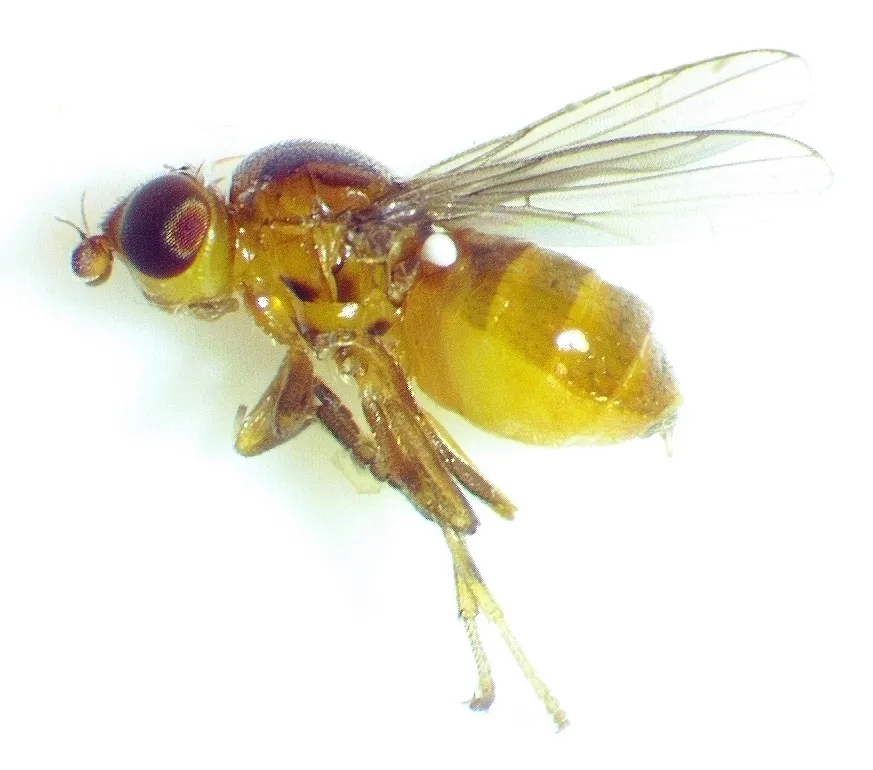
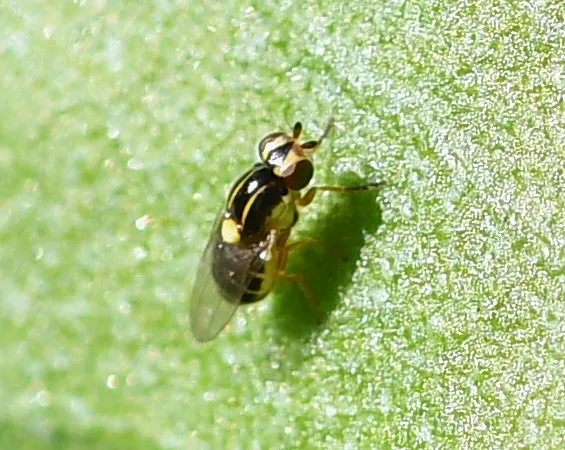
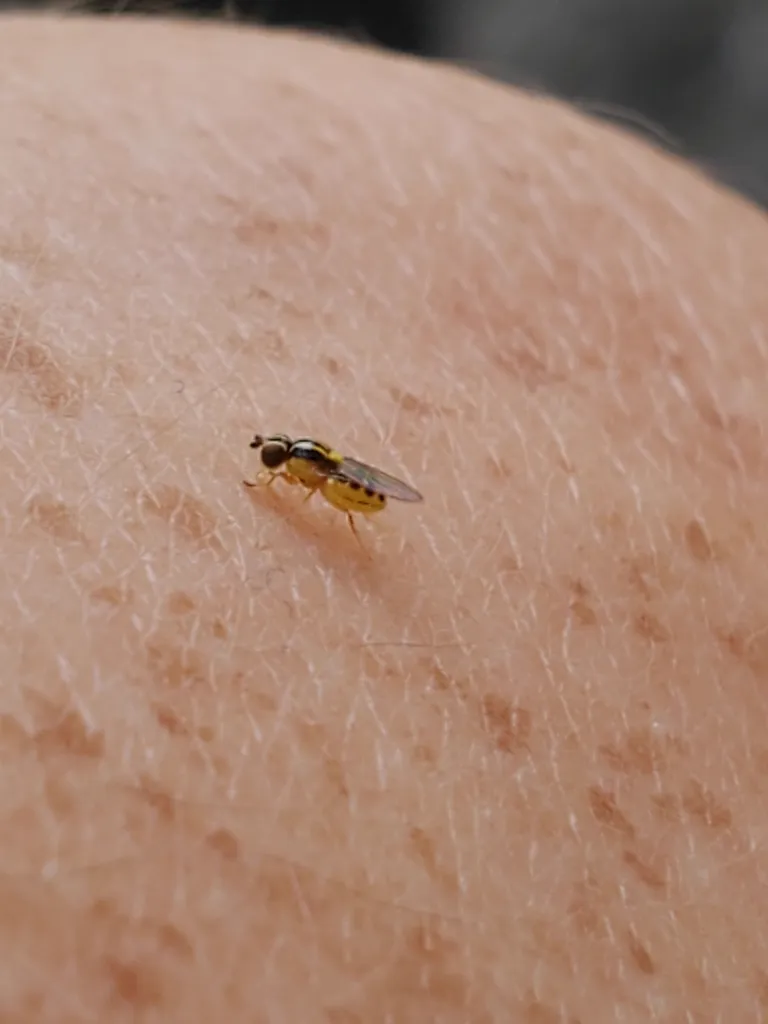

Where Eye Gnats Are Found
Hover over states to see their names. Green regions indicate where eye gnats have been reported.
Eye Gnat Identification Guide
Physical Characteristics
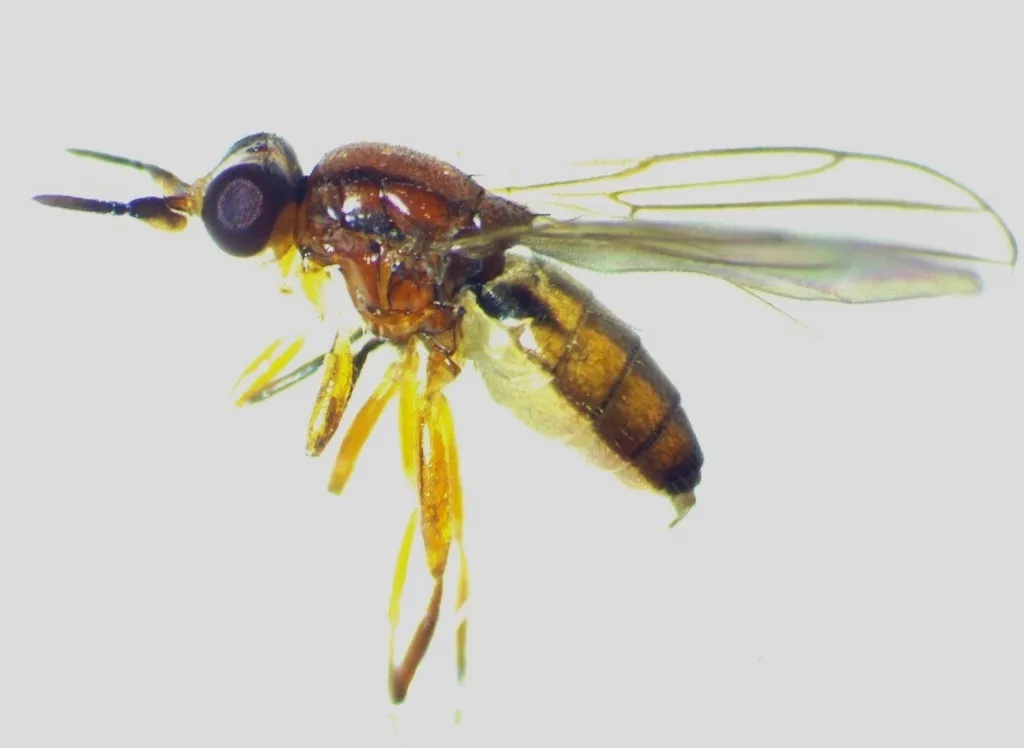
Eye gnats are some of the smallest flies you will find. Adults are only 1.5 to 2.5 millimeters long. That is about the size of a pinhead. Even though they are tiny, they are hard to ignore when they keep flying around your face. They belong to the broader gnat family but have very different habits from indoor species like fungus gnats.
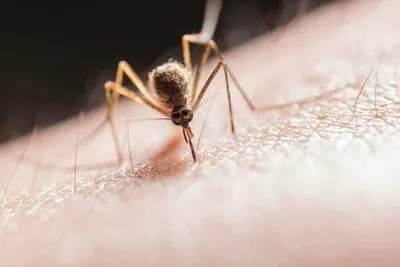
These bugs have shiny black or gray bodies. Their legs are yellow to orange-brown. Their wings are clear with no spots or patterns. Eye gnats have fewer wing veins than most other gnats. This gives their wings a simpler look.
One key feature is the spur on their back legs. This curved spike helps females scrape skin to get body fluids. The spur sticks out past the end of the leg.
Eye gnats have large eyes for their body size. Their mouths are made for soaking up liquids, not biting. When they feed, they dab at moisture to soak up what they need.
Common Species
Two species cause most eye gnat problems in North America. Liohippelates pusio is most common in the Southeast. You find it in sandy areas from South Carolina to Florida. Liohippelates collusor is the main pest in southern California and the Southwest.
Both species belong to a family called frit flies or grass flies. Over 270 species exist in North and South America. Only a few types bother people often.
A related group called Hippelates also includes pest species. These gnats look and act like Liohippelates species. You need a microscope to tell them apart.
Eye Gnat Behavior and Biology
Eye gnats have four life stages: egg, larva, pupa, and adult. The full cycle takes about 28 days in good conditions. It can take longer when it is cool or dry.
Female eye gnats need protein to make eggs. They get this protein by feeding on fluids from eyes, noses, and mouths. They feed on people and animals. Sweat, oils, pus, and blood from wounds all give them what they need. Males do not feed on body fluids. You rarely see male eye gnats.
Females lay eggs in moist sandy soil with lots of rotting plant matter. Farm fields where crop scraps have been mixed into the soil are perfect spots. The eggs hatch in a few days. Larvae grow in the top few inches of soil.
Larvae eat rotting plant matter in the soil for about two weeks. Then they form pupae. After about a week, adult gnats come out. Numbers can grow fast when soil is moist and full of organic matter.
Habitat and Distribution
Eye gnats do best in warm, dry areas with sandy soil. The Southeast has large numbers of them. The “Gnat Zone” runs from North Carolina through South Carolina, Georgia, and into Florida. This area has sandy coastal soils that eye gnats love.
Southern California’s Coachella Valley has had bad eye gnat problems for years. Farming on sandy desert soils creates perfect breeding spots. Any work that stirs up soil and adds plant waste helps eye gnats breed. Learn more about this pest family in our Gnat guide.
Eye gnats are weak fliers. But wind can carry them for miles. They spread from farms into nearby towns, schools, parks, and golf courses. For more information, read our guide on Fungus Gnats vs Fruit Flies and Drain Flies: Know the Difference.
Eye gnats are most active when it is 70 to 90 degrees. They slow down below 70 degrees. In warm areas, they may be around all year. But numbers are highest in summer.
Health Concerns
Eye gnats are more than just annoying. They can spread germs from one person or animal to another. Studies show they play a role in spreading several diseases.
Pink eye (bacterial conjunctivitis) happens more often during eye gnat outbreaks. The gnats pick up bacteria from sick people. Then they spread it to healthy people as they feed. Several types of bacteria that cause eye infections spread this way.
In tropical areas outside the United States, eye gnats spread the germ that causes yaws. This is a long-term skin disease. Gnats carry it from open sores to new hosts.
Eye gnats may also spread diseases among farm animals. They feed on fluid from wounds and move from animal to animal. This makes it easy to transfer germs.
Note: This information is for educational purposes only. Always consult a doctor for medical advice about any health concerns.
Treatment Methods for Eye Gnats
Controlling eye gnats is hard. They often breed far from where they bother people. Killing adults helps for a short time but does not fix the real problem.
Source Reduction
The best long-term fix is to stop larvae from growing. Drying out soil kills the conditions larvae need. On farms, changing how and when you water can cut eye gnat numbers.
How you handle plant waste matters too. Burying crop scraps deep in soil instead of near the top gives females fewer places to lay eggs. Keeping soil firm and undisturbed also helps.
But getting rid of breeding sites is often not realistic. Farms need to till soil, water crops, and use organic matter. Livestock areas always have manure and moisture. Often the goal shifts to keeping gnats away from people.
Physical Protection
Physical barriers give the best personal protection from eye gnats. Fine mesh screens on windows and doors keep gnats out of buildings. Screened porches let you enjoy the outdoors while staying protected.
Fly masks and sheets help protect farm animals. These fine mesh covers keep gnats away from eyes and other sensitive areas. People can wear head nets when working or playing in areas with lots of gnats.
Repellents
Bug sprays give short-term protection outdoors. Products with DEET work well against eye gnats. Sprays with picaridin also help. Put repellent on bare skin and reapply as the label says.
Repellents hide the body scents that draw eye gnats. They do not kill the bugs. They just make you a less tempting target. Protection usually lasts a few hours.
Trapping Programs
Mass trapping has cut eye gnat numbers in some areas. The Coachella Valley uses thousands of traps with special baits. These traps catch adult gnats in farm areas.
Trapping works best when a whole area works together. One homeowner with a trap may catch some gnats. But you cannot make a big dent in numbers that come from breeding sites miles away.
Chemical Control Challenges
Pesticides do not work well against eye gnats. Larvae live underground where sprays cannot reach them. Adult numbers bounce back fast because new gnats keep coming out of the soil.
Some eye gnat groups have become resistant to common pesticides. Treating huge farm areas is also hard to do. Spraying may help for a short time but does not last.
Community mosquito spraying may kill some eye gnats too. But numbers go back up as soon as the spray wears off and new adults emerge.
Prevention Tips
You cannot get rid of all eye gnats. But you can reduce how often you run into them:
- Stay inside during peak gnat hours in late morning and afternoon
- Use bug spray with DEET or picaridin when you go outside
- Wear head nets or hats with face netting in areas with lots of gnats
- Make sure windows and doors have fine mesh screens
- Turn off outdoor lights that may draw gnats at dusk
- Plan outdoor events for cooler times of day when gnats are less active
- Stay away from farm fields and sandy soils when you can
Related Resources
Eye gnats are just one member of the gnat family. If you are seeing small flies indoors, they may be a different species:
- Gnats Identification Guide — Overview of all common gnat types and how to control them.
- Gnat vs Mosquito — How to tell whether outdoor biters are gnats or mosquitoes.
- No-See-Ums — Another tiny biting gnat that is commonly found outdoors near water.
References
Commonly Confused With
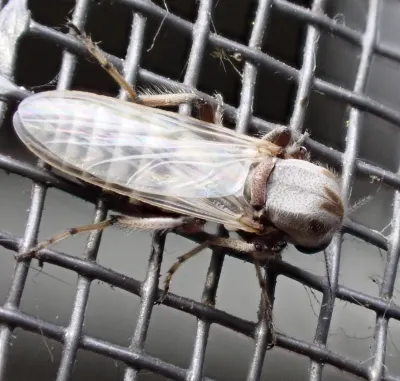
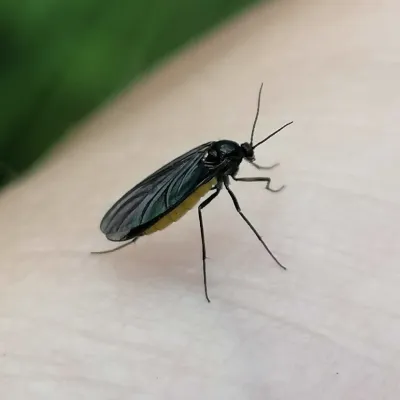
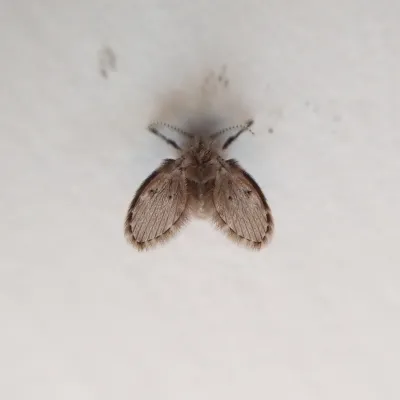
Eye Gnats are often mistaken for these similar pests
Where Eye Gnats Are Found
Hover over states to see their names. Green regions indicate where eye gnats have been reported.
Common Questions about Eye Gnats
Why are eye gnats attracted to my face?
+
Eye gnats are drawn to the moisture and proteins found in secretions around your eyes, nose, and mouth. They feed on sweat, tears, and mucus to obtain nutrients needed for egg production. Carbon dioxide from your breath and body heat also attract them.
Do eye gnats bite?
+
Eye gnats do not bite or break the skin. However, they have specialized mouthparts that act like tiny sponges to absorb body secretions. Female eye gnats have curved spurs on their hind legs that can scrape skin to increase the flow of secretions, which may cause mild irritation.
Can eye gnats spread disease?
+
Yes, eye gnats have been linked to the transmission of bacterial conjunctivitis (pink eye) and other eye infections. In tropical regions, they can spread the bacterium that causes yaws. Their habit of moving between people and animals while feeding on secretions allows them to transfer pathogens.
Where do eye gnats breed?
+
Eye gnats breed in moist, well-drained sandy soils rich in organic matter. Agricultural areas where crop residue is tilled into soil are ideal breeding sites. They are especially common in areas with loose, freshly disturbed soil and adequate moisture.
How do I keep eye gnats away from my face?
+
Insect repellents containing DEET or picaridin provide temporary protection. Wearing a hat with a fine mesh face net offers physical protection. Staying indoors during peak activity times and avoiding areas with loose, sandy soil can also help reduce encounters.
When are eye gnats most active?
+
Eye gnats are most active during warm weather when temperatures are between 70 and 90 degrees Fahrenheit. Activity decreases significantly below 70 degrees. They are daytime pests and are typically most bothersome from late morning through afternoon.
Why are eye gnats a problem in certain areas?
+
Eye gnats thrive in regions with sandy, well-drained soils and agricultural activity. The southeastern United States, southern California, and parts of the Southwest have particularly high populations. Agricultural practices that incorporate plant waste into soil create ideal breeding conditions.
How long do eye gnats live?
+
The entire life cycle of an eye gnat takes about 28 days on average. Adult gnats live one to two weeks. During this time, females actively seek protein sources from animal secretions to produce eggs. A single female can lay multiple batches of eggs.

With five years of hands-on experience in the pest control industry, George Schulz is a registered technician with the Virginia Pest Management Association and a proud third-generation professional in a family business that's been protecting homes for over 57 years. He manages and trains a team of service pros while also leading internal research efforts—recently spearheading a deep-dive review of thousands of documents on pest control materials to hand-pick the most kid and pet friendly, most effective solutions tailored specifically for homes in the DC metro area.