Spotted Lanternflies Identification Guide
Lycorma delicatula
The spotted lanternfly is an invasive planthopper from Asia that damages trees and crops, producing sticky honeydew that encourages mold growth.
Taxonomy
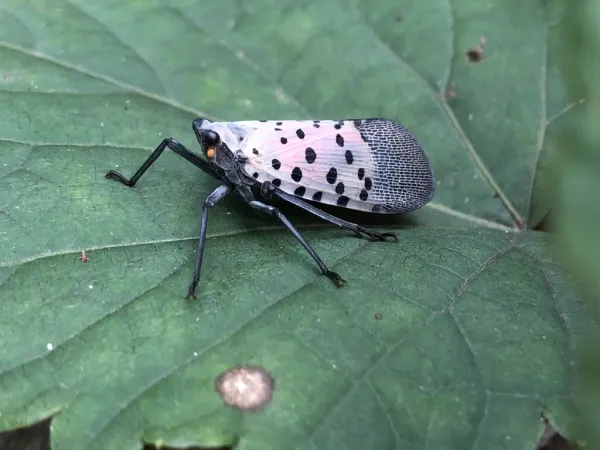
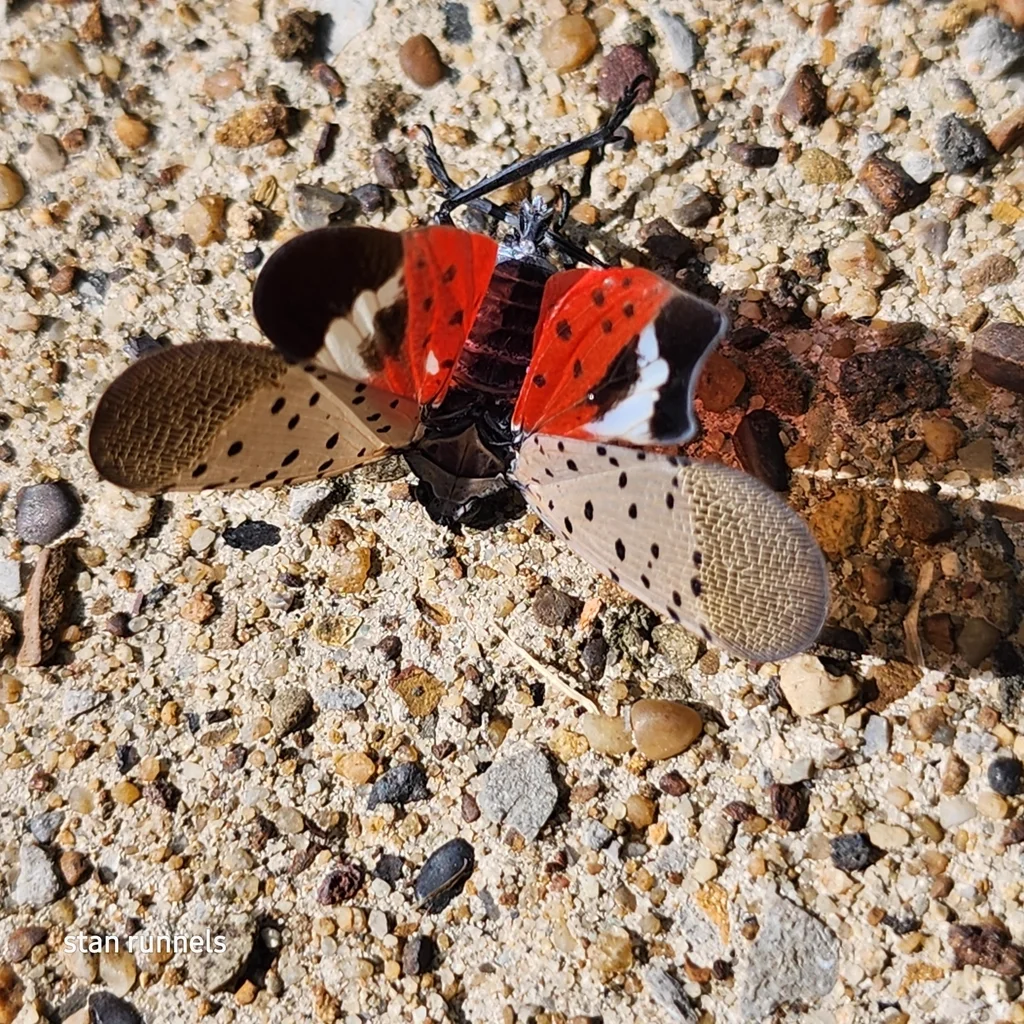
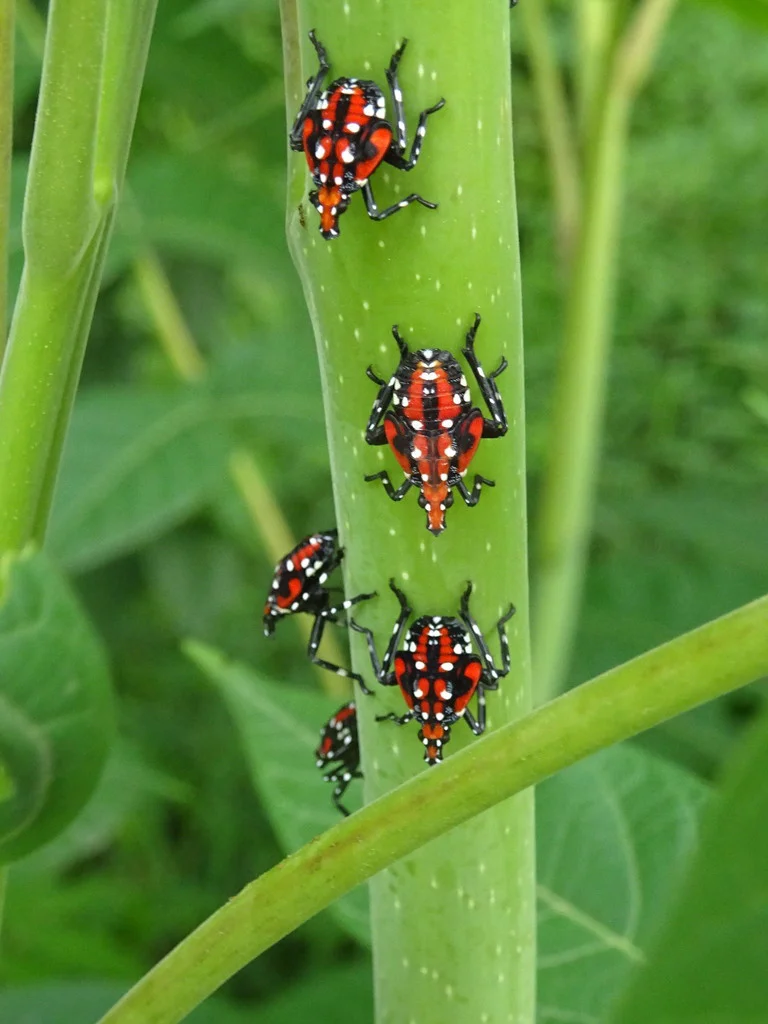
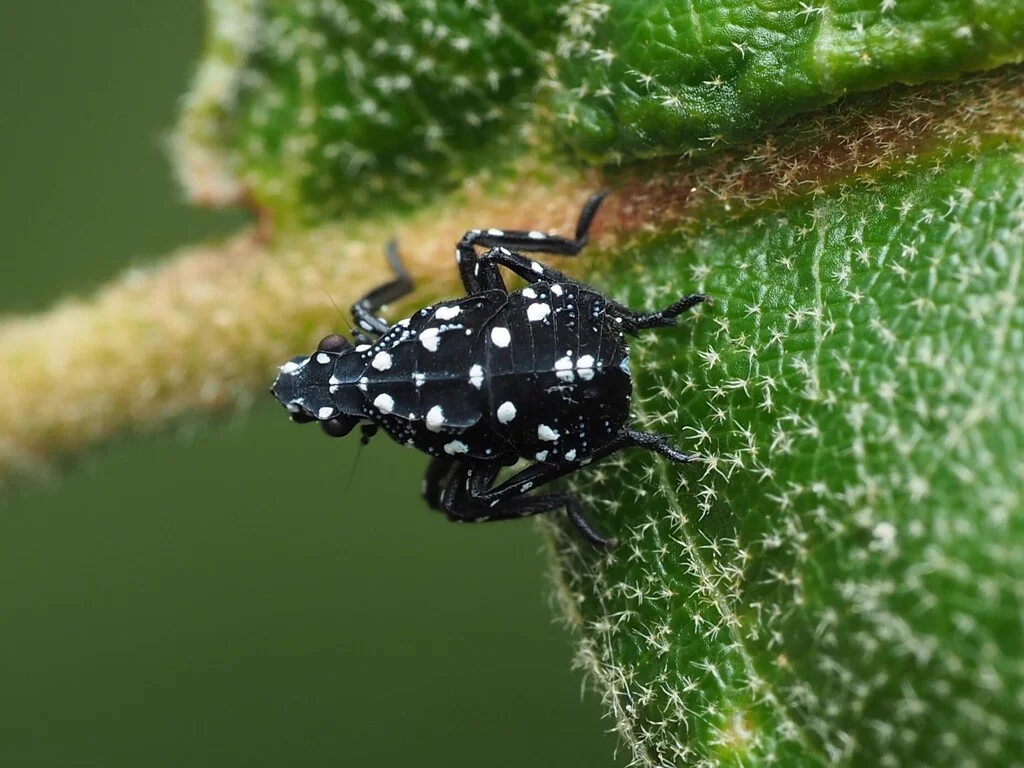
Spotted Lanternflies Coloration
Common color patterns to help identify spotted lanternflies
Spotted Lanternflies
Seasonal Activity
When spotted lanternflies are most active throughout the year

Where Spotted Lanternflies Are Found
Hover over states to see their names. Green regions indicate where spotted lanternflies have been reported.
Spotted Lanternfly Identification Guide
Physical Characteristics
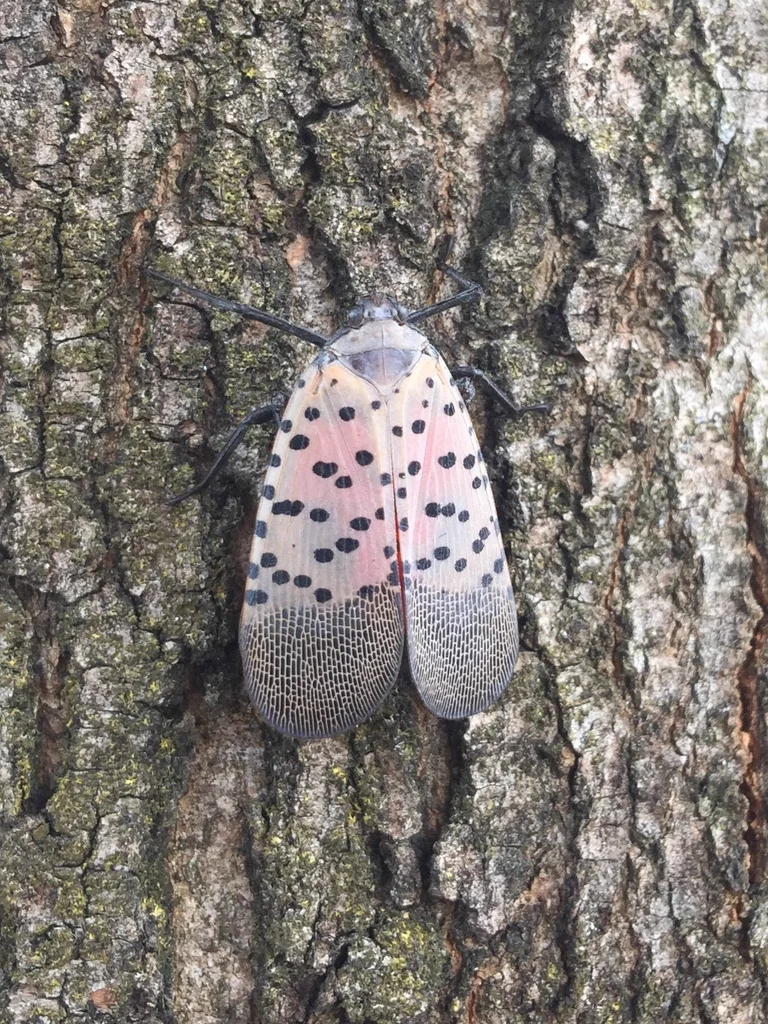
The spotted lanternfly (Lycorma delicatula) is a large planthopper about 1 inch long and one of the most destructive invasive garden pests in the eastern United States. Adults have gray-tan front wings covered in black spots. The spots form rows near the body, with dark bands at the wingtips. When these insects spread their wings, you can see bright red hind wings with black spots and white bands. They have black heads and black bodies.
You can tell females apart by red structures at the tip of the abdomen. Yellow bars of tissue may also show when the female is full of eggs.
Nymph Identification
Young spotted lanternflies (called nymphs) go through four growth stages. In the first three stages, nymphs are small (up to 6 mm), black with white spots. People sometimes mistake them for ticks. Unlike ticks, lanternfly nymphs can jump well. In the fourth stage, nymphs grow to about 13 mm. They turn red with white spots and black markings before becoming adults.
Egg Masses
From September through November, females lay eggs on almost any surface. You can find egg masses on tree bark, rocks, outdoor furniture, vehicles, and building walls. Each mass holds 30 to 50 eggs under a waxy coating that looks like mud. New egg masses are grayish-white. Over time, they turn brownish-gray. These hard-to-spot egg masses are the main way spotted lanternflies spread to new areas.
Spotted Lanternfly Behavior and Biology
Lifecycle
Spotted lanternflies have one generation per year. Eggs survive the winter and hatch in late April or early May. The black-and-white nymphs feed on soft plant tissue through spring and early summer. By July, fourth stage nymphs turn red and start feeding on woody plant parts. Adults appear in late July and mate in late August. Females start laying eggs in September. Adults stay active until the first hard frosts. Most die off by December.
Feeding Behavior
Spotted lanternflies have needle-like mouthparts. They pierce plants and suck out sap, similar to aphids and leafhoppers. They do not chew leaves or fruit. Their favorite host plant is tree of heaven (Ailanthus altissima), which is also an invasive species. However, they feed on more than 70 plant species. This includes crops like grapes, apples, hops, and stone fruits.
Feeding weakens plants, but honeydew causes even more damage. Honeydew is a sugary waste the insects leave behind. It coats leaves, stems, and surfaces below infested trees. This sticky substance promotes sooty mold growth, which blocks sunlight and hurts plants even more. Honeydew also attracts other insects and makes patios, decks, and furniture slippery. Other honeydew-producing pests like mealybugs, scale insects, and treehoppers cause similar problems on a smaller scale.
Host Plants
Tree of heaven is their top choice for breeding. But spotted lanternflies feed on many different plants:
- Trees: Maple, oak, walnut, willow, birch, cherry, and pine
- Crops: Grapevines, apple trees, peach trees, hops, and almonds
- Ornamentals: Rose of Sharon, Virginia creeper, and sumac
Treatment Methods for Spotted Lanternflies
Controlling spotted lanternflies works best when you combine several methods. These include physical removal, chemical treatments, and removing host plants.
Physical and Mechanical Controls
-
Egg Mass Removal: From fall through early spring, scrape egg masses into a container with rubbing alcohol or hand sanitizer. This kills the eggs before they hatch. Always check vehicles, trailers, and firewood before moving them to new areas.
-
Tree Banding: Wrap sticky bands or funnel traps around tree trunks to catch nymphs as they climb. Circle traps with collection bins work best. These catch lanternflies while reducing harm to other insects and small animals.
-
Tree of Heaven Removal: Removing tree of heaven plants can lower local lanternfly numbers. However, dying tree of heaven trees attract lanternflies. Pair removal with chemical treatments for best results.
Insecticide Options
Contact insecticides with pyrethroids, carbaryl, or bifenthrin kill spotted lanternflies when sprayed directly on them. These insects move around a lot, so you may need to reapply as more lanternflies arrive from untreated areas.
Systemic insecticides work differently. You apply them to soil or inject them into trees. The chemicals move through plant tissues and kill lanternflies when they feed. These products last longer and work well for protecting valuable landscape trees.
Options like neem oil and insecticidal soaps can also reduce populations. You will likely need to apply them several times for good control.
Biological Control Research
In China and Vietnam where they come from, parasitic wasps keep spotted lanternfly numbers in check. USDA researchers are studying two species that could help here: Anastatus orientalis attacks eggs, while Dryinus sinicus attacks nymphs. Some native insects like spined soldier bugs and praying mantises also eat spotted lanternflies and may help reduce populations.
Prevention and Monitoring
Stopping the spread of spotted lanternflies takes teamwork. Before leaving an infested area, check your vehicle, trailer, and gear for egg masses. Look at nursery plants and firewood before bringing them home. If you spot lanternflies in a new area, report them to your state agriculture department.
If you live in an infested region, watch your plants for signs of damage. Look for wilting, honeydew buildup, or black sooty mold on leaves. Finding problems early makes treatment easier and more effective. Like other fall bugs in the Mid-Atlantic, spotted lanternfly adults are most visible in late summer and fall as they congregate on trees and structures.
References
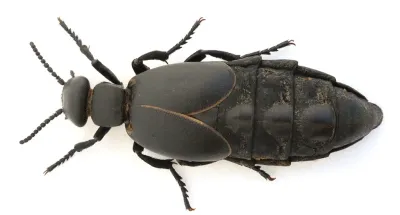
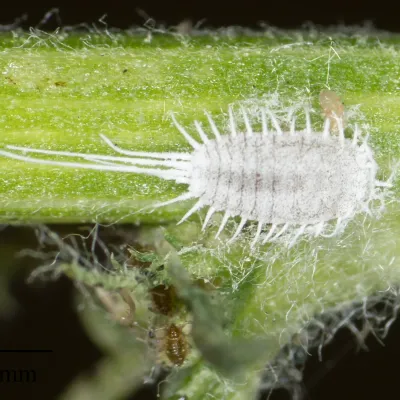
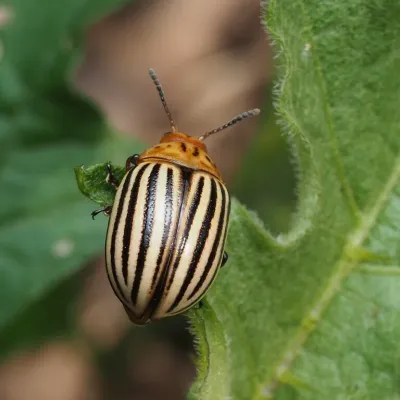
Other Garden Pests
Explore other species in the garden pests family
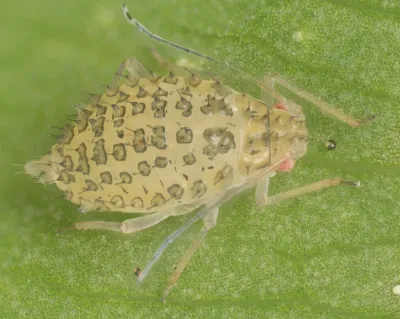
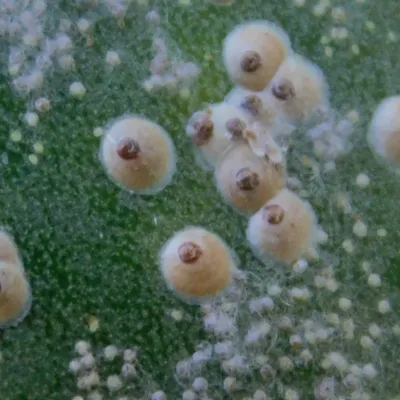
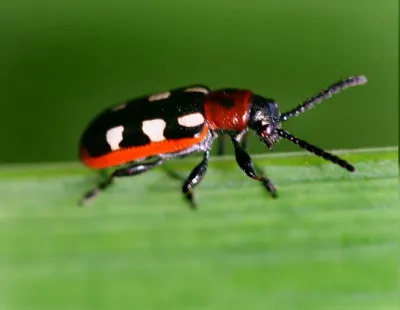
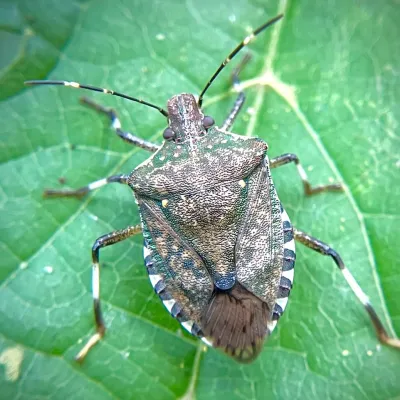
Commonly Confused With
Spotted Lanternflies are often mistaken for these similar pests
Where Spotted Lanternflies Are Found
Hover over states to see their names. Green regions indicate where spotted lanternflies have been reported.
Common Questions about Spotted Lanternflies
What does a spotted lanternfly look like?
+
Adults are about 1 inch long with gray-tan forewings covered in black spots. When they spread their wings, you can see bright red hindwings with black spots and white bands. Nymphs are black with white spots in early stages, turning red with white spots before becoming adults.
Are spotted lanternflies harmful to humans?
+
Spotted lanternflies do not bite, sting, or pose direct health risks to humans or pets. Their threat is primarily to plants, trees, and agricultural crops. They can be a nuisance when present in large numbers.
What plants do spotted lanternflies attack?
+
While their preferred host is tree of heaven (Ailanthus altissima), spotted lanternflies feed on over 70 plant species including grapevines, apple trees, maple trees, walnut trees, hops, and stone fruits. They cause damage by sucking sap and excreting honeydew.
What is the sticky substance spotted lanternflies leave behind?
+
Spotted lanternflies excrete a sugary waste called honeydew. This sticky substance coats plants, promotes sooty mold growth, attracts other insects like wasps and ants, and can create slippery surfaces on patios and sidewalks.
Should I kill spotted lanternflies if I see them?
+
Yes. The USDA and state agriculture departments encourage residents in infested areas to kill spotted lanternflies when possible and report sightings. This invasive species causes major damage to crops and trees across the eastern United States.
How do spotted lanternflies spread?
+
Spotted lanternflies are excellent hitchhikers. Females lay egg masses on vehicles, outdoor furniture, firewood, and other surfaces. These egg masses can travel long distances undetected before hatching, which is how this pest spreads to new areas.
When are spotted lanternflies most active?
+
Adults are most visible from July through December, with peak activity in late summer and fall. Nymphs emerge in late April or May and develop through the summer. Egg masses persist through winter and can be found year-round.

With five years of hands-on experience in the pest control industry, George Schulz is a registered technician with the Virginia Pest Management Association and a proud third-generation professional in a family business that's been protecting homes for over 57 years. He manages and trains a team of service pros while also leading internal research efforts—recently spearheading a deep-dive review of thousands of documents on pest control materials to hand-pick the most kid and pet friendly, most effective solutions tailored specifically for homes in the DC metro area.