Mealybugs Identification Guide
Pseudococcidae
Mealybugs are small, soft-bodied insects covered in white, waxy filaments that feed on plant sap. They are common pests of houseplants, greenhouses, and ornamental gardens, causing plant stress, honeydew secretion, and sooty mold growth.
Taxonomy
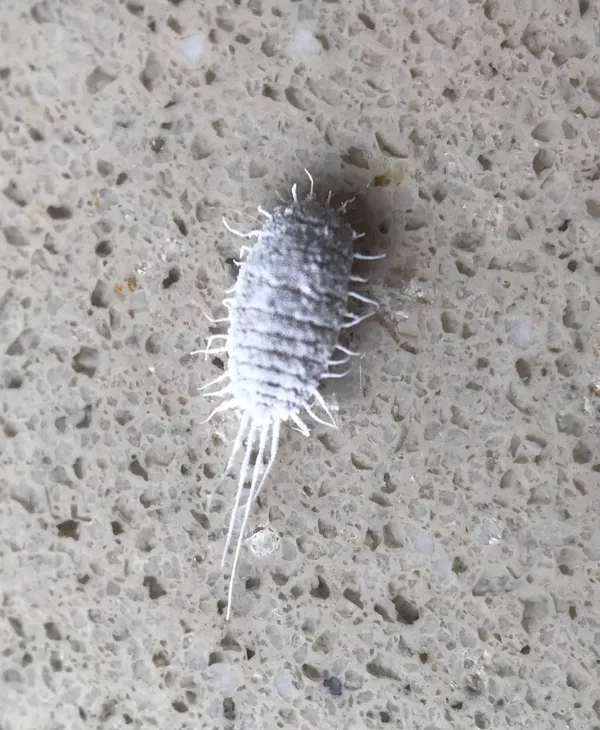
Mealybugs Coloration
Common color patterns to help identify mealybugs
Mealybugs
Seasonal Activity
When mealybugs are most active throughout the year

Where Mealybugs Are Found
Hover over states to see their names. Green regions indicate where mealybugs have been reported.
Mealybug Identification Guide
Physical Characteristics
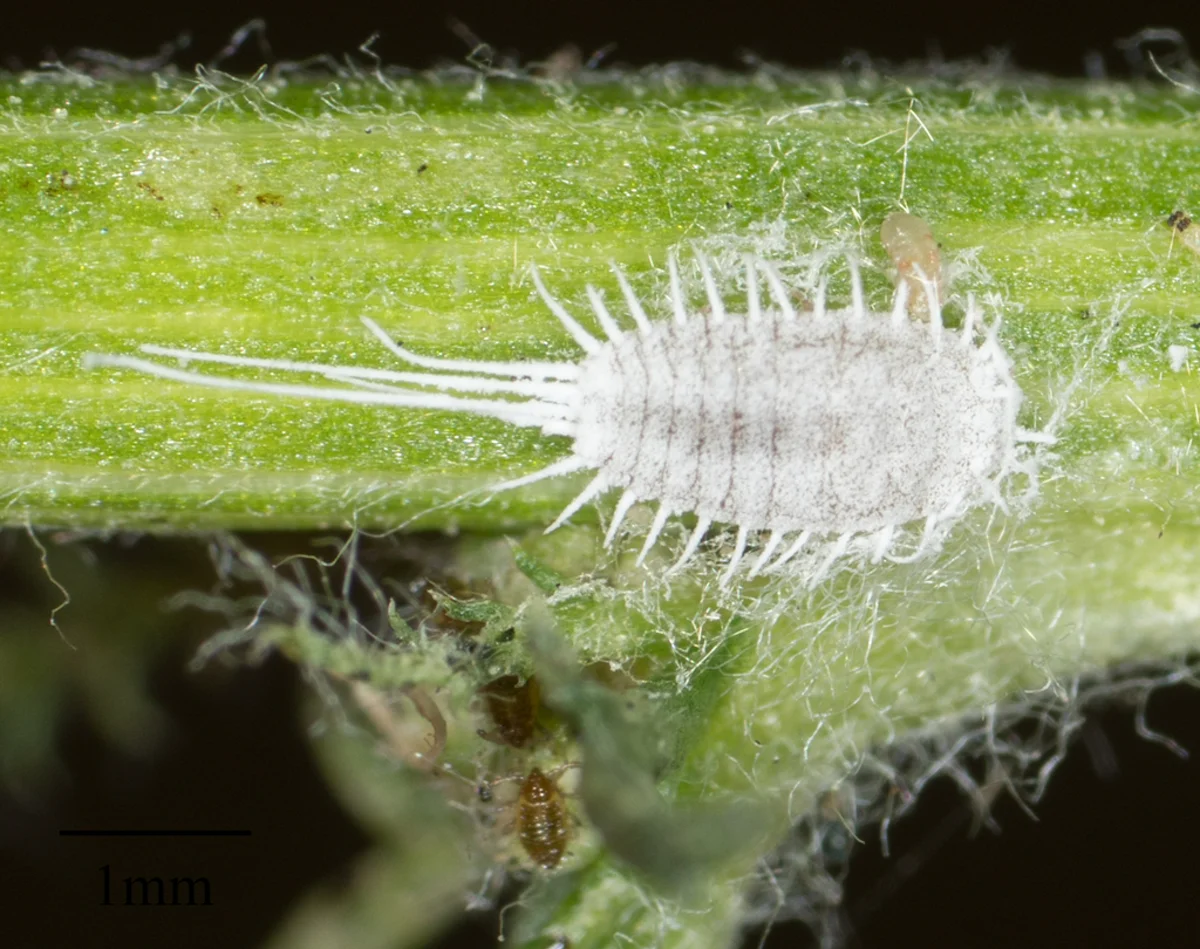
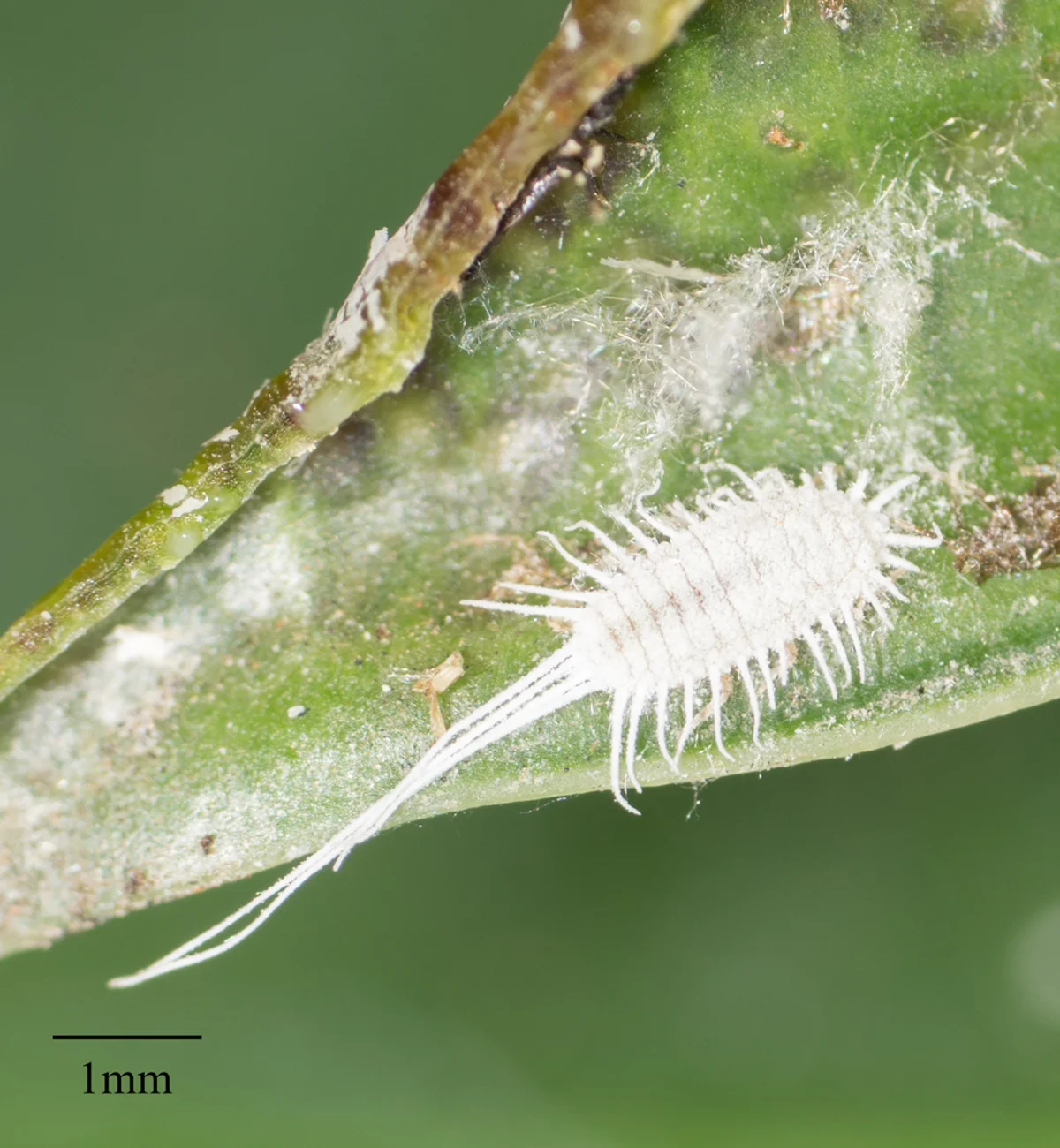
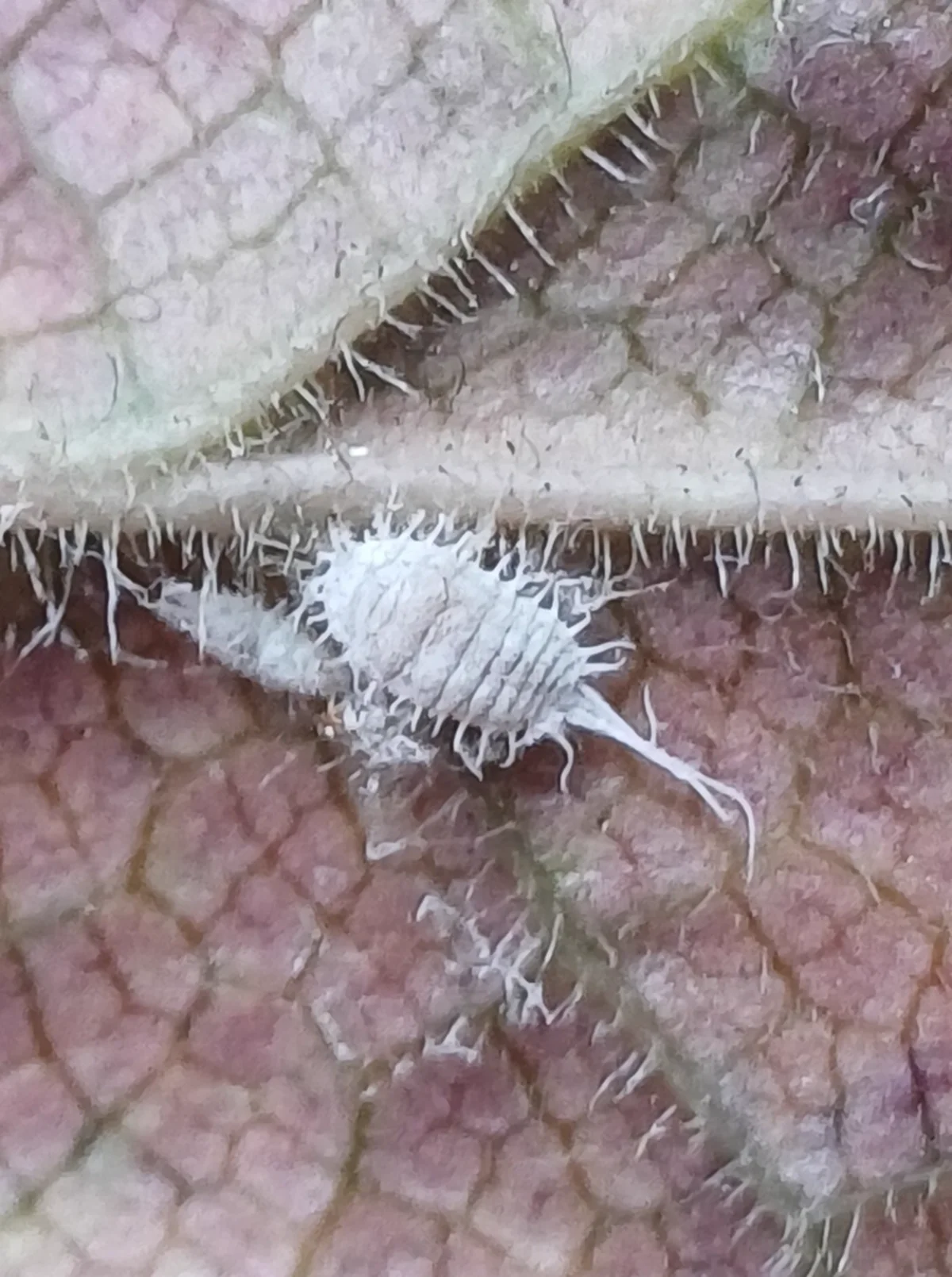
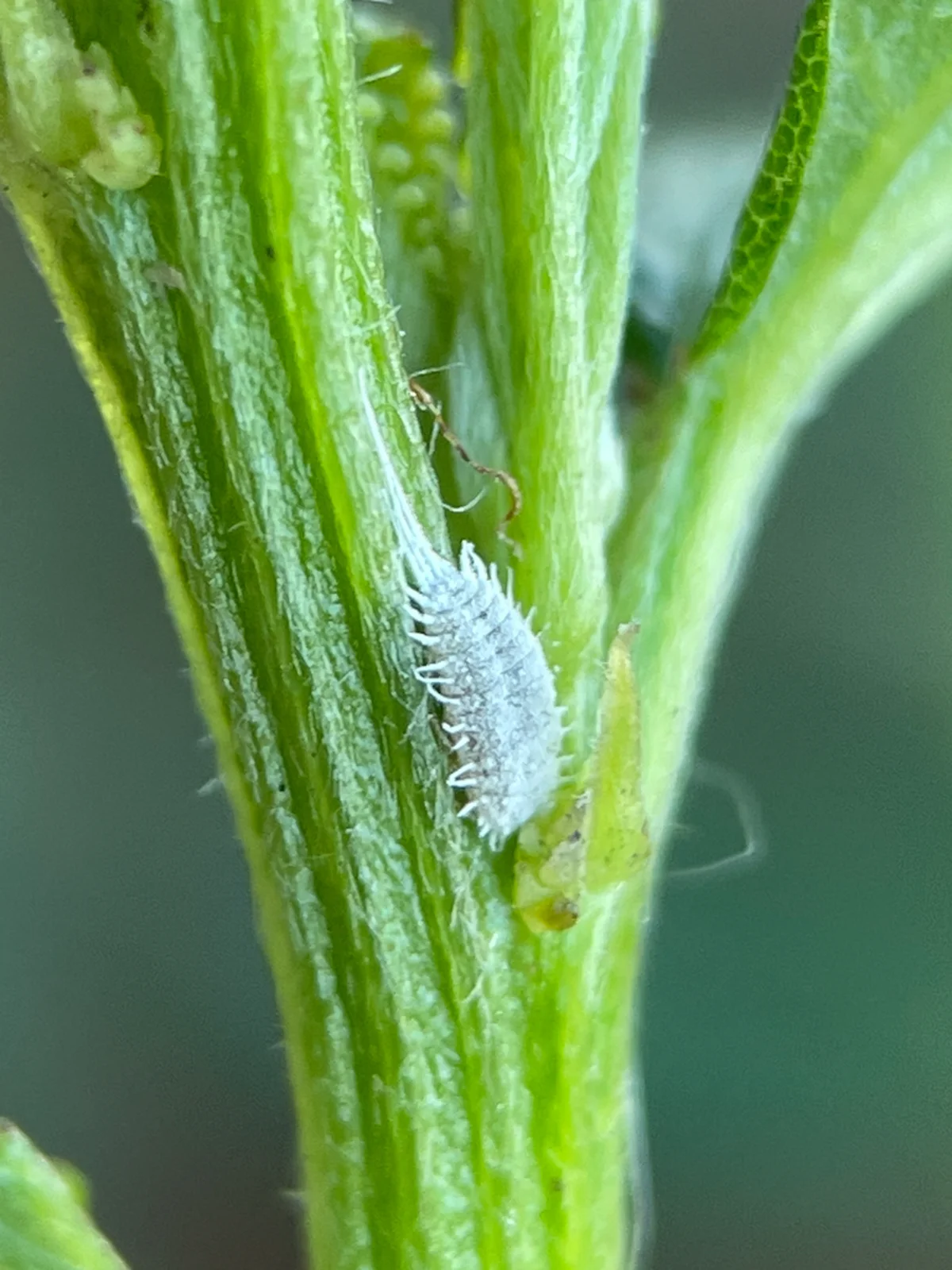
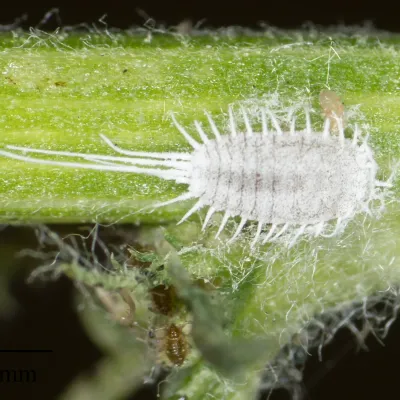
Mealybugs are small, soft insects covered in a white, powdery wax. This coating gives them a cottony look that makes them easy to spot. Adult females are about 1-5mm long, roughly the size of a sesame seed. Their oval bodies have segments, but the waxy coating often hides this feature. As common garden pests, mealybugs are closely related to scale insects and share many habits with aphids and whiteflies.
Most mealybugs have waxy threads around their body edges. Some types have longer tail threads that help tell them apart. The white wax protects them from threats. Under the wax, their bodies range from pale yellow to pink or reddish-brown.
Female mealybugs have no wings. They can move around but tend to stay in one place as they age. Males look very different. They are tiny, gnat-like bugs with wings. Males live only to mate and are rarely seen.
Common Species in North America
Several mealybug types are common plant pests in North America:
-
Citrus Mealybug (Planococcus citri): The most common type. It attacks citrus and other plants. Adults are about 3mm long with short waxy threads.
-
Longtailed Mealybug (Pseudococcus longispinus): Has tail threads as long as its body. This type gives birth to live young instead of laying eggs.
-
Grape Mealybug (Pseudococcus maritimus): Found mainly in vineyards. Can spread plant viruses to grapevines.
-
Obscure Mealybug (Pseudococcus viburni): Common on indoor plants and in greenhouses across North America.
-
Comstock Mealybug (Pseudococcus comstocki): Found on fruit trees and greenhouse plants in many states.
Mealybug Behavior and Biology
Life Cycle
Mealybugs have three life stages: egg, nymph, and adult. Most types lay eggs in cottony masses that hold 100-600 eggs. Some types, like the longtailed mealybug, give birth to live young.
Young mealybugs are called crawlers. They are the most active stage. Crawlers are tiny and yellow without the waxy coating. They move around to find good feeding spots. Once settled, they start feeding and grow their waxy cover. They go through two or three stages before becoming adults.
How fast they grow depends on temperature. In warm weather, it takes about one month. In cooler weather, it can take several months. Outdoors in cold areas, mealybugs have one or two generations per year. In greenhouses or indoors, they can breed all year with many generations.
Feeding and Damage
Mealybugs use their mouthparts to pierce plants and suck out sap. This feeding harms plants in several ways:
- Leaves turn yellow and wilt
- Plant growth slows down
- Leaves drop off
- New growth looks twisted or warped
When mealybugs feed, they give off honeydew. This is a sticky, sweet liquid that coats plant leaves. Black sooty mold grows on this honeydew. The mold blocks light and hurts the plant even more. Ants love honeydew. They will guard mealybug colonies to get it. This ant-tending behavior is also seen with treehoppers and spotted lanternflies.
Some mealybug types can spread plant diseases. This is a big problem in vineyards where they spread grapevine viruses.
Habitat and Preferences
Mealybugs like warm, sheltered spots. You can find them:
- Where leaves meet stems
- On the undersides of leaves
- Along stems and branches
- At the base of plants near the soil
- On plant roots (ground mealybugs)
- In bark cracks on woody plants
They do best in temperatures between 70-90 degrees with some humidity. Indoor plants, greenhouses, and protected outdoor areas give mealybugs the perfect home.
Treatment Methods for Mealybugs
Getting rid of mealybugs usually takes several approaches working together. Since mealybugs attack plants, not buildings, treatment aims to protect your plants and stop the bugs from spreading.
Prevention and Cleanup
-
Check new plants: Look closely at any new plants before bringing them inside. Keep new plants away from others for a few weeks to make sure they are pest-free.
-
Remove infested parts: Cut off plant parts with heavy bug damage. Throw away badly infested plants to protect your other plants. Clean pots and tools between uses.
-
Spot treatment: For small problems, dab each mealybug with a cotton swab dipped in rubbing alcohol. A strong spray of water can knock them off sturdy plants.
-
Reduce risk factors: Do not over-fertilize plants. Too much nitrogen can attract mealybugs. Lower humidity if you can and improve air flow around plants.
Biological Control
Certain insects feed on mealybugs. These can help control them, especially outdoors and in greenhouses:
-
Mealybug Destroyers (Cryptolaemus montrouzieri): These lady beetle larvae look like mealybugs. They eat all stages of mealybugs.
-
Parasitic Wasps: Tiny wasps that lay eggs inside mealybugs. The wasp larvae kill the mealybugs from within.
-
Lacewings: Both young and adult lacewings eat mealybugs and other soft pests.
Chemical Control
When other methods do not work, chemical treatments can help:
-
Horticultural Oils: These oils coat and smother mealybugs on contact. They work best on young bugs and crawlers.
-
Insecticidal Soaps: These soaps break down the outer coating of mealybugs. You may need to apply them several times.
-
Systemic Treatments: Some products soak into the soil and are taken up by plant roots. They protect woody plants for longer periods. Always follow label directions, especially near flowers.
Ant Management
Ants often protect mealybug colonies, making them harder to control. Ant baits and barriers around affected plants can help reduce ant activity and improve treatment results.
References
Other Garden Pests
Explore other species in the garden pests family
Where Mealybugs Are Found
Hover over states to see their names. Green regions indicate where mealybugs have been reported.
Common Questions about Mealybugs
What do mealybugs look like?
+
Mealybugs are small, oval-shaped insects measuring 1-5mm in length. They are covered in a white, powdery, waxy coating that gives them a cottony or mealy appearance. Many species have waxy filaments extending from their body margins and tail.
Are mealybugs harmful to humans?
+
No, mealybugs do not bite, sting, or transmit diseases to humans or pets. They are plant pests only and pose no direct health risk to people. However, they can cause significant damage to houseplants and ornamental gardens.
What causes mealybug infestations?
+
Mealybugs are often introduced through infested plants, contaminated soil, or gardening tools. They thrive in warm, humid environments and can spread quickly in greenhouses and indoor plant collections. Over-fertilization and poor plant health can make plants more susceptible.
What plants do mealybugs attack?
+
Mealybugs have a broad host range and can infest many ornamental plants, houseplants, succulents, citrus trees, grapes, and greenhouse crops. Common targets include orchids, African violets, jade plants, hibiscus, and ficus.
How do I know if my plant has mealybugs?
+
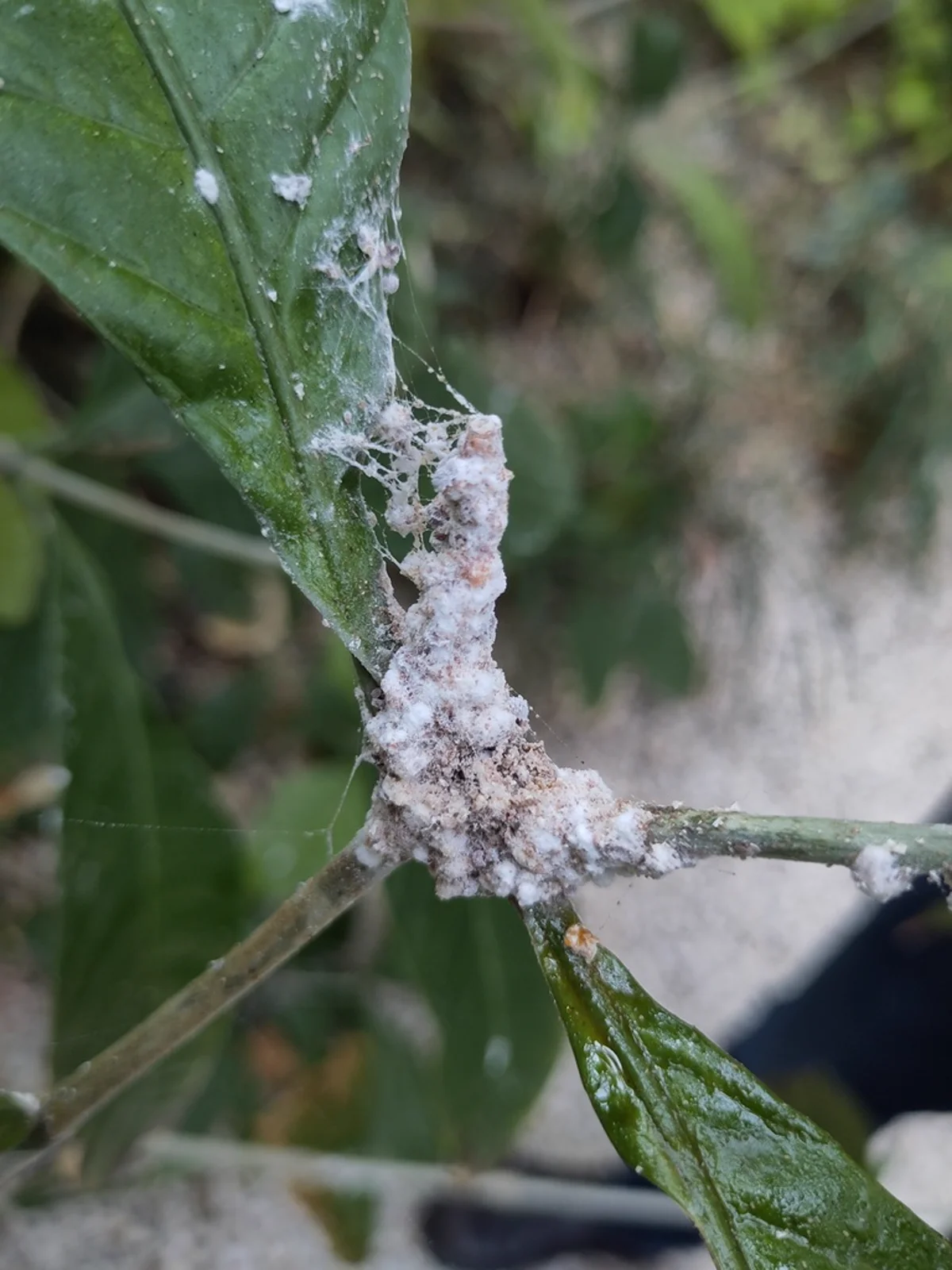
Look for white, cottony masses in leaf axils, on stems, and under leaves. Infested plants may show yellowing leaves, stunted growth, and sticky honeydew residue. Black sooty mold growing on honeydew is another telltale sign of mealybug activity.
Can mealybugs spread to other plants?
+
Yes, mealybugs can spread to nearby plants. Their first-instar nymphs, called crawlers, are mobile and can walk to adjacent plants. They can also be spread by wind, ants that tend them for honeydew, or on gardening tools and hands.
How long do mealybugs live?
+
Female mealybugs can live several weeks to months depending on the species and environmental conditions. During this time, they can produce hundreds of eggs. In warm conditions like greenhouses, mealybugs can reproduce year-round with multiple generations per year.

With five years of hands-on experience in the pest control industry, George Schulz is a registered technician with the Virginia Pest Management Association and a proud third-generation professional in a family business that's been protecting homes for over 57 years. He manages and trains a team of service pros while also leading internal research efforts—recently spearheading a deep-dive review of thousands of documents on pest control materials to hand-pick the most kid and pet friendly, most effective solutions tailored specifically for homes in the DC metro area.