Leafhoppers Identification Guide
Cicadellidae
Leafhoppers are small, wedge-shaped insects that feed on plant sap and can transmit plant diseases. While primarily garden pests, they sometimes enter homes in large numbers during fall.
Taxonomy
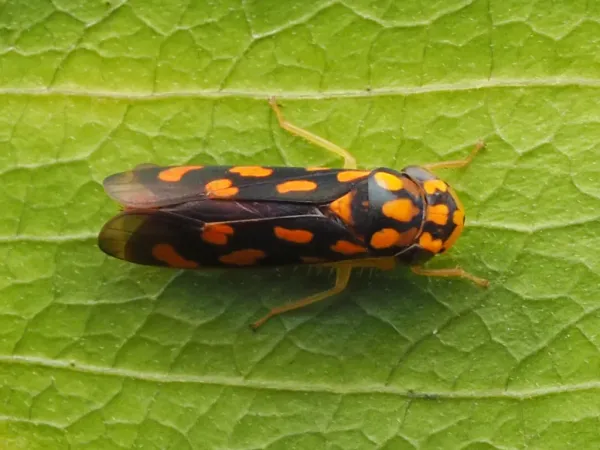
Leafhoppers Coloration
Common color patterns to help identify leafhoppers
Leafhoppers
Seasonal Activity
When leafhoppers are most active throughout the year

Where Leafhoppers Are Found
Hover over states to see their names. Green regions indicate where leafhoppers have been reported.
Leafhopper Identification Guide
Physical Characteristics
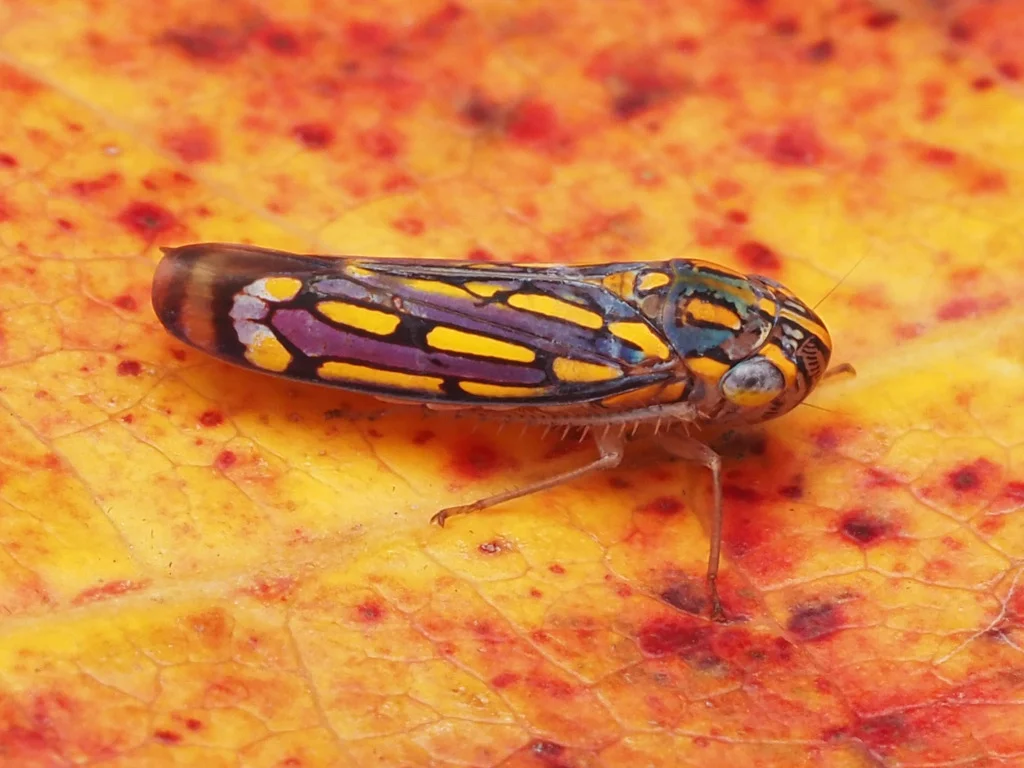
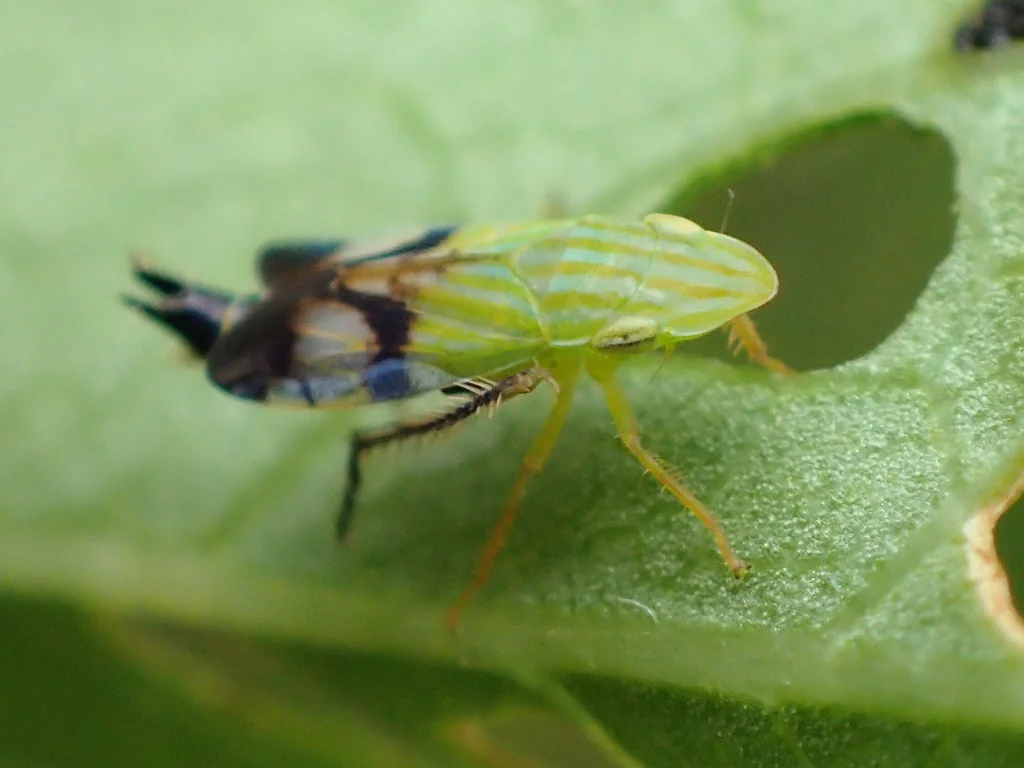
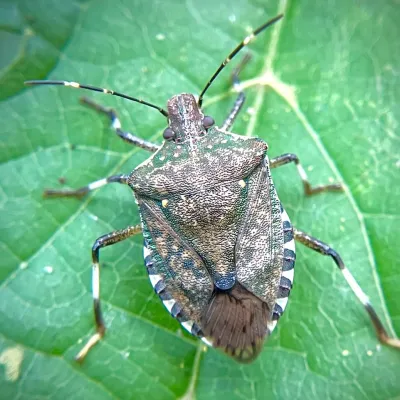
Leafhoppers are small insects with wedge-shaped bodies and belong to the broader family of garden pests that feed on plant sap. Adults are about 1/8 to 1/4 inch long, though some can grow up to 1/2 inch. They have broad heads with large eyes on the sides.
Leafhoppers hold their wings in a tent shape over their body. This gives them their wedge-like look. Their back legs are built for jumping. When you get close, they hop away fast. This is how they got their name.
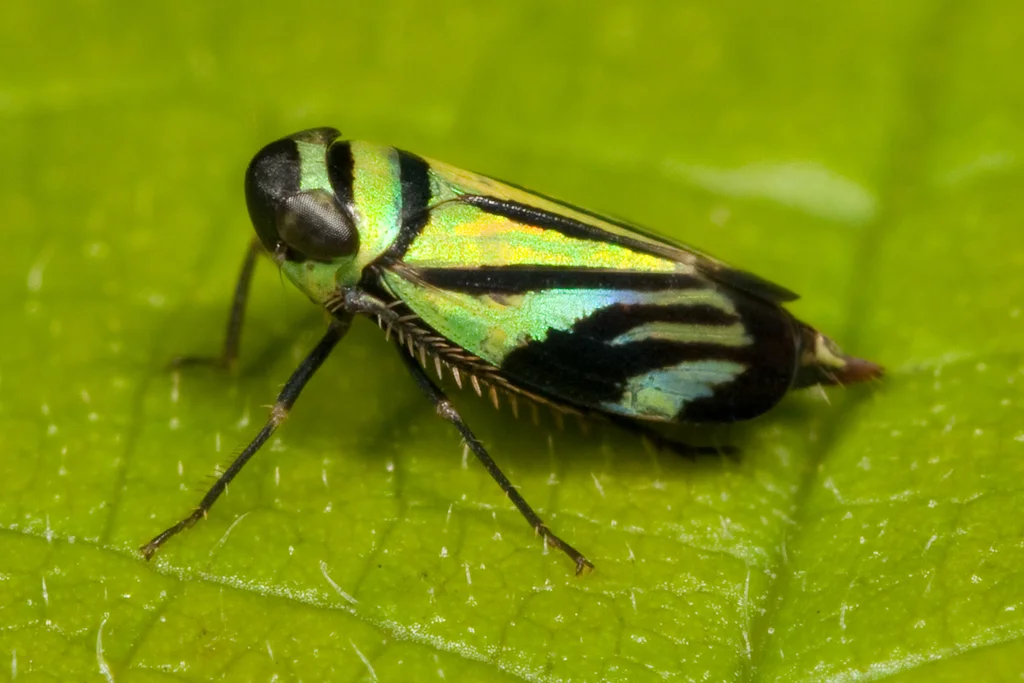
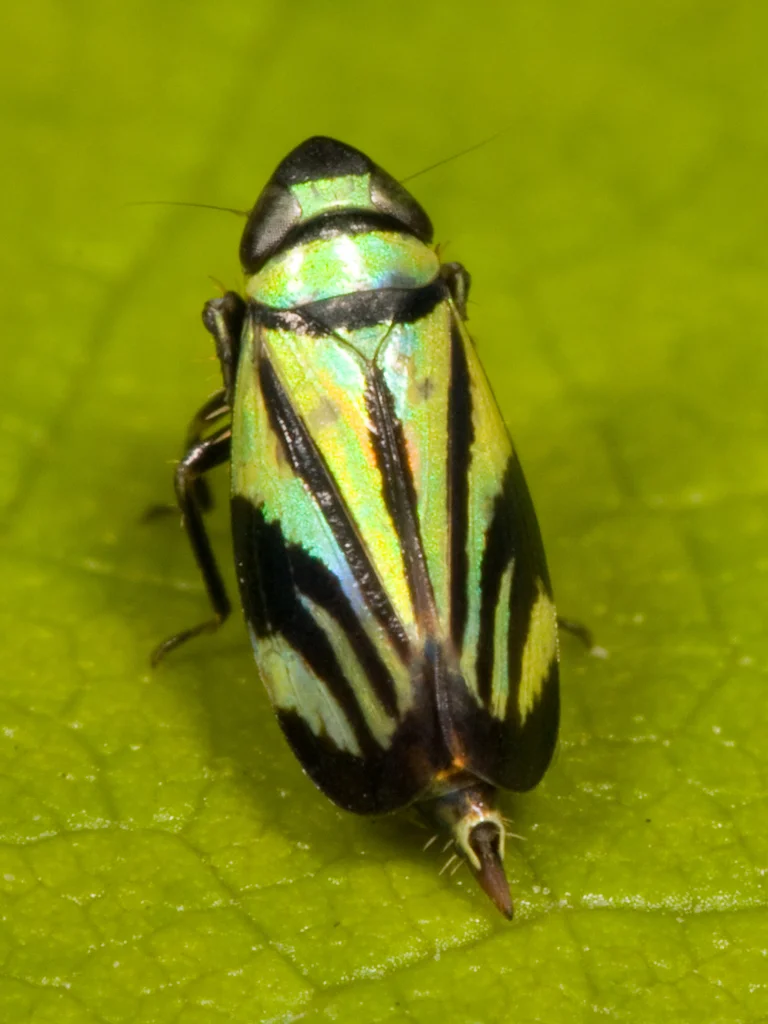
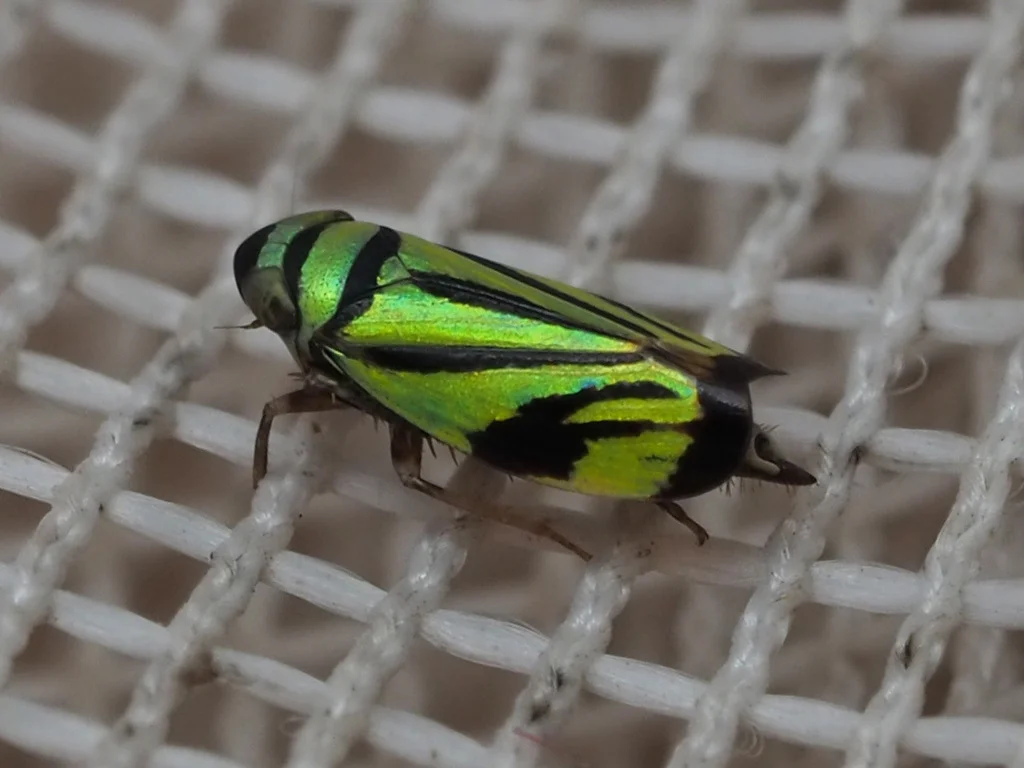
There are over 20,000 leafhopper species in the world. Colors range from green to yellow to brown. Many have stripes, spots, or bands. Their close relatives include treehoppers and spittlebugs. The red-banded leafhopper (Graphocephala coccinea) has a blue-green body with red and blue stripes. The potato leafhopper (Empoasca fabae) is pale green with white spots behind its head.
Common Species in North America
-
Potato Leafhopper (Empoasca fabae) - This pest moves north from the Gulf States each spring. Adults are pale green with white spots. They damage alfalfa, beans, and garden plants.
-
Red-banded Leafhopper (Graphocephala coccinea) - A colorful species with blue-green and red stripes. Common across eastern North America on many plants.
-
Grape Leafhopper (Erythroneura elegantula) - Yellow with red and brown marks. A major pest in western U.S. vineyards.
-
Aster Leafhopper (Macrosteles quadrilineatus) - A gray-green species that spreads aster yellows disease to vegetables and flowers.
-
Glassy-winged Sharpshooter (Homalodisca vitripennis) - A large leafhopper, up to 1/2 inch. It spreads Pierce’s disease in grapes.
Leafhopper Behavior and Biology
Lifecycle and Reproduction
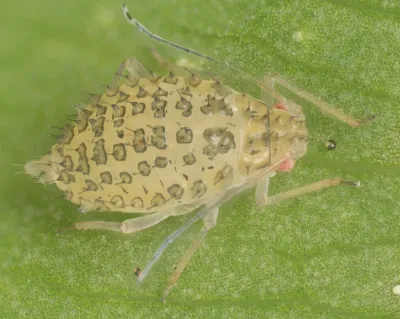
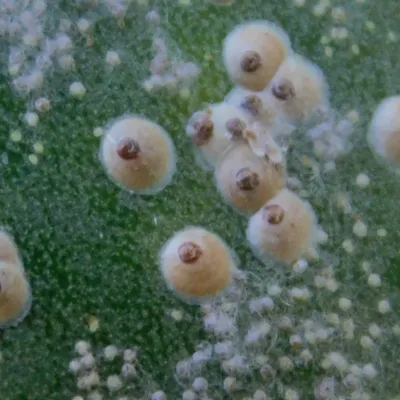
Leafhoppers go through three life stages: egg, nymph, and adult. Nymphs look like small, wingless adults. Females lay tiny eggs inside leaf veins, stems, or leaf stalks. The eggs are white and hatch in about 10 days.
Nymphs start feeding on plant sap right away. They shed their skin five times over two weeks. Wing pads grow larger with each molt until they become full wings in adults. Adults live about a month, though some can live up to 120 days. A full life cycle takes just four weeks in warm weather. This allows many generations per year.
Feeding Behavior
Leafhoppers have needle-like mouthparts. They poke into plant cells and suck out the fluids. They feed on the phloem, which carries nutrients through the plant. This feeding hurts the plant and steals the food it needs to grow.
When leafhoppers feed, they inject saliva into the plant. This saliva causes more damage, leading to a problem called hopperburn. Affected leaves turn yellow at the edges first. Then the yellow spreads inward. Leaves may curl, turn brown, and die. Bad infestations cause early leaf drop and lower crop yields.
Disease Transmission
Leafhoppers spread plant diseases. This can be worse than the damage from their feeding alone. They carry viruses, bacteria, and other germs that cause serious plant illness. Like aphids, leafhoppers are among the most significant plant disease vectors in gardens. The aster leafhopper spreads aster yellows, which affects hundreds of plant types. The glassy-winged sharpshooter spreads Xylella fastidiosa, which causes Pierce’s disease in grapes.
When a leafhopper feeds on a sick plant, it picks up the germs. These germs can grow inside the insect. Then the leafhopper spreads them to the next plant it feeds on. This is why leafhopper control matters for protecting gardens and crops.
Habitat and Host Plants
Leafhoppers live wherever they can find host plants. You can find them in forests, meadows, gardens, farms, and yards. Most species feed on many plant types, though some prefer certain plants.
Common host plants include:
- Vegetables like beans, potatoes, and tomatoes
- Fruits like grapes, apples, and citrus
- Flowers like roses, dahlias, and asters
- Forage crops like alfalfa and clover
- Many weeds and wild plants
Leafhoppers often build up on weeds first. Then they move to garden plants. The invasive spotted lanternfly is a related planthopper that has become a growing concern in eastern states.
Treatment Methods for Leafhoppers
Getting rid of leafhoppers often takes several methods used together. These insects move fast and can come back quickly after treatment. That is why ongoing control works best.
Cultural Control
Good garden habits help control leafhoppers. Remove weeds from around your garden. Weeds give leafhoppers a place to live and breed. Clean up plant debris to remove spots where eggs and adults spend the winter.
Reflective mulches work well to keep leafhoppers away. The reflected light confuses the insects. They have trouble finding your plants. This works best when plants are young and most at risk.
Row covers and insect netting block leafhoppers from reaching plants. These work great for protecting seedlings during peak leafhopper season. Planting pest-resistant varieties can also help reduce damage.
Biological Control
Several natural enemies attack leafhoppers. Tiny parasitic wasps target leafhopper eggs. These wasps often show up on their own later in the growing season.
Ladybugs, lacewings, and damsel bugs feed on leafhopper nymphs and adults. Spiders catch them in webs or hunt them. Certain fungi can also infect and kill leafhoppers. Research shows fungal treatments can reduce leafhopper numbers by over 80%.
Chemical Control
When other methods do not work, insecticides can help. Insecticidal soaps and horticultural oils kill leafhoppers on contact. These products need to hit the insects directly. You may need to spray more than once.
Neem oil and pyrethrins are options for organic gardens. Neem can also deter feeding. Spinosad, made from soil bacteria, works well on leafhoppers.
For bad infestations, systemic insecticides give longer control. These products move through the plant. When leafhoppers feed, they take in the insecticide. Using different products over time helps prevent the insects from becoming resistant.
Prevention Tips for Homeowners
Leafhoppers sometimes get inside homes, but they cannot live there long. They need plants to survive. Focus on keeping them out rather than treating indoors.
- Fix or install window screens
- Reduce outdoor lights near doors since leafhoppers fly toward lights
- Seal gaps around windows and doors
- Clear weeds and thick plants from around your foundation
- Vacuum up any leafhoppers you find inside
References
Other Garden Pests
Explore other species in the garden pests family
Where Leafhoppers Are Found
Hover over states to see their names. Green regions indicate where leafhoppers have been reported.
Common Questions about Leafhoppers
What do leafhoppers look like?
+
Leafhoppers are small, wedge-shaped insects typically 1/8 to 1/4 inch long. They come in various colors including green, yellow, brown, and many have distinctive striped or spotted patterns. They have large eyes on the sides of their head and hold their wings roof-like over their body.
Do leafhoppers bite humans?
+
Leafhoppers do not bite humans. They have piercing-sucking mouthparts designed to feed on plant sap, not blood. While they are not harmful to people, some individuals may experience minor skin irritation if a leafhopper lands on them and attempts to probe with its mouthparts.
Why are leafhoppers in my house?
+
Leafhoppers are attracted to lights at night and may accidentally enter homes through open doors and windows. They do not infest homes or reproduce indoors. Large numbers may appear during peak activity seasons in late spring through summer.
Are leafhoppers harmful to my garden?
+
Yes, leafhoppers can damage plants by feeding on leaves and stems, causing yellowing, curling, and stunted growth. More concerning is their ability to transmit plant diseases including phytoplasmas and viruses that can devastate crops and ornamental plants.
What is hopperburn?
+
Hopperburn is plant damage caused by leafhopper feeding. As leafhoppers inject saliva and extract plant fluids, they damage leaf tissue, causing yellowing that starts at leaf edges and progresses inward. Severe infestations can cause leaves to brown and die.
How do I get rid of leafhoppers in my garden?
+
Start by removing weeds that harbor leafhoppers and using reflective mulches to deter them. Planting resistant varieties helps too. For active infestations, insecticidal soaps, neem oil, and targeted insecticides can reduce populations quickly.
Do leafhoppers come back every year?
+
In warmer regions, leafhoppers can survive year-round. In northern areas, the potato leafhopper migrates from southern states each spring. Some species overwinter as eggs or adults in plant debris. Gardens with persistent weed problems often see recurring infestations.

With five years of hands-on experience in the pest control industry, George Schulz is a registered technician with the Virginia Pest Management Association and a proud third-generation professional in a family business that's been protecting homes for over 57 years. He manages and trains a team of service pros while also leading internal research efforts—recently spearheading a deep-dive review of thousands of documents on pest control materials to hand-pick the most kid and pet friendly, most effective solutions tailored specifically for homes in the DC metro area.