Citrus Mealybugs Identification Guide
Planococcus citri
Citrus mealybugs are small, oval, sap-sucking insects coated in white wax. They are among the most common mealybug species found on houseplants, citrus trees, and greenhouse crops across North America.
Taxonomy
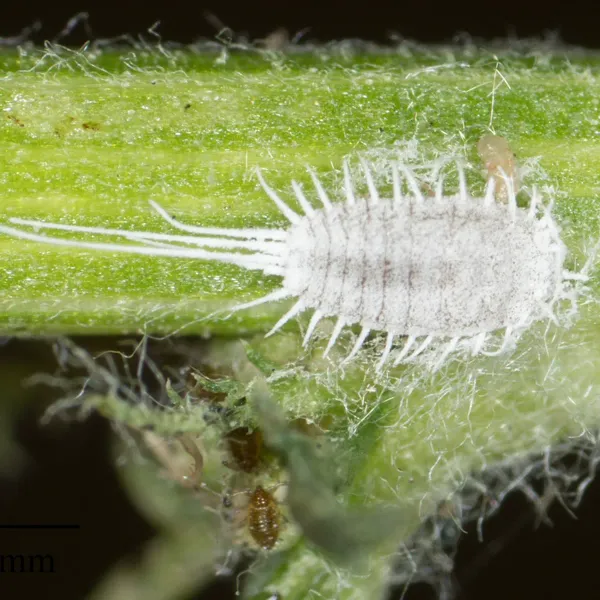
Citrus Mealybugs Coloration
Common color patterns to help identify citrus mealybugs
Citrus Mealybugs
Seasonal Activity
When citrus mealybugs are most active throughout the year

Where Citrus Mealybugs Are Found
Hover over states to see their names. Green regions indicate where citrus mealybugs have been reported.
Citrus Mealybug Identification Guide
Physical Characteristics
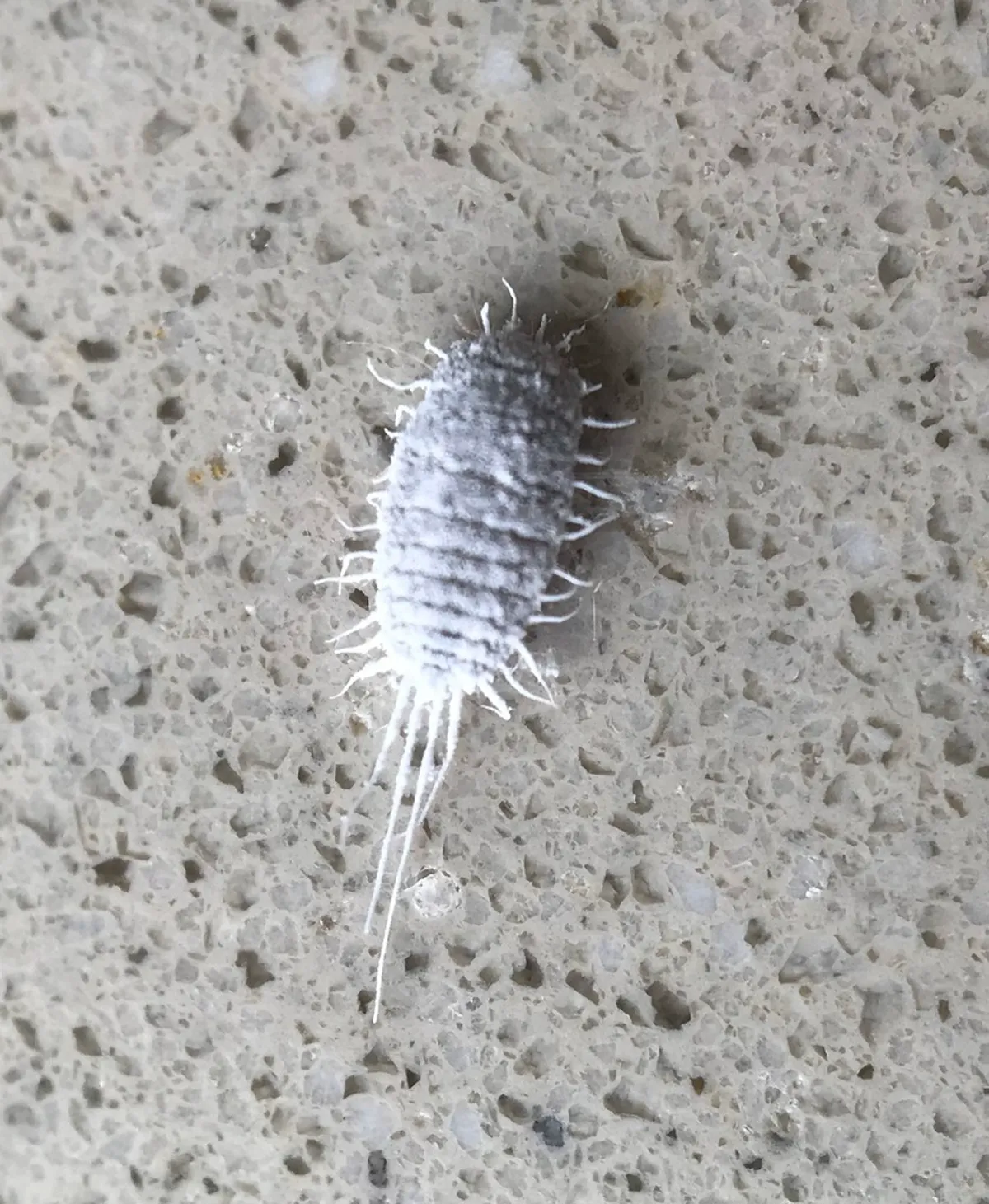
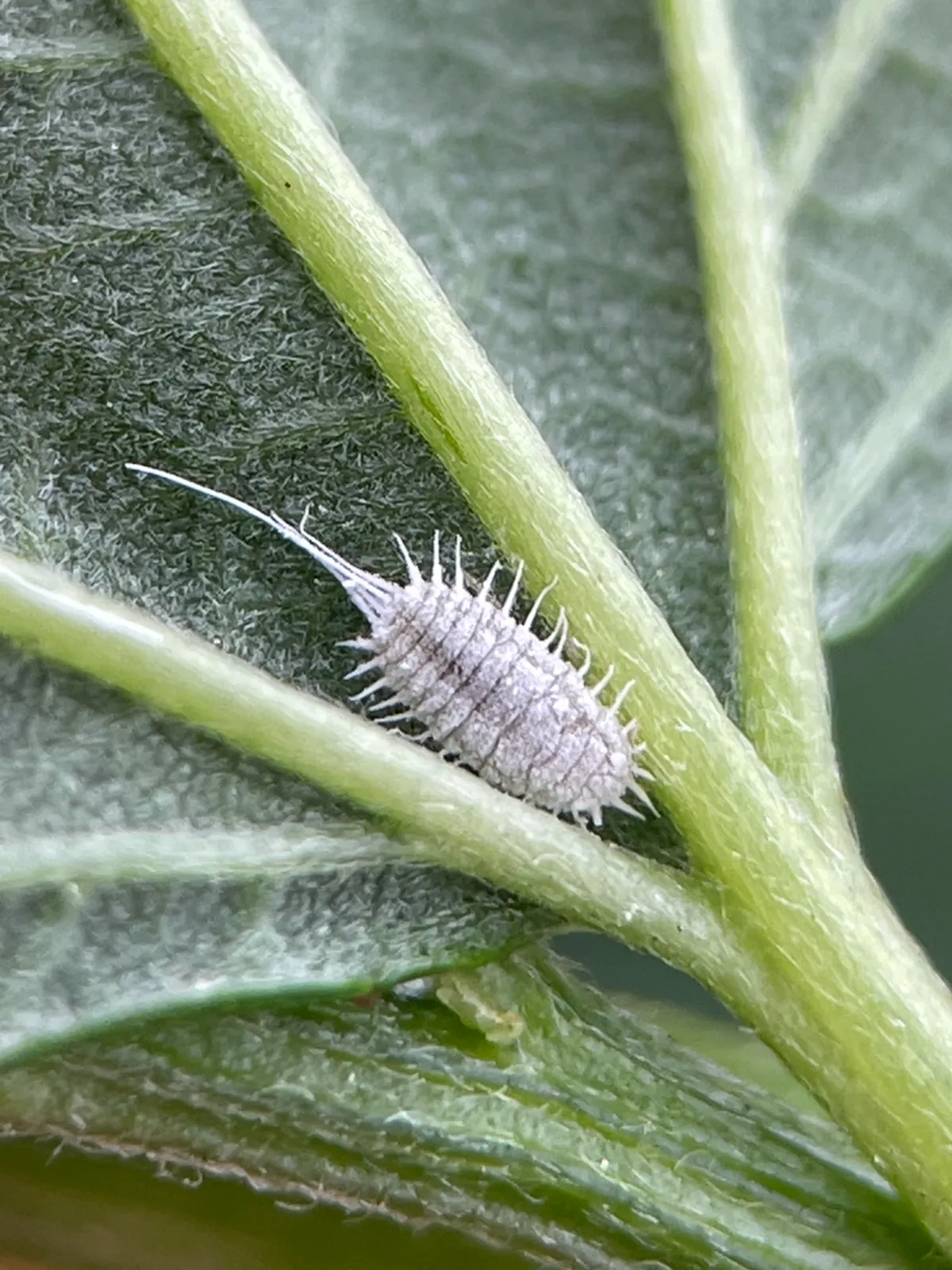
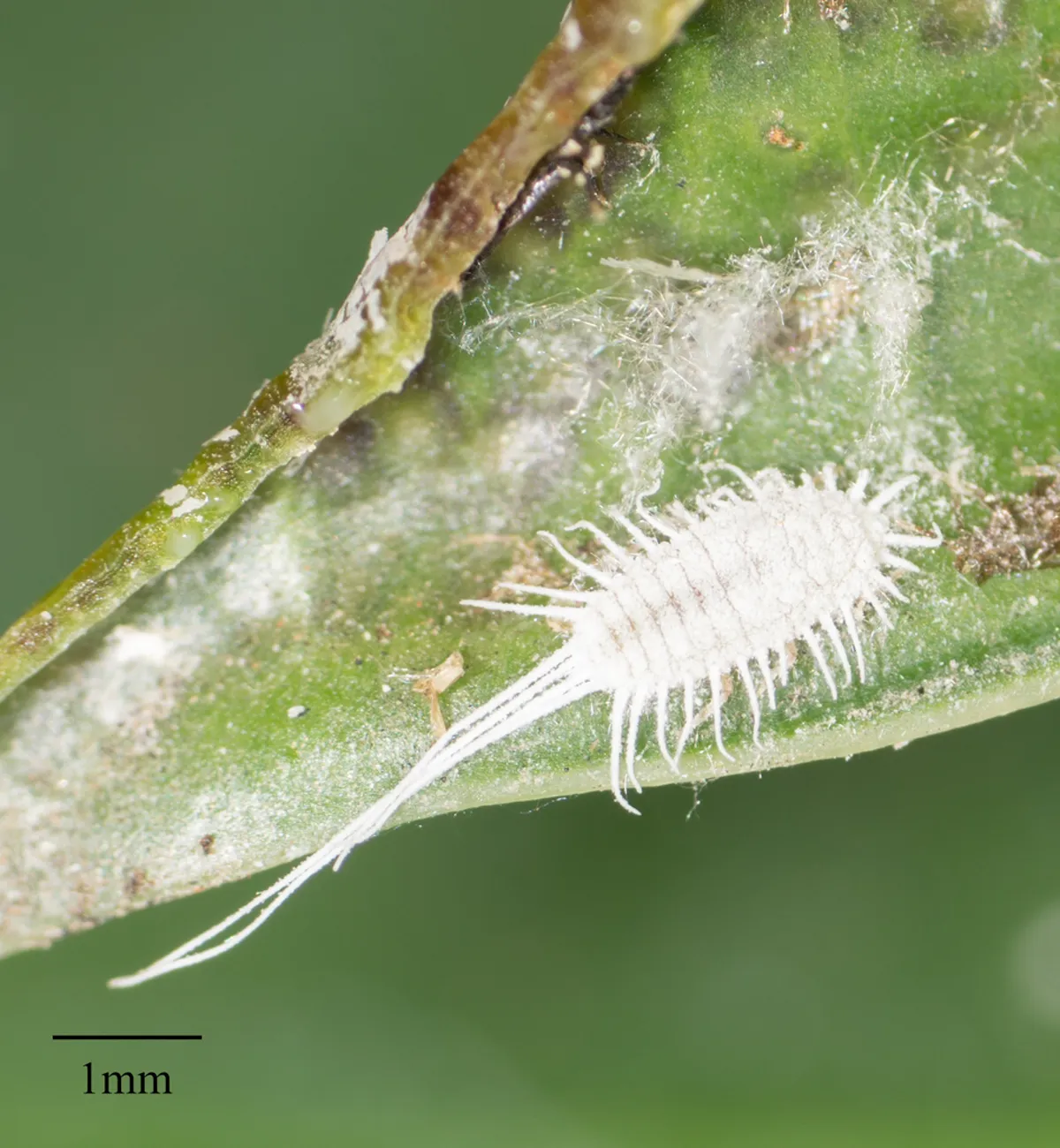
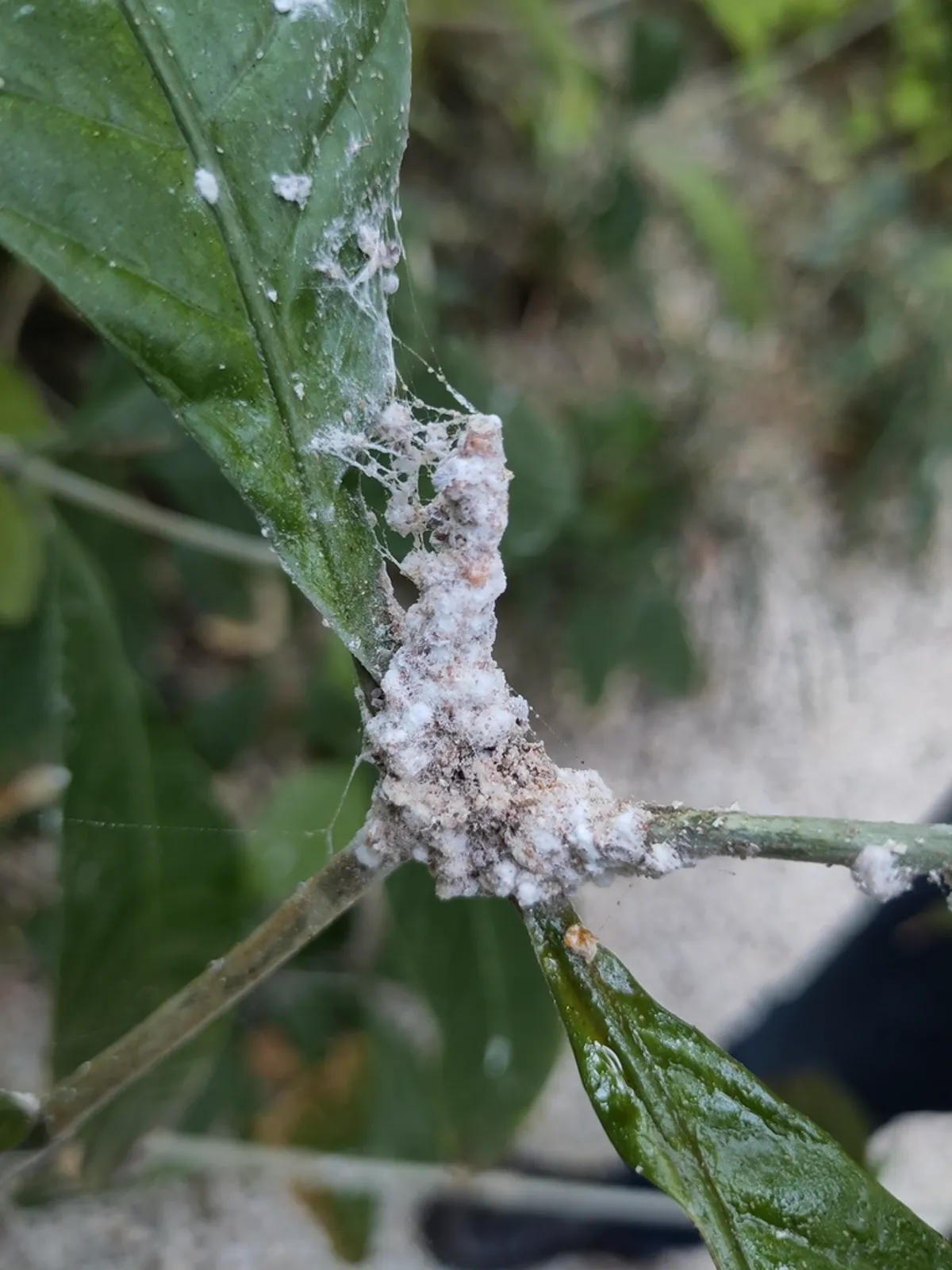
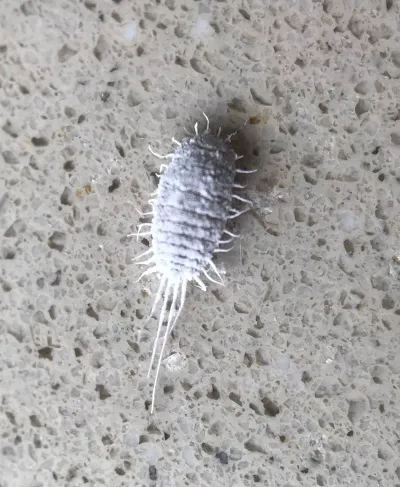
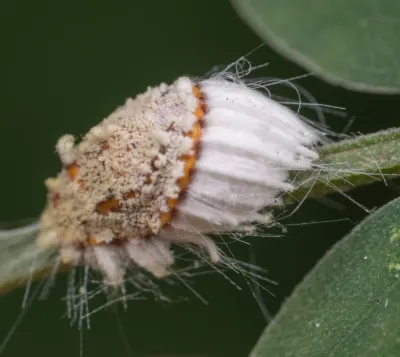
The citrus mealybug (Planococcus citri) is one of the most common mealybug species in North America. Adult females are 2-4mm long with a flat, oval body coated in a thin layer of white, powdery wax. Short waxy threads stick out from the edges of the body, giving the bug a fringed look. Under the wax, the body is yellowish to pinkish-orange. You may notice two faint darker stripes along the back.
Males are rarely seen. They are tiny winged insects about 1mm long that look like small gnats. Males live only a few days and do not feed.
Females lay eggs in a loose, white, cottony mass. Each mass can hold 300 to 600 eggs. The young that hatch, called crawlers, are small, yellow, and very active. They do not have the waxy coating yet and move around the plant looking for a place to feed.
How to Tell Citrus Mealybugs Apart from Similar Pests
Citrus mealybugs can look like several other pests:
- Longtailed mealybugs have tail threads as long as their body. Citrus mealybugs have much shorter threads all around the body edge.
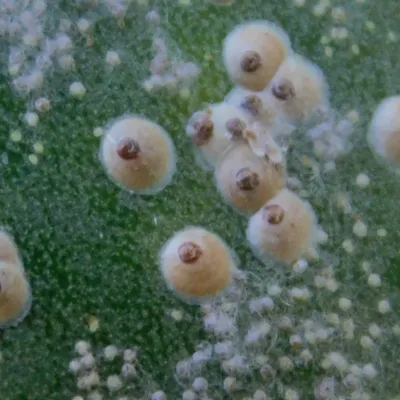
- Scale insects do not move and have a hard shell-like cover. Mealybugs stay soft and can move slowly.
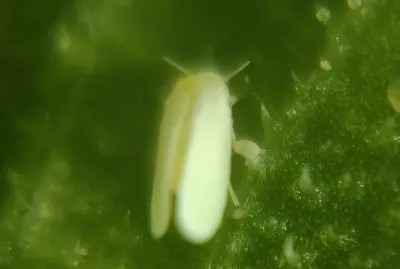
- Whiteflies have wings and fly when you disturb them. Mealybugs cannot fly.
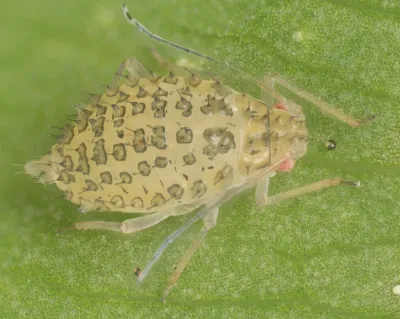
- Woolly aphids make waxy threads too, but they have a longer body shape and two small tubes on their rear end.
Citrus Mealybug Behavior and Biology
Life Cycle and Reproduction
Citrus mealybugs have three life stages: egg, nymph, and adult. Females lay 300 to 600 eggs over one to two weeks in a cottony egg mass. The eggs hatch in about 6 to 10 days when it is warm.
The crawlers that hatch are the main way mealybugs spread. They walk across the plant and can travel to nearby plants by wind, water, or contact. Once they find a good spot, they push their tiny mouthparts into the plant and start feeding. They also begin making the white waxy coating.
Young mealybugs go through two or three growth stages over several weeks before becoming adults. In warm weather (around 77 to 86 degrees Fahrenheit), the full life cycle takes about 30 days. In greenhouses or heated homes, citrus mealybugs can breed all year long with many overlapping generations.
Feeding Habits and Plant Damage
Citrus mealybugs feed by piercing plant tissue and sucking out sap. This weakens plants and causes several signs you can spot:
- Leaves turning yellow, wilting, or falling off early
- New growth that looks stunted or twisted
- Fewer flowers and less fruit
- The plant looking weak overall
As they feed, mealybugs give off honeydew, a sticky sweet waste. This honeydew coats leaf surfaces and leads to black sooty mold. The mold does not infect the plant directly, but it blocks sunlight and slows plant growth.
Honeydew also draws ants to the plant. Ants feed on the honeydew and guard the mealybug colony in return. This can make the problem harder to solve if you do not also deal with the ants.
Where Citrus Mealybugs Live
Citrus mealybugs like warm, sheltered spots on plants. You can find them where the leaf meets the stem, on the undersides of leaves, at branch forks, and near fruit clusters. On citrus trees, they often hide under the cap of growing fruit.
Indoors, they do well in the steady warmth of homes and greenhouses. Outdoors, they are most active in warm months and live year-round in the southern United States and Mexico. In colder areas, they only survive on indoor plants or in heated greenhouses.
Treatment Methods for Citrus Mealybugs
Citrus mealybugs are plant pests, not structural pests. Treatment focuses on protecting plants and bringing the population down.
Prevention and Plant Care
- Check new plants before you buy: Look closely for white waxy clumps, especially where leaves meet stems. Keep new plants away from your other plants for two to three weeks.
- Remove badly infested parts: Cut off and throw away plant parts covered in mealybugs. If a plant is heavily infested, getting rid of it may be the best way to protect the rest of your collection.
- Watch your fertilizer: Too much nitrogen makes plants grow soft new leaves that mealybugs love. Keep good air flow around your plants as well.
Hands-On Removal
- Rubbing alcohol: Dab each mealybug with a cotton swab dipped in 70% rubbing alcohol. This breaks down the waxy coating and kills them on contact. Works well for small numbers on houseplants.
- Water spray: A strong blast of water can knock mealybugs off tough outdoor plants. Do this every few days to catch newly hatched crawlers.
Biological Controls
Certain insects feed on mealybugs and can help bring numbers down, especially in greenhouses:
- Mealybug destroyers (Cryptolaemus montrouzieri) are a type of lady beetle that eat mealybugs at every life stage.
- Parasitic wasps (Leptomastix dactylopii and Anagyrus pseudococci) lay their eggs inside mealybugs. These tiny wasps are used widely in greenhouse programs.
- Green lacewing larvae feed on mealybug crawlers and eggs.
Chemical Controls
When other methods are not enough, chemical treatments can help:
- Horticultural oils coat and smother mealybugs on contact. They work best on crawlers and young nymphs.
- Insecticidal soaps break down the waxy coating. You will likely need to apply them more than once since they only work on contact.
- Systemic treatments are applied to the soil and taken up through the plant’s roots. They give longer-lasting control throughout the plant.
Ant Management
If ants are farming the mealybug colony, you need to address the ant issue too. Ant baits and sticky bands around plant stems can cut down ant numbers and make mealybug treatment more effective.
References
Other Garden Pests
Explore other species in the garden pests family
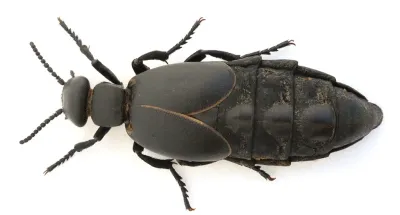
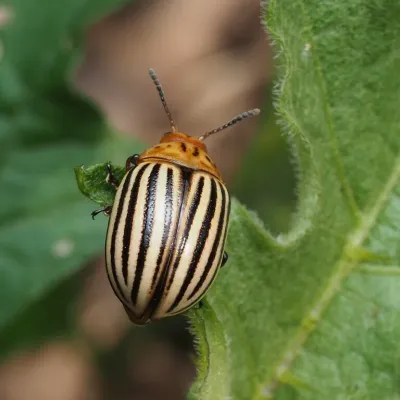
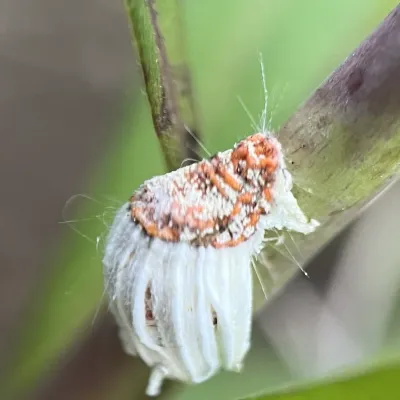
Commonly Confused With
Citrus Mealybugs are often mistaken for these similar pests
Where Citrus Mealybugs Are Found
Hover over states to see their names. Green regions indicate where citrus mealybugs have been reported.
Common Questions about Citrus Mealybugs
What do citrus mealybugs look like?
+
Citrus mealybugs are small, oval insects about 2-4mm long. They are covered in a white, powdery wax with short waxy filaments around their body edges. Under the wax, their bodies are yellowish to pinkish. They tend to cluster in groups on plant stems and leaf joints.
Are citrus mealybugs harmful to humans?
+
No. Citrus mealybugs do not bite, sting, or carry diseases that affect humans or pets. They are strictly plant pests. However, they can cause significant damage to houseplants, citrus trees, and ornamental gardens if left unchecked.
How do citrus mealybugs get into my home?
+
Citrus mealybugs are most often brought indoors on infested plants purchased from nurseries or garden centers. They can also enter on cut flowers, produce, or gardening tools. Once inside, they spread easily between plants placed close together.
What plants do citrus mealybugs attack?
+
Despite their name, citrus mealybugs feed on a wide range of plants beyond citrus. Common targets include orchids, African violets, jade plants, hibiscus, ficus, coleus, and many tropical houseplants. They also infest greenhouse crops and outdoor ornamentals in warm climates.
How can I tell citrus mealybugs apart from other mealybug species?
+
Citrus mealybugs have shorter waxy filaments around their body compared to longtailed mealybugs, which have tail threads as long as their body. Citrus mealybugs also lay eggs in a cottony mass, while longtailed mealybugs give birth to live young.
What is the sticky substance on my plants?
+
The sticky residue is honeydew, a sugar-rich liquid that mealybugs excrete as they feed on plant sap. Honeydew attracts ants and provides a growing medium for black sooty mold, which can further harm your plants by blocking sunlight.
Can citrus mealybugs survive winter outdoors?
+
In USDA hardiness zones 9 and above, citrus mealybugs can survive outdoors year-round. In colder regions, they cannot tolerate freezing temperatures and are primarily a problem on indoor plants and in greenhouses during winter months.

With five years of hands-on experience in the pest control industry, George Schulz is a registered technician with the Virginia Pest Management Association and a proud third-generation professional in a family business that's been protecting homes for over 57 years. He manages and trains a team of service pros while also leading internal research efforts—recently spearheading a deep-dive review of thousands of documents on pest control materials to hand-pick the most kid and pet friendly, most effective solutions tailored specifically for homes in the DC metro area.