Asparagus Beetles Identification Guide
Crioceris asparagi
Asparagus beetles are small, colorful leaf beetles that feed exclusively on asparagus plants. Both the common asparagus beetle and the spotted asparagus beetle can damage spears and ferns, reducing crop yields and making harvested spears unmarketable.
Taxonomy
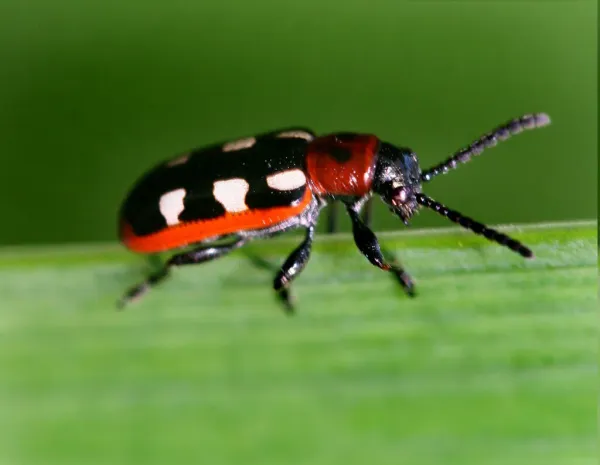
Asparagus Beetles Coloration
Common color patterns to help identify asparagus beetles
Asparagus Beetles
Seasonal Activity
When asparagus beetles are most active throughout the year
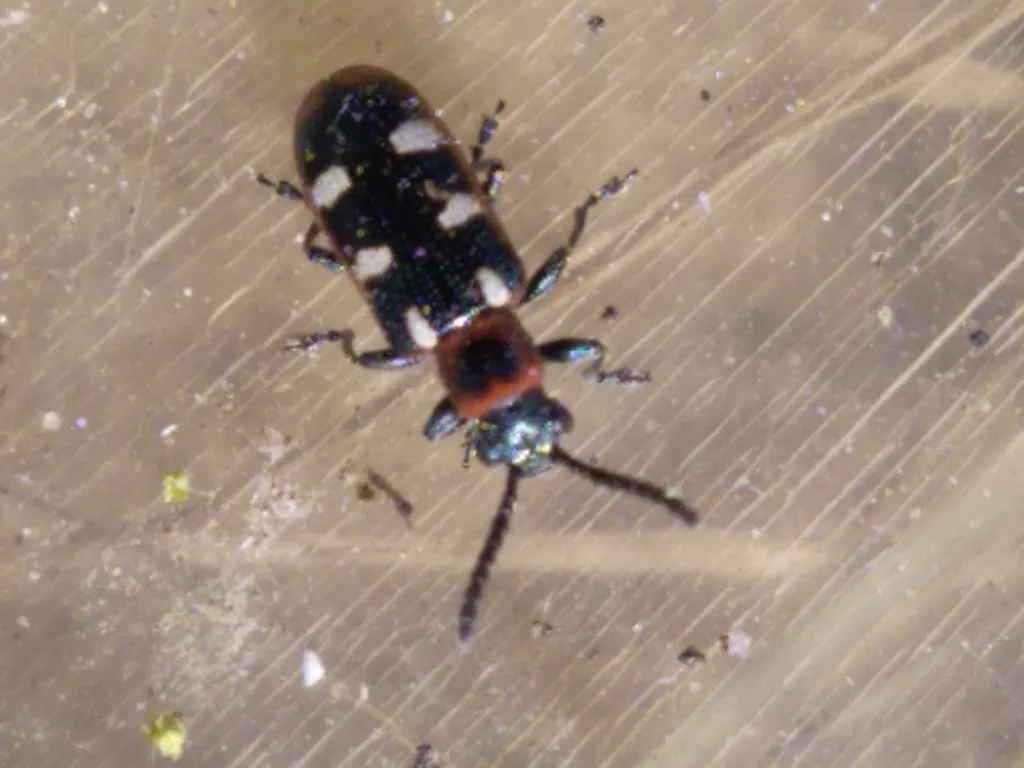
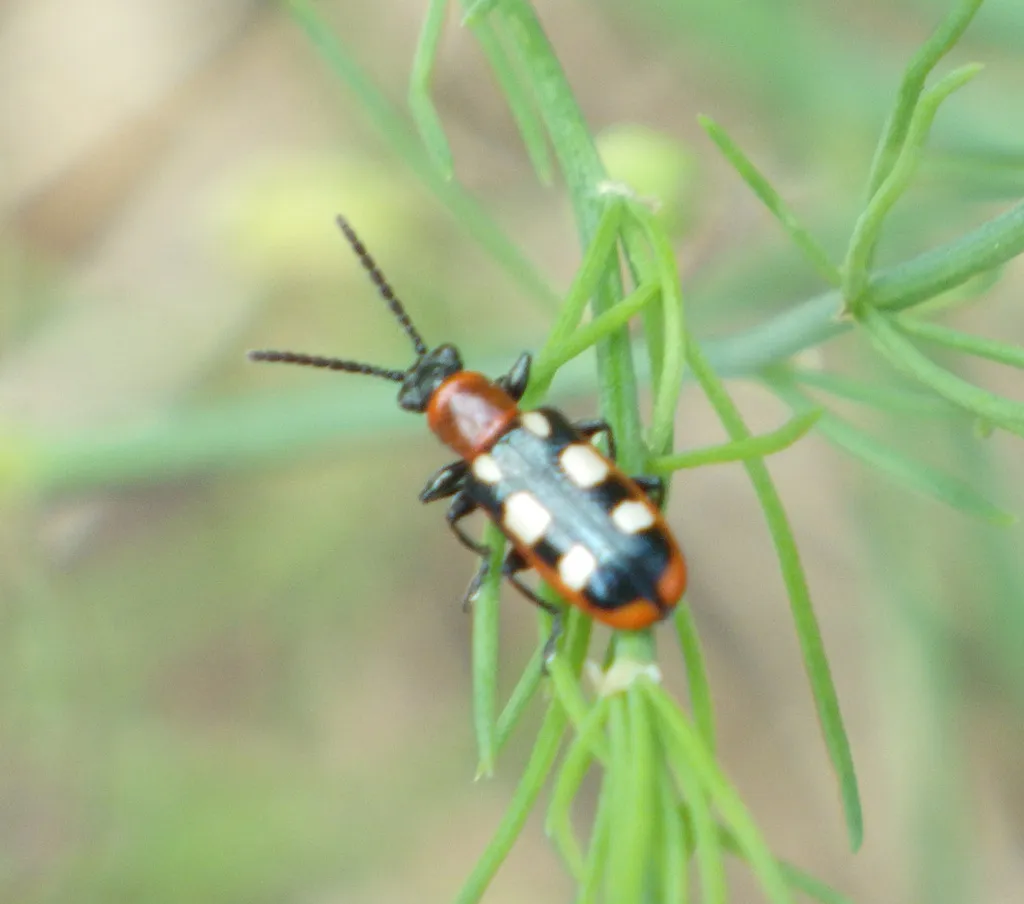
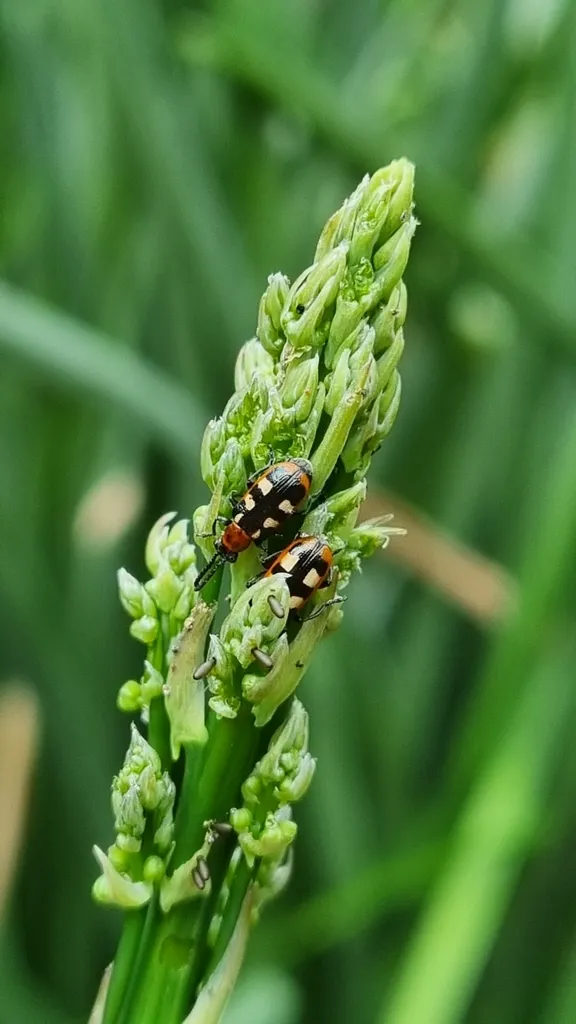

Where Asparagus Beetles Are Found
Hover over states to see their names. Green regions indicate where asparagus beetles have been reported.
Asparagus Beetle Identification Guide
Asparagus beetles are one of the most common pests that garden asparagus growers deal with in North America. Two species cause problems. The common asparagus beetle (Crioceris asparagi) and the spotted asparagus beetle (Crioceris duodecimpunctata) both came from Europe. The common species was first found in North America in the 1860s. Today both species live wherever asparagus is grown across the United States and southern Canada.
Physical Characteristics
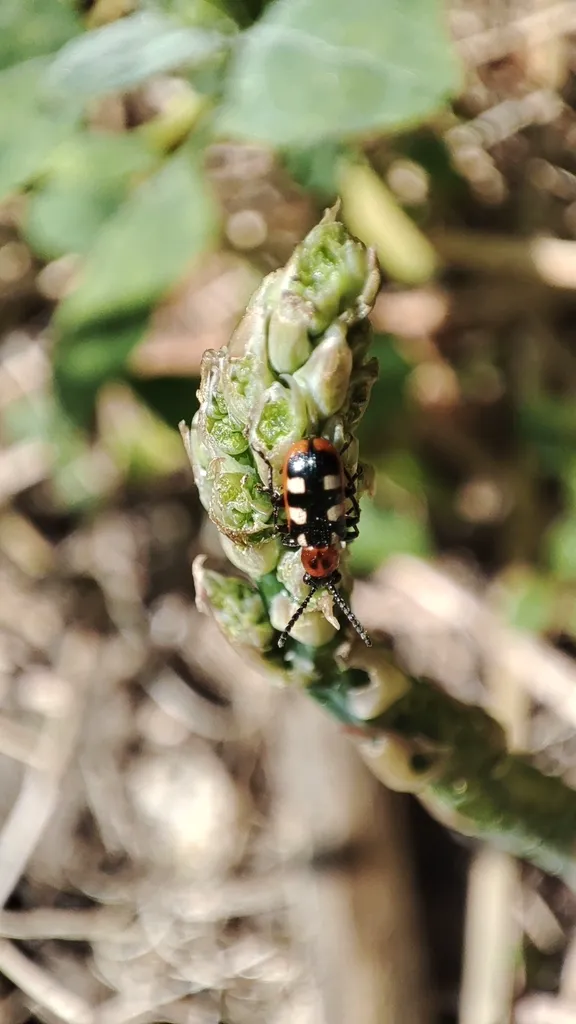
The common asparagus beetle is a small beetle about 6 to 9 mm long, or roughly 1/4 inch. It has an elongated body shape. The wing covers are dark bluish-black with cream or yellowish square spots and a red border along the edges. The plate behind the head is usually red with dark marks. The antennae are dark and short.
Key features for identifying the common asparagus beetle:
- Elongated oval body, 6 to 9 mm long
- Bluish-black wing covers with cream or yellowish spots, usually three on each side
- Red to orange-red border along the wing cover edges
- Red plate behind the head with dark marks
- Dark antennae and legs
- Shiny, dark eggs laid in rows on asparagus spears
The spotted asparagus beetle is a bit larger at 7 to 9 mm long. It has orange wing covers with twelve black spots, six on each side. It tends to show up about two weeks later in the season than the common species.
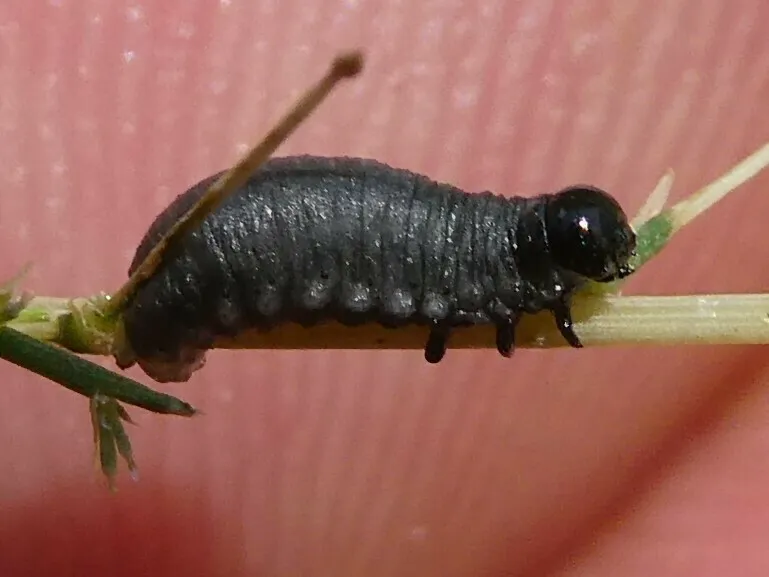
The larvae of the common species are plump grubs that grow to about 8 to 9 mm. They are gray to olive-green with a dark head and dark legs. You will rarely see larvae of the spotted species. They feed inside asparagus berries instead of out on the leaves.
Common Look-Alikes
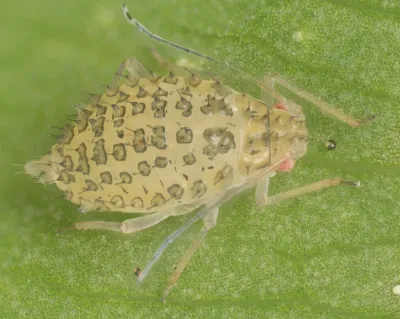
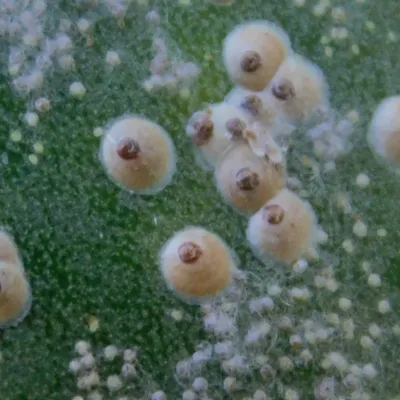
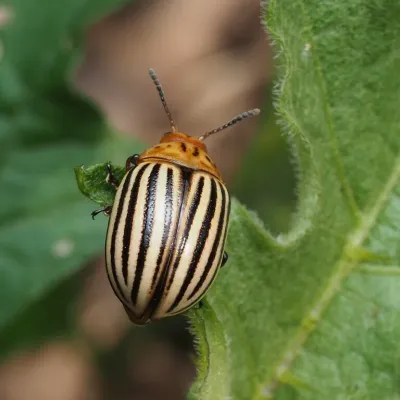
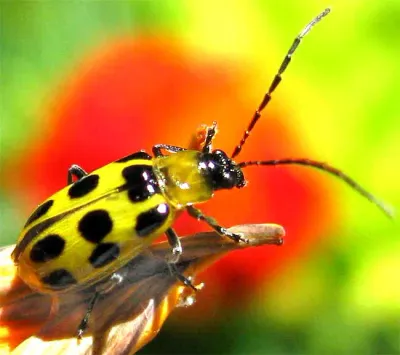
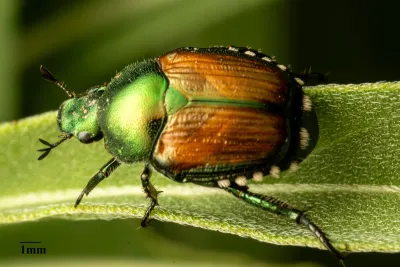
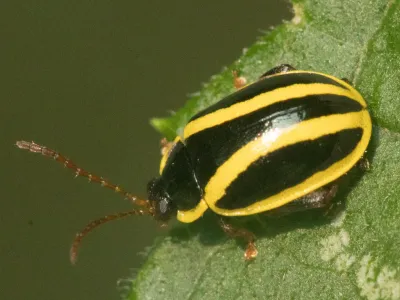
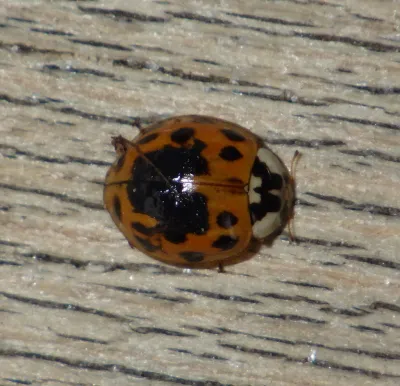
Asparagus beetles can be mixed up with several other small, colorful beetles. Asian lady beetles share the orange-and-black colors of the spotted asparagus beetle, but lady beetles are rounder. Cucumber beetles are a similar size and show up in gardens, but they have different spot or stripe patterns. They also feed on squash and cucumber plants instead of asparagus. Flea beetles are much smaller and jump when you disturb them. Japanese beetles are bigger and have a metallic green and bronze color that looks very different.
The easiest way to confirm you are looking at an asparagus beetle is to check the plant it is on. These beetles feed almost only on asparagus.
Asparagus Beetle Behavior and Biology
Lifecycle and Development
Asparagus beetles go through four life stages: egg, larva, pupa, and adult. The full cycle from egg to adult takes about four to six weeks. Warmer weather speeds this up.
Overwintering. Adults spend the winter hiding in plant debris, old asparagus stalks, loose bark, and leaf litter near the beds. They go dormant when temperatures drop in the fall.
Spring emergence. When the soil warms in spring and asparagus spears start pushing up, the adults wake up and come out. In the Mid-Atlantic and Midwest, this happens in April or May. They start feeding on young spears right away.
Egg laying. Females of the common species stick their dark, shiny eggs in neat rows right on the spears and new shoots. One female can lay a few hundred eggs in her lifetime. The spotted species lays its eggs one at a time on the ferns, usually later in the season.
Larval feeding. Eggs hatch in about three to eight days. The larvae of the common species eat fern foliage, stripping the needles and leaving dark droppings behind. Spotted asparagus beetle larvae burrow into asparagus berries to feed. Larvae take about two weeks to finish growing.
Pupation. Full-grown larvae drop to the ground and pupate just under the soil surface. New adults come out in about five to ten days. They either start laying eggs for a new round or, if it is late in the season, find a spot to overwinter.
Two generations per year are common in the Mid-Atlantic. Cooler northern areas may see only one. Warmer southern areas can have overlapping generations that keep beetle numbers high through most of the growing season.
Feeding Habits and Damage
Both adults and larvae of the common asparagus beetle feed on the plant. Adults chew on spears, buds, and fern needles. Larvae eat mostly the fern foliage. Damage shows up in several ways:
- Scarring on spears from adult feeding makes harvested asparagus look rough
- Eggs stuck to spears make them hard to sell at farm stands and stores
- Stripped ferns where larvae and adults eat the needle-like leaves, turning the plant brown and bare
- Weakened root crowns over time because the plant cannot store enough energy for the next year
Young asparagus plants in their first few years are at the most risk. They have not built up strong roots yet. Older, well-set beds handle moderate feeding better, but they will still get weaker if beetles go unchecked year after year.
Treatment Methods for Asparagus Beetles
The best results come from mixing good garden habits, hands-on removal, and targeted treatments when numbers get too high.
Prevention and Cultural Controls
Good garden management goes a long way toward reducing beetle numbers:
- Clean up debris in fall. Remove and destroy old asparagus ferns and leaf litter after the season ends. This gets rid of the spots where adults hide for the winter.
- Harvest frequently. Picking spears daily or every other day removes eggs before they hatch and reduces the number of larvae that reach the fern stage.
- Monitor regularly. Check asparagus beds at least once a week during harvest and keep checking as ferns grow. Watch for adults on spears, eggs on shoots, and larvae on ferns.
Physical and Mechanical Controls
For home gardens and small plantings, hands-on methods work well:
- Hand-pick beetles and drop them into a bucket of soapy water. Adults often fall off the plant when you bump it. Hold the bucket below to catch them.
- Crush or remove egg rows from spears before or during harvest. The dark, shiny eggs are easy to spot against the green spears.
- Shake plants over a light-colored cloth to dislodge beetles and larvae for removal.
Biological Control
Several predators and parasites feed on asparagus beetles and can lower their numbers:
- Parasitic wasps in the genus Tetrastichus attack asparagus beetle eggs and can reduce numbers where they are present.
- Lady beetles and lacewings feed on eggs and small larvae.
- Ground beetles prey on larvae that drop to the soil to pupate.
Chemical Control Considerations
When beetle numbers get too high for other methods to handle, chemical treatments may be needed:
- Spinosad-based products work well against both adults and larvae. They are approved for organic production.
- Pyrethrin sprays give a quick knockdown of adult beetles but do not last long on the plant.
- Always check pre-harvest intervals before treating asparagus you plan to eat. Since asparagus is picked often during the harvest window, choose products with short waiting times.
- Switch between different product types so beetles are less likely to build up resistance.
References and Further Reading
Other Garden Pests
Explore other species in the garden pests family
Commonly Confused With
Asparagus Beetles are often mistaken for these similar pests
Where Asparagus Beetles Are Found
Hover over states to see their names. Green regions indicate where asparagus beetles have been reported.
Common Questions about Asparagus Beetles
How do I get rid of asparagus beetles?
+
Start by hand-picking adults and larvae from plants and dropping them into a bucket of soapy water. Remove egg masses from spears during harvest. Clean up old ferns and plant debris at the end of the season to reduce overwintering spots. For larger infestations, spinosad-based products can help when applied during active feeding. Keeping the bed clean and harvesting often are two of the best ways to stay ahead of the problem.
What do asparagus beetle eggs look like?
+
Common asparagus beetle eggs are small, shiny, dark brown to black, and shaped like tiny cylinders. Females glue them in neat rows directly onto asparagus spears and shoots. The spotted asparagus beetle lays single greenish eggs on ferns later in the season. The presence of eggs on harvested spears is one of the main reasons these beetles cause economic damage, since egg-covered spears are considered unmarketable.
Are asparagus beetles harmful to humans?
+
No, asparagus beetles are not harmful to humans. They do not bite, sting, or carry diseases. Their damage is limited to asparagus plants. The main concern is the crop damage they cause by feeding on spears and ferns, which can weaken plants over time and reduce future harvests.
What is the difference between common and spotted asparagus beetles?
+
The common asparagus beetle (Crioceris asparagi) has dark bluish-black wing covers with cream or yellowish spots and red margins along the edges. The spotted asparagus beetle (Crioceris duodecimpunctata) is orange to reddish-orange with twelve black spots. The common species feeds on both spears and ferns and is generally more damaging. The spotted species tends to appear later in the season and its larvae feed mainly inside asparagus berries rather than on the foliage.
When are asparagus beetles most active?
+
Asparagus beetles are most active from late spring through midsummer. Overwintered adults emerge in spring as the first asparagus spears push up from the soil, typically in April or May in much of North America. Peak activity and egg-laying happen in May through July. A second generation often appears in midsummer. Activity tapers off in September and October as adults seek overwintering sites.
Do asparagus beetles fly?
+
Yes, adult asparagus beetles can fly. They have functional wings hidden beneath their hard wing covers and will fly between asparagus plantings to find food and mates. This ability to fly is one reason they can quickly colonize new asparagus beds in a garden or farm.
Will asparagus beetles kill my asparagus plants?
+
Asparagus beetles are unlikely to kill established asparagus plants outright, but repeated heavy feeding can seriously weaken them. When beetles and larvae strip the fern foliage, the plant cannot produce enough energy to store in its root crown for the next year. Over several seasons of heavy damage, this can thin out a bed and reduce spear production. Young asparagus plantings that have not yet built up strong root systems are more vulnerable than mature beds.

With five years of hands-on experience in the pest control industry, George Schulz is a registered technician with the Virginia Pest Management Association and a proud third-generation professional in a family business that's been protecting homes for over 57 years. He manages and trains a team of service pros while also leading internal research efforts—recently spearheading a deep-dive review of thousands of documents on pest control materials to hand-pick the most kid and pet friendly, most effective solutions tailored specifically for homes in the DC metro area.