Shore Flies Identification Guide
Ephydridae (Family)
Shore flies are small, dark-colored flies commonly found near standing water, algae, and moist environments. They are frequent nuisance pests in greenhouses and can become problematic in homes with excess moisture.
Taxonomy
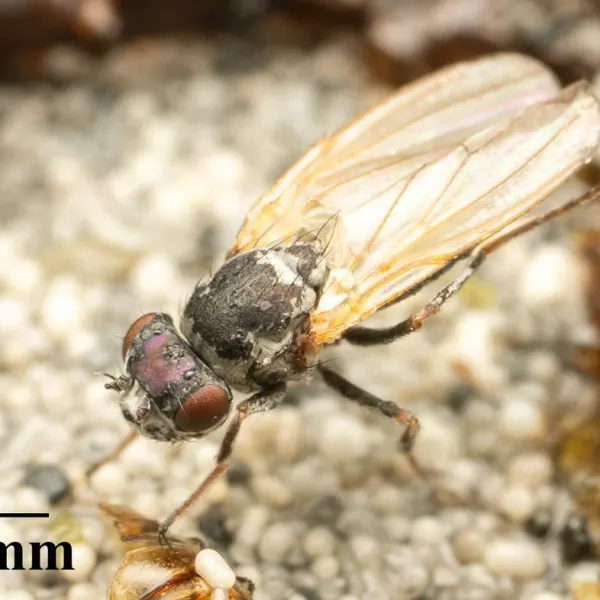
Shore Flies Coloration
Common color patterns to help identify shore flies
Shore Flies
Seasonal Activity
When shore flies are most active throughout the year

Where Shore Flies Are Found
Hover over states to see their names. Green regions indicate where shore flies have been reported.
Shore Fly Identification Guide
Physical Characteristics
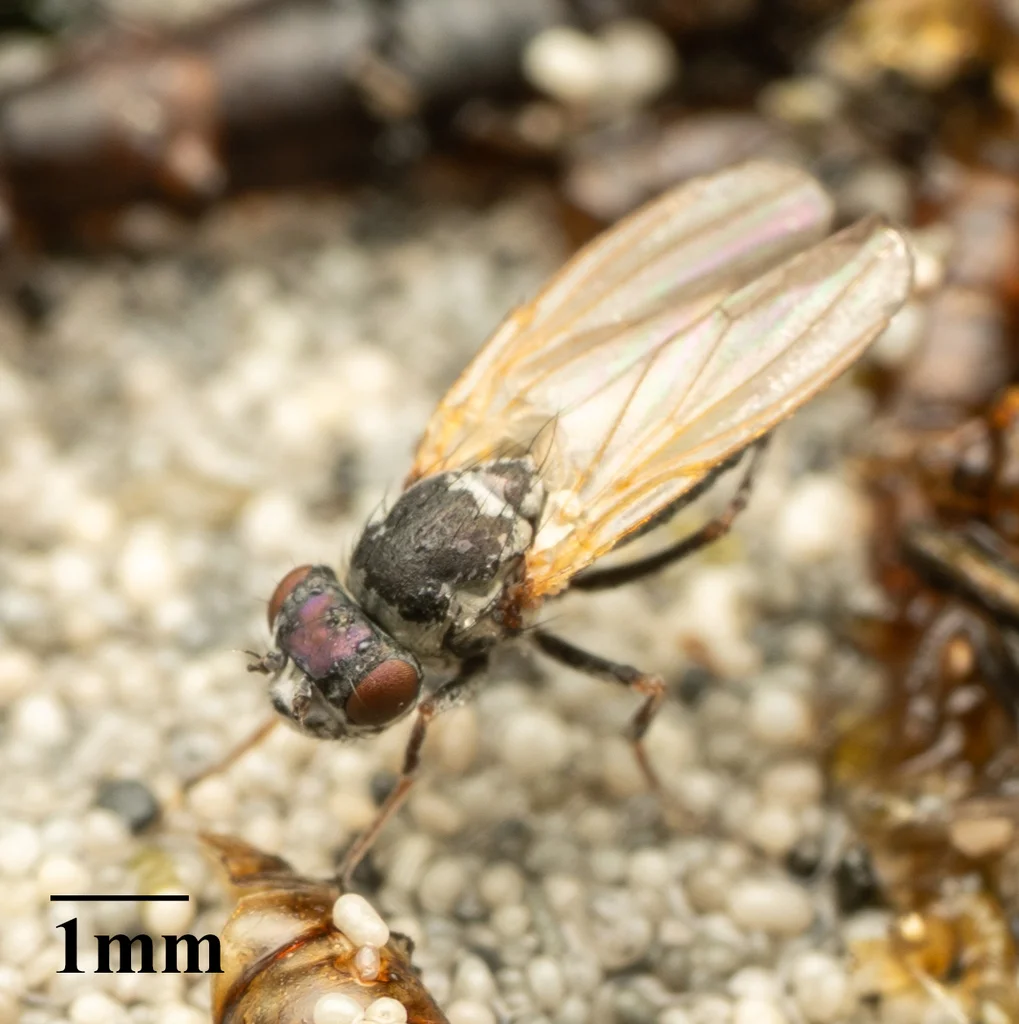
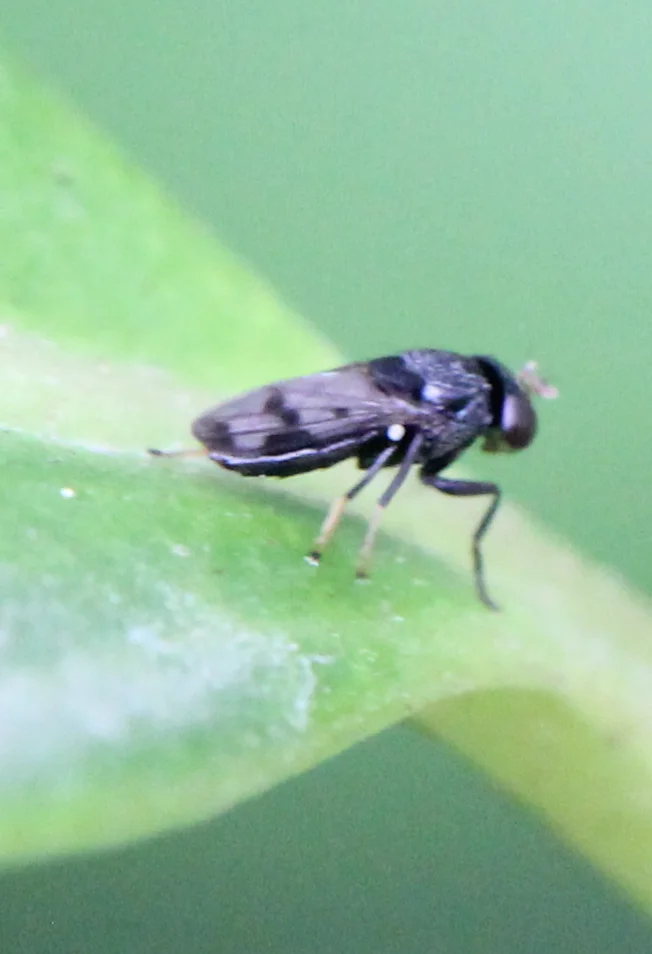
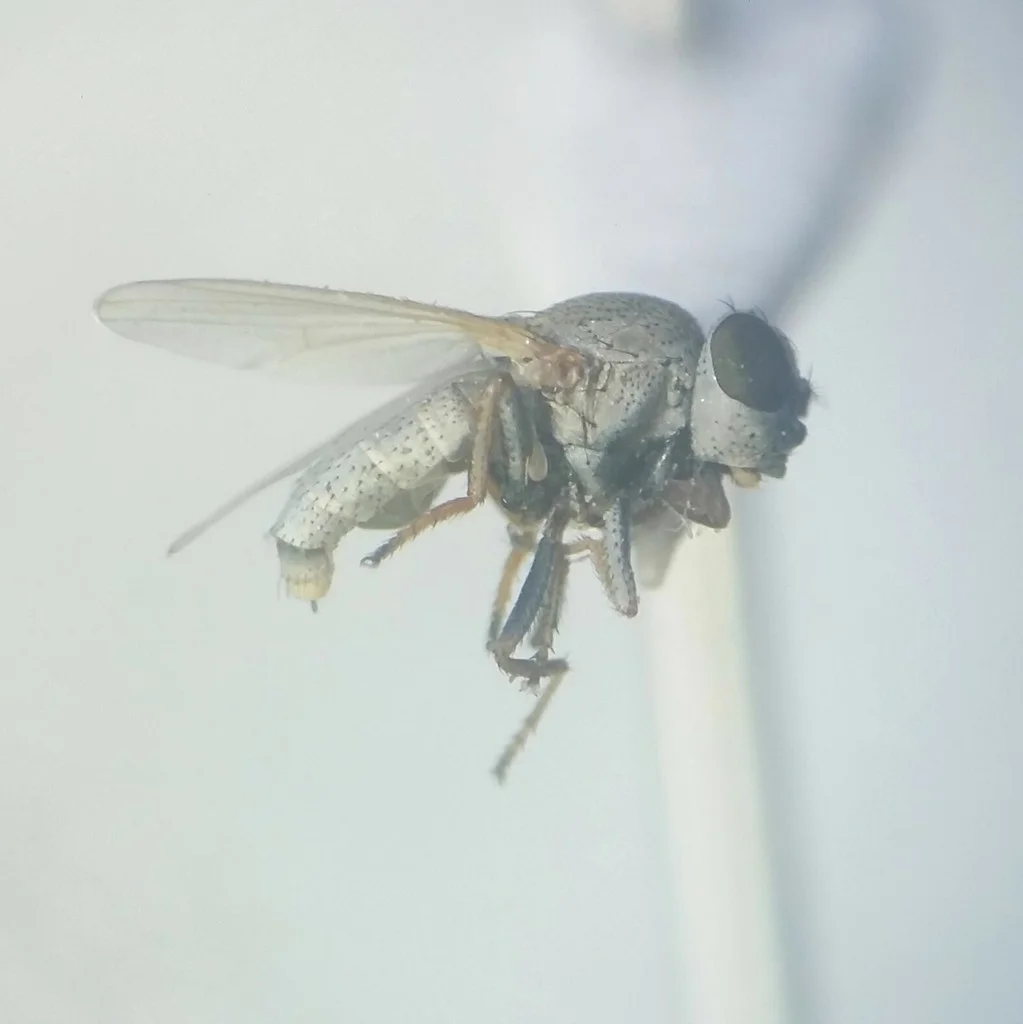
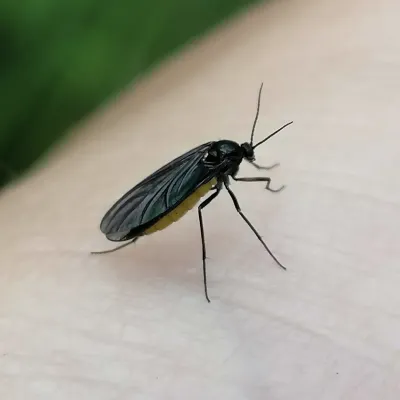
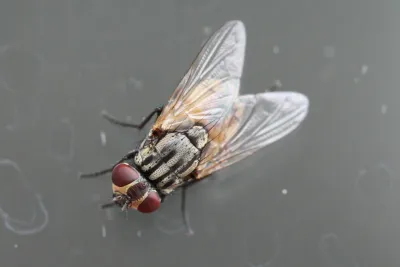
Shore flies are small, stocky flies about 2 to 4 millimeters long. They are roughly the size of a fruit fly. People often confuse them with fungus gnats, but shore flies have a heavier build. Their bodies are dark gray to black, and adults have red eyes that stand out on their small heads.
The best way to identify shore flies is by the pattern on their wings. Each wing has five or more light spots that you can see up close. At rest, both wings lay flat over their bodies. Shore flies have short antennae that are much smaller than their heads. Fungus gnats have much longer antennae by comparison.
Shore flies are strong fliers that can move quickly through a room. Fungus gnats fly in a weak, fluttering pattern that looks very different. When shore fly numbers grow high, you will see them resting on plant leaves, walls, and surfaces near where they breed.
Common Species
The most common shore fly species in homes and greenhouses is Scatella stagnalis. People call it the greenhouse shore fly. This species lives throughout the United States, Canada, and northern Mexico. It also occurs in Europe and Asia.
The family Ephydridae includes about 2,000 species around the world. North America has at least 464 species. Most shore flies live in wetlands, but some species have adapted to greenhouses, nurseries, and humid homes with standing water.
Some shore fly species can live in extreme places. Certain species survive in hot springs over 45 degrees Celsius. Others live in very salty water or even crude oil pools. The species that become pests in homes prefer normal conditions where algae can grow.
Shore Fly Behavior and Biology
Shore flies go through four life stages: egg, larva, pupa, and adult. In warm weather, the cycle from egg to adult takes about two weeks. Cooler temperatures slow this down to several weeks. Homeowners dealing with Shore Flies may also encounter Fly, which can appear in similar environments.
Female shore flies lay eggs where algae grows. Common egg sites include potting soil, greenhouse benches, wet floors, and any damp surface with algae. One female can lay 300 to 500 eggs in her lifetime. This leads to fast population growth when conditions favor breeding. A related species, House Flies, shares similar characteristics.
Larval Development A related species, Biting Midges, shares similar characteristics.
Shore fly larvae are yellowish-brown maggots that grow to about 6 millimeters long. They do not have a dark head capsule like fungus gnat larvae do. Their key feature is a pair of forked breathing tubes at their rear end. These tubes let them breathe while feeding in very wet areas. A related species, Coffin Flies, shares similar characteristics.
The larvae eat only algae, bacteria, and tiny organisms on wet surfaces and in standing water. They do not eat plant roots or living plant parts. This sets them apart from fungus gnats, which can harm plant roots. For a deeper look at how these pests compare, see our article on gnats vs fruit flies. Shore fly larvae go through three stages before becoming pupae. A related species, Cheese Skipper Flies, shares similar characteristics.
Adult Behavior
Adult shore flies are most active during the day. They fly well and can spread through a home or greenhouse quickly. They often rest on plant leaves and leave behind small dark spots of waste called frass. This frass looks bad but causes no direct harm to plants.
Adults eat mainly algae and rotting organic matter. They do not bite people or pets. They do not spread diseases to humans. However, shore flies can spread plant diseases like Pythium and Thielaviopsis through their droppings. This is a concern for commercial greenhouse growers.
Treatment Methods for Shore Flies
Getting rid of shore flies requires removing their food source and cutting down on moisture. Chemical treatments alone will not solve the problem. You must also fix the conditions that allow them to breed.
Moisture and Algae Control
The key to shore fly control is cutting moisture and killing algae. Shore flies need algae to feed their larvae. Without algae, they cannot breed. Here are the main strategies:
- Reduce overwatering: Let potting soil dry between waterings. Do not leave standing water in plant saucers.
- Improve drainage: Make sure pots have good drainage holes. Do not let water pool on surfaces.
- Increase air flow: Use fans or open windows to help surfaces dry faster.
- Clean wet surfaces: Remove algae from pots, trays, windowsills, and any surface that stays wet.
- Fix water leaks: Repair dripping faucets, leaky pipes, and other moisture sources.
Monitoring
Yellow sticky traps work well for tracking adult shore flies. Place them flat near areas where you think the flies breed. The traps help you see how bad the problem is and find breeding spots. Some growers put yellow sticky tape on watering equipment to catch large numbers of adults.
You can often spot a shore fly problem just by looking. When numbers are high, you will easily see adults resting on plants and other surfaces.
Environmental Management
If you keep having shore fly problems indoors, try these extra steps:
- Bathroom ventilation: Run exhaust fans during and after showers. This reduces humidity and stops algae from growing on grout and fixtures.
- Houseplant care: Use potting mixes that drain well. Do not overwater. You can put a thin layer of sand on the soil to stop flies from laying eggs.
- Aquarium care: Keep algae growth down in fish tanks. Clean any algae from the outside of the tank and stand.
- Sump pumps: Cover sump pump openings. Make sure they drain well to avoid standing water.
Other Control Options
In greenhouse settings, certain nematodes such as Steinernema carpocapsae can target shore fly larvae when applied at high rates to moist growing media. The predatory hunter fly Coenosia attenuata occurs naturally in some greenhouses and feeds on adult shore flies.
These methods work best when combined with moisture control and algae removal.
References
Other Flies
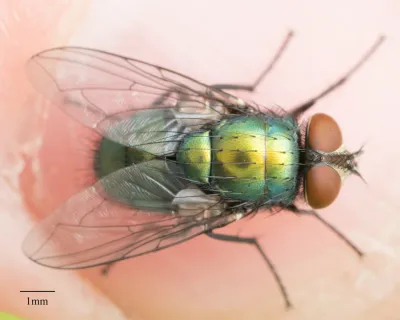
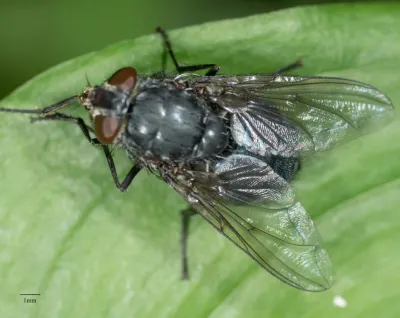
Explore other species in the flies family
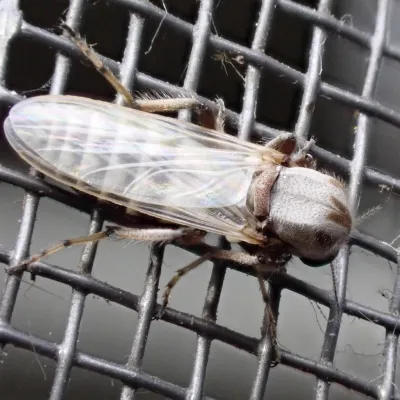
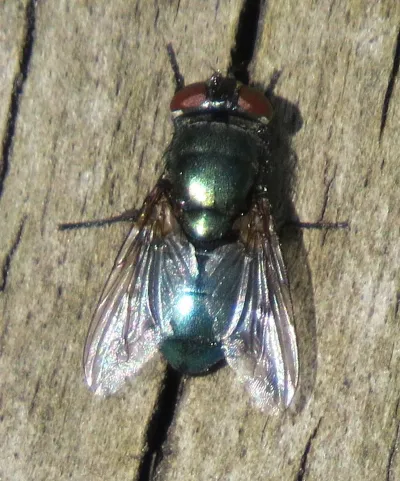
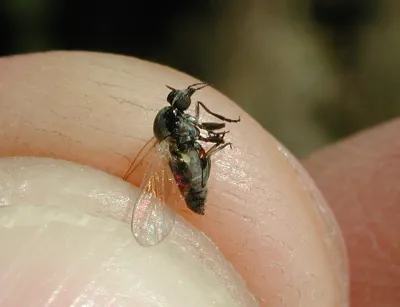
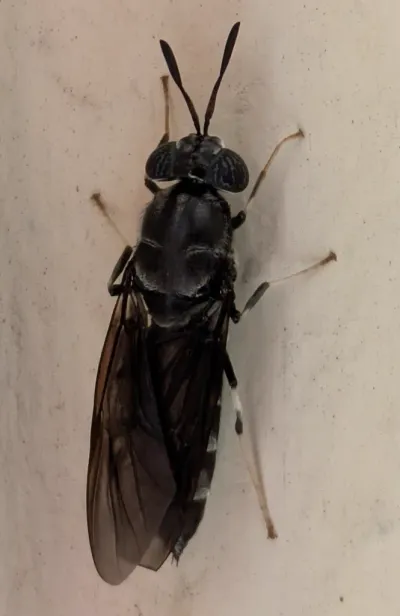
Commonly Confused With
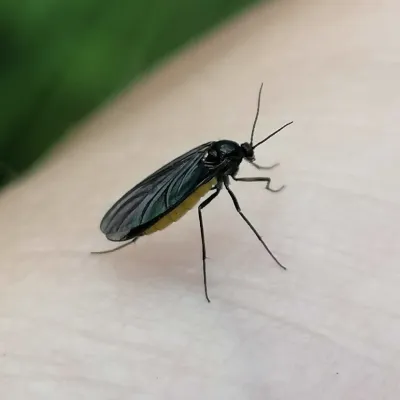
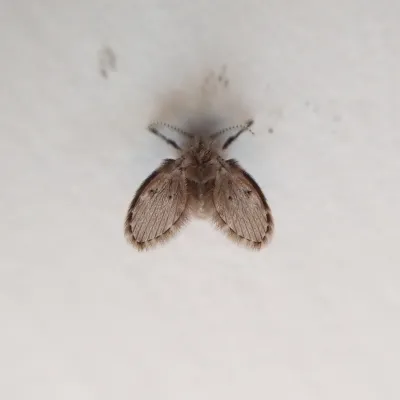
Shore Flies are often mistaken for these similar pests
Where Shore Flies Are Found
Hover over states to see their names. Green regions indicate where shore flies have been reported.
Common Questions about Shore Flies
What are shore flies and why are they in my home?
+
Shore flies are small, dark-colored flies that feed on algae and thrive in moist environments. They enter homes where there is standing water, overwatered houseplants, or algae growth on wet surfaces. Unlike some other flies, they do not feed on plants or bite humans.
How can I tell the difference between shore flies and fungus gnats?
+
Shore flies are sturdier with darker bodies, shorter antennae, and distinctive light spots on their wings. They are stronger fliers than fungus gnats. Fungus gnats are more delicate with longer legs and antennae, and they have a weak, erratic flight pattern.
Are shore flies harmful to plants or humans?
+
Shore flies do not directly damage plants or bite humans. However, they can spread plant pathogens through their droppings and leave unsightly frass on plant leaves. Their presence typically indicates excess moisture that should be addressed.
What do shore fly larvae look like?
+
Shore fly larvae are yellowish-brown, legless maggots without a visible head capsule. They have distinctive forked breathing tubes at their rear end. Larvae feed on algae and are typically found in very moist areas or standing water.
How do I get rid of shore flies in my houseplants?
+
Reduce watering to eliminate algae growth on soil surfaces. Allow the top layer of soil to dry between waterings. Remove standing water from saucers and clean any algae from pots and trays. Yellow sticky traps can help monitor and reduce adult populations.
How long do shore flies live?
+
Shore flies develop from egg to adult in about two weeks under warm conditions. Adult shore flies live for two to three weeks. A single female can lay 300 to 500 eggs during her lifetime, leading to rapid population growth when conditions are favorable.
Why do I have shore flies in my bathroom?
+
Bathrooms provide the moisture and potential algae growth that shore flies need. Check for algae on grout, around faucets, in shower corners, and on any constantly wet surfaces. Improving ventilation and reducing moisture can help eliminate them.
Can shore flies infest my aquarium or pond?
+
Shore flies are commonly found around aquariums, indoor water features, and ponds where algae grows. While they do not harm fish, their populations can become a nuisance. Controlling algae growth and using yellow sticky traps nearby can help manage them.

With five years of hands-on experience in the pest control industry, George Schulz is a registered technician with the Virginia Pest Management Association and a proud third-generation professional in a family business that's been protecting homes for over 57 years. He manages and trains a team of service pros while also leading internal research efforts—recently spearheading a deep-dive review of thousands of documents on pest control materials to hand-pick the most kid and pet friendly, most effective solutions tailored specifically for homes in the DC metro area.