Phorid Flies Identification Guide
Phoridae (Family)
Phorid flies are small, humpbacked flies known for their erratic running behavior. They breed in decaying organic matter and can indicate plumbing issues or hidden moisture problems in homes.
Taxonomy
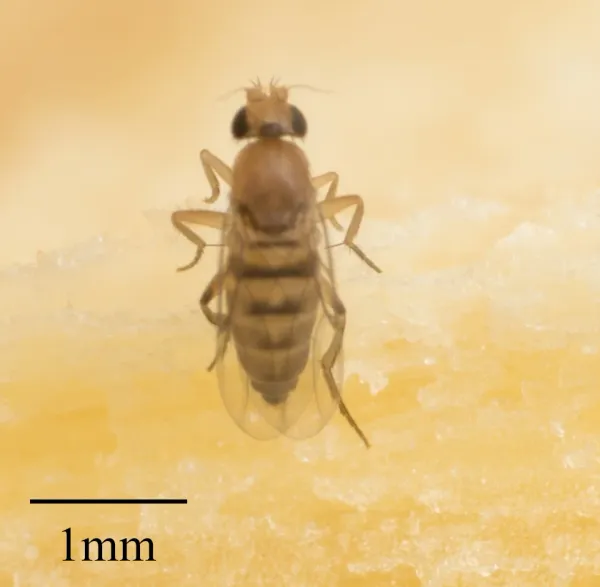
Phorid Flies Coloration
Common color patterns to help identify phorid flies
Phorid Flies
Seasonal Activity
When phorid flies are most active throughout the year

Where Phorid Flies Are Found
Hover over states to see their names. Green regions indicate where phorid flies have been reported.
Phorid Fly Identification Guide
Physical Characteristics
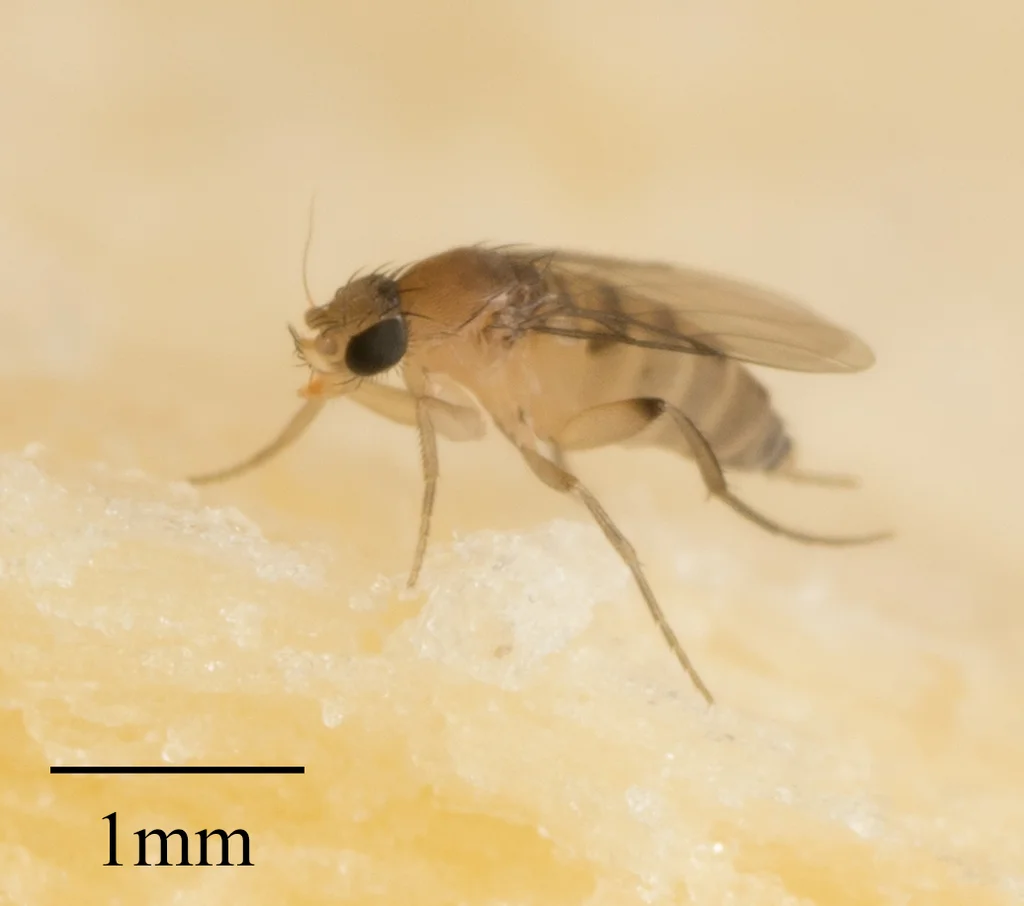
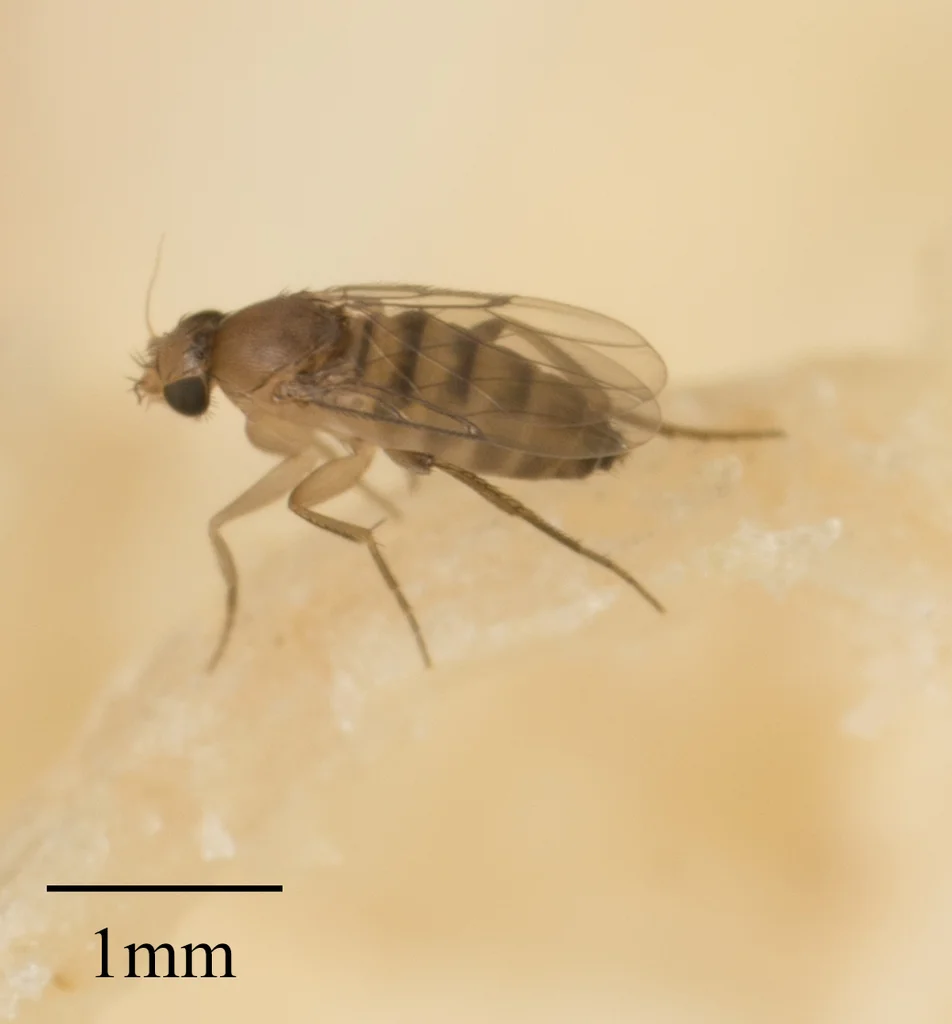
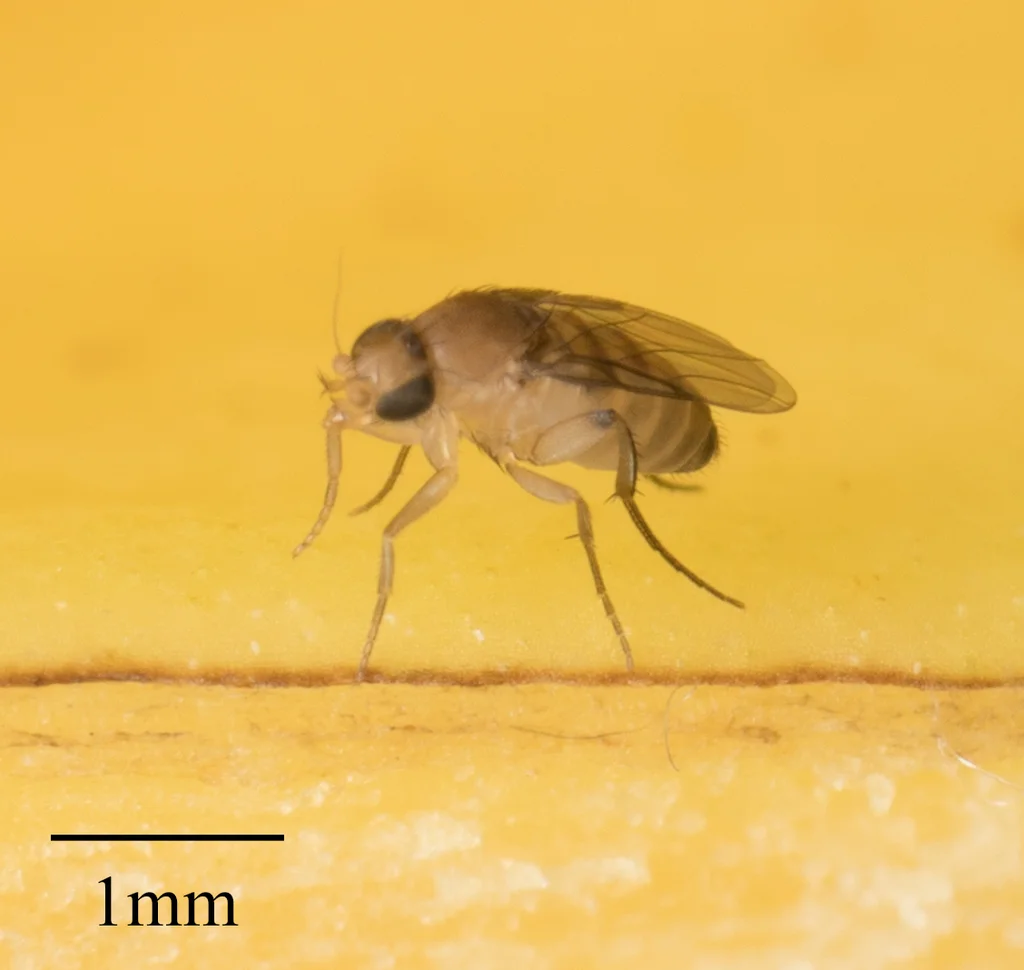
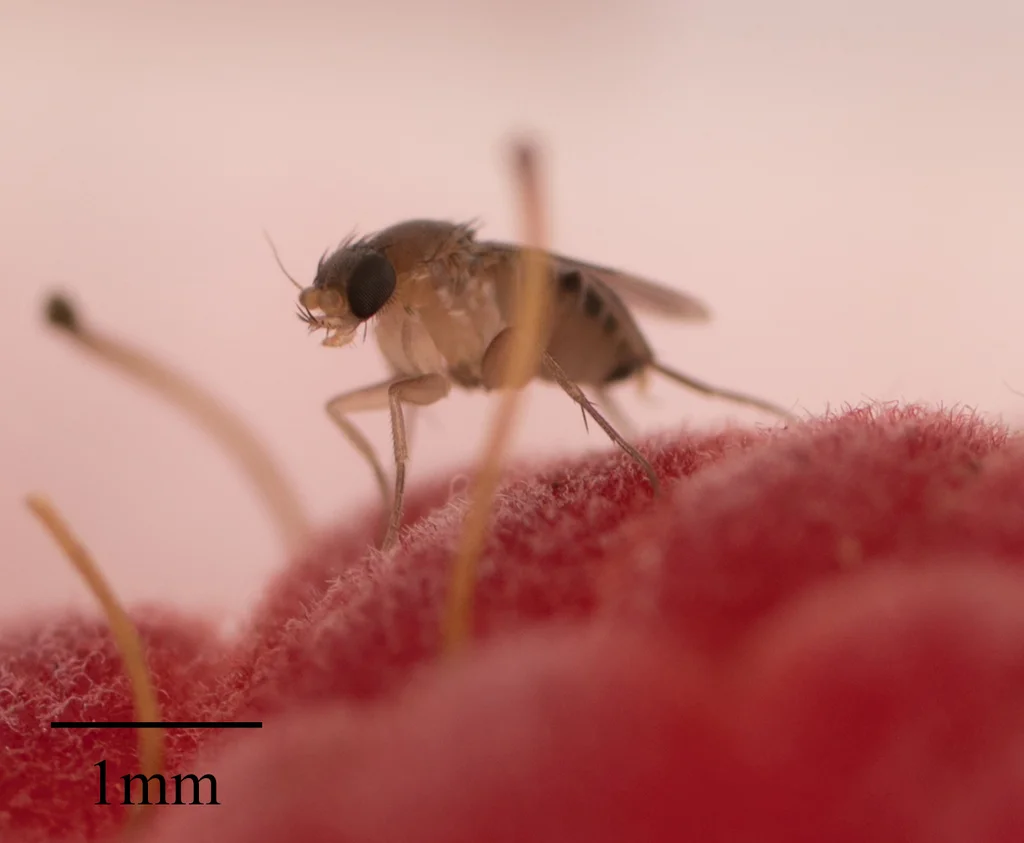
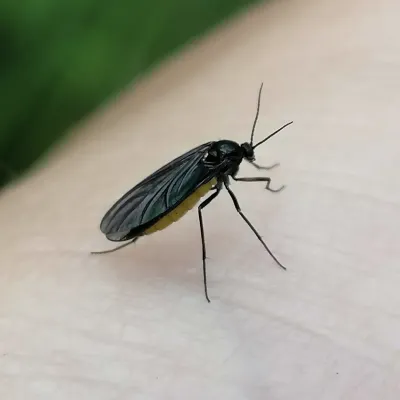
Phorid flies are small flies, about 1 to 4 millimeters long. That makes them roughly the size of a fruit fly or smaller. Their most obvious feature is a noticeable hump on their upper body when seen from the side. This hump is why they are often called “humpbacked flies.” The arched shape helps tell them apart from other small flies in homes.
These flies have short antennae on the front of their head. Small bristly hairs often hide them. Their color ranges from tan to yellowish-brown or black. Some species have darker stripes on the abdomen. The back legs are larger and flatter than the front legs. This design helps them jump.
The wing pattern also helps with identification. Phorid flies have thick veins near the front edge of each wing. Three to four lighter veins run across the rest of the wing. Overall, their wings look simpler than most other flies.
House flies buzz around and land directly. Phorid flies act differently. When disturbed, they run fast across surfaces in short, jerky bursts before flying away. This “scuttling” behavior is so unique that pest experts often use it to identify them.
Common Species
The two most common household phorid fly species in North America are Megaselia scalaris and Dohrniphora cornuta. Megaselia scalaris is especially common. It is sometimes called the coffin fly or scuttle fly. This species eats many different things and can breed in a wide variety of organic materials.
The family Phoridae is large and diverse, with over 4,000 species found worldwide. Most species live outdoors where they help break down dead plants and animals. However, several species will move indoors when they find good breeding conditions.
Phorid Fly Behavior and Biology
Phorid flies go through four life stages: egg, larva, pupa, and adult. In warm conditions, they can complete their whole lifecycle in just 14 days. In cooler weather, it may take up to 37 days.
Female phorid flies reproduce quickly. A single female can lay 20 eggs at a time and up to 40 eggs in just 12 hours. Over her 30-day lifespan, one female can lay 500 to 1,000 eggs. The eggs are tiny and boat-shaped. Females usually place them at the edge of breeding material.
Larvae hatch within 24 hours in warm conditions. These legless, whitish-gray larvae feed on decaying organic matter for 8 to 16 days. Then they crawl to a drier spot to pupate. The pupae are oval and slightly flattened with small breathing horns. Adults emerge about one week later.
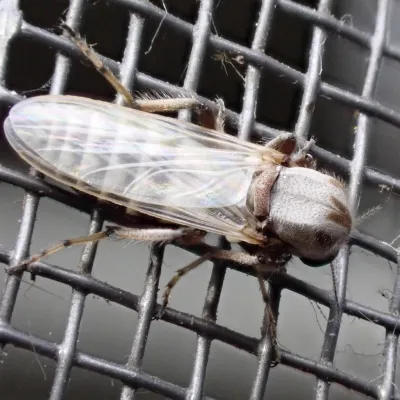
Adult phorid flies are strong fliers for their size. With help from wind, they can travel up to six miles in 24 hours. However, they usually fly short distances and prefer to run across surfaces. Adults are most active during the day and are drawn to light. A related species, Biting Midges, shares similar characteristics.
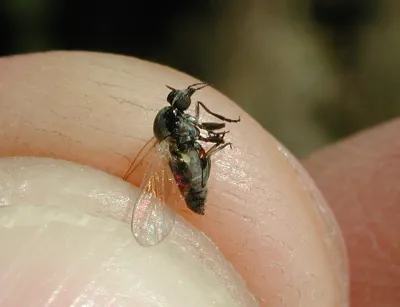
Breeding Habits and Habitat A related species, Cheese Skipper Flies, shares similar characteristics.
Phorid flies can breed in more types of materials than almost any other fly that infests buildings. This makes them hard to control. Potential breeding sites are many and often hidden from view.
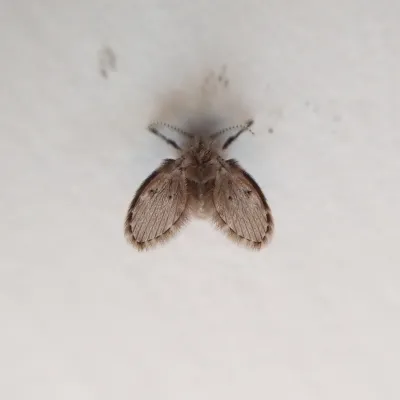
Phorid flies are sometimes confused with drain flies since both can breed in plumbing, but phorid flies have a much wider range of breeding sites. Unlike drain flies, which have fuzzy moth-like wings, phorid flies have a distinctive humpbacked shape and run rapidly across surfaces.
Common indoor breeding sites include:
- Organic buildup inside drain pipes and garbage disposals
- Rotting produce, especially potatoes and onions
- Trash containers and recycling bins
- Dirty mop heads and cleaning equipment
- Areas with pet waste or spilled pet food
- Decomposing matter in wall voids or beneath floors
- Broken sewer lines and damaged septic systems
- Wet, compacted soil in potted plants
- Grease traps and floor drains in commercial kitchens
Outdoors, phorid flies breed in decaying plant matter, animal waste, and dead animals. Problems start when these flies find good breeding spots inside buildings.
Moisture is essential for phorid fly breeding. Any area that stays damp and has organic matter can become a breeding site. This is why water leaks, condensation, and drainage problems often go hand in hand with phorid fly infestations.
Treatment Methods for Phorid Flies
Good phorid fly control means finding and removing the breeding source. You can kill adult flies in many ways, but new flies will keep appearing as long as larvae have somewhere to grow. Here are methods that work well for treating phorid fly infestations:
Source Identification
Before treatment can work, you must find all breeding sites. This can be hard because phorid flies often breed in hidden areas. Start by checking the obvious spots:
- Check stored produce, particularly potatoes, onions, and other root vegetables
- Examine all floor drains, sink drains, and garbage disposals
- Look under and behind appliances where food debris may accumulate
- Inspect pet areas for waste or spilled food
- Check potted plants for excessive moisture or decaying organic matter
If you have removed obvious sources but flies keep coming, look for hidden breeding sites. Sticky traps placed around the home can show where flies are most active. Ongoing infestations often point to broken plumbing or moisture problems in the structure.
Sanitation and Source Removal
The key to phorid fly control is removing the organic material where larvae grow. This takes more than surface cleaning:
- Dispose of all rotting produce and clean storage areas thoroughly
- Clean drains with enzymatic cleaners that break down organic buildup. Standard bleach and chemical cleaners do not remove the slimy film where larvae feed as well
- Clean under appliances, around trash containers, and in other areas where food debris accumulates
- Address any moisture problems that create conditions favorable for breeding
- Clean and dry mop heads, sponges, and other cleaning tools that may harbor organic matter
In commercial kitchens and food service areas, pay close attention to grease traps and floor drains. Also check spots where pressure washing may have pushed food debris into cracks.
Addressing Hidden Sources
When phorid flies keep coming back after thorough cleaning, look for hidden breeding sources. Broken sewer lines under concrete slabs are a common cause of ongoing infestations. Signs that may point to sewer line problems include:
- Flies emerging from specific locations repeatedly
- Unusual odors, especially near floor drains
- Previous plumbing problems or slow drains
- Damp spots on floors with no obvious source
A plumber with a camera can inspect pipes to find damage. Smoke testing can also show cracks in sewer lines by revealing where smoke enters the building. To eliminate these hidden breeding sites, broken pipes must be fixed and contaminated soil removed.
Monitoring and Prevention
After getting rid of an active infestation, stay alert to prevent them from coming back:
- Maintain clean drains with regular enzymatic treatments
- Store produce properly and dispose of overripe items promptly
- Keep trash containers clean and tightly sealed
- Address moisture problems and plumbing leaks immediately
- Clean under appliances and in hard-to-reach areas regularly
- Use sticky traps to monitor for early signs of new activity
Insect light traps can catch adult flies but will not solve an infestation by themselves. They work best as monitoring tools to spot activity before fly numbers grow.
References
Other Flies
Explore other species in the flies family
Commonly Confused With
Phorid Flies are often mistaken for these similar pests
Where Phorid Flies Are Found
Hover over states to see their names. Green regions indicate where phorid flies have been reported.
Common Questions about Phorid Flies
What causes phorid flies in my house?
+
Phorid flies breed in moist, decaying organic matter. Common sources include clogged drains, broken sewer or septic lines, rotting produce, dirty garbage disposals, pet waste, and areas with water damage. They can also breed in potted plant soil and under appliances where food debris accumulates.
How can I tell the difference between phorid flies and fruit flies?
+
Phorid flies have a distinctive humpbacked appearance and dark eyes, while fruit flies have bright red eyes and a more rounded body. The key behavioral difference is that phorid flies run rapidly across surfaces in a jerky, erratic pattern before flying, earning them the nickname 'scuttle flies.' Fruit flies typically hover and fly directly.
Are phorid flies dangerous?
+
Phorid flies can spread bacteria because they breed in unsanitary materials including decaying organic matter and sewage. They pose particular concerns in hospitals, food service facilities, and anywhere sanitation is critical. While they do not bite, their presence often indicates a sanitation issue that should be addressed.
Why do phorid flies keep coming back?
+
Phorid flies persist because their breeding source has not been eliminated. Simply killing adult flies will not solve the problem. The organic material where larvae develop must be located and removed. Hidden sources like broken sewer lines under concrete slabs can be particularly difficult to find and may require professional inspection.
Can phorid flies come from drains?
+
Yes, phorid flies frequently breed in the organic film that builds up inside drain pipes. However, unlike drain flies, phorid flies can breed in many other locations as well. If phorid flies persist after thorough drain cleaning, there may be a broken sewer line, moisture problem, or other hidden breeding source.
How long does it take to get rid of phorid flies?
+
Once the breeding source is eliminated, adult phorid flies will die off within about two weeks. The complete lifecycle takes 14 to 37 days depending on temperature. If new flies continue appearing after three weeks, the breeding source has not been fully addressed.
Do phorid flies bite?
+
No, phorid flies do not bite humans. They are primarily a nuisance pest, though their presence indicates unsanitary conditions that should be corrected. Some species are attracted to wounds and moist body areas, which can be problematic in healthcare settings.
Can phorid flies indicate a plumbing problem?
+
Yes, persistent phorid fly infestations often indicate a broken sewer line or cracked septic tank, especially when no obvious food source can be found. A plumbing professional can use camera inspection or smoke testing to locate damaged pipes beneath floors or behind walls.

With five years of hands-on experience in the pest control industry, George Schulz is a registered technician with the Virginia Pest Management Association and a proud third-generation professional in a family business that's been protecting homes for over 57 years. He manages and trains a team of service pros while also leading internal research efforts—recently spearheading a deep-dive review of thousands of documents on pest control materials to hand-pick the most kid and pet friendly, most effective solutions tailored specifically for homes in the DC metro area.