Latrine Flies Identification Guide
Fannia scalaris
Latrine flies are small, slender flies that breed in animal and human waste, decaying organic matter, and other unsanitary environments. They are closely related to the lesser house fly.
Taxonomy
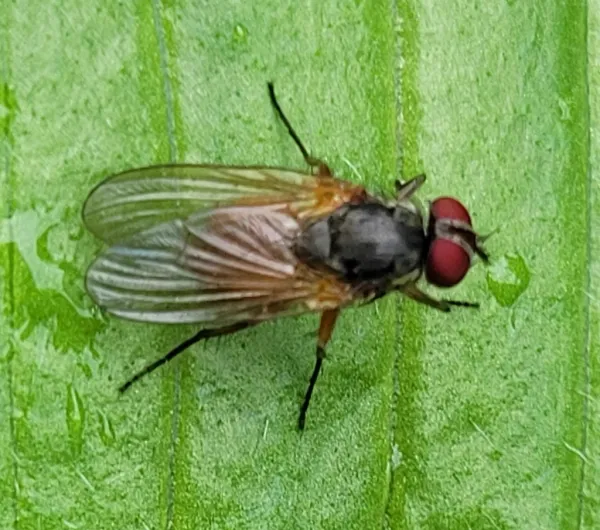
Latrine Flies Coloration
Common color patterns to help identify latrine flies
Latrine Flies
Seasonal Activity
When latrine flies are most active throughout the year

Where Latrine Flies Are Found
Hover over states to see their names. Green regions indicate where latrine flies have been reported.
Latrine Fly Identification Guide
Physical Characteristics
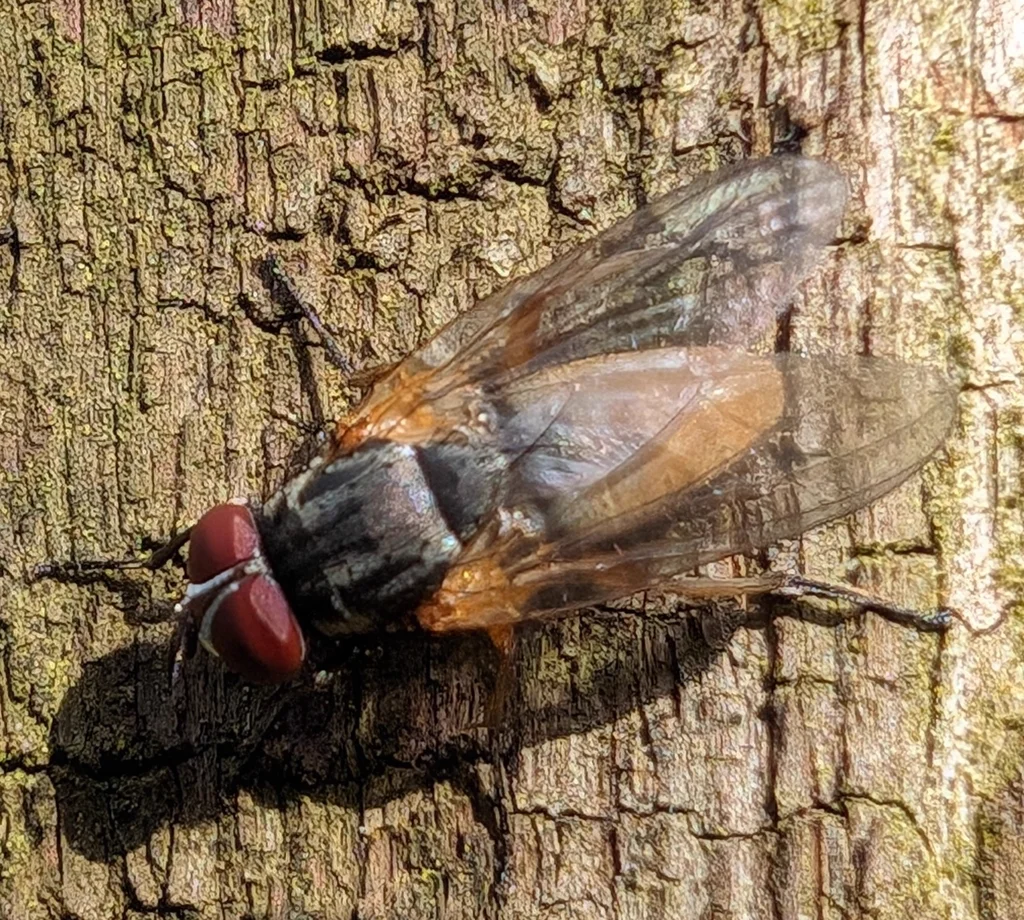
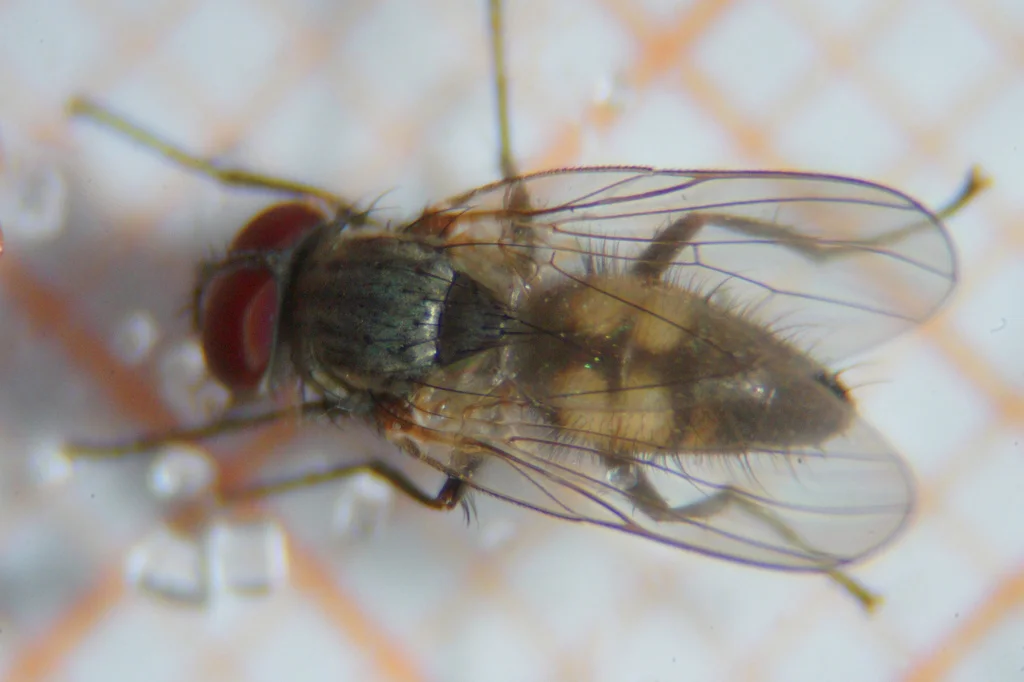
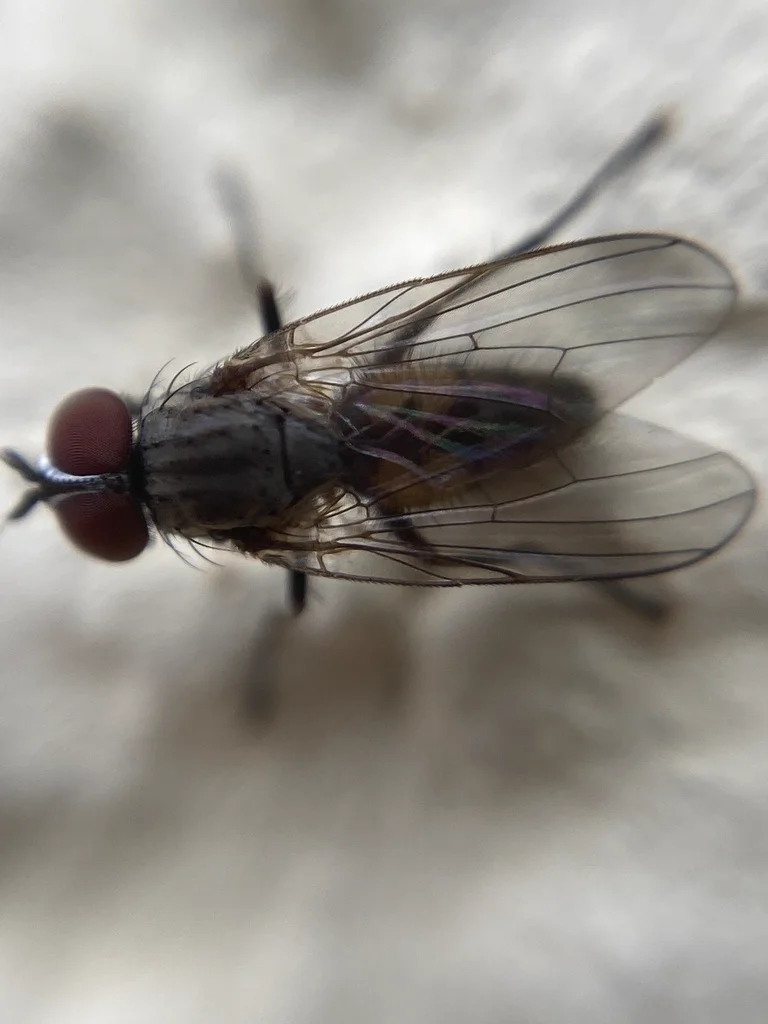
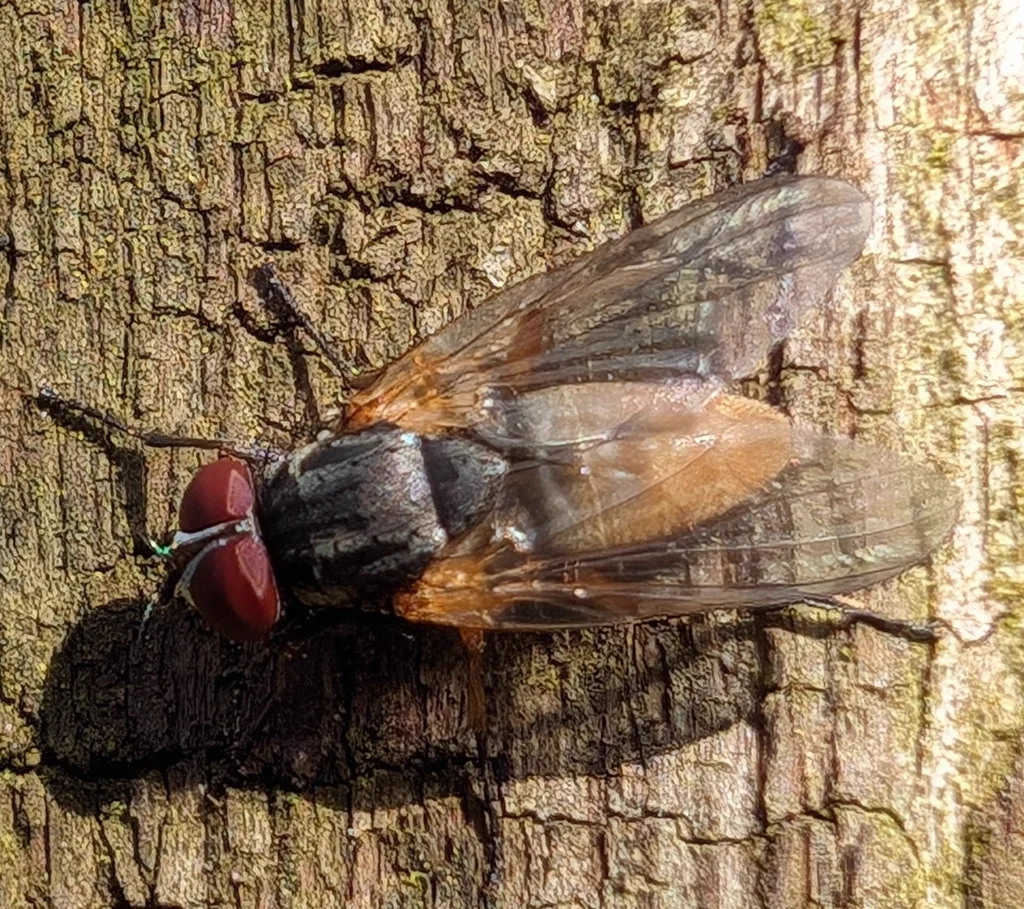
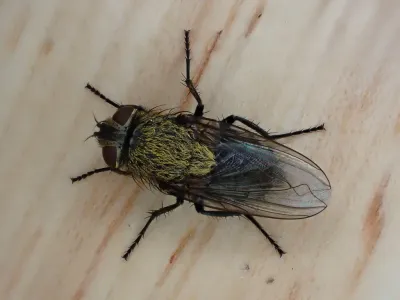
Latrine flies (Fannia scalaris) are small flies that look like house flies but are smaller and thinner. Adults are 5 to 8 millimeters long with a slim body. Males are gray with yellow patches on the sides of their belly. Females are plain dark gray to black.
You can tell latrine flies apart from house flies by looking at their wings. The middle wing vein on a latrine fly runs straight to the tip. On a house fly, this vein bends sharply upward. Latrine flies also lack the four dark stripes on the back that house flies have.
The larvae look very different from house fly maggots. Latrine fly larvae have spiny projections all over their bodies. These help them float in wet, soggy materials where they grow. Young larvae are white and turn brown as they get older.
Common Species in the Fanniidae Family
The latrine fly belongs to the family Fanniidae. Here are the main species you might see:
-
Latrine Fly (Fannia scalaris): This fly breeds in outhouses and piled animal waste. It likes very wet, rotting materials.
-
Lesser House Fly (Fannia canicularis): A close cousin that is often found hovering indoors. Males fly in circles under lights and in shaded spots.
Both types can carry eye worms (Thelazia californiensis). In rare cases, their larvae can infest wounds or body openings.
Latrine Fly Behavior and Biology
Life Cycle
Latrine flies go through four life stages: egg, larva, pupa, and adult. Females lay 100 to 150 eggs at a time, usually on feces or rotting organic matter. The eggs are flat with small fins that help them float on wet surfaces.
In warm weather, eggs hatch in as little as 8 hours. In cooler weather, this can take up to 48 hours. The larvae feed for about 5 days before turning into pupae. The pupal stage lasts 7 to 10 days. From egg to adult takes 15 to 30 days total. Warm weather speeds up this cycle.
Habitat and Behavior
Male latrine flies hover in the air for long periods. They fly back and forth in shady spots like garages, porches, and under trees. This hovering habit makes them easy to spot. Females are harder to see because they rest on plants and stay still. A related species, Biting Midges, shares similar characteristics.
Adult latrine flies eat nectar and the sweet juice that aphids leave on plants. They do not bite people or pets. However, they can pick up germs from the dirty places where they breed. When they land on your food or counters, they can spread these germs.
Breeding Site Preferences
Latrine flies got their name because they breed in outhouses and latrines. They love wet, dirty organic materials like:
- Human and animal feces
- Pet droppings in yards
- Bird and chicken manure
- Thick, rotting mulch
- Piled grass clippings
- Rotting fruits and vegetables
- Smelly garbage
Their larvae can survive in very wet conditions that would kill other fly maggots. The small fins on their eggs and spines on their larvae help them float instead of sinking.
Medical and Forensic Significance
Latrine flies can cause health problems beyond spreading germs. In rare cases, their larvae can infest body openings like ears or wounds. This condition is called myiasis.
Police investigators sometimes use latrine flies to solve crimes. These flies show up at dead bodies after blow flies and flesh flies. By looking at how old the larvae are, experts can figure out when a person died.
Treatment Methods for Latrine Flies
Latrine flies are part of a broader group of filth flies that breed in unsanitary organic matter. Effective latrine fly management centers on eliminating breeding sources and keeping things clean. These flies breed in waste materials, so control measures focus on cleaning up and managing the environment rather than using chemicals.
Sanitation and Source Elimination
The best way to control latrine flies is to remove what they breed in:
-
Pet Waste: Pick up pet droppings from your yard at least once a week. Do it more often in warm weather.
-
Garbage Cans: Keep trash cans clean and sealed tight. Wash them out often to remove old food residue.
-
Lawn Debris: Do not let grass clippings pile up. Compost them or throw them away quickly.
-
Mulch: Avoid putting down thick layers of mulch. Replace old, rotting mulch when needed.
Exclusion Measures
Keeping latrine flies out of your home is also important:
- Make sure all window and door screens fit well and have no holes
- Seal gaps around pipes and wires where they enter walls
- Keep doors closed, especially near garbage or pet areas
- Businesses can use air curtains at entrances to keep flies out
Environmental Modifications
On farms or rural properties with animals, you may need extra steps:
- Remove manure on a regular schedule
- Make sure waste areas drain well so they do not stay wet
- Some wasps eat fly pupae and can help with control
- Compost piles that get hot enough will kill fly larvae
Trapping and Monitoring
Traps alone will not solve a latrine fly problem, but they can help catch adults and show you if your cleaning efforts are working:
- Sticky fly traps near areas where you see flies
- UV light traps inside buildings
- Baited traps to track how many flies you have
Professional Assessment
If latrine flies keep coming back even after you clean up, there may be a hidden breeding spot. A pest control expert can check for:
- Broken sewer lines or septic tank issues
- Dead animals in walls or other hidden spots
- Moisture problems that make good breeding conditions
- Piles of organic waste you may have missed
References
Other Flies
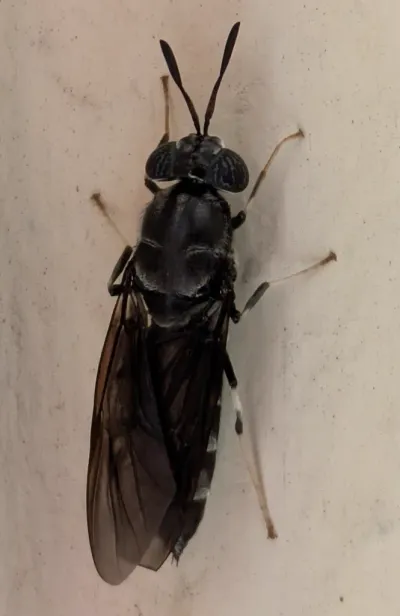
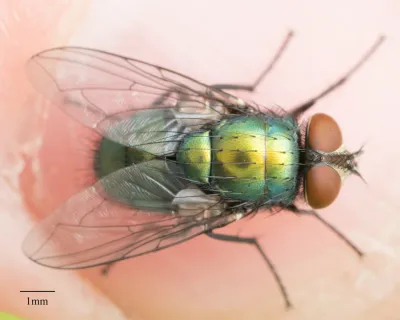
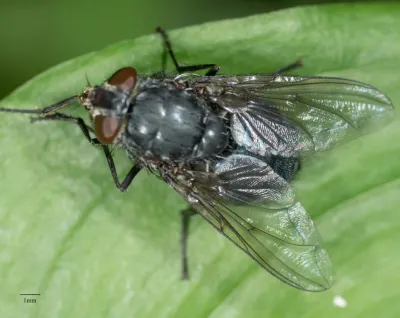
Explore other species in the flies family
Commonly Confused With
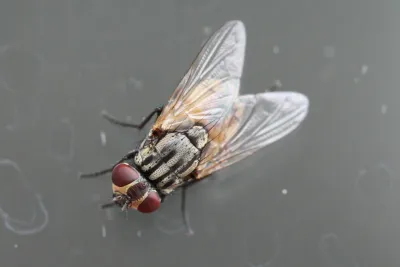
Latrine Flies are often mistaken for these similar pests
Where Latrine Flies Are Found
Hover over states to see their names. Green regions indicate where latrine flies have been reported.
Common Questions about Latrine Flies
What is a latrine fly?
+
A latrine fly (Fannia scalaris) is a small fly species that breeds in human and animal waste, decaying organic matter, and other unsanitary materials. The name 'latrine fly' comes from their preference for breeding in outhouses, septic areas, and accumulated feces.
How can I tell the difference between latrine flies and house flies?
+
Latrine flies are smaller and more slender than house flies, measuring about 5 to 8 millimeters compared to the house fly's 6 to 7 millimeters. Latrine flies lack the four dark stripes on the thorax that house flies have, and their wing veins run almost straight to the tip rather than having a sharp upward bend.
Are latrine flies dangerous to humans?
+
Latrine flies can pose health concerns because they breed in contaminated environments and can carry pathogenic microbes on their bodies. They have also been associated with rare cases of myiasis, where larvae infest body cavities. Their presence indicates unsanitary conditions that should be addressed.
Why do I have latrine flies in my house?
+
Latrine flies enter homes seeking breeding sites or food. Common indoor attractants include pet waste, dirty garbage cans, or decomposing organic materials. They may also breed outdoors in pet droppings, bird feces, or decomposing lawn clippings and then enter the home.
What attracts latrine flies?
+
Latrine flies are attracted to decaying organic matter, particularly animal and human feces. They are also drawn to rotting vegetation, lawn clippings, thick mulch layers, and garbage. Adults seek nectar and honeydew from aphids as food sources.
How do I get rid of latrine flies?
+
Eliminating breeding sites is essential for latrine fly control. Remove pet waste from yards, clean garbage cans thoroughly, dispose of decaying lawn clippings, and address any accumulated organic debris. Good sanitation practices and exclusion measures like intact window screens will help keep them out.
How long do latrine flies live?
+
The latrine fly life cycle takes 15 to 30 days depending on temperature. Eggs hatch within 8 to 48 hours, larvae develop over about 5 days, and the pupal stage lasts 7 to 10 days. Adults typically live for several weeks under favorable conditions.
Where do latrine flies lay their eggs?
+
Female latrine flies lay 100 to 150 eggs directly on or near animal or human feces, decaying vegetation, or other moist organic materials. Their distinctive eggs have flanges that allow them to float in very wet substrates. Larvae are often found in outhouses, pet droppings, poultry manure, and decomposing plant material.

With five years of hands-on experience in the pest control industry, George Schulz is a registered technician with the Virginia Pest Management Association and a proud third-generation professional in a family business that's been protecting homes for over 57 years. He manages and trains a team of service pros while also leading internal research efforts—recently spearheading a deep-dive review of thousands of documents on pest control materials to hand-pick the most kid and pet friendly, most effective solutions tailored specifically for homes in the DC metro area.