Horse Flies Identification Guide
Tabanidae (Family)
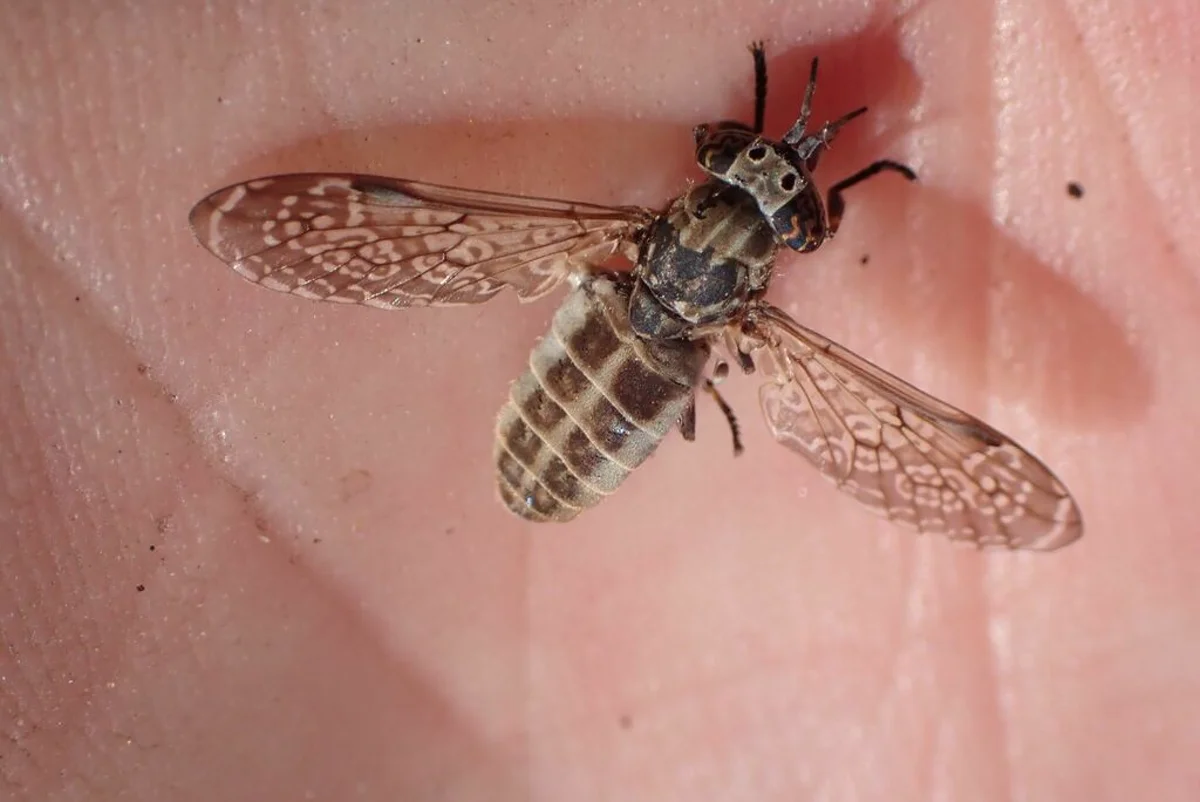
Horse flies are large, robust biting flies known for their painful bites. Female horse flies feed on blood from mammals, while males feed on nectar and pollen.
Taxonomy
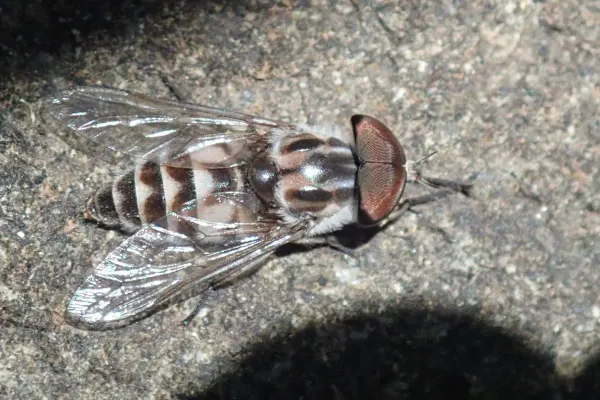
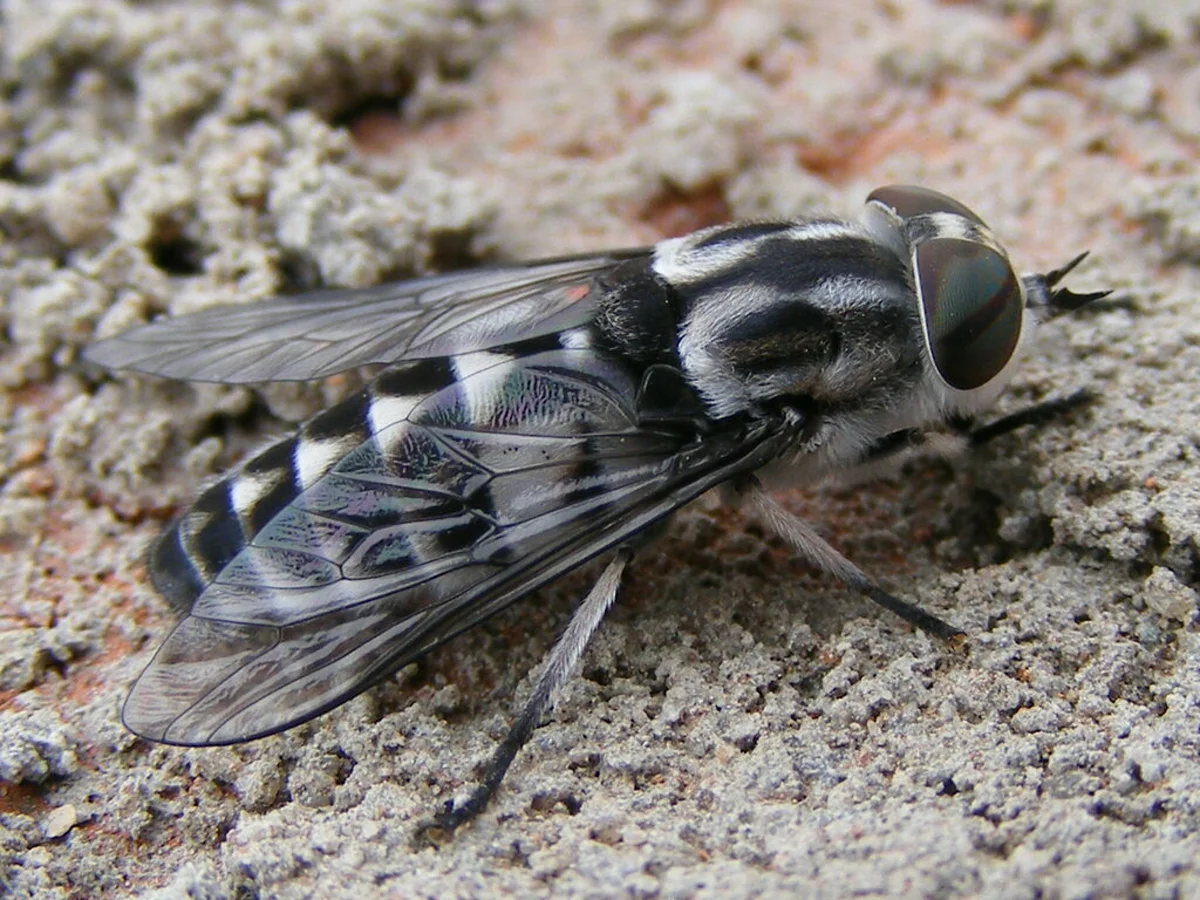
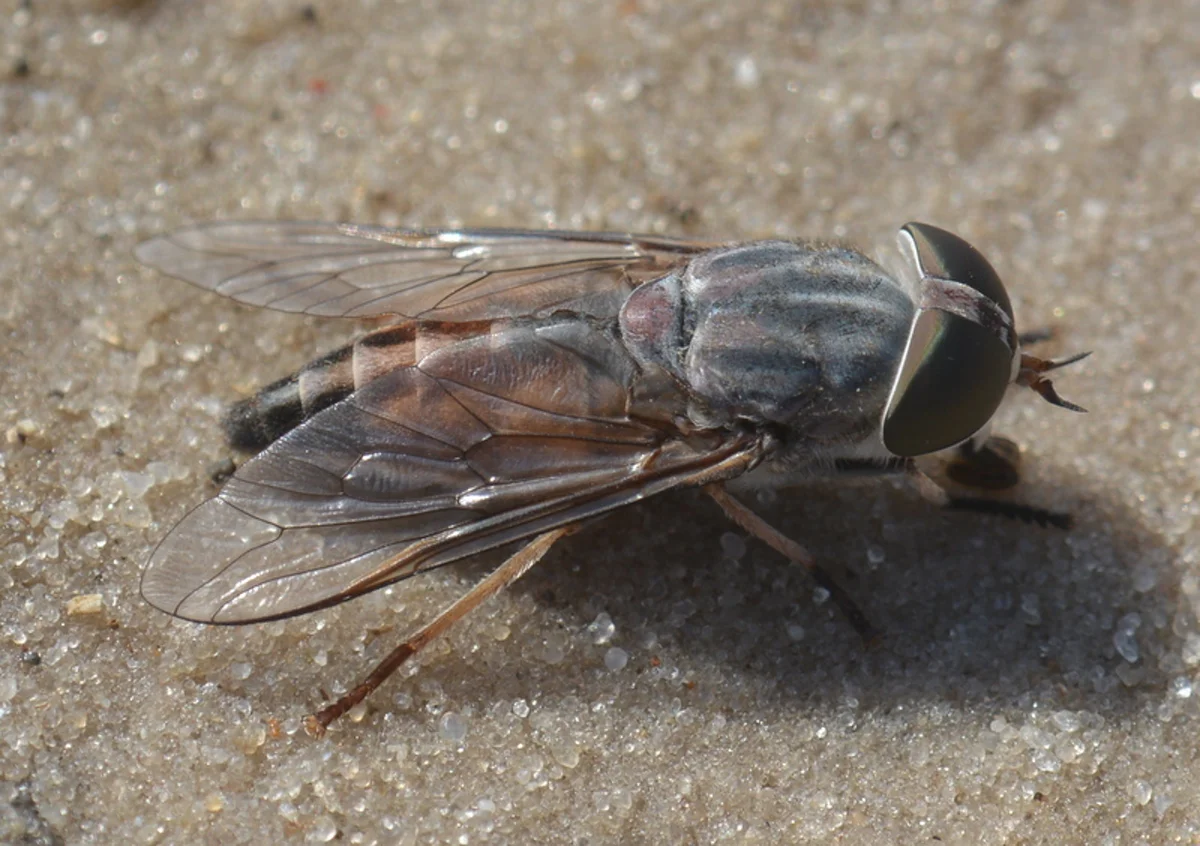
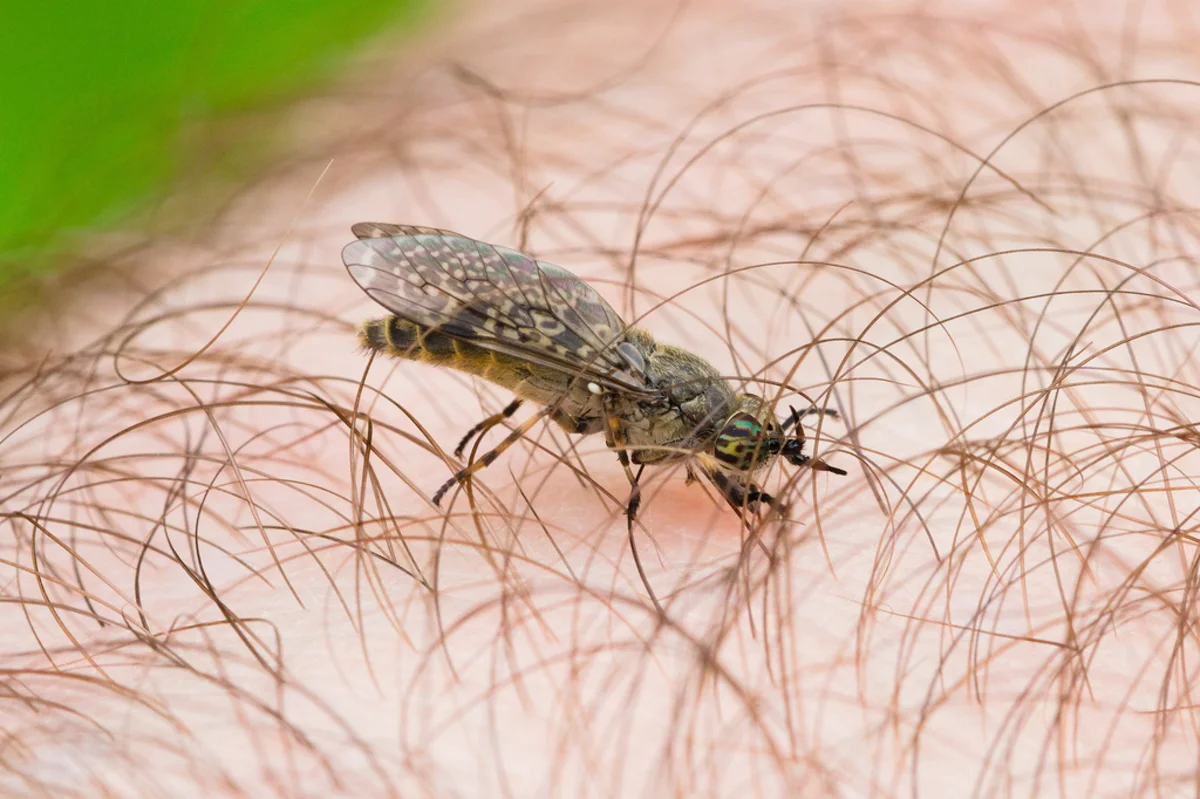
Horse Flies Coloration
Common color patterns to help identify horse flies
Horse Flies
Seasonal Activity
When horse flies are most active throughout the year

Where Horse Flies Are Found
Hover over states to see their names. Green regions indicate where horse flies have been reported.
Horse Fly Identification Guide
Physical Characteristics
Horse flies are among the largest biting flies in North America. They range from 10 to 25 millimeters long. Their stocky bodies and powerful flight make them easy to recognize. These flies are fast. One species can fly over 90 miles per hour, making them hard to swat.
The most striking feature of horse flies is their large, colorful compound eyes. Living horse flies often have eyes with green, purple, and bronze patterns. These colors fade after death. Female eyes are separated on top of the head. Male eyes meet in the middle. This difference helps tell the sexes apart.
Horse fly wings are clear or slightly smoky. They hold their wings flat over the body when resting. Colors vary by species but often include black, brown, gray, and tan. Many have striped patterns on the abdomen. Some species have bold black and white bands.
Female horse flies have mouthparts built for blood feeding. Unlike mosquitoes that pierce skin with a needle-like mouth, horse flies have blade-like jaws that cut through skin like scissors. This slashing action is why their bites are so painful and bloody. Stable flies also bite, but they are much smaller and use a different piercing method. For a full comparison, see our horse fly vs house fly guide.
Common Species in North America
Several horse fly species are commonly encountered across North America:
-
Black Horse Fly (Tabanus atratus): One of the largest species, up to 25 mm. All black with smoky wings. Found in eastern North America.
-
Striped Horse Fly (Tabanus lineola): Medium-sized with yellow-green eyes and striped abdomen. Common near coasts and wetlands.
-
Western Horse Fly (Tabanus punctifer): Found in western states. Brownish-gray with spotted wings.
-
Greenhead (Tabanus nigrovittatus): Has bright green eyes. Common in salt marshes along the Atlantic coast. Very aggressive biters.
Horse Fly Behavior and Biology
Horse flies go through four life stages: egg, larva, pupa, and adult. The full cycle takes one to three years. Most of this time is spent as larvae.
Breeding and Development
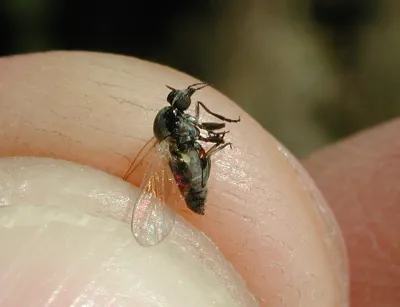
Female horse flies lay 25 to 1,000 eggs on plants near water or moist soil. The egg masses look like dark, shiny clusters. They hatch in 5 to 12 days. The larvae then drop into water or wet soil below. A related species, Biting Midges, shares similar characteristics.
Horse fly larvae are predators. They eat other insect larvae, worms, snails, and small water creatures. The larvae are tube-shaped with ringed bodies. They burrow into mud and debris, making them hard to find. Some larvae even eat their siblings when food is scarce. A related species, Coffin Flies, shares similar characteristics.
The larval stage lasts from several months to three years. In cold climates, larvae spend winter in the soil. Some need multiple years to grow enough to become pupae. Pupation happens in drier soil and lasts two to three weeks before adults emerge.
Adult Behavior
Adult horse flies are active during the day. They prefer warm, sunny weather and avoid shade. They are rarely active at night. Peak activity is from late morning through early evening in summer.
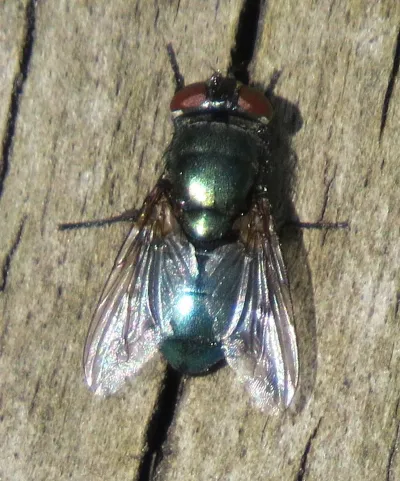
Both male and female horse flies feed on nectar and pollen. However, females also require blood meals to produce viable eggs. This makes them different from non-biting species like house flies and blow flies, which feed on decaying matter instead. Deer flies are closely related biting flies that are smaller and prefer wooded habitats near streams. They find hosts by detecting movement, dark colors, carbon dioxide, and heat. Once a host is spotted, horse flies approach in a zigzag flight pattern.
Horse flies are aggressive feeders. A female will keep trying to bite even when swatted away. If stopped before getting enough blood, she will find another host. A single fly can take 20 to 200 milligrams of blood per feeding.
Disease Transmission
Horse flies can spread diseases between animals. Their stop-and-start feeding moves blood from one host to another. Germs can live on their mouthparts between bites. Most diseases they spread affect livestock and wildlife:
- Equine infectious anemia (affects horses)
- Anaplasmosis (affects cattle)
- Anthrax (can affect various animals)
- Tularemia (rabbit fever, can occasionally affect humans)
In North America, horse flies rarely spread diseases to humans. However, bite wounds can get infected if not cleaned properly.
Treatment Methods for Horse Flies
Controlling horse flies is hard because they breed in wetlands that are difficult to treat. Management focuses on reducing bites and protecting people and animals rather than killing all the flies.
Personal Protection
When in areas with horse flies, these steps can help reduce bites:
-
Wear the right clothes: Choose light-colored, long-sleeved shirts and long pants. Horse flies like dark colors, especially blue and black. Tight-weave fabrics work best since flies cannot bite through them.
-
Use repellents: Products with DEET (25-30%) or picaridin offer some protection. However, horse flies ignore repellents more than mosquitoes do. You may need to reapply often.
-
Time your activities: Avoid being outside during peak hours, usually late morning through afternoon on warm, sunny days. Staying in shade also helps.
Property Management
To reduce horse flies around homes and farms, address breeding areas when possible:
-
Manage water: Get rid of standing water and improve drainage. Do not drain natural wetlands.
-
Control plants: Keep grass and plants trimmed where people and animals spend time. Horse flies rest on tall plants between bites.
-
Protect animals: Give livestock covered shelters or shaded areas during peak fly hours so they can escape biting.
Trapping Methods
Traps can help reduce horse fly numbers in certain areas:
-
Black ball traps: These use a dark ball that heats up in sunlight, copying the heat of a large animal. Flies drawn to the ball get trapped in a container or on sticky surfaces. Place these away from where people gather to draw flies away.
-
Box traps: Large walk-through traps near livestock can catch horse flies following animals. Flies enter but cannot find their way out.
-
Sticky traps: Large sticky panels in blue or black catch horse flies. Replace them often during peak season.
Chemical Control Limitations
Broadcast insecticide applications are generally not effective against horse flies. Horse flies range over large areas and new flies arrive from surrounding breeding sites. Area-wide spraying is not recommended for this reason.
Insecticides applied to livestock can give short-term relief. They must be reapplied often and used as the label directs. Some products cannot be used on animals raised for food.
References
Other Flies
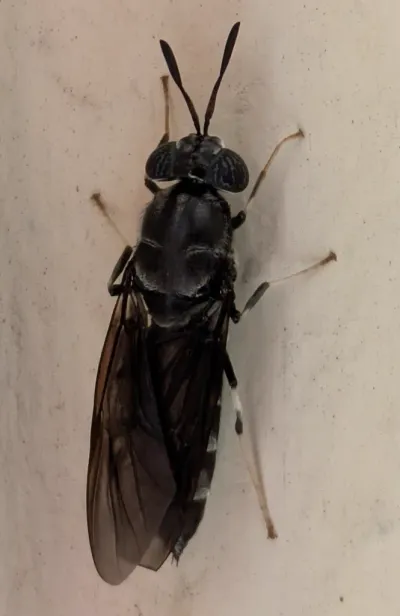
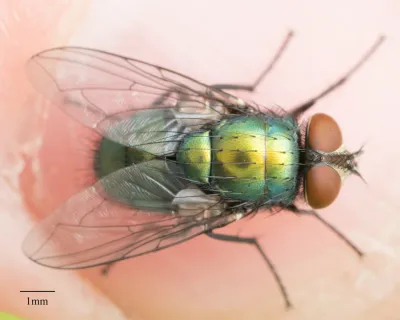
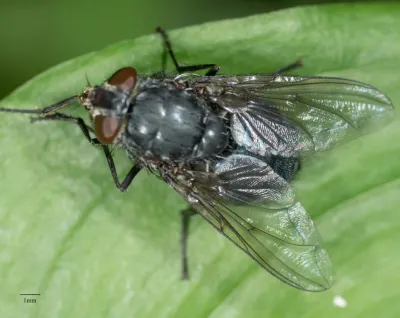
Explore other species in the flies family
Commonly Confused With
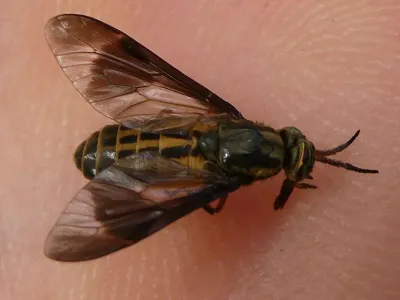
Horse Flies are often mistaken for these similar pests
Where Horse Flies Are Found
Hover over states to see their names. Green regions indicate where horse flies have been reported.
Common Questions about Horse Flies
Why do horse flies bite so painfully?
+
Unlike mosquitoes that pierce skin with a needle-like proboscis, horse flies use scissor-like mouthparts to slash the skin and lap up pooling blood. This cutting action causes significant tissue damage, resulting in immediate sharp pain, bleeding, and prolonged irritation at the bite site.
Are horse fly bites dangerous?
+
Horse fly bites are primarily painful and irritating. The wounds can become infected if not kept clean. In rare cases, some people experience allergic reactions including severe swelling or hives. Horse flies can mechanically transmit certain diseases to livestock, though human disease transmission is uncommon in North America.
Why do horse flies keep coming back to bite me?
+
Horse flies are persistent feeders. If interrupted before obtaining a full blood meal, they will return to the same host or find another. They are attracted to movement, dark colors, carbon dioxide, and body heat. People who are active, sweating, or wearing dark clothing are more likely to be targeted.
Do male horse flies bite?
+
No, only female horse flies bite. They require the protein in blood to develop their eggs. Male horse flies feed only on nectar and pollen from flowers.
When are horse flies most active?
+
Horse flies are daytime feeders, most active during warm, sunny conditions between late morning and early evening. They prefer to fly in open, sunlit areas and avoid shaded or dark locations. Activity peaks during the hottest summer months from June through August.
How can I protect myself from horse fly bites?
+
Wear light-colored, long-sleeved clothing when in areas with horse fly activity. Commercial insect repellents containing DEET or picaridin provide some protection, though horse flies are less deterred by repellents than other biting insects. Avoiding outdoor activities during peak hours and staying in shaded areas can help reduce encounters.
Why are there so many horse flies near water?
+
Horse fly larvae develop in moist soil, mud, and semi-aquatic environments near ponds, streams, marshes, and other water sources. Adult females also need water to lay their eggs. Properties near wetlands, lakes, or areas with standing water typically experience higher horse fly populations.
How long do horse flies live?
+
Adult horse flies live for 30 to 60 days during summer months. However, the complete life cycle from egg to adult can take one to three years, with most of that time spent in the larval stage underground. In northern climates, larvae may take two to three years to fully develop before emerging as adults.

With five years of hands-on experience in the pest control industry, George Schulz is a registered technician with the Virginia Pest Management Association and a proud third-generation professional in a family business that's been protecting homes for over 57 years. He manages and trains a team of service pros while also leading internal research efforts—recently spearheading a deep-dive review of thousands of documents on pest control materials to hand-pick the most kid and pet friendly, most effective solutions tailored specifically for homes in the DC metro area.